Water is coming into the building right now
Call us and tell us where the water is showing up. We will get a crew on the roof to stop the leak and protect the space below.

Rochester, MN
Roofing plans for Rochester hospitals, schools, warehouses, offices and retail properties, based on access, operations and observed roof conditions.
Call us and tell us where the water is showing up. We will get a crew on the roof to stop the leak and protect the space below.
We walk the roof, photograph what we find and give you a written scope with repair options before any work starts.
Overview
A roof detail is shaped by the work happening below it. A hospital may need equipment access protected, a warehouse may depend on clear loading routes, and a school may have a narrow work window. We confirm the use and operating limits at the property instead of inferring them from a neighborhood or employer list. In Rochester, Mayo Clinic, education, manufacturing and retail are part of a varied local economy.
Our hospital, warehouse, school and office work begins with the installed assembly, reported concern and safe access route.
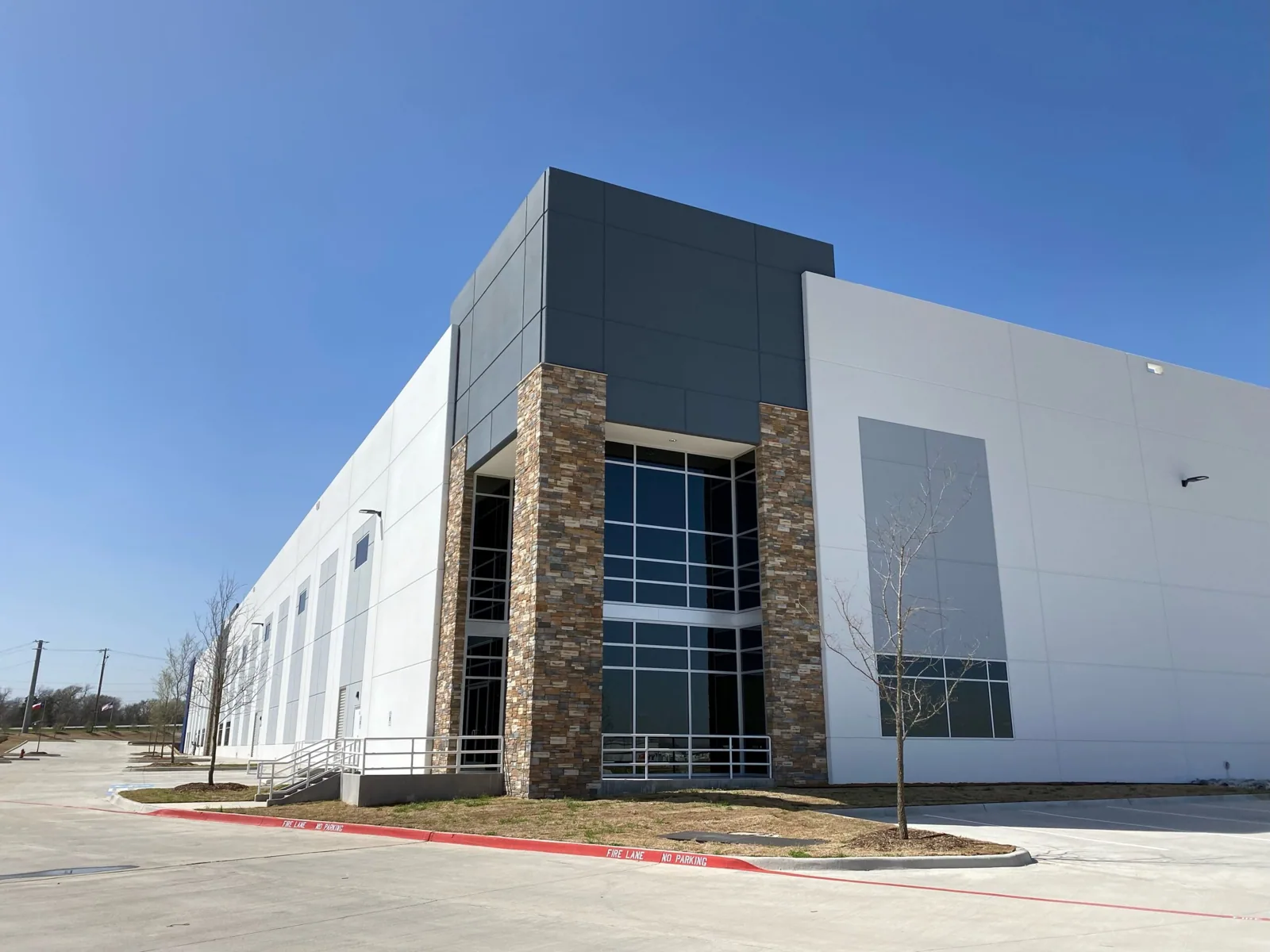
Repair and maintain warehouse roofs in Rochester, MN. We inspect drains, seams, dock-side transitions and roof equipment, then document work by zone.
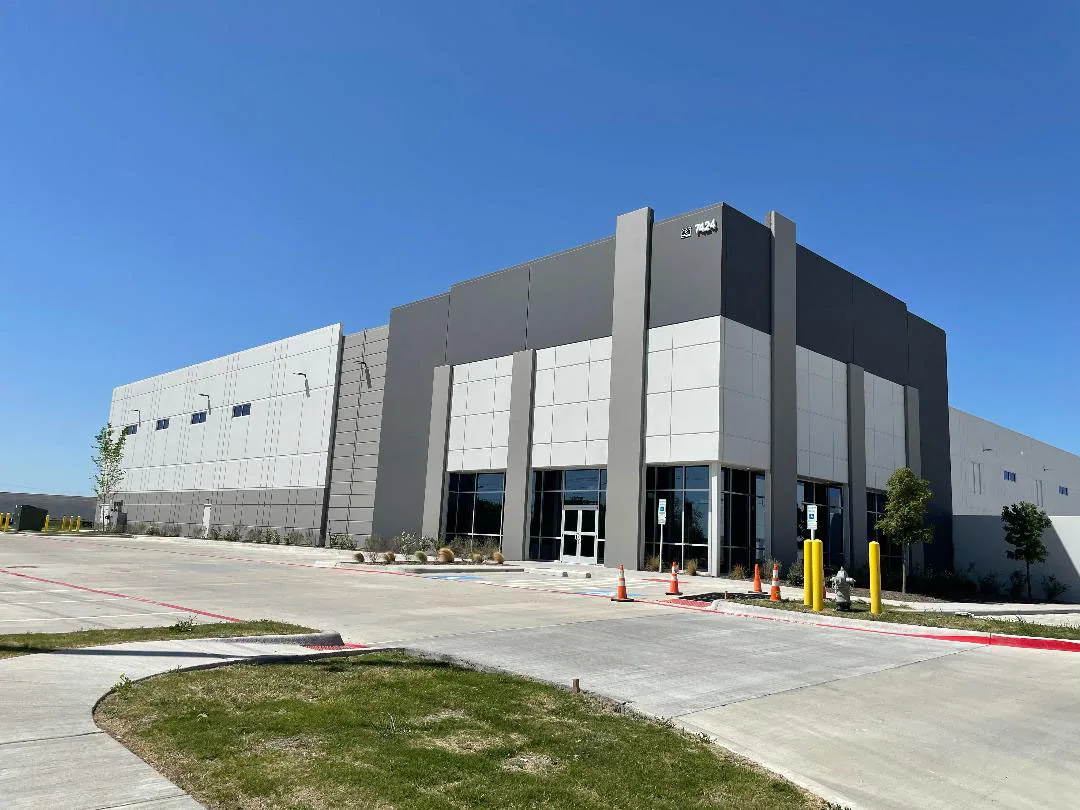
Plan distribution-center roof repair in Rochester, MN. We map leaks by bay, inspect drains and penetrations, and sequence work around facility movement.
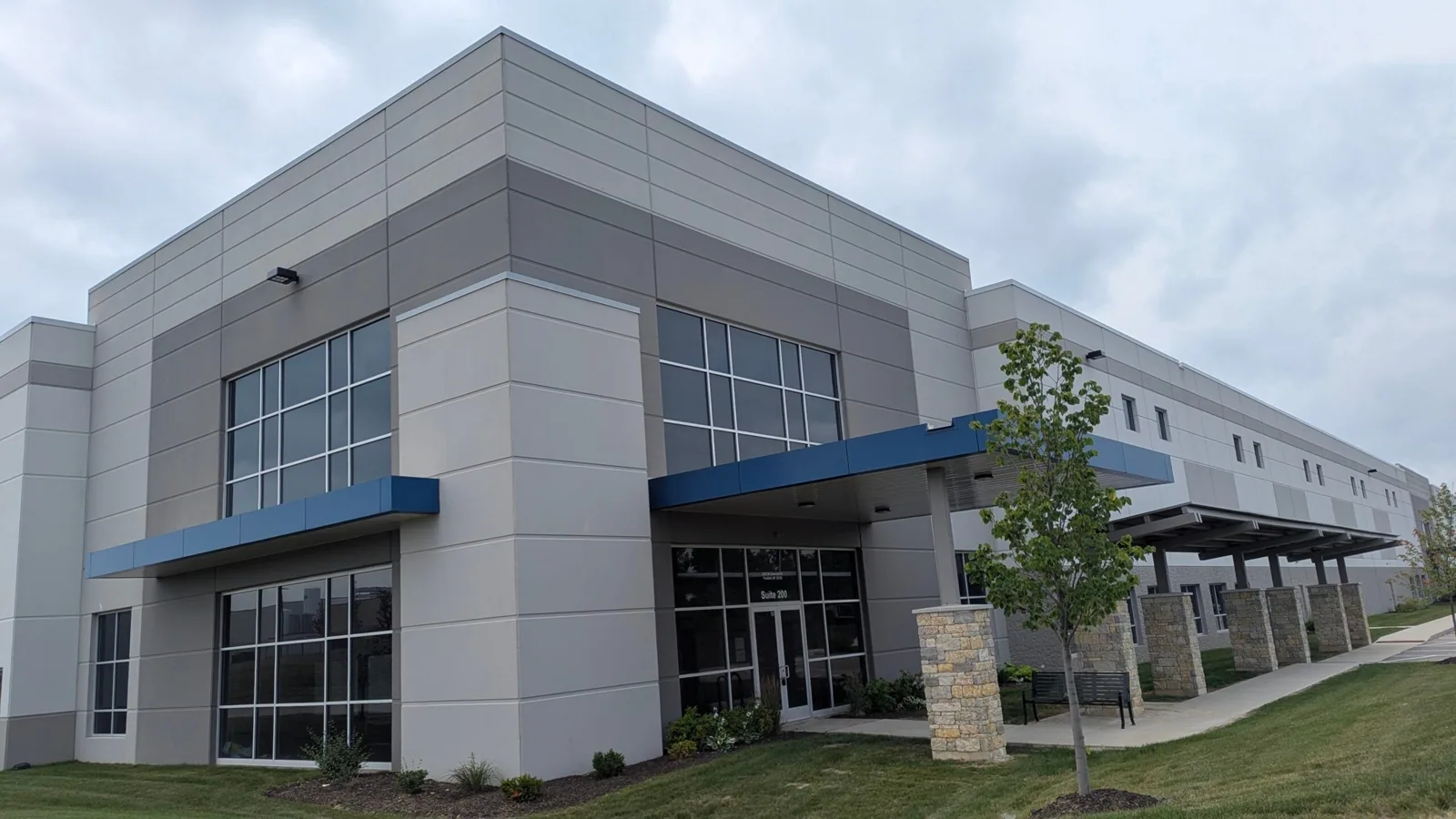
Plan manufacturing plant roof repair in Rochester, MN. We inspect penetrations, exhaust details, drainage and work zones, then document the repair sequence.
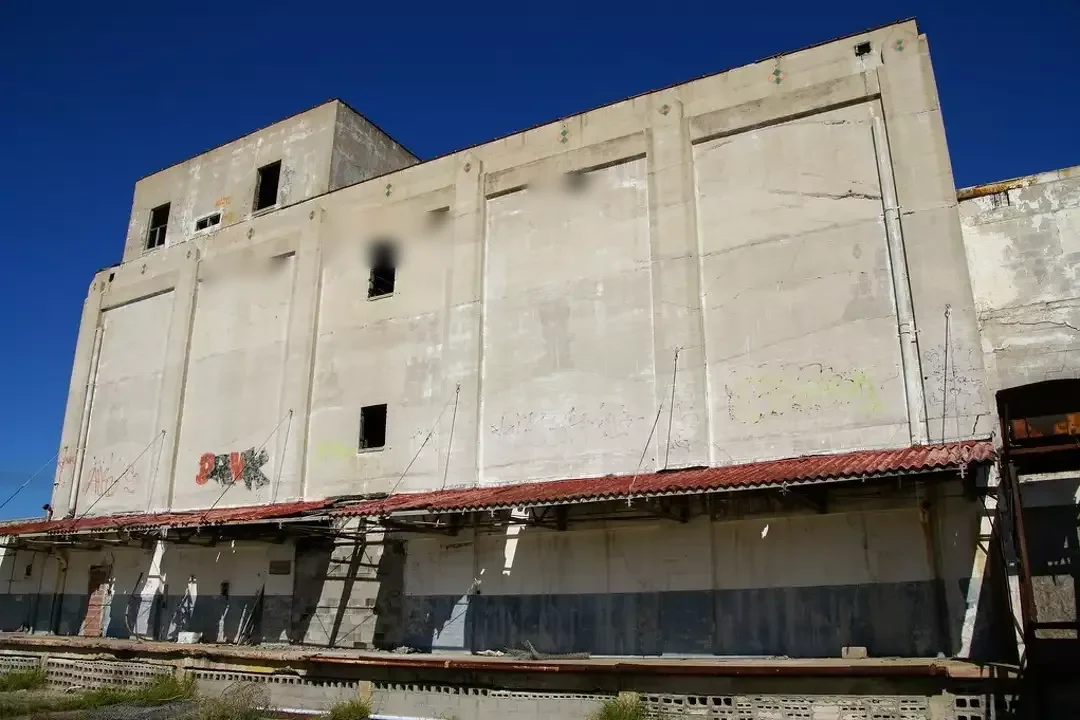
Inspect cold-storage roofs in Rochester, MN for moisture, insulation gaps, penetrations and drains. We coordinate repairs with temperature-sensitive operations.
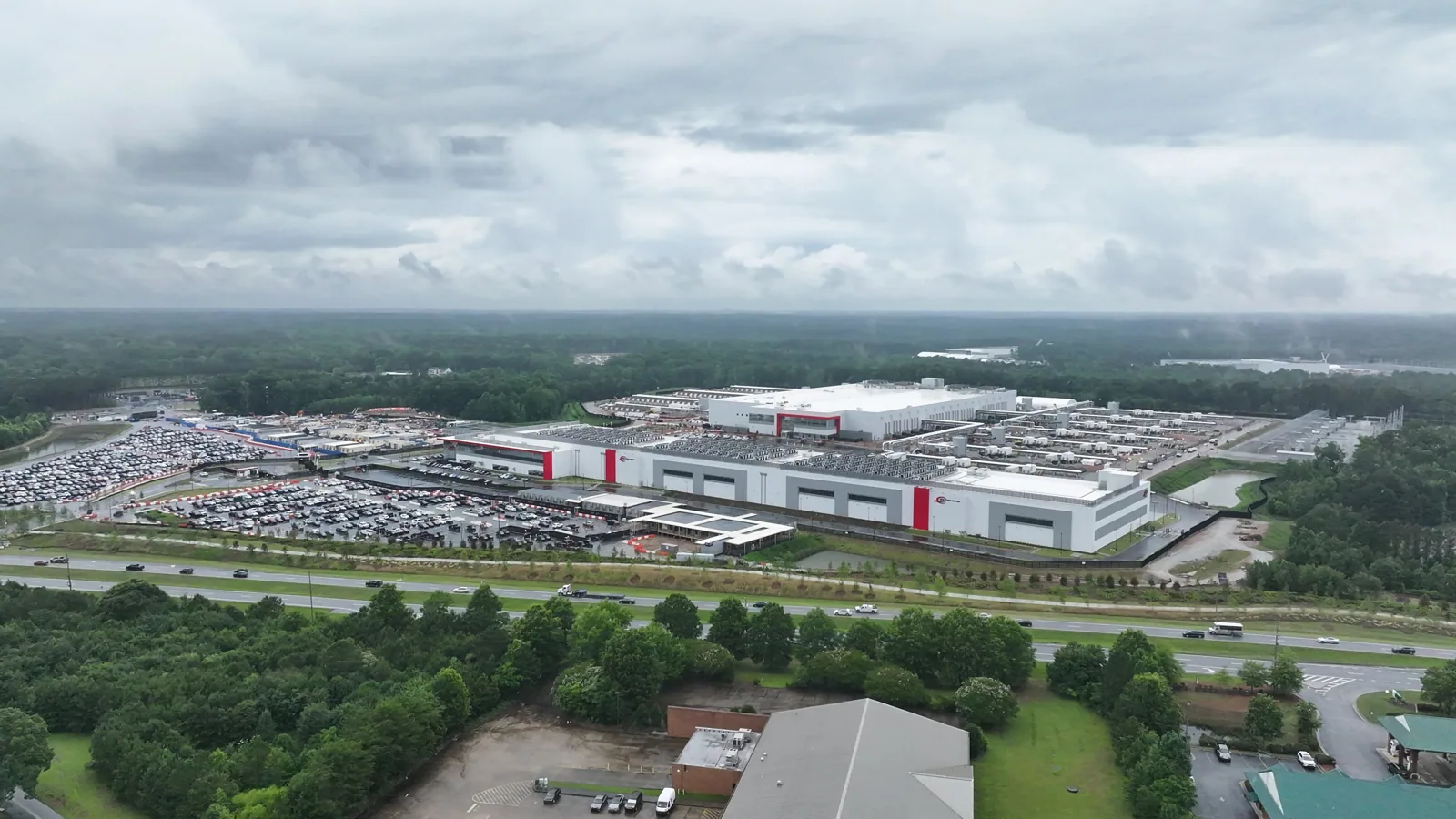
Inspect data-center roofs in Rochester, MN for leaks, drainage and equipment penetrations. We document access, testing and repair sequences by zone.
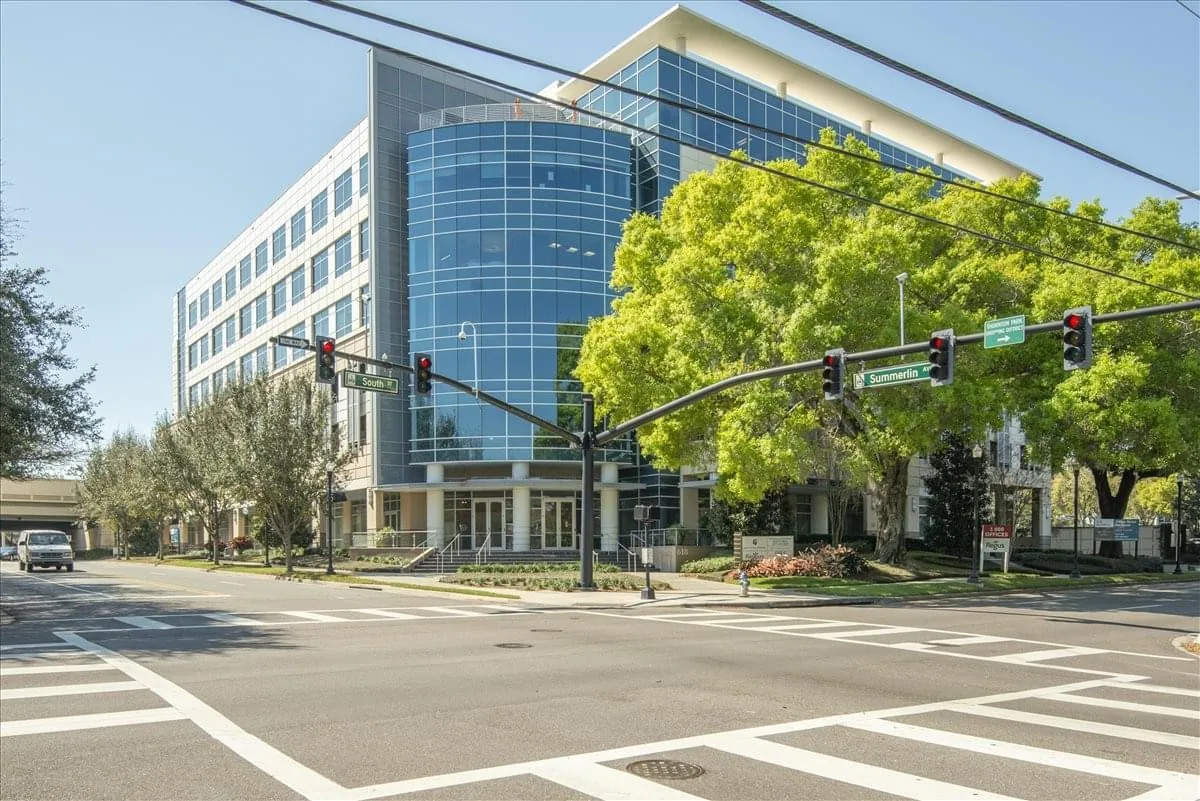
Inspect office-building roofs in Rochester, MN for leaks, drainage, curbs and edge details. We plan repairs around tenant access and building operations.
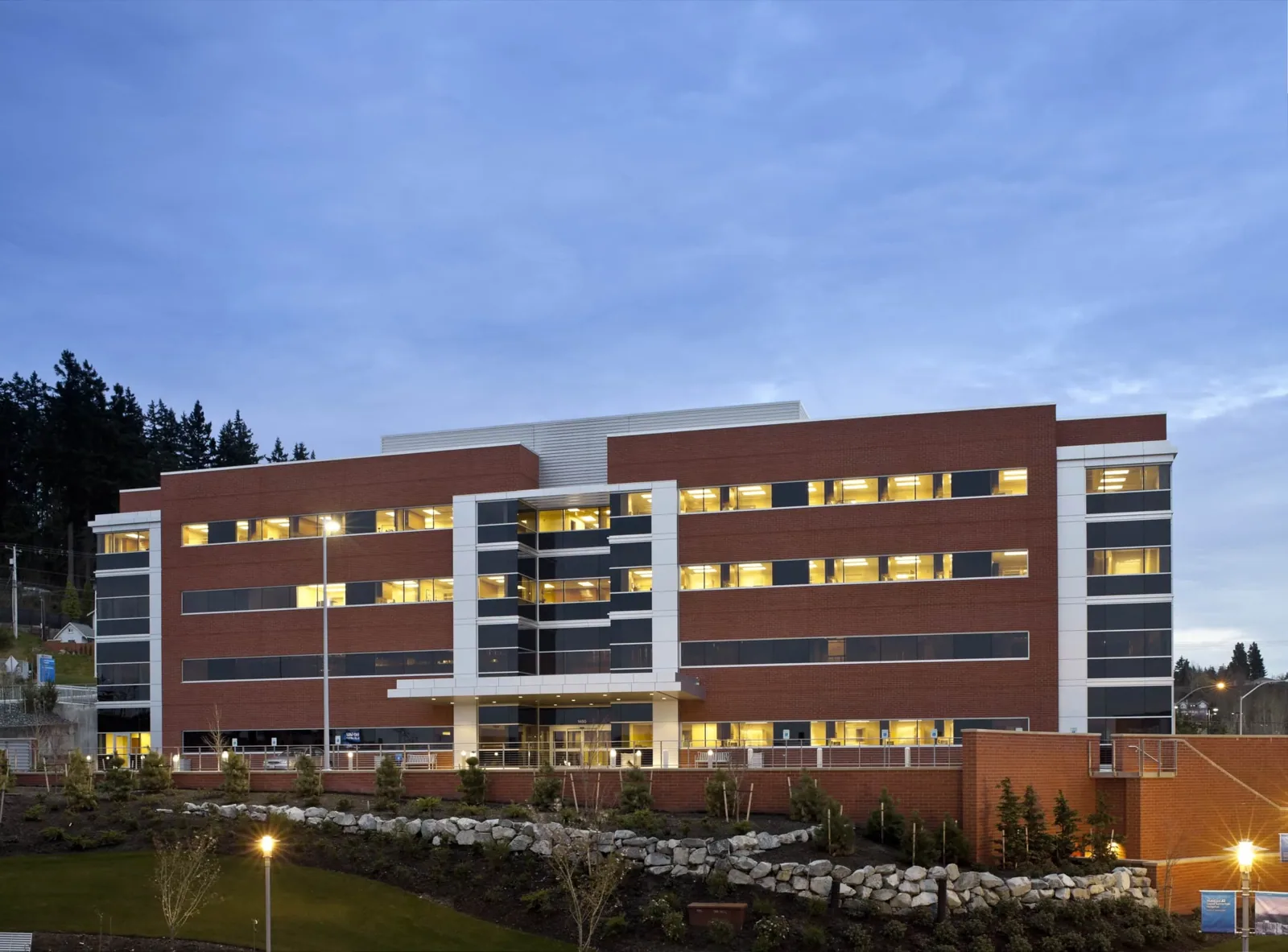
Repair medical-office roofs in Rochester, MN with inspection plans for patient access, equipment curbs, drainage and occupied clinic operations.

Plan hospital roof repair in Rochester, MN with section maps, protected access and documented work zones for occupied healthcare operations.
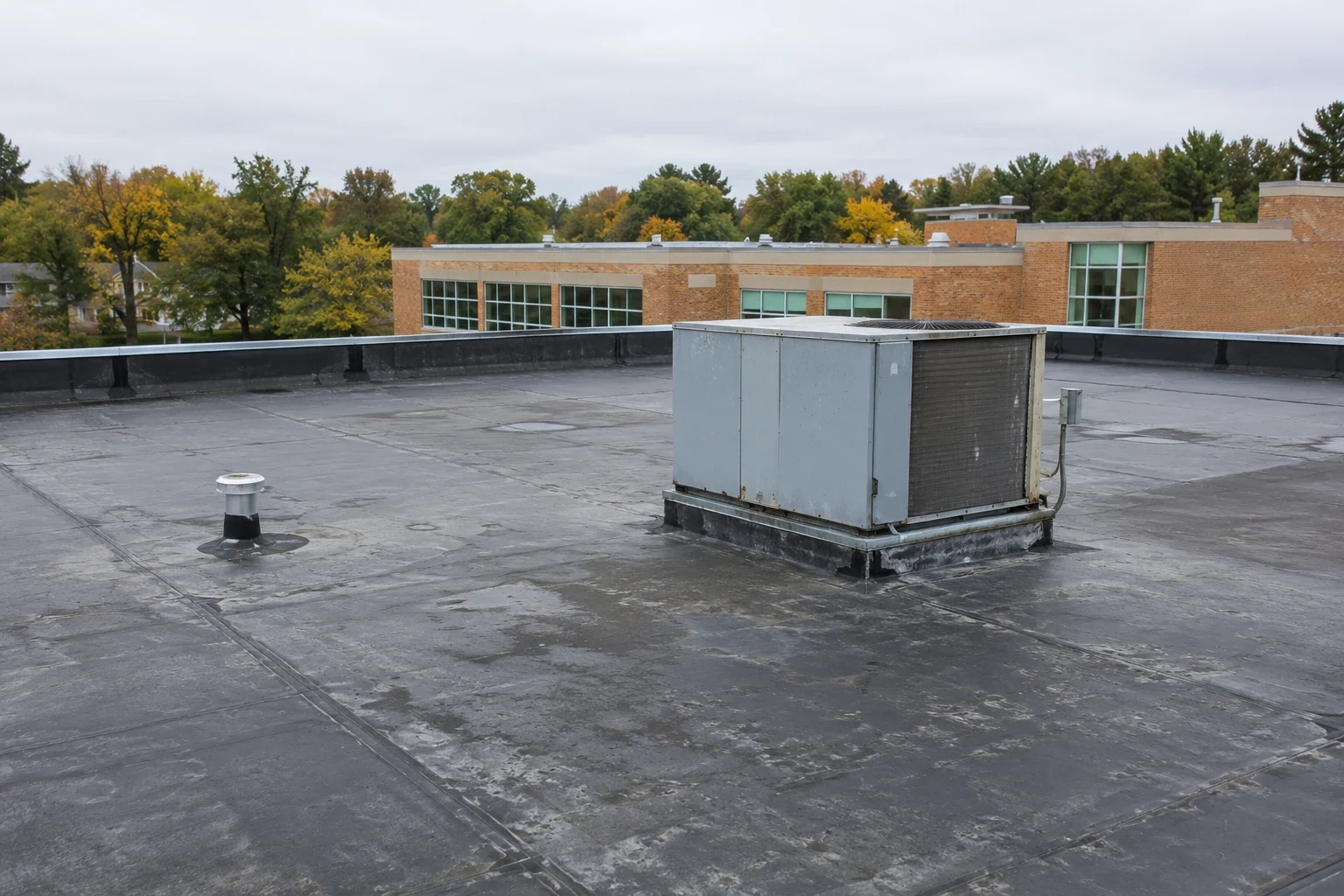
Plan school roof repairs in Rochester, MN around occupied wings, winter drainage, and campus records. Get a scoped inspection and phased work plan.
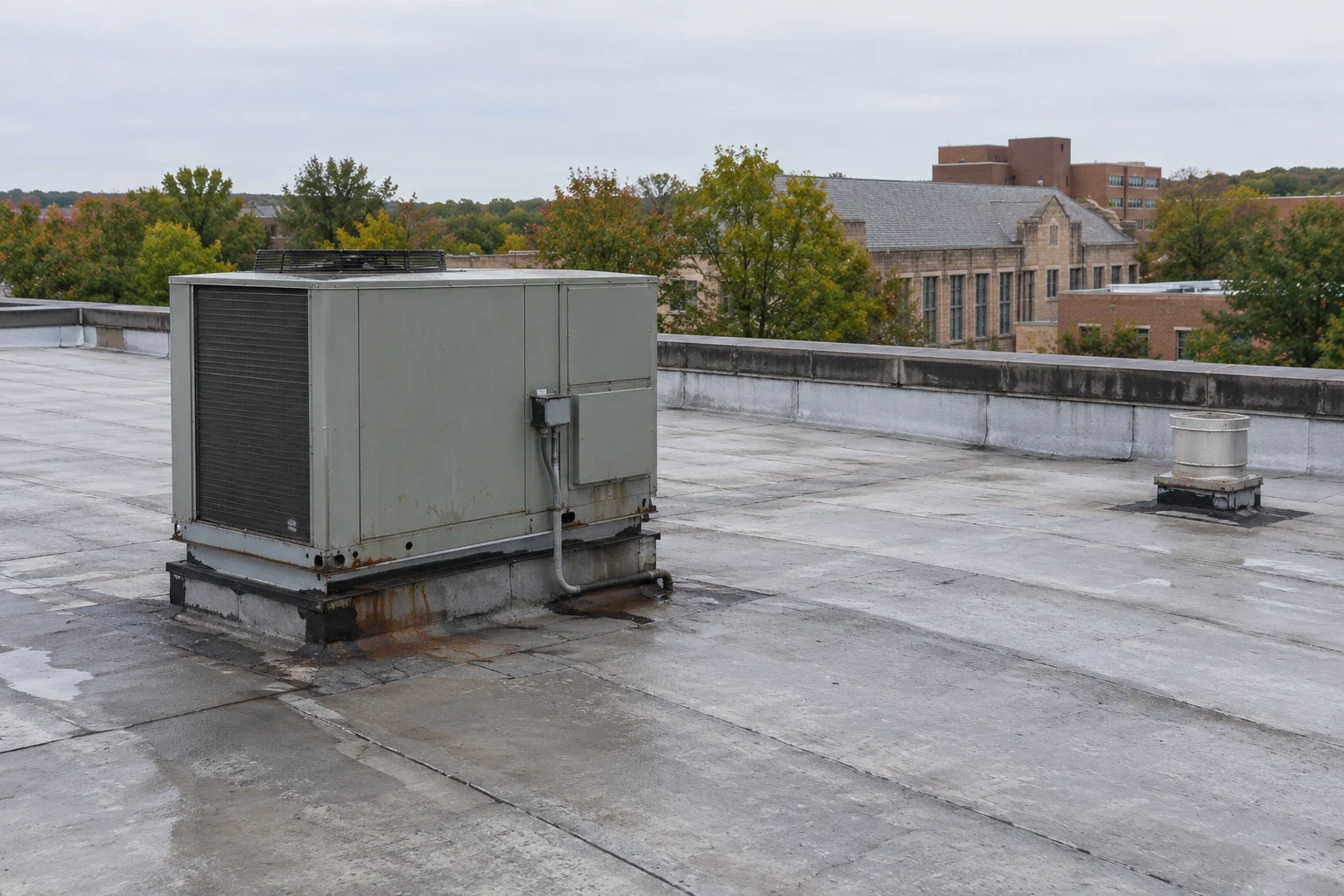
Manage college and university roof work in Rochester, MN with section-level inspections, occupied-building phasing, and clear closeout records.
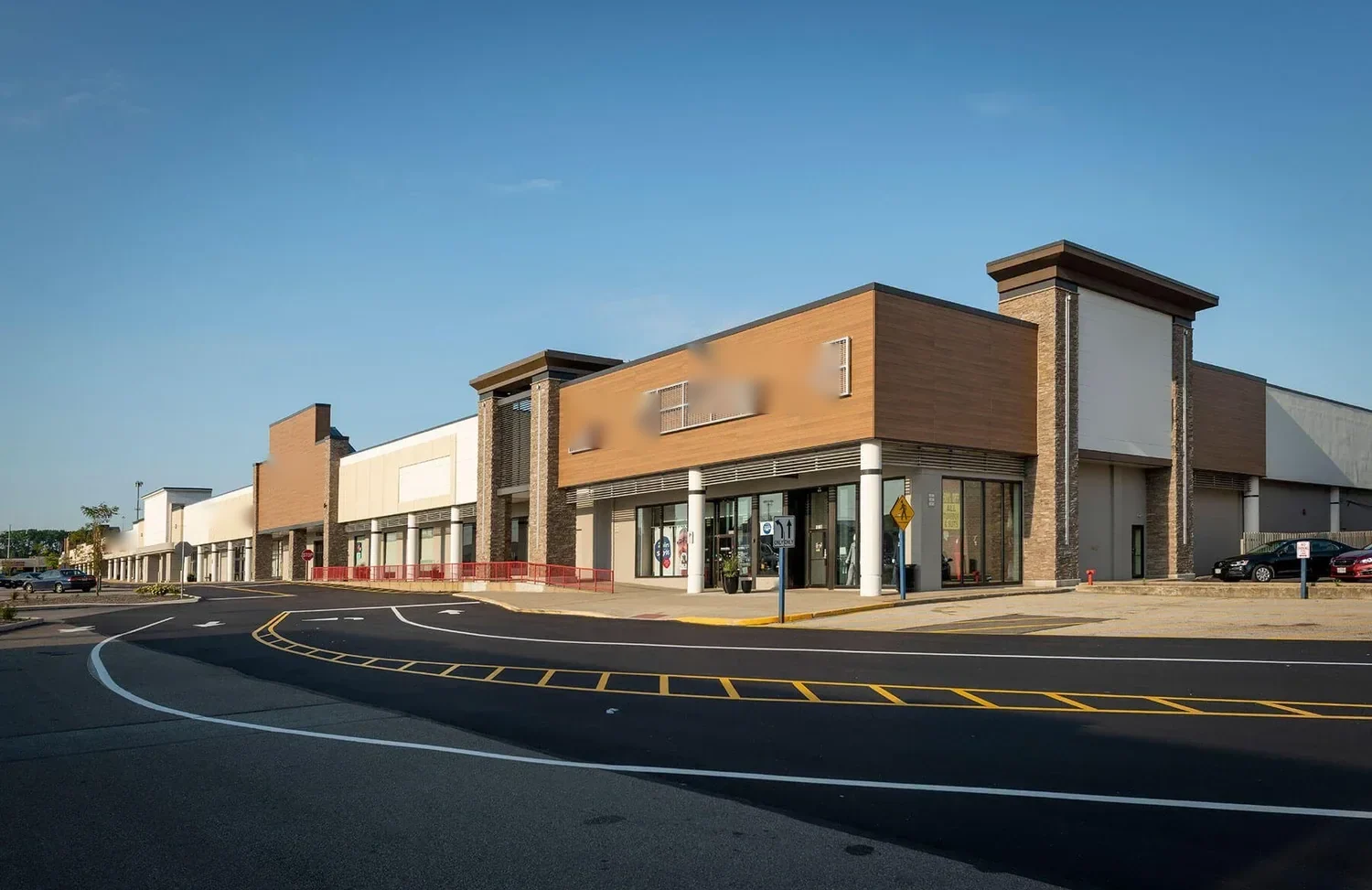
Coordinate Rochester shopping center roof repairs by tenant bay, drain route, and work window. Get a section-level inspection and closeout record.
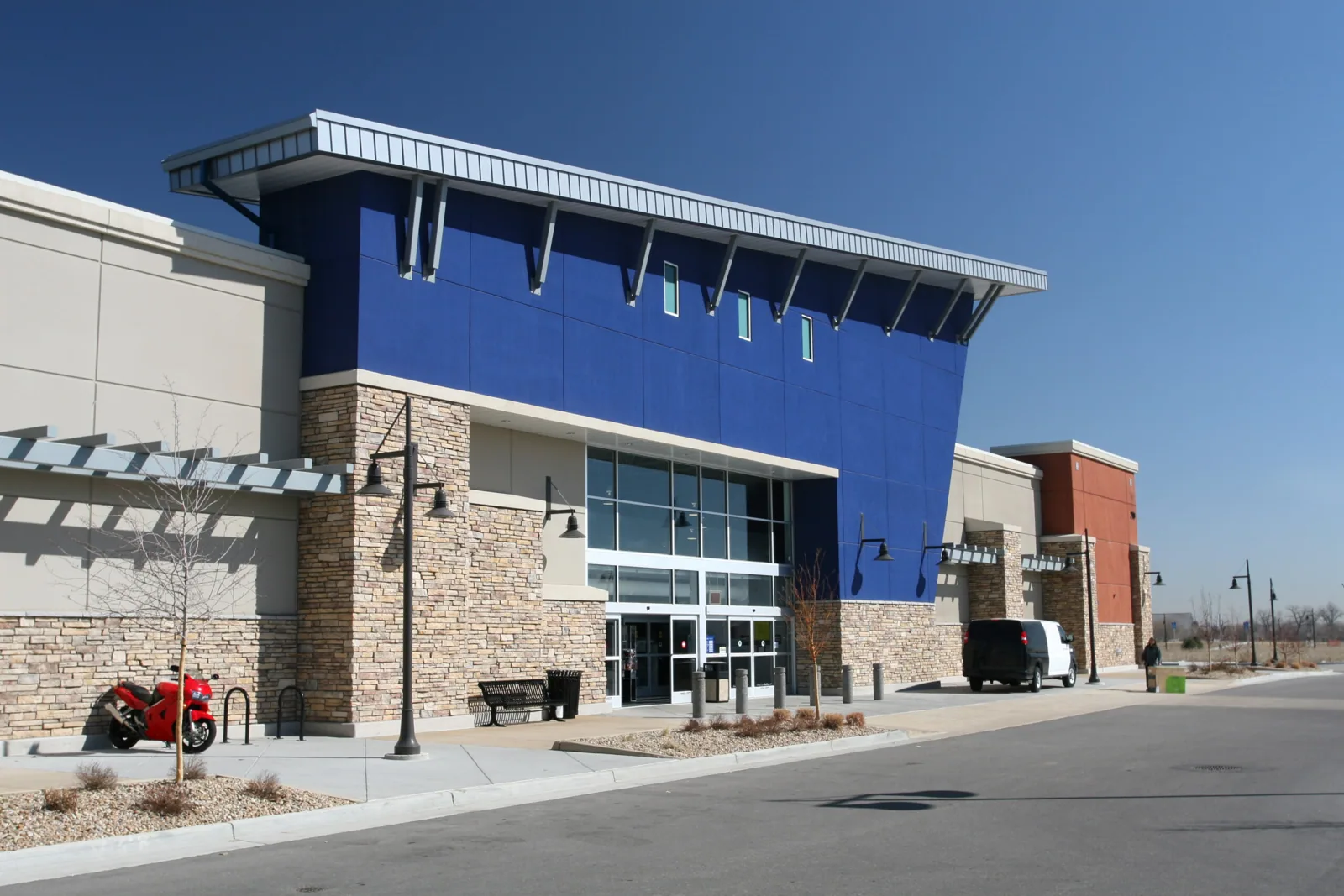
Plan big-box retail roof repairs in Rochester, MN around large field areas, loading access, drainage routes, and clear work-zone records.
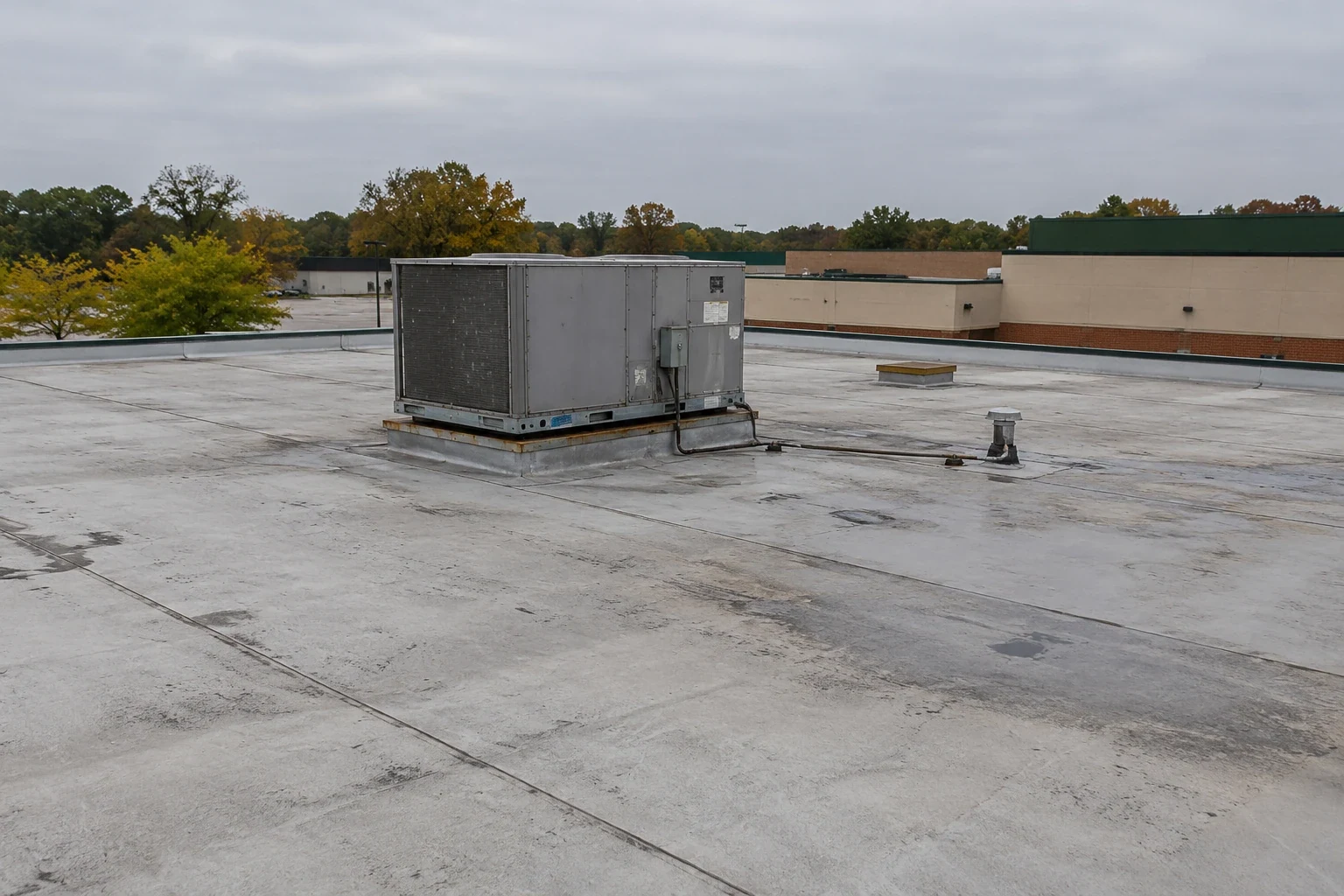
Protect Rochester grocery operations with roof inspections that trace refrigeration curbs, drain paths, loading access, and repair limits by section.
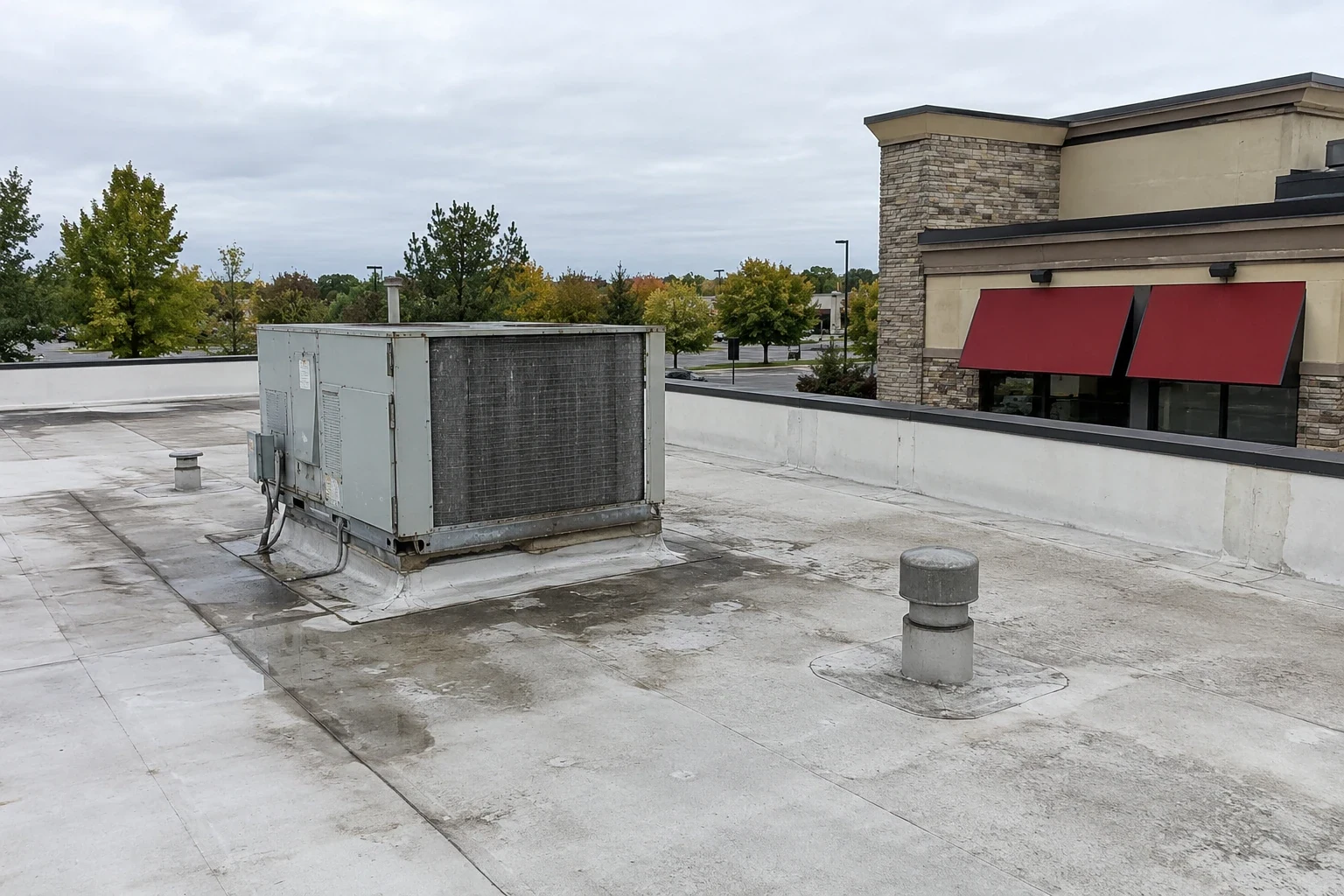
Repair Rochester restaurant roofs with attention to exhaust curbs, grease exposure, drain paths, guest access, and documented daily tie-ins.
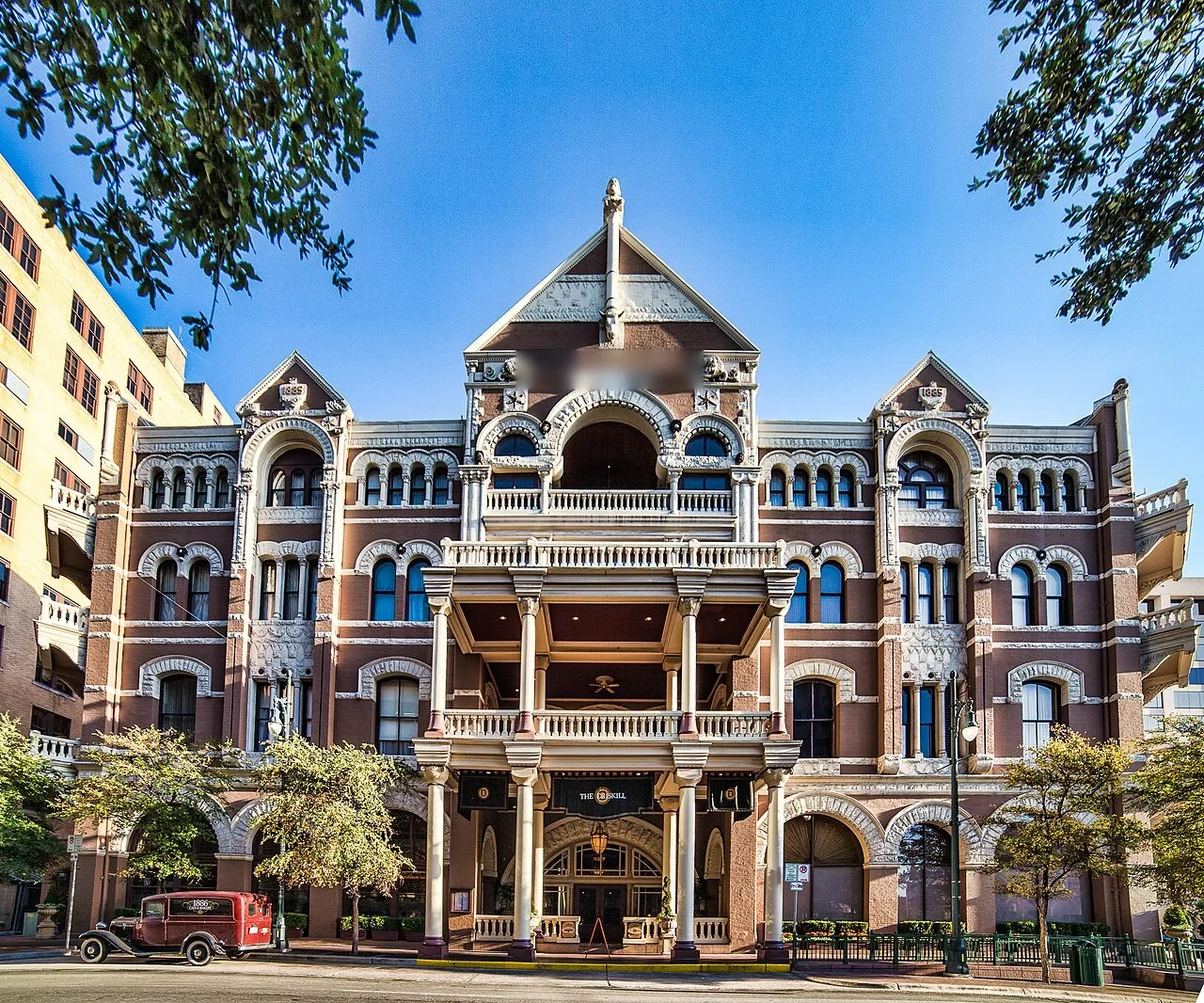
Schedule Rochester hotel roof work by guest area, equipment zone, and access path. Get a documented repair boundary and closeout plan.
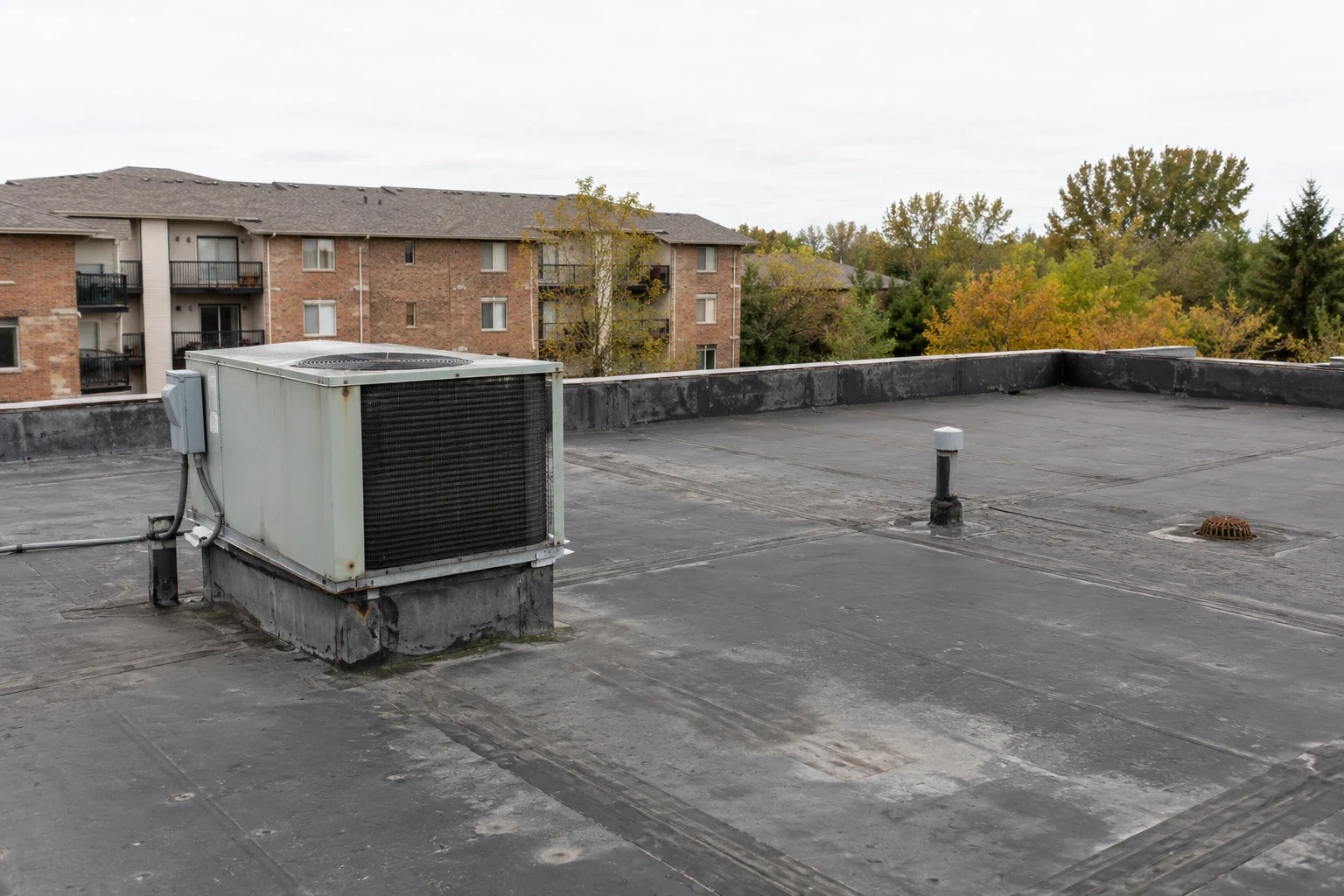
Manage Rochester apartment roof repairs by building, tenant report, drain route, and access plan, with clear closeout records for each section.
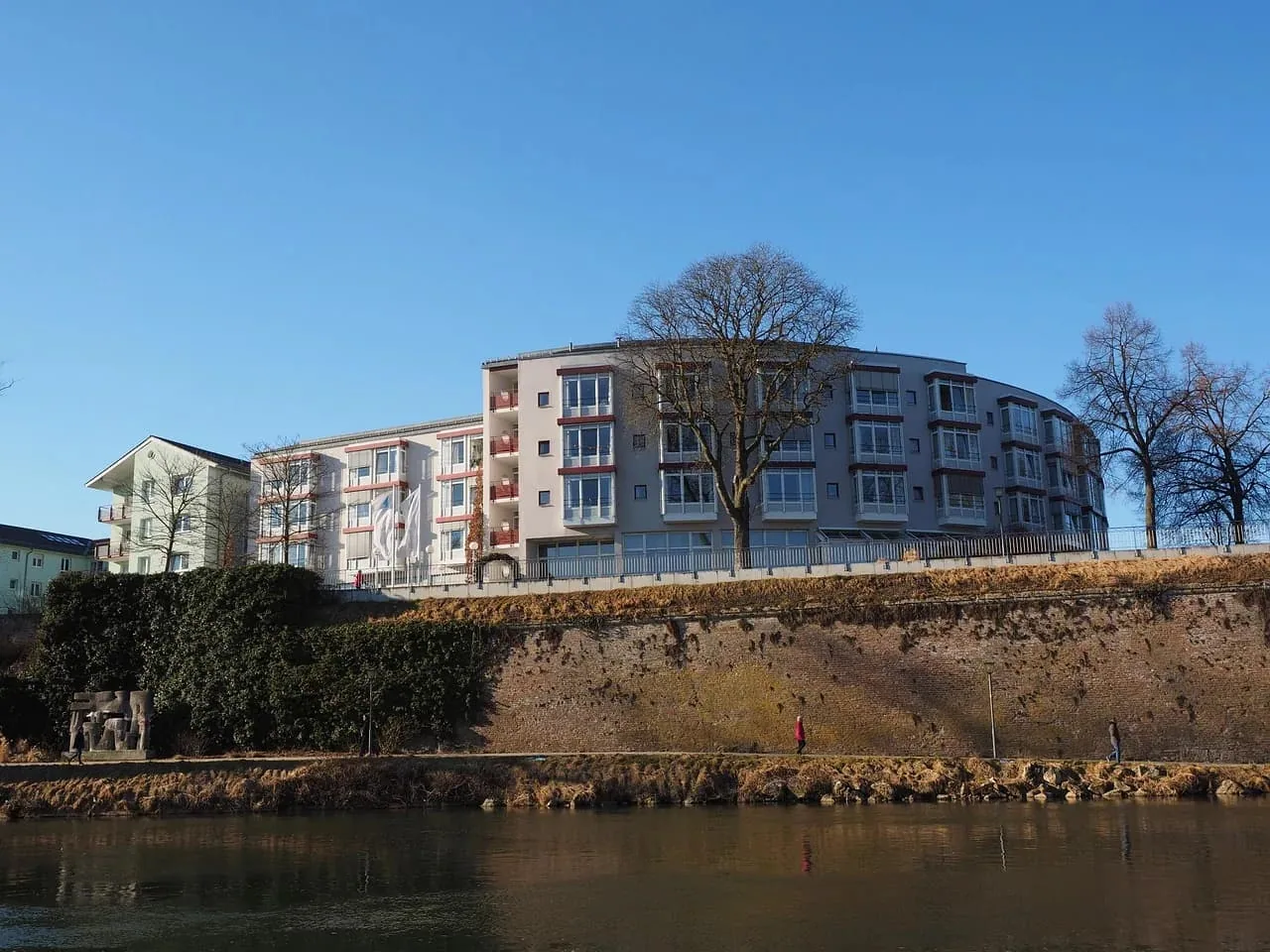
Plan Rochester senior living roof repairs by resident area, access route, drain path, and building record, with work phased to protect operations.
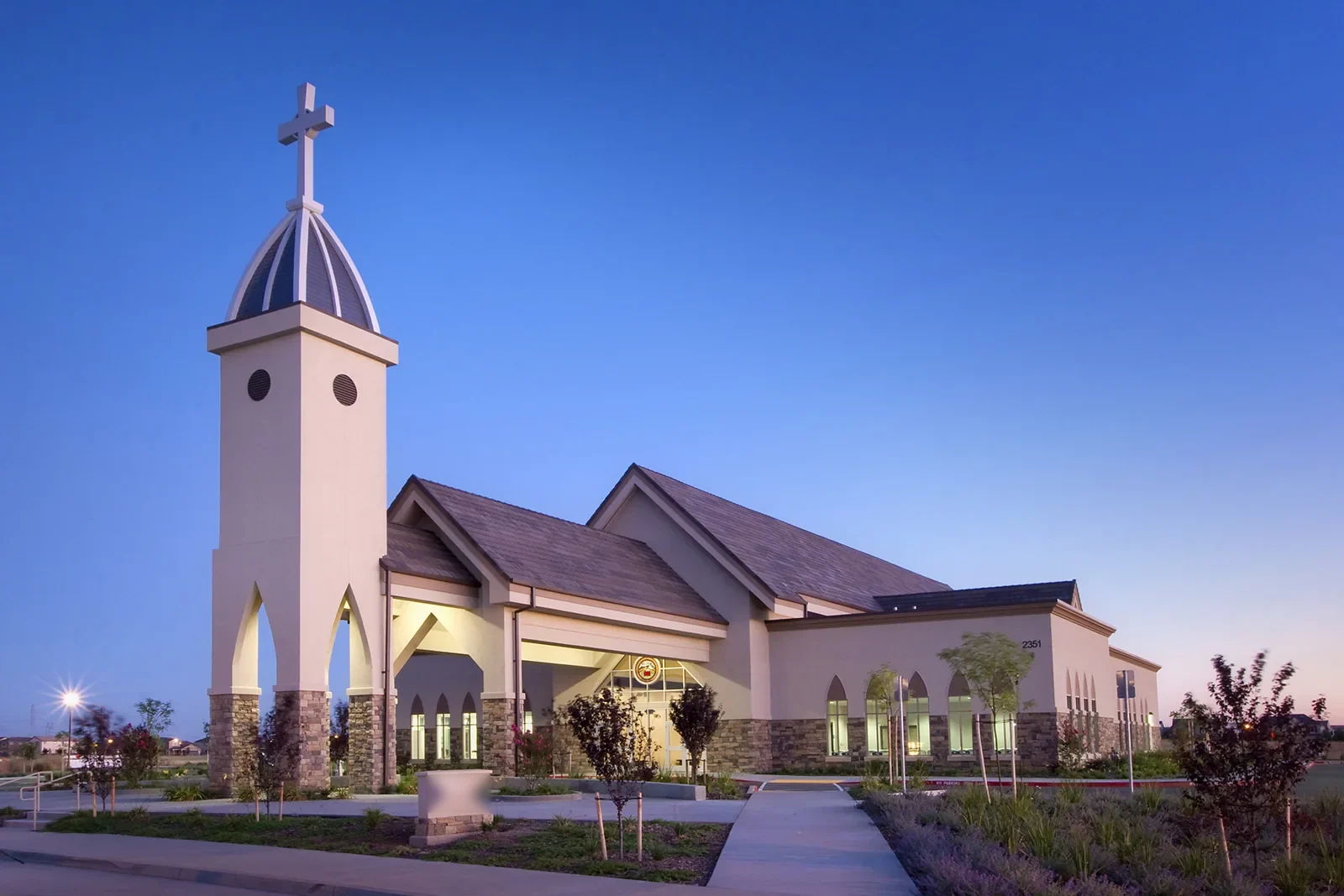
Repair Rochester church roofs with careful review of sanctuary transitions, drain paths, metal edges, and service schedules tied to each building.
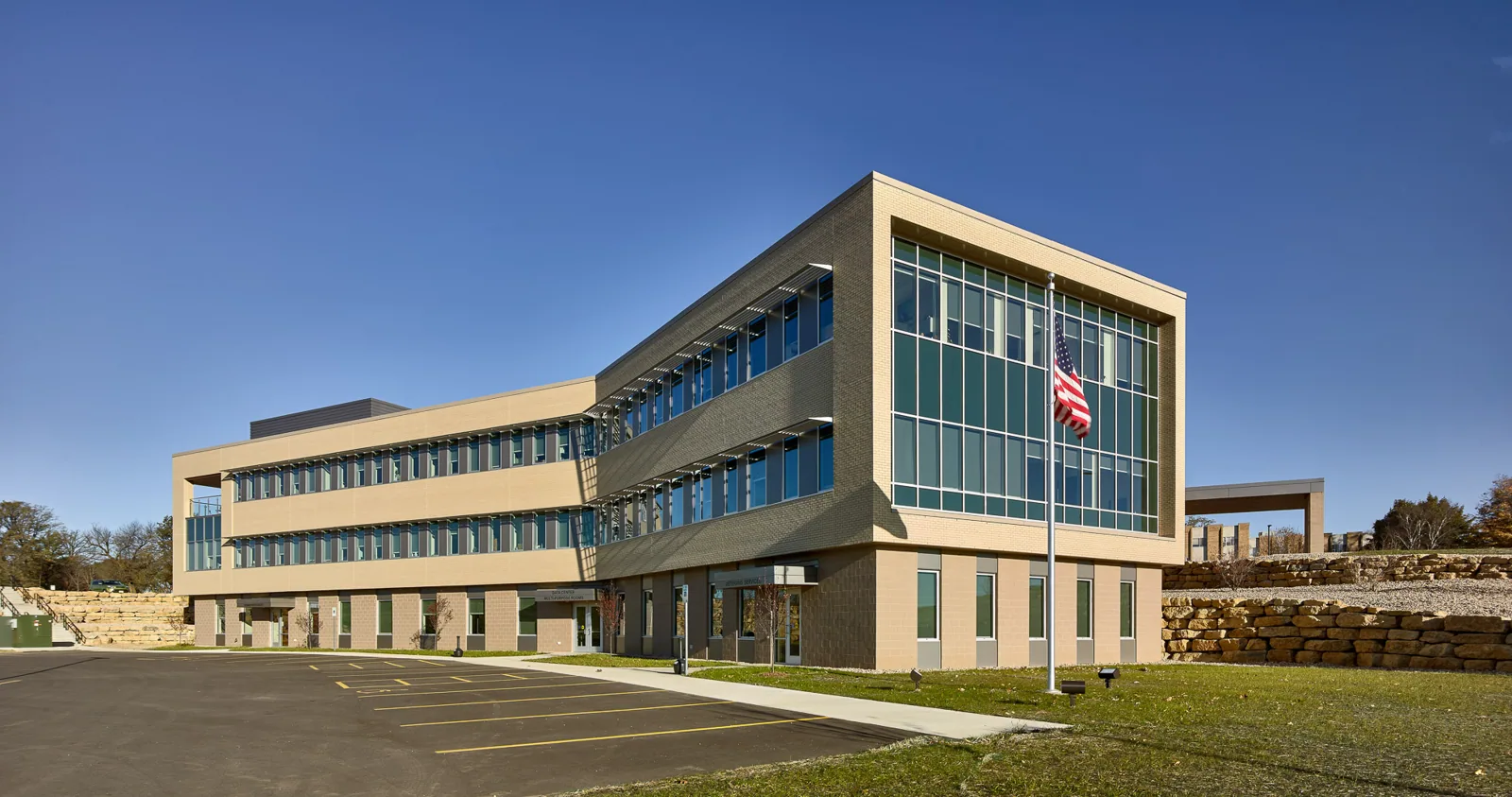
Manage Rochester government roof repairs with defined access, public-route protection, code coordination, and a condition record for each building.
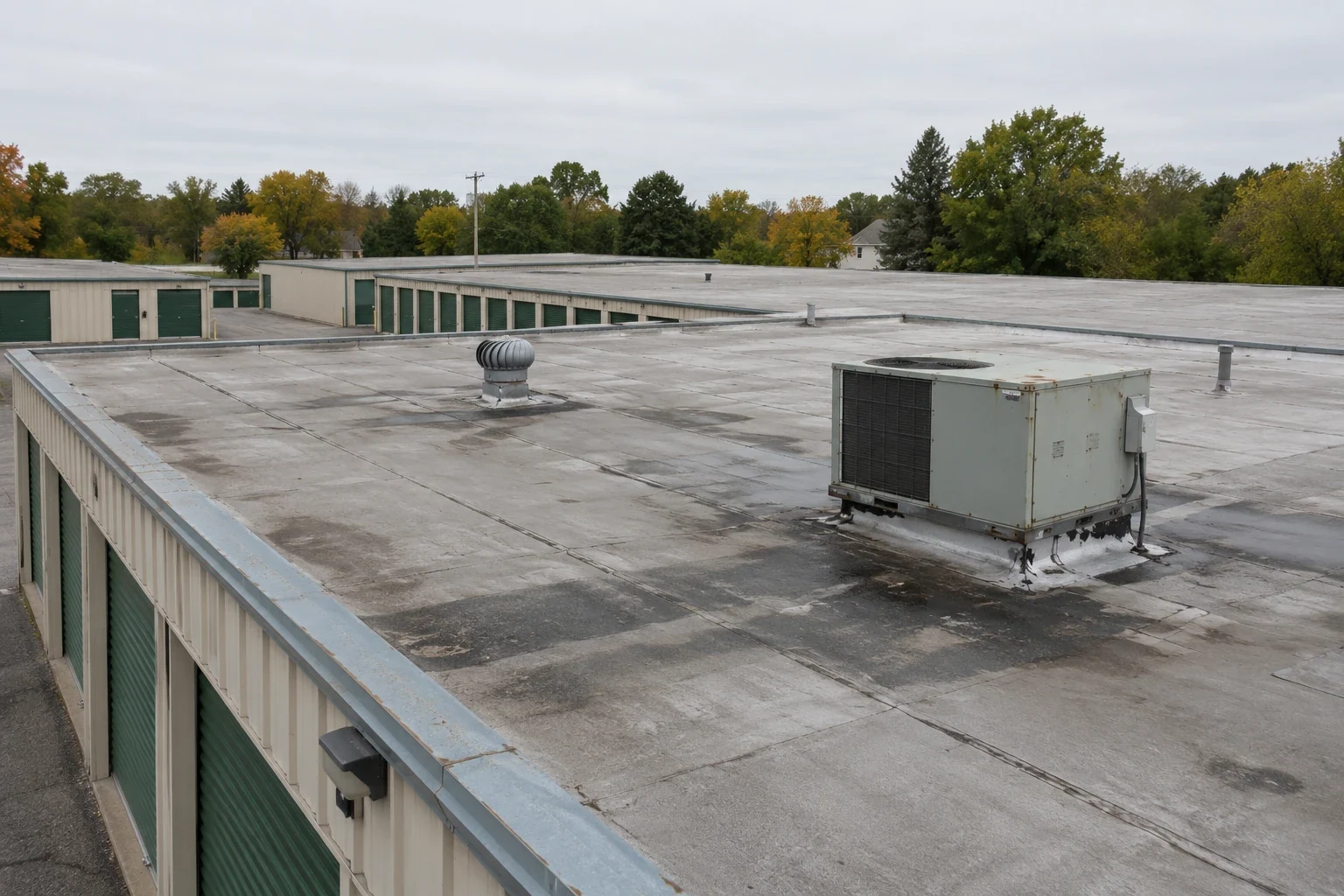
Maintain Rochester self-storage roofs with clear unit-row maps, drain and edge checks, protected drive aisles, and repair records for each building.
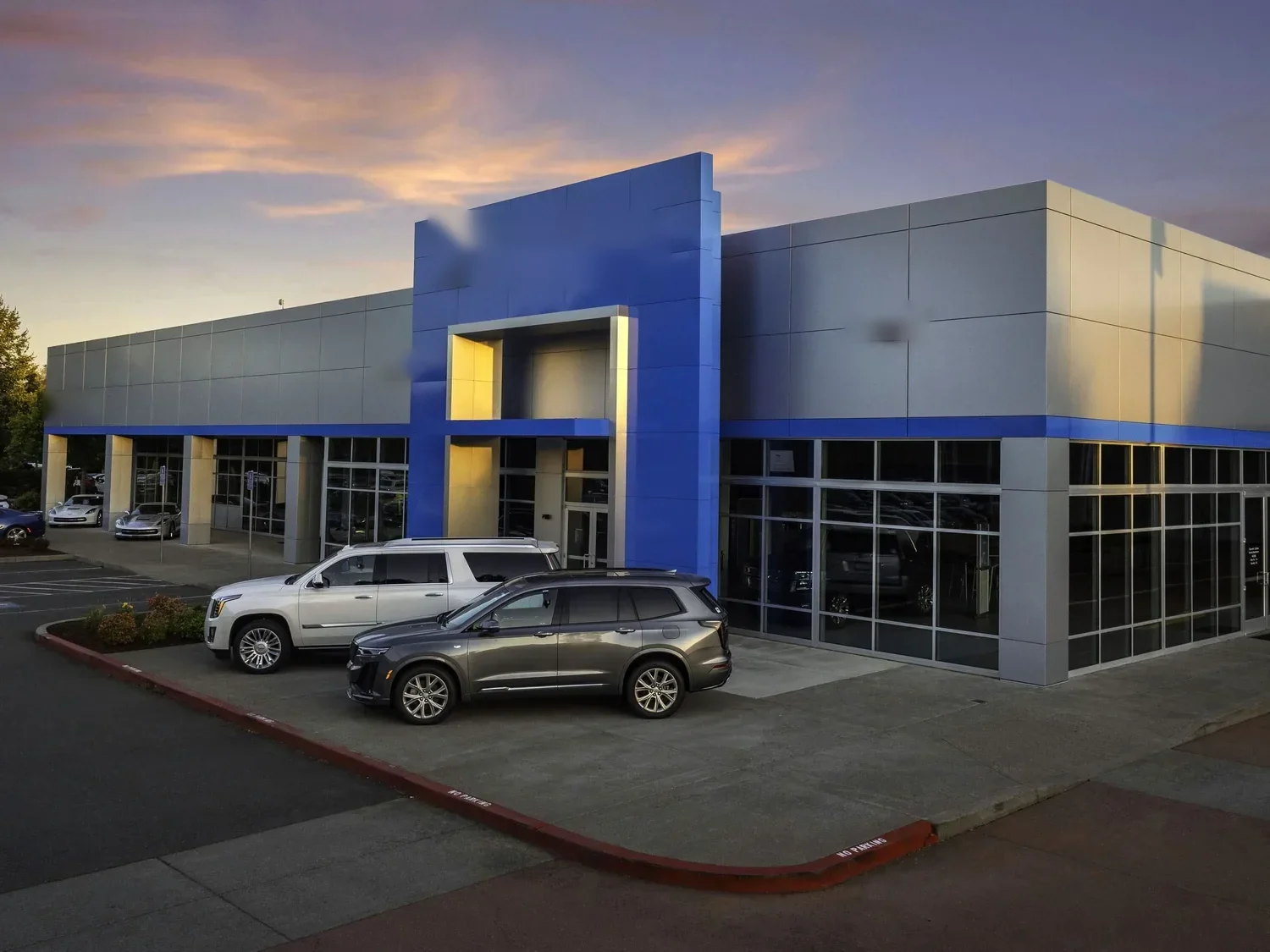
Repair Rochester dealership roofs with attention to showrooms, service bays, rooftop equipment, display areas, and documented access routes.
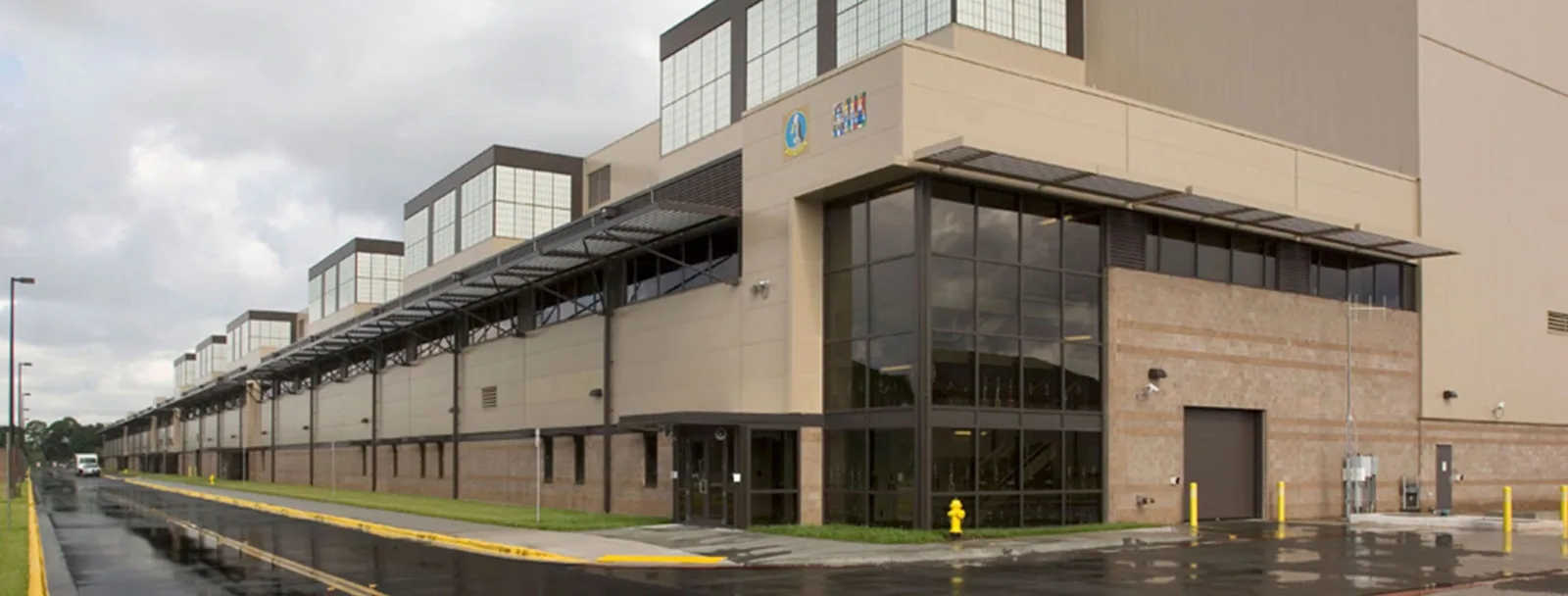
Inspect Rochester hangar roofs by roof bay, door line, fastener and drainage path, with access planning tied to the operating aviation site.
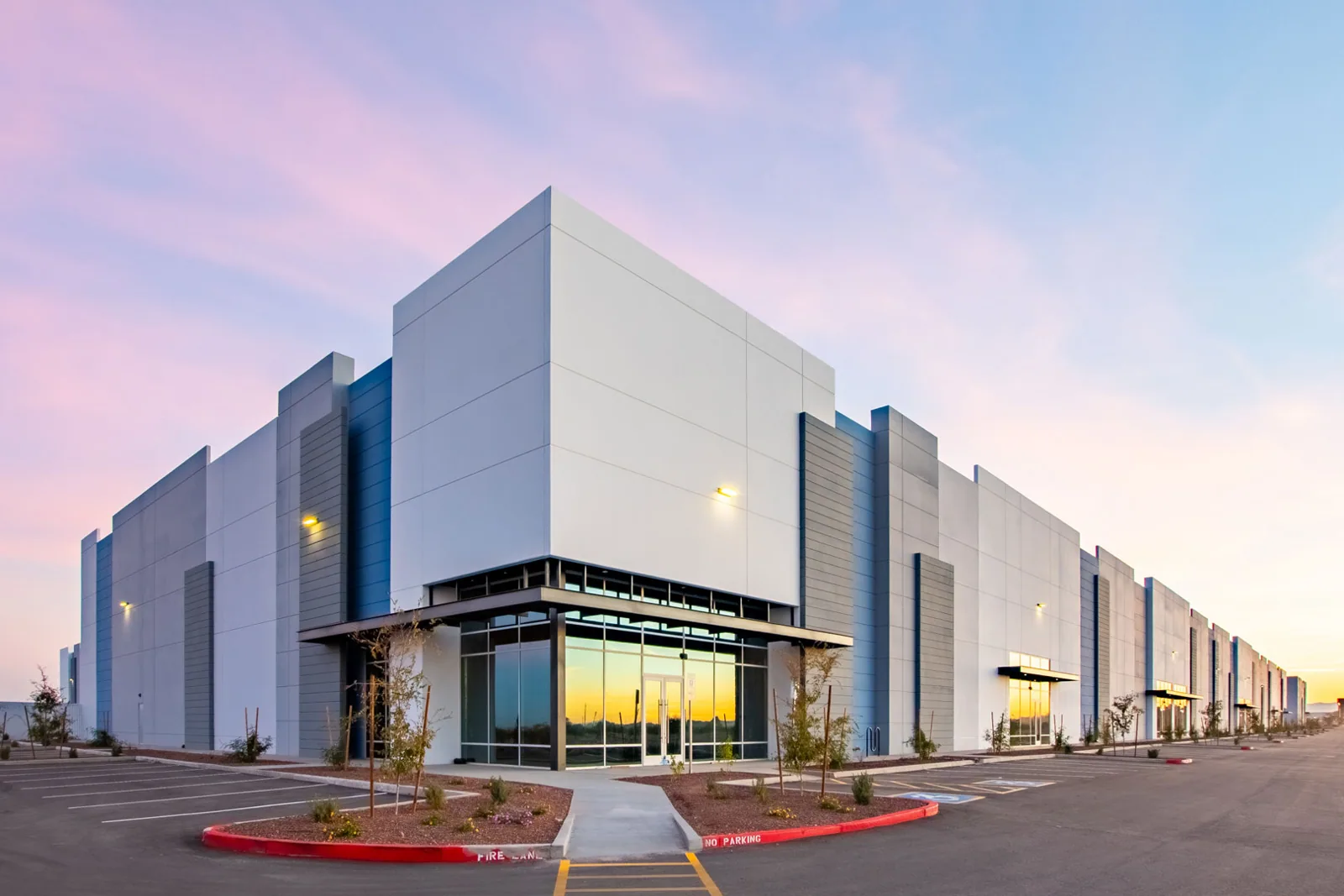
Manage Rochester flex-industrial roof repairs across tenant bays, office transitions, penetrations, and loading areas with a documented work plan.
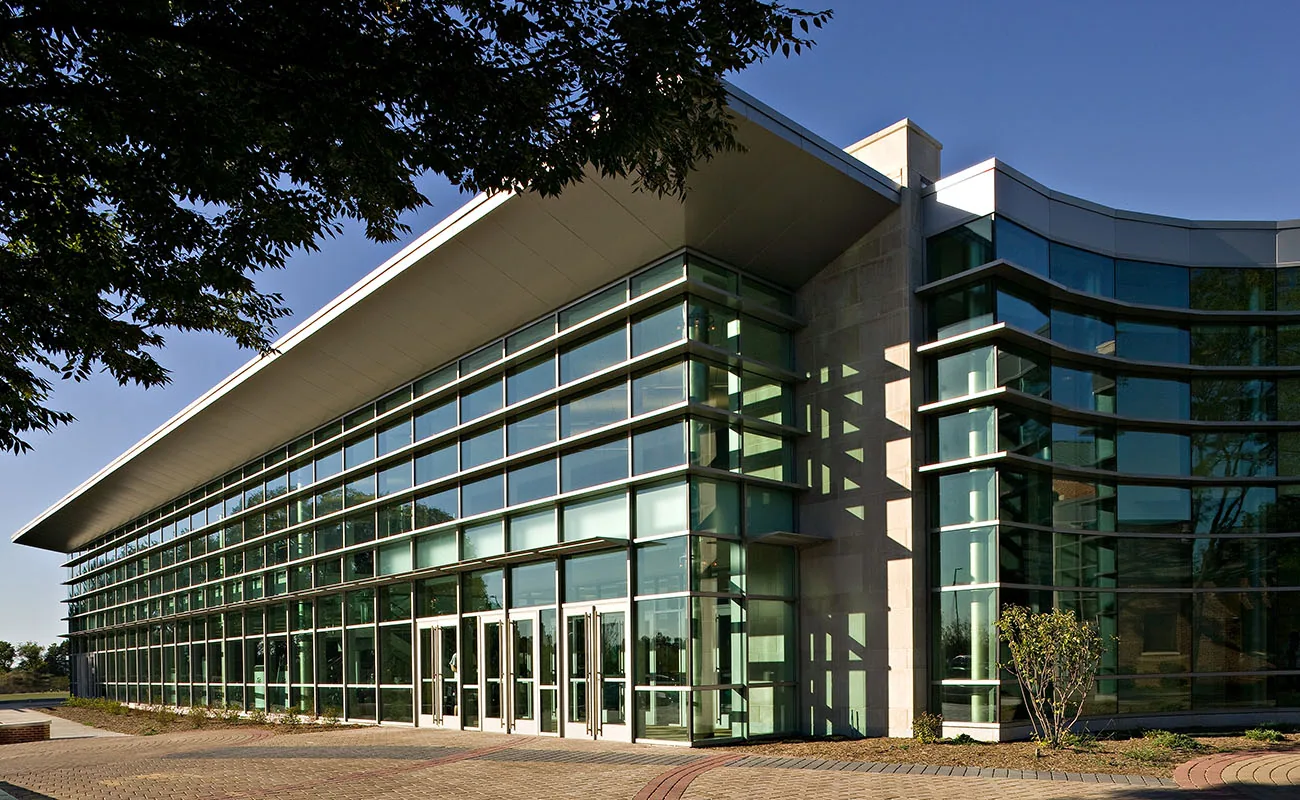
Plan Rochester gym and recreation roof repairs by equipment zone, locker-room report, drain path, and member access, with clear daily closeout.
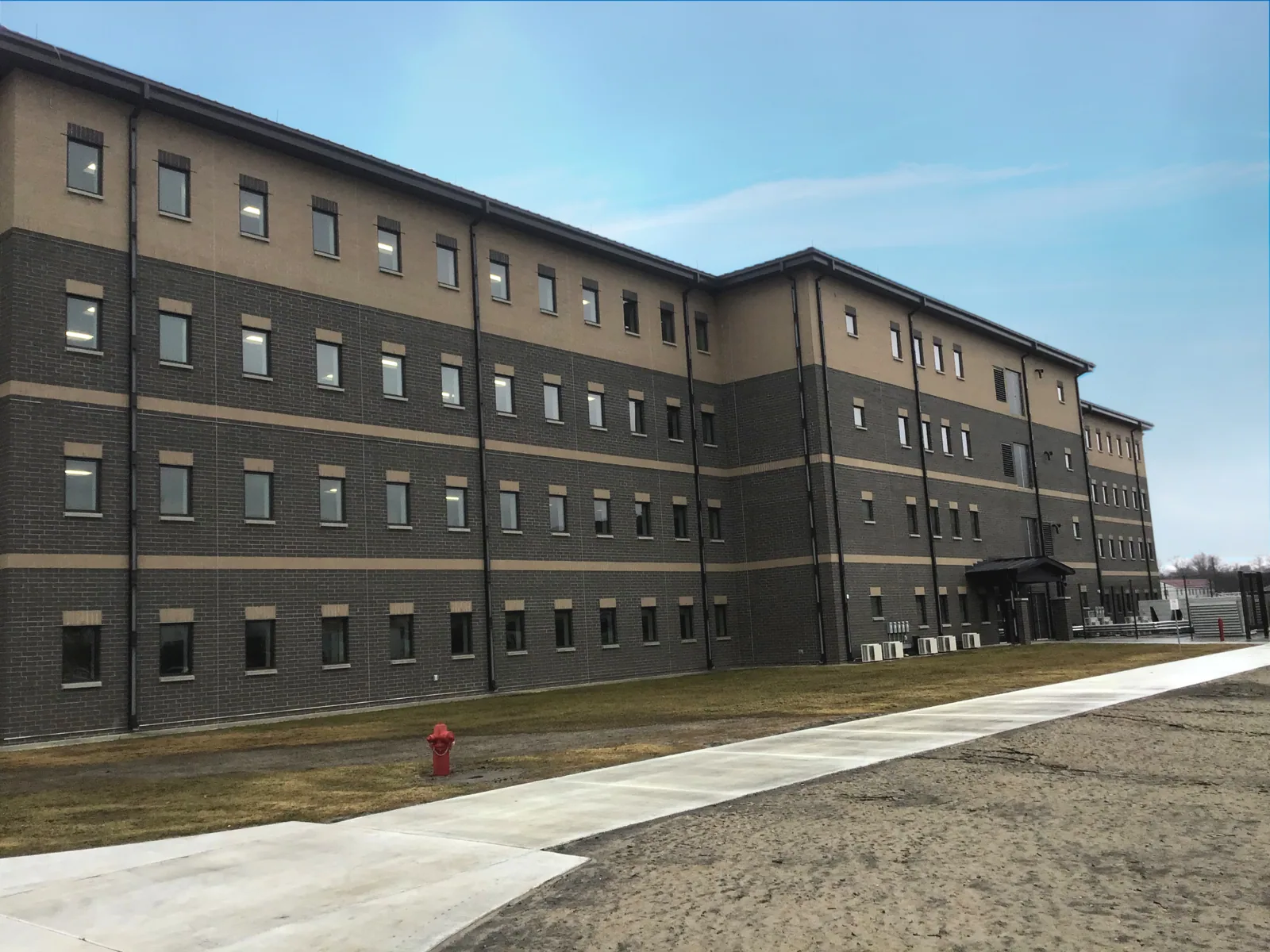
Plan Rochester-area Army facility roof work by access requirement, mission schedule, roof zone, and documented repair boundary for each building.
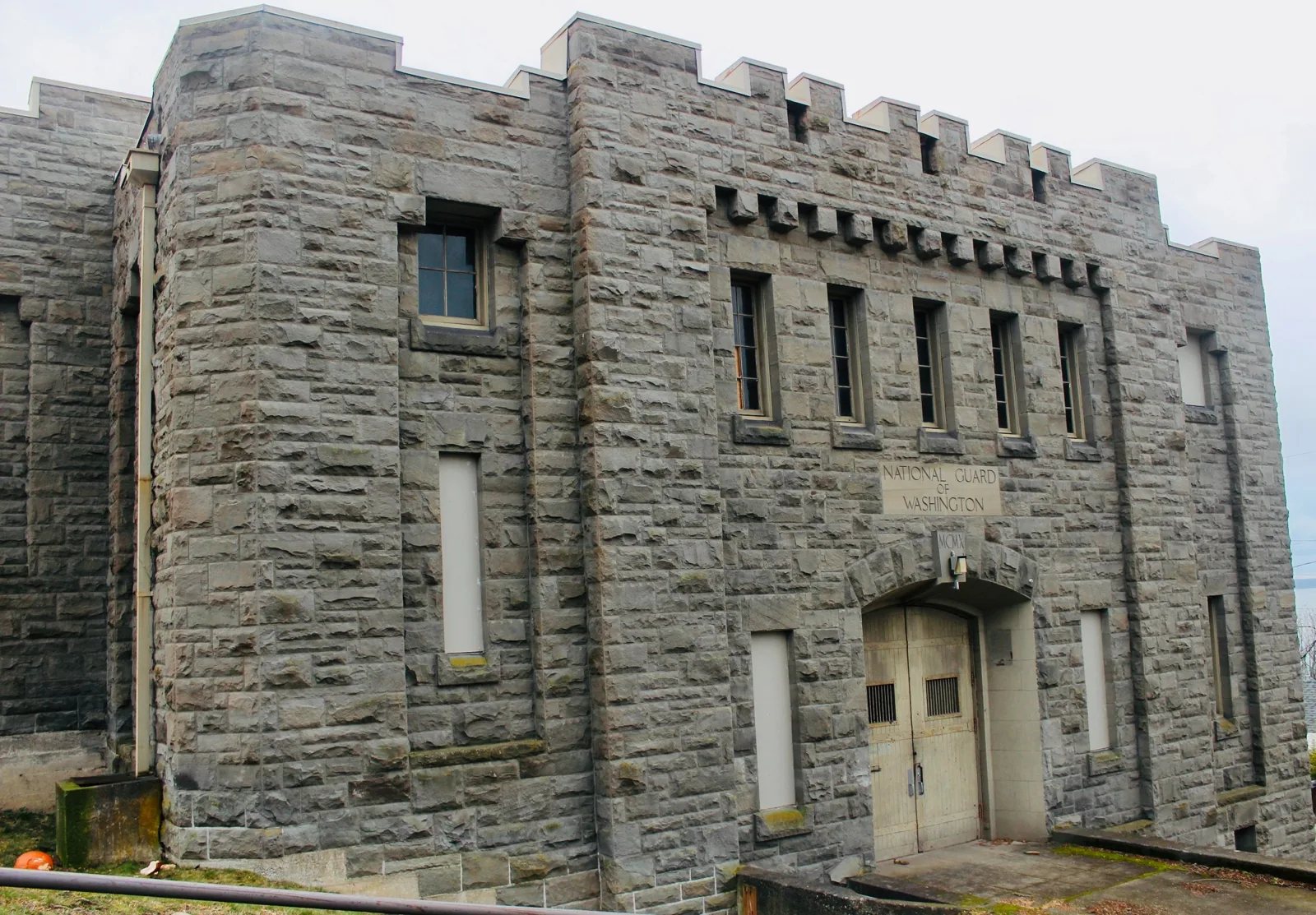
Coordinate Rochester-area armory roof repairs by controlled entry, vehicle bay, assembly schedule, and documented weather protection for each roof zone.
Before the roof walk, we ask which spaces, entrances or equipment must remain available. A condition report for a medical office near the downtown district may need an escort; a distribution building can require coordination with deliveries. Those are planning questions, not assumptions about every property. We identify the contact, roof section and staging route, then record areas that could not be reached.
A medical-office roof assessment distinguishes work around rooftop equipment from repairs to the membrane below it. For a school or campus near University of Minnesota Rochester and Recreation, access timing is confirmed with the facility contact before a crew is scheduled.
Property category does not identify the roof. We verify membrane or metal type, seams, insulation, drainage and penetrations. A manufacturing roof survey may include curbs that serve equipment, while a shopping-center inspection can map separate tenant leak reports to distinct sections. In both cases, the work recommendation follows tested conditions and material compatibility.
Rochester records a 46.3-inch normal snowfall total each season. Most flakes arrive from December to March, so owners can schedule inspection of drains, overflows and edges before details are obscured. It does not prove that a roof has ponding or damage. We photograph actual conditions and identify maintenance work separately from a leak repair or capital recommendation.
For a portfolio with properties around Rochester Technology Campus and Downtown Rochester, an asset register can retain each building's photos, repair dates and inspection limits without merging systems or operating requirements.
A contained flashing failure may support a local repair; broader moisture or recurring leaks can justify comparison with recovery or replacement. We show measured area, test findings, access assumptions and unresolved conditions. For occupied properties, an occupied-building plan sequences work by section and protects routes below. The owner can compare the immediate scope with a later capital phase.
Every closeout names the roof section, observed detail, material used and open follow-up item. Dated photographs allow a future reviewer to compare like locations. If one owner manages several property types, separate reports preserve the facts that differ: access, equipment, drainage, material and use. Send the address and roof concern, and we will return a documented scope tied to the inspected building.
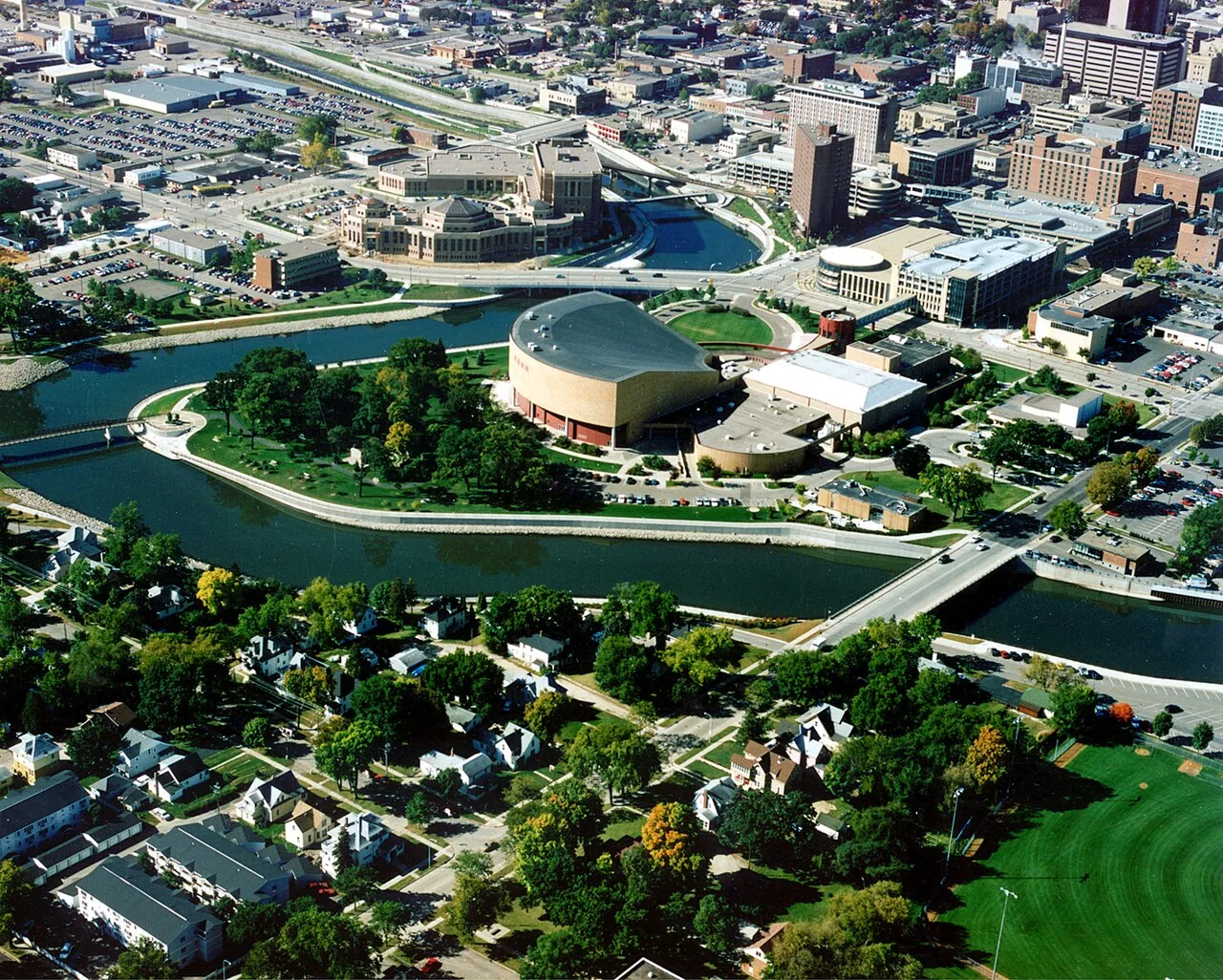
From distribution centers to clinics and schools, we roof the buildings Rochester depends on.
No. We identify the membrane, metal or built-up assembly on site and review its details. The building use helps shape access and sequencing, while the installed roof determines compatible repair materials.
We coordinate with the facility contact to confirm access, work windows and protected areas. The sequence is based on the specific building and its operating requirements.
Look at the measured repair area, test results, surrounding material, access assumptions and any unresolved condition. Those details show whether the work remains local or needs a broader capital review.
No. The local normal snowfall is 46.3 inches per season, with most between December and March. We use that context for scheduling and base repair recommendations on observed conditions.