Water is coming into the building right now
Call us and tell us where the water is showing up. We will get a crew on the roof to stop the leak and protect the space below.

Commercial Roofing Services
Map suspected moisture on Rochester commercial roofs with infrared imaging, targeted verification and a report separating readings from confirmed conditions.
Call us and tell us where the water is showing up. We will get a crew on the roof to stop the leak and protect the space below.
We walk the roof, photograph what we find and give you a written scope with repair options before any work starts.
Rochester, MN
A temperature pattern on an infrared image is a lead, not a finding of wet insulation by itself. We record the survey conditions, map the pattern by roof section and compare it with visible details before recommending a test. The owner receives a clear distinction between an area that reads differently and an area confirmed to contain moisture. That distinction matters when a repair, recover or replacement boundary depends on what is below the membrane.
The Rochester climate baseline is 46.3 inches of snow per season, with winter accumulation concentrated from December through March. Thermal anomalies should be reviewed with that seasonal context in mind, then confirmed using appropriate field verification before a repair decision is made.
Send the Rochester property address, roof plan, available system records, the decision the survey should support and an access contact. We will separate image patterns from tested findings in the final map.
Infrared imaging measures surface temperature differences under the conditions present during the survey. Stored heat, shade, equipment, wind, surface moisture and assembly changes can produce patterns that need explanation. We record the method and conditions, then compare candidate areas with roof details and known transitions. The map labels locations for verification; it does not convert a temperature reading into a confirmed moisture percentage or a repair recommendation.
Rochester has 1,129 acres of industrial land, or 4 percent of its total land area, including manufacturing and storage uses. On a broad roof, an orderly grid helps preserve location and makes candidate areas easier to compare with drains, seams, curbs and prior repairs. We note changes in membrane or construction that may affect the image. If the pattern aligns with a detail failure, we record both pieces of evidence and identify a core cut or other confirmation only where the result could change scope.
After the scan, we walk the roof to check candidate areas against visible conditions. We examine laps, punctures, flashing, penetrations, drain bowls and repairs around the mapped points. A targeted core cut can identify the layer sequence and moisture condition at a selected location, but one cut does not represent every section. We explain why each test point was chosen, what it can answer and how the opening will be restored before testing begins.
Mayo Clinic's Rochester Support Campus includes Valley High Business Centers, warehouses and technology facilities. We verify the assembly beneath each inspected roof directly. The site contact supplies the address and roof plan; we label survey sections and match test points to the correct structure. If the field inspection discovers an open curb or failed seam near an image anomaly, a hands-on roof inspection records the visible defect separately from the moisture reading.
The deliverable includes the roof map, image coverage, survey conditions, candidate areas and verification results. We label each area as a thermal observation, tested condition, inaccessible section or unresolved question. Photographs connect a test point to nearby details so that another facility manager can find it later. Where there is no verification, the report does not call the area wet. Where a core cut confirms moisture, the finding applies to that test location unless additional evidence supports a larger boundary.
That careful wording makes a condition report useful for a portfolio. The record carries the property address, section, capture date, test method and repair action into the next review. If several buildings are surveyed, each receives its own map. At the Airport Business Park, we identify the building and roof area before assigning survey results to its property record. Image labels stay as precise as the test locations.
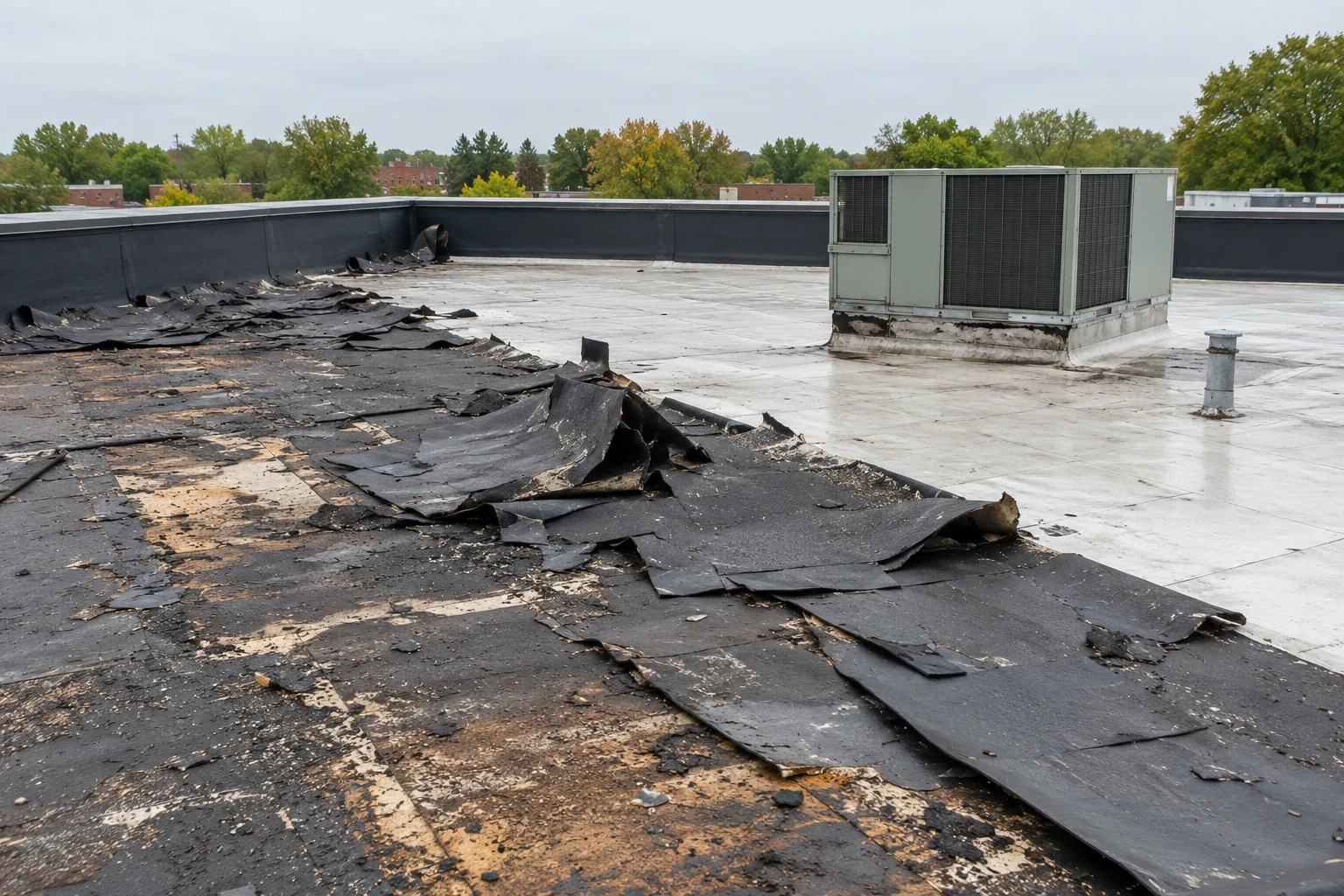
Once verification is complete, we compare the confirmed area with visible defects and the intended roof work. A small, bounded wet area may support localized removal and repair; broader moisture or weak substrate may affect a recover or replacement design. The report does not make that decision from image colors alone. We show the tested boundary, untested areas, nearby details and the assumptions that still need owner approval.
A recover depends on the condition and stability of existing layers, so a moisture map should be considered alongside code, edge height, drain details and attachment. If the assembly cannot be retained, the owner may compare targeted removal with a replacement scope. Where findings are limited and surrounding material is suitable, a roof recover may remain an option. Each proposal states which results support it and what would change the recommendation if additional sections are tested.
We close the survey with a prioritized list of verification, repair and monitoring steps. The next visit can target areas where a new observation would change scope, rather than repeating a scan without a decision in mind. If a repair is completed, its photographs and limits are added to the roof map. Later readings can then be compared with the same section and detail, while the owner keeps confirmed moisture separate from thermal patterns that were never tested.
Send the Rochester address, available roof plan and system records, the decision the survey needs to support and a contact who can arrange access. If the property belongs to the Mayo Clinic Support Campus or a warehouse near the Rochester Technology Campus, name the exact building and roof sections. We will return a map that separates image observations, field inspection and verified test results so the capital or maintenance decision rests on the evidence each method can provide.
Other services, systems and buildings that often come up alongside this work in Rochester.
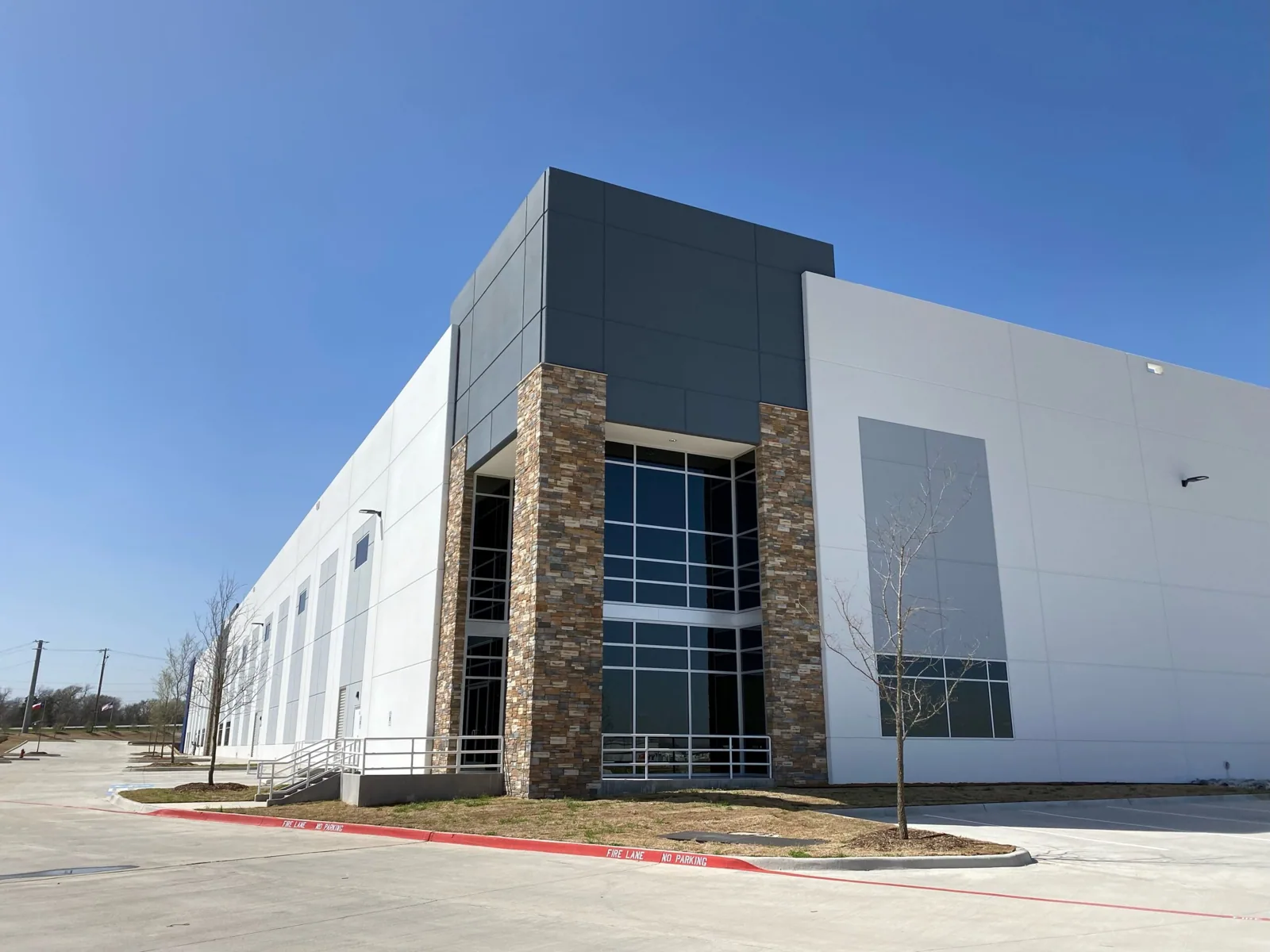
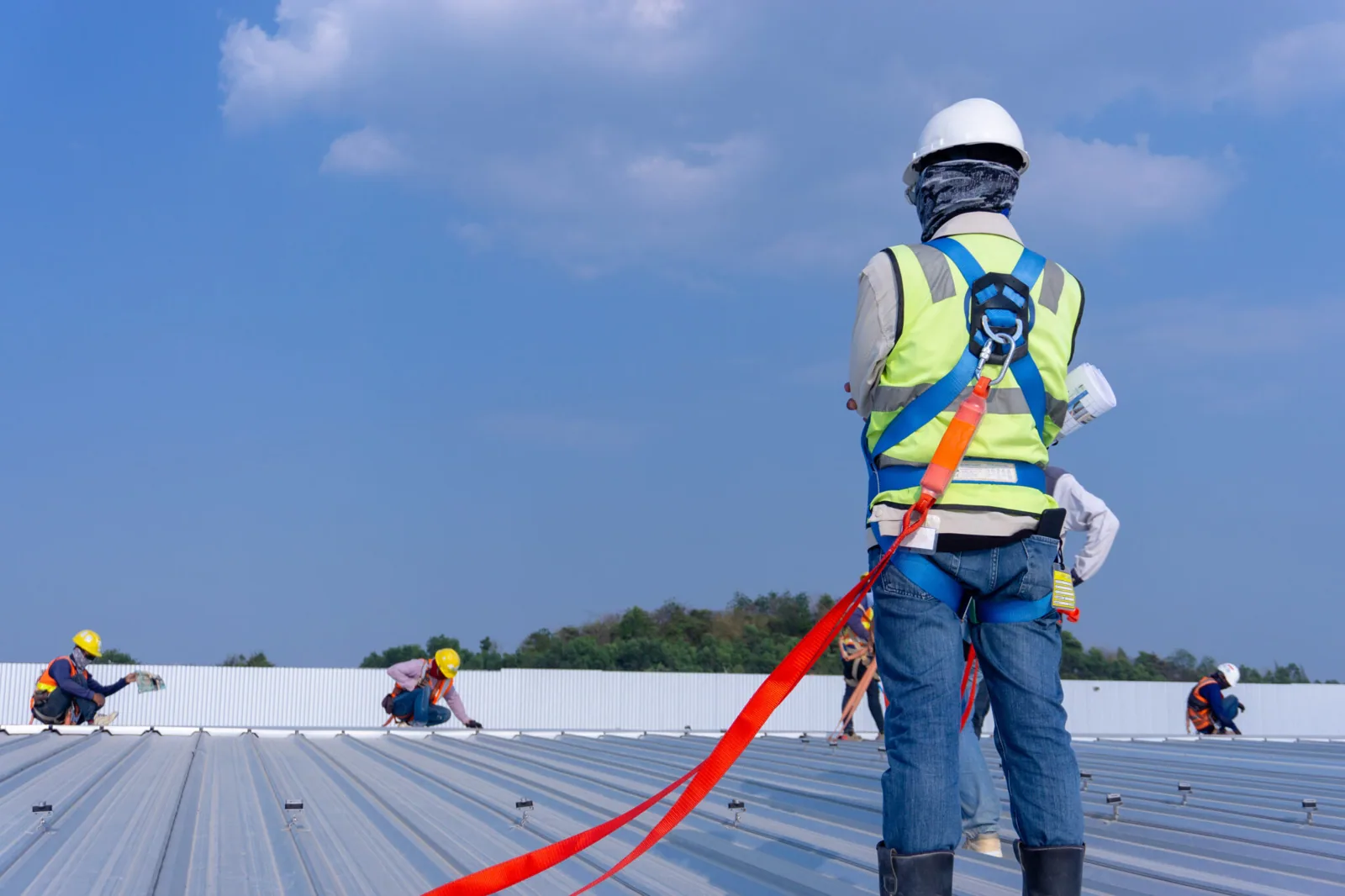
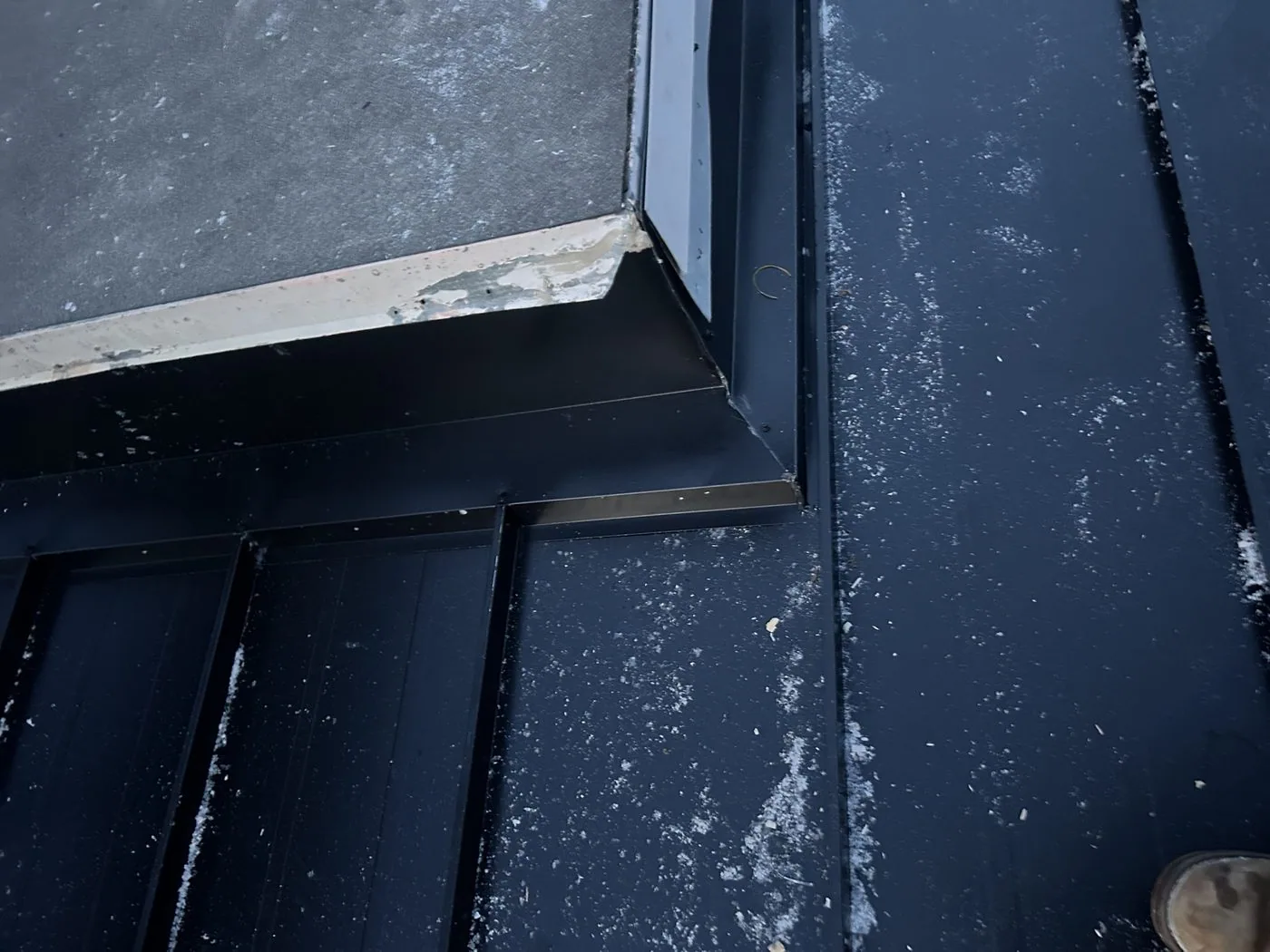
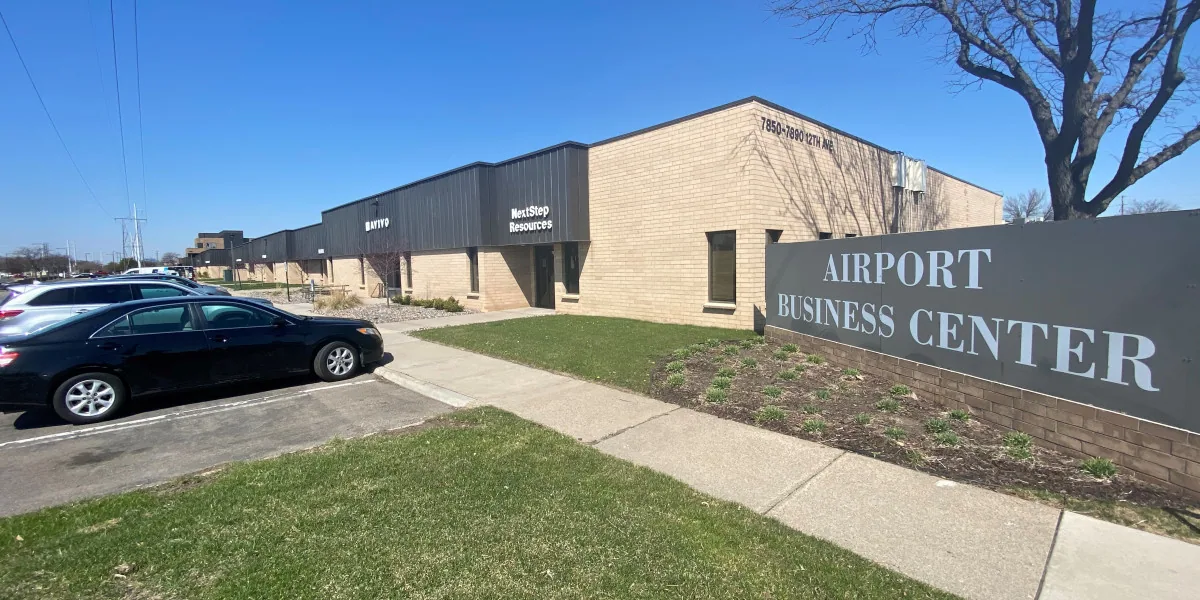
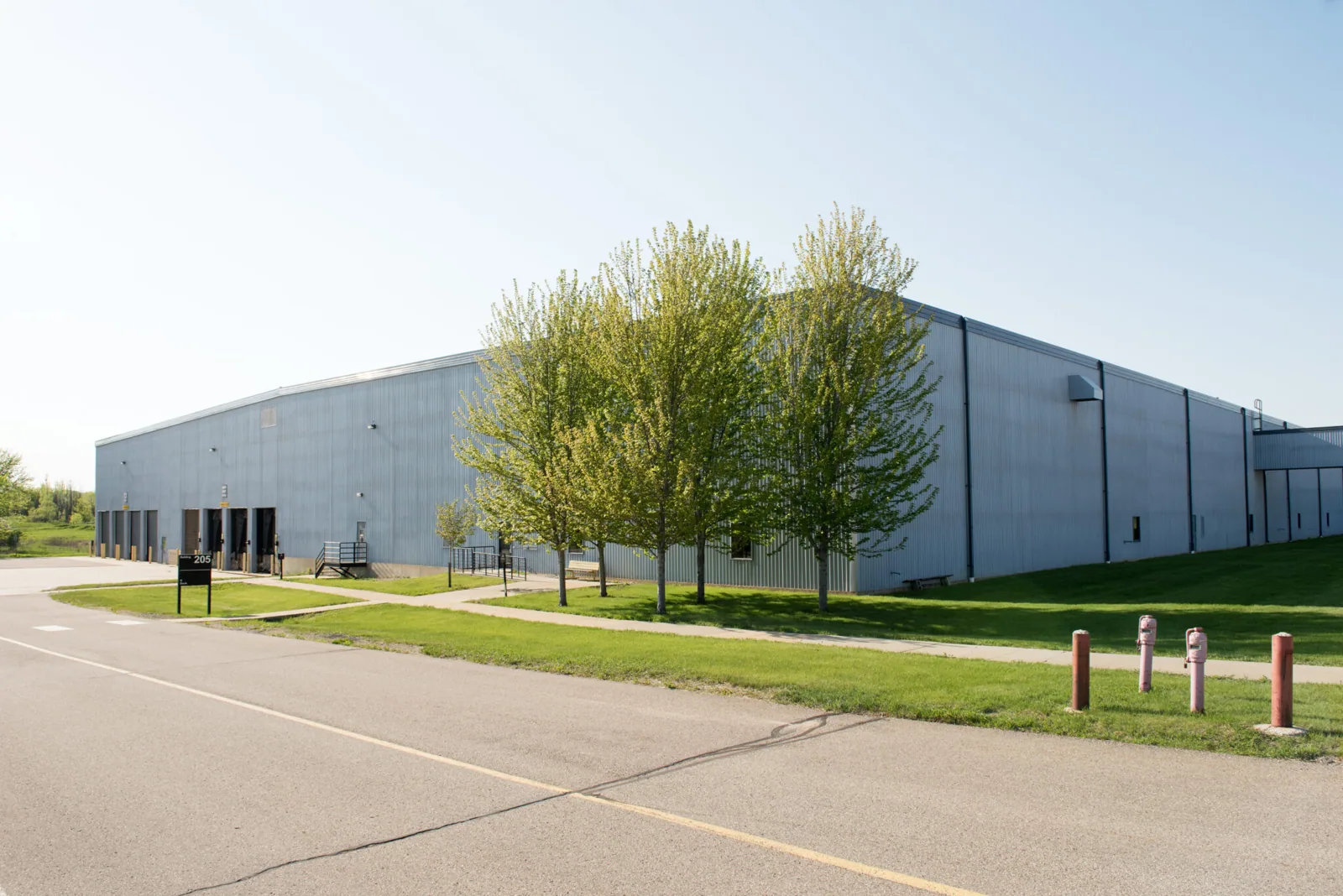

From distribution centers to clinics and schools, we roof the buildings Rochester depends on.
No. The scan identifies temperature patterns that may warrant review. Shade, stored heat, equipment, wind, surface conditions and assembly changes can also affect the image. We compare candidate areas with roof details and use targeted tests when confirmation could change the work scope.
We propose specific test points based on the roof map and the decision at hand. Each point should answer a question about the layer sequence or moisture condition. We explain how the result may change the repair boundary, obtain direction before cutting, and restore each test opening with a compatible detail.
The survey can help identify areas for verification, but recover pricing also depends on the existing assembly, substrate, edge heights, drainage, code and attachment requirements. We state which conditions were confirmed, which areas remain untested and what assumptions the proposal uses before comparing recover with removal.
Provide the exact Rochester address, a roof plan if available, existing system records, the decision the survey must support and a contact who can arrange access. Recent roof work or repair notes help locate known transitions. We confirm weather and surface conditions before interpreting the readings.