Water is coming into the building right now
Call us and tell us where the water is showing up. We will get a crew on the roof to stop the leak and protect the space below.

Property Types We Roof
Protect Rochester grocery operations with roof inspections that trace refrigeration curbs, drain paths, loading access, and repair limits by section.
Call us and tell us where the water is showing up. We will get a crew on the roof to stop the leak and protect the space below.
We walk the roof, photograph what we find and give you a written scope with repair options before any work starts.
Rochester, MN
A refrigeration-line curb can connect the roof membrane to equipment that cannot be left without a service plan. We inspect the flashing, supports, conduit and nearby seam, then confirm with store operations whether equipment access or shutdown is required. Rochester’s commercial plan places many retail uses near major roads or downtown, with shopping centers and standalone commercial buildings along those routes. The exact receiving side, customer entry and roof access still need to be mapped at each grocery property.
We start by matching the leak report to the roof plan and the operating contact, then follow the water path from field seams to curbs, drains and perimeter details. A ceiling mark near a cooler does not establish that the refrigeration curb failed; water can travel through insulation or along a deck before it appears. The inspection separates the reported symptom, tested area and confirmed defect so the store can keep food operations coordinated with a right-sized repair.
Share the store address, reported roof location, available system and equipment records, and portfolio contact. We will coordinate the inspection around access and document the repair limit and next action.
Grocery roofs have multiple service penetrations, exhausts and refrigeration lines that may have been installed at different times. We check whether a curb flashing is intact, whether support legs bear correctly, and whether conduit or piping has disturbed the membrane. We also inspect nearby drain bowls and scuppers because an obstructed outlet can leave water around a penetration and complicate the diagnosis. Where records are available, we compare the visible material with the repair products proposed.
Rochester’s normal seasonal snowfall is 46.3 inches, most of it concentrated from December through March. Before the snow season, we inspect drainage routes, overflow details and prior repair edges so meltwater has a clear path. We do not infer the roof’s structural capacity from that city normal. If observed deflection, ponding or other signs warrant structural evaluation, we document the location and coordinate that separate review with the owner.
Some roof details are tied to operating equipment below. Before work, we identify who can authorize access, whether a unit must be isolated, and how a service technician will coordinate with the roofing crew. A planned repair should state the curb or line involved, the expected work window and the protection at shift end. If the repair can be completed without disrupting refrigeration, we still record that assumption and verify it with the store’s responsible contact.
At ground level, receiving doors and customer entrances may compete for the same staging or lift area. We map those paths, arrange overhead protection where needed and confirm how deliveries will be handled. Adhesive odor, hot work or loud removal can affect adjacent departments, so the sequence should fit the store schedule. We close any opened roof section before leaving and note a temporary tie-in if the permanent detail depends on a later equipment service window.
A damaged curb flashing with sound membrane and dry insulation may be repaired locally. If repeated penetrations have open details or testing shows wet insulation extending through a broader zone, the plan may require more than one curb. We mark the tested area and distinguish it from untested roof. For a compatible assembly, penetration flashing repair can address the detail; a moisture survey can help select locations for verification when conditions support the method.
When the roof has reached a point where local repairs cannot restore continuity, we compare a replacement scope with other options using the existing layers, deck, drainage, attachment and equipment needs. A PVC roof system may be considered for a roof with grease or chemical exposure only after the actual conditions and manufacturer requirements are reviewed. A restaurant roof may share exhaust and grease details, but each building’s equipment and membrane need separate evaluation. A big-box retail roof can also have extensive rooftop equipment, but its service zones and layout still need a separate inspection. We give the owner measured quantities, material transitions and work sequence for the option selected.
We organize the repair around the store’s access points and the roof opening, not simply the calendar date. The sequence can include equipment coordination, removal to sound material, substrate review, membrane preparation, flashing installation and a test or inspection. The crew records concealed conditions before covering them. If an equipment contractor must complete work before final flashing, the plan marks the temporary condition and the person who will call for the roofing closeout.
A daily handoff lists the roof section, active penetration, any interruption and the weather protection left in place. We review the repair edge before leaving and confirm that the loading area below is clear. For a multi-store operator, a multi-site roof program can align inspection records while keeping each store’s equipment and access plan distinct. An entry for one grocery building should not be copied onto another property just because the equipment looks similar.
The closeout should identify who owns the curb, who serviced the unit and who is responsible for the next inspection. We attach roof photographs, equipment notes, tested locations, installed materials and the repair boundary. That record helps facilities staff separate a future refrigeration service issue from a membrane concern, particularly when a line or support is moved after roofing work.
Rochester’s primary regional connections include US Highway 14 and US Highway 52, along with US Highway 63 and Interstate 90. Those routes describe the market’s regional access, not a particular grocery delivery path. We coordinate the site-specific receiving entrance, roof access and staging area in the work plan. If an address lies along the South Broadway corridor, the corridor’s varied uses and commercial frontage still do not replace a property walk. The roof file carries the details the next service visit needs.
Before winter, we inspect drain bowls, overflow routes, curb flashings and seam ends that were included in previous work. After a leak report or equipment change, we update the roof plan and verify that new supports did not leave an unsealed penetration. A maintenance visit can also check temporary repairs and note whether a permanent scope remains open. Each observation is tied to a section and date, so another manager can understand what changed since the prior visit.
Our emergency response is available at any hour, including weekends and holidays, when active water entry needs immediate attention. The first visit focuses on safe access, temporary water control and documentation; permanent work follows after the assembly and any affected equipment are confirmed. We leave the store contact with the next action, the responsible party and any area that remains under observation.
Other services, systems and buildings that often come up alongside this work in Rochester.
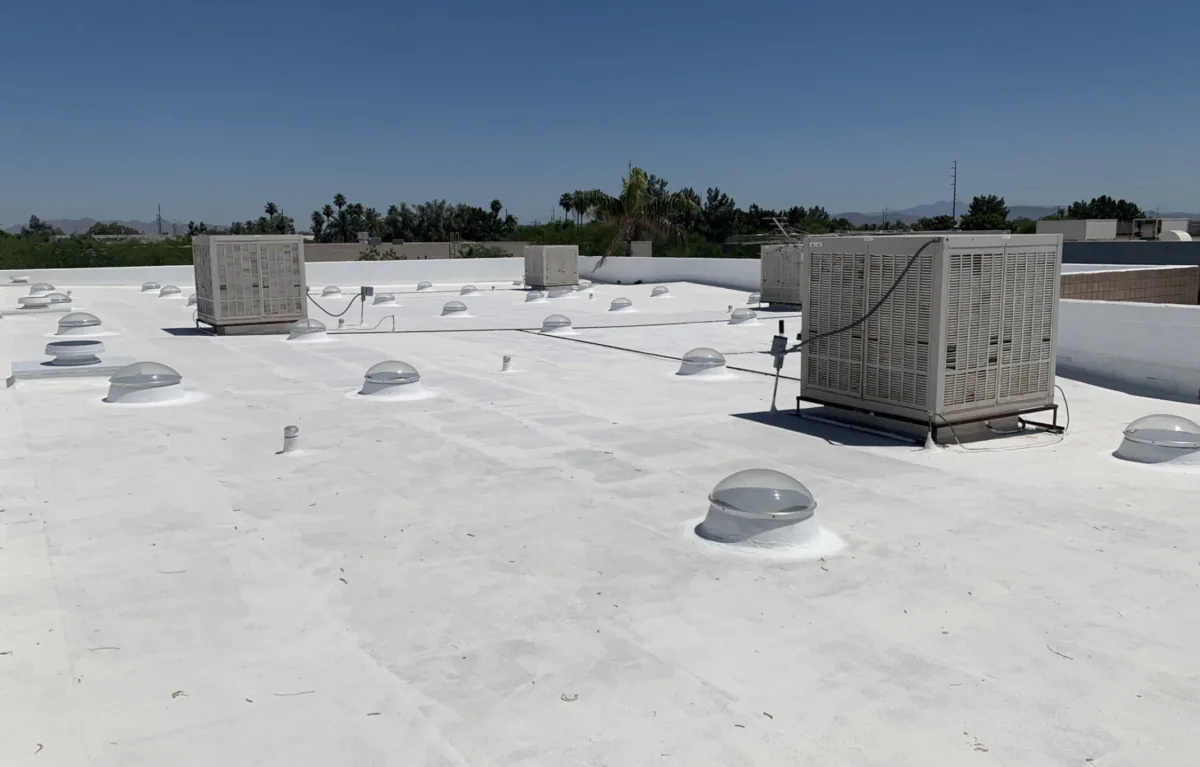
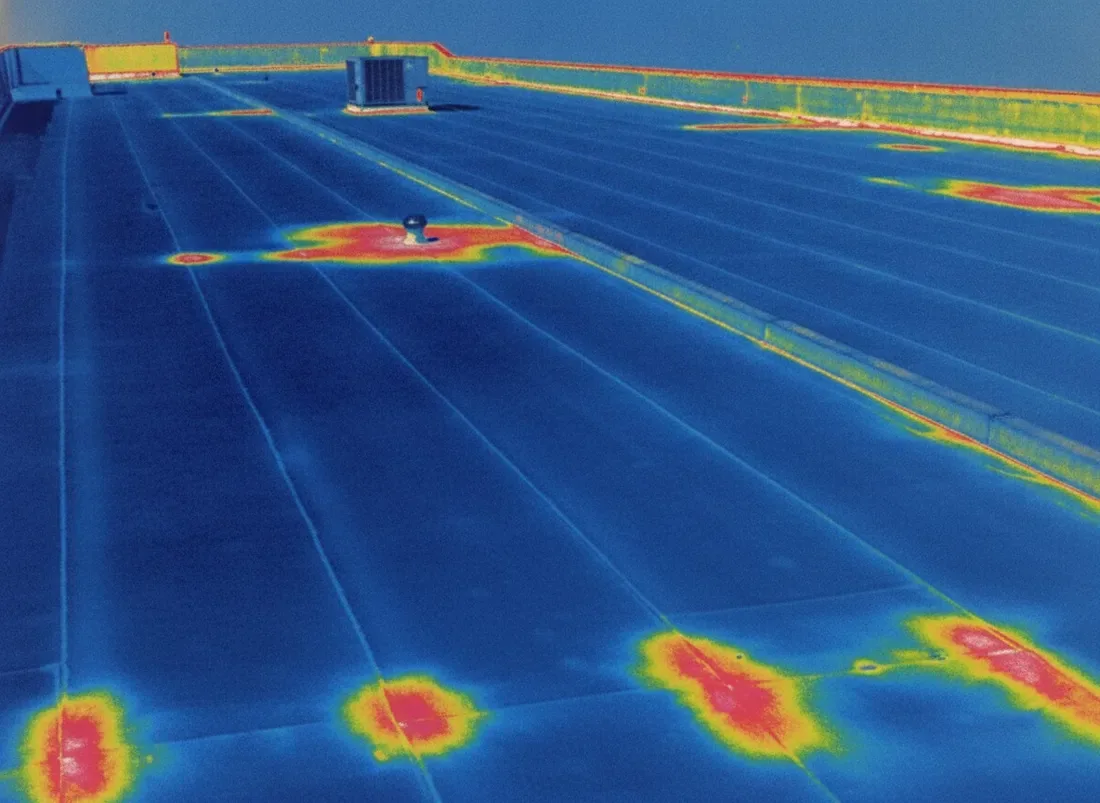
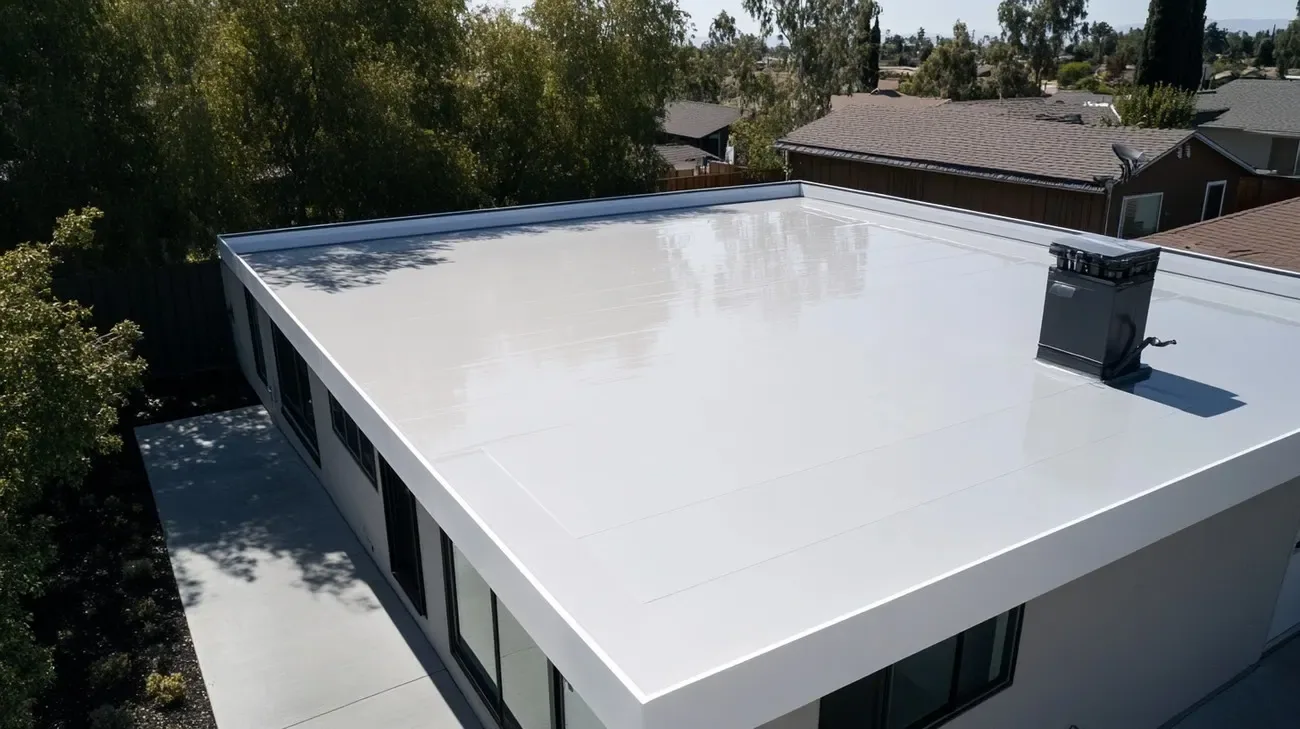
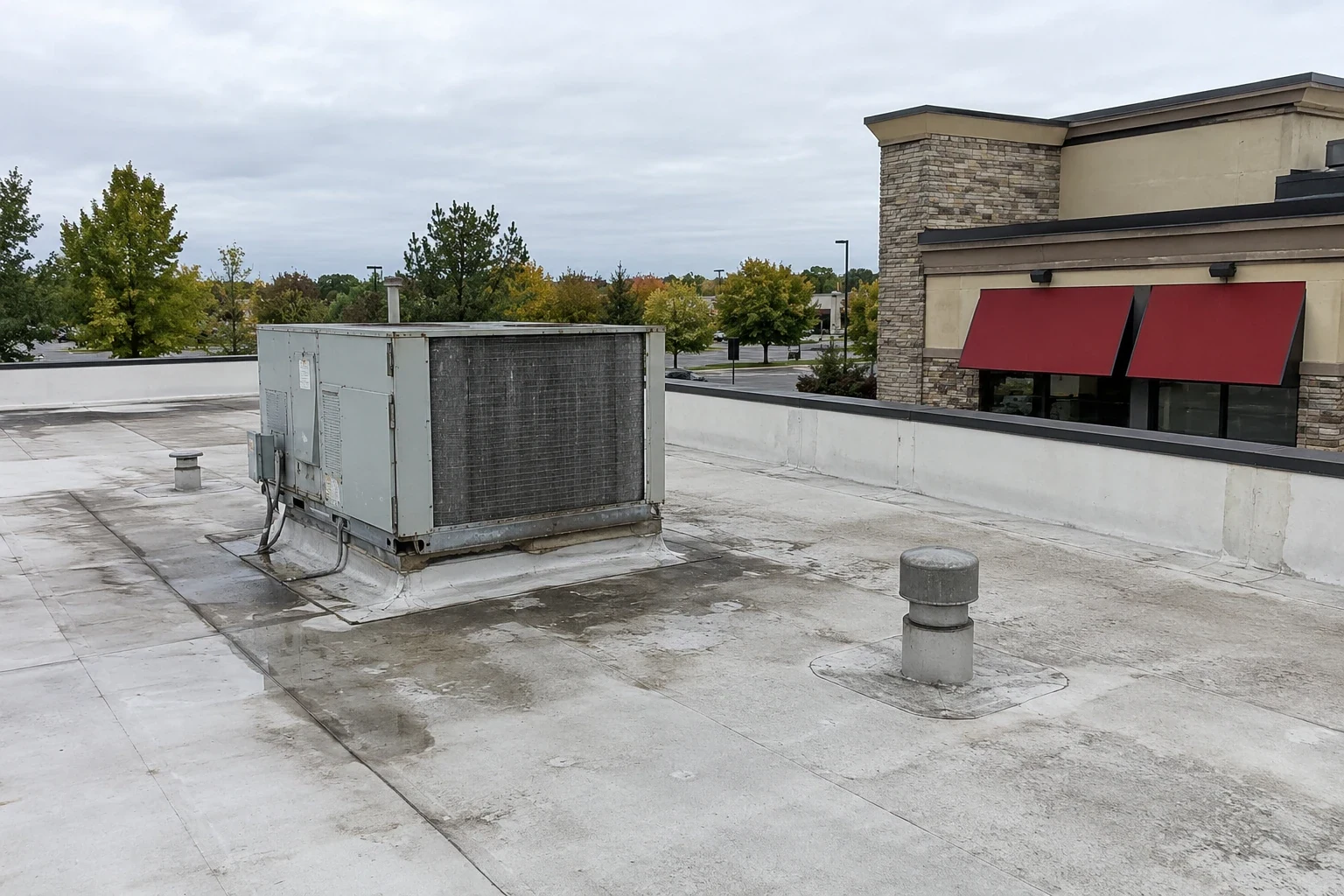
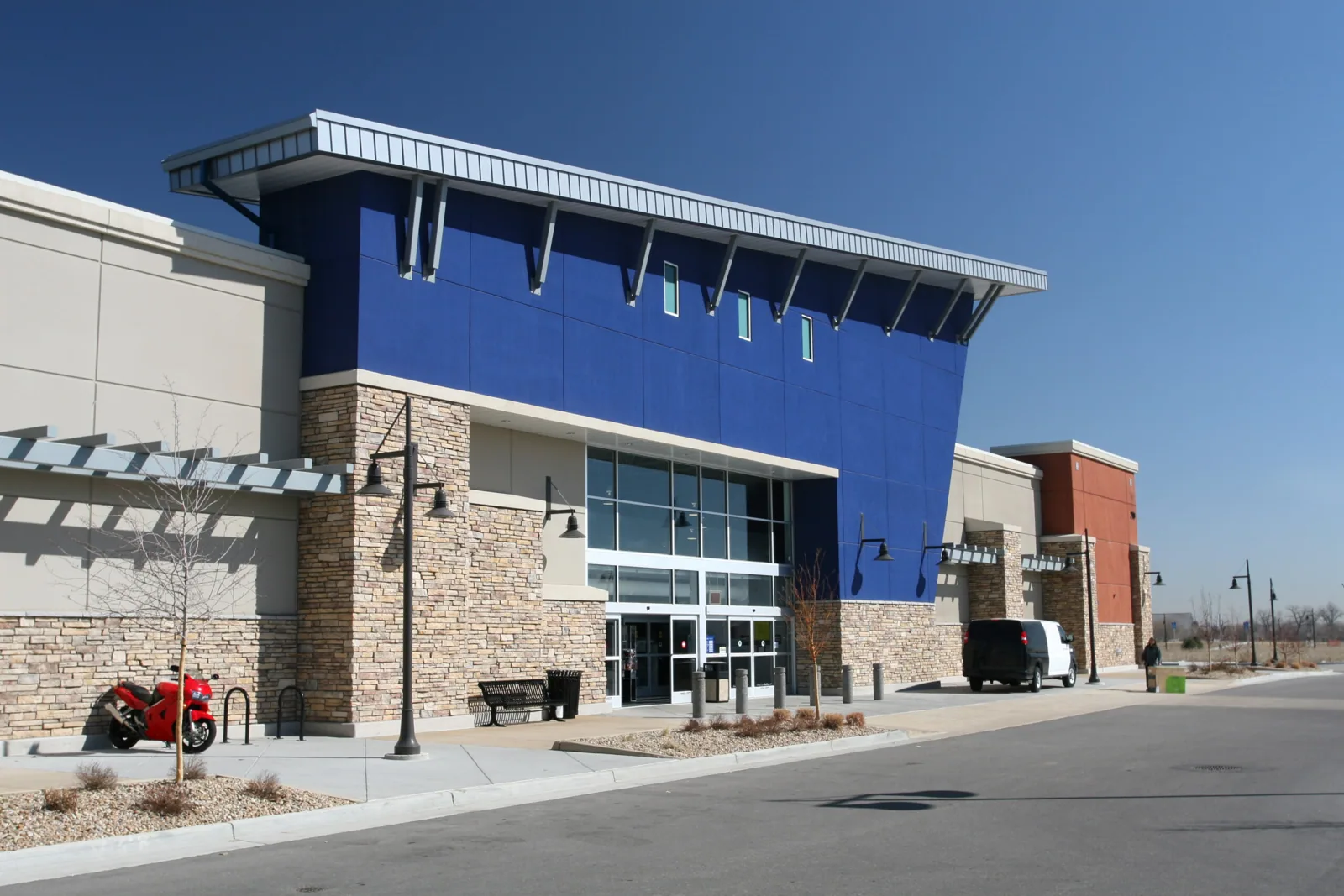
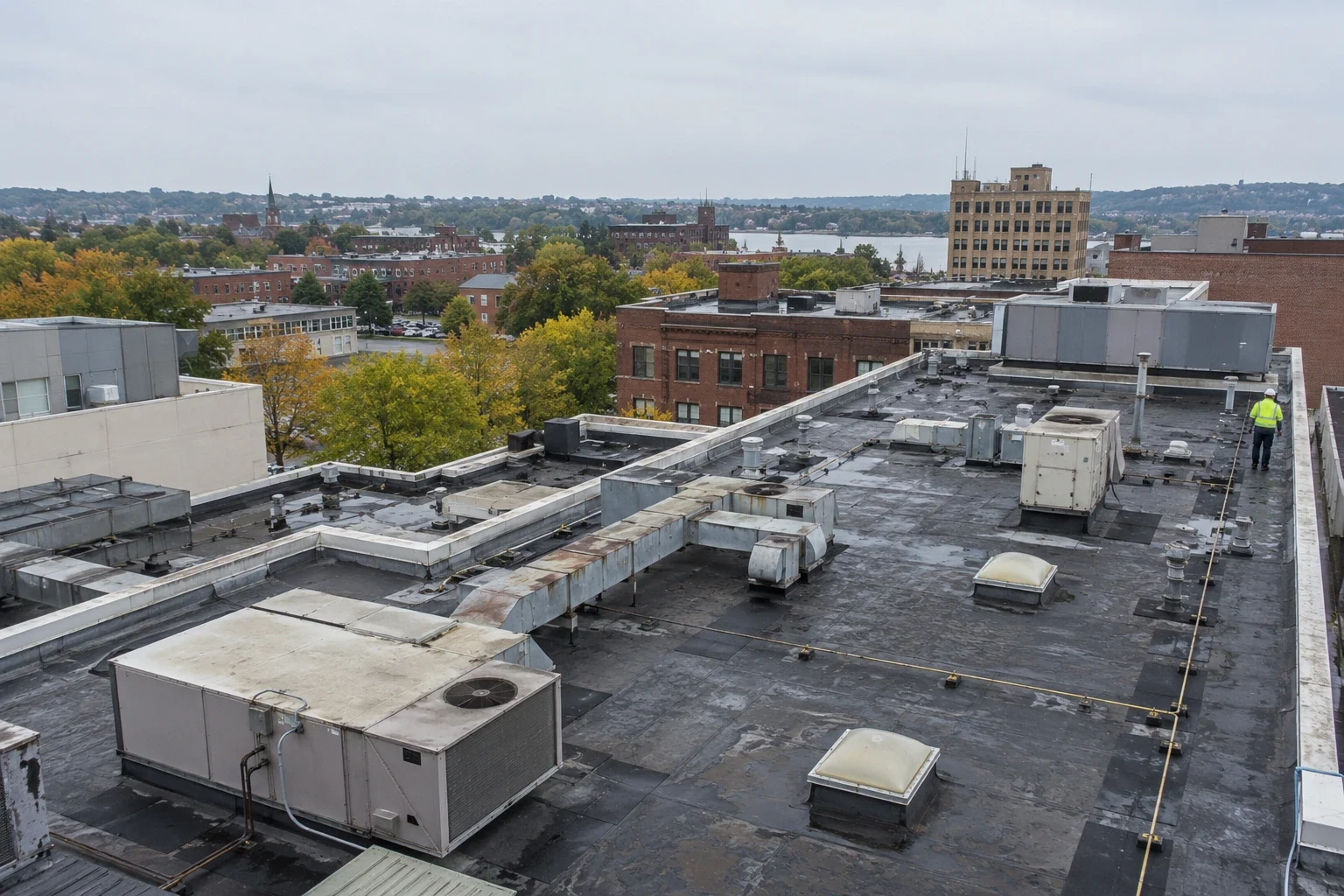
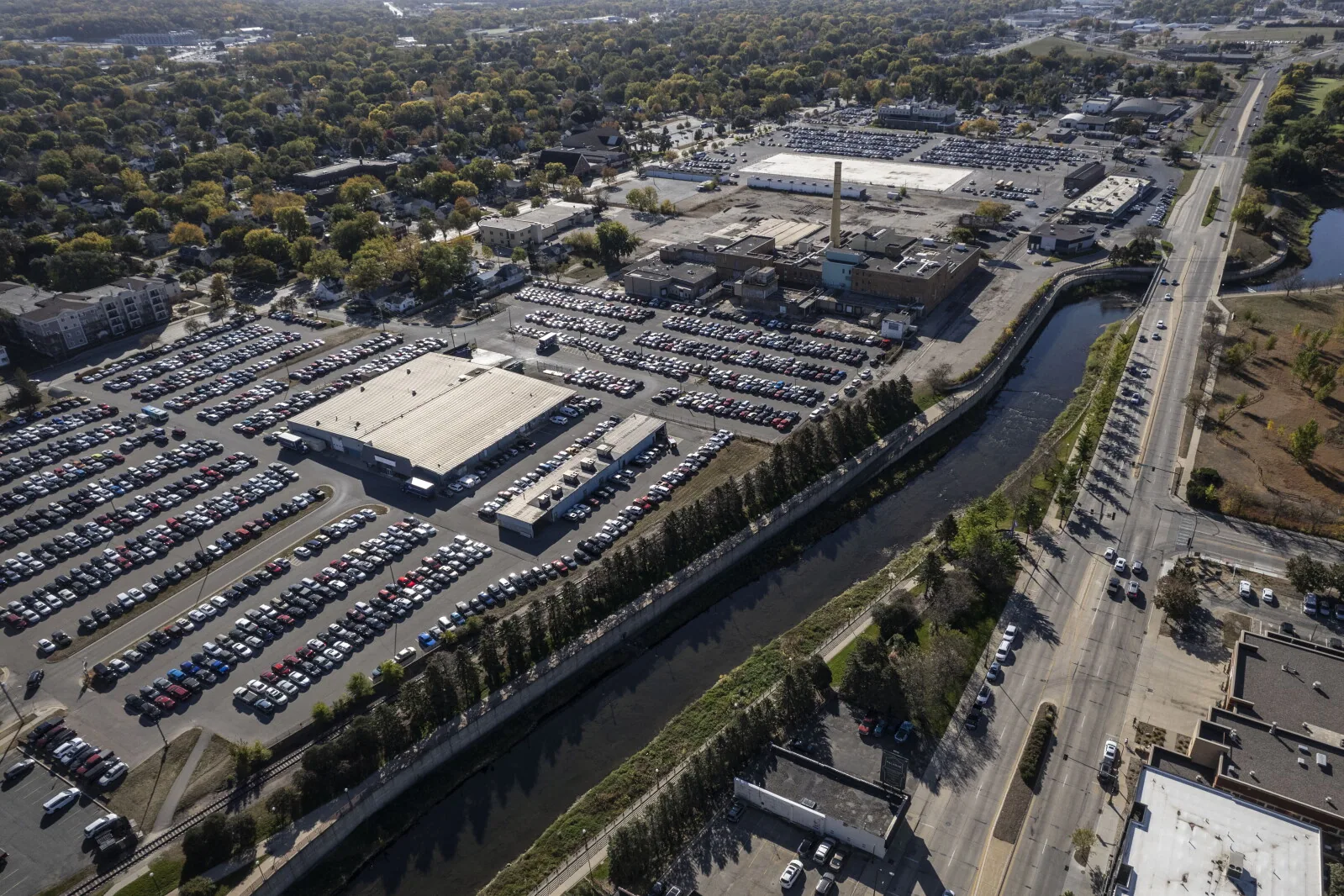

From distribution centers to clinics and schools, we roof the buildings Rochester depends on.
We identify the unit, line and service boundary first, then coordinate access with the store’s refrigeration contact. If the work requires isolation, the authorized equipment contact handles the shutdown and restart while we complete the roof detail. The closeout names that responsibility and any remaining service task, rather than implying the roofing crew controls the refrigeration system.
We inspect both the penetration detail and the path water could take across the roof. A drain restriction can hold water near a curb, while an open flashing or seam can admit it elsewhere. We compare the roof plan, interior report, visible conditions and any moisture testing, then state which evidence supports the repair boundary and what remains unconfirmed.
Keep a roof plan with section labels, equipment and curb locations, drain notes, prior repairs, dates, photos and the responsible contacts for rooftop units. Record any equipment service after a repair because moving a line or support can affect the membrane detail. We can update the file after an inspection so the next service team can return to the exact area.
Snowfall normal alone does not determine replacement. Rochester receives a 46.3-inch normal seasonal snowfall concentrated from December through March, which informs seasonal drainage checks. The roof decision depends on the system, moisture findings, deck, seam condition, equipment details and repair history. We document those conditions before comparing a local repair with a broader project.