Water is coming into the building right now
Call us and tell us where the water is showing up. We will get a crew on the roof to stop the leak and protect the space below.

Roof Systems
Inspect and repair standing seam metal roofs in Rochester, MN. We check panels, clips, seams, penetrations and drainage before defining the work.
Call us and tell us where the water is showing up. We will get a crew on the roof to stop the leak and protect the space below.
We walk the roof, photograph what we find and give you a written scope with repair options before any work starts.
Rochester, MN
A standing seam panel has to move as temperature changes while clips keep it connected to the roof structure. A locked seam that has been pinned by a fastener or flashing can transfer movement into the panel and pull at a detail. We inspect the panel run, clip conditions and transitions before choosing a repair, then document attachment and movement allowances from the installed assembly rather than guess.
Commercial and industrial buildings around Rochester include varied uses and roof forms. The Airport District includes Rochester International Airport and airport-oriented business development, while South Broadway has commercial uses and substantial parking areas. Neither location identifies the roof material at a specific address. We confirm panel profile, substrate, slope, attachment and access on site, then tie every photograph to a roof section and detail.
Provide the Rochester address, roof concern, panel or closeout records and portfolio contact. We will map panel runs, review seams and penetrations, and return a dated inspection with repair boundaries and access limits.
We check standing seams for separation, distortion, sealant buildup, loose caps and signs of movement restriction. Panel ends, eaves, ridges, rake edges, valleys and transitions each handle water differently. We note whether clips are fixed or sliding where visible, and whether a repair or later trade has fastened through a panel. Oil-canning can be cosmetic or related to support and installation conditions; its appearance alone does not establish a leak.
Penetrations are mapped carefully. A pipe boot, curb, rooftop unit, skylight or conduit interrupts the panel's drainage path and can require a framed opening or compatible flashing assembly. We inspect uphill and downhill of the opening and follow water to the eave, gutter or valley. An edge and gutter review helps identify discharge and attachment issues, while penetration flashing work addresses openings without sealing over panel movement.
Before repair, we record the panel profile, seam type, metal substrate, coating condition, fastener locations and visible clip spacing. Drawings or manufacturer records may identify the assembly, but additions can change panel gauge or finish. We photograph the exact seam and detail, and we note when concealed clips cannot be inspected without lifting a panel. A leak near a fastener can originate at a washer, a split sealant joint or an uphill transition; each requires its own finding.
Corrosion, coating loss and contact with dissimilar metals are recorded by extent and location. We identify whether water is trapped at a lap or gutter and whether debris holds moisture against a panel. Interior observations can be combined with a surface review where access allows. If a roof section is being evaluated for future capital work, the condition report states the visible evidence, concealed limits and access needed for the next check.
Repairs should maintain the panel's intended movement. A loose seam, damaged clip or puncture calls for a detail matched to profile, metal and location. We remove failed material where needed, prepare the substrate, install compatible flashing or replacement components and secure the work without bridging a movement joint with a rigid bead. Where a panel must be lifted, we check adjacent clips and closures before reinstallation. The final inspection follows the water path and records all restored connections.
Coating or sealant can have a role in a specific detail, but neither replaces a failed clip or corrects panel alignment. Refastening requires checking substrate and fastener compatibility. At a larger replacement, panel length, clip type, underlayment, slope, thermal movement and edge details are coordinated as one assembly. A repair proposal scopes the localized detail; if the panel system is beyond repair, replacement planning identifies tear-off, deck review, sequencing and tie-ins to adjacent low-slope areas.
Standing seam panels conceal most field fasteners beneath raised seams. Exposed-fastener roofs place screws and washers through the panel surface, where aging washers or loose fasteners may become maintenance items. Those assemblies need different inspection points. If the building has a metal retrofit section or EPDM low-slope addition, the roof map marks where the metal system ends and another water plane begins.
The local seasonal snowfall normal is 46.3 inches, with December through March accounting for the usual accumulation. We consider roof slope, drift potential, valleys, eaves and drainage when planning a seasonal inspection, but a climate normal does not establish load or condition for an individual roof. The building contact confirms access and operating limits at a South Broadway property or an airport-area facility; the panel record still comes from the building itself. The airport-area roof visit begins with the exact building and panel concern.
Maintenance revisits seam closures, panel clips where visible, eave and ridge details, penetrations, gutters and discharge points. We note new fasteners, sealant repairs, corrosion and any equipment work since the last portfolio date. Photographs from a consistent position make it easier to see whether a seam has changed. We also record sections that could not be reached or inspected without panel removal, so follow-up scope is clear.
Scheduling should account for weather, access equipment and operations beneath the roof. A preventive maintenance visit can combine panel observations with drain cleaning and closeout records. Urgent commercial roof response is available around the clock; report the address, active leak, panel location and available system drawings. We will identify whether the first step is temporary protection, a safe close-up inspection or a planned repair window.
Other services, systems and buildings that often come up alongside this work in Rochester.
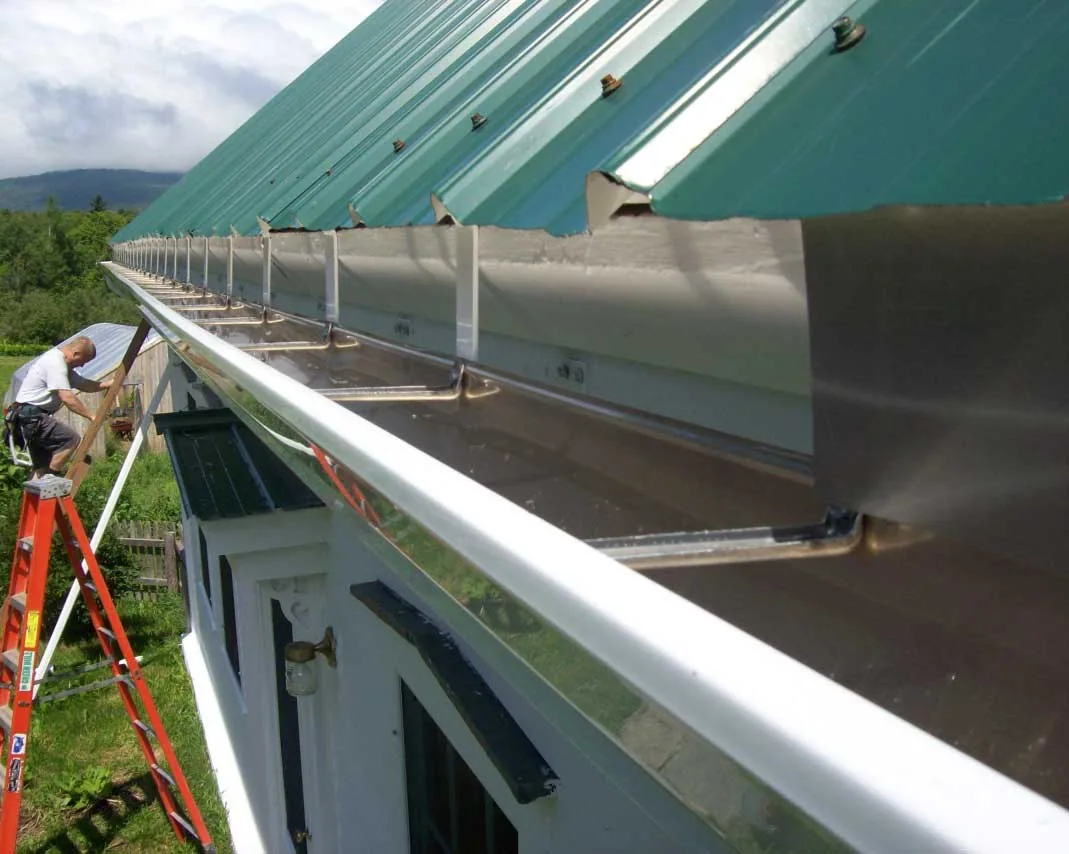
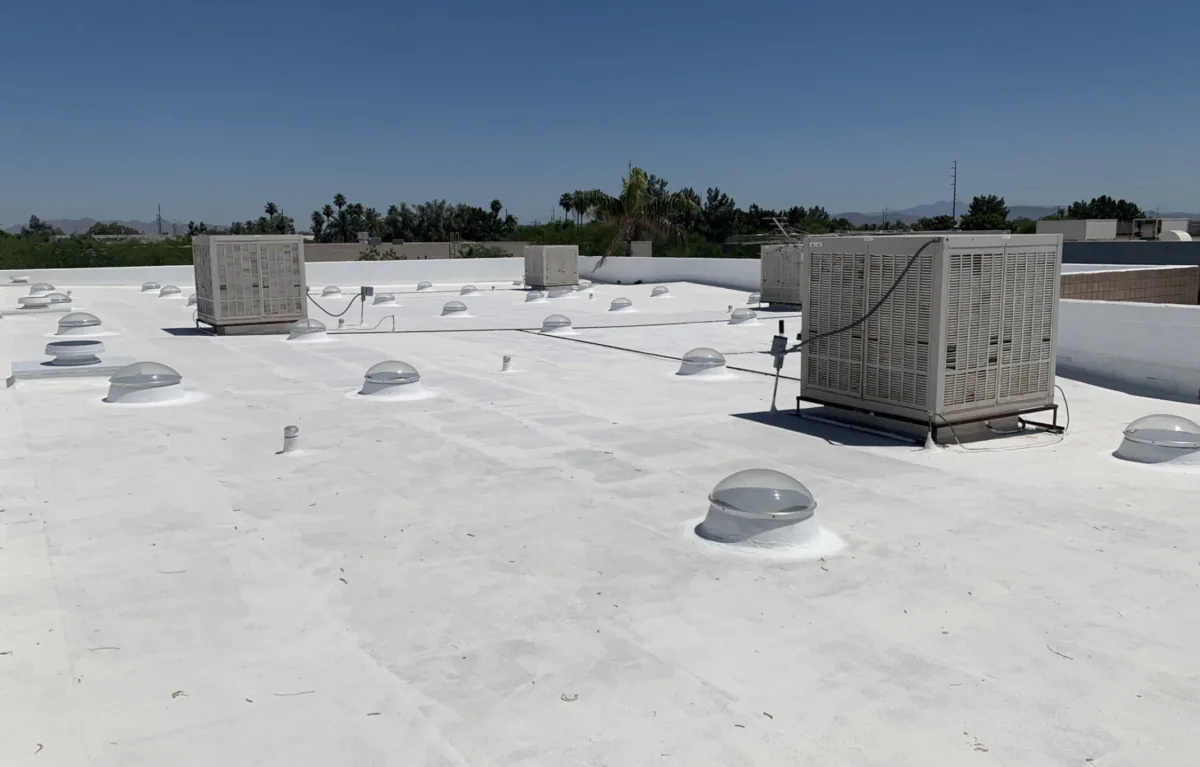
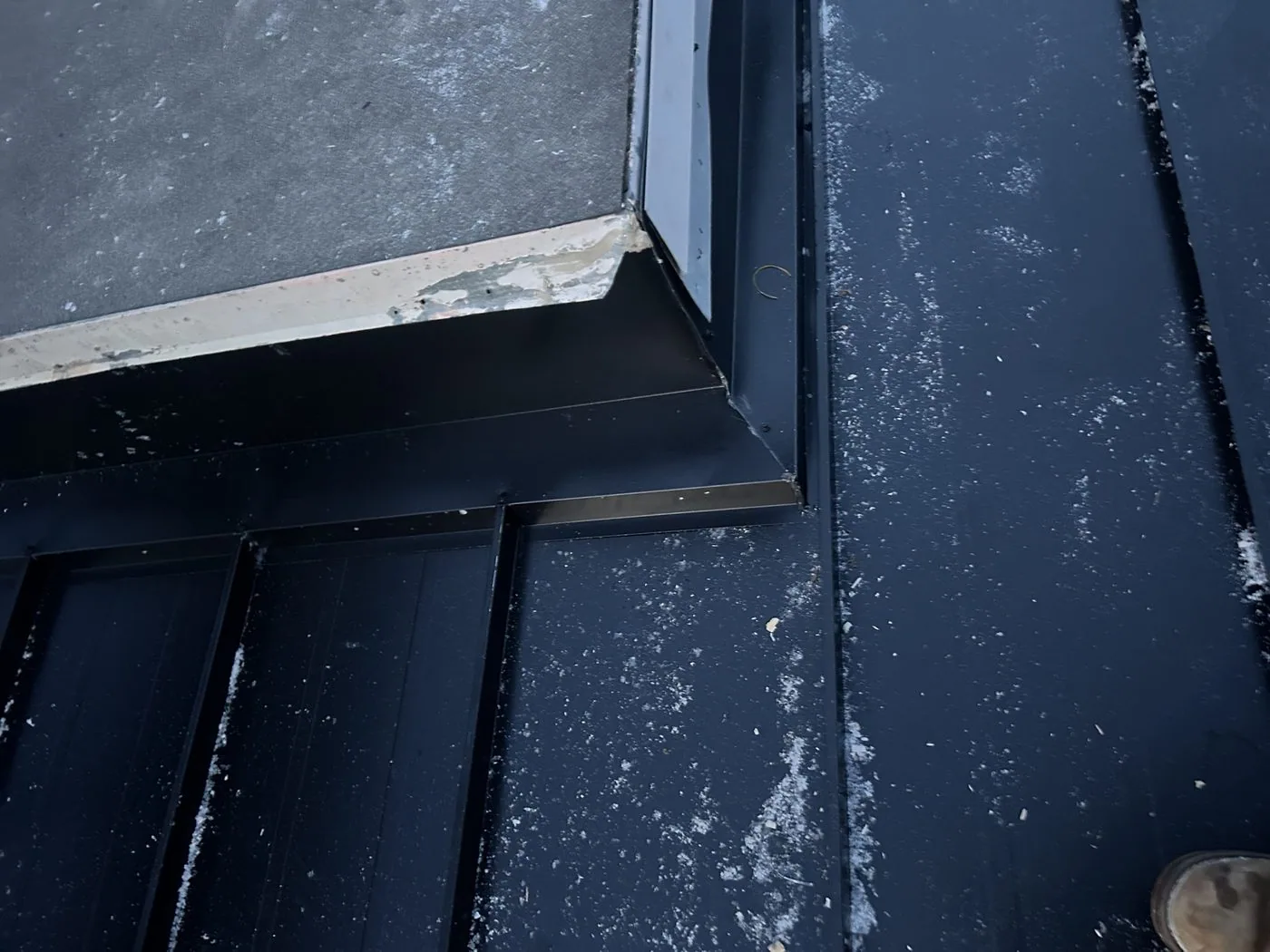
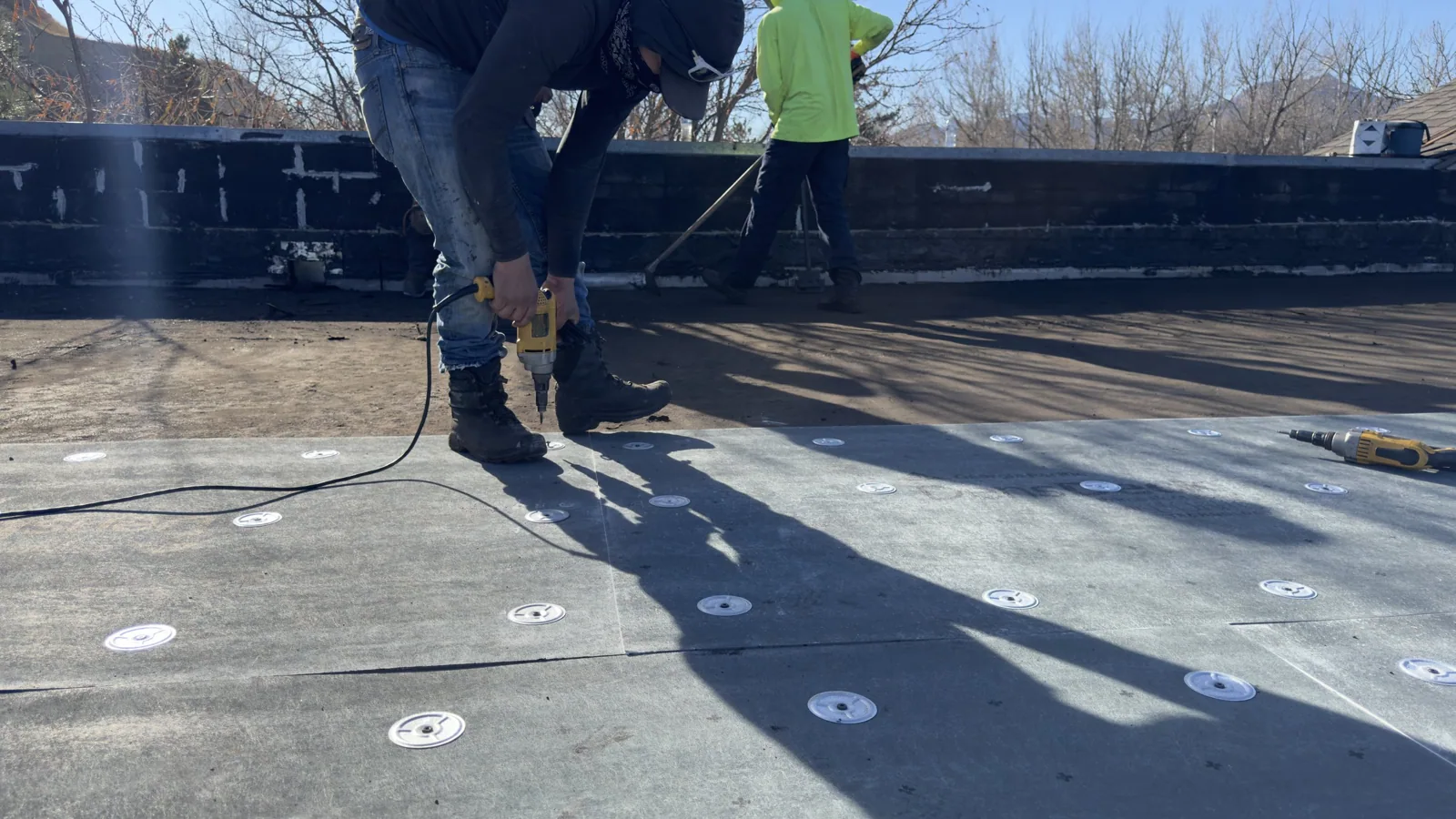
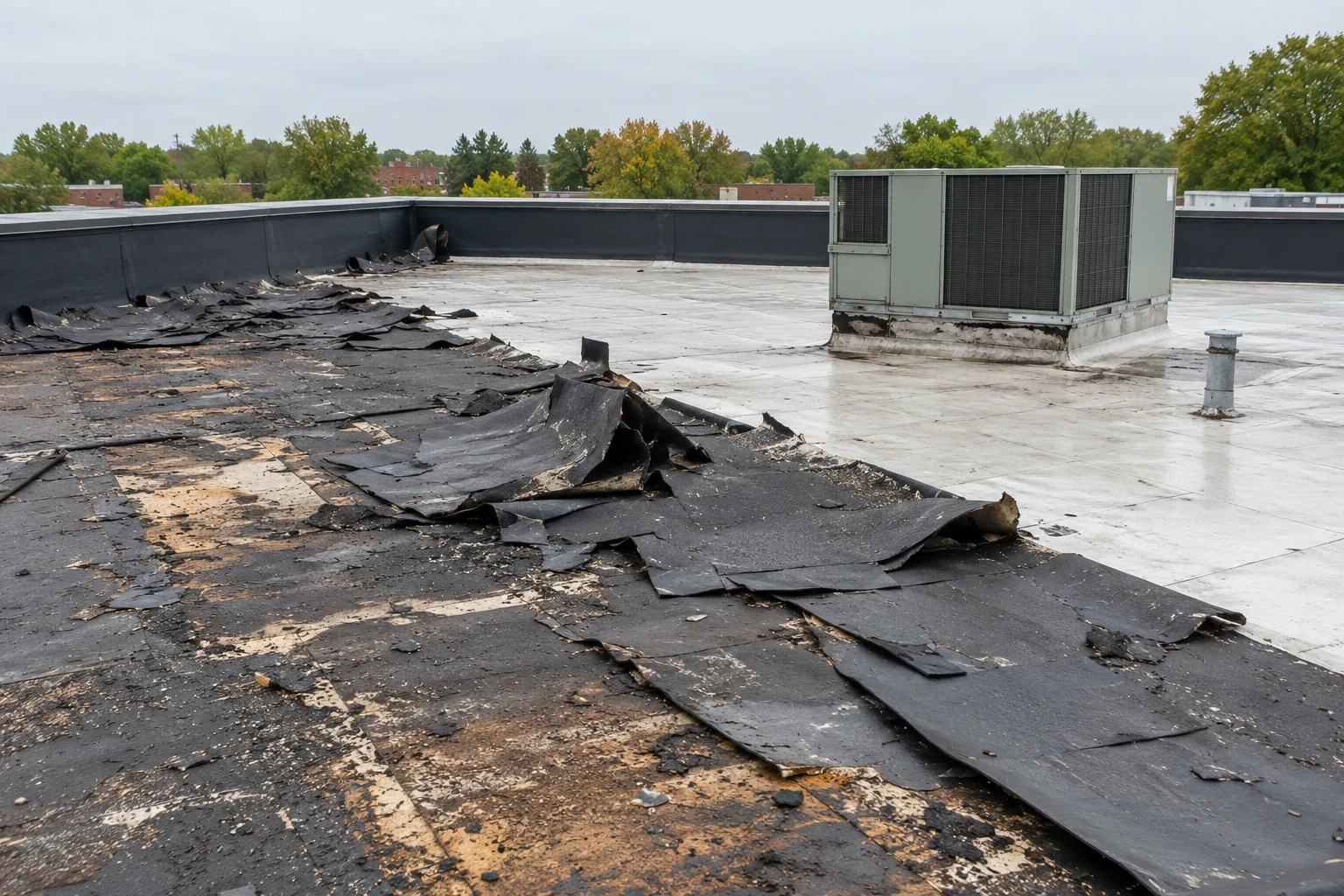
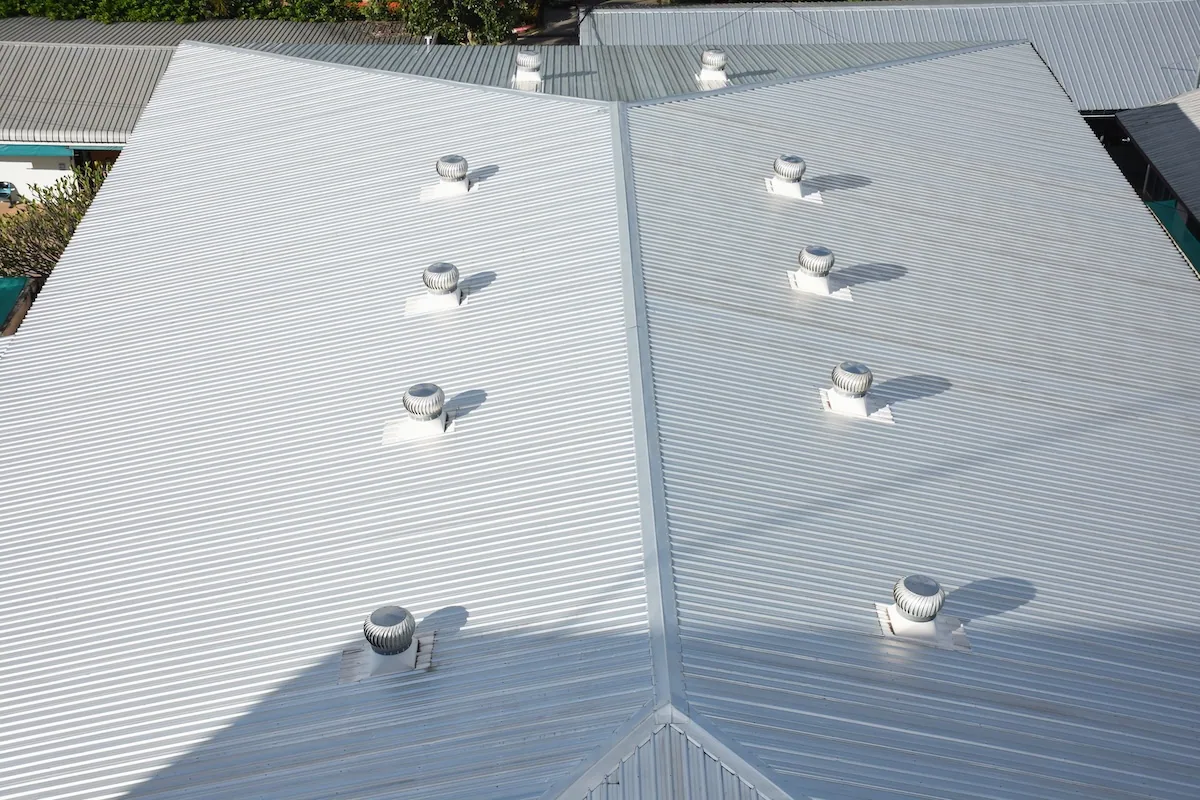
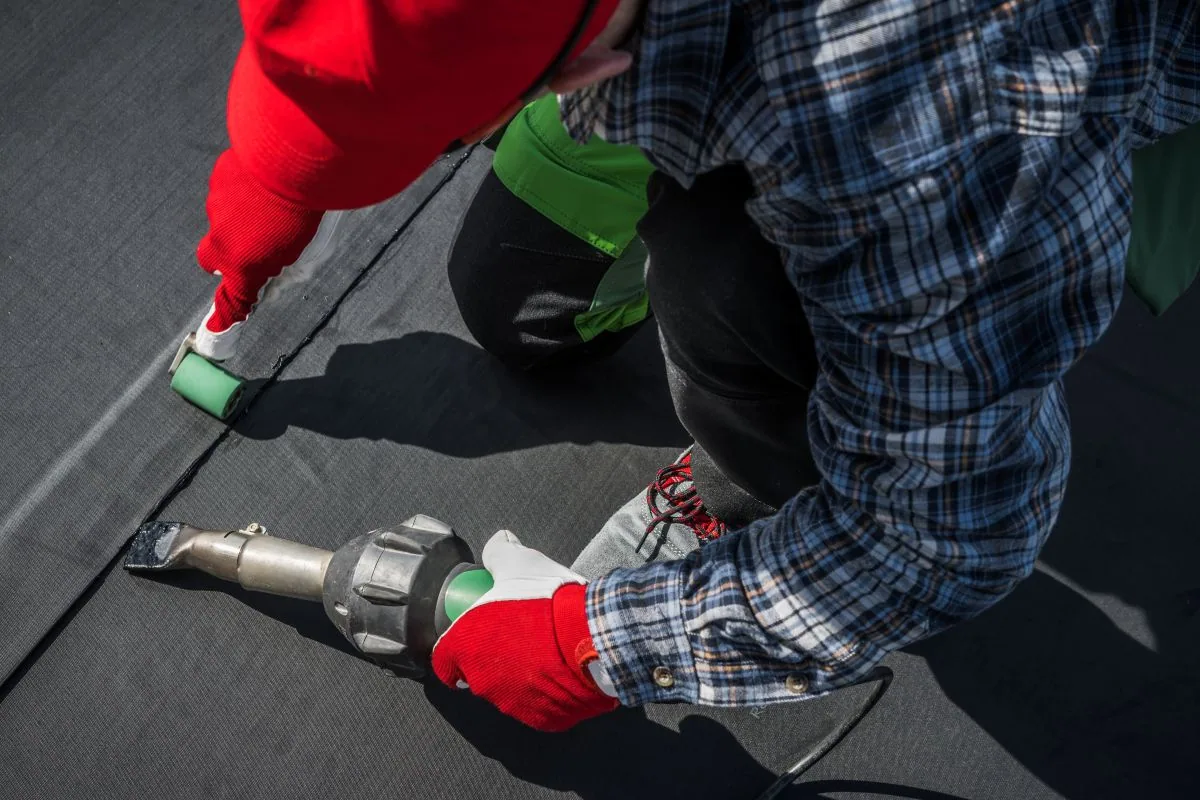

From distribution centers to clinics and schools, we roof the buildings Rochester depends on.
Many localized issues can be evaluated without replacing a full roof, provided the panel and attachment remain serviceable. We inspect the seam, clips, penetrations and adjacent water path, then determine whether a flashing repair or component replacement can restore the detail. Panel distortion, corrosion or widespread attachment problems can widen the scope. The report explains which condition sets the repair boundary.
Metal panels expand and contract as temperatures change. The clip and seam design accommodates that movement along the panel run. Fasteners, rigid sealant or later attachments can restrain movement and stress a seam or opening. We identify the panel system and inspect restraint points before correcting the detail, rather than sealing a moving joint in place.
They still need periodic review of seams, clips, edges, penetrations, coatings, gutters and debris. A concealed clip cannot always be confirmed from a surface view, so the report states access limits. We track repairs and roof trade work by date and section. This record helps plan the next inspection and catches small detail changes before they become broad water entry paths.
A coating is considered only after the metal surface, coating adhesion, corrosion, fasteners, seams and movement are evaluated. The proposed coating must suit the substrate and remain compatible with details that need to move. It cannot replace missing clips or correct a failed panel connection. If metal is corroded or attachment is compromised, those repairs come first and may make replacement the more appropriate comparison.