Water is coming into the building right now
Call us and tell us where the water is showing up. We will get a crew on the roof to stop the leak and protect the space below.

Service Areas
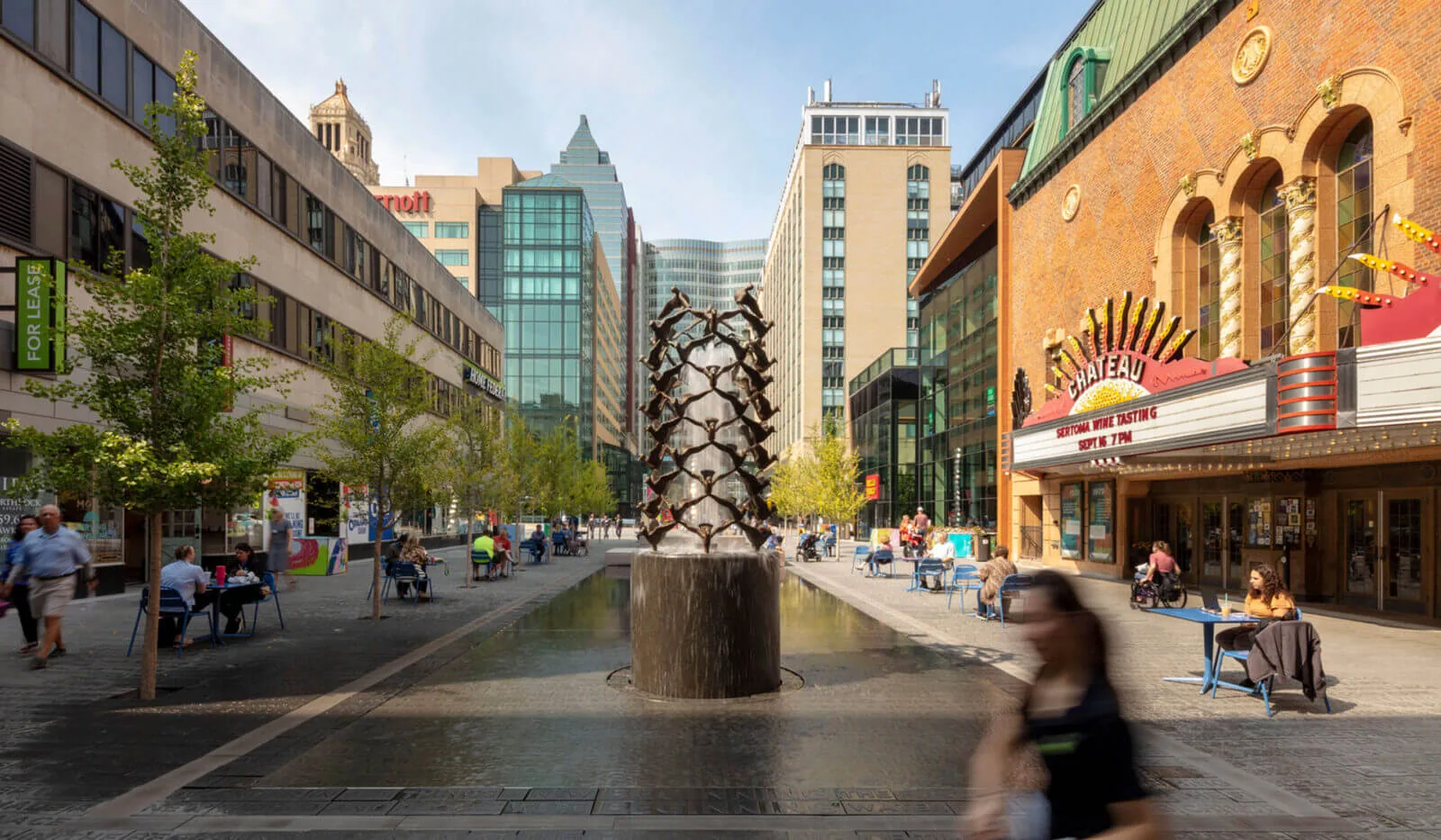
Maintain commercial roofs in downtown Rochester, MN with mapped inspections, drain and flashing reviews, repair choices, and work planned around building use.
Call us and tell us where the water is showing up. We will get a crew on the roof to stop the leak and protect the space below.
We walk the roof, photograph what we find and give you a written scope with repair options before any work starts.
Rochester, MN
A seam that crosses a roof drain path needs a closer look before a patch is sized. Downtown Rochester, MN includes a mix of offices, retail, restaurants, civic, cultural and historic uses, so access and work timing can differ from one building to the next. We identify the roof section, trace the seam toward the drain or parapet and record the material transition before setting a repair boundary. The report connects the observed detail to an owner decision, not to an assumption about the building next door.
Rochester designated the Downtown Commercial Historic District in 2024, with 27 of its 31 properties contributing to its historic character. The district sits within a wider center that combines medical, office, civic, retail and cultural activity. For a roof project, we confirm the specific address, visible-detail review requirements and building access plan before setting the work boundary.
Send the Rochester address, roof concern, available system records and access contact. We will inspect agreed sections, record repair boundaries and return dated findings with the next action.
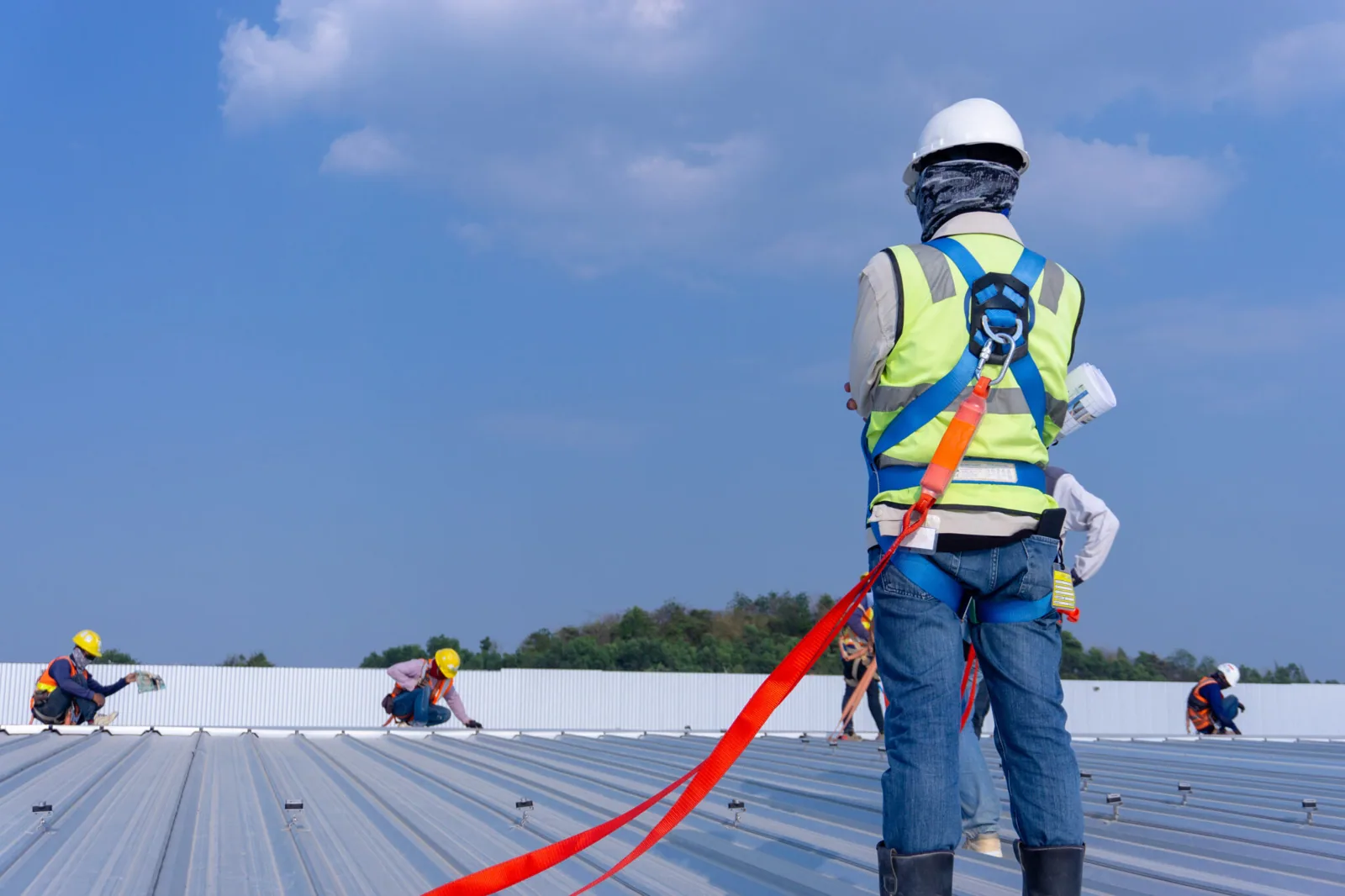
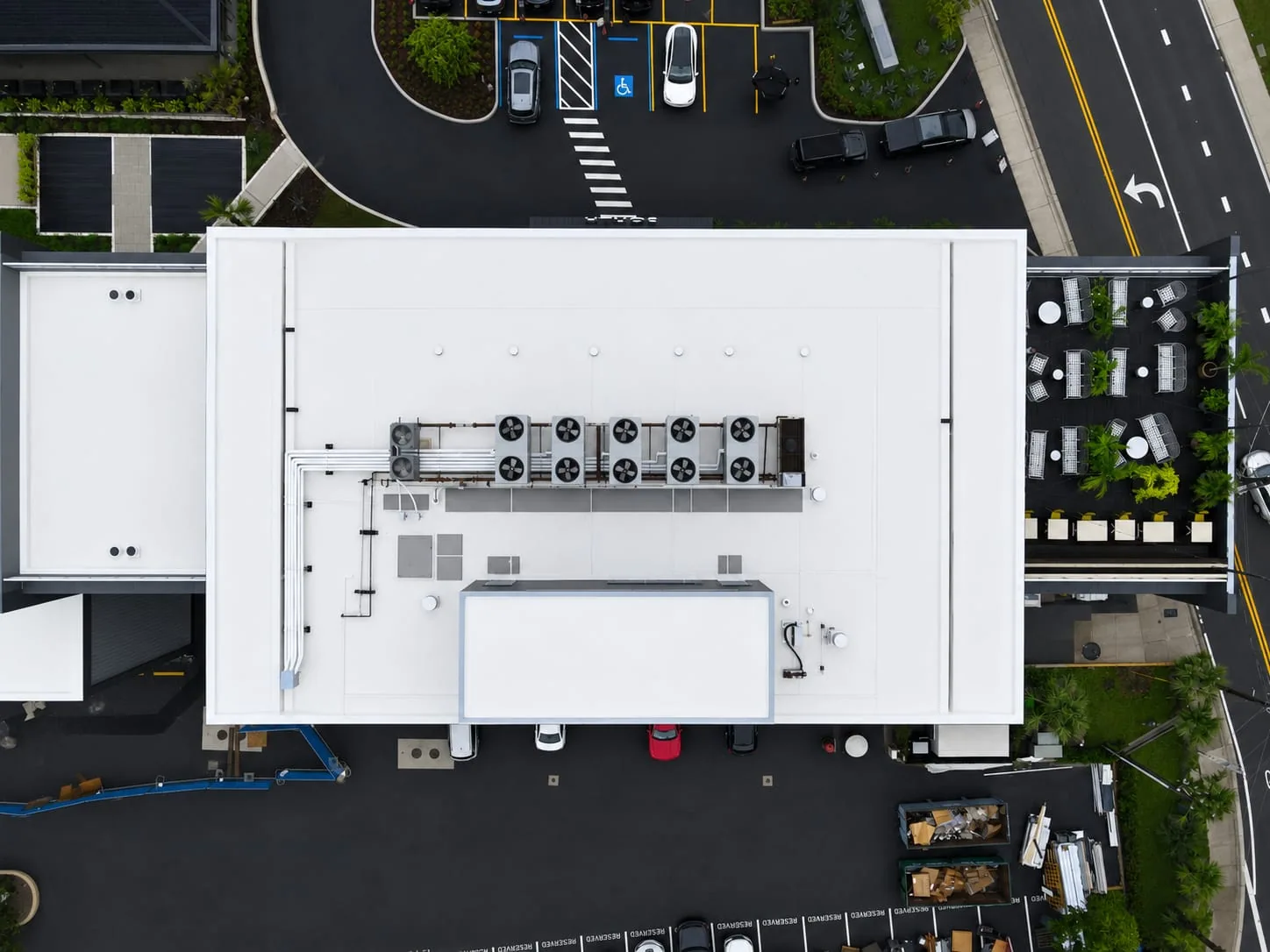
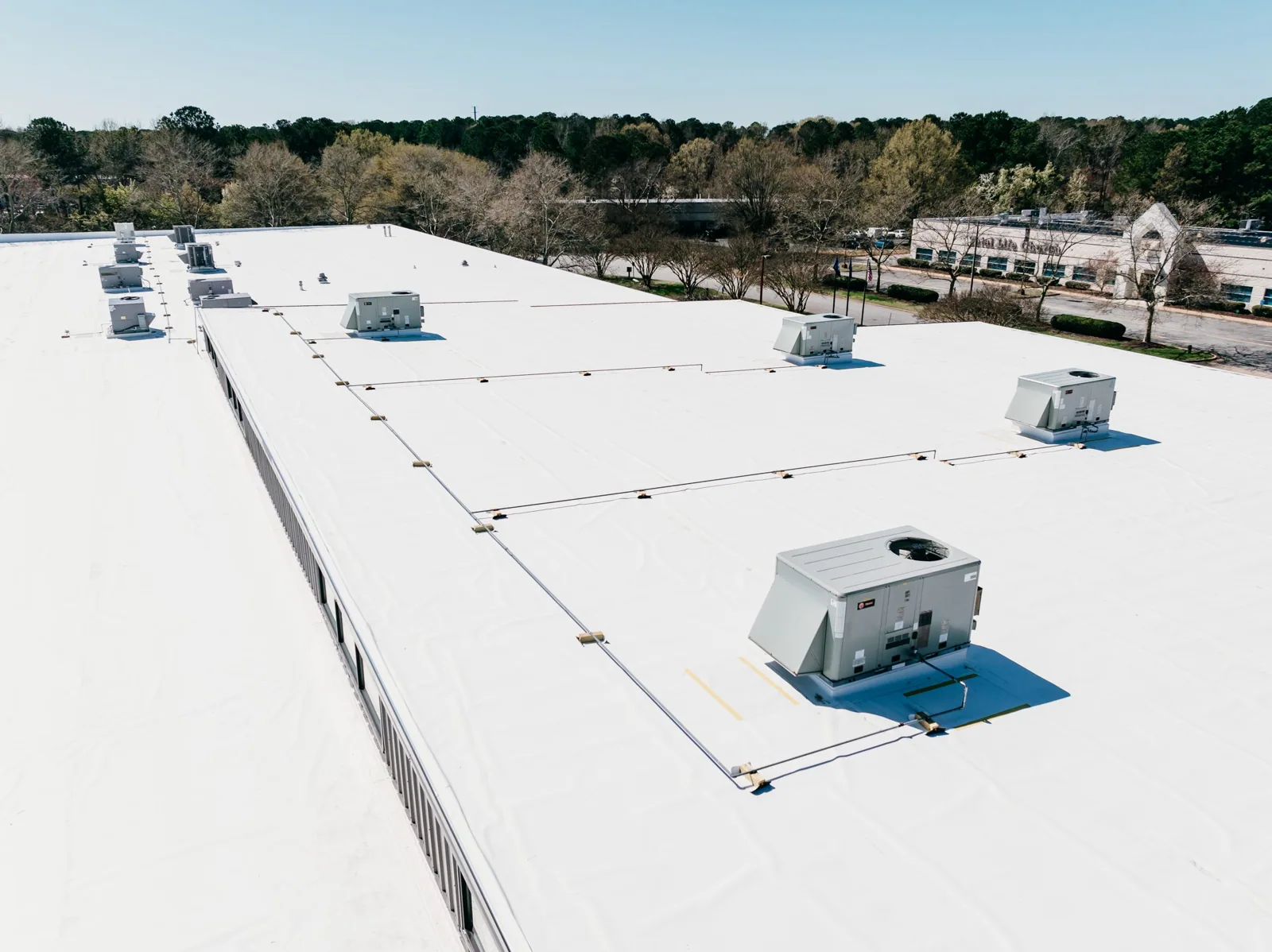
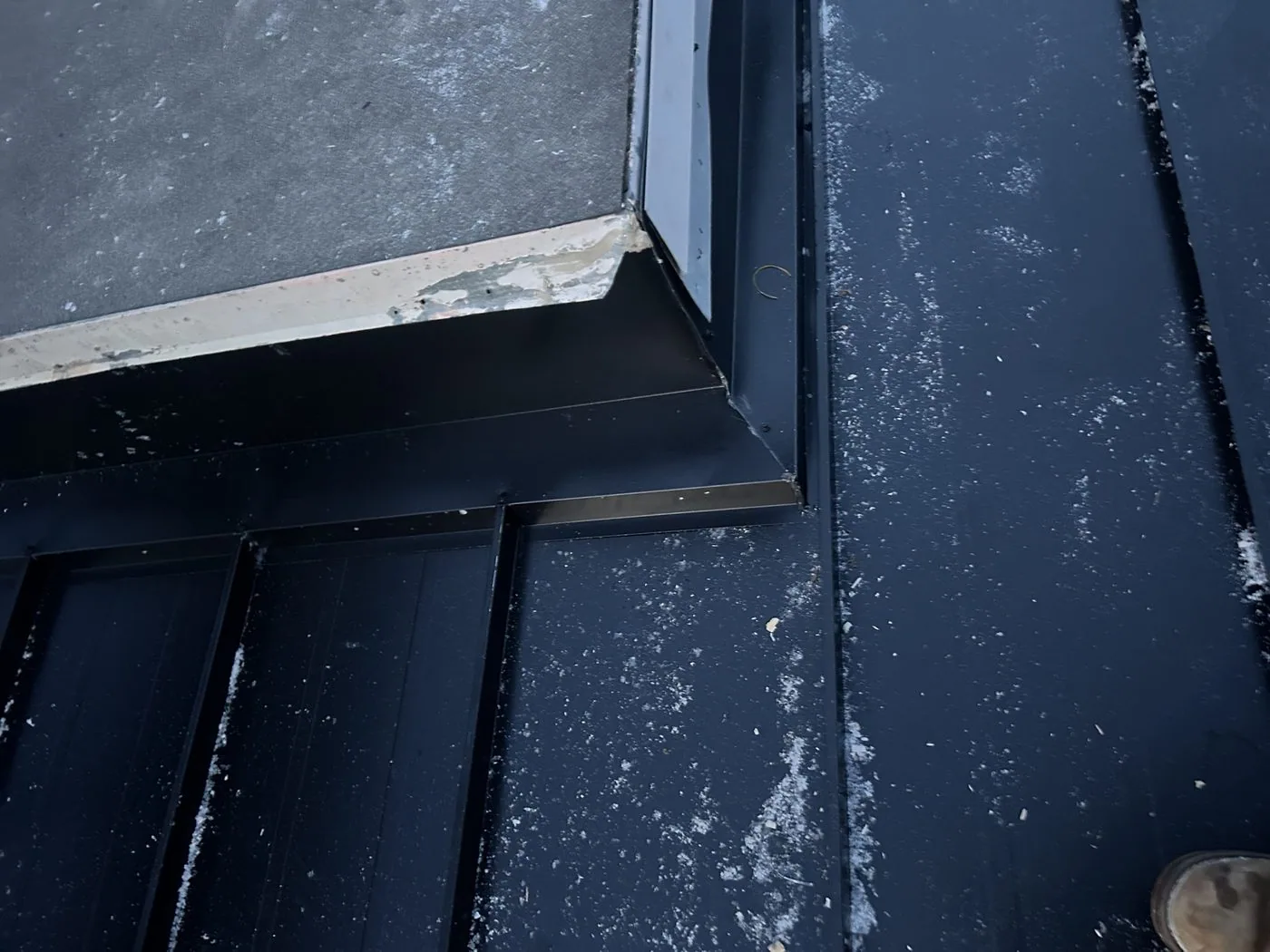
Parapets, drains, roof hatches, equipment curbs and wall transitions set the first route across a commercial roof. We photograph the termination bar, seam lap, counterflashing, scupper and any prior repair, then note how water moves across the field. A downtown property can have rooftop equipment or restricted access, but those conditions must be confirmed at the building rather than inferred from its use. A commercial roof inspection records what is visible, what was tested and which area remained inaccessible.
For a public-facing or occupied building, we coordinate access, staging and interior protection with the designated contact. A blocked roof hatch or locked mechanical zone can change the inspection route and report limits. We mark the skipped section rather than treating it as clear. If a leak appears inside, the ceiling mark is a starting point; we inspect seams and penetrations upslope to locate the opening. A dated photo and roof-zone label give facilities staff a record that can be compared at the next visit.
An open seam, split flashing corner or loose edge needs a repair method that matches the installed membrane. We confirm whether the surface is TPO, PVC, EPDM, modified bitumen or another assembly before preparing it. The work scope states how far material will be removed, what surface receives the patch and how the perimeter will close. A flashing detail repair may be separate from a field-sheet opening, even when both contribute to the same leak report.
Drainage also changes the sequence. We inspect the drain bowl, surrounding sump, overflow route and nearby membrane for blockage, settlement or separated flashing. If cleaning is authorized and addresses the obstruction, the visit record says so; a low area or failed drain detail may need additional work. A drain and scupper assessment can define those components, while a condition report holds photographs, test locations and open items together for the owner.
A local opening with sound surrounding membrane can support a focused repair. Repeated leaks at unrelated seams, widespread moisture or loose perimeter attachment may call for a larger test area or project comparison. We describe the evidence, roof layers that are visible, access assumptions and what remains concealed. The owner can compare repair, recover and replacement scopes without treating a single leak as proof that the entire roof has failed.
Downtown roof access and tenant circulation can narrow the window for routine checks. We schedule a section-specific visit around the property contact’s access plan and note the exact drain or edge detail reviewed. On April 17, 2026, the NWS recorded a tornado rated EF-2 near Stewartville, and separately listed 1.5-inch hail in northwest Rochester; a downtown inspection still stands on its own field evidence.
Before opening a roof, we confirm work hours, access routes, tenant notice, staging, noise limits and how the interior will be protected. The work sequence identifies where the crew can leave a dry tie-in at the end of a shift. If an opening reveals wet insulation or damaged deck, we photograph the condition and pause for owner direction before extending the approved boundary. These controls matter on an occupied office or civic building because the repair area and building operations share one schedule.
Street activity and building access shape delivery and setup. A property near Downtown Waterfront or Central Station gets an address-specific staging plan, developed with the property contact. We list the equipment, lift or protected entry needs that are confirmed and keep unapproved access assumptions out of the scope.
The closeout identifies the building, roof area, visit date, material used when confirmed, photographs, repair boundary and unresolved questions. If the issue was temporarily stabilized, we label that work separately from the permanent repair still required. The owner can route the record to facilities, property management or a capital review without losing the location of the seam or flashing that prompted the call.
Send the downtown Rochester address, roof concern, available plans or system records and the person who can coordinate access. We will inspect the agreed sections, document limitations and return a repair or testing recommendation tied to the building. For active water entry, emergency response is available overnight, on weekends and during holidays; the first protection and later permanent work receive separate closeout notes.
Other services, systems and buildings that often come up alongside this work in Rochester.



From distribution centers to clinics and schools, we roof the buildings Rochester depends on.
We check membrane seams, parapets, roof edges, drains, scuppers, curbs, penetrations, previous repairs and any area connected to the reported leak. The report labels each observation by roof section and states whether it was visible, tested or inaccessible. Building use helps us coordinate access, not determine what the roof contains.
We coordinate the work window with the property contact, including staging, tenant notice, protected entrances and the daily dry-in point. Some work can proceed around normal operations; roof access, noise, weather and interior conditions affect the sequence. Any area that needs restricted access is identified before the crew opens the assembly.
No. The weather report identifies hail in northwest Rochester, while each downtown building requires its own inspection. We photograph actual membrane and metal conditions at the service address, then separate visible impact evidence from items that may need testing. Another location's event does not establish damage here.
Send the building address, roof plan if available, leak location, past repair records and the access contact. Note any work-hour or staging limits and whether the building remains occupied. We use those details to confirm the route, inspect the relevant sections and return a scoped next step.