Water is coming into the building right now
Call us and tell us where the water is showing up. We will get a crew on the roof to stop the leak and protect the space below.

Roof Systems
Inspect and repair built-up roofs in Rochester, MN. We document plies, surfacing, drainage, flashing and moisture before comparing repair and replacement.
Call us and tell us where the water is showing up. We will get a crew on the roof to stop the leak and protect the space below.
We walk the roof, photograph what we find and give you a written scope with repair options before any work starts.
Rochester, MN
A built-up roof is a sequence of plies, bitumen and surfacing, so a crack at the cap may be only the visible part of the condition. We inspect the surface, trace the lap, then decide whether the scope needs a closer look at lower layers. NWS lists 46.3 inches as Rochester's 1991-2020 normal seasonal snowfall; December through March brings most of that amount. We inspect drainage, seams and edge transitions, while the assembly itself determines how repair should proceed.
Before field work, we tie the roof map to the correct facility and collect available records. Rochester's industrial uses cover about 1,129 acres in the city plan, including larger-footprint manufacturing and job-intensive properties. Downtown DMC districts include Discovery Square, Saint Mary's Place and the Heart of the City. These places have distinct building contexts; they do not identify a roof's age, plies or condition. Those facts come from the property record and inspection.
Send the Rochester property address, roof concern, available plans or test records and portfolio contact. We will map the existing assembly, inspect drainage and flashings, and return a repair or replacement comparison tied to tested locations.
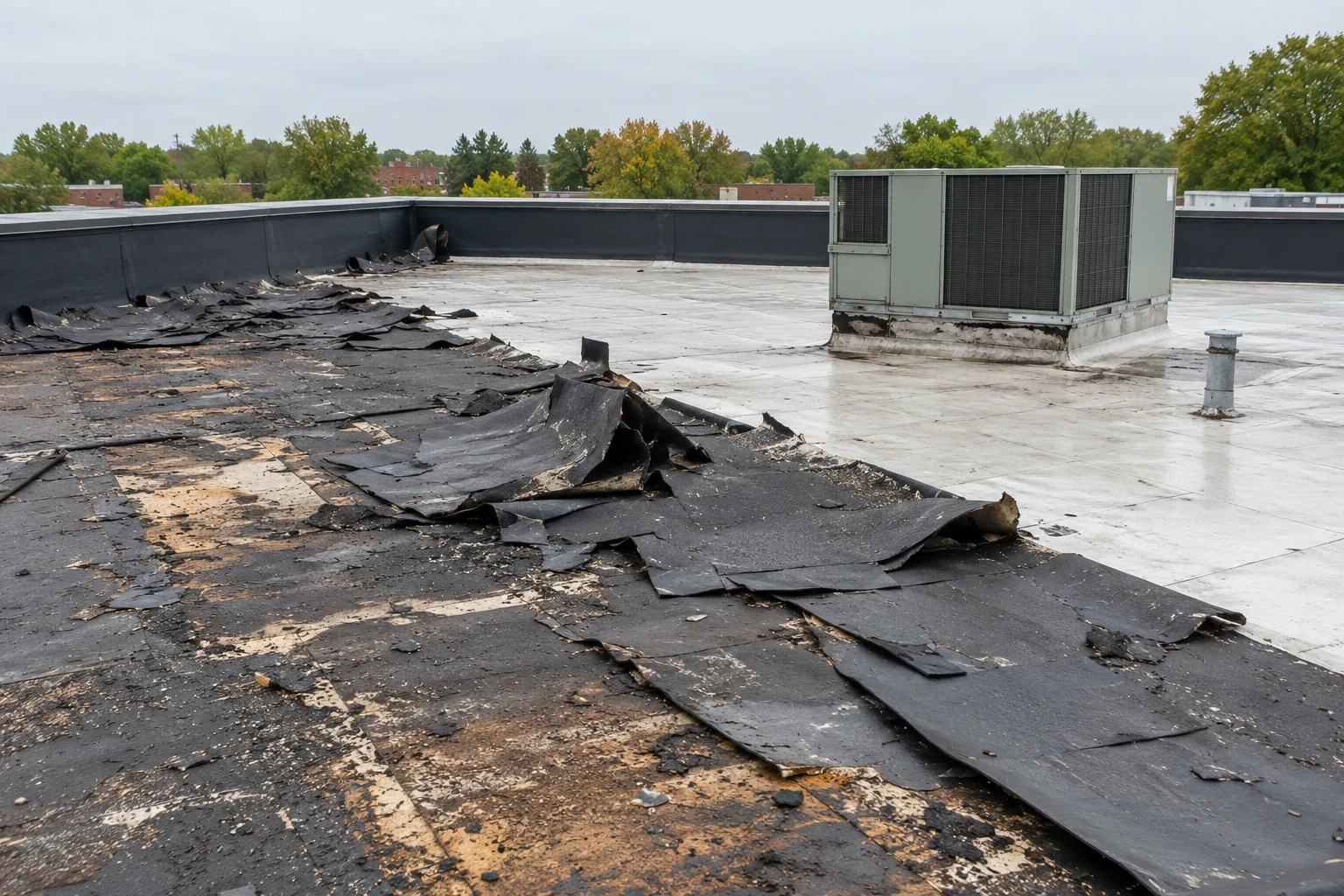
We check for exposed asphalt, granule loss, alligatoring, blisters, open laps, splits, ridges and movement around penetrations. A crack can reflect surface aging, trapped moisture, deck movement or stress at a detail; its shape alone does not establish which. We trace it to its ends, inspect nearby repairs and note the surface condition. At a wall or curb, we review base flashing, counterflashing and termination instead of stopping at the field sheet.
Drain bowls, scuppers, overflow routes and low areas are mapped with the visible water evidence. Sediment lines may show where water has remained, while a blocked strainer can alter drainage without a membrane defect. We record outlets and slope conditions separately. A drainage review may resolve a maintenance item. After a weather event, we also document displaced details without assuming the entire roof was affected.
Built-up systems can vary in ply count, bitumen application, reinforcement, attachment and surfacing. We use construction drawings, prior test records and visible edges to establish what is known. At a test cut, we photograph each layer, note the condition of reinforcement and insulation, and record whether moisture or loss of bond is present. An old coating or recover can obscure the original assembly; the report marks uncertainty rather than assigning a ply count by appearance.
Where the roof covers occupied or process space, interior observations can help identify active leak patterns, but ceiling stains do not set the exterior repair location by themselves. A moisture survey can focus testing when thermal patterns justify follow-up. The condition report then connects that evidence to the roof plan, with confirmed moisture distinguished from an area needing physical verification.
A local repair removes loose surfacing and unsound material until a firm edge is reached. The repair needs compatible reinforcement and bitumen, with each layer lapped and embedded in sequence. Granules or protective surfacing are restored where the system requires them. A patch that simply caps a moving split can leave the underlying ply open, so we check the substrate and adjacent seams before closing the area.
Hot-applied work needs controls for ignition sources and building operations. Cold-process materials and self-adhered membranes have their own temperature, substrate and adhesion limits. The chosen method is based on confirmed assembly, product requirements, site conditions and access. For larger work, we map daily tie-ins and protect open areas before leaving the roof. A repair proposal identifies the bounded detail; replacement planning documents tear-off depth, new layer sequence, edge conditions and disposal scope.
Repair can suit an isolated opening when the adjacent plies remain bonded, dry and structurally supported. Multiple leaks, widespread alligatoring, saturated insulation, repeated patch layers or failing perimeter flashing can point to broader work. A recover is evaluated against existing layer count, deck capacity, drainage height, edge metal and local code review. If those conditions cannot be verified, we identify the test or document needed before recommending another roof layer. Where a roof contains a modified bitumen addition, that system's ply sequence needs its own map; a silicone restoration is assessed for adhesion and assembly condition before it is treated as an option.
The Rochester climate record sets the seasonal snow normal at 46.3 inches, with the principal accumulation period running December to March. It supports planned drain and edge reviews before and after the snow season, while not deciding whether a particular built-up roof is sound. Properties around the Mayo Clinic Support Campus include mapped warehouses and inventory or technology facilities, each with its own roof records. The Mayo Support Campus roof review ties observations to the exact building rather than the campus generally.
Repeat inspections check repair edges, flashing laps, drain strainers, surface loss and areas where rooftop equipment or other trades have altered the roof. We compare the same section and detail across dates, then note whether a prior repair remains secure. The log records debris, temporary protection and open questions separately. This lets an asset manager distinguish a completed patch from a condition still awaiting a test or capital decision.
For multi-building operations, each roof file should include the assembly known, test locations, moisture results and completed repair materials. A maintenance schedule carries those dates forward. We can respond around the clock when a commercial roof is actively leaking; send the Rochester address, affected interior area, roof records and property contact. A site visit begins with the actual leak path and roof section, then ends with a closeout record that explains what was repaired and what remains to be checked.
Other services, systems and buildings that often come up alongside this work in Rochester.
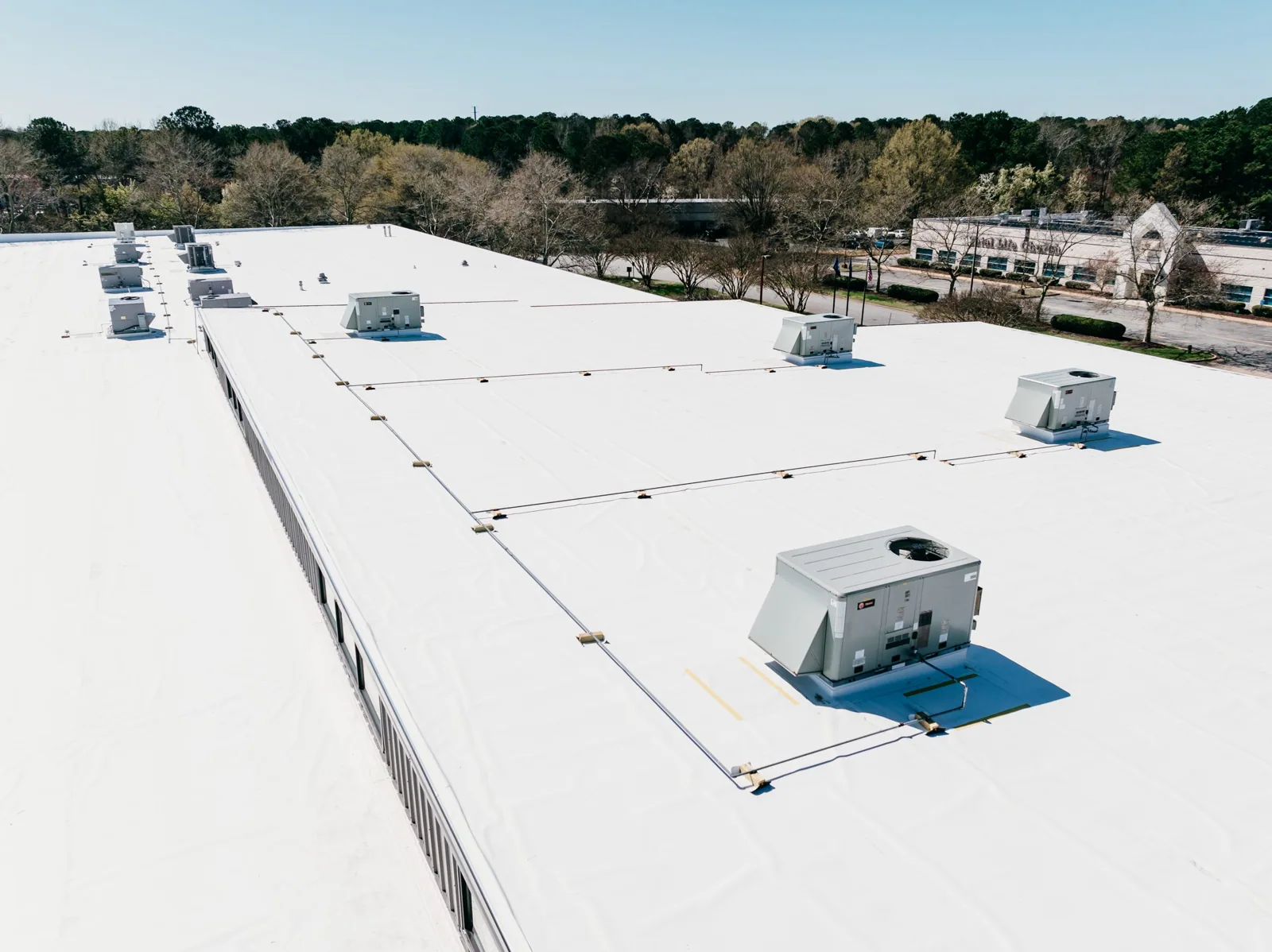
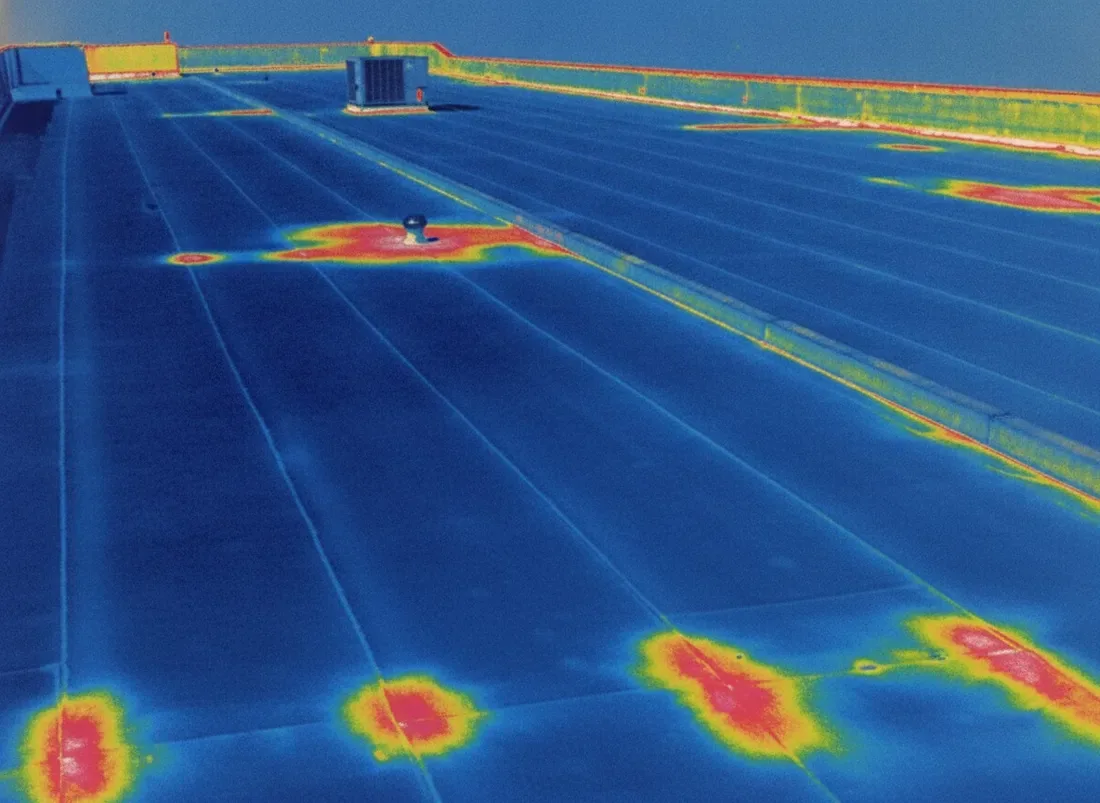
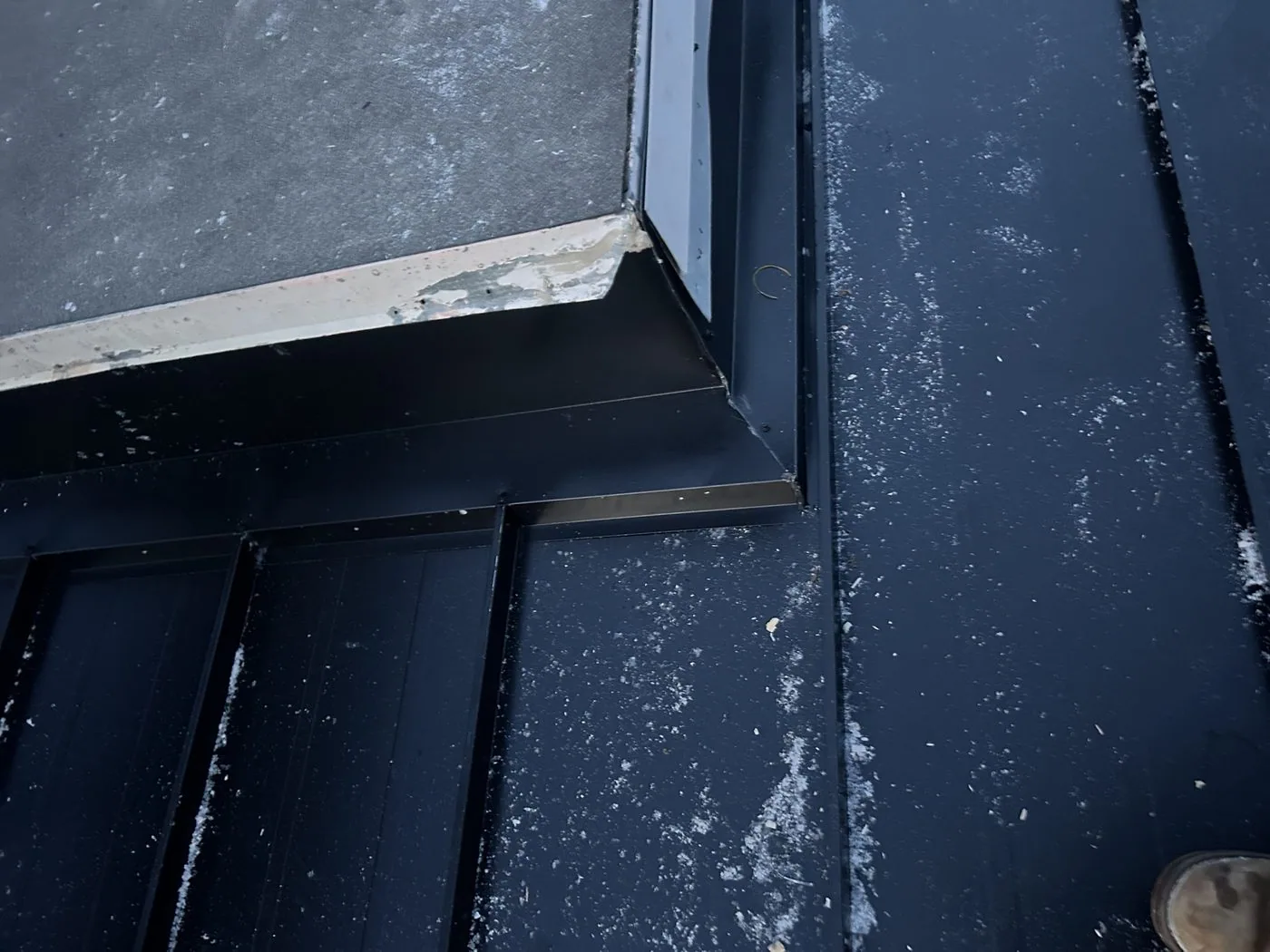
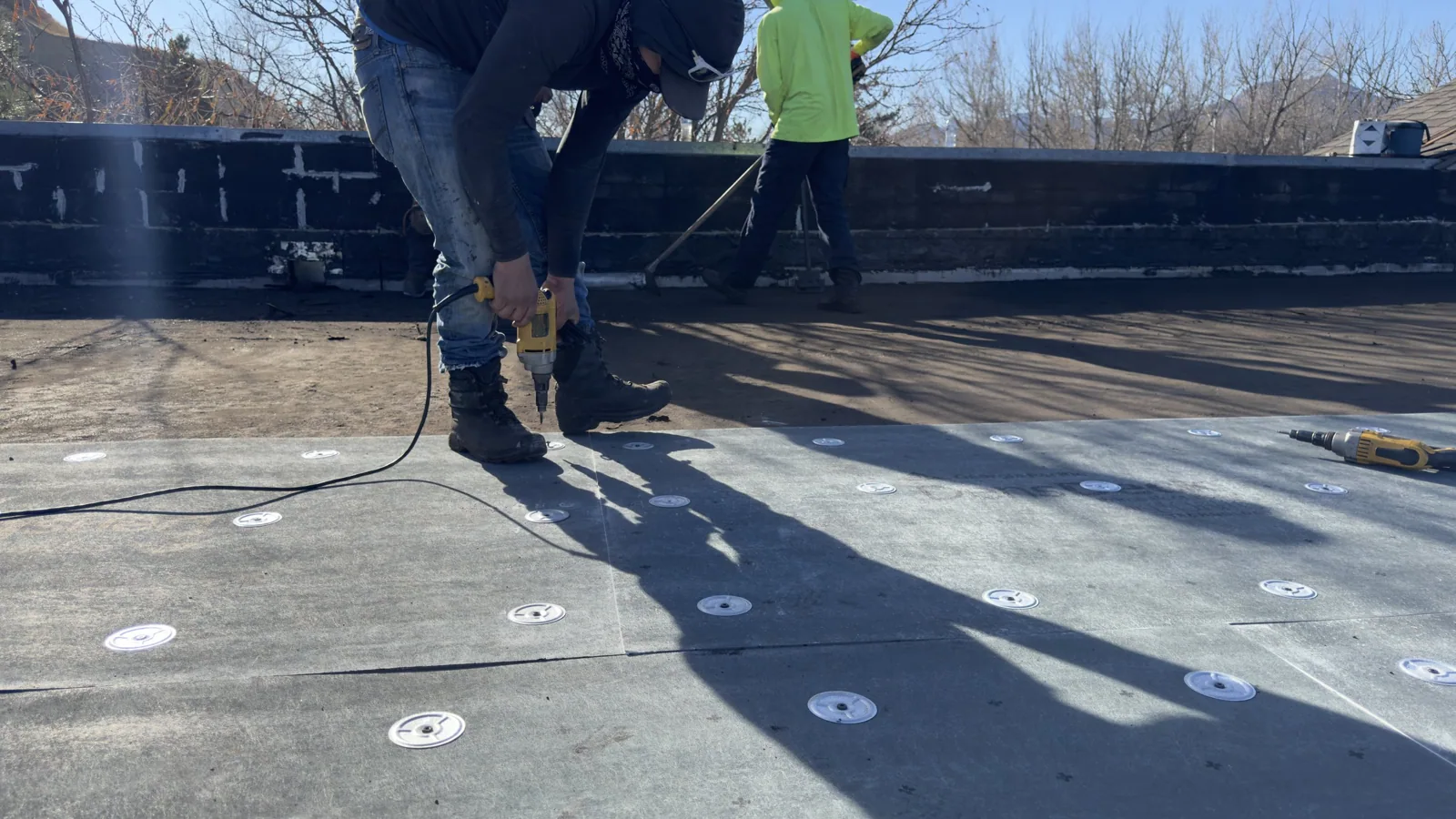
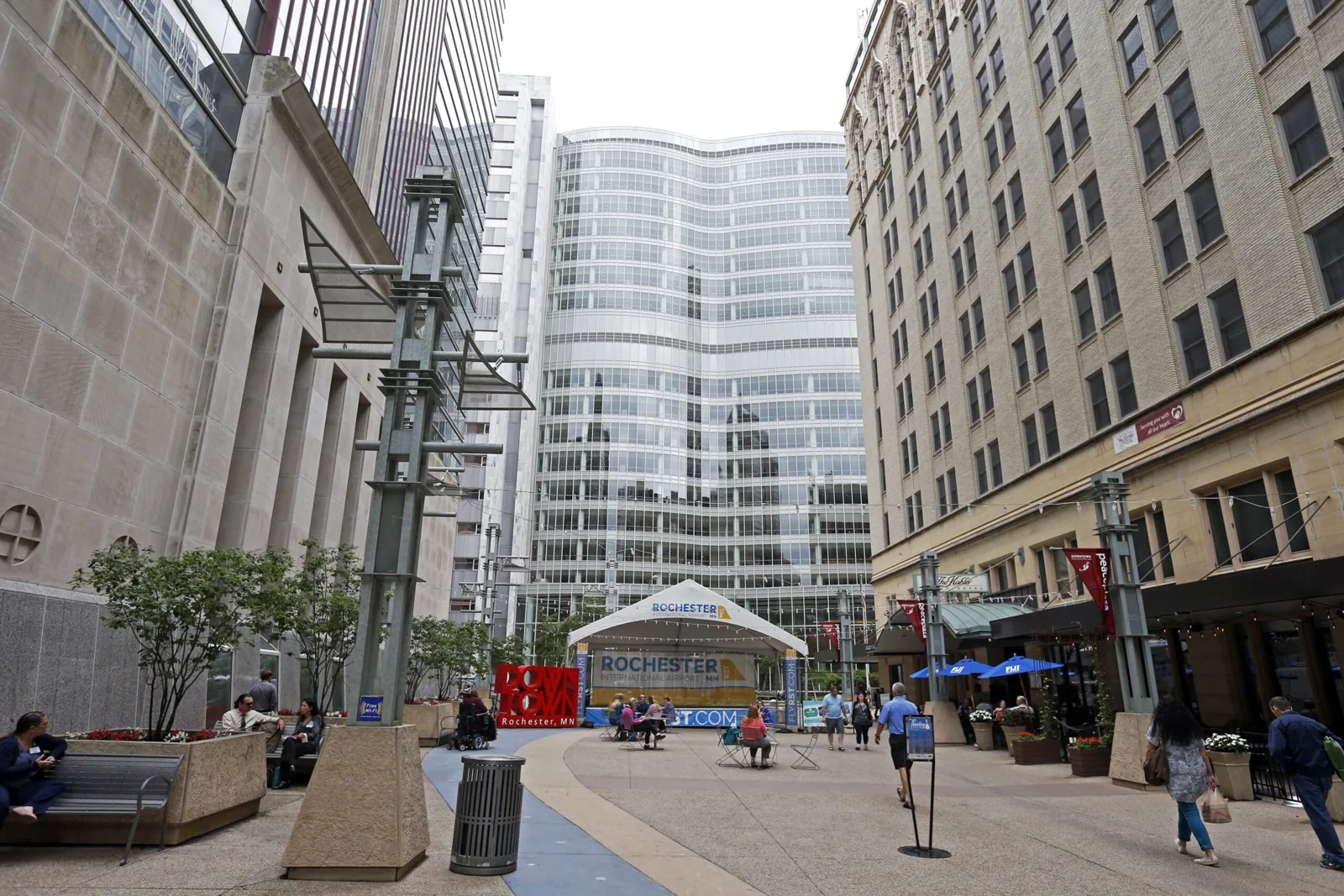
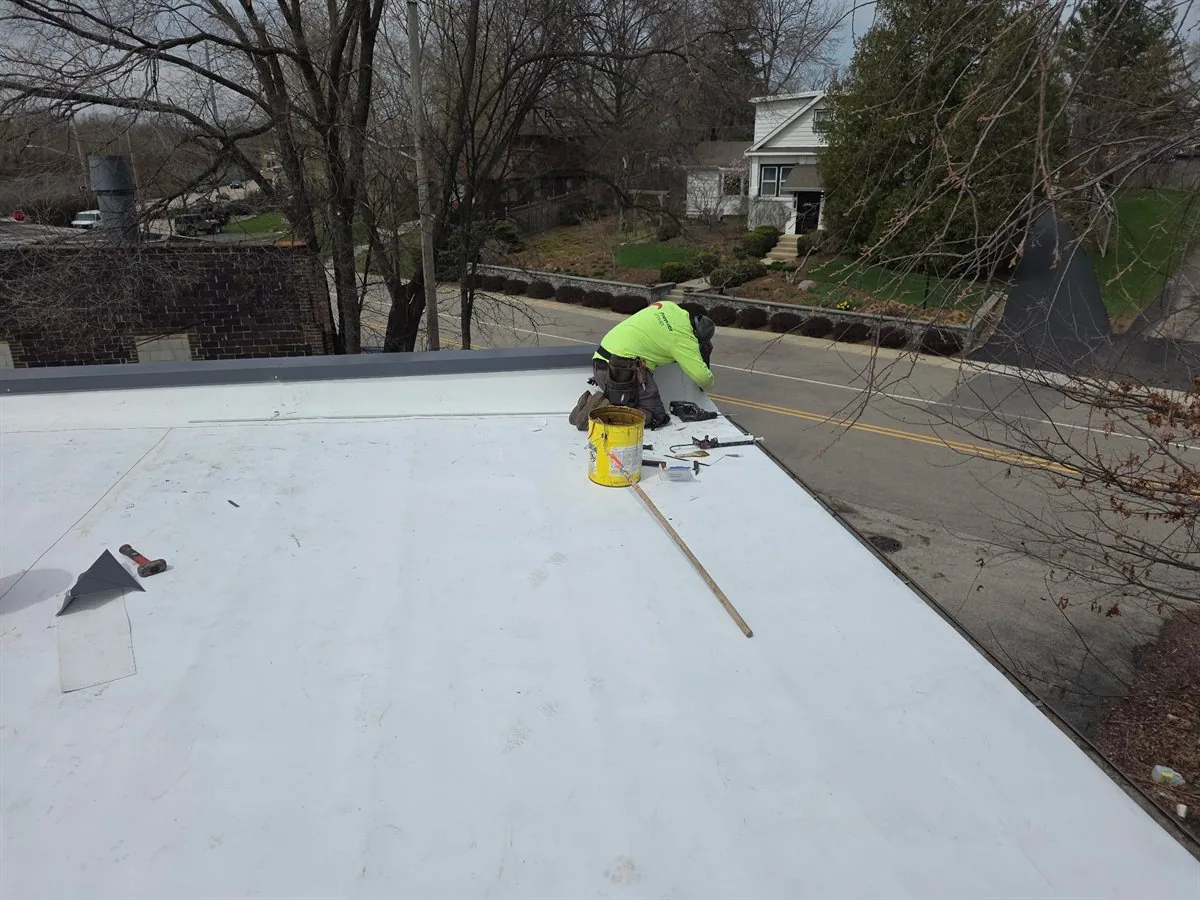

From distribution centers to clinics and schools, we roof the buildings Rochester depends on.
We trace the exterior details above the leak, identify the surface and layer sequence, and define a repair boundary. Loose material is removed to sound, dry layers, then compatible reinforcement and bitumen are installed in order before the surfacing is restored. If moisture extends beneath the visible defect, we expand or revise the scope based on test results rather than sealing only the stain location.
Alligator cracking is a surface condition that needs context. We note how far it extends, whether cracks reach reinforcement, whether water is present and how the underlying plies are attached. A limited area can have a different recommendation from widespread cracking combined with leaks or wet insulation. The report separates visible surface aging from assembly findings confirmed by testing.
A recover may be feasible only if the existing assembly is suitable to remain. We check layer count, moisture, attachment, deck capacity, drainage elevations, edge details and current requirements. Wet or unsound materials generally need removal from the affected scope. The comparison states the existing condition, any testing performed and the reason a recover, repair or tear-off is being considered.
A test cut exposes the material sequence at one selected location. We record surfacing, cap and base plies, reinforcement, insulation, cover board and deck condition where visible. One cut represents that location, not every roof section. We use the result with other observations and close the opening with a compatible repair detail documented in the closeout record.