Water is coming into the building right now
Call us and tell us where the water is showing up. We will get a crew on the roof to stop the leak and protect the space below.

Service Areas
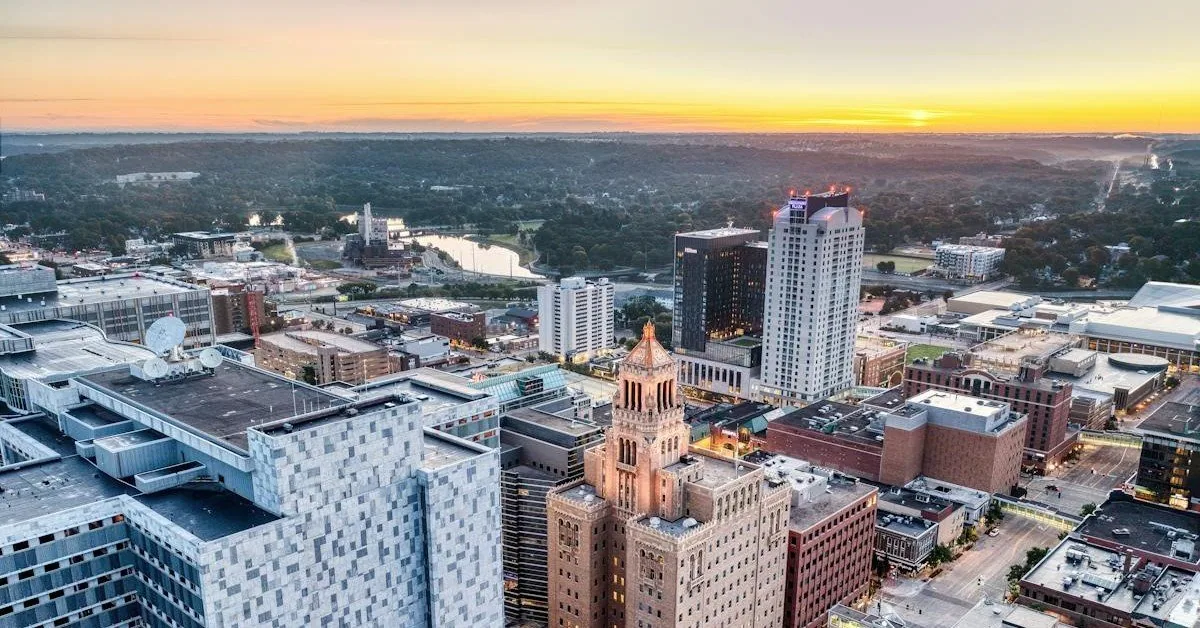
Commercial roof service at Central Station in Rochester, with defined inspection zones, repair planning, access coordination, and clear closeout records.
Call us and tell us where the water is showing up. We will get a crew on the roof to stop the leak and protect the space below.
We walk the roof, photograph what we find and give you a written scope with repair options before any work starts.
Rochester, MN
A roof hatch, curb and drain can sit only a few steps apart, yet each needs its own inspection path. Central Station is a mapped DMC subdistrict in central Rochester, MN. The original district plan considered a regional transit hub connecting Rochester with surrounding communities, including the Twin Cities. For a property owner, the practical starting point is still the building address: confirm roof access, locate the reported condition, and determine which areas can be reached during the visit.
The city plan describes transit-oriented centers as accessible places for jobs, commerce and higher-intensity development. That planning language is district context, not a description of a specific building's tenants, structure or membrane. We verify those details on site and keep the work area precise. An inspection near Downtown Waterfront or Saint Mary's Place receives a separate roof-zone record, even when the properties share a management group.
Share the Central Station address, leak or maintenance concern, system records and access requirements. We will document the agreed roof zones and return clear next steps.
We ask where water appeared, when it was noticed and what changed nearby, then compare those details with roof slopes and drains. On the roof, the walk includes field seams, flashing corners, curbs, edges and penetrations within the agreed boundary. Each finding receives a photo and location label. If a ceiling mark sits below multiple possible pathways, we do not assign a source by guess; we identify the likely routes and note what test would resolve them. A written inspection returns that evidence in a format facilities staff can use.
Access needs are confirmed with the property's contact. Roof hatches, escorts, loading windows, lift restrictions and operating hours can change the visit sequence. If part of the roof lies behind equipment or a locked enclosure, the report records that limit instead of treating the unseen area as sound. We also note how the membrane meets the wall or curb and whether the edge metal moves under light hand pressure. These observations help define the boundary before a repair crew stages materials.
Membrane color alone does not identify a compatible repair. We look for markings, sheet construction, existing welds or adhesive details and any prior patch that could affect a new tie-in. Where appropriate, a small test helps determine whether the surface will accept a weld or splice. A TPO system and an EPDM assembly require different repair methods, so the scope does not prescribe material until the existing system is understood.
A puncture may call for a localized patch, while an open wall transition requires flashing work that continues to a stable termination. At a drain, we check for debris, a loose clamping ring, failed sealant or a depressed sump, then distinguish a maintenance correction from membrane replacement. Seam repair can address a verified opening without bundling unrelated roof sections into the same task. The proposal identifies access, surface preparation, affected dimensions and the dry closure expected at the end of each shift.
Before mobilization, we confirm who opens the building, how materials reach the roof and where a lift or ladder can be set. The property team identifies protected entries, delivery times and any limits on noise or work hours. If a roof opening needs overnight protection, the scope names the temporary measure and the planned return. A concealed wet layer or damaged substrate can change the quantity; we pause at the agreed boundary, document what appeared and obtain direction before expanding permanent work.
Rochester's normal seasonal snowfall totals 46.3 inches, with the city normal concentrated from December through March. That climate context makes roof-edge checks, drain access and safe travel routes useful planning items before snow obscures details. It says nothing about the condition at Central Station. We document actual accumulation or blockage when it is present and schedule a safe return for covered areas. A maintenance visit can also identify loose metal or drain debris before seasonal access becomes more difficult.
A single defect surrounded by stable material often supports a limited correction. Several leak points, moisture across multiple zones or repeated separation at edges may call for testing and broader capital options. We state what is visible, what remains unknown and which next step answers the owner’s question. A roof survey can organize condition, remaining questions and planning implications for a transaction or capital review, while a focused repair scope stays tied to the confirmed location.
The regional transit concept connects Rochester with surrounding communities, including the Twin Cities, but it does not merge roof histories across properties. A team responsible for several addresses can track inspection dates, repairs and unresolved tests in a multi-site roof register. For a building near Discovery Square, we identify that address and its own operating contact. This separation keeps budget comparisons useful and prevents a finding on one roof from being applied to another without evidence.
After the work, we record the repaired area, material used where known, photographs and any item that remains open. The closeout separates completed permanent work from a temporary seal, optional test or owner-directed follow-up. If an area was inaccessible, it stays on the report as uninspected. A condition report connects those observations with service dates so future staff can tell what was treated and why a recommendation remains pending.
Send the Central Station property address, roof concern, any system record or plan and the person coordinating access. We will define the inspection route and return a repair or testing scope for the areas reviewed. Emergency service is available overnight, on weekends and holidays. When a leak requires immediate protection, we document that work separately from the permanent repair and state which condition needs the next authorization.
Other services, systems and buildings that often come up alongside this work in Rochester.

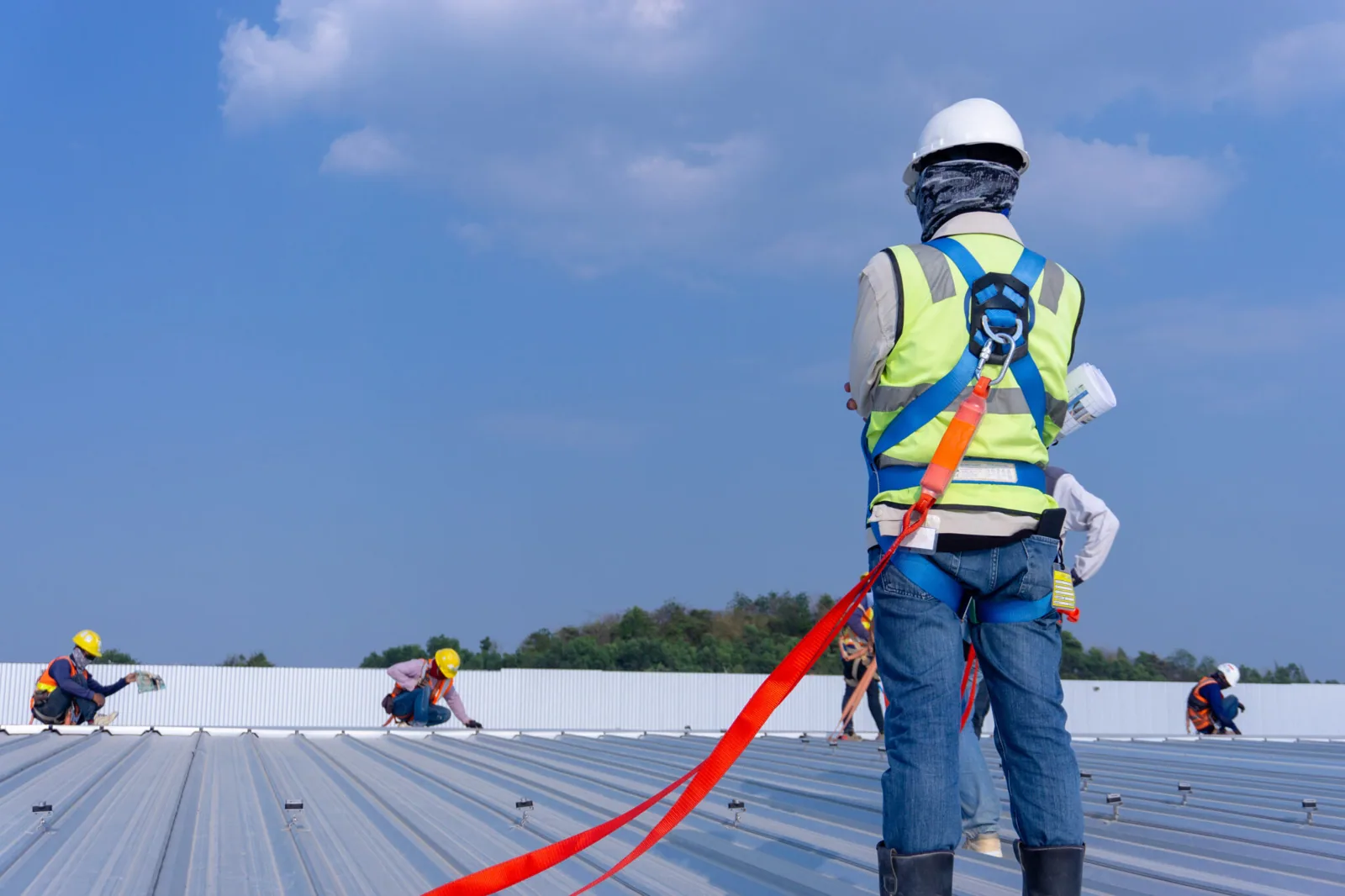
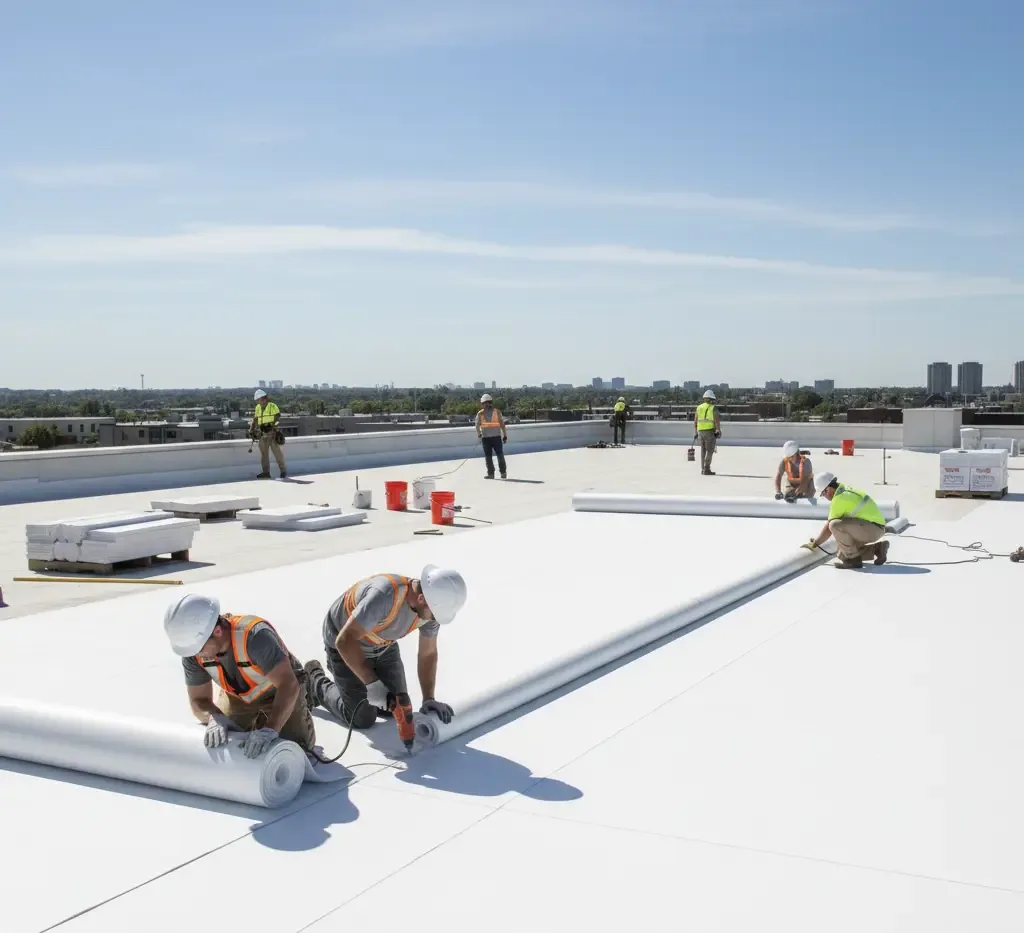
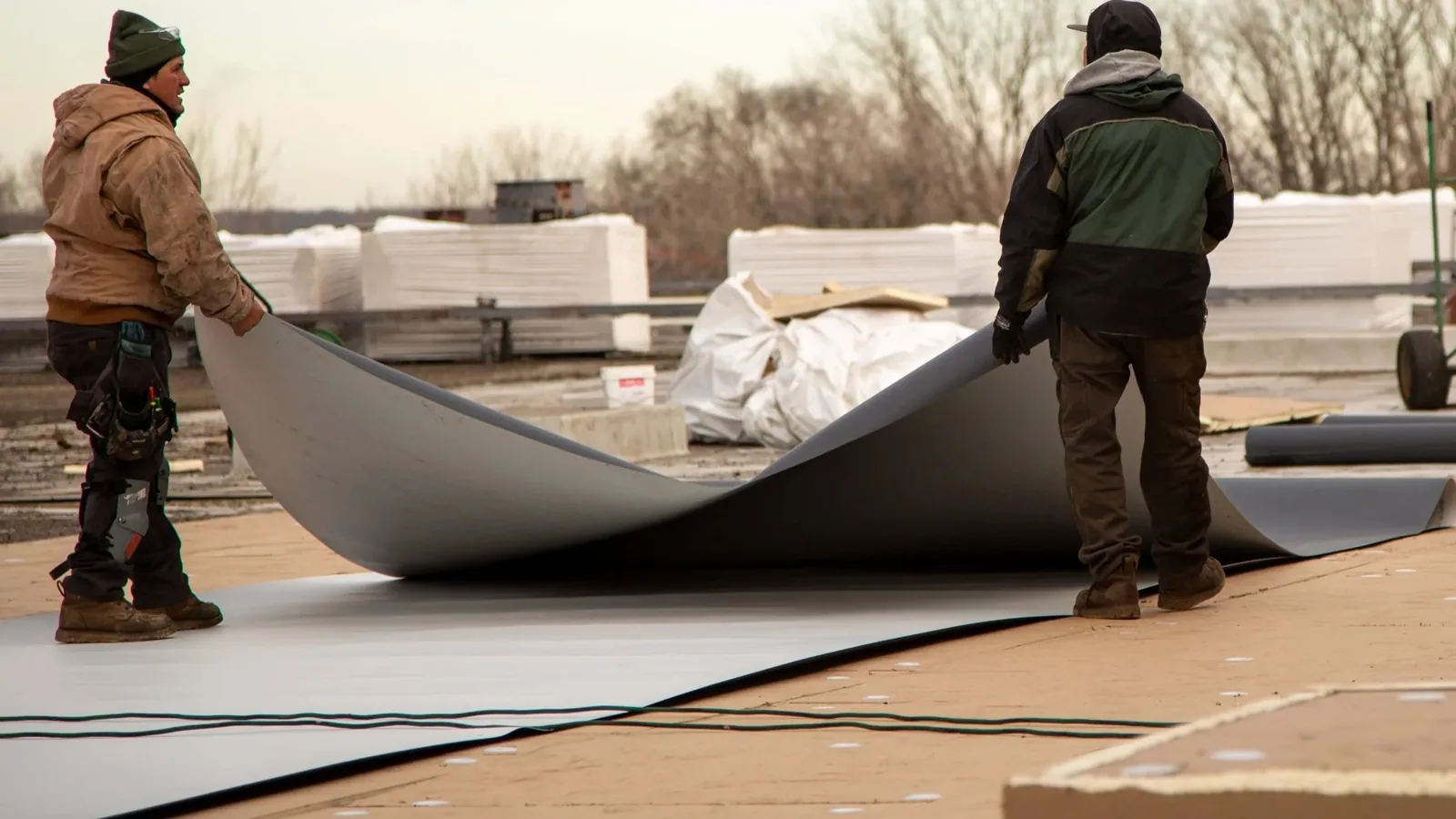
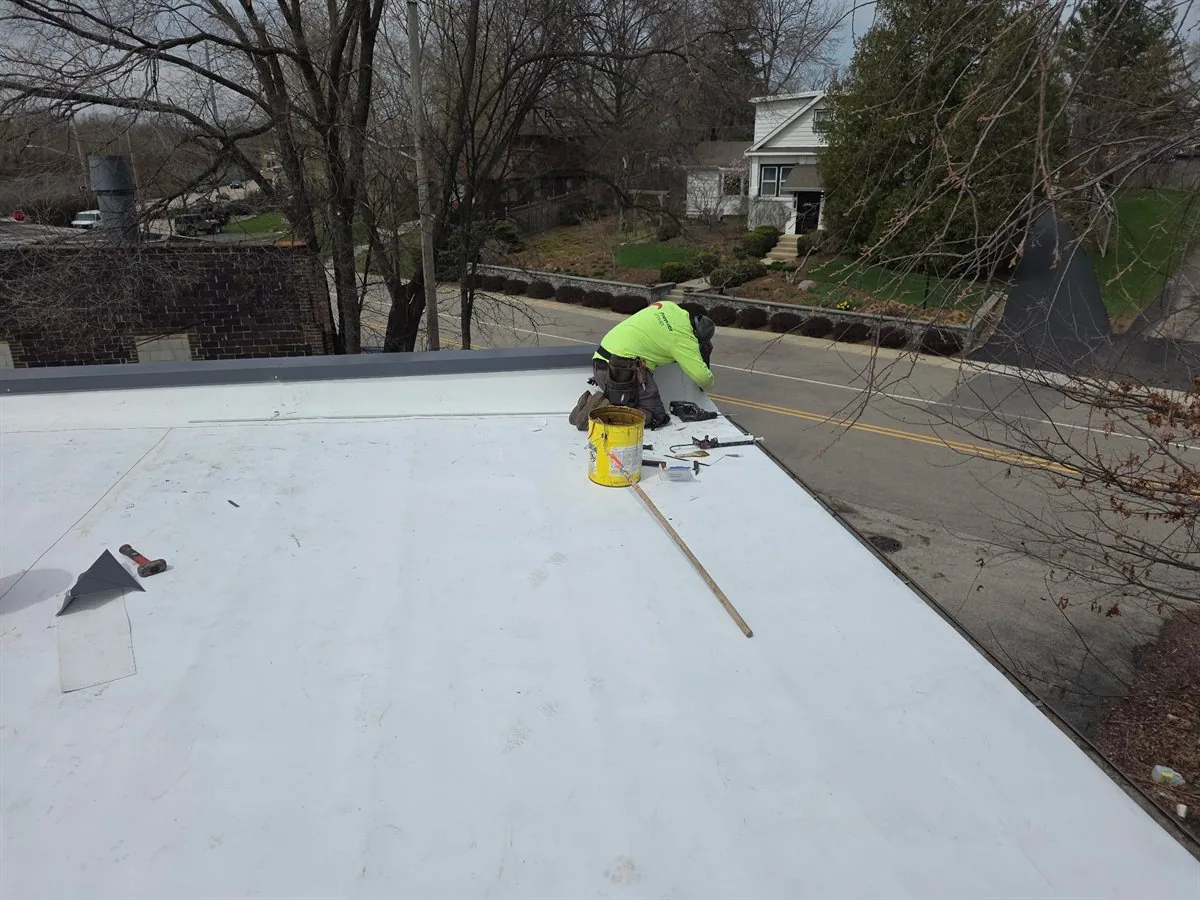
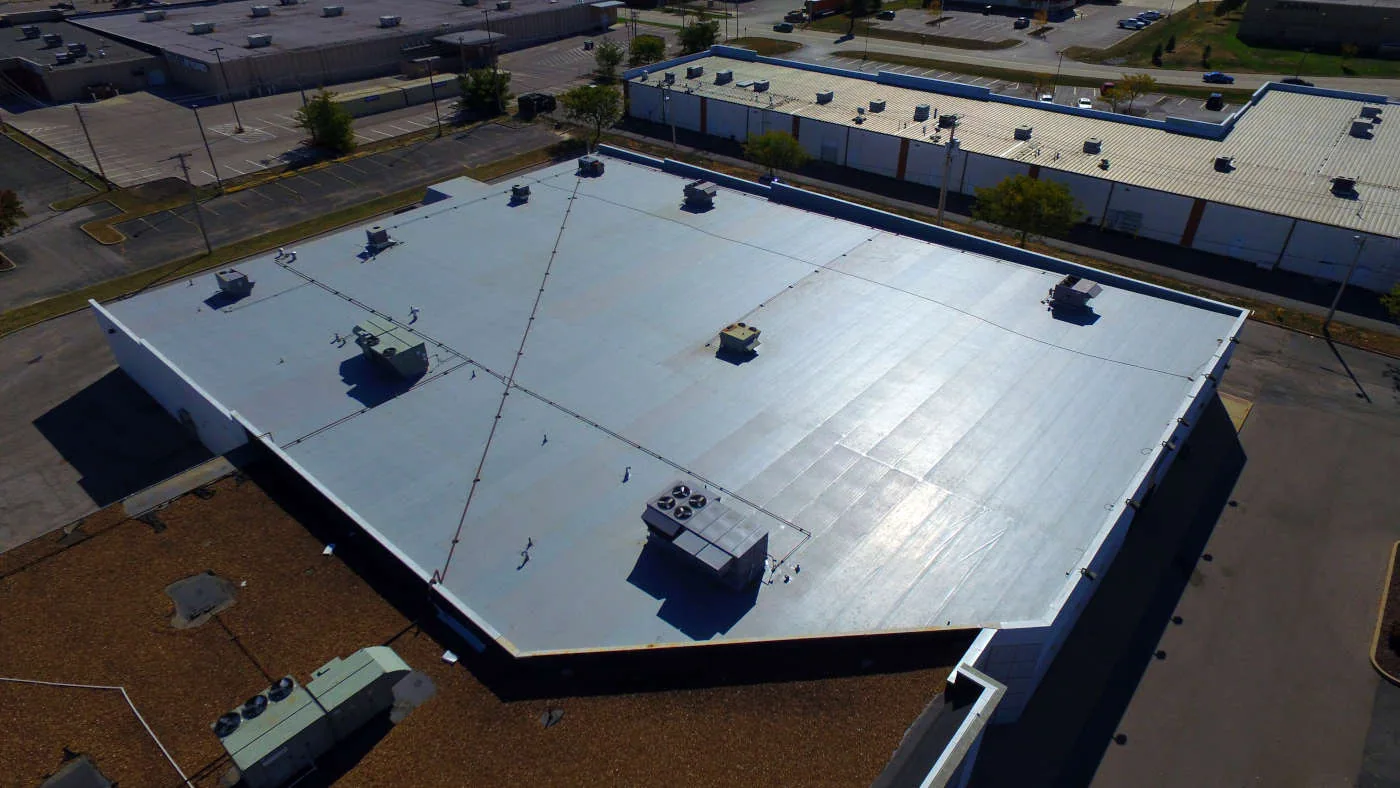

From distribution centers to clinics and schools, we roof the buildings Rochester depends on.
No. It describes a district and an earlier transit concept, not an individual property's construction. We identify the membrane, roof layers and details at the address before recommending a repair. If records are missing or a concealed layer matters, we explain what inspection or test would confirm it.
The sequence depends on access, staging, noise limits and the area that must be protected below. We coordinate those constraints with the property contact and define the roof opening and end-of-shift closure. If work cannot proceed safely within the approved window, we document a revised sequence before mobilization.
The initial scope separates visible work from an optional test opening. Access, membrane compatibility, wet insulation, staging and disposal all affect the final quantity. We identify the decision point and obtain approval before work extends beyond the stated boundary, then record any change in the closeout.
Send the street address, leak location, available roof plan and the contact responsible for entry. Include delivery or lift restrictions, operating hours and escort rules. Those details let us plan the inspection route and identify any roof area that needs a separate access arrangement.