Water is coming into the building right now
Call us and tell us where the water is showing up. We will get a crew on the roof to stop the leak and protect the space below.

Property Types We Roof
Manage college and university roof work in Rochester, MN with section-level inspections, occupied-building phasing, and clear closeout records.
Call us and tell us where the water is showing up. We will get a crew on the roof to stop the leak and protect the space below.
We walk the roof, photograph what we find and give you a written scope with repair options before any work starts.
Rochester, MN
A roof penetration beside a lecture-room air intake carries two questions: is the flashing sound, and what happens below if the work opens that area? We start by locating the curb, seam, intake and nearest drain on the roof plan, then confirm building access with the campus contact. Rochester’s economy includes education alongside medical services, manufacturing and local government. That mix makes education facilities part of the city’s operating fabric, but it does not identify the roof materials or condition at a particular building.
Downtown planning maps place the University of Minnesota Rochester and Recreation area inside the medical-and-education center, while Discovery Square is planned for biomedical research, education and technology innovation. The Discovery Square designation and the DMC map provide portfolio context; they do not describe a campus roof. We verify each building’s system, repair history and section map before comparing maintenance needs.
Share the property address, roof concern, available system records and portfolio contact. We will map the visit to the correct building and section, document findings and outline the next decision.
On a campus roof, we inspect around equipment rather than treating each curb as an isolated object. The membrane, flashing, support frame, electrical conduit and nearby drain can share the same water path. We record open laps, punctures, movement at the curb and signs of trapped moisture, then check the interior report against the roof section. A dark ceiling tile is evidence of water entry somewhere in the assembly, not proof that the penetration directly above it failed.
City climate normals total 46.3 inches of seasonal snow, most of it in the December-to-March stretch. We schedule campus drain and overflow checks around that seasonal access window, while structural loads are evaluated only from the building records and appropriate engineering review.
Academic calendars can create narrow work windows, while labs, offices and public spaces may stay active year-round. We divide a roof scope into marked zones, identify access and staging points, and coordinate loud work, odor, air intakes and temporary openings. If a repair crosses a corridor between buildings, the phasing plan should show which roof section is active and how the membrane will be sealed at each shift end. A written sequence gives campus operations a clear handoff instead of a broad date range.
Discovery Square brings research, education and technology uses together in a downtown district. For a facility portfolio serving that kind of work, we treat air-handling coordination and secure access as job controls, then adapt the plan to the actual property. The same planning approach can apply to medical office roofs with sensitive equipment and to hospital facilities with occupied areas. The specific access rules, however, come from each owner and building.
A sound field sheet around a curb may support a targeted flashing repair. Moisture extending beyond the tested area, repeated seam separation or widespread deterioration may support a larger scope. We identify which observations drive the recommendation, measure the affected area and show where the work would stop. If the existing system is compatible and the deck condition allows it, a roof recover can be compared with removal and replacement; we do not select an option until the assembly and moisture condition are understood.
When a campus has several buildings, a roof capital plan can group work by condition, access window and tie-in risk. It should preserve each building’s own record rather than blending all roofs into one average. A small repair can remain the right decision when the adjacent membrane is sound and the detail can be closed correctly. Replacement becomes a more credible option when repeated repairs cannot restore continuity or when testing shows conditions beyond local repair limits.
We label photographs by building, roof section, date and detail. The written condition report separates visible conditions, test results, recommended work and unresolved questions. Campus staff can connect a repair to an equipment curb or roof edge without relying on memory from a walkthrough. If the owner supplies old drawings or warranty files, we compare them with the visible assembly and note gaps that affect material compatibility or future access.
Rochester’s city code includes Chapter 4-6 for Commercial/Industrial Building and lists state code resources for plan review and inspection. Whether a roof project needs a permit or inspection depends on the work and applicable requirements. We describe the proposed scope, coordinate with the owner on the review path and retain closeout details. That record can include daily notes, concealed-condition photos, approved changes and the final repair boundary, all indexed to the building involved.
A useful maintenance entry says where to return and what to examine. Before winter, we check drainage, open seams, metal transitions and any area that has been repaired or tested. After an event or interior report, we compare new evidence with the prior record and inspect the relevant zone. The National Weather Service documented 1.5-inch hail in northwest Rochester on April 17, 2026. The report belongs to that location; any inspection decision for a campus should follow the actual exposure and observed conditions.
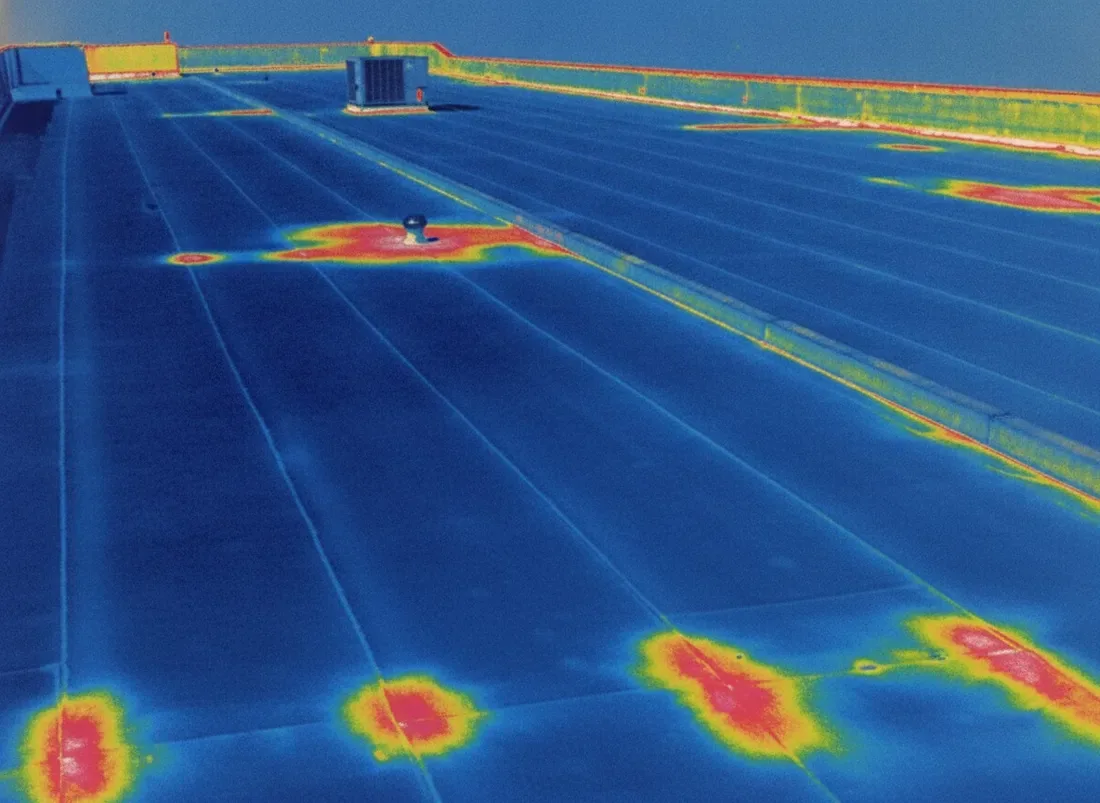
We can set a portfolio date for recurring checks, then update each roof section with a short condition note and photographs. Infrared moisture surveying can help locate areas for further testing when the roof assembly and conditions make the method appropriate. It does not replace a direct inspection or establish hidden damage by itself. We close each visit by recording the next action, responsible contact and any temporary measure still in place.
Other services, systems and buildings that often come up alongside this work in Rochester.
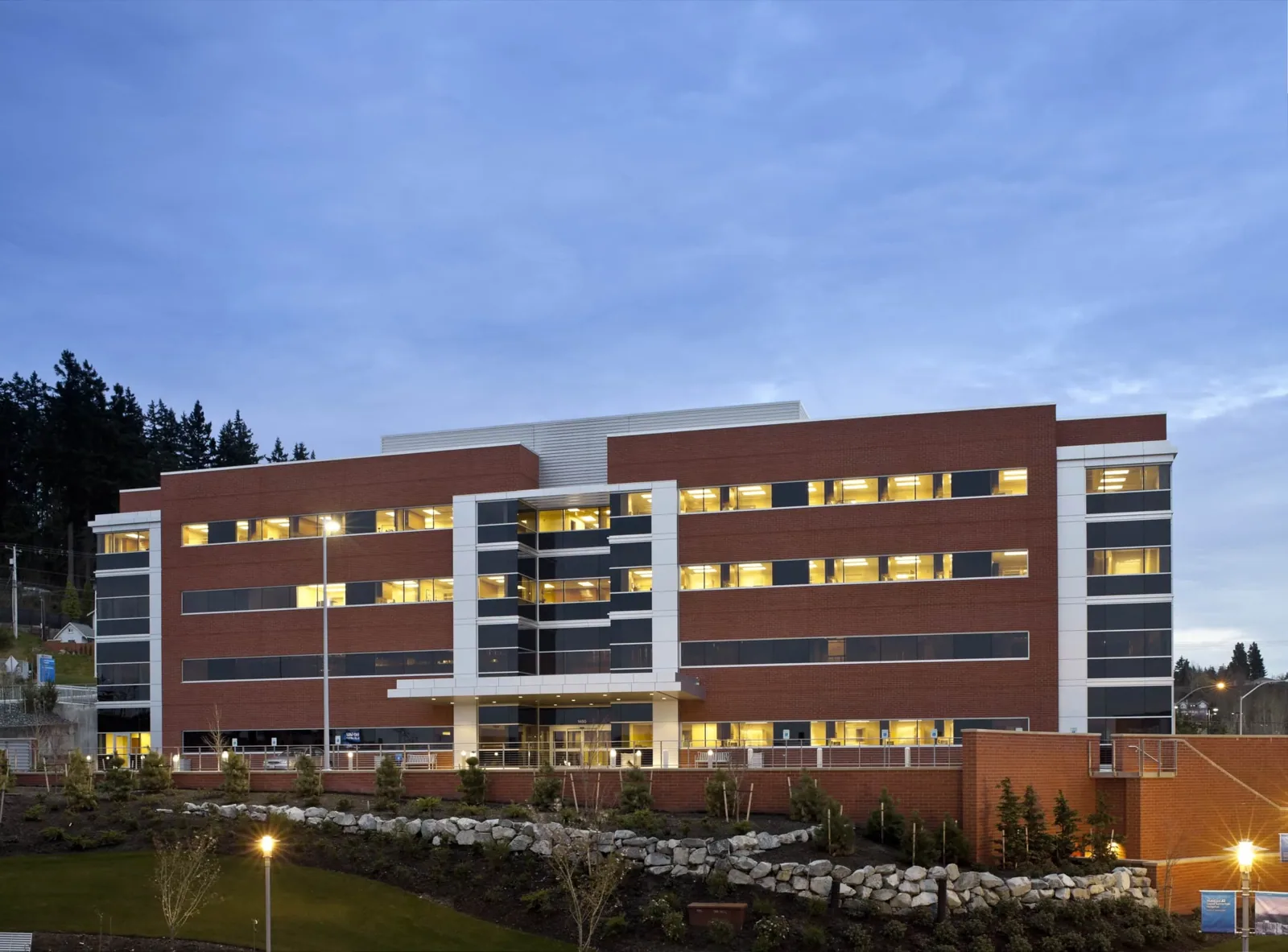
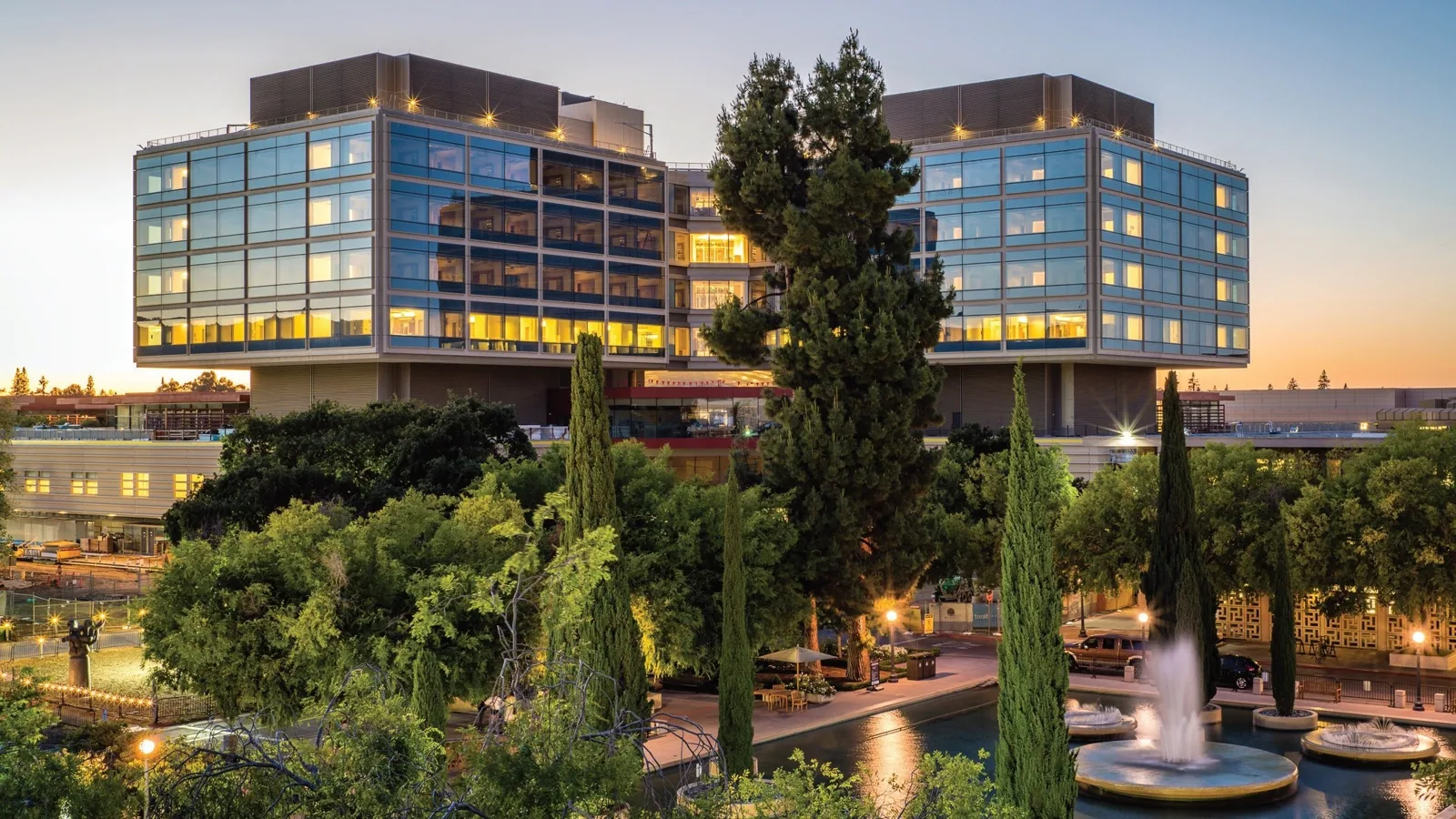
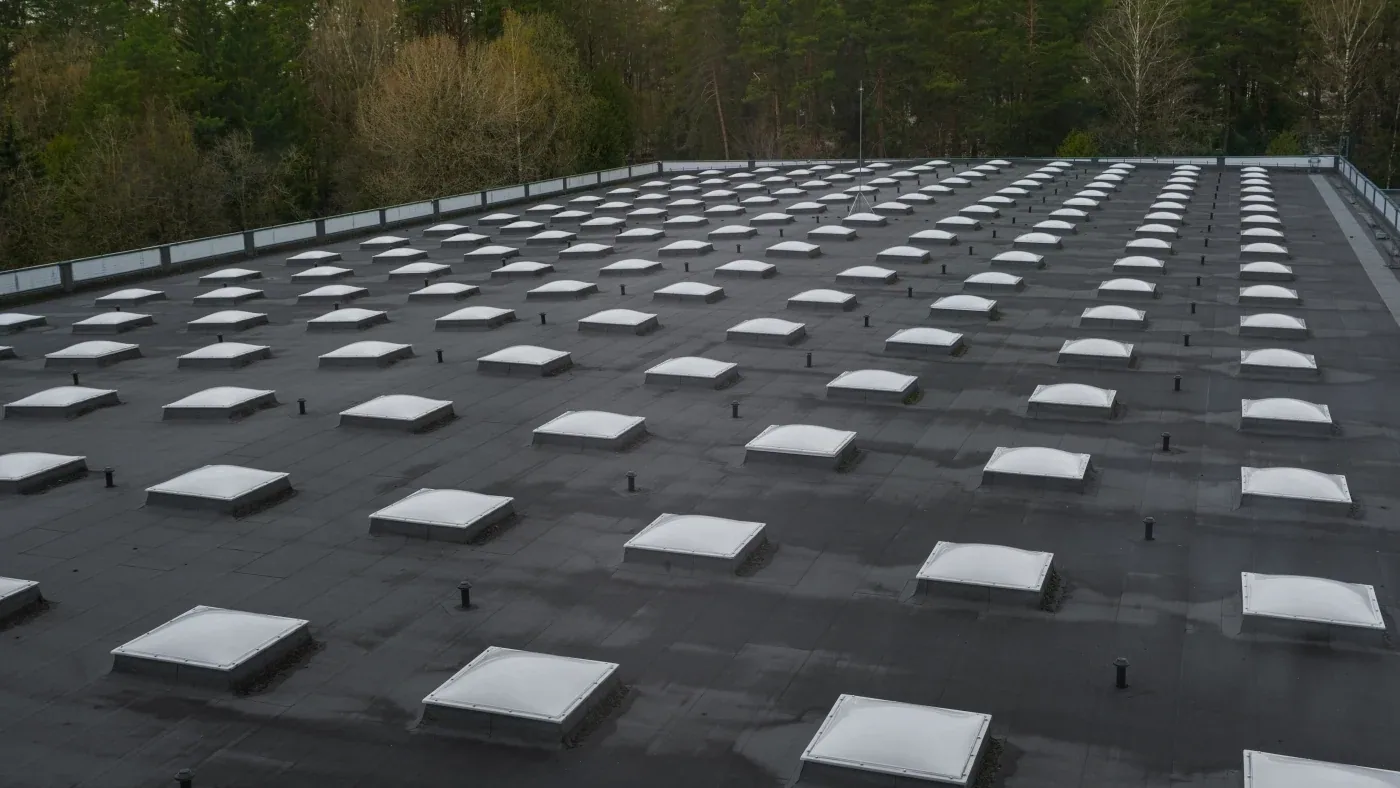
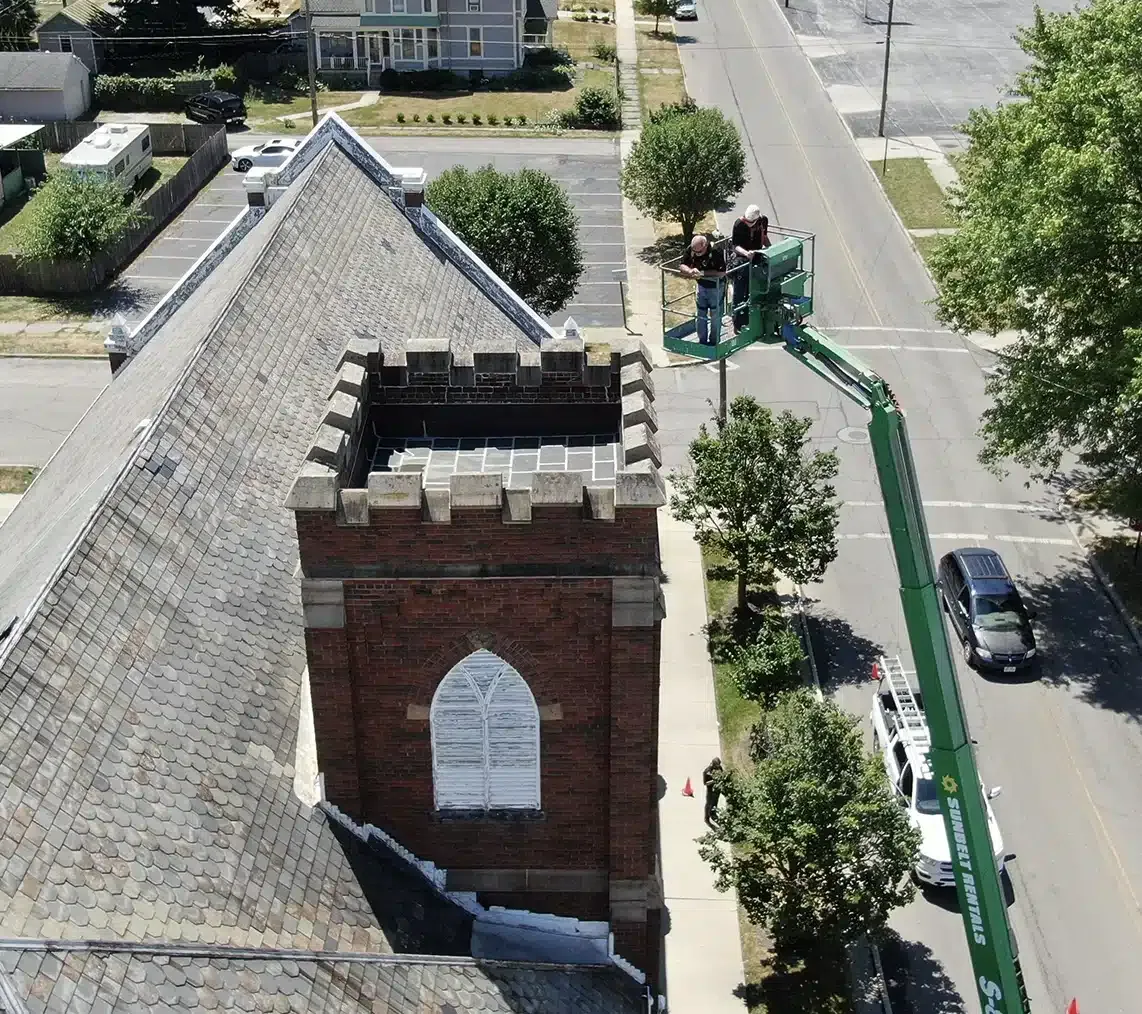


From distribution centers to clinics and schools, we roof the buildings Rochester depends on.
We begin with the rooms and systems affected by the proposed roof zone, then coordinate access, air intakes, staging, noise and temporary protection with campus operations. The work can be divided by section where the details permit a secure daily tie-in. If a method creates an unacceptable disruption during term, we compare an alternate work window and record how the roof will remain protected until the next phase.
Yes, when each phase has a defined repair limit, compatible tie-in and independent closeout. We rank buildings from observed condition and operational timing, then identify where deferral could leave an open seam or temporary edge. The plan tracks each building separately so a completed phase does not blur unresolved work elsewhere on campus.
Keep the building and section identifier, date, system and material used, photos before and after work, test results, repair boundary and any remaining condition. Include the person who approved access and the next inspection date. We return those items in a format that can be compared against the campus roof plan and earlier reports.
The April 17, 2026 NWS report describes 1.5-inch hail in northwest Rochester, not a blanket impact across the city. We use the event location and the property’s actual exposure to decide whether an inspection is warranted. The review focuses on documented impact, membrane and metal details, and any interior report, with findings kept separate from assumptions about unvisited buildings.