Water is coming into the building right now
Call us and tell us where the water is showing up. We will get a crew on the roof to stop the leak and protect the space below.

Service Areas
Commercial roof inspection and repair near Saint Mary's Place in Rochester, with clear access planning, leak documentation, and repair scopes for owners.
Call us and tell us where the water is showing up. We will get a crew on the roof to stop the leak and protect the space below.
We walk the roof, photograph what we find and give you a written scope with repair options before any work starts.
Rochester, MN
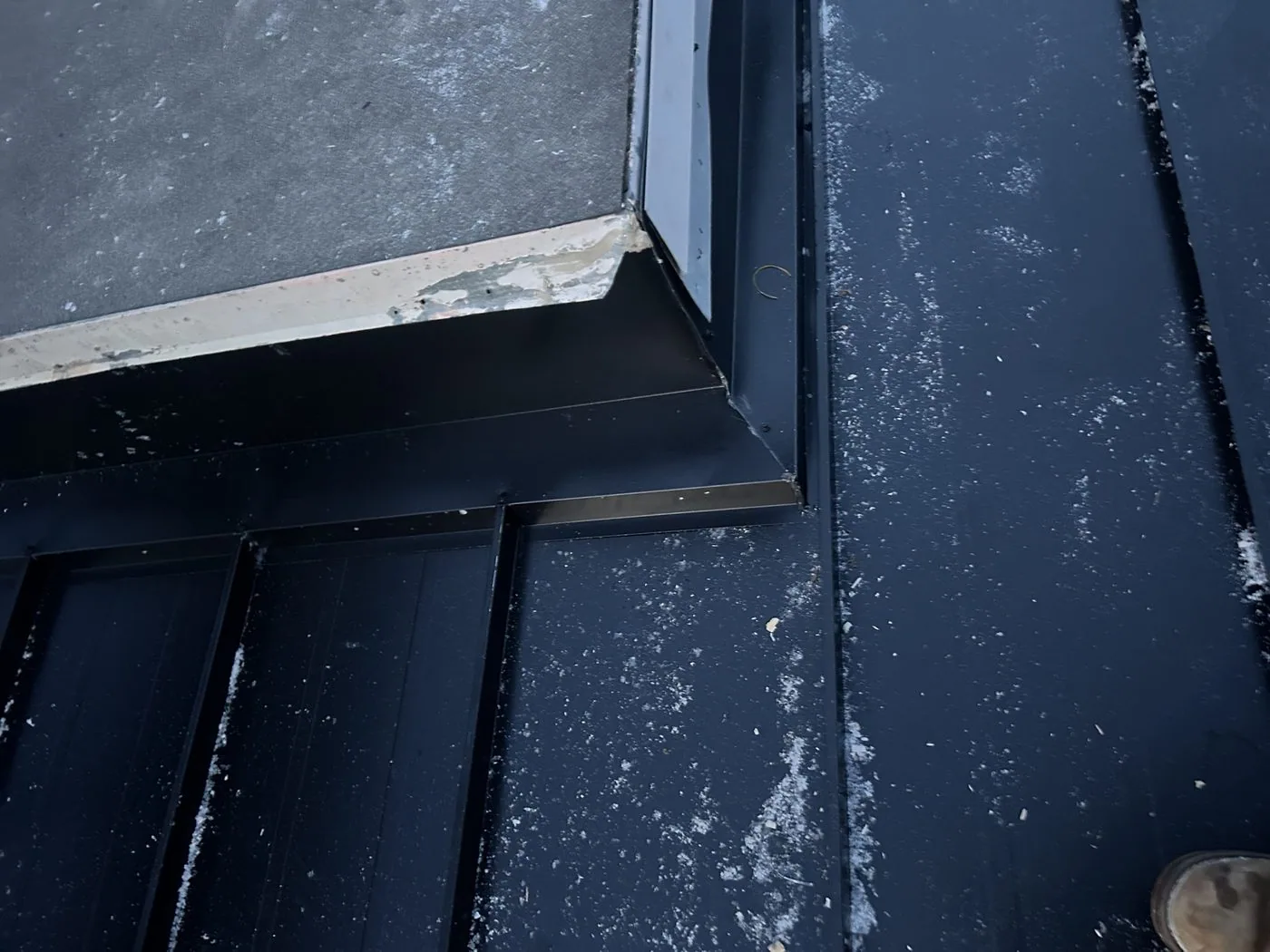
A flashing termination beside a mechanical curb is a small detail with a large job: keep the roof assembly continuous while equipment and building operations continue below. At Saint Mary's Place in Rochester, MN, the district sits along 2nd Street and serves as a major entry point to the city. That setting makes the building contact and access route part of the first inspection decision. We identify the address, roof zones and operating limits before opening a seam or moving materials.
The district follows 2nd Street and its plan connects the area with Kutzky Park, Saint Marys Park and historic Pill Hill. Those connections describe the area, not a particular roof. We record what exists at the property itself: membrane type where identifiable, edge conditions, drain paths, penetrations and prior repair lines. A separate visit near Downtown Rochester receives its own observations and work boundary.
Send the Saint Mary's Place address, roof concern, available plans and access requirements. We will inspect the agreed zones and return a documented repair or testing scope.
A ceiling stain is a starting point, not a repair location. We compare the reported room with roof elevations above it, then inspect seams, curbs, wall transitions and drainage routes between those points. A lifted corner, open lap or backed-out fastener gets a photograph and a roof-zone label. Our commercial inspection can include infrared or drone review when the roof geometry, access and question make those methods useful. The report states what was visible and what remains concealed.
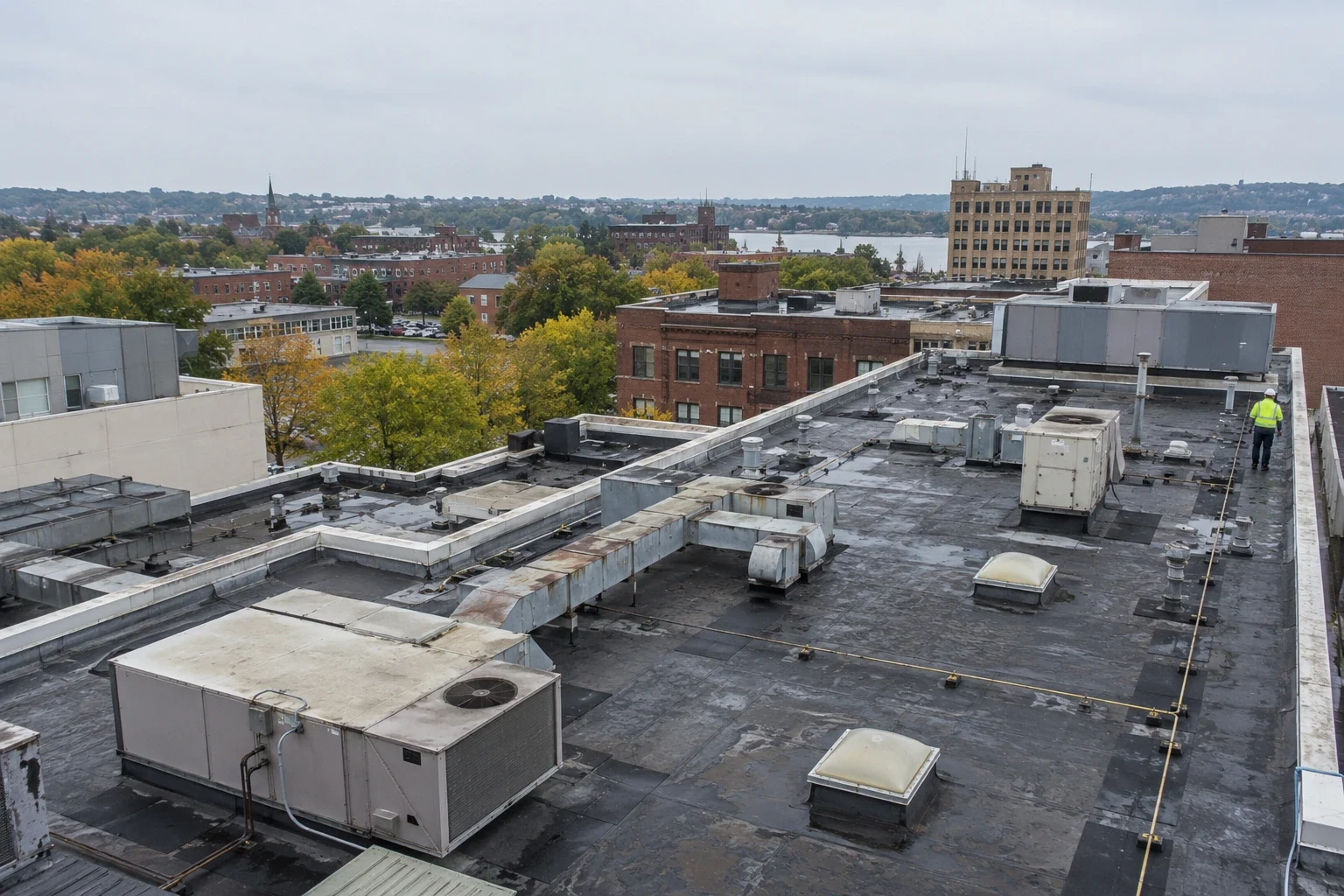
At an entry district, service timing may need to account for circulation through the building and the route crews use to reach the roof. We confirm those requirements with the property representative rather than infer them from a nearby park, campus or street. Locked hatches, escorts, lift limits and interior protection can change the sequence even when the roof repair itself is narrow. Where rooftop equipment crowds the working area, we note clearance and flashing access before setting a patch boundary.
Membrane identification comes before a field repair. We check whether the sheet is TPO, PVC, EPDM or another assembly, look at its surface and test a compatible weld, splice or adhesive where appropriate. A patch must reach sound material, with corners and terminations finished to suit the system. If water has reached insulation or a cover board, the visible opening may not describe the full work area. We state the proposed dimensions and any test opening before disturbing concealed layers.
For a roof opening around a unit, a penetration-leak repair can address the curb and membrane interface, while damaged field seams need their own defined repair. At the drain, we inspect the bowl, clamping ring, sump and overflow rather than treating slow flow as a membrane failure. A drainage assessment separates debris removal from flange or slope work. The scope names the condition, material, access method and dry closure for each item.
Work staging begins with a route that keeps people and materials apart. We confirm delivery timing, roof access, lift location, barricades, interior protection and the contact who can authorize a change. If the route crosses an active entry or shared service area, the property team sets the usable window. The repair plan records where materials may be stored and how the opening will be secured at the end of a shift. Weather, failed substrate or an unplanned obstruction can require a temporary tie-in and a revised permanent-work date.
Rochester's 1991 to 2020 climate record averages 46.3 inches of snow per season; December through March carries the larger share. That citywide climate context makes drain access, roof edges and safe routes practical items to review before snow covers the surface. It does not establish the condition of a building near Saint Mary's Place. We document actual ponding, ice-related obstruction or damaged metal when observed and leave inaccessible sections identified for a return visit. Routine maintenance planning can then schedule those checks around the property's operating calendar.
A localized puncture with stable sheet around it may support a patch. Repeated openings, wet insulation, widespread seam distress or loose perimeter attachment can change the decision. We sort each observation into confirmed repair, recommended test and longer-term planning, with quantities tied to the affected roof zone. A condition report gives the owner photographs and open questions to use in a capital review. The recommendation remains proportional to the evidence, access conditions and expected service life of the assembly.
Saint Mary's Place connects to downtown, Kutzky Park, Saint Marys Park and Pill Hill, but separate buildings do not share one roof history. A property team managing more than one site can use a multi-site roof register to keep inspection dates, repairs and unresolved tests separate by address. A visit near Heart of the City or Discovery Square begins with the same address-level discipline. Each scope names only the roof areas actually included.
After work, we photograph the completed detail and record its location, material and limits. The closeout notes whether a repair is permanent, temporarily protective or waiting on an owner decision, then identifies any follow-up inspection. If a concealed layer could not be checked without approval, the report preserves that uncertainty. This gives facilities staff a clear maintenance record instead of a bare invoice that does not show which curb, drain or seam was treated.
Send the property address at Saint Mary's Place, the reported leak or maintenance concern, any roof plan and the contact who can coordinate access. We will confirm the inspection area and return a repair or testing scope with the work sequence stated plainly. Emergency response is available overnight, on weekends and holidays; if temporary protection comes first, we identify the permanent correction separately so the next decision has a clear basis.
Other services, systems and buildings that often come up alongside this work in Rochester.

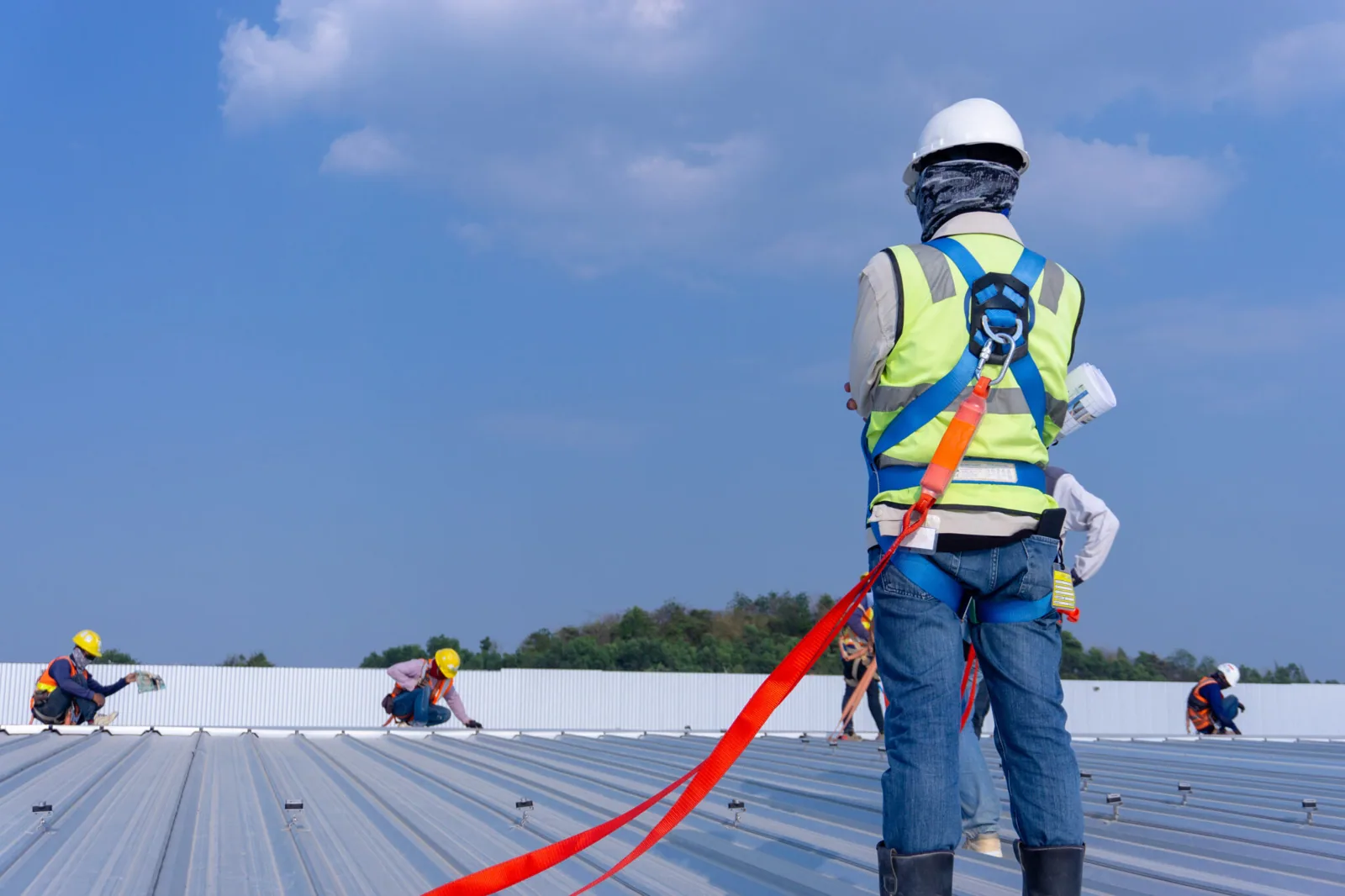
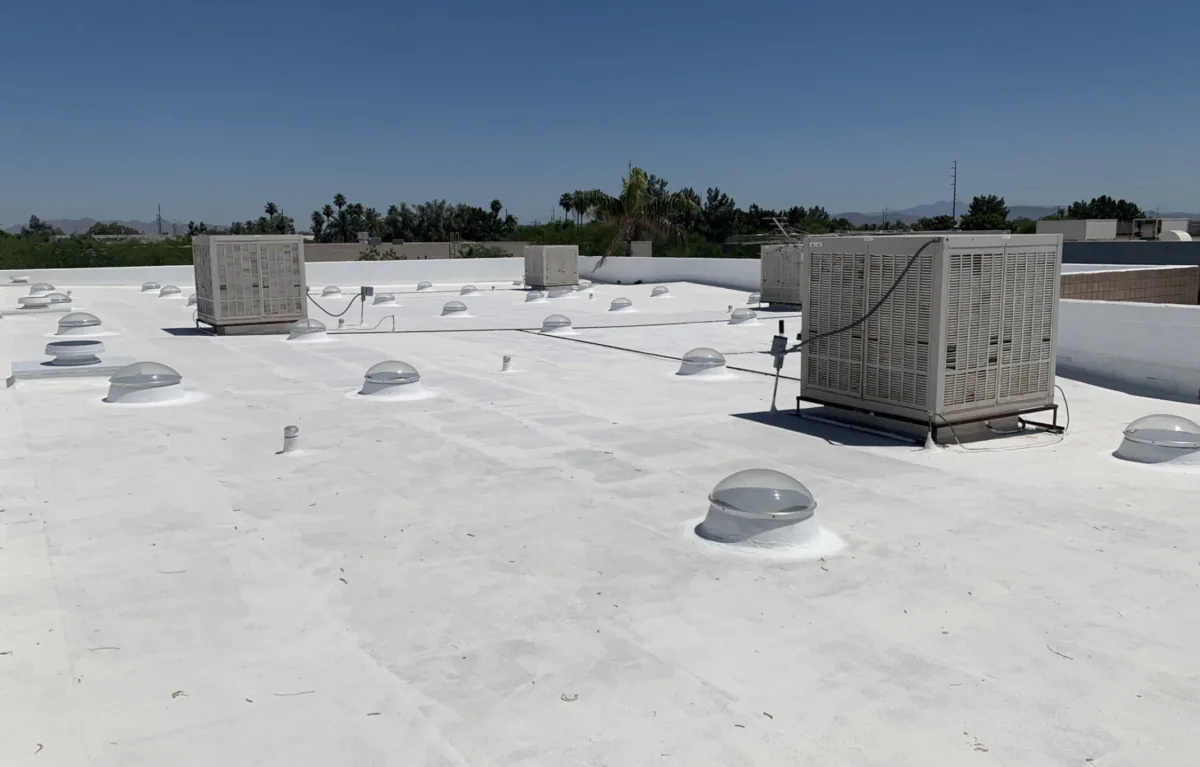
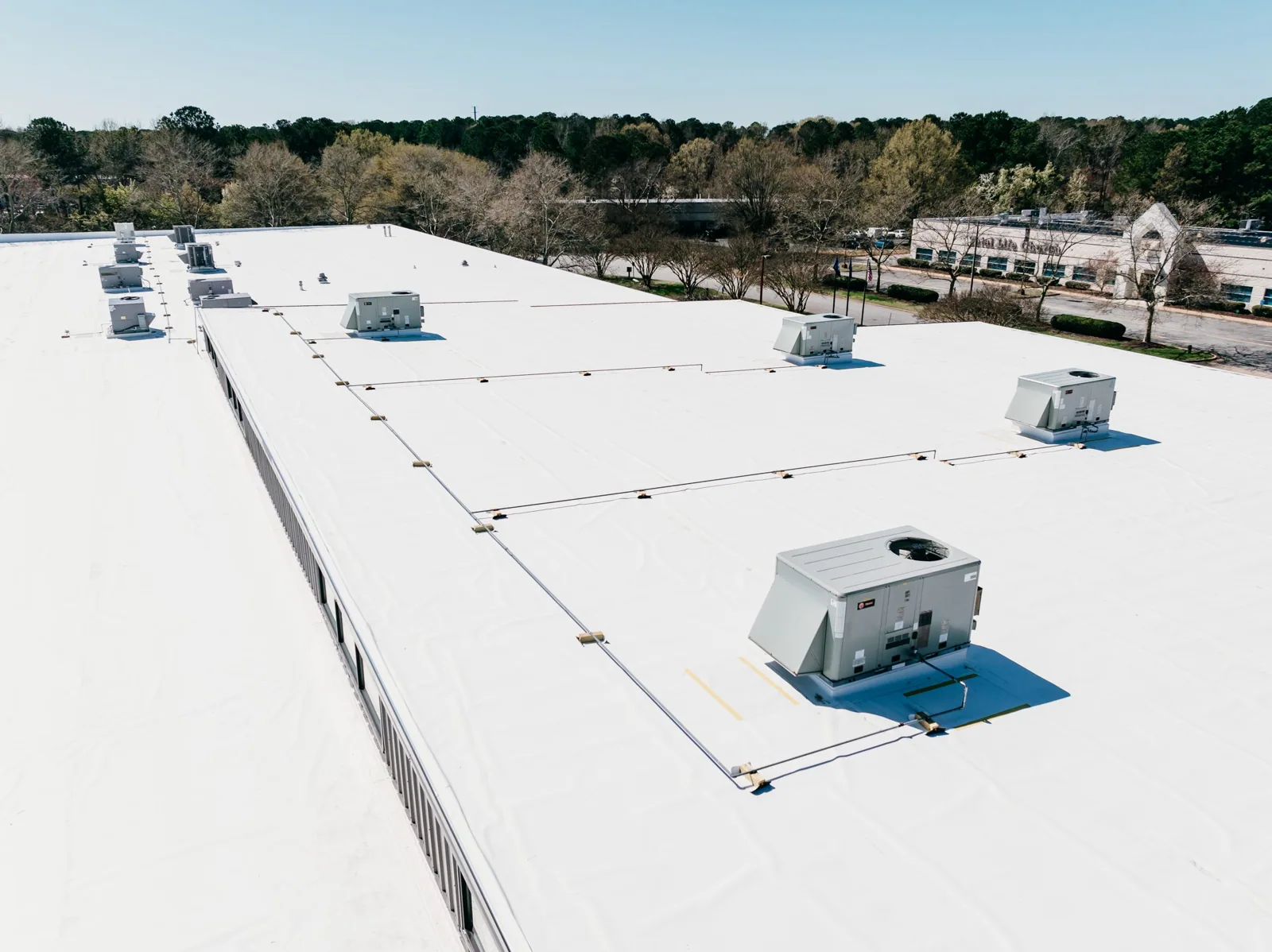
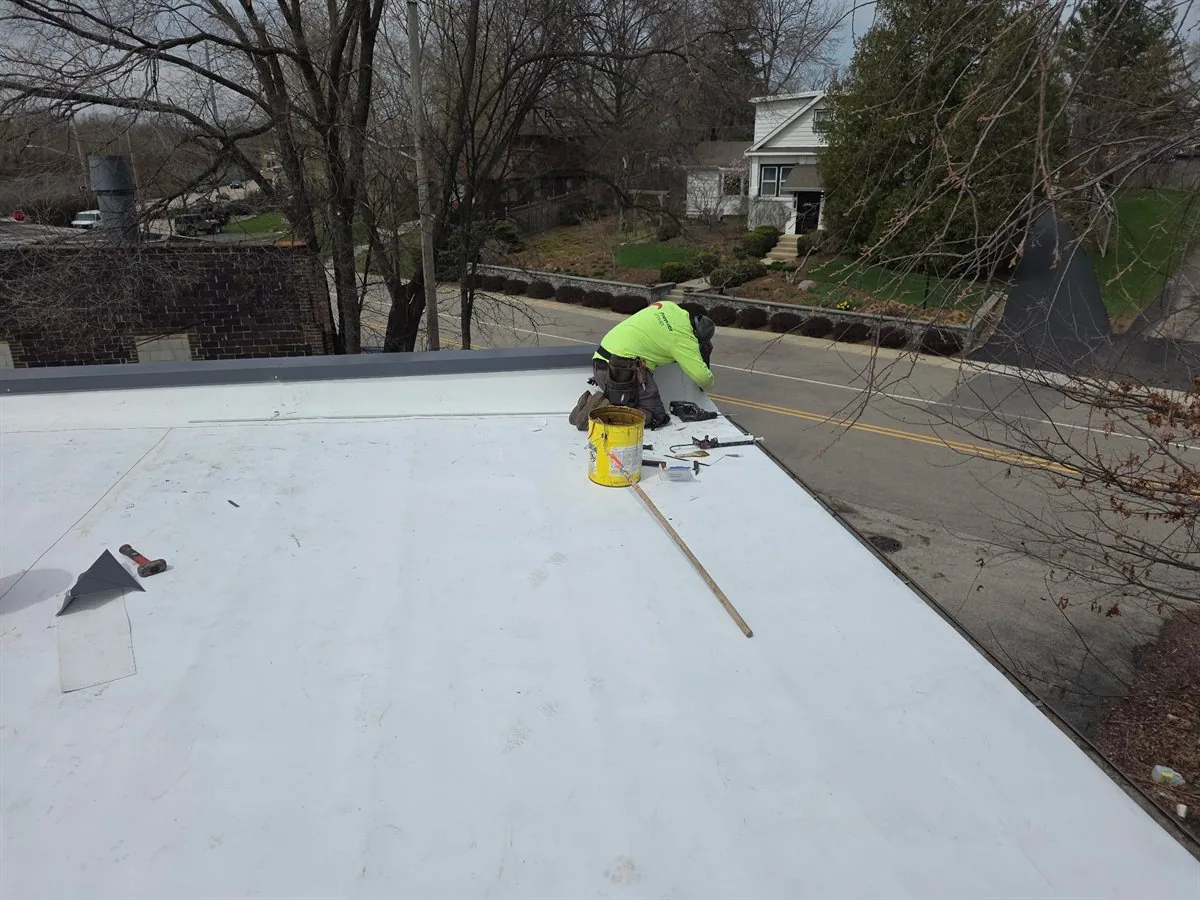

From distribution centers to clinics and schools, we roof the buildings Rochester depends on.
The mobility plan provides district context, while the property team confirms current access. We coordinate the building entry, roof hatch, escort needs and any timing limits that affect the visit. A route that works at one address may not fit another, so the inspection record identifies the access used and any areas that could not be reached.
A repair can stay local when inspection shows sound membrane around the opening and no broader moisture evidence. We document the patch boundary and check the related flashing or drain detail. If testing indicates wet layers or repeated failures, we present that evidence before expanding the scope or proposing a larger project.
Access, membrane type, roof layers, wet insulation, staging and operating-hour limits all affect labor and sequence. An authorized test opening may also be needed to confirm concealed material. The written scope separates confirmed work from optional testing, allowing the owner to approve a defined step before the crew proceeds.
Expect dated photographs, roof-zone labels, material observations, completed repairs and a list of open conditions. We identify inaccessible areas and any unapproved test so staff can plan a return visit or budget decision. The record supports maintenance planning without treating an observation as a confirmed defect.