Water is coming into the building right now
Call us and tell us where the water is showing up. We will get a crew on the roof to stop the leak and protect the space below.

Property Types We Roof
Coordinate Rochester shopping center roof repairs by tenant bay, drain route, and work window. Get a section-level inspection and closeout record.
Call us and tell us where the water is showing up. We will get a crew on the roof to stop the leak and protect the space below.
We walk the roof, photograph what we find and give you a written scope with repair options before any work starts.
Rochester, MN
A roof seam over a shared tenant wall can send water into the next suite before anyone sees a ceiling mark. We trace the seam, curb, drain path and wall transition, then map the reported area to the correct roof section and tenant contact. Rochester has retail properties near major roads and downtown, with shopping centers and individual commercial buildings lining key routes. That setting brings varied access and operating hours, so each repair needs a sequence built from the actual site layout.
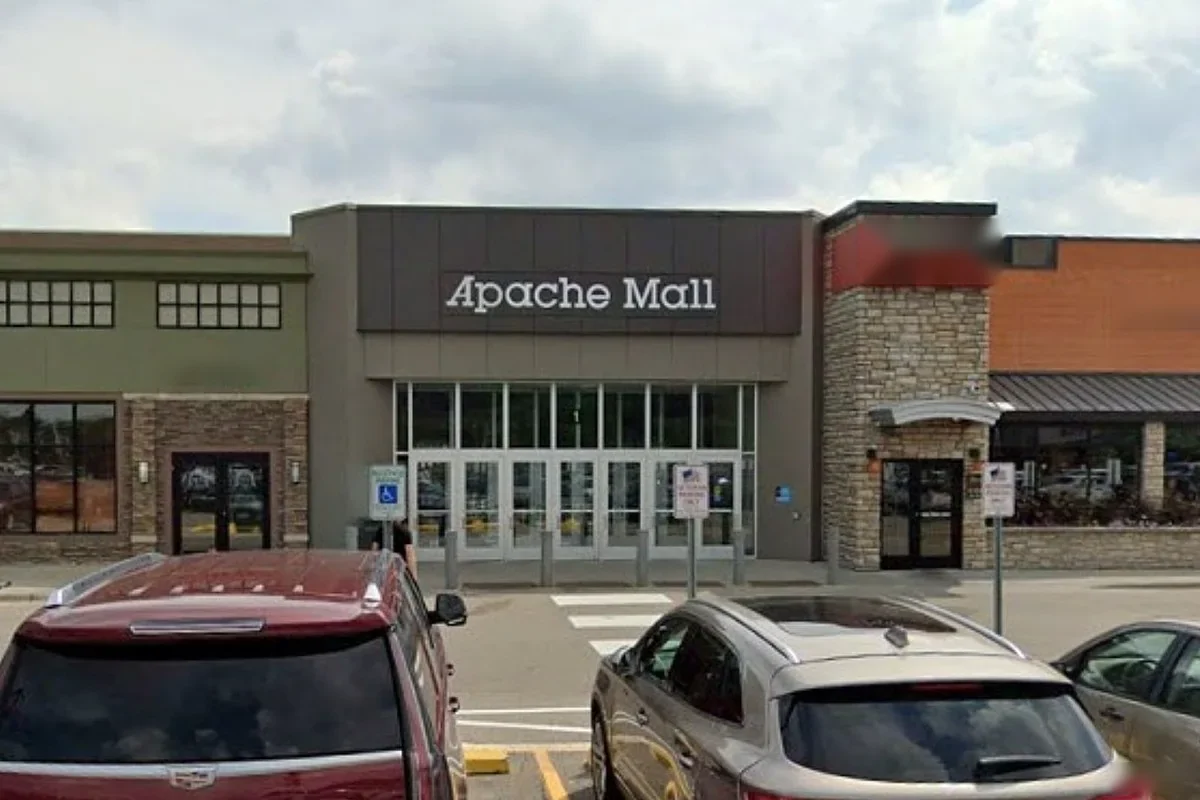
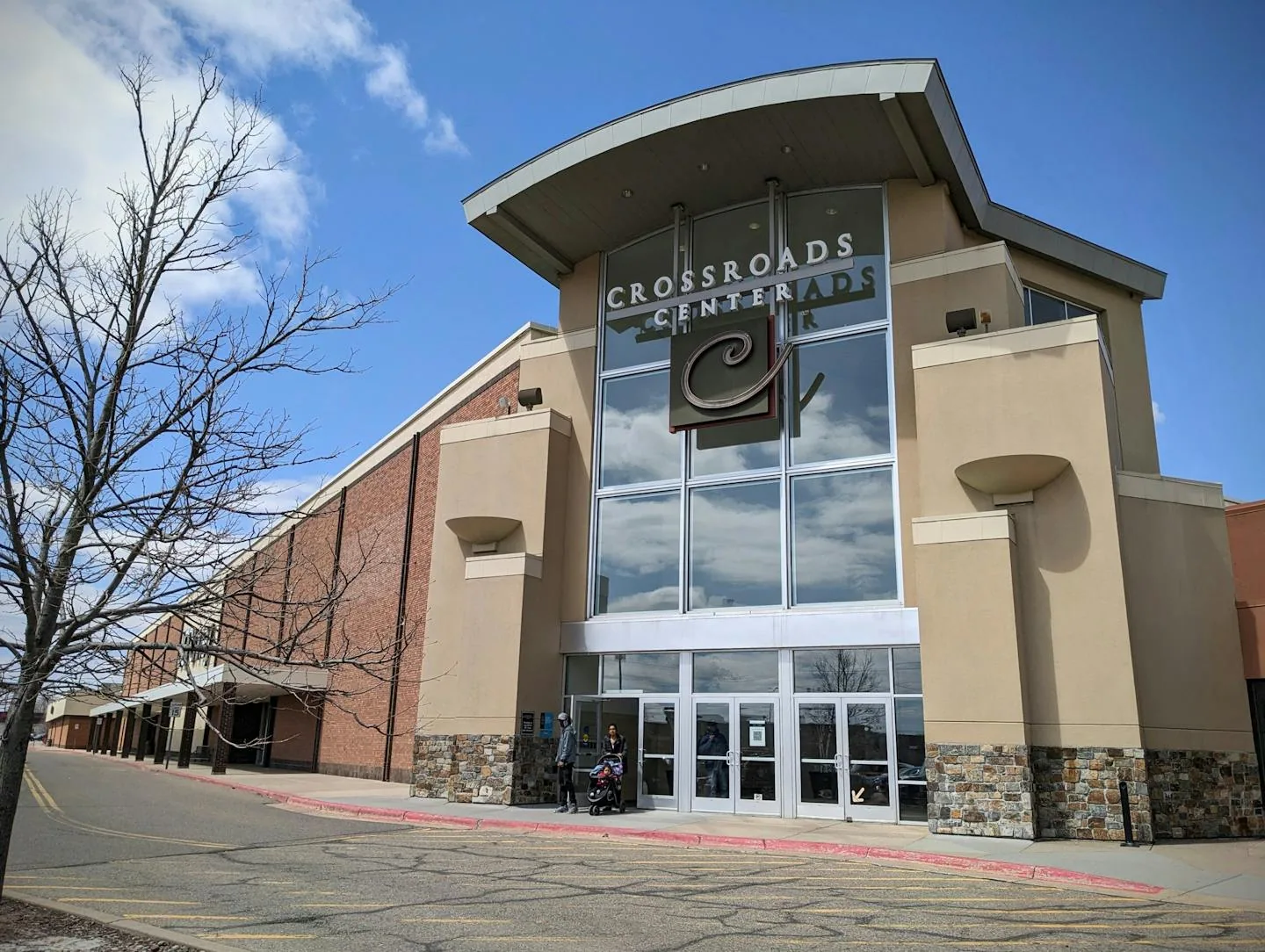
Apache Mall is a one-level enclosed center with more than 700,000 square feet of retail space and over 60 retailers, including Macy’s, Scheels and JCPenney; Crossroads Shopping Center is mapped at 1201 South Broadway. These public records establish local retail context only. A roof proposal uses the owner’s actual building plan, assembly records and tenant layout to mark its scope.
To prepare a center walk, provide its street address, affected suite or bay, current roof plan, and the manager responsible for tenant notices. We will map the inspection and work limit before pricing repairs.
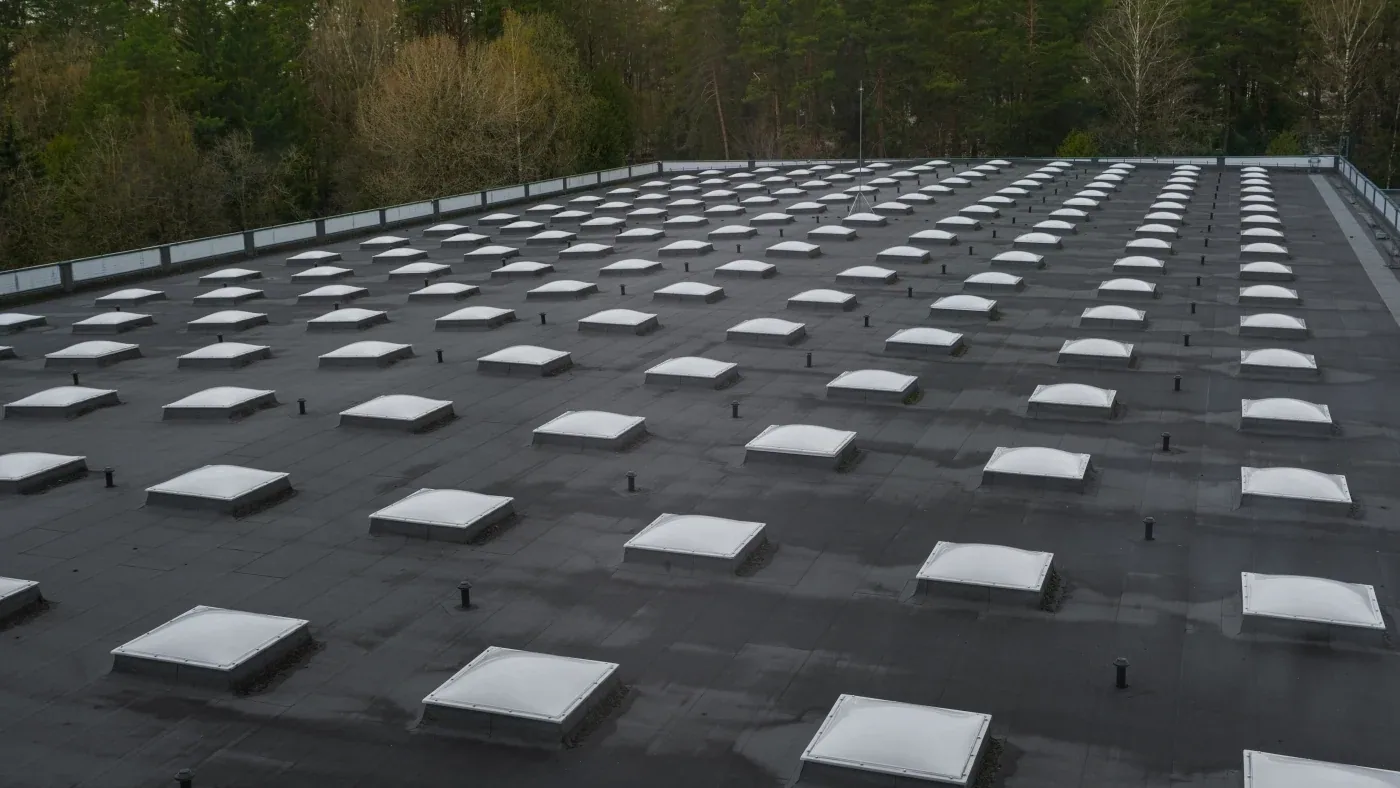
A shopping center roof can have separate tenant bays, additions, parapets and equipment installed at different times. We start with the roof plan, then check membrane seams, drain bowls, scuppers, curb flashings and metal transitions in the area of concern. The interior stain is recorded as a report location; it is not treated as the entry point until roof evidence supports that conclusion. We also note adjacent roof sections that share a drain route or wall transition.
Rochester’s seasonal snowfall normal is 46.3 inches, concentrated between December and March. That local pattern makes pre-winter drainage checks practical, especially where multiple roof planes feed one outlet. We inspect the outlet, overflow route and any debris collection point, then document whether water is moving freely during the visit. The normal is not a building-specific design load, and the visible roof alone cannot establish structural capacity. Any structural concern is kept separate for review by the appropriate professional.
Retail work has two ground-level interfaces: the entry used by customers and the service side used by staff and deliveries. Before work begins, we agree on roof access, lift or staging location, overhead protection and any temporary closure. The repair is marked by roof section and by the area below, so tenants can be notified with a clear location and time window. When the roof remains open at shift end, the plan names the temporary cover and who checks it.
Noise, adhesive odor, hot work and equipment shutdown can affect a suite differently from its neighbor. We sequence those steps with the property contact, identify nearby air intakes, and confirm that the chosen materials suit the installed membrane. If a tie-in crosses tenant boundaries, the closeout notes both the repair edge and the adjoining detail. A written phase plan avoids treating an entire center as one work zone when only one bay or transition needs attention.
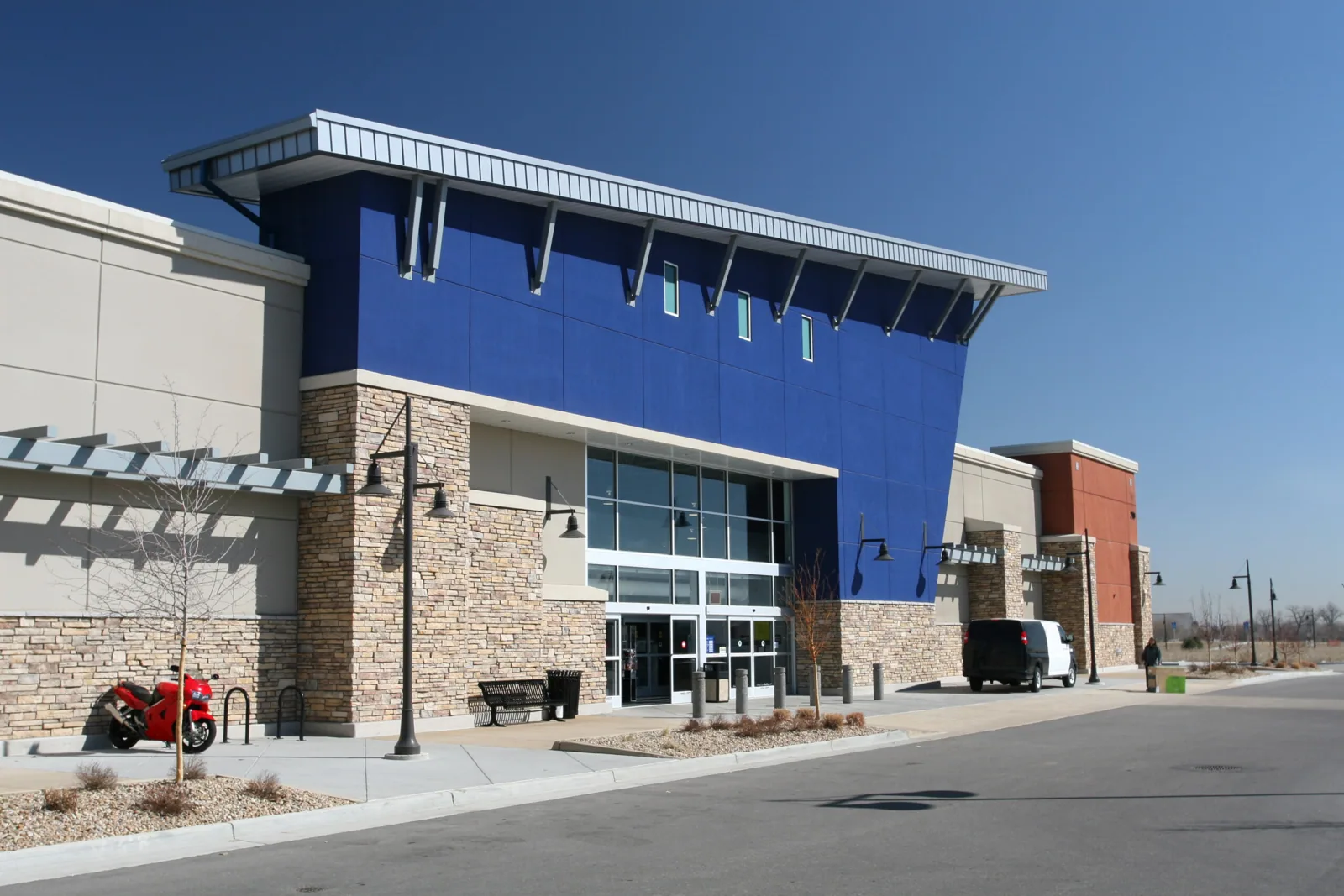
A single failed penetration curb with dry surrounding insulation may support a contained repair. Repeated seam openings, wet insulation beyond the tested area or deterioration across several bays can change the recommendation. We record observations separately from test results and show the measured scope. If the existing roof and substrate permit it, a recover option can be compared with tear-off and replacement. We confirm the system, attachment, drainage and concealed conditions before calling one approach suitable. A broad retail footprint may use details like those evaluated on big-box retail roofs, though the installed assembly still has to be checked at the property.
When several tenants report leaks, an inspection with a roof plan can identify whether reports share a roof section or point to different details. For a larger center portfolio, multi-site roof coordination keeps each property’s findings, budgets and next review date distinct. The work scope should show what is included, what remains untested, and how the repair connects to a neighboring roof area. That record supports a decision on whether to repair now, monitor or budget a capital phase.
Photos should name the property, roof section, date and detail, then connect to the tenant area or service corridor reported by staff. The report distinguishes a confirmed defect from a suspected path and includes test locations, material sequence and repair boundary. This lets a manager compare a repaired drain flashing with a separate seam concern at another bay without combining them into a single generic leak ticket. A grocery roof record in the same portfolio still needs its own building label and operating notes.
For a center with more than one roof section or tenant, a shared record also helps plan access and notice. We include the contact who approved the work window, any equipment shutdown, daily temporary protection and final closeout photos. If old drawings, replacement records or warranty documents are available, we compare them with the visible assembly and retain discrepancies as open items. The next review can then start from a known condition rather than an unlabelled folder of pictures.
Before winter, we inspect drain bowls, overflow paths, seams and edge details that appeared in earlier reports. Rochester’s 46.3-inch normal seasonal snowfall is concentrated in December through March, so we confirm that each roof section has an open drainage path before that period. After a leak report or weather event, we return to the affected zone and decide whether further testing is supported by what is visible.
Each maintenance entry carries a date, roof section, finding and next action. Where a repair appears stable, the record can set a later review instead of repeating the same diagnostic work. For a broad portfolio, roof condition reports preserve the details needed to compare properties and prioritize capital. We leave the manager with a clear list of completed work, remaining exposure and the contact responsible for the next decision.
Other services, systems and buildings that often come up alongside this work in Rochester.
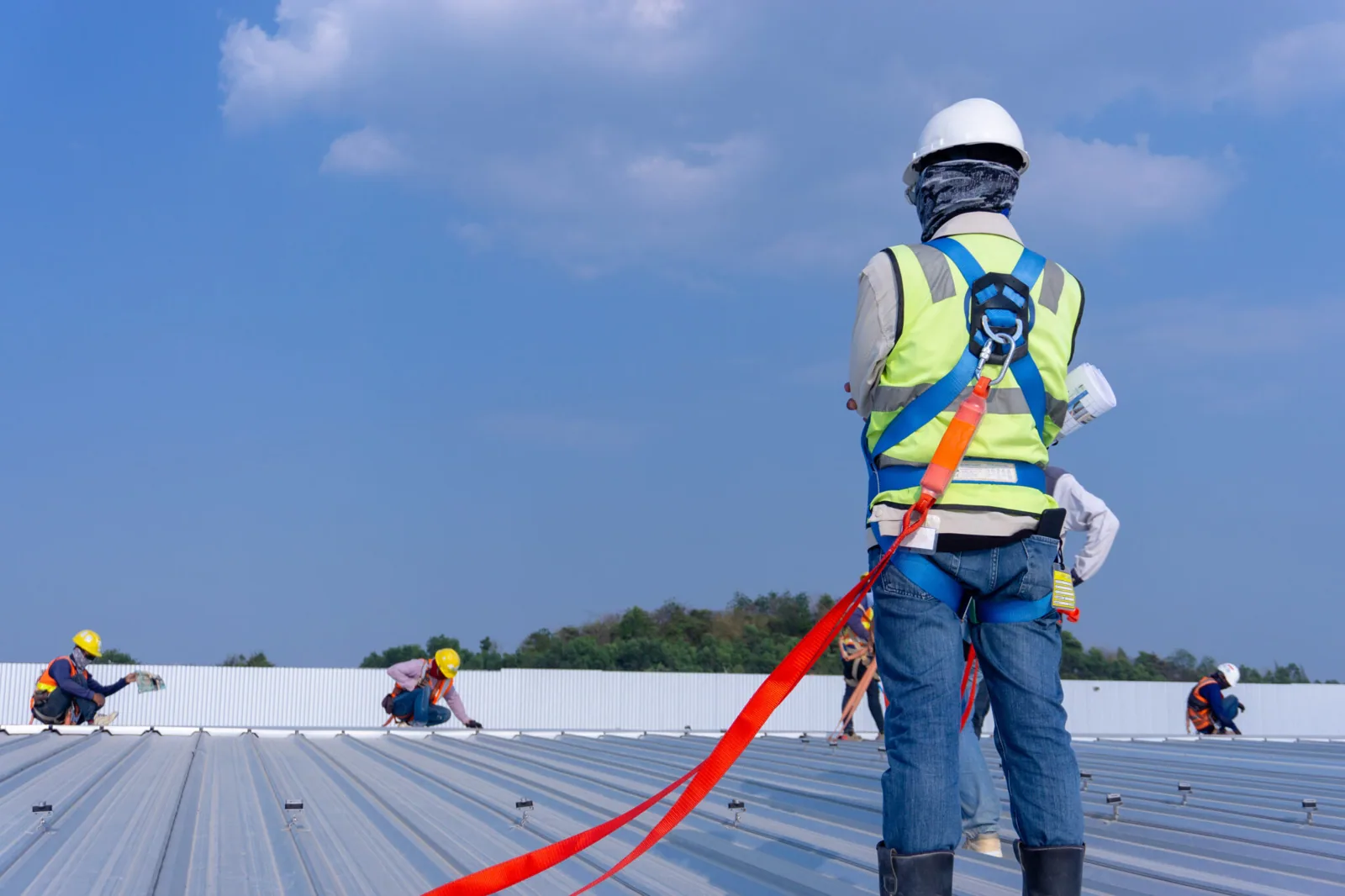
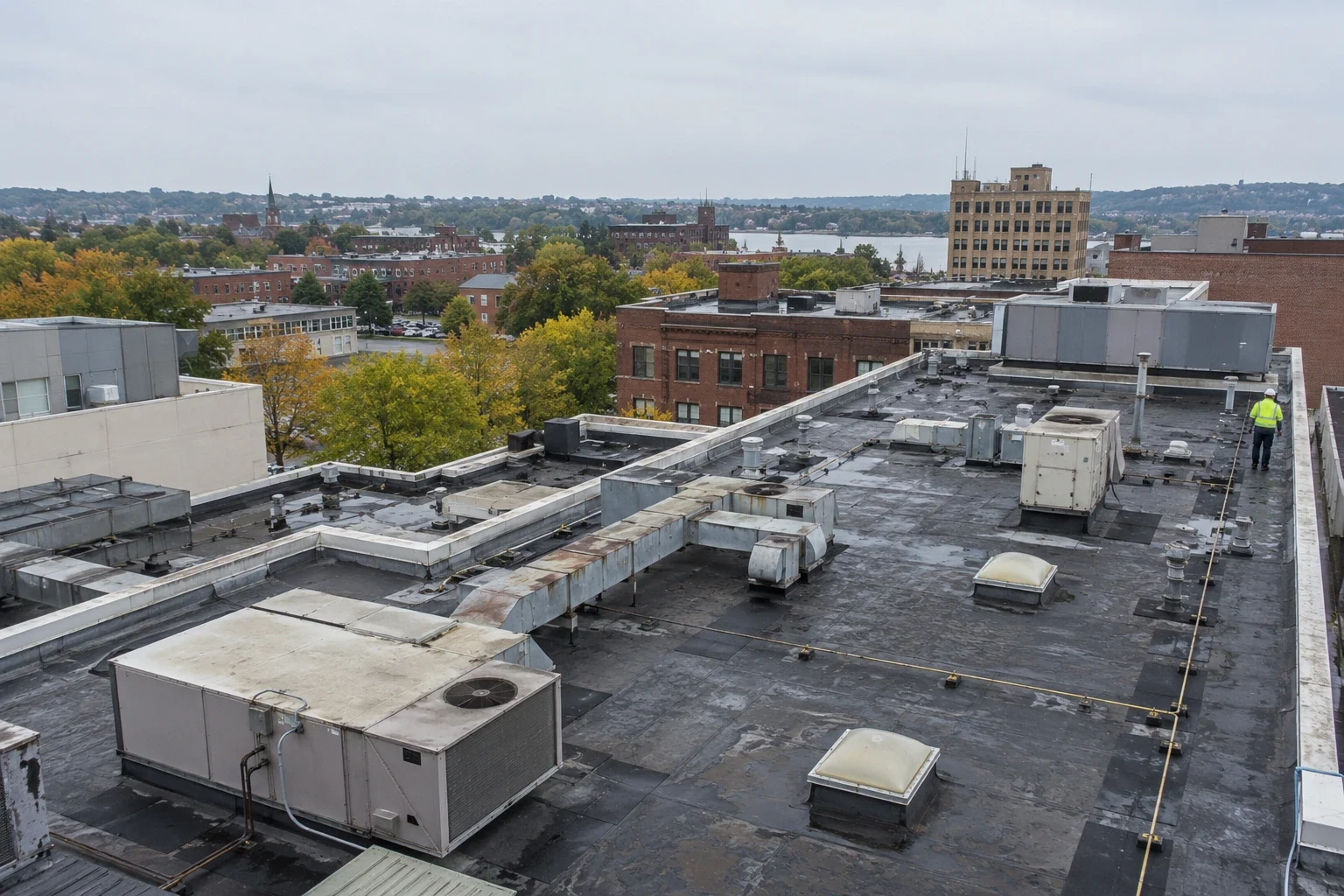
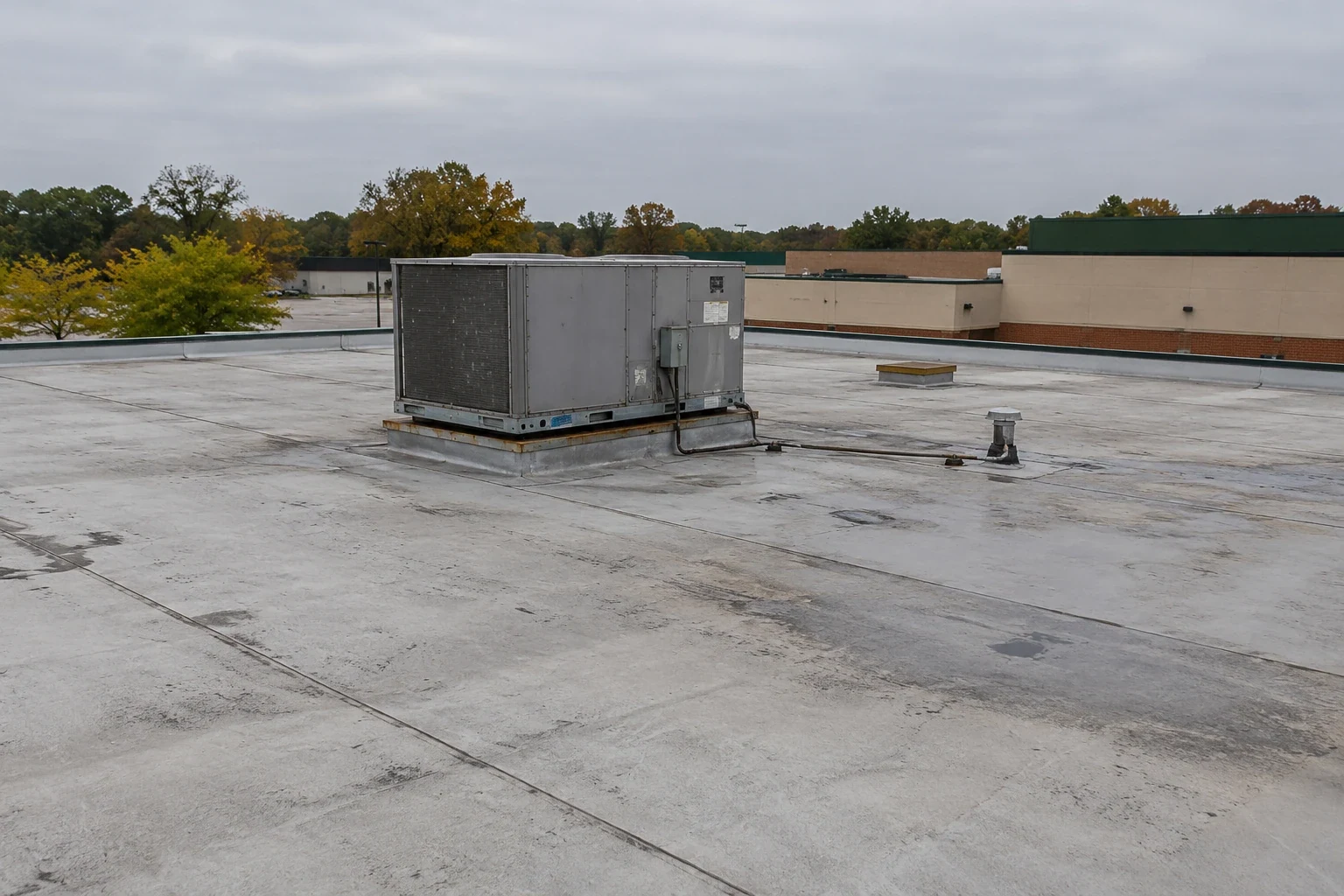

From distribution centers to clinics and schools, we roof the buildings Rochester depends on.
They can be limited when inspection confirms that the defect and repair tie-in remain within that bay. We check shared walls, drains, seams and adjoining transitions, then record the boundary and any nearby condition that remains outside scope. If the tested area is wet beyond the tenant line, we show the evidence and revise the plan before closing the roof.
We coordinate roof access, overhead protection, staging, noise and the work window with the property manager. The plan identifies the entrance or service area below the active section, and any temporary condition is checked at shift end. Some methods or weather conditions may require a short exclusion zone; we confirm that before mobilization so the notice reaches the affected tenant.
One report does not establish the condition of every roof section. We trace the likely entry path, test where useful, and compare the affected assembly with nearby seams, drains and transitions. The recommendation can remain a local repair, expand to a defined group of bays, or support capital planning when findings show wider deterioration.
The closeout should identify the property, roof section, tenant area, repair materials, boundary, concealed conditions and final photographs. Add access limits, any equipment interruption and the next review date. We index the record so a later service call can distinguish this completed repair from an unresolved condition in another bay.