Water is coming into the building right now
Call us and tell us where the water is showing up. We will get a crew on the roof to stop the leak and protect the space below.

Industries We Serve
Manage commercial roof repairs across Rochester, MN with dated inspections, clear repair limits and portfolio records tied to each building.
Call us and tell us where the water is showing up. We will get a crew on the roof to stop the leak and protect the space below.
We walk the roof, photograph what we find and give you a written scope with repair options before any work starts.
Rochester, MN
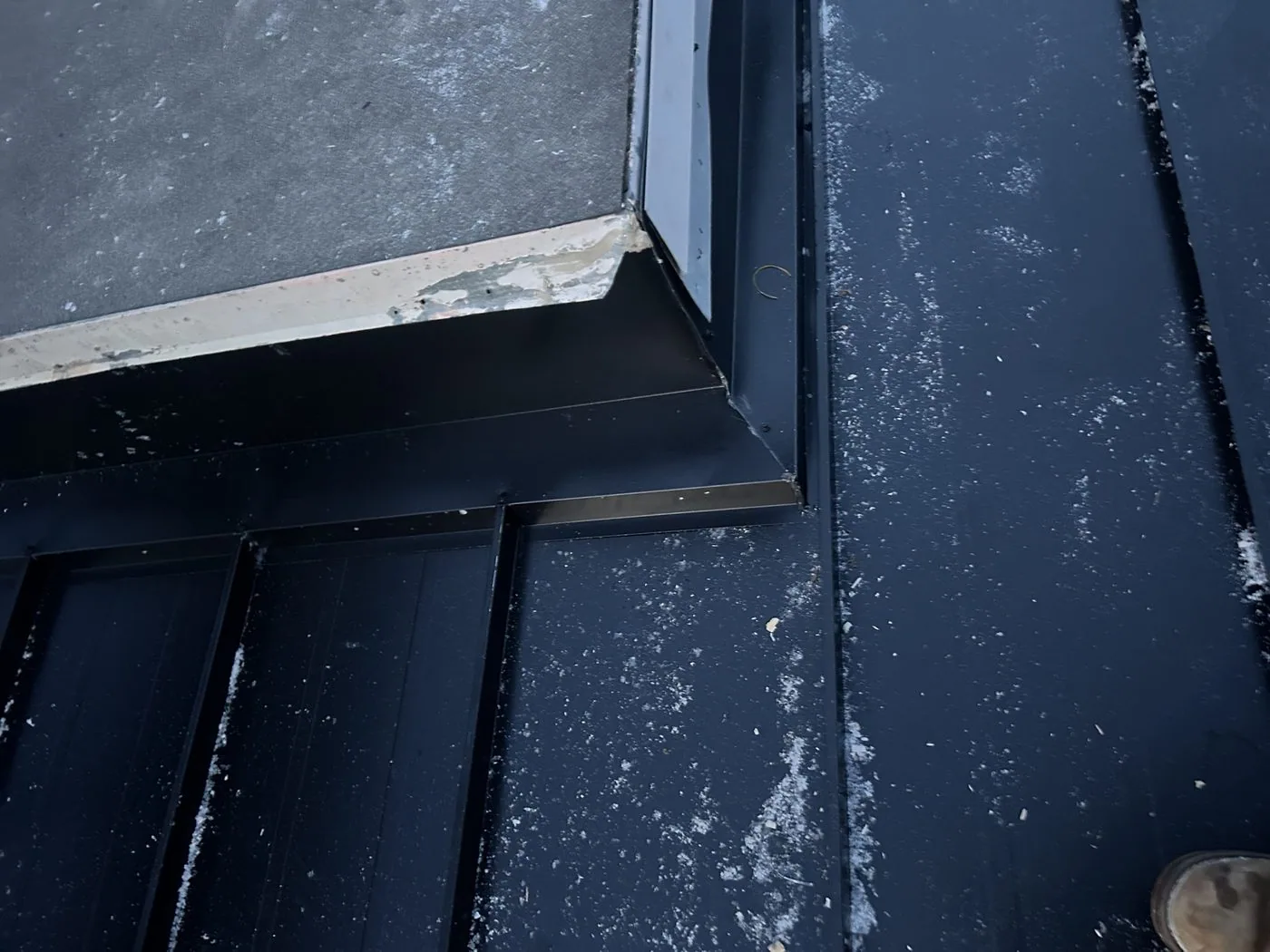
A lifted termination bar at one parapet can signal a local detail issue or movement along the adjoining wall. For a property manager, the distinction belongs in the work order, the roof map and the next capital review. We record the address, roof section, assembly when confirmed, interior report and inspection date before we recommend repair. Rochester's 46.3-inch normal seasonal snowfall concentrates from December through March, so drainage, edge metal and prior winter repairs deserve a place in the same record.
One manager may be coordinating a medical office near Discovery Square, a retail property along South Broadway and a warehouse in Golden Hill Industrial Park. We retain a separate roof map, leak history, access note and contact record for each building in the portfolio. Each building needs its own leak history, access notes and contact. We build that record so a portfolio lead can compare open repairs, completed work and the next inspection date without combining separate assemblies into one site-wide assumption.
Send the Rochester property list, current roof concerns, available system records and portfolio contact. We will confirm the first addresses, map each inspection by section and return dated findings with repair limits and follow-up items.
A tenant's ceiling stain is a useful starting point, but water can travel along a deck or insulation layer before it appears indoors. We trace the report to the nearest roof section, then check seams, penetrations, drains, scuppers, wall transitions and previous repairs. The inspection notes whether a condition is visible, tested or still concealed. Photographs show both the close detail and its place on the roof, with a location reference that the building engineer can find again.
For a portfolio, consistent records matter more than identical repair scopes. A commercial roof inspection logs the condition of each section, while drain and scupper checks track where water leaves the assembly. We record roof access, occupied areas and any limits on testing. That gives the manager a defensible basis to assign an urgent leak, a maintenance item or a follow-up survey instead of forwarding an unlocated photo between teams.
A usable portfolio file identifies the address, section, roof system if verified, visible defect, test performed, work completed and remaining question. We include dated photographs and mark the repair boundary on a roof plan or field sketch. If a test cut is made, the record states where it was opened and what the layers showed. If access was not available, that limitation stays visible rather than turning an uninspected area into a clean condition.
Rochester's comprehensive plan places many office, hospitality, service and retail uses near major roads or downtown, including stand-alone commercial buildings outside the center. The citywide pattern does not tell us the construction at an individual property. At a Downtown Rochester address or a site near US Highway 52, we verify the roof before grouping it with another asset. A condition report by section preserves that difference, and a investor portfolio review can connect the report to each property's budget cycle.
Before work starts, we coordinate roof access, interior protection, tenant notices, staging and the planned closure point with the property contact. A localized repair is opened only to the extent that can be restored in the scheduled work window. The crew ties new material into sound existing layers, protects the opening if weather changes the sequence, and records any concealed condition that expands the repair boundary. The daily closeout identifies which section was completed and what remains.
At the Heart of the City, retail, hospitality, residential and medical uses meet in a dense downtown district. A property manager there may need a different access sequence than an industrial building near the Rochester Technology Campus. We plan for the address and occupants, not the district name alone. For a phased occupied-building reroof, the scope identifies roof zones, temporary tie-ins and work hours. If a leak cannot wait for a routine visit, emergency calls are answered around the clock, every day of the year.
A repair remains a reasonable option when damage is localized and the adjoining membrane, insulation, attachment and drainage remain serviceable. Repeated openings, broad moisture indications, unstable layers or recurring seam separation can change that decision. We compare a focused repair with a recover or replacement by listing the tested area, layers, deck condition, edge height, tie-ins and access limits. Each recommendation states what it resolves and what it leaves in place, so the manager can match the scope to the building's use and budget window.
In its account of April 17, 2026, NWS placed hail as large as 1.5 inches in Rochester's northwest and located a separate EF-2 tornado near Stewartville in Olmsted County. After a reported event, we inspect the property, distinguish impact evidence from ordinary wear and retain dated images by roof section. After a reported event, we document the roof conditions actually present, distinguish impact evidence from ordinary wear and retain dated images. A storm-damage inspection can support the next repair decision, while a insurance restoration documentation places approved work against future portfolio dates.
Scheduled maintenance revisits drains, edge metal, sealant transitions, penetrations, repaired seams and roof paths used by service trades. We document debris removal or minor repairs that were authorized, then list deferred items and access constraints. A portfolio calendar can track different visits by asset rather than assume every property needs the same treatment on the same date. Before Rochester's winter season, the manager can review open drainage and perimeter details; after the thaw, the record can capture movement or damage that needs a closer look.
The Airport Business Park is part of an operating aviation campus with passenger and cargo facilities. That context may affect arrival and coordination, but the inspection still needs the exact property contact and roof section. We tie each service visit to its address and closeout record. A preventive roof maintenance plan can preserve that cadence, while the Downtown Rochester service area helps identify the market location. Share the building list, active concerns and available roof plans so we can start with the right file.
Other services, systems and buildings that often come up alongside this work in Rochester.
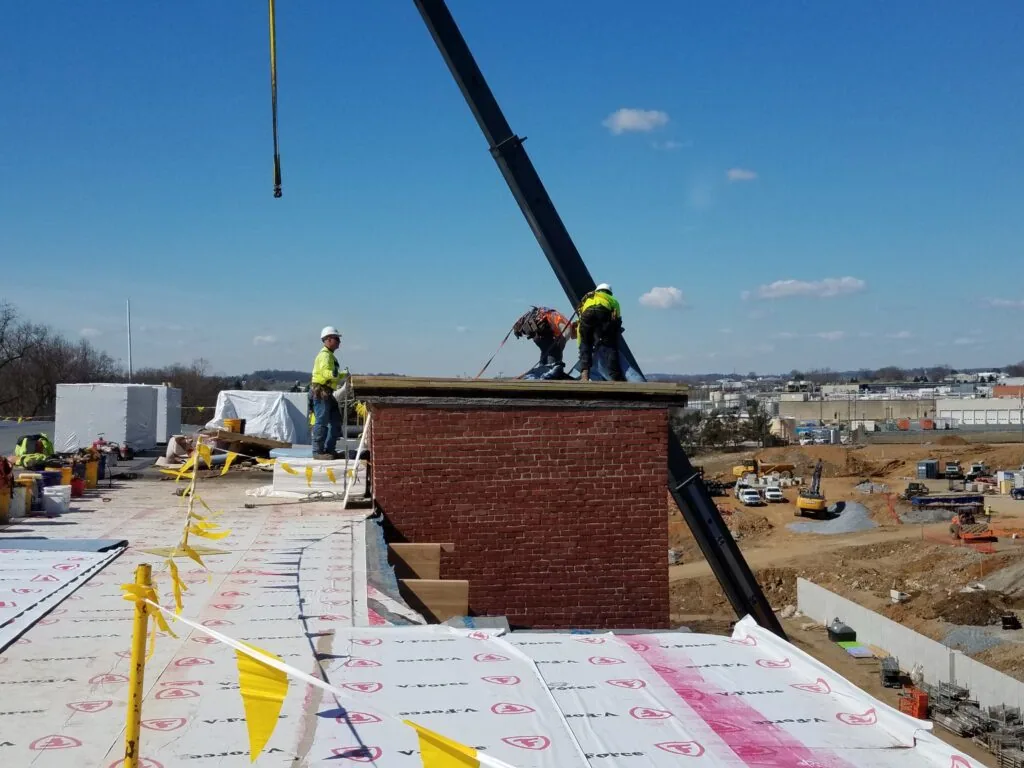
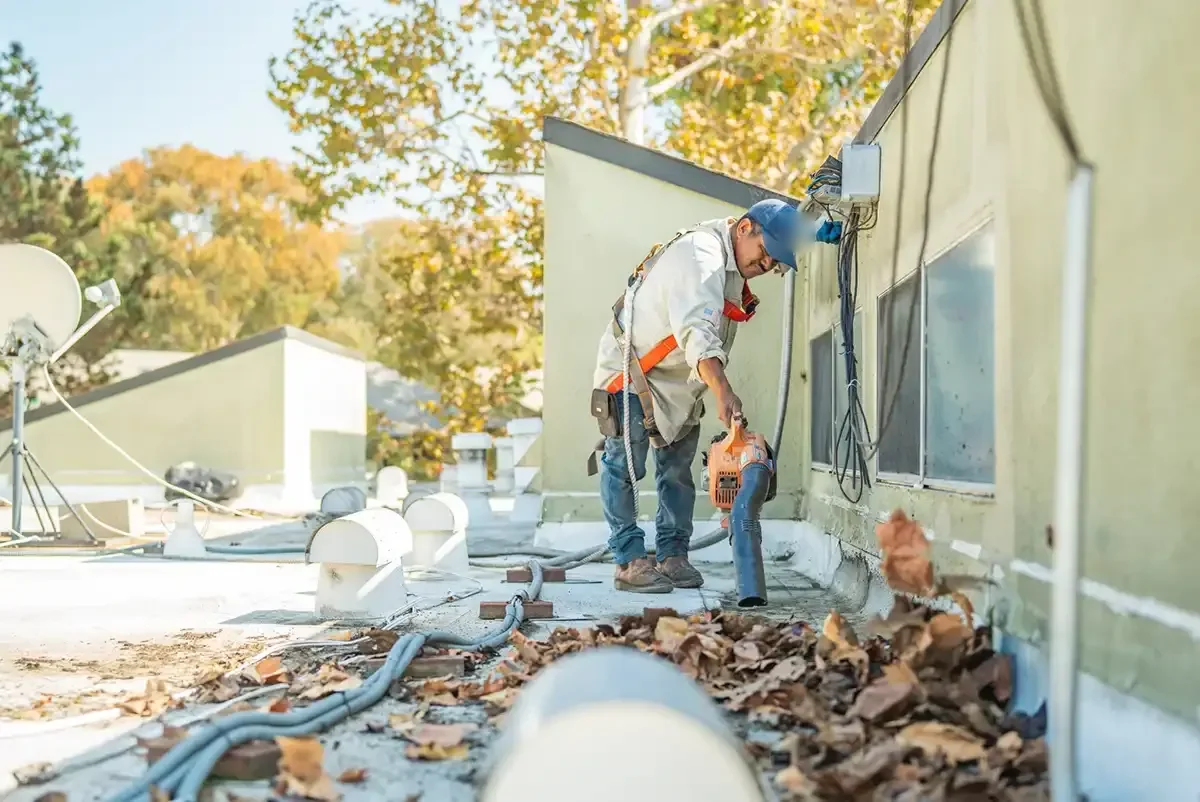
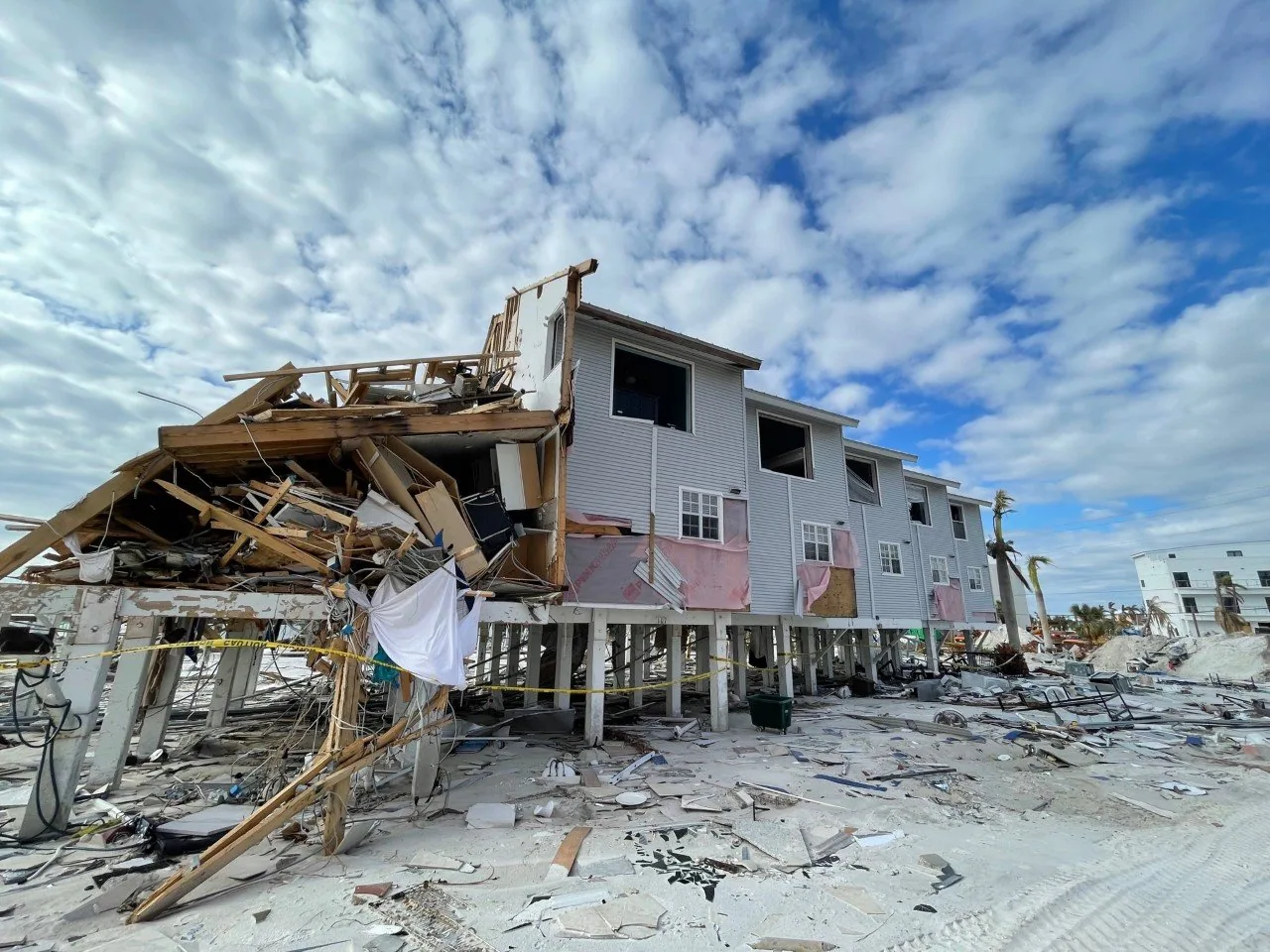

From distribution centers to clinics and schools, we roof the buildings Rochester depends on.
Start with the property addresses, roof plans if available, open leak tickets, prior repair records and the person who can arrange access at each site. We match each item to its building and roof section, then identify where records conflict or a visit is needed. A portfolio list helps schedule the work, but it does not replace an inspection of the individual assemblies.
We compare the reported room, date, weather and symptom with existing roof-section records. If two reports point to the same area, we inspect the likely path once and document both interior references. A separate entry remains appropriate when timing or location differs. The closeout makes clear which reports were addressed and which need continued interior monitoring.
A visible, isolated opening may support a defined repair scope, but hidden insulation or deck damage can change material quantities and limits. We state the assumptions before work and photograph any condition exposed during removal. If the finding exceeds the agreed boundary, we pause for direction and provide the location, condition and added scope before proceeding.
Weather Service records place Rochester's seasonal snowfall normal at 46.3 inches, with most accumulation from December into March. Before winter, we review the property's drainage, edge details and access; post-winter visits record conditions observed at the building and any repair that needs attention.