Water is coming into the building right now
Call us and tell us where the water is showing up. We will get a crew on the roof to stop the leak and protect the space below.

Roofing Capabilities
Manage commercial roofs in Rochester, MN with section-level condition records, repair history, maintenance dates and portfolio decisions tied to each asset.
Call us and tell us where the water is showing up. We will get a crew on the roof to stop the leak and protect the space below.
We walk the roof, photograph what we find and give you a written scope with repair options before any work starts.
Rochester, MN
An edge-metal photograph without a building, roof section or date is difficult to use in a capital review. We tie each observation to the property record, identify the roof system when confirmed and keep repairs, tests and deferred questions in the same chronology. The result is an asset file a facilities lead can revisit without treating one building's leak as evidence about the rest of a portfolio.
Rochester's medical, manufacturing, education and civic properties include different uses and operating calendars. Mayo Clinic's campus map labels Valley High Business Center North and South and identifies warehouse, inventory and technology facilities as part of the campus area. That local mix does not establish a shared roof design. We maintain an individual section map for every address, so a portfolio manager can compare condition and open work while preserving each building's actual assembly and access limits.
Share the Rochester property list, available roof plans and repair history, plus your portfolio contact. We will map inspections by address and section and return dated findings, open items and next review dates.
We begin with available roof plans, repair tickets, warranty documents, maintenance logs and the contact who can arrange access. On the roof, we inspect field membrane, laps, penetrations, drains, parapets, edge metal and previous patches. Each observation is tied to a section or grid and classified as visible, tested or not reached. If a moisture scan or core opening could change the recommendation, we identify its purpose and location before including it in the scope.
A portfolio baseline is useful only when facts stay at the correct level. Rochester's comprehensive plan describes industrial districts as larger-footprint manufacturing and job-intensive uses, but land-use context does not tell us a specific roof's area, system or condition. We verify those items from site records and field evidence. A commercial roof inspection establishes current observations, while a section-level condition report preserves photographs and follow-up decisions. Separate buildings remain separate even when the same owner manages all of them.
The asset file identifies address, roof section, assembly when confirmed, inspection date, photographs, repair materials, test locations, work limits and unresolved items. We note who coordinated access and whether a detail was concealed. After a repair, the closeout updates only the affected location and carries forward anything outside the work boundary. That helps a new facility manager distinguish a repaired lap from an uninspected adjoining field.
The Rochester Technology Campus review considers commercial, industrial, warehouse and light-industrial scenarios at the former IBM property. The planning review does not say what roof is installed at a given parcel. For that reason, a portfolio register uses property records and verified system details, not development labels. A dated photo report can link a repair to its measured section, and a warranty record can preserve documentation requirements and service dates where a current warranty applies.
We organize findings so decision-makers can distinguish active openings, near-term repair, preventive maintenance, monitoring and further testing. Priority considers the observed defect, its location, interior consequence, access, repair history and what remains concealed. A broad moisture indication is not promoted to a confirmed wet area until the evidence supports it. The portfolio can then compare needs across buildings without assigning the same condition score to roofs with different assemblies.
Rochester's normal seasonal snowfall is 46.3 inches, most of it from December through March. That climate context can help schedule drainage and edge reviews, but it does not predict a building's condition. The Heart of the City combines medical, retail, hospitality, residential and commercial uses; an asset there has its own occupants and access requirements. A Heart of the City property inspection remains tied to the address. For timing decisions, a roof capital plan can place documented repair needs beside planned funding windows.
Scheduled visits revisit open seams, drain bowls, scuppers, penetrations, edge metal, rooftop equipment interfaces and previously repaired details. The file records the date, photographs, work completed and any item still requiring approval or access. We can stagger visits by roof condition and operating schedule, then retain one portfolio view with separate property histories. That keeps recurring tasks visible without assuming every site needs an identical visit or scope.
The Airport Business Park is part of an operating airport campus with cargo and passenger facilities. We confirm access for the specific building and keep its findings in a separate roof register. A maintenance schedule retains recurring inspection items, while a multi-site work program coordinates visits and reporting across addresses. Emergency conditions are recorded separately from routine maintenance, with temporary protection and permanent repair limits shown as distinct entries.
At handoff, the asset manager receives updated section maps, dated findings, closed repairs, open tests and the next review date. We identify which items were corrected and which need a separate decision. The record states what the inspection did not cover, including inaccessible zones or concealed layers. It also retains the facility contact, service vendor and decision date when those details are supplied, so later maintenance requests can be routed without recreating the property history. A dated portfolio review can then show which findings were closed, carried forward or assigned for further testing. This makes the portfolio summary useful without turning it into an unsupported statement about every square foot of roof.
Send the Rochester property list, roof plans, prior service records and the person responsible for portfolio decisions. We will confirm the first addresses, inspect agreed roof sections and return records that facilities and finance can use together. For an asset in Downtown Rochester, at Mayo Support Campus or in another named local district, provide its building name and access contact so the inspection route is assigned to the right property.
Other services, systems and buildings that often come up alongside this work in Rochester.
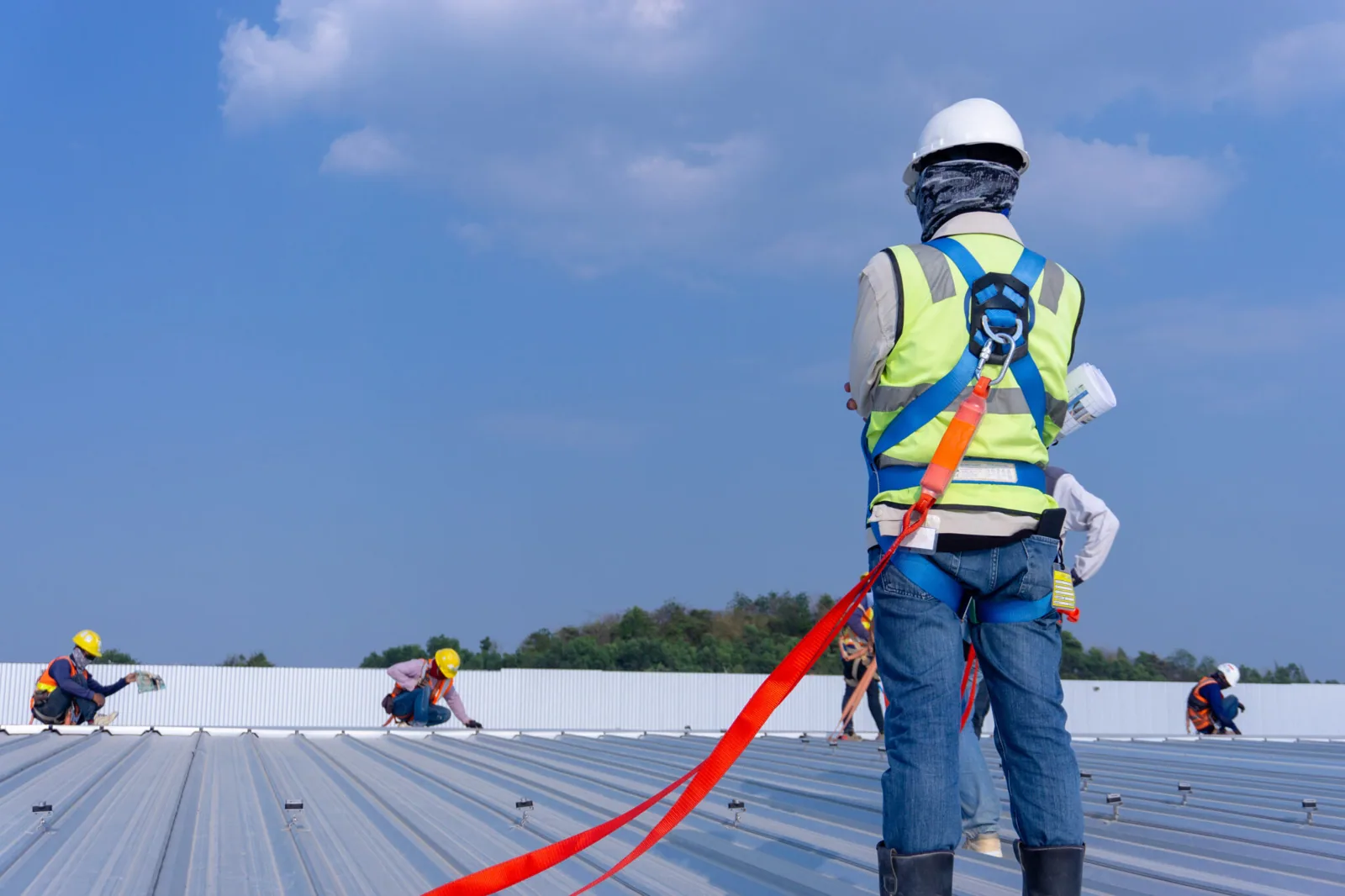
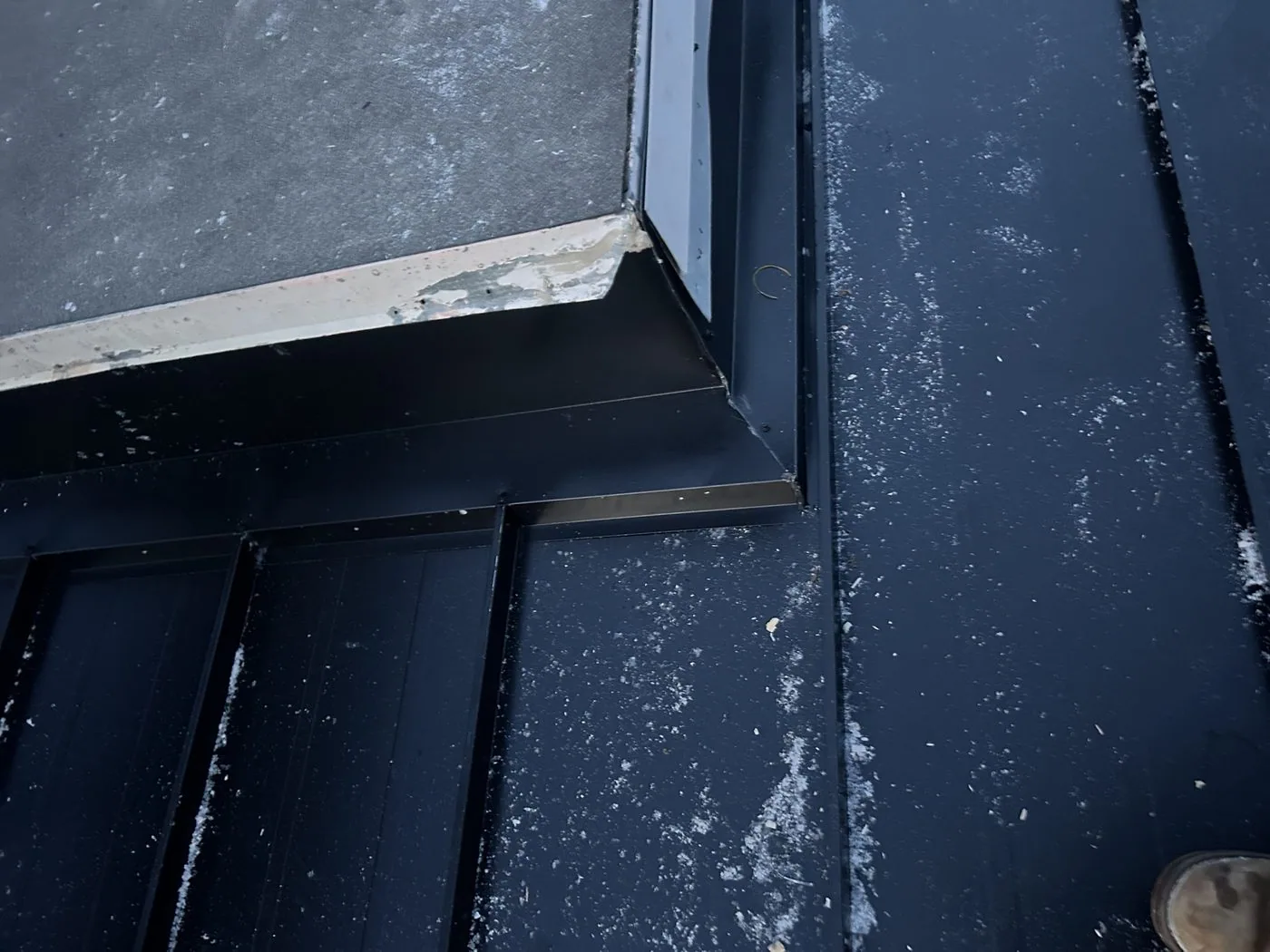
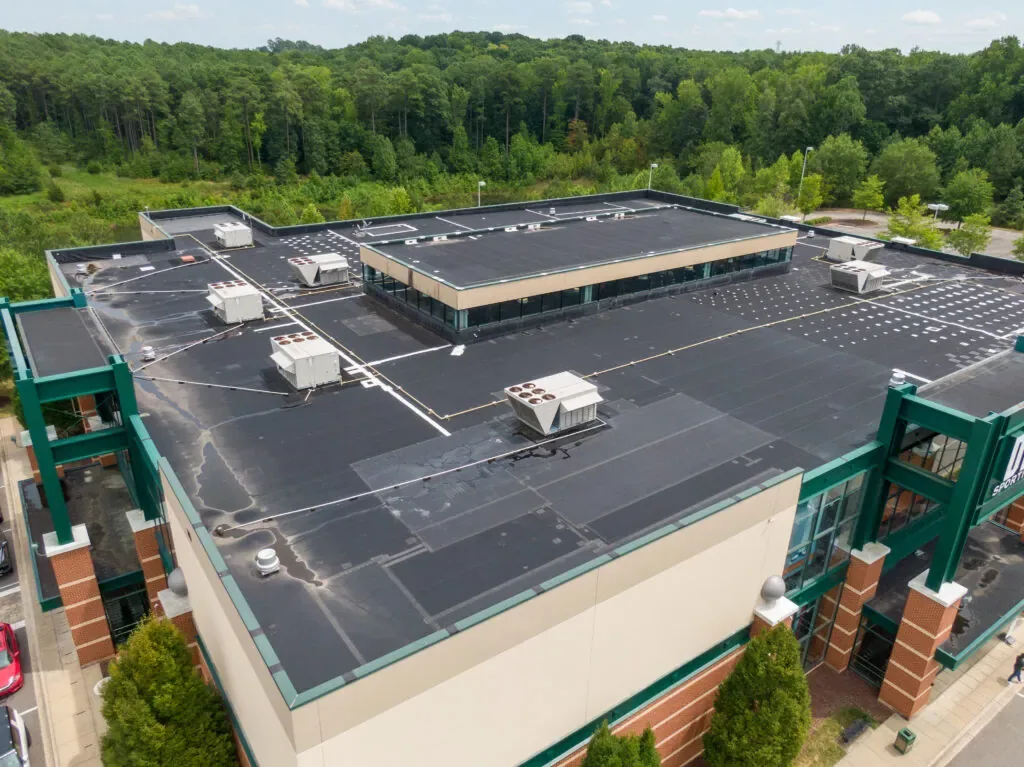
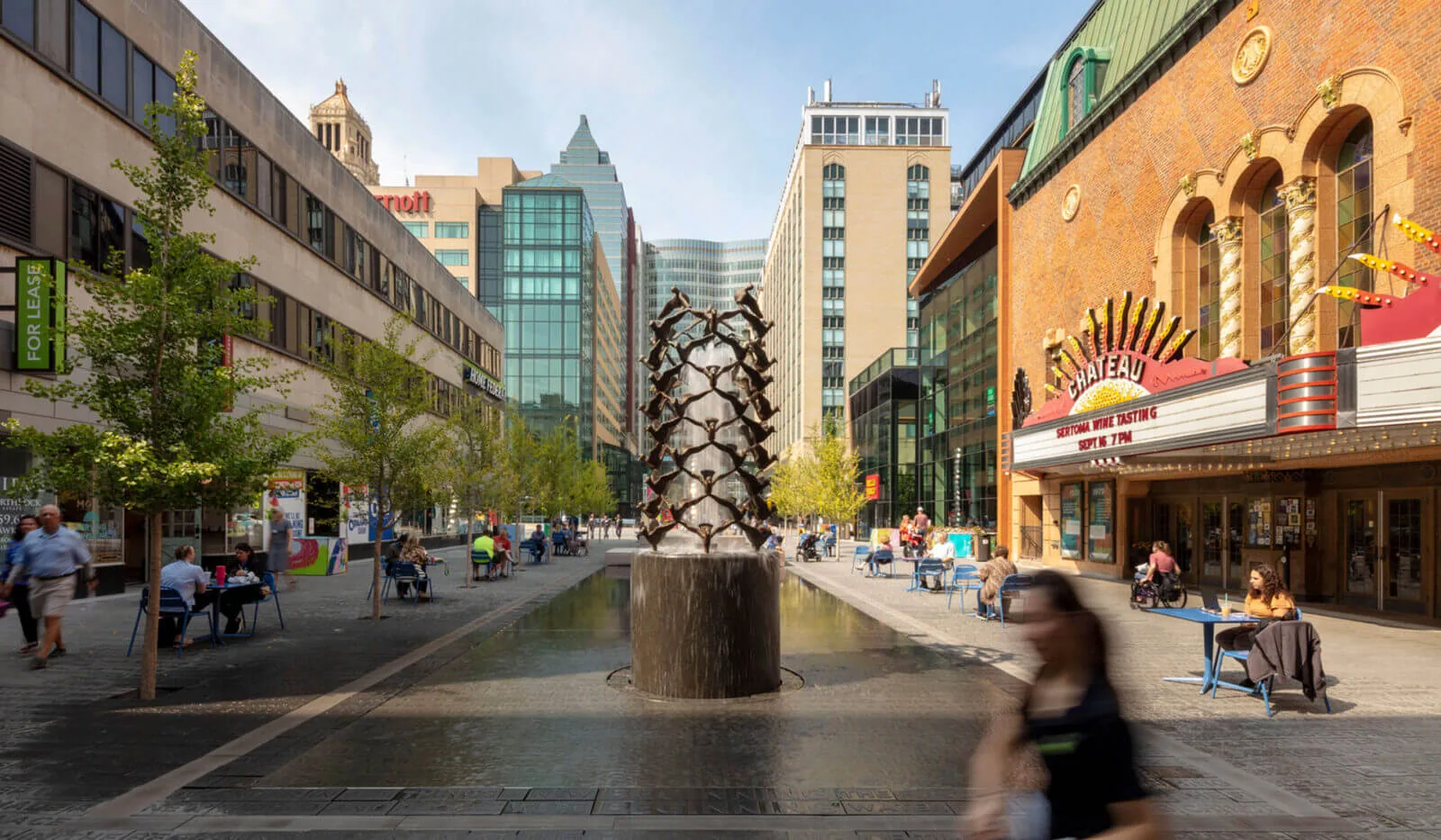
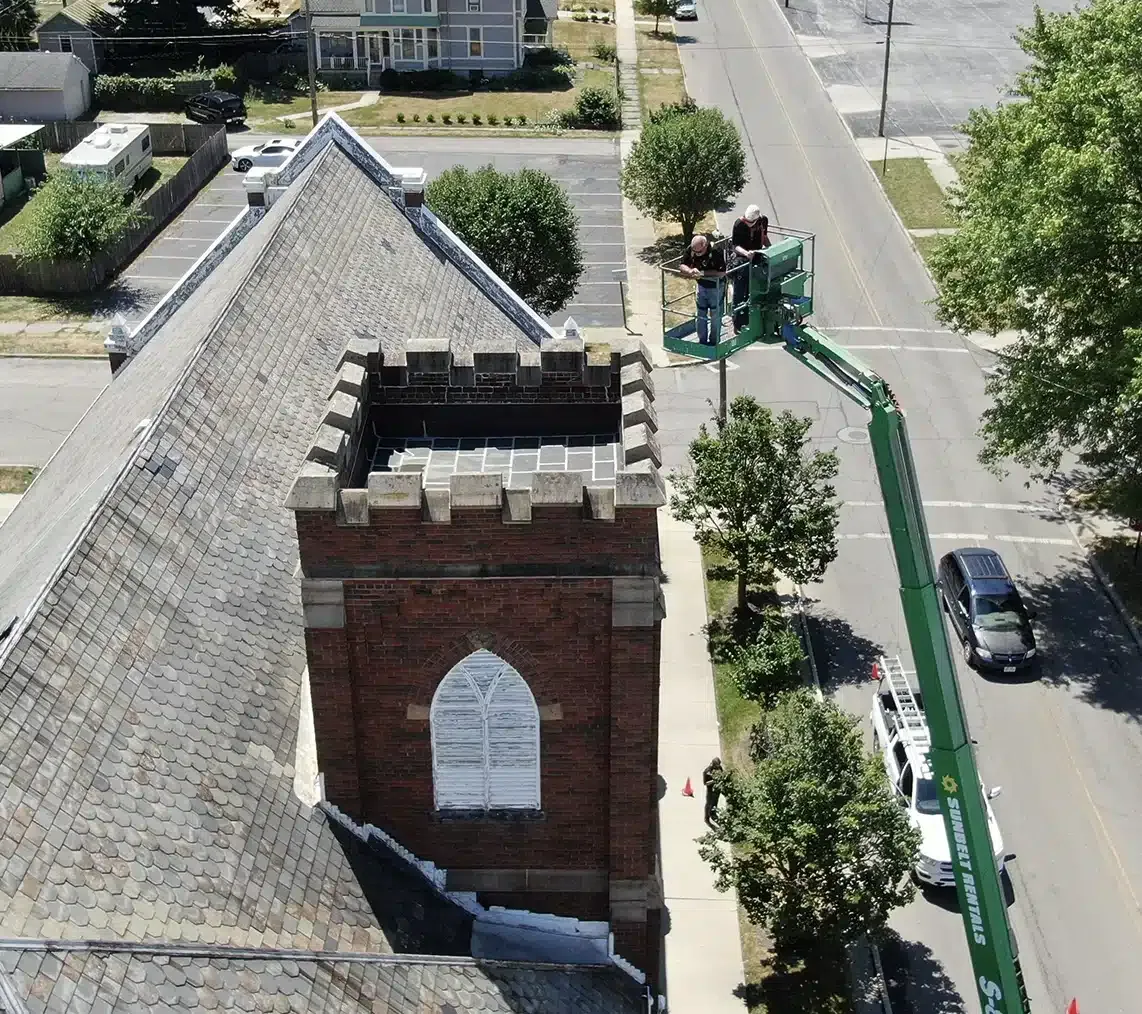
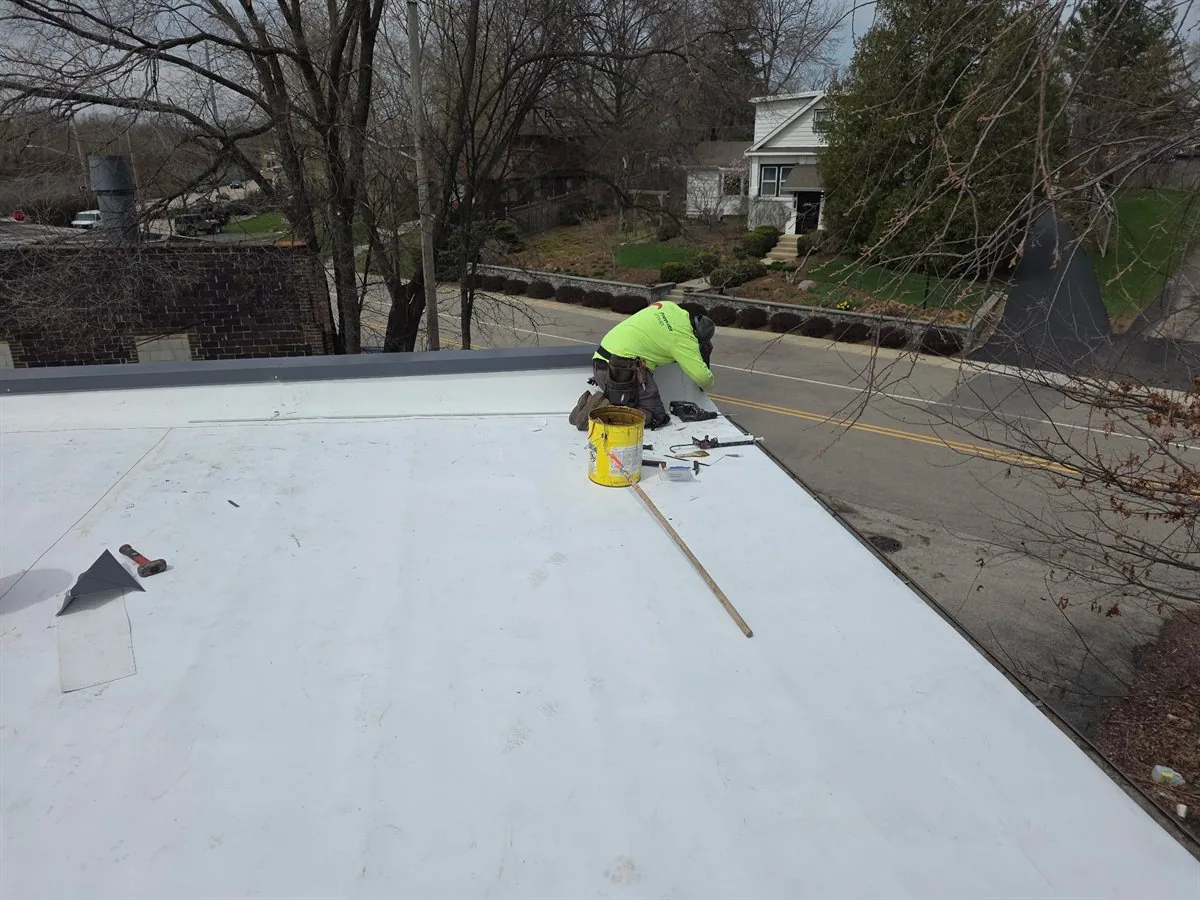

From distribution centers to clinics and schools, we roof the buildings Rochester depends on.
Include the property address, roof-section map, system when confirmed, inspection dates, photographs, repair history, test areas, warranties if applicable and open questions. We identify access limits and the next action for each finding. That file lets a later inspection compare the same area rather than rely on an undated summary.
A common reporting scale can help compare priorities, but the evidence and roof details remain building-specific. We show the observed condition, consequence, tested area and unresolved question behind any priority category. Similar age or use does not establish that two roofs have the same remaining needs.
We identify what is available, inspect accessible sections and note where the assembly or repair history remains unverified. A targeted test may be proposed when it could change scope. The asset file marks those unknowns clearly so an unverified system or repair date is not carried forward as fact.
Timing follows observed condition, active repair, access and operating calendar. We can place the next date on the report and identify sections that need a nearer follow-up. Rochester's winter climate also makes it practical to review drainage and perimeter details before sustained snow, but the building's actual condition governs the plan.