Water is coming into the building right now
Call us and tell us where the water is showing up. We will get a crew on the roof to stop the leak and protect the space below.

Service Areas
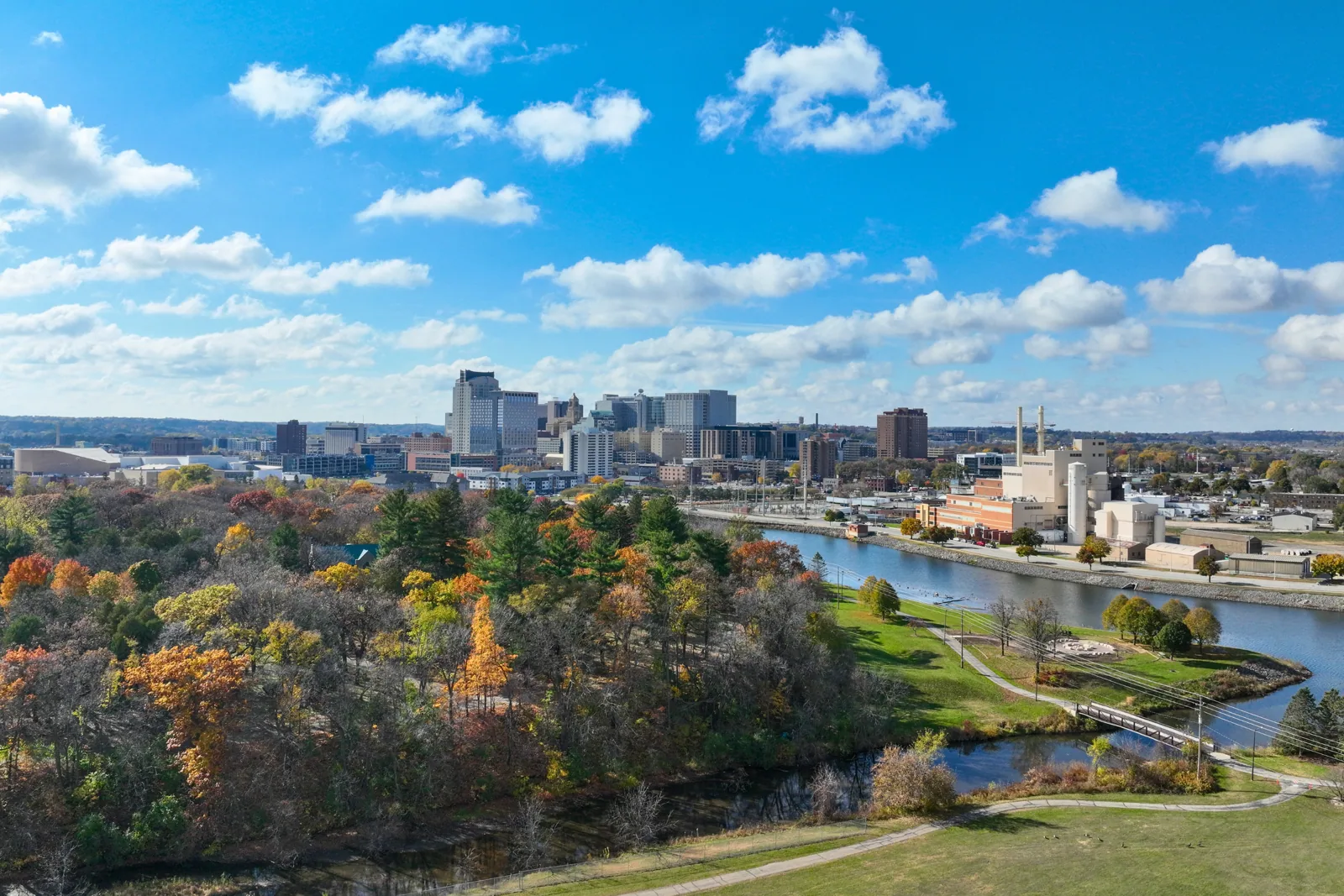
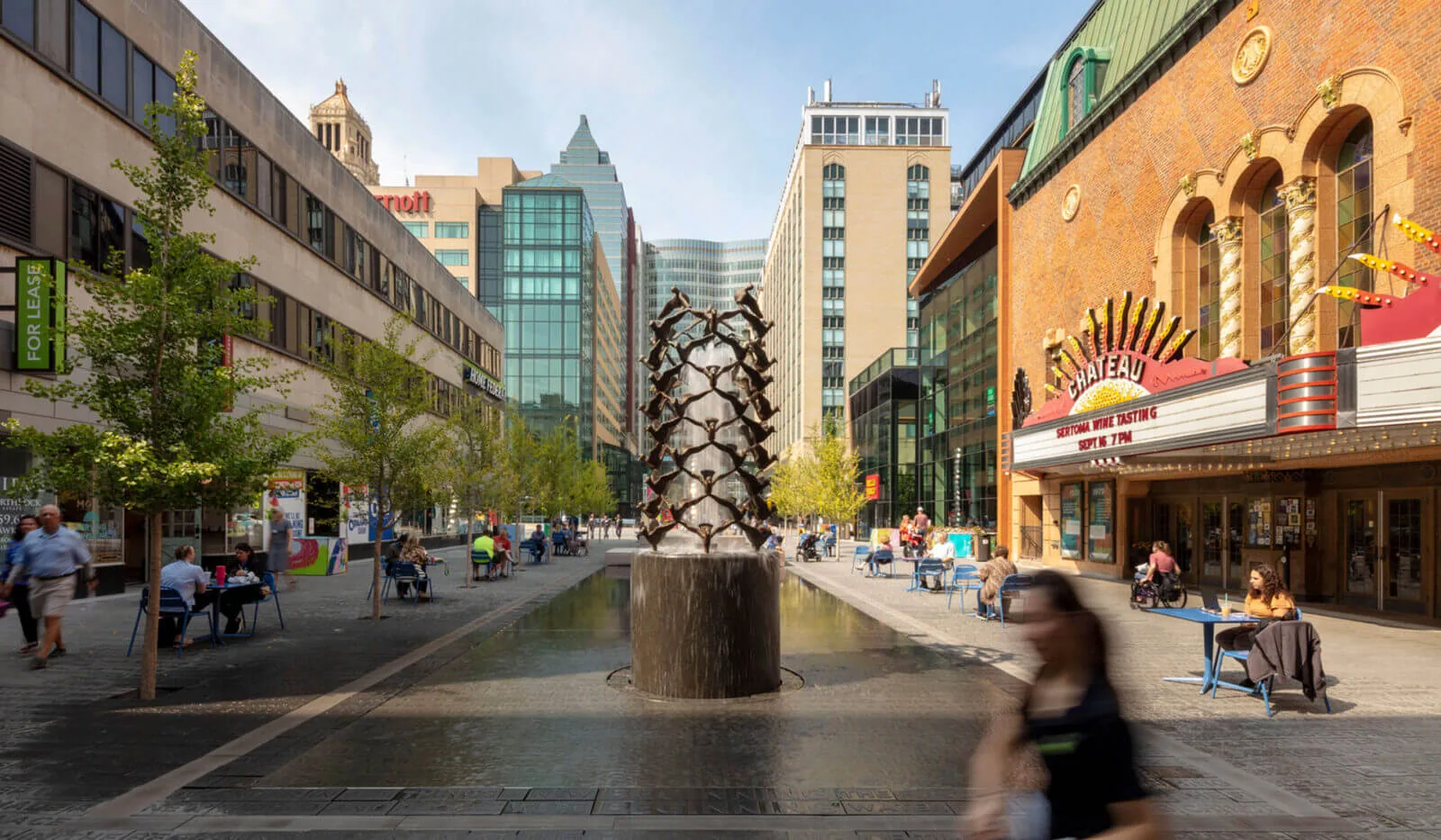
Inspect and repair commercial roofs at Discovery Square in Rochester, MN with mapped findings, careful access planning, and system-specific recommendations.
Call us and tell us where the water is showing up. We will get a crew on the roof to stop the leak and protect the space below.
We walk the roof, photograph what we find and give you a written scope with repair options before any work starts.
Rochester, MN
A penetration curb can collect water where its flashing meets the field sheet, even when the membrane seam nearby looks closed. For a commercial property in Discovery Square, Rochester, MN, we begin by confirming the roof section, membrane and access conditions before sizing a repair. The district is designated for biomedical research, education and technology innovation, bringing Mayo Clinic, private partners and institutions together around translational medicine. That use context makes work planning important, but it does not establish the construction or roof system at an individual address.
We inspect the building presented for service, trace the leak or maintenance concern to its source and record which details are visible. A property tied to Downtown Rochester or Heart of the City receives its own address-specific route and closeout record. Related district names do not transfer one roof's condition to another.
Send the Discovery Square building address, roof concern, available system records and access contact. We will inspect the agreed sections, document limits and return dated findings with repair or testing options.
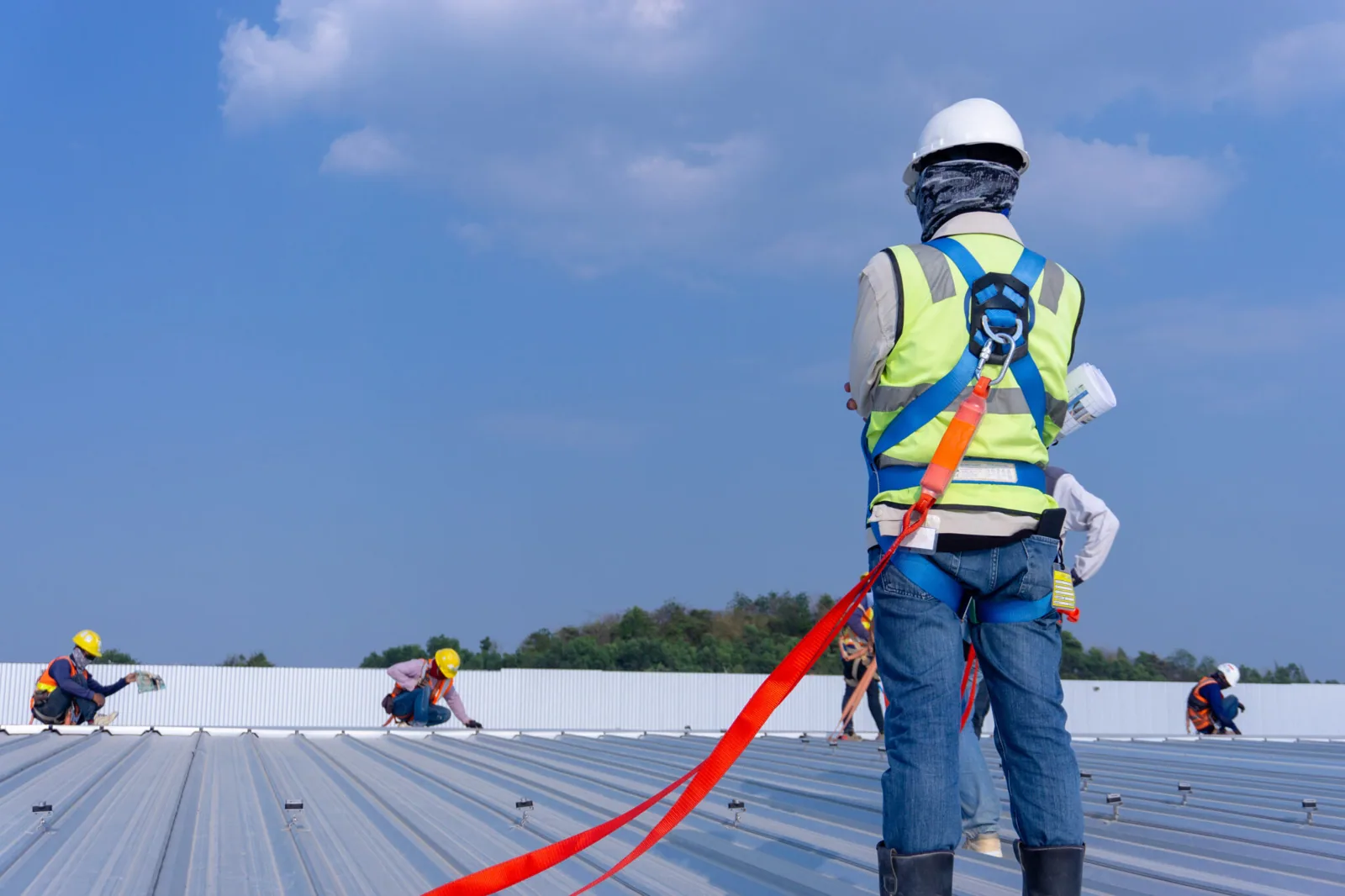
We walk the accessible field, seams, drains, perimeter metal and penetrations, then label each finding by roof zone. Around an exhaust, pipe or curb, the inspection follows flashing up the vertical face and across the termination. If equipment blocks access or an interior activity limits entry, we record that boundary and arrange a return when the property contact can open it. A commercial roof inspection can include photographs, system notes and a condition list organized for the facility manager.
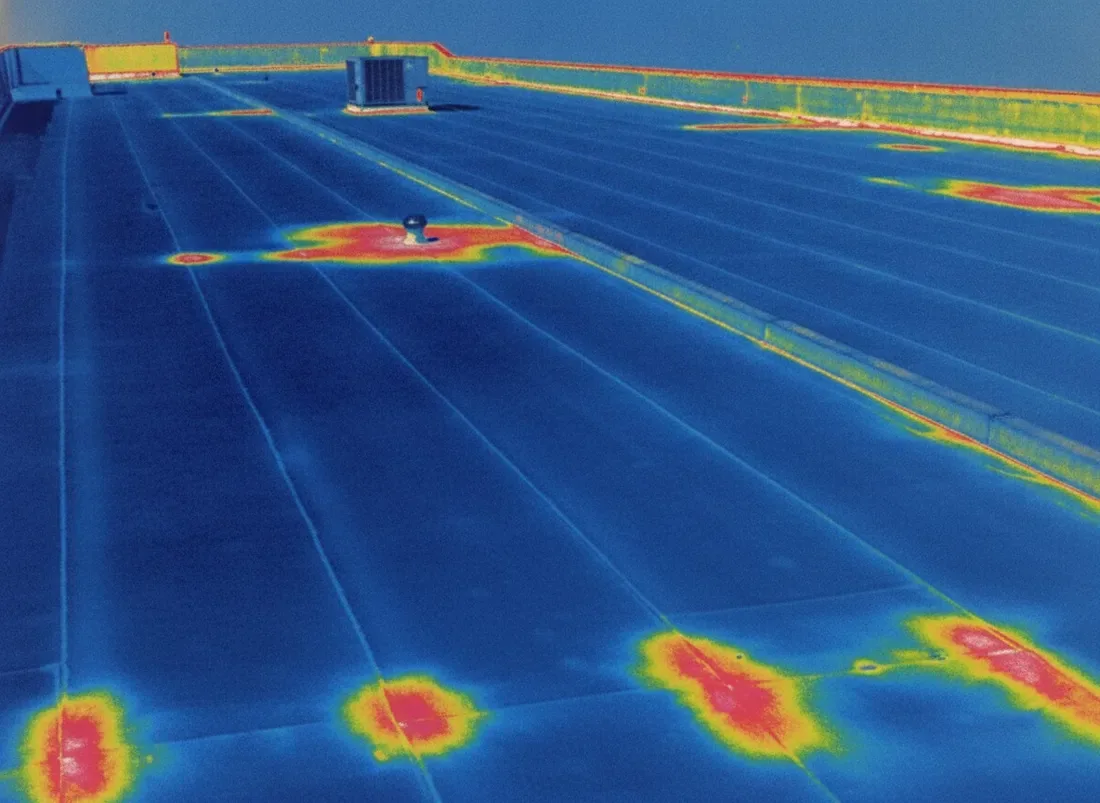
A visible surface does not always reveal what is below it. An open weld or split flashing corner can be photographed directly; suspected wet insulation needs a suitable test or opening before it is called confirmed. We check whether the reported stain aligns with a seam, drain path or penetration, then identify any area where water may have traveled. A targeted moisture survey may help select test locations when conditions support the method.
A repair route begins with the access contact, approved work hours, staging area, interior protection and any equipment that must remain available. The scope defines the roof zone to open and the closure point expected at the end of the work period. If removal exposes wet insulation or a damaged deck, we photograph the layer and pause for direction before expanding the repair boundary. That keeps the field change visible to the property team.
Some commercial roofs support active mechanical systems, communication equipment or research operations below. We do not assume a shutdown is permitted; the building contact confirms operating constraints and escorts where needed. A phased occupied-building plan can specify daily tie-ins and protected routes, while a flashing repair describes the detail at a curb or wall. The two scopes can be coordinated without combining separate materials into one generic work order.
An isolated defect with sound surrounding membrane may call for a local repair. Recurring openings, broad moisture or failure at several independent details may justify testing and a broader comparison. We identify the evidence, measured area, access limits and unresolved questions. The district's research and education purpose does not tell us whether a roof is TPO, PVC, EPDM or modified bitumen, nor does it establish service life. We inspect and identify each system from records and field details.
Rochester's normal seasonal snowfall is 46.3 inches, with the usual accumulation concentrated from December through March. Before winter access tightens, a drain bowl, scupper, overflow and perimeter can be checked for visible blockage or detail failure. On April 17, 2026, hail reached 1.5 inches in northwest Rochester; the NWS rated a separate tornado near Stewartville EF-2 and placed it in Olmsted County. Those reports describe different locations; a Discovery Square roof is evaluated from its own surface evidence, not assigned damage from another part of the county.
The closeout lists the building, roof section, visit date, material identified when confirmed, photographs, work completed and remaining items. It notes if the inspection stopped at locked equipment, an unsafe surface or an area that could not be tested. If a repair was temporary, we label it separately from a permanent detail replacement. This lets the next facilities shift see the exact boundary and understand which question still needs an answer.
Discovery Square's planning role includes potential job growth for medical innovators and researchers. That future-facing district context does not describe present roof conditions. For each actual property, the owner can keep the inspection file with a dated condition report and use a roof asset record to track repairs, maintenance dates and open tests. The records stay tied to the specific address and assembly.
A maintenance visit returns to drains, penetrations, repaired seams, parapet edges and any area disturbed by later mechanical work. We compare the roof-zone photographs with current conditions and record fresh openings separately. If debris blocks a drain, we note whether removal was authorized and check the surrounding membrane after the path is clear. A low area, repeated leak or suspected moisture condition may need its own repair or testing decision.
Work timing depends on access, weather, tenant or research operations and the materials required for the verified assembly. We confirm the next visit with the property contact and keep untested areas on the open-items list. Active water entry can receive emergency response at night, over weekends or on holidays. The initial stabilization and the permanent repair are documented separately so the owner can see what has been secured and what remains.
Other services, systems and buildings that often come up alongside this work in Rochester.
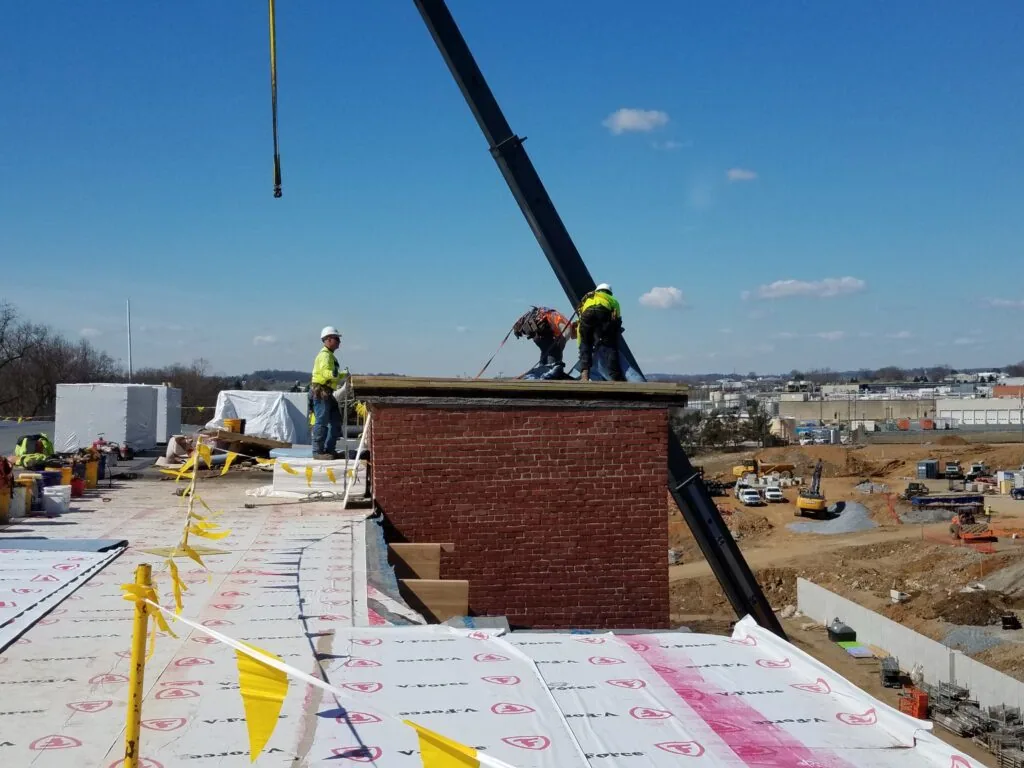
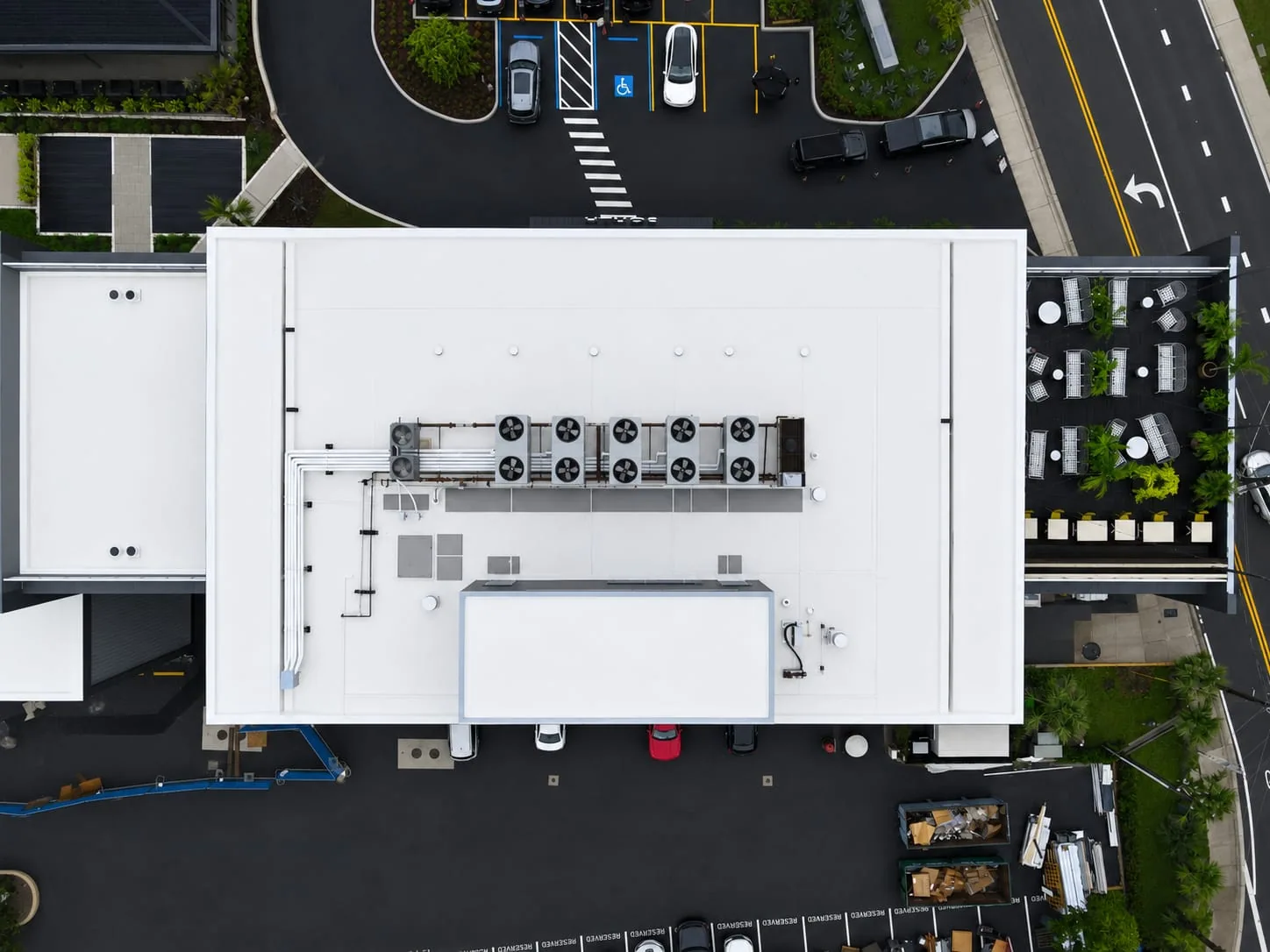
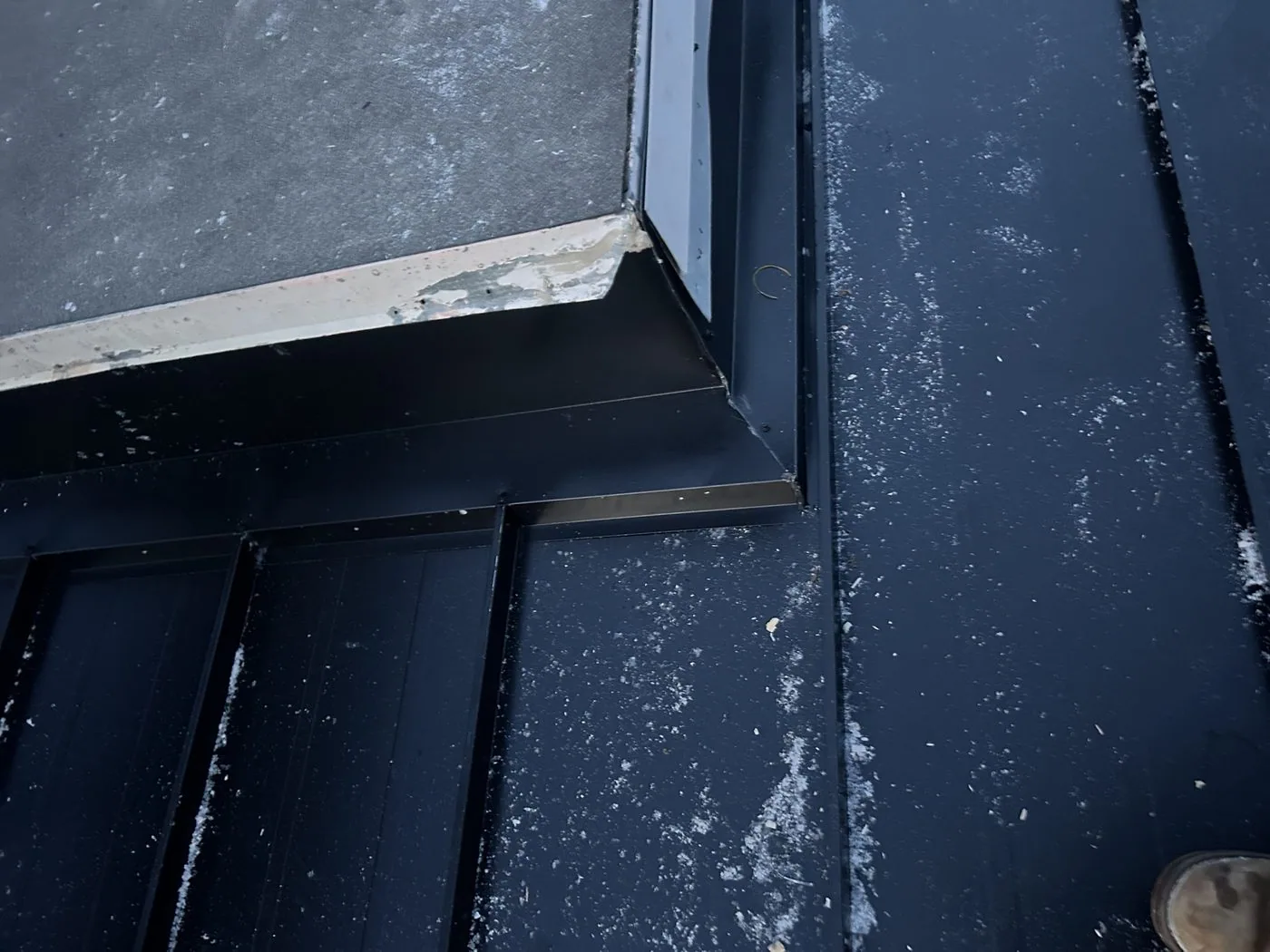

From distribution centers to clinics and schools, we roof the buildings Rochester depends on.
The district's designated focus does not establish access rules for a particular property. We coordinate with the building contact to learn roof entry, escort, operating-hour and interior-protection requirements before scheduling. The inspection report lists any area we could not reach and arranges a return if access changes.
We use the interior report as a starting point, then trace likely water paths across seams, curbs, drains and transitions. Water can travel before it becomes visible below. Photographs show the observed opening, suspected path and any test location, with the conclusion limited to what the inspection confirms.
We agree on staging, work hours, protected entries, equipment restrictions and daily closure points with the facility representative. If a concealed condition requires a larger opening, we document it and request direction before extending the work. The building contact can then coordinate the next sequence around operations.
Provide the property address, roof plan if available, leak or maintenance concern, prior repair records and the person coordinating access. Note any equipment or operations that cannot be interrupted. We use that information to set the route and tie every photograph to the correct section.