Water is coming into the building right now
Call us and tell us where the water is showing up. We will get a crew on the roof to stop the leak and protect the space below.

Property Types We Roof
Plan Rochester gym and recreation roof repairs by equipment zone, locker-room report, drain path, and member access, with clear daily closeout.
Call us and tell us where the water is showing up. We will get a crew on the roof to stop the leak and protect the space below.
We walk the roof, photograph what we find and give you a written scope with repair options before any work starts.
Rochester, MN
A fitness roof ties mechanical equipment and active interior spaces together. We inspect the exhaust curb, seams and drains, then confirm the affected rooms and work hours with the building contact. Downtown planning groups the University of Minnesota Rochester and Recreation area within the medical-and-education center; that location context does not identify a particular gym or its roof system. The facility plan and leak history set the repair boundary.
We review the property plan, leak history and operating contact before marking a repair boundary. A stain in a locker room can come from a seam or penetration elsewhere on the roof, and water may follow a deck flute before it becomes visible. Photos and test notes keep the interior report separate from the confirmed roof condition. The resulting scope can be scheduled around classes, team use and public access with the actual work zone clearly defined.
Share the facility address, room or equipment concern, system records and operations contact. We will map the relevant roof zone, coordinate member access and document repair limits and closeout.
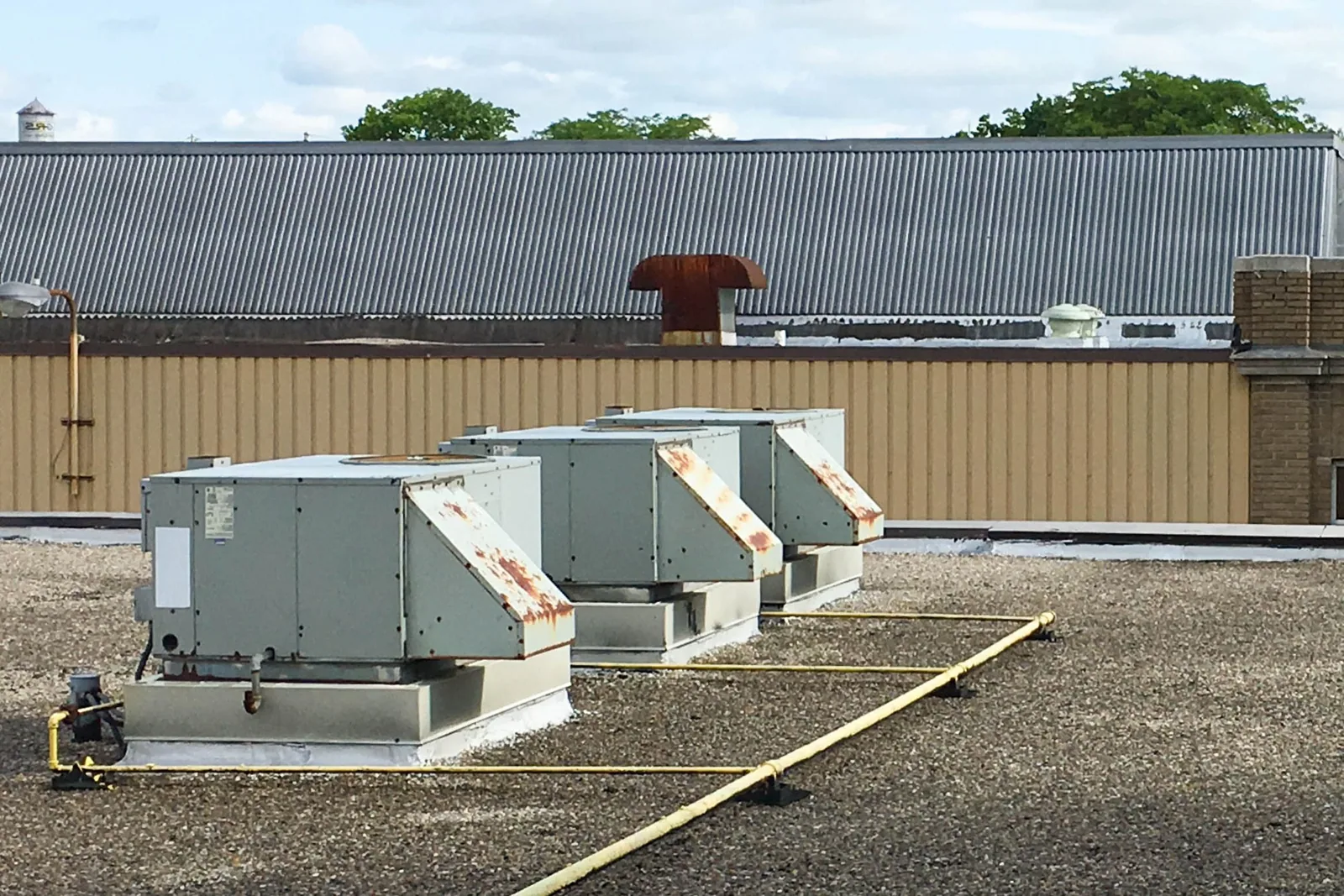
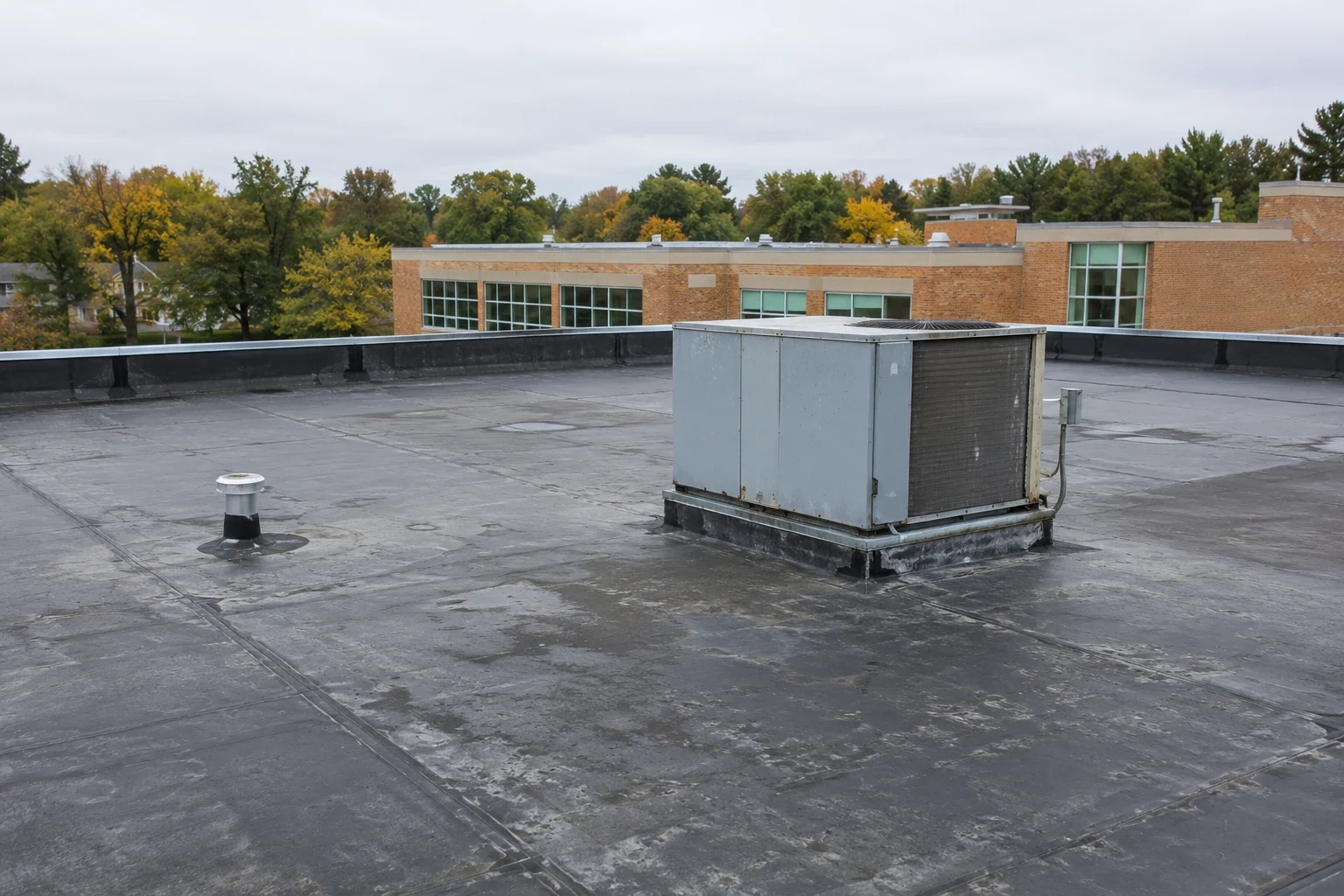
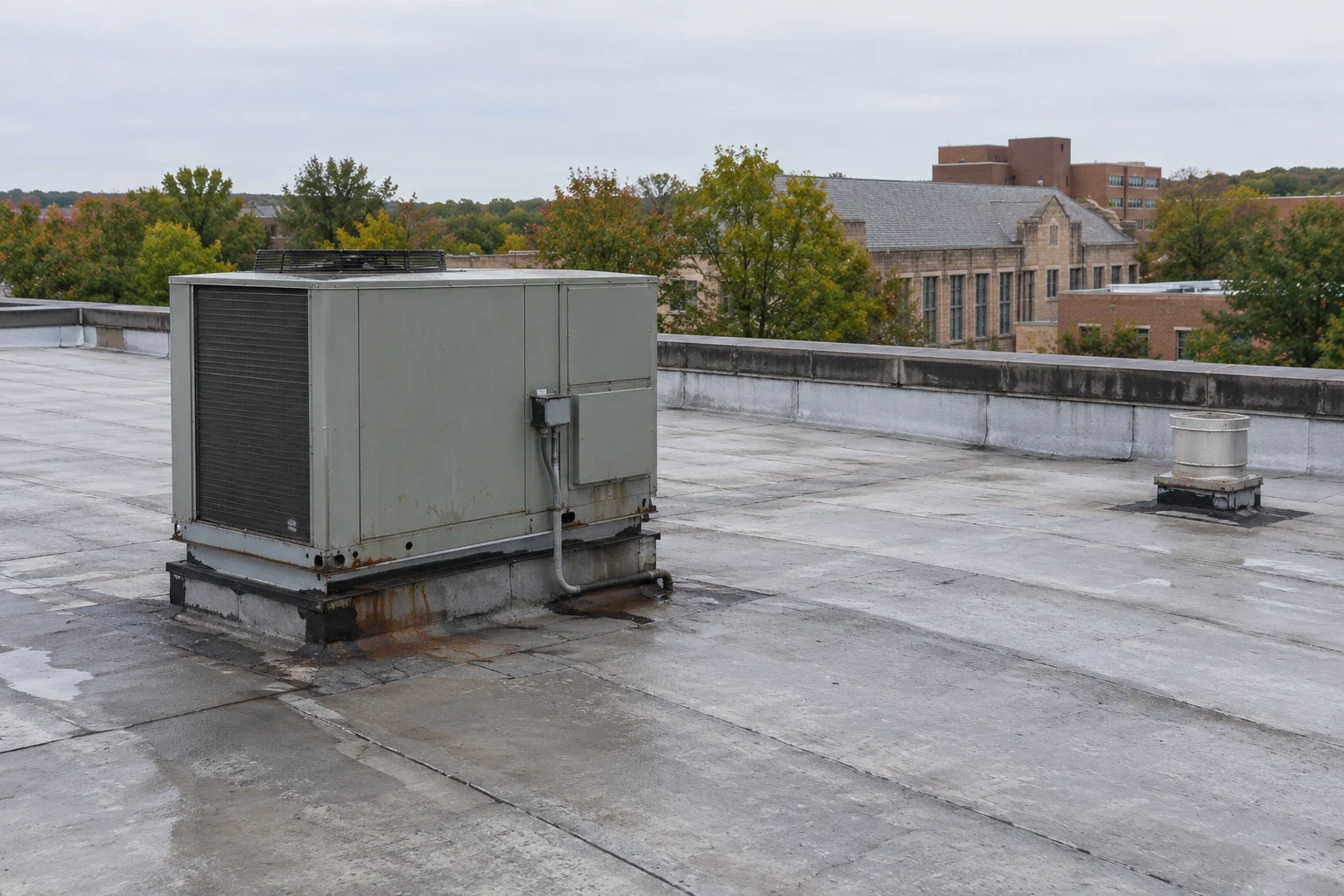
Fitness facilities may have rooftop fans, large duct runs, plumbing vents, skylights or pool equipment, depending on the building. We check the membrane or metal around each relevant penetration, look for movement and open seams, then trace drainage toward bowls, scuppers and perimeter outlets. If a pool or wet area is present, we include the related air-handling and interior report in the inspection file without assuming the water originated above that room.
The city climate record assigns Rochester 46.3 inches of normal seasonal snow, largely from December through March. For a fitness facility, we schedule drain and overflow checks before winter and compare repaired seams to dated photos; snowfall totals are not a structural-load calculation.
Work planning starts with the room below the roof section. We coordinate access, material staging, noise, odor and any air-handling shutdown with the facilities contact. A roof repair over an entry, court or class space may need overhead protection or a temporary closure; the map shows which route remains open. If work can be isolated to one section, the schedule says where that section begins and how the roof will be closed at shift end.
Classes and member traffic may change by hour, so the operator supplies the schedule and areas that cannot be interrupted. We confirm the work method against those constraints before mobilizing and identify who can approve a change if weather or concealed damage shifts the plan. The daily handoff notes completed work, temporary protection and any mechanical restart needed. That gives front-desk and facilities staff the same current information without asking them to interpret roof terminology.
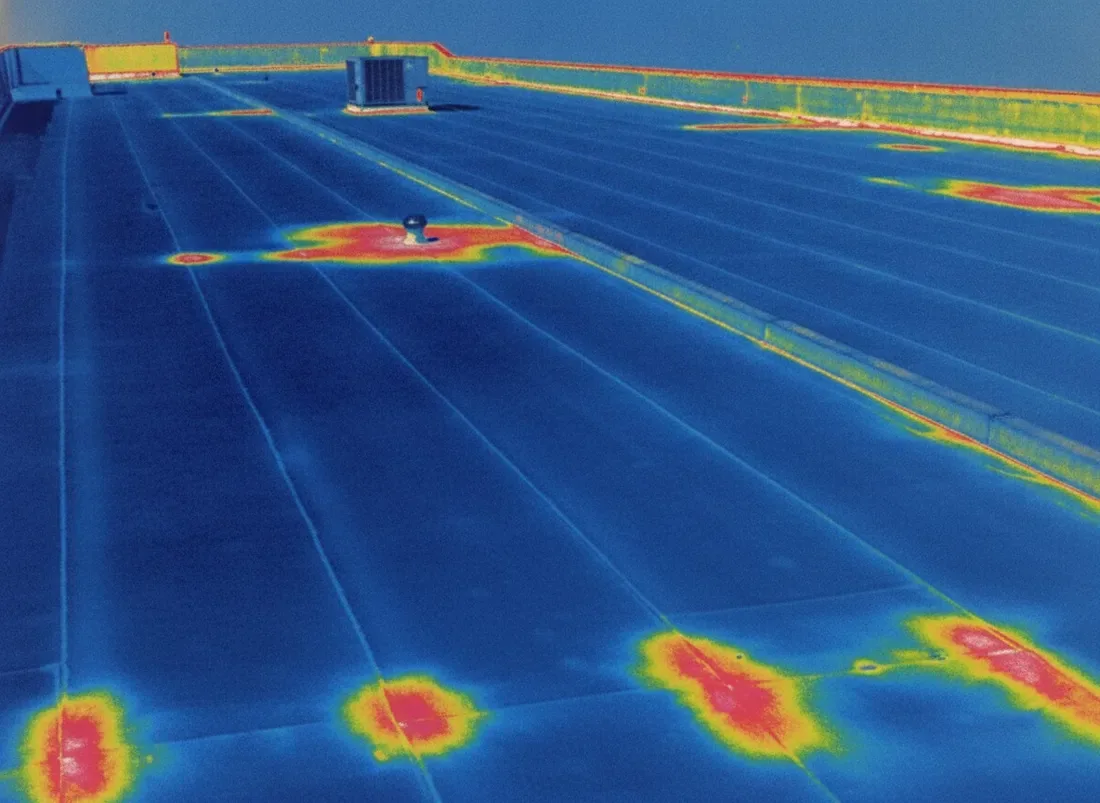
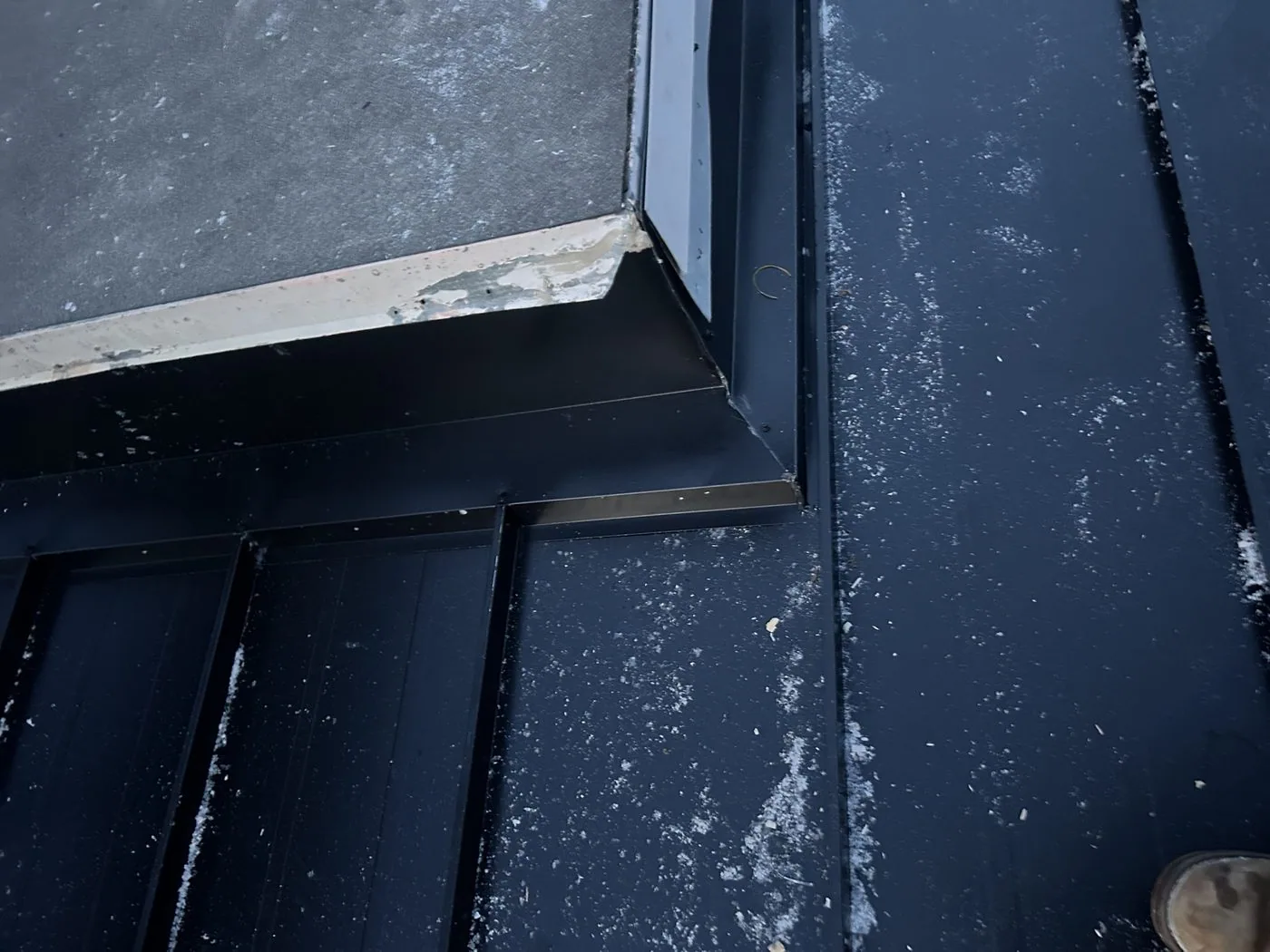
A single curb flashing can be repaired when adjoining membrane and insulation remain sound. If moisture testing shows a wider area or several similar seams are open, a larger roof zone may need attention. We list the test locations, measured scope and areas not opened. Equipment-curb repair can address the transition, while moisture surveying can help select further test points when conditions support the method.
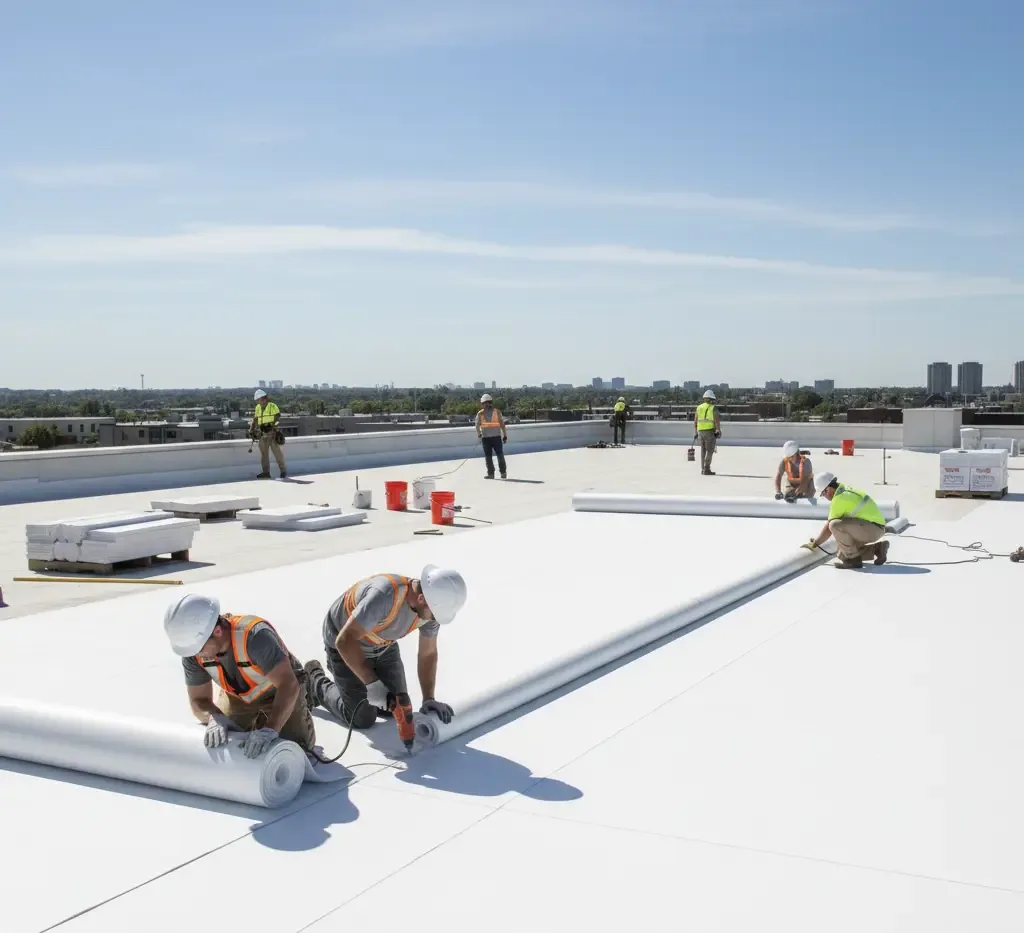
System choice depends on the existing layers, equipment, drainage and design requirements. TPO roofing or another assembly is evaluated against those site conditions rather than the gym use. An education building may share class scheduling and occupied-area coordination; a college facility may have different access and operating controls. We keep each location’s findings separate and compare repair with replacement from the documented condition.
Before opening a repair area, we agree on how it will be protected if the shift ends early. The sequence includes substrate inspection, membrane preparation, curb or seam work, material cure where applicable and final check. Any concealed condition is photographed before it is covered. If a mechanical contractor needs to isolate a unit or remove a component, the handoff names that contact and the roofing step that follows.
At shift close, we check the tie-in and confirm that temporary barriers and materials do not obstruct member routes below. The facilities contact receives the status of each roof section and any room that remains affected. The Downtown Waterfront is mapped along the Zumbro River and downtown street network; in a downtown recreation setting, street and loading access may affect staging, but actual access is confirmed with the property manager. A marked site plan connects the route to the work zone.
Each photo is labeled with the property, roof section, date and detail. The report records the system, equipment curb, drain path, tested area, repair materials and boundary, plus any interruption to HVAC or other equipment. A facilities lead can compare the current condition with the maintenance schedule and identify who owns a follow-up. If new rooftop equipment is installed later, that work should be added to the section record.
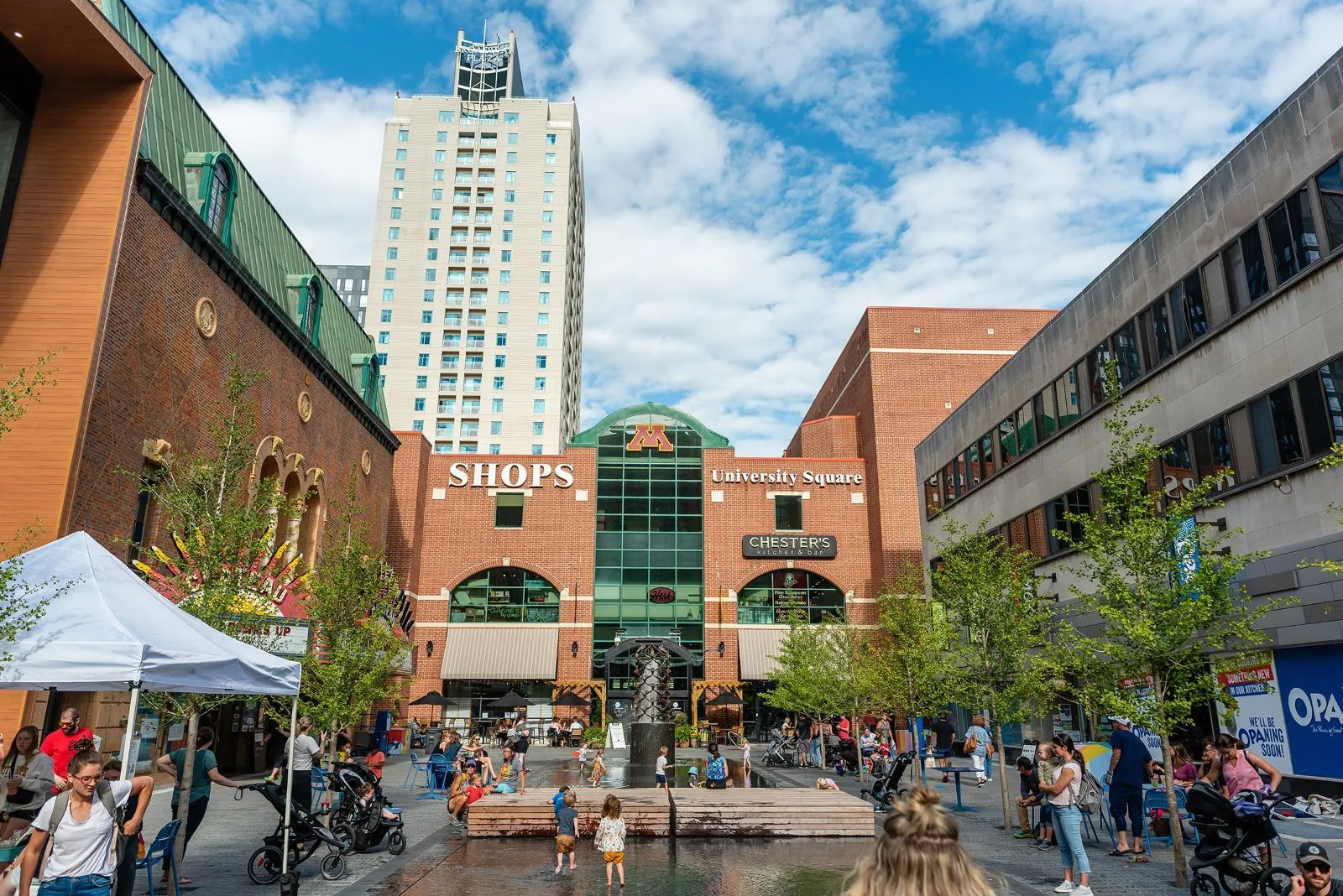
The University of Minnesota Rochester and Recreation area is a DMC subdistrict connected to central streets and nearby civic facilities. At a fitness property, we label the address, roof plan and inspected zones. Roof condition reports keep those findings, photos and next-review dates in a form the owner can revisit.
Before winter, we inspect drain bowls, overflows, metal edges and prior repair limits, then note any area where water is slow to clear. After a leak, rooftop equipment change or storm report, we compare new evidence with the existing section record. A maintenance visit should state what was accessible, what changed and when the next check is due. That detail is more useful than a general annual pass with no roof map.
For an after-hours leak, our response can stabilize the exposed area, photograph the roof condition and leave a written permanent-repair step. Preventive maintenance can align recurring checks with class and event calendars. A community worship facility also schedules around public use, but its routes and roof details require their own inspection and record.
Other services, systems and buildings that often come up alongside this work in Rochester.

From distribution centers to clinics and schools, we roof the buildings Rochester depends on.
We map the work area above the rooms and member routes, then coordinate noise, odor, air intake controls, staging and any short closure with the operator. Work can be phased if the roof detail permits a watertight stopping point each shift. If a room or mechanical system must be unavailable, the scope identifies that need before the crew opens the roof.
We compare the interior report with roof seams, curbs, drains and transitions, then identify whether testing can change the repair scope. When a pool or wet area exists, we include its ventilation and equipment contacts in coordination, but do not assume the room proves the entry point. The report distinguishes roof evidence from interior conditions.
Yes, where fans or ductwork are present, we inspect the curb flashing, supports, adjacent seams and nearby drainage. We note any equipment service or shutdown that could affect access. The record separates roofing repair from mechanical work so the right trade handles each task and the closeout identifies the next check.
The city’s 1991 to 2020 snowfall record gives Rochester a 46.3-inch seasonal normal, with most accumulation in the four months from December through March. We check drainage and prior repairs before that period. The climate record does not set replacement timing; our recommendation follows the roof system, seams, equipment transitions and moisture findings.