Water is coming into the building right now
Call us and tell us where the water is showing up. We will get a crew on the roof to stop the leak and protect the space below.

Property Types We Roof
Manage Rochester government roof repairs with defined access, public-route protection, code coordination, and a condition record for each building.
Call us and tell us where the water is showing up. We will get a crew on the roof to stop the leak and protect the space below.
We walk the roof, photograph what we find and give you a written scope with repair options before any work starts.
Rochester, MN
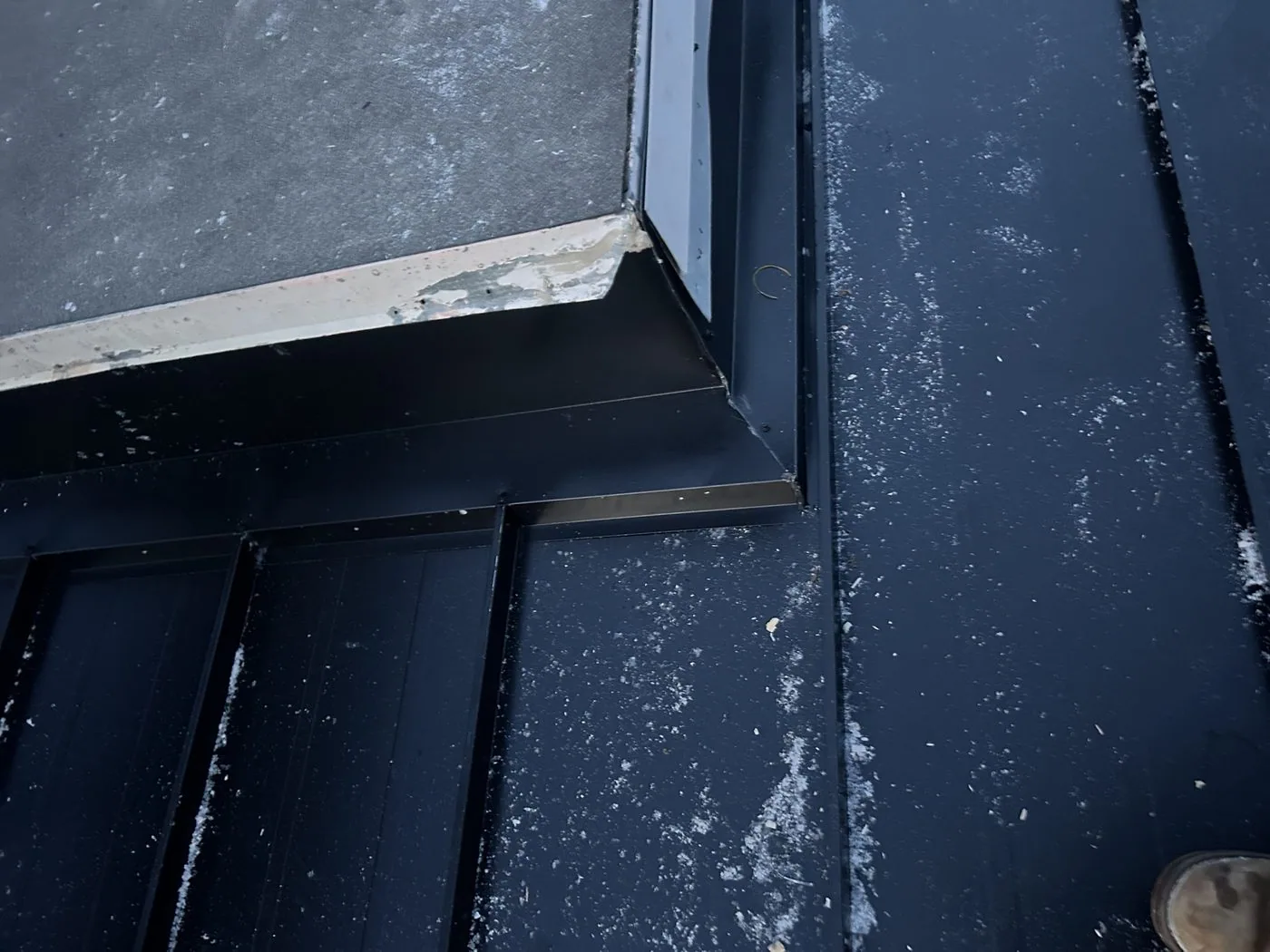
A coping splice over a public entrance joins the roof edge, wall face and pedestrian route below. We inspect the splice, cleats, membrane termination and drainage, then map the repair to the entrance and building contact. Rochester’s local economy includes county and municipal government, and Downtown Rochester is identified as a central urban center for business, cultural and government services. Those facts help frame the market, while the actual building, roof system and public access rules must be confirmed on site.
We check the available roof plan, maintenance file and reported issue before opening a detail. A leak inside a public office may follow a seam, curb or wall connection before reaching the ceiling. The report records the roof evidence, tested area, interior report and proposed repair limit separately. That gives a facilities team a clear scope to review with procurement, building operations and the people responsible for public access.
Provide the property address, roof concern, available drawings or system records, and authorized facilities contact. We will document the affected section, coordinate access, and return a repair scope for review.
Government properties can include offices, service counters, meeting rooms and support spaces, with different access controls at each door. We identify the active roof section, inspect drains and overflow paths, then check seams, wall transitions, penetrations and metal edges near the reported condition. If moisture testing is useful, we mark the test location and result. Where access is restricted, the report explains the area reached and the conditions that still need confirmation.
Rochester’s 46.3-inch seasonal snowfall normal is concentrated between December and March. A pre-winter roof review can focus on drain bowls, scuppers, coping joints and previous repairs that affect meltwater routing. That climate normal is not a structural load calculation, and an inspection does not establish capacity from appearance alone. We document observable concerns and identify when additional engineering review is appropriate so the owner can route the decision to the right professional.
Before mobilization, we coordinate access, badging or escort requirements supplied by the owner, material staging and the area below the roof zone. A repair over an entrance or public counter may need overhead protection, a temporary route or an off-hour work window. We identify those controls in the scope and confirm who can approve a change. The actual government access procedure comes from the building authority; it is not assumed from the property type.
Twenty-three bus routes travel on 2nd Street and Broadway through the Downtown Commercial Historic District, with public parking ramps nearby. That fact describes the district, not the access rules for a particular facility. If a building is in an active downtown setting, we verify delivery, lift and pedestrian routes with the owner and account for them in the work sequence. The daily log records which public path remains open and when temporary protection can be removed.
A failed coping joint with dry adjoining materials may support a focused repair. If the membrane termination, wall flashing or insulation also shows deterioration, the work boundary may widen. We measure the affected area, identify the materials and show where the repair stops. Coping and edge-metal work can restore a specific transition; a roof inspection can assess adjoining conditions before a larger scope is authorized.
Rochester Code Chapter 4-6 addresses Commercial/Industrial Building. The City’s building information also points applicants to state-code material used in project review. The applicable path depends on the proposed work. We describe whether the scope is a repair, recover or replacement, then coordinate permit and inspection questions with the owner. A capital plan can sequence documented needs across public properties. A house of worship may also serve visitors on a schedule, but public-building procurement and access controls remain specific to the agency.
Photos are keyed to a building number, roof zone, date and detail. The report keeps field observations, test findings, proposed scope, approved changes and completed repairs distinct. We also record the access limit, agency contact and any temporary measure that remains. That lets facilities and procurement teams compare the estimate with the work completed, even when the project passes between departments.
Downtown Rochester’s plan describes a mix of business, cultural and government services, while the Downtown Commercial Historic District has a designated inventory of properties and contributing structures. Neither district fact establishes the roof history of a public building. We record the property address and actual assembly so the owner can compare the approved scope with closeout photographs. Roof condition reporting can preserve the same detail for a later budget cycle.
Maintenance intervals should reflect the installed assembly, previous findings and access requirements. Before winter, we check outlet paths, edge metal, open seams and any temporary repair. After a leak or weather report, we document the affected section and compare it with earlier photos before authorizing additional testing. A condition register can keep the next inspection date visible without blending one public asset into another.
For active water entry, our response can begin outside normal hours and on holidays. The first visit documents the condition and protects the exposed area; permanent work follows once the building contact and access route are confirmed. Preventive maintenance can align recurring checks with agency schedules, while a school roof has separate student and campus controls. In both cases, the record should name the building, section, responsible contact and next action.
Other services, systems and buildings that often come up alongside this work in Rochester.
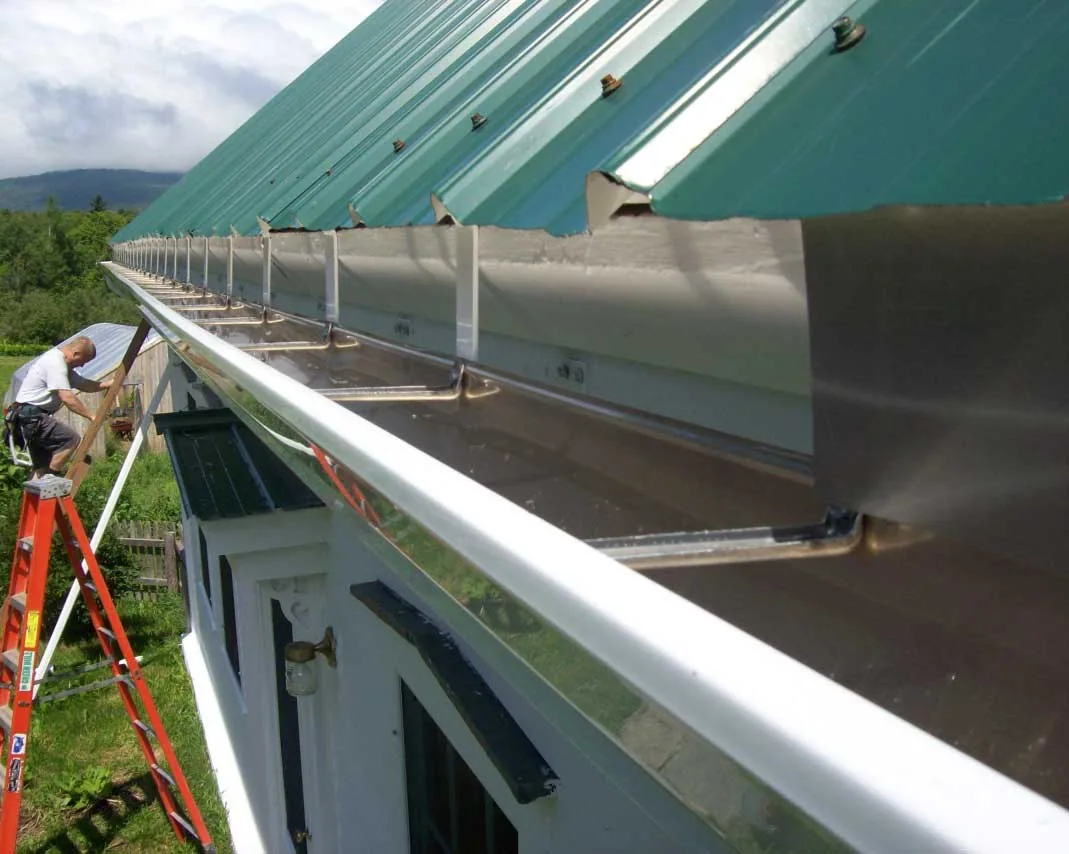
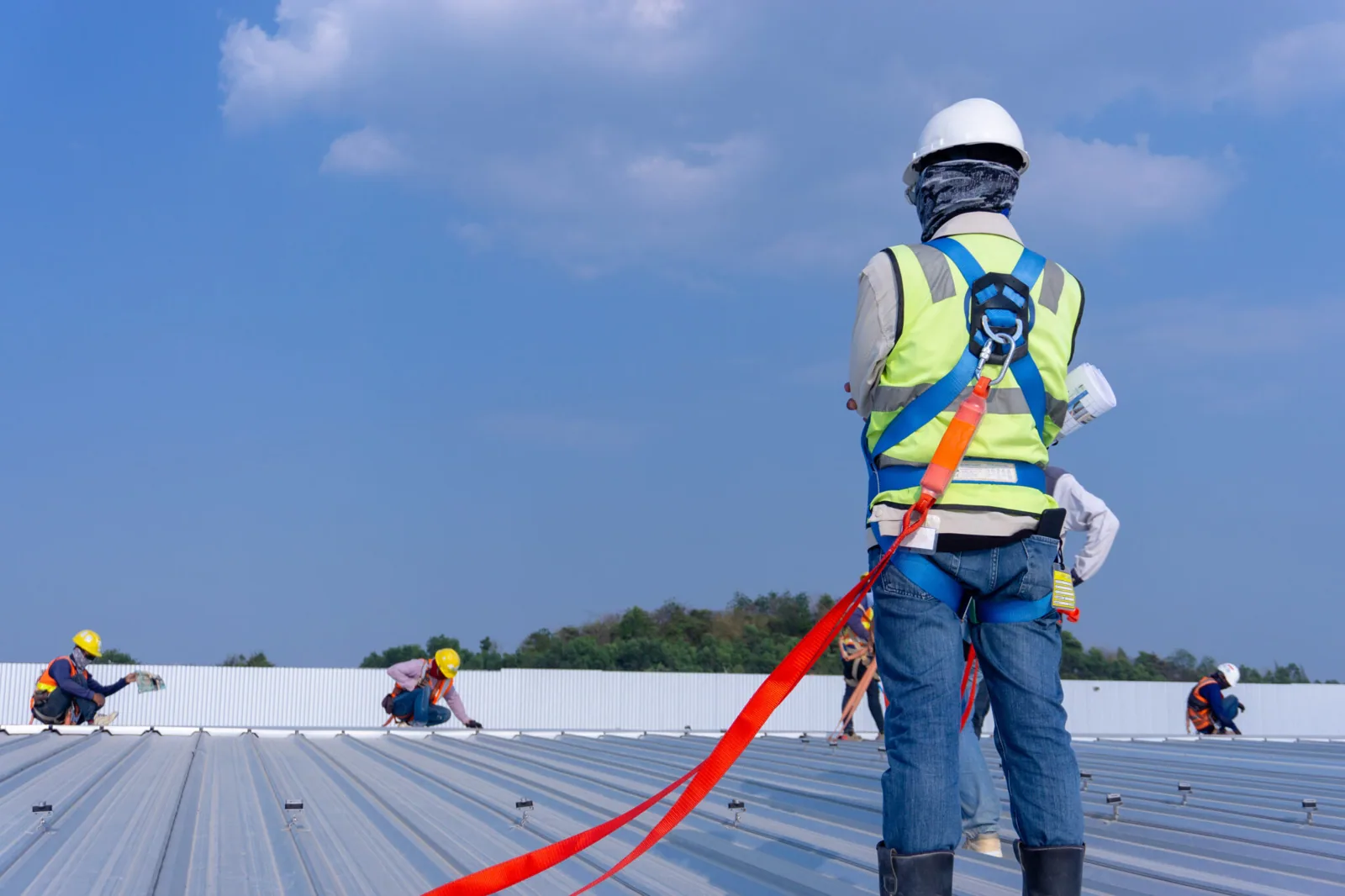
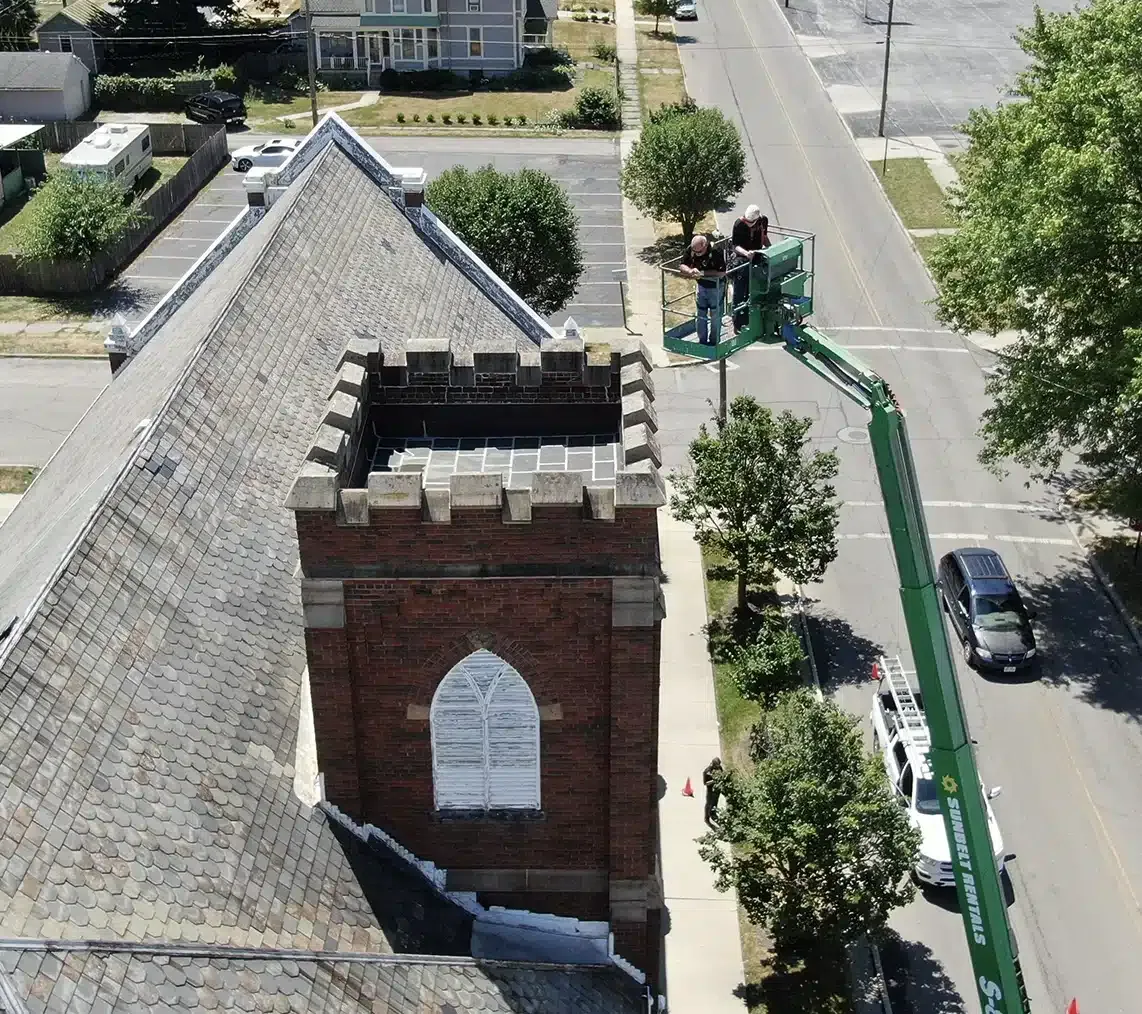
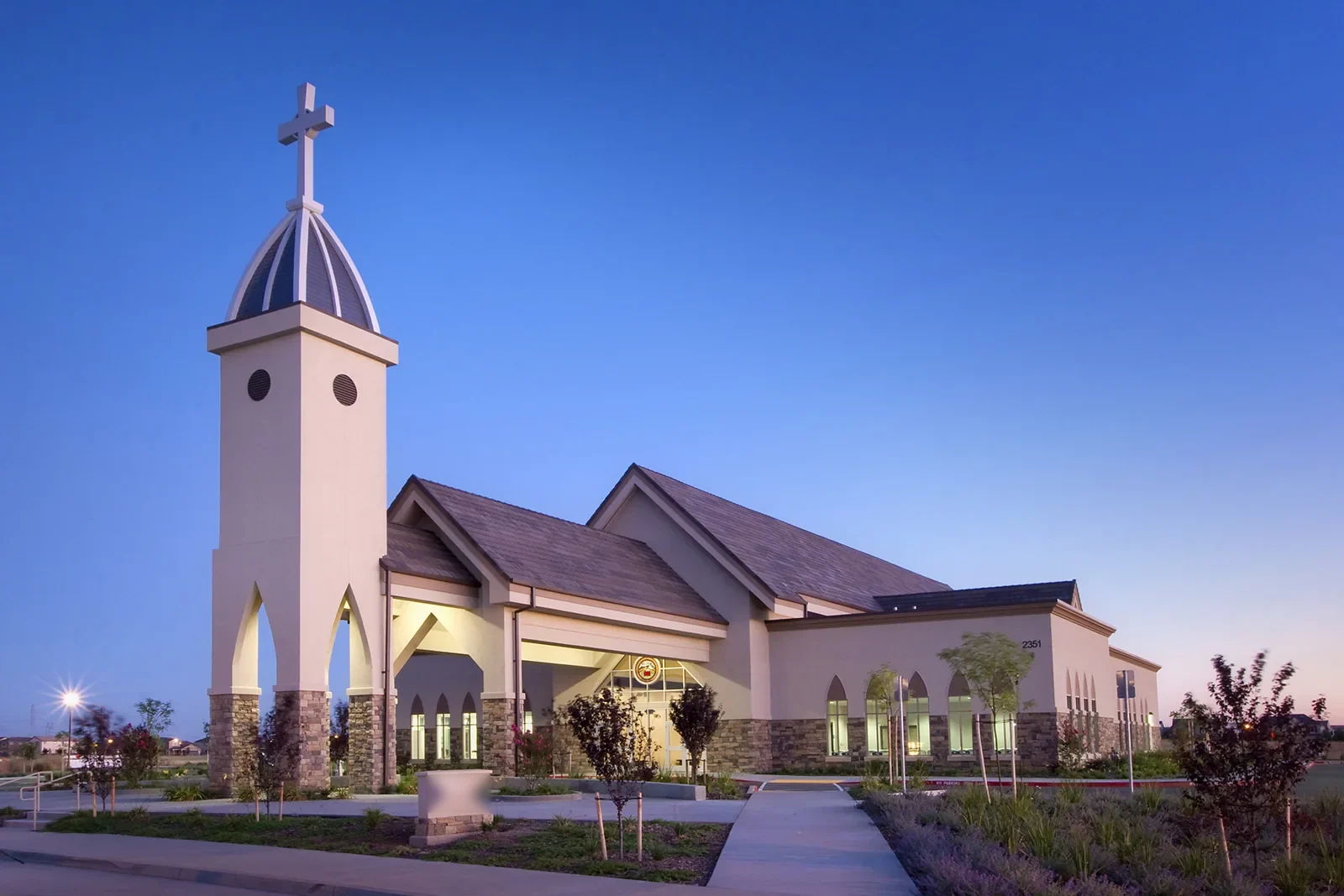
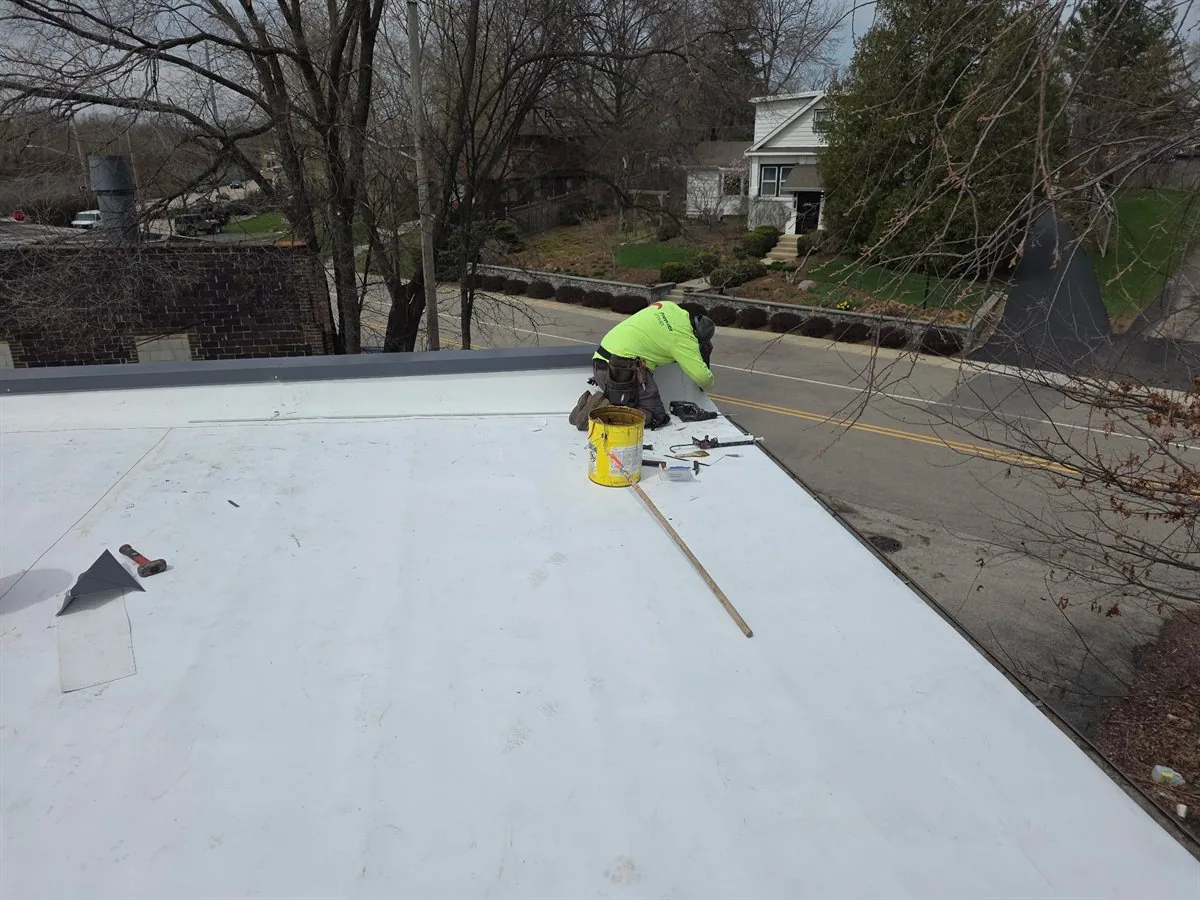
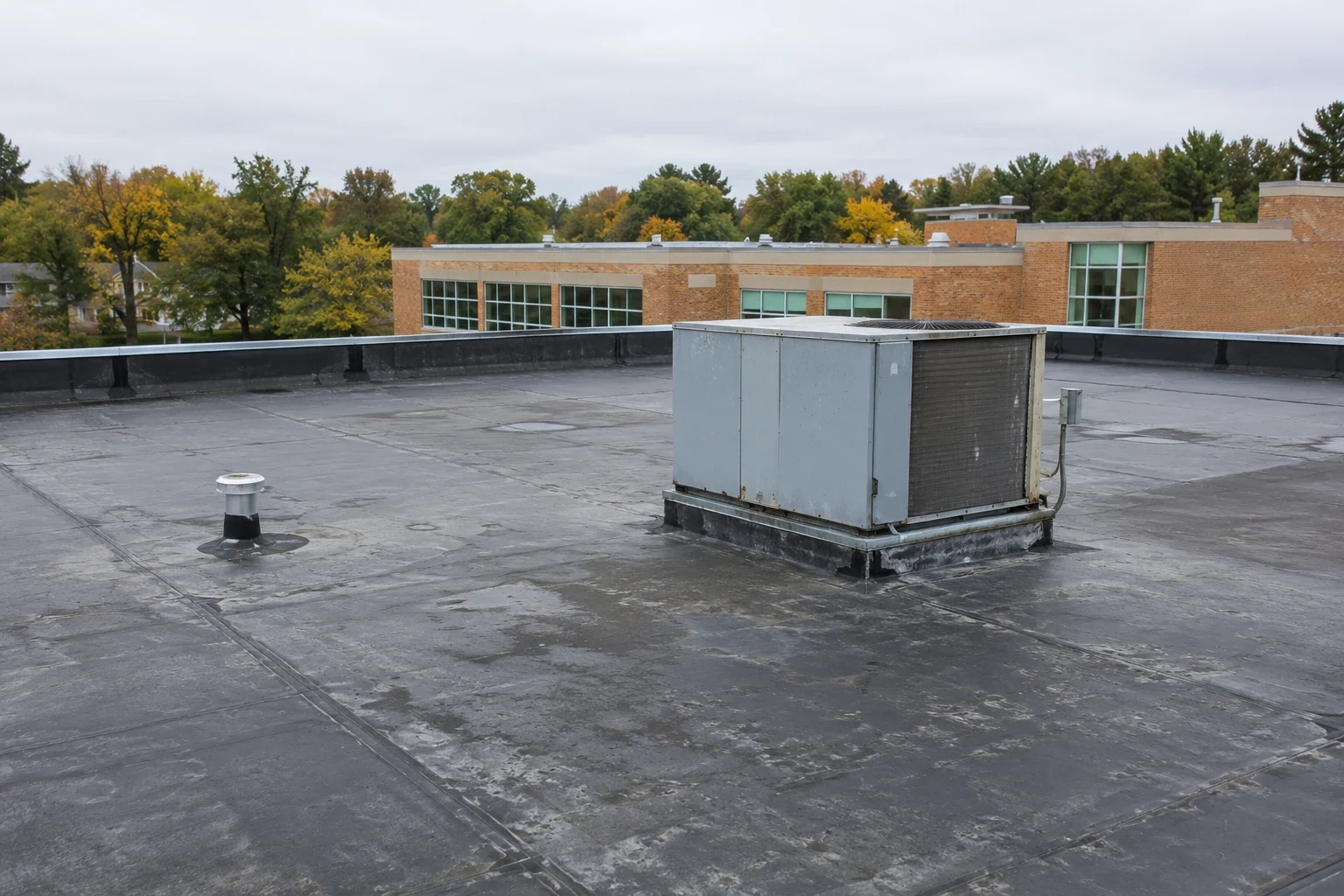

From distribution centers to clinics and schools, we roof the buildings Rochester depends on.
We identify the roof zone above the entrance, then coordinate staging, overhead protection and any temporary route with the building authority. If an off-hour window or closure is needed, it is listed before mobilization. The daily note records which public path is open and who receives notice if weather changes the sequence.
The review path depends on the proposed work and applicable code requirements. Rochester maintains commercial and industrial building code provisions and lists state resources used for plan review and inspection. We describe the repair or replacement scope and coordinate the permit question with the owner, rather than applying one rule to every roof visit.
Include the building and roof-section plan, inspected conditions, test locations, materials, repair limits, access requirements, approvals and closeout photos. A record should distinguish the original observed condition from later changes in scope. We can label findings so procurement and facilities staff can compare the proposal with completed work.
We first coordinate with the authorized building contact for access and any escort or safety rules. The visit focuses on controlling active water entry and recording the visible roof condition. We identify temporary protection and the next inspection or permanent repair step in writing, keeping any unvisited or untested area outside the confirmed scope.