Water is coming into the building right now
Call us and tell us where the water is showing up. We will get a crew on the roof to stop the leak and protect the space below.

Commercial Roofing Services
Request emergency commercial roof repair in Rochester for active leaks, wind damage or an exposed opening, with temporary protection and a repair record.
Call us and tell us where the water is showing up. We will get a crew on the roof to stop the leak and protect the space below.
We walk the roof, photograph what we find and give you a written scope with repair options before any work starts.
Rochester, MN
A temporary dry-in begins with the exposed edge, not a guess at the final repair. We respond around the clock, every day of the week, holidays included, to limit water entry and protect the building while the roof is assessed. The first visit identifies the active opening, safe access, nearby drains and interior exposure. Temporary protection is recorded separately from permanent work so the owner knows what has been stabilized and what still needs a complete detail.
When a Rochester roof emergency follows hail or a tornado warning, the first decision is whether a crew can reach and stabilize the opening safely. The April 17, 2026 regional record places 1.5-inch hail in northwest Rochester and an EF-2 tornado near Stewartville; we use those separate reports as timing context, then assess the requested building and record what its roof actually shows. The 46.3-inch seasonal snow normal also informs cold-season planning, not a property diagnosis.
Call with the Rochester property address, active roof concern, affected interior area and access contact. We will document temporary protection and identify the permanent work still needed.
On arrival, we confirm the safest access, identify active water and coordinate with the person who can authorize temporary protection. Inside, we note affected areas and protect contents where practical. On the roof, we find the opening or exposed edge, check whether water is moving toward a drain, and choose a stabilization method that fits the existing system and current conditions. A cover should not block an outlet or create a new pocket for water to collect.
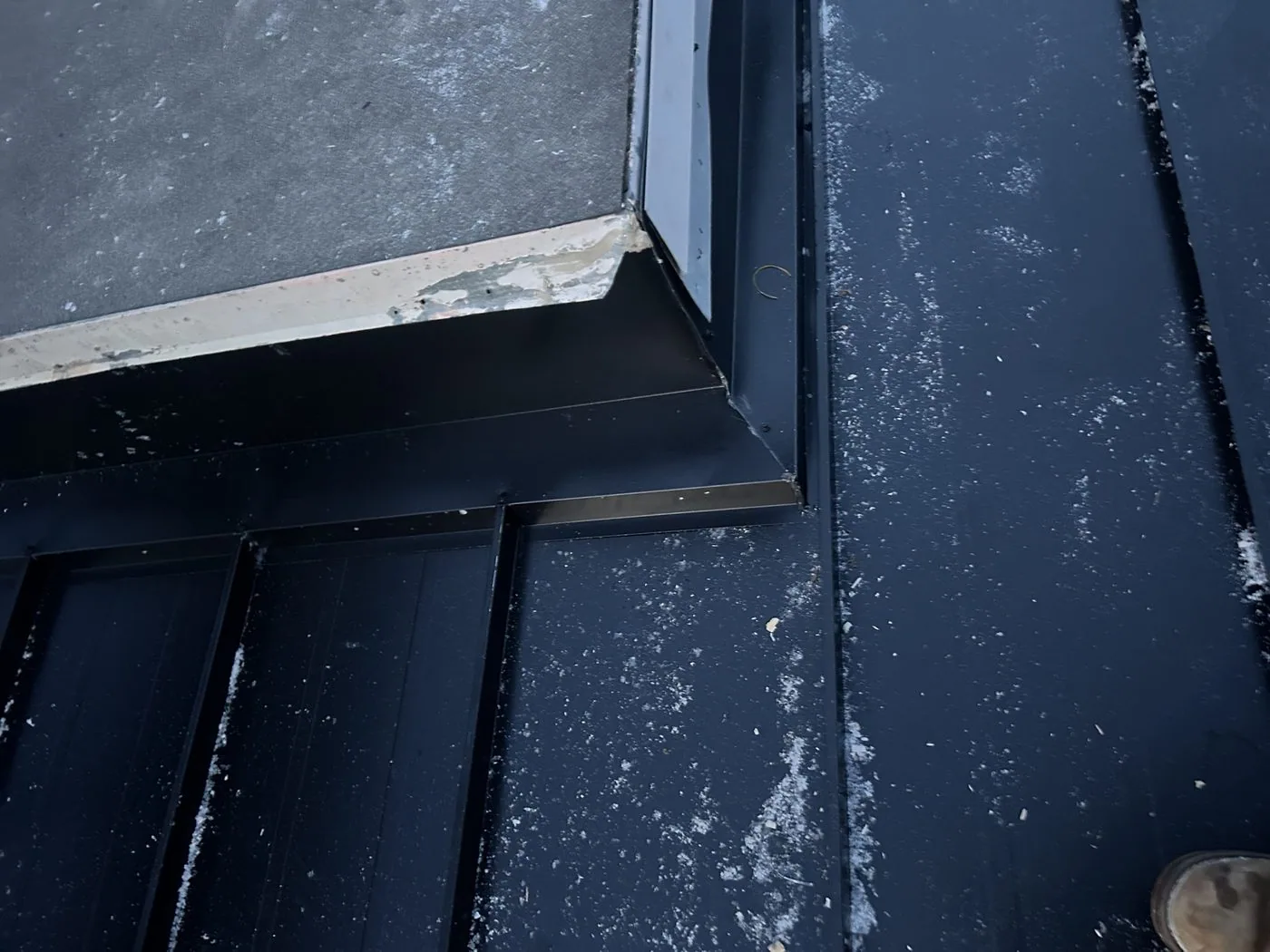
We document the temporary measure with photographs, location and time, then state what needs to happen before the permanent repair. If the opening sits beside a curb or wall, the dry-in should protect the transition without concealing loose flashing that still needs replacement. For a Stewartville property or a Downtown Rochester building, we ask for the building contact, tenant restrictions and interior access route so the response can protect operations as well as the roof.
Temporary protection has limits. A tarp, cover board or compatible seal may reduce immediate exposure, but it is not a permanent repair unless the assembly and installation method support that use. We note where the measure begins and ends, how it is secured, which drain paths remain open and what weather or access condition may require another visit. That boundary gives the facility manager a clear task list instead of an assumption that the leak call is closed.
If water has reached insulation or the deck, we identify the visible area and flag concealed conditions for testing or removal. We do not cover a soft or wet substrate and treat the roof as restored. When the building is operational, we coordinate the temporary repair with interior response, equipment access and any loading route that must stay open. A follow-up leak repair visit can trace the water path and set the permanent detail once the roof is safe to prepare.
After stabilization, we inspect the surrounding membrane, seams, edge metal, penetrations and drainage to determine whether the opening is isolated. The report separates visible impact from suspected movement and notes any area we could not reach. A hail report or strong wind may explain when a call began, but the property inspection determines what failed. We photograph displaced metal, torn flashing, punctures or open laps only when they are present at the site.
A storm call is closed in two stages: first, note what was stabilized and the limits of that temporary measure; later, inspect the exact roof components and set the permanent repair. If reports cite April 17, 2026, the weather record places hail in northwest Rochester and a separate EF-2 tornado near Stewartville. A wind-damage review or snow and ice damage inspection records the relevant components separately. We keep those locations distinct and describe only what the named building inspection confirms.
Once the roof is stable and access is available, we scope the permanent repair. The work order identifies the failed detail, material compatibility, preparation, replacement limits, drain or curb work and any testing still needed. If conditions point to a larger failure pattern, we show a separate commercial roof inspection option. That allows an owner to approve immediate correction without losing sight of a capital decision that may involve other roof sections.
Some buildings need a phased return to normal operations. A medical or civic facility may require an agreed route and interior protection; industrial and warehouse uses may need delivery and loading areas kept clear. Rochester International Airport and its business park are distinct facilities with their own access requirements, so a project there would need property-specific coordination. For any site, we confirm delivery, staging, work hours and the daily tie-in before permanent installation begins. The schedule should say who can approve concealed-condition changes while the roof is open.
The emergency record lists the call time, temporary measures, roof section, observed defect, photographs and follow-up required. The permanent repair record then identifies materials, completed tie-in, tests and any area excluded from the work. Keeping the two records separate lets the asset manager see whether the roof is still under temporary protection or has received a complete correction. If water returns, the location can be compared with the prior opening and repair boundary.
Send the Rochester property address, active leak or exposed area, affected room, available system records and a contact who can approve access. If a storm event triggered the call, include the approximate time and any photos from the property. We will document what was stabilized first, then return with a sequenced repair scope when conditions permit. A condition report can carry the observations into maintenance planning so the same detail is not rediscovered during the next call.
Other services, systems and buildings that often come up alongside this work in Rochester.
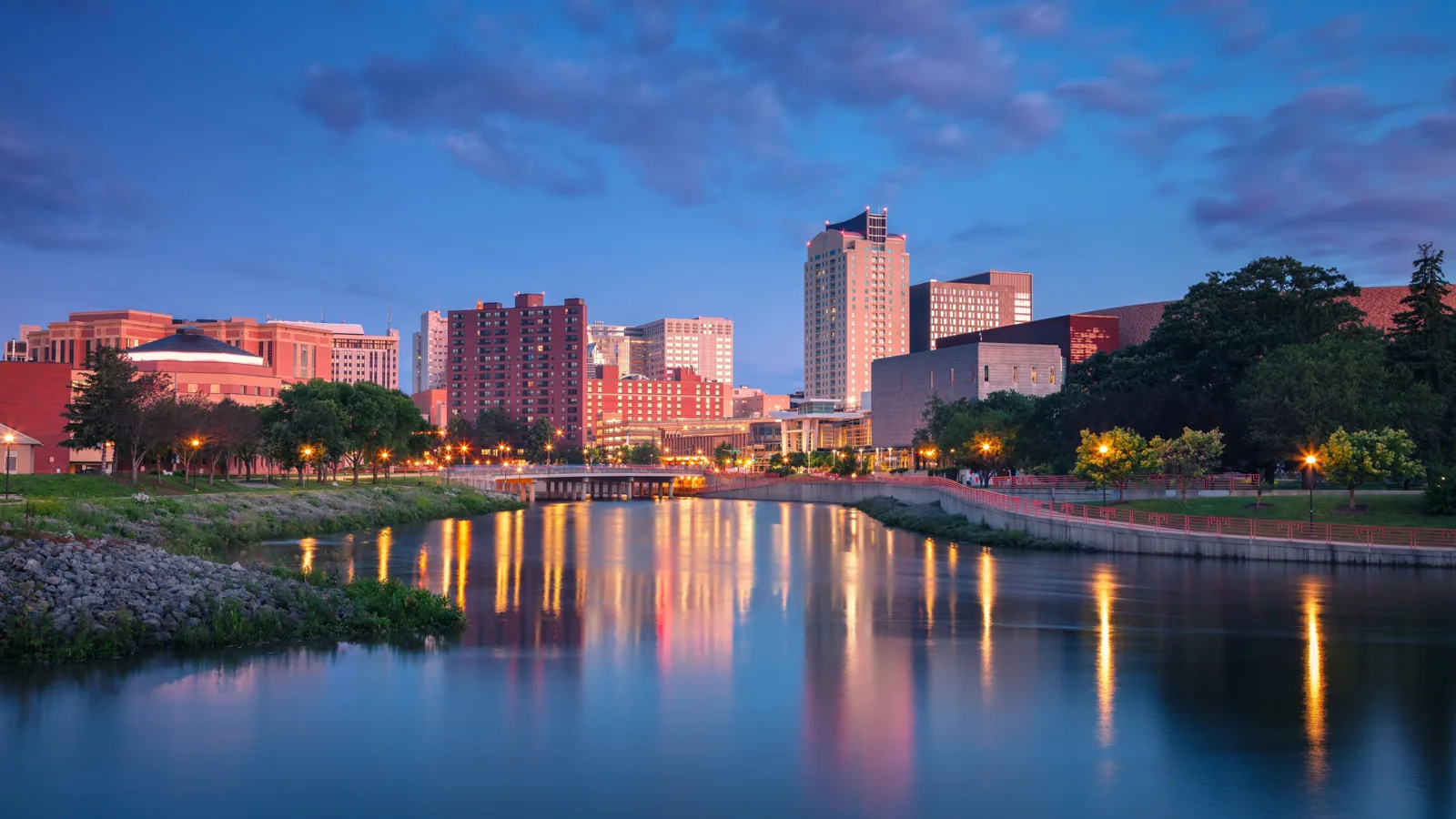
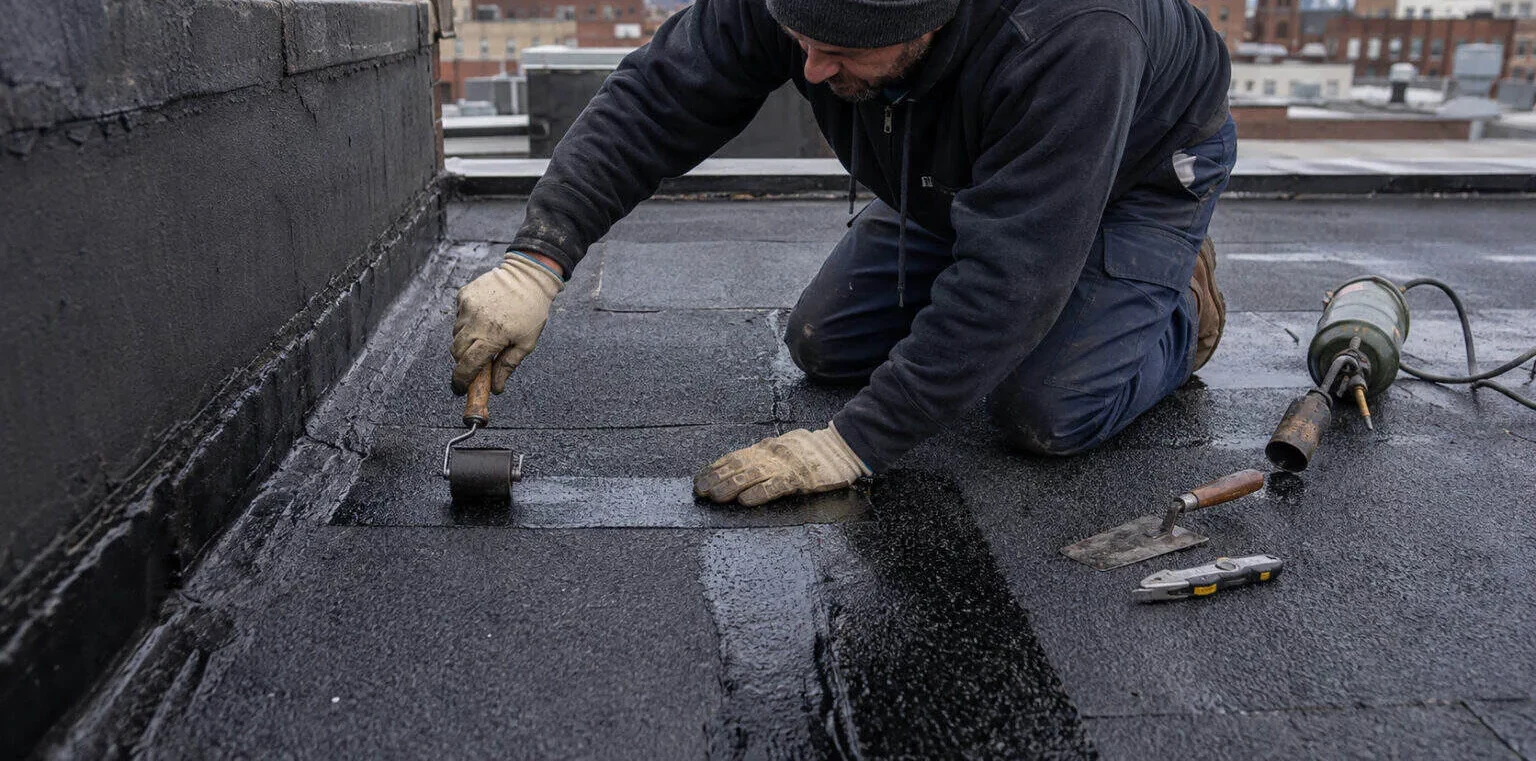
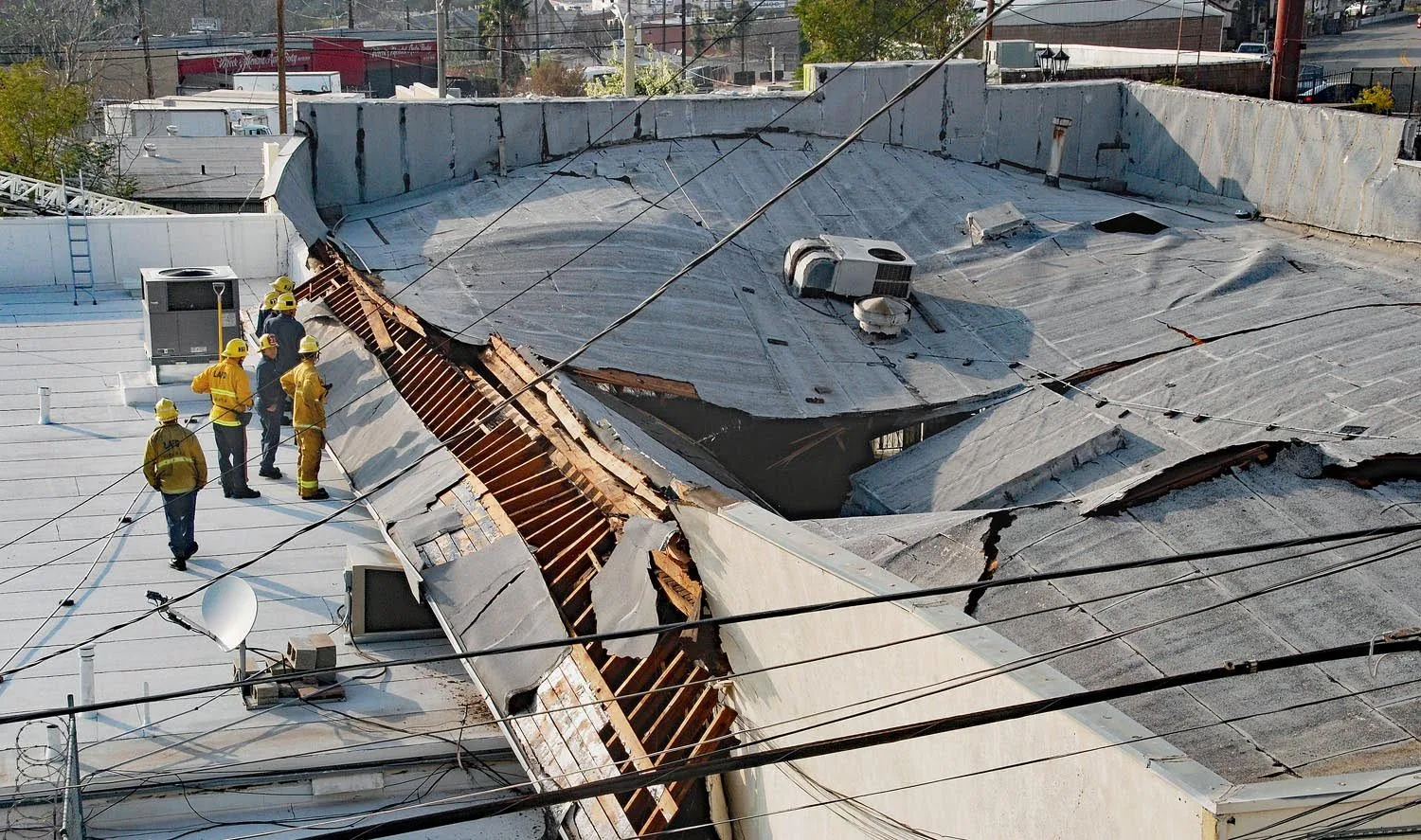
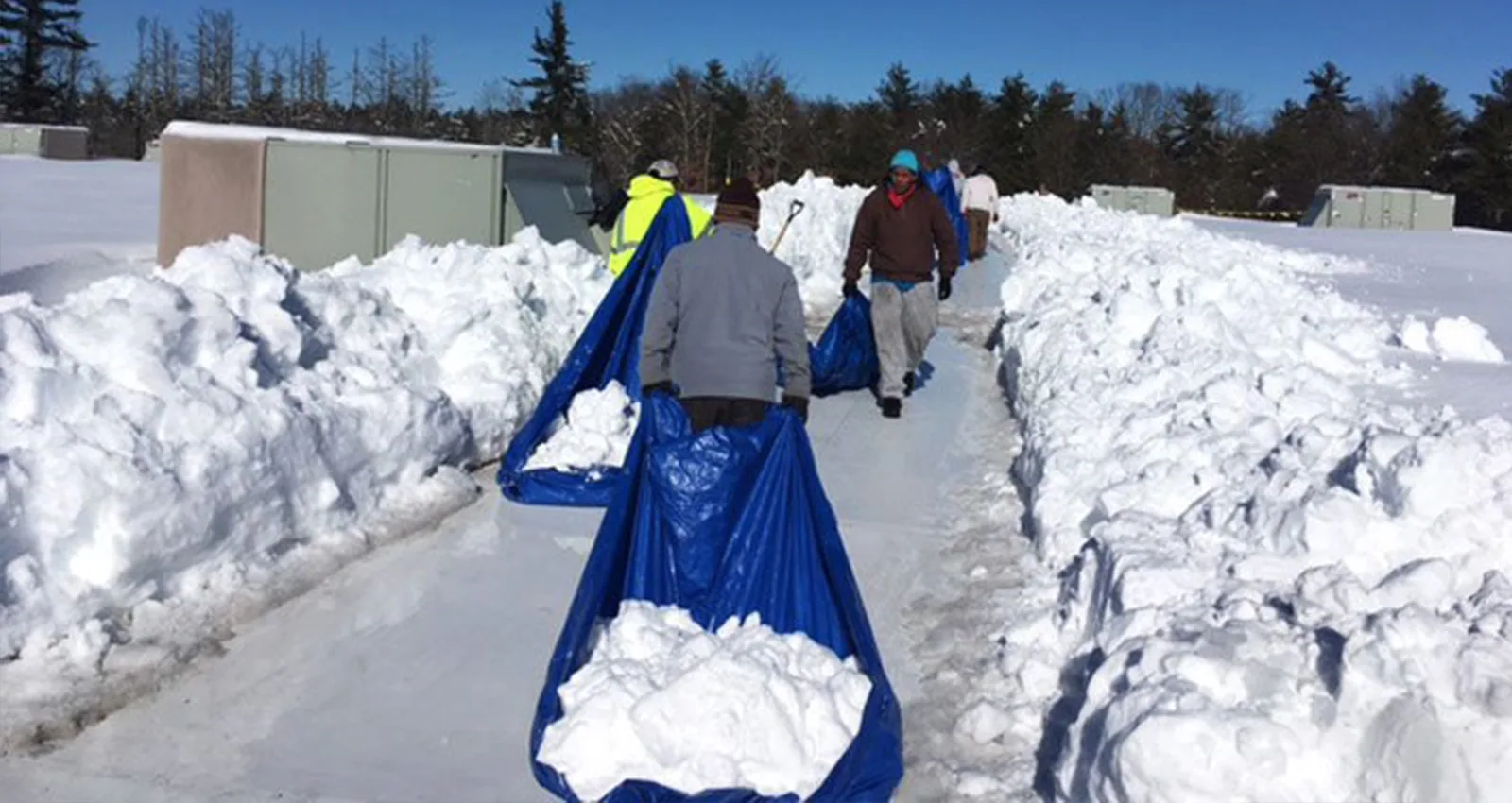
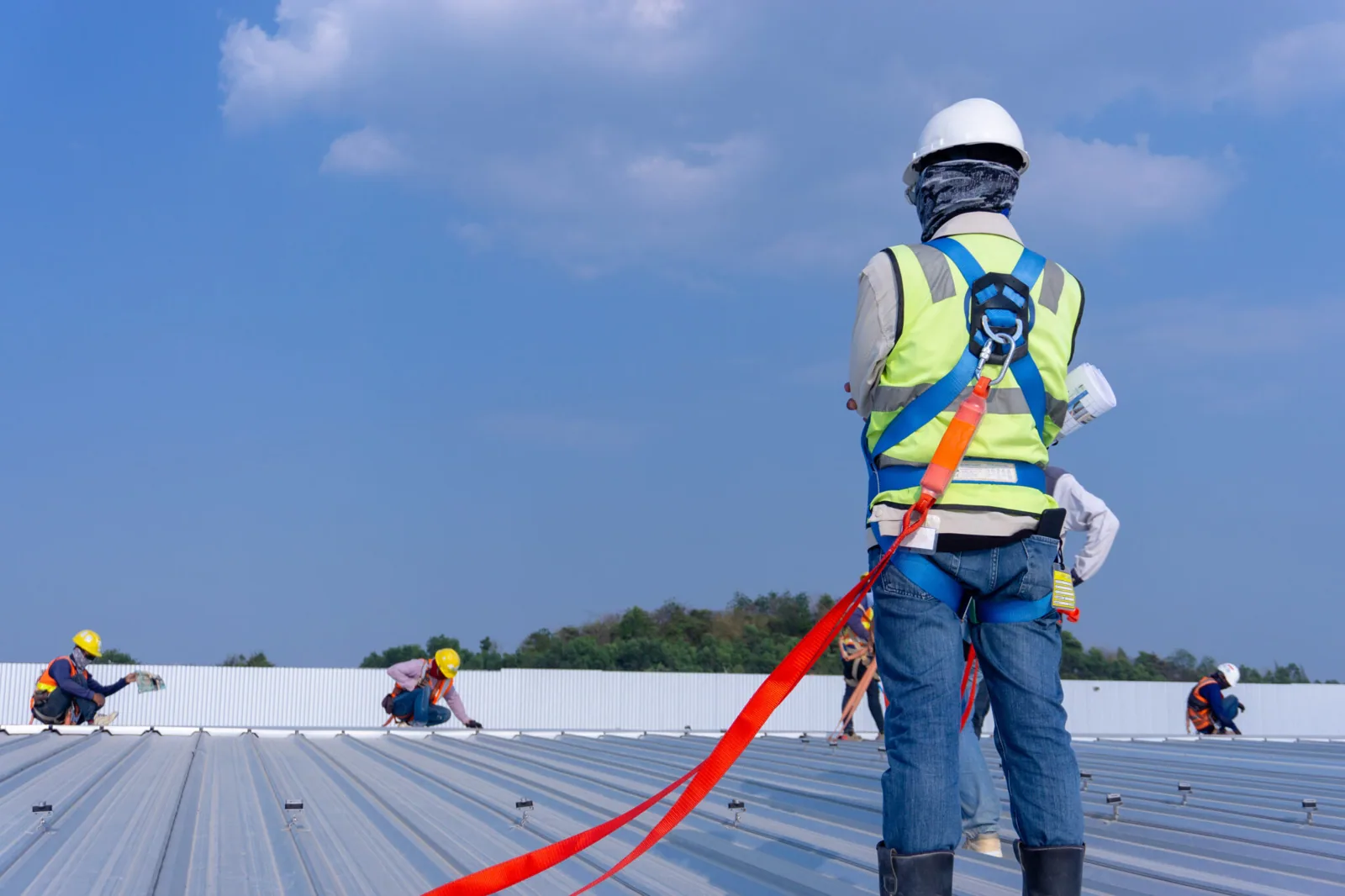

From distribution centers to clinics and schools, we roof the buildings Rochester depends on.
We respond around the clock, including weekends and holidays. Timing depends on safe access, weather and the opening’s condition. The first visit focuses on limiting exposure with a method suited to the roof. We document any area that cannot be stabilized until conditions improve and identify the next action rather than leaving a temporary measure without a follow-up plan.
No. Temporary protection reduces immediate exposure while the roof is assessed, but it may leave concealed material or permanent flashing work unresolved. We label the boundary, photograph the measure and state what remains open. The permanent repair is separately scoped and documented after the surface can be prepared correctly.
Yes, we can inspect a property after a reported event, but the weather report does not prove damage at that address. The NWS documented hail in northwest Rochester and an EF-2 tornado near Stewartville on April 17, 2026. We inspect the named building, photograph observed conditions and connect any repair recommendation to those findings.
Report the property address, affected room, active water or exposed roof area, and a contact who can arrange access. Protect contents only where it is safe to do so, and keep people away from wet electrical equipment or an unstable ceiling. Share roof records or recent repair notes if they are available; we will confirm access and staging with the facility contact.