Water is coming into the building right now
Call us and tell us where the water is showing up. We will get a crew on the roof to stop the leak and protect the space below.

Commercial Roofing Services
Trace a commercial roof leak in Rochester from the interior report to its roof opening, then document the repair boundary and any remaining tests.
Call us and tell us where the water is showing up. We will get a crew on the roof to stop the leak and protect the space below.
We walk the roof, photograph what we find and give you a written scope with repair options before any work starts.
Rochester, MN
A ceiling tile can mark where water became visible, not the roof opening that let it in. We pair the interior report with a roof walk, then follow seams, curbs, wall transitions and drain paths around the likely entry area. The goal is a repair boundary tied to observed evidence, with any uncertain path called out for testing. A stain alone is not enough to choose a flashing detail or declare a roof section repaired.
The 1991-2020 climate normal assigns Rochester 46.3 inches of seasonal snow, with most of that total occurring between December and March. For an active leak, we use the season to prioritize drain and exposed-lap checks; a Valley High Business Center North property or a Downtown Rochester office still needs its own address, interior report and roof evidence to set the inspection route.
Send the Rochester address, affected room, timing, available roof records and portfolio contact. We will document the likely water path, repair boundary and any test or access still needed.
We begin indoors by noting the affected room, ceiling condition, timing and whether water appeared during a storm, thaw or equipment operation. On the roof, we inspect above and around that zone: membrane seams, flashing corners, curb faces, penetrations, metal transitions and drainage. Water can move laterally below the membrane or insulation, so we compare likely paths rather than assuming the closest roof detail is the source. The sketch records confirmed openings separately from areas that need a closer test.
At a medical-office building, the facility contact can help identify equipment rooms, occupied areas and any sensitive interior spaces. At an industrial property, a leak report near a loading or production area may need a different access window. We coordinate that access without converting the interior symptom into a roof diagnosis. If a broad condition emerges, a full condition inspection can map separate roof sections and identify whether this is one leak or several unrelated defects.
Our notes state what was observed, where it was found and what remains uncertain. A wet ceiling, open seam, loose termination or blocked drain each has a different evidentiary role. We photograph roof details with a wider view and a close view, then label the roof section and matching interior report. If we recommend a core cut or other limited test, the report explains the question it will answer and how the opening will be restored.
Rochester's major roads and downtown include commercial and office uses that can require different access windows and tenant coordination. In a multi-tenant property, the work order should preserve unit and roof-section references so that later calls can be compared accurately. We do not combine separate reports under a single “leak” label when the observed locations differ. The closeout package can include a condition record with repair photographs, tested areas, material used and the next review date. That gives the asset manager a clear baseline if water returns.
When water is active, we first protect the interior and limit exposure while the source is investigated. Emergency response is available around the clock, every day of the week, including holidays. The temporary measure must be suited to the roof system and weather conditions; a cover or seal that traps water or blocks a drain can move the problem elsewhere. We record temporary protection separately from permanent repair so the owner knows what still requires follow-up.
For a permanent fix, we prepare the membrane and substrate, then install a detail compatible with the existing assembly. A seam repair needs sound material on each side, while curb flashing needs a secure termination and continuous corner treatment. Drain bowls and scuppers are checked for obstruction and connection to the surrounding membrane; a drain repair should be included when the leak path points to the drainage detail. If hidden insulation is wet, we mark that boundary for direction instead of covering it with a surface patch.
A focused repair is appropriate when we can identify a bounded defect and the surrounding materials can support a tie-in. If the opening sits within broader membrane failure, moisture extends into adjacent sections, or similar symptoms repeat at separate details, the owner may need a larger scope. We list those findings and their locations. The proposal shows what the repair addresses, what is excluded and which test could change the scope before work begins.
The National Weather Service recorded two separate April 17, 2026 observations: hail measuring 1.5 inches in northwest Rochester and an EF-2 tornado near Stewartville in Olmsted County. Those reports identify regional events, not damage at this address. We inspect the named roof, photograph any displaced edge, puncture or flashing condition actually present, and set the repair limit from those findings.
After a leak repair, we give the owner a roof-section reference, before and after photographs, repair materials and any remaining observation. If access to a concealed area was unavailable or a test was deferred, that is recorded as an open item. A useful note tells the next technician where to look and what was changed, rather than asking them to repeat the first investigation from scratch. We can set a follow-up date where the owner wants the repair checked after a weather cycle.
Send the Rochester property address, room or tenant location, when the water appeared, any available roof plan and the portfolio contact. We will tie the indoor report to a roof section, check the most likely paths and return a written finding. If the property is part of the Mayo support campus or a downtown portfolio, specify the exact building and access contact. The inspection and repair record should identify that property plainly so the next capital review can compare the leak with the rest of the roof.
Other services, systems and buildings that often come up alongside this work in Rochester.
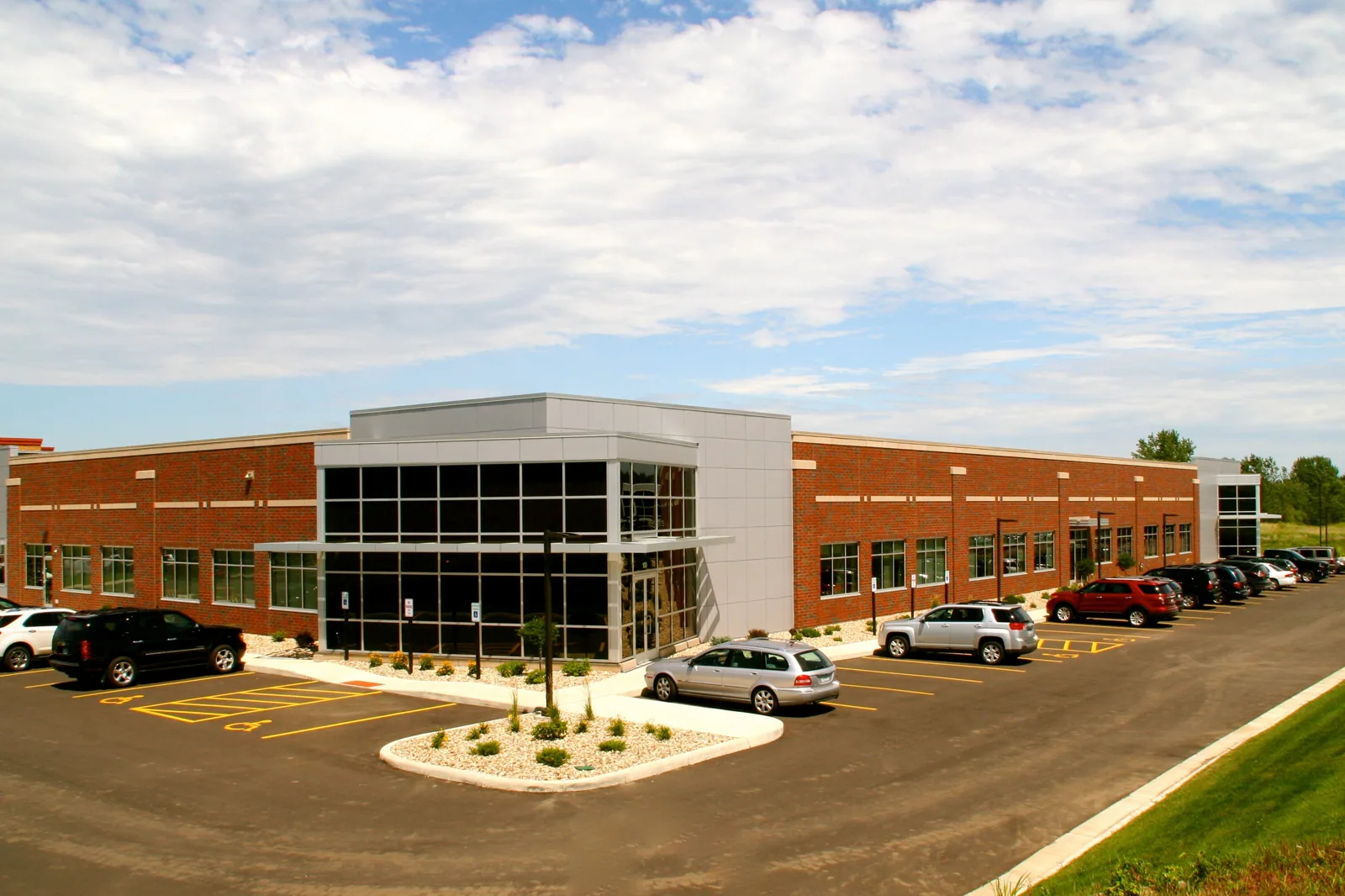
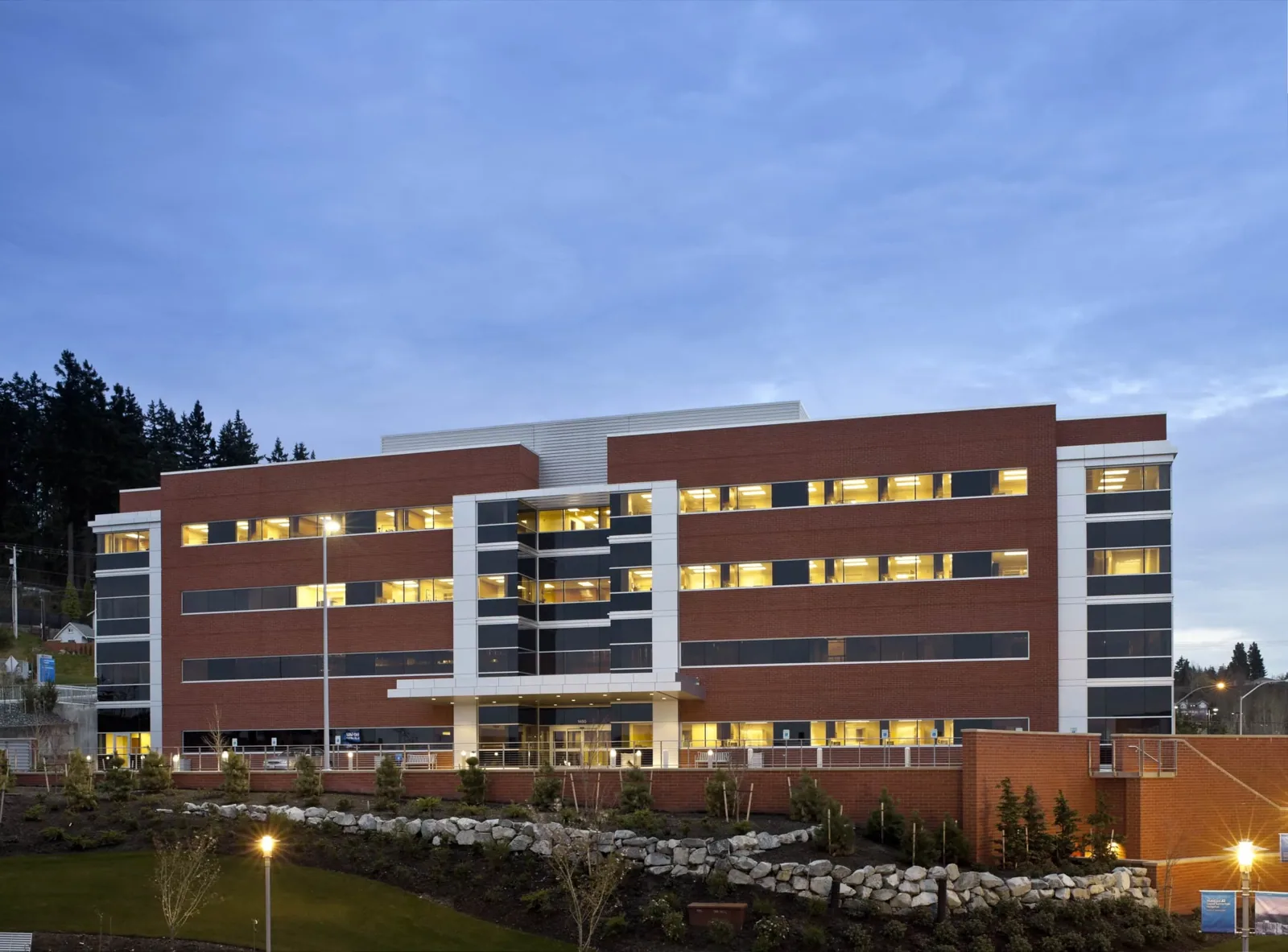
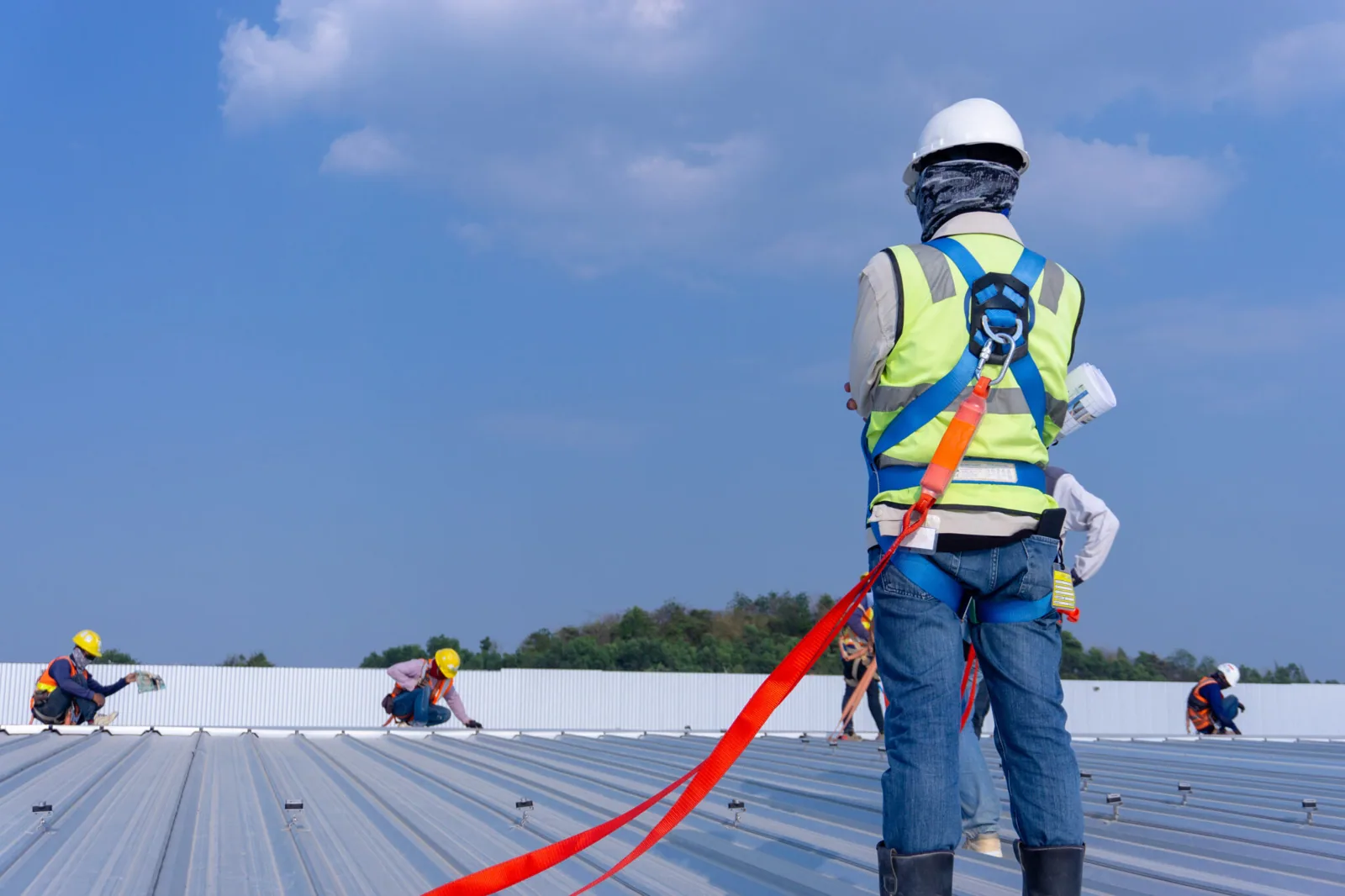
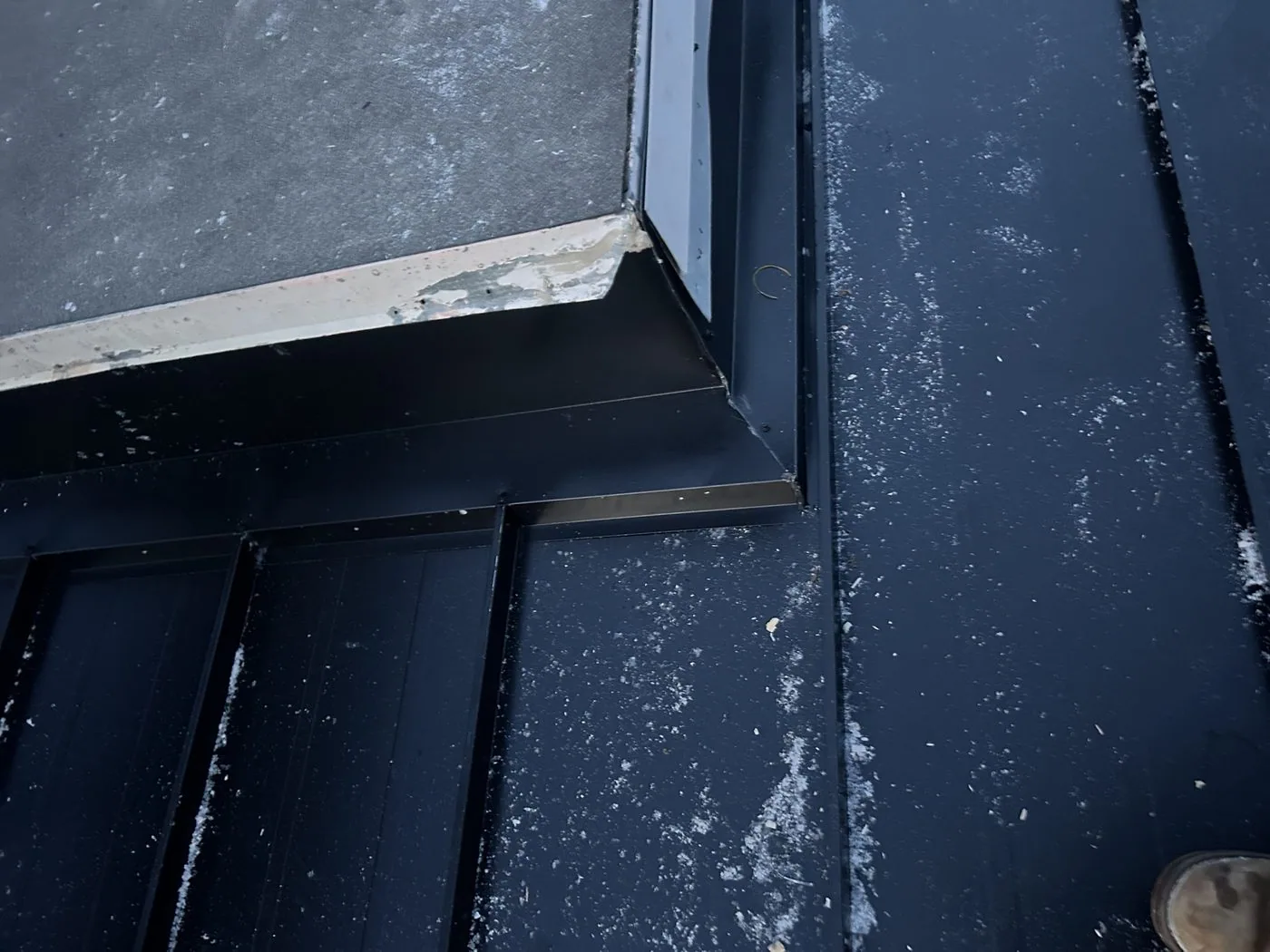
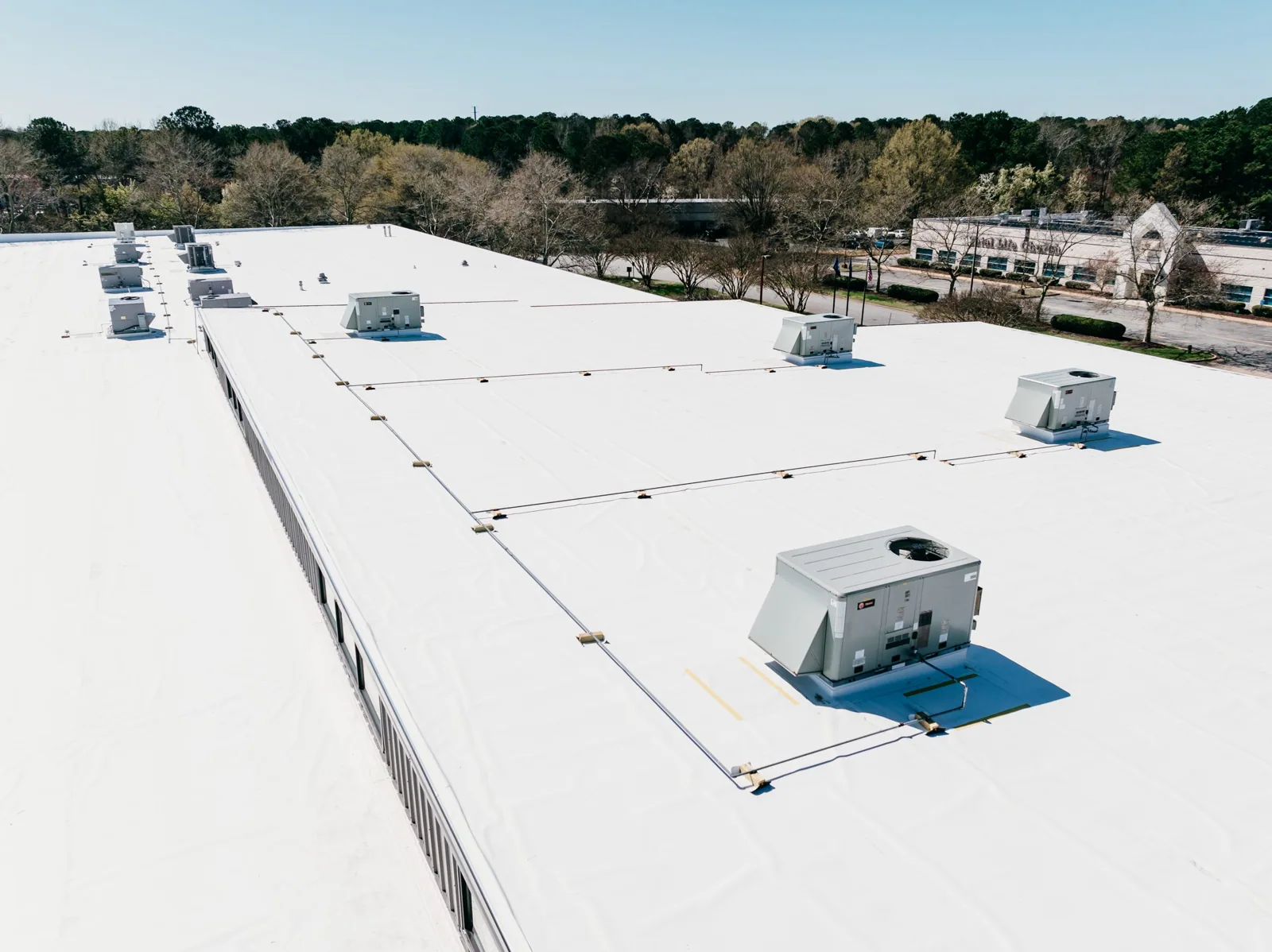
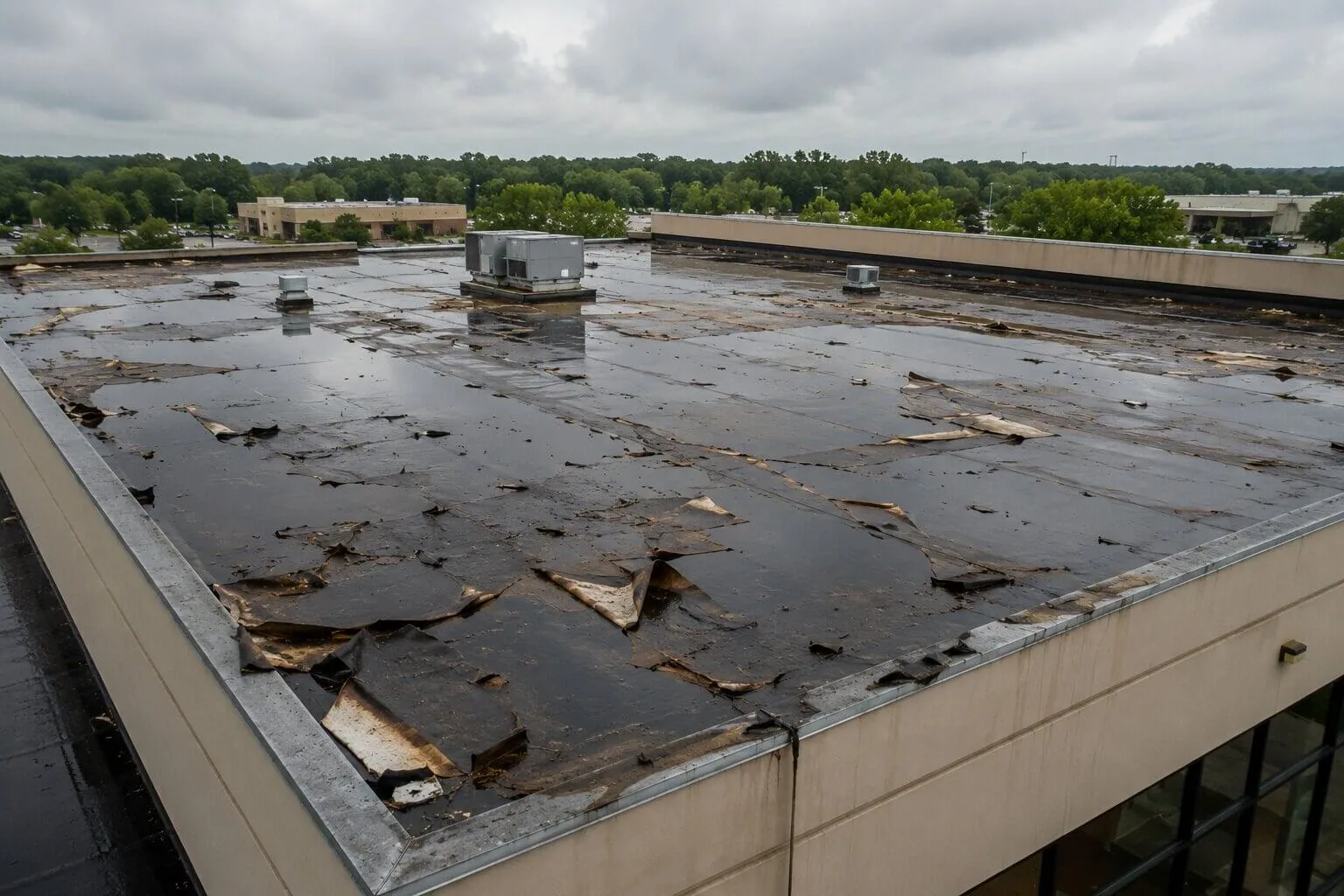

From distribution centers to clinics and schools, we roof the buildings Rochester depends on.
We match the interior report to the roof plan, then check seams, curbs, penetrations, transitions and drainage along plausible water paths. The roof sketch separates observed openings from suspected routes. If the path remains uncertain, we identify a targeted test that could confirm or narrow the repair boundary before opening material.
Yes. We respond around the clock and can install temporary protection suited to the roof and current conditions. We record that measure separately from permanent work, check that drainage remains open and state what still needs a compatible repair. A temporary seal is not described as a completed roof correction when concealed material remains untested.
The National Weather Service documented an EF-2 tornado near Stewartville and 1.5-inch hail in northwest Rochester on April 17, 2026. Those observations do not establish damage at a particular property. We inspect the named building, record visible conditions and recommend tests only when the result can change the repair scope.
Send the property address, affected room or tenant, when the water appeared, any roof plan and the contact who can arrange interior access. Include earlier repair notes if available. That lets us connect the report to the right roof section and keep separate leak locations from being combined in one repair ticket.