Water is coming into the building right now
Call us and tell us where the water is showing up. We will get a crew on the roof to stop the leak and protect the space below.

Property Types We Roof
Plan school roof repairs in Rochester, MN around occupied wings, winter drainage, and campus records. Get a scoped inspection and phased work plan.
Call us and tell us where the water is showing up. We will get a crew on the roof to stop the leak and protect the space below.
We walk the roof, photograph what we find and give you a written scope with repair options before any work starts.
Rochester, MN
A roof drain above a classroom wing needs a clear path before the first freeze. We trace the membrane slope, drain bowl, overflow and nearby seam, then record which rooms and access points sit below the work zone. Rochester Public Schools is among the area’s largest employers, and the city’s economy also includes education alongside medical, manufacturing and civic work. That context makes operating schedules part of a school roof scope, while the actual assembly still has to be confirmed at each address.
We identify the roof section, installed material, repair history and school contact before choosing a repair. A leak report may point to one ceiling, while water travels along a deck flute or insulation joint before entering. Photos and a moisture map keep the reported room separate from the tested area. That record lets a facilities lead compare an isolated repair with a phased project and set the next inspection date without treating every wing as one roof.
For a school visit, share the campus building and roof-section plan, reported leak or maintenance item, system records and facilities contact. We will return a phased scope tied to student access and the school calendar.
At a school, the first walk follows the roof plan and the daily route below it. We check drain bowls, scuppers, wall transitions, equipment curbs and membrane seams, then compare visible wear with leak calls and ceiling records. Rochester’s 1991 to 2020 snowfall normal totals 46.3 inches, with the winter concentration from December through March. The seasonal snowfall normal supports a pre-winter review of drainage and edge details, while the building's capacity and roof condition require separate evidence.
Where staining repeats, we mark the location and check the likely path instead of cutting at the interior mark. Infrared or other moisture testing is useful only when the result changes the repair boundary. We note where the reading was taken, what was opened, and what remains unconfirmed. This helps a district distinguish a wet insulation pocket from a seam concern and prevents a limited classroom repair from being described as a whole-building failure.
School access can change between arrival, class changes, dismissal and evening activities. We plan roof access, material staging and lift locations with the facilities contact, then map the area below the repair. A crew can phase work by roof section so an entrance, playground edge or service drive remains outside the active zone. The exact sequence depends on the building layout and school calendar, not on a generic promise that every activity can continue unchanged. The same schedule discipline applies to college and university buildings, where room use and public access can vary by day.
Odor, noise, hot work and rooftop equipment each affect how a repair is scheduled. Before mobilization, we confirm the system and proposed method, identify air intakes and occupied spaces, and agree on how the area will be closed at the end of the shift. The city plan places the University of Minnesota Rochester and Recreation area in the downtown medical and education center, connected to the central street network and nearby civic facilities. That district context helps locate education uses; it does not establish any roof assembly. For a multi-wing campus, a marked roof plan gives staff and crew the same reference when the next phase begins.
A dry test area around one curb may support a targeted flashing repair. Soft insulation, recurring ponding or failures across several seam runs can change the scope. We separate those findings and show the repair limits, adjoining details and open questions, then price the work from measured areas and material sequence. Where replacement is under consideration, a TPO roof assembly may be compared with other systems only after the existing layers, deck and drainage are known.
School funding and access windows can favor a sequence across summers or breaks, but dividing work without a sound tie-in detail can leave weak transitions. We plan each phase around terminations, temporary protection and a durable closeout. If the roof remains serviceable, preventive roof maintenance can place minor seam and drain work on a documented schedule. The choice is tied to observed conditions and the district’s capital timing, not to a preset replacement age.
For each visit, we label photos by building, roof section, date and detail. The report separates observed conditions from tested areas, recommendations and work completed. A school district can then compare recurring trouble near a drain with a repair at a metal transition without searching through unindexed photos. We include system records supplied by the owner and note where they do not match the visible roof, because the material sequence affects which repair products can bond. When education and medical facilities share a property portfolio, hospital roof records still need distinct building labels and access notes.
Rochester’s Chapter 4-6 addresses Commercial/Industrial Building in the city code, and the city lists state building-code resources for plan review and inspection. A roof project may require review based on its scope. We identify the proposed work and coordinate the applicable permit and inspection steps with the owner rather than assuming a repair has the same requirements as a replacement. The closeout record keeps approvals, daily notes and final photographs with the roof section they describe.
Seasonal checks should follow the roof’s actual exposure and prior findings. Before winter, we clear and inspect drainage points, look for open laps and verify that roof access remains controlled. After a storm or a reported interior leak, we document the affected zone and test only where that can change the scope. When school grounds are active, the inspection route and any temporary work zone are coordinated with facilities staff before a crew returns.
A maintenance entry names the section, defect, action and next review date. That makes it possible to compare a repaired curb with a similar detail on another wing and decide whether the repair held. For a school portfolio, roof condition reporting supports a capital list that can be reviewed before budget decisions. We close with a clear repair boundary, remaining questions and any temporary protection still in place.
Other services, systems and buildings that often come up alongside this work in Rochester.
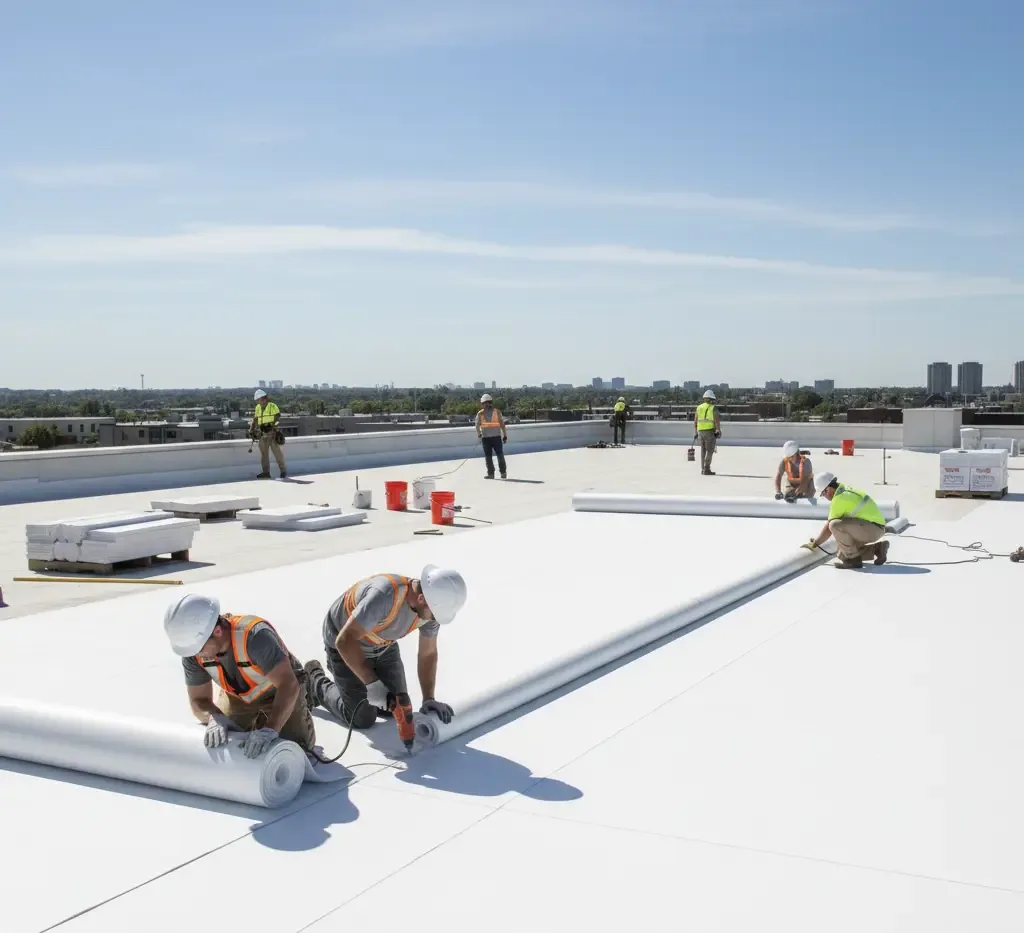
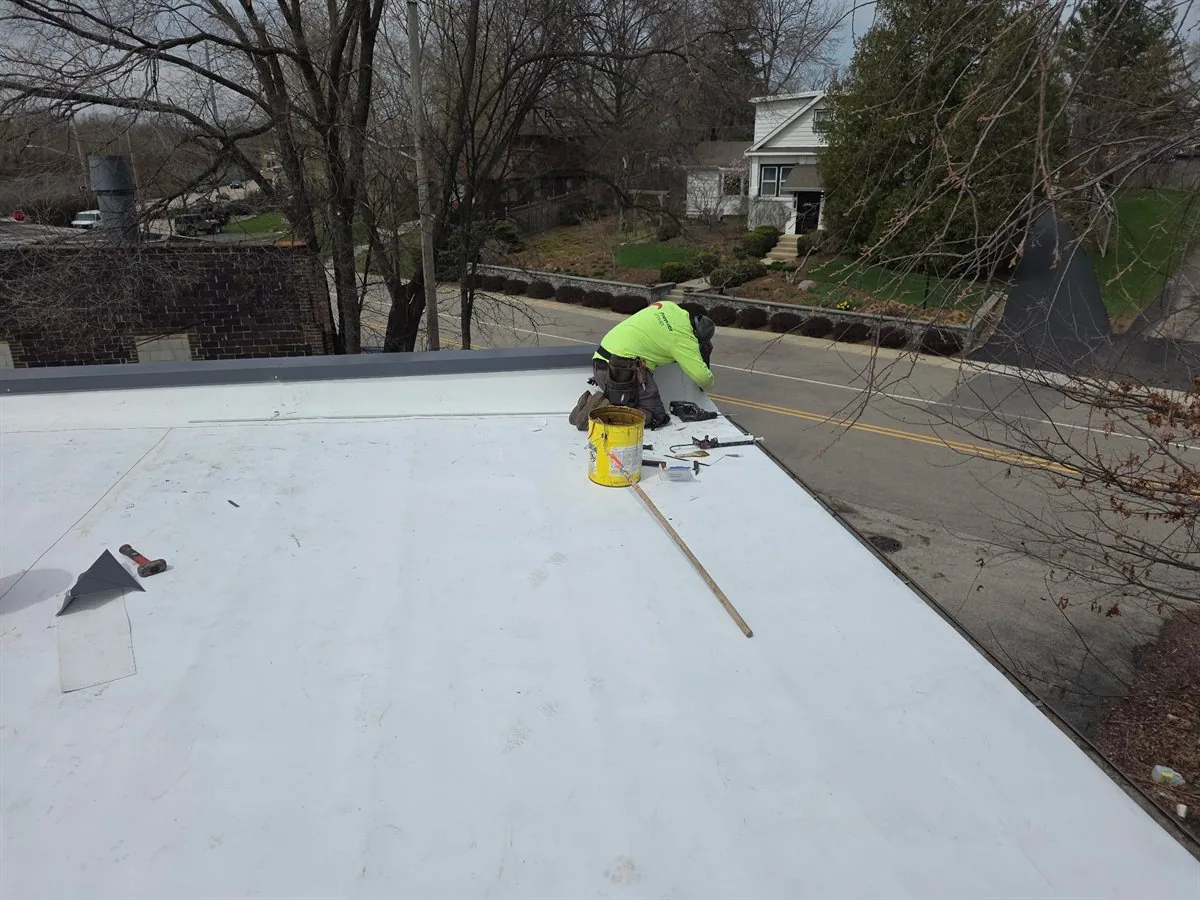
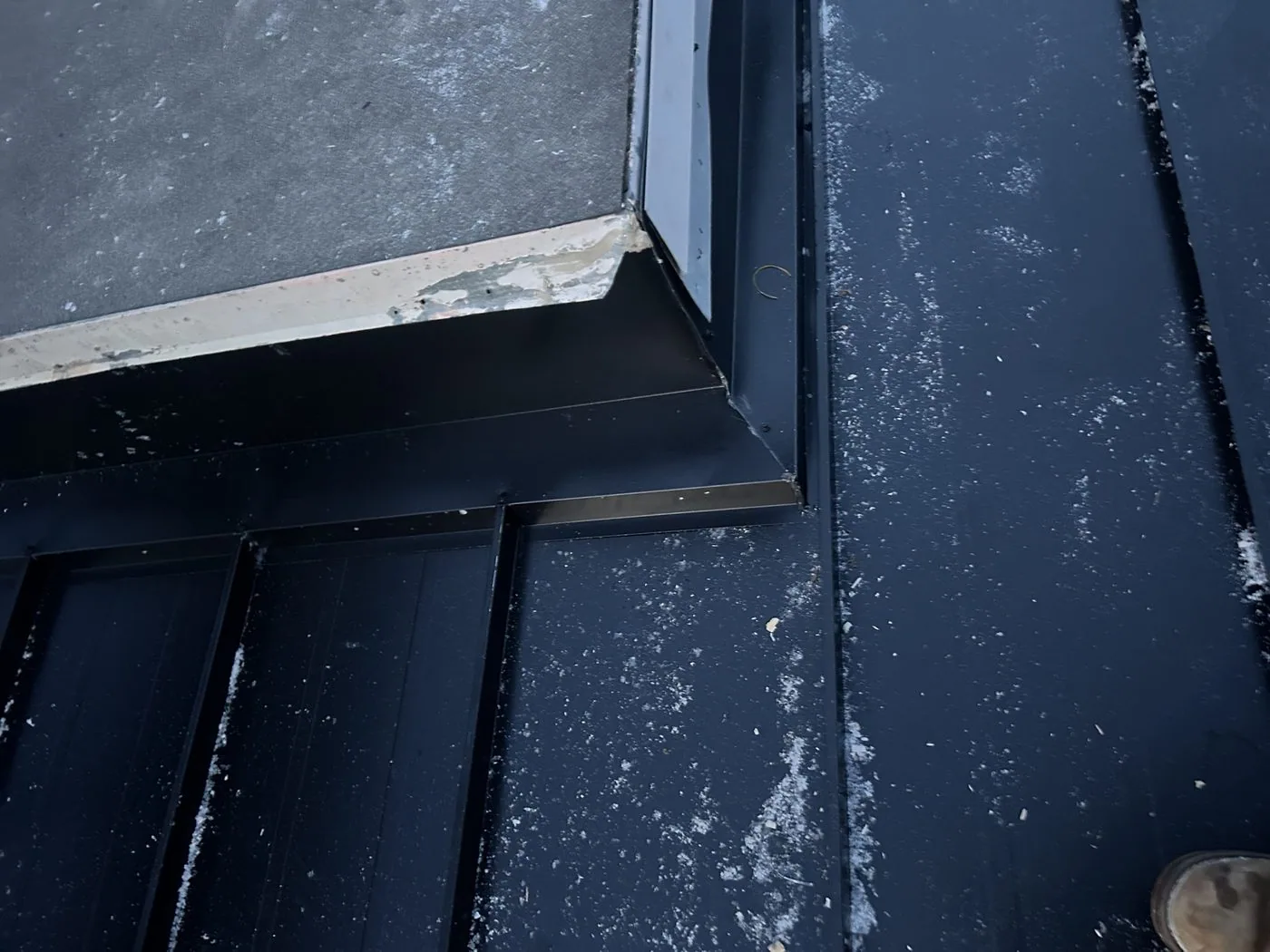
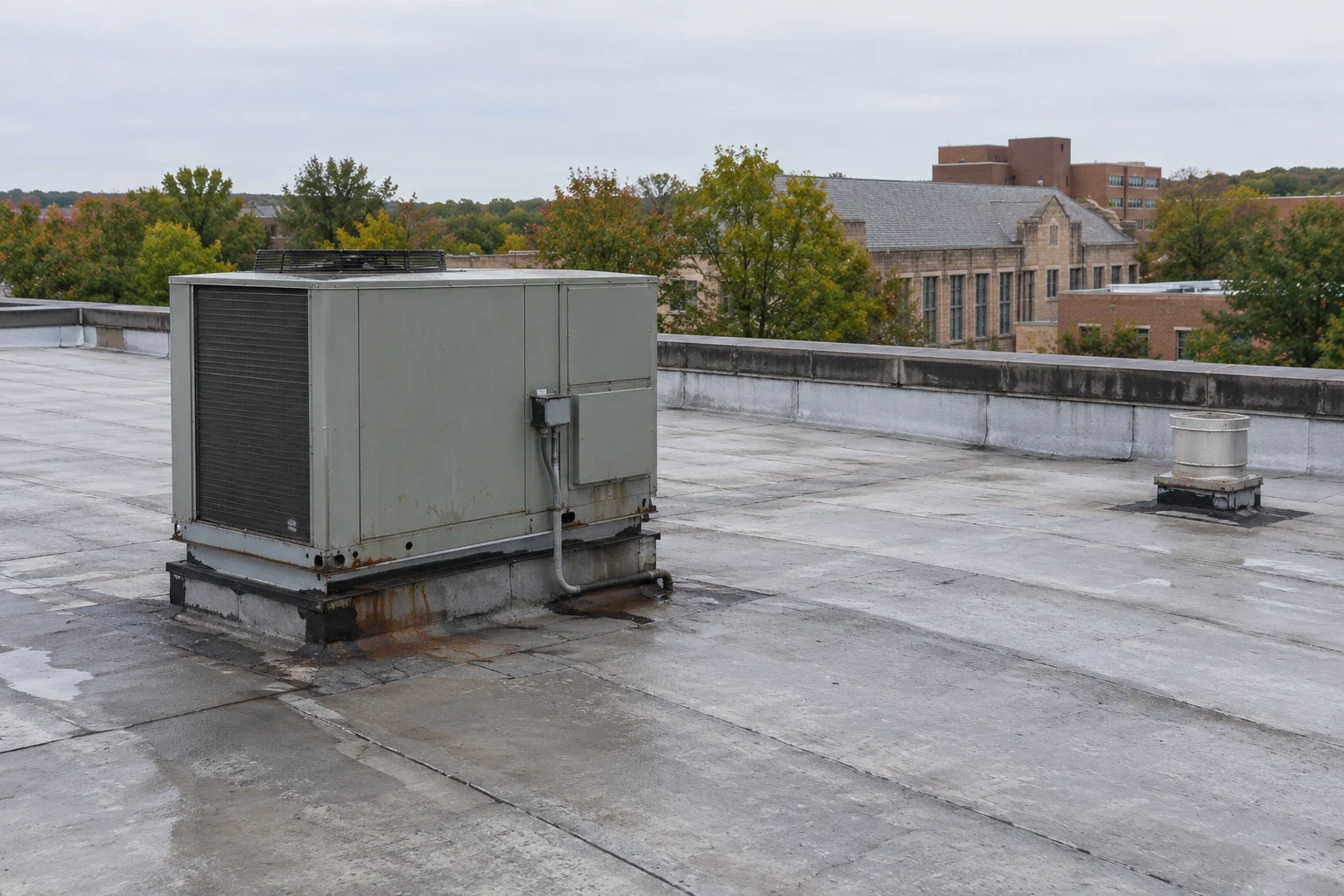
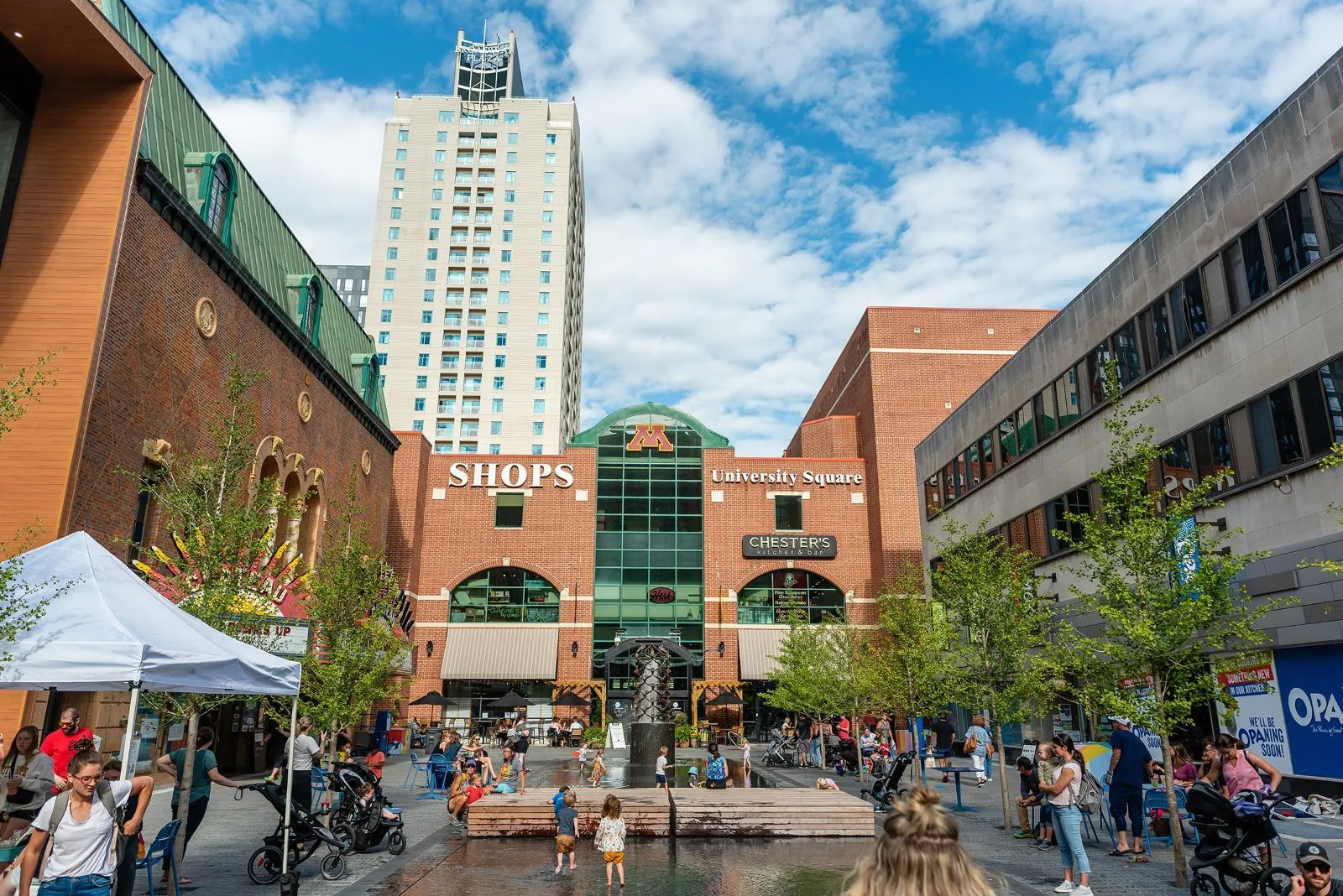
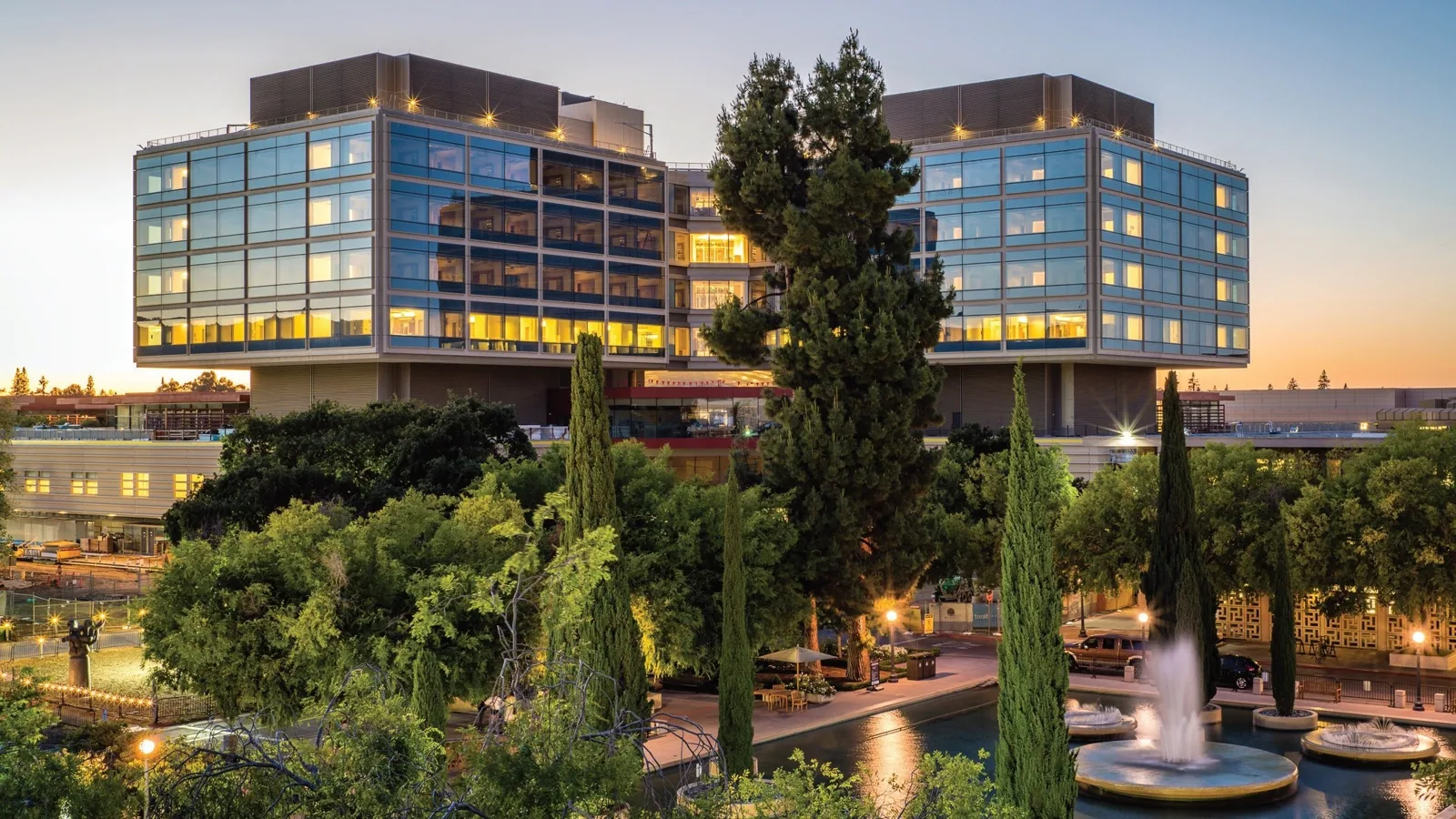

From distribution centers to clinics and schools, we roof the buildings Rochester depends on.
The roof work can often be isolated by section, but access, noise, odor and work method determine the schedule. We coordinate roof entry, staging and the area below with school staff, identify air intakes and occupied rooms, and agree on daily closeout. If those controls cannot be maintained during instruction, we compare an after-hours or break-period phase and document the temporary condition until work resumes.
We compare the affected room with roof seams, curbs, drains, wall transitions and deck direction, then record any test opening or moisture reading. The ceiling mark is the point where water surfaced; the entry detail is established from the roof evidence. The report separates that confirmed condition from any path that remains uncertain.
Include the building and roof section, date, observed condition, tested area, material installed, repair boundary and closeout photos. Add the interior report and any access or schedule limits that shaped the work. We can index each item against the roof plan so the next facilities review can distinguish a completed repair from a condition that remains under observation.
No single snowfall normal sets replacement timing. Rochester’s 46.3-inch seasonal normal concentrates from December through March, so we inspect drainage, seams, edge metal and prior repairs before winter. Replacement depends on the installed assembly, moisture findings, deck condition, repair history and the school’s capital window. We document those pieces separately before recommending a larger scope.