Water is coming into the building right now
Call us and tell us where the water is showing up. We will get a crew on the roof to stop the leak and protect the space below.

Industries We Serve
Plan school roof inspections and repairs in Rochester, MN around academic calendars, occupied buildings, roof-section records and safe closeout.
Call us and tell us where the water is showing up. We will get a crew on the roof to stop the leak and protect the space below.
We walk the roof, photograph what we find and give you a written scope with repair options before any work starts.
Rochester, MN
A split seam beside a roof hatch can be small on the membrane and large in the school calendar if water reaches a classroom. We locate the detail, map the affected roof section and coordinate the inspection with the district's building contact before opening material. The scope identifies access, interior notification, work hours and the point where the roof will be closed at the end of each shift. That sequence lets a facilities team compare a repair window with the next building-use date.
Rochester Public Schools is among the area's largest employers in RAEDI's 2024-2025 estimates, and Rochester's economy includes education alongside medical services, manufacturing and local government. Discovery Square is a Rochester district for biomedical research, education and technology innovation, a separate use context from district school buildings. Those facts establish the local role of education, not the number or condition of district roofs. Each school, support building and administrative facility requires its own roof record, assembly confirmation and access plan. We keep reports tied to the address and section instead of treating one campus finding as a district-wide condition.
Send the Rochester school address, reported roof concern, available plans and facilities contact. We will coordinate the inspection window, map findings by section and provide a dated repair scope with daily closure points.
We begin with the room, ceiling symptom, date and circumstances provided by the school contact. On the roof, we inspect seams, penetrations, drains, scuppers, wall transitions, edge metal and prior repairs near the likely path. Water may travel beneath the membrane or across a deck before it becomes visible indoors. The record distinguishes a confirmed opening from a location that only aligns with the stain and notes any roof areas that were inaccessible.
Schools may have rooftop equipment, skylights, communication supports and walk routes added or serviced over time. We check for membrane cuts, unsealed fasteners, displaced flashing and concentrated wear. A school roof inspection maps those findings by building section, while a drain and overflow review records the water path. The facility contact can attach that location reference to a work ticket and determine whether an interior check or classroom notice is needed.
Before mobilization, the district contact confirms roof access, bell and event schedules, staging limits, interior protection and any site-specific visitor procedures. We sequence work in manageable zones, with material ready to close each exposed section before the crew moves on. If weather changes the work period, a temporary tie-in protects the opening until permanent materials can be installed. A concealed deck or insulation issue is photographed and brought forward before the repair boundary expands.
At a property near the Fourth Street SE Corridor, city planners trace the corridor from downtown to civic and institutional destinations, including county offices, a community hospital, Rochester Community and Technical College and the Greater University Center. The corridor context helps locate the district's service network; it does not establish a particular school's access arrangement. A phased school reroof can document roof zones and daily closures around an approved calendar. When water entry is active, emergency roof calls are answered 24 hours a day, including holidays.
A useful closeout identifies the building, roof zone, report date, observed condition, repair materials when confirmed, photographs, test locations and open items. We note whether the affected area was over an occupied room, what notice was coordinated and whether the interior symptom needs monitoring. If a roof section was blocked or a test could not be completed, the report says so. The district can then keep the scope separate from another school's repair history.
Rochester's Unified Development Code took effect January 1, 2023, after adoption in September 2022. For work involving a permit or plan review, the district and design team should confirm the current requirements with the City. We provide the roof scope and observed assembly details needed for project coordination. A dated condition report can inform district planning, while a public-agency roof record addresses civic facilities with separate owners and approval paths.
A defined leak at one curb may be repaired if surrounding membrane, insulation and attachment are sound. Multiple reports, widespread moisture, repeated seam failure, unstable layers or recurring patches can justify a broader survey. We compare options by documenting the existing system, roof layers, test areas, drain elevations, edge metal, deck condition, material compatibility and scheduling. A recommendation explains which sections were assessed and what remains unknown instead of turning a set of leak calls into an automatic replacement scope.
The NWS seasonal reference for Rochester is 46.3 inches, most commonly accumulated over the December-to-March winter months. For a district, drainage and perimeter checks should be planned around safe access and actual building conditions. A snow and ice damage review documents observed conditions without inferring that the normal has damaged a roof. If the inspected assembly is EPDM, an EPDM repair detail may be evaluated for compatibility; the material is verified first. The district can compare the repair, larger project and timing assumptions in its facilities plan.
A scheduled visit revisits drains, scuppers, seams, edge transitions, equipment curbs, repaired areas and roof paths used by service vendors. We photograph changes, record repairs made under the agreed scope and list items that require authorization. District maintenance can set dates around summer work, winter breaks or other periods when roof access and interior protection are easier to coordinate. The log records the actual condition at each building, not a general campus conclusion.
Rochester's education, medical and civic facilities serve different occupants and operating calendars. If roofs are reviewed together, each address still receives its own plan, observations and closeout. A preventive maintenance schedule can retain the next inspection date. For a clinic within a district's broader portfolio, a healthcare roof record follows its own facility contact and access procedures. Share the school address, roof concern, available plans and facilities contact to set the right visit.
Other services, systems and buildings that often come up alongside this work in Rochester.
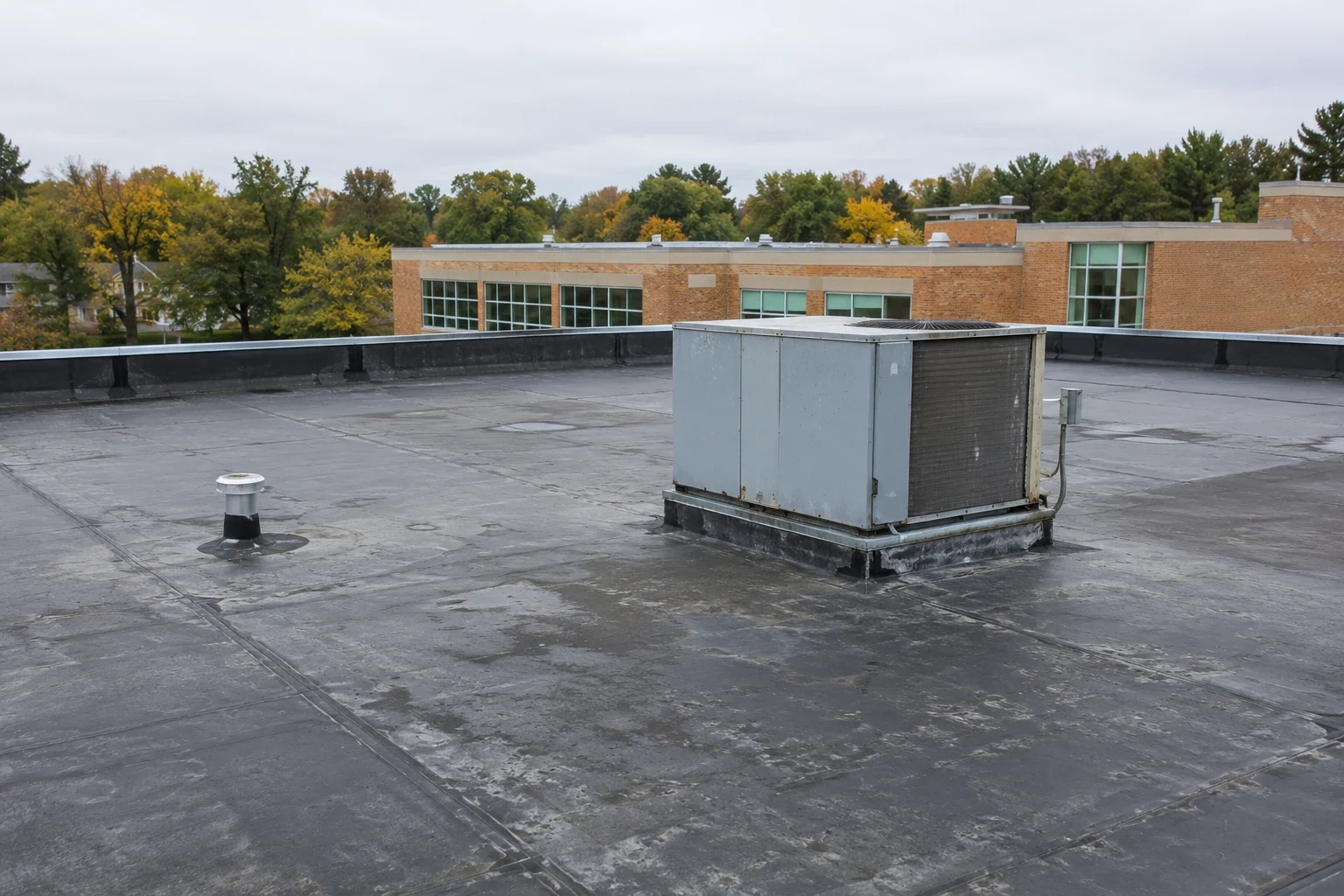
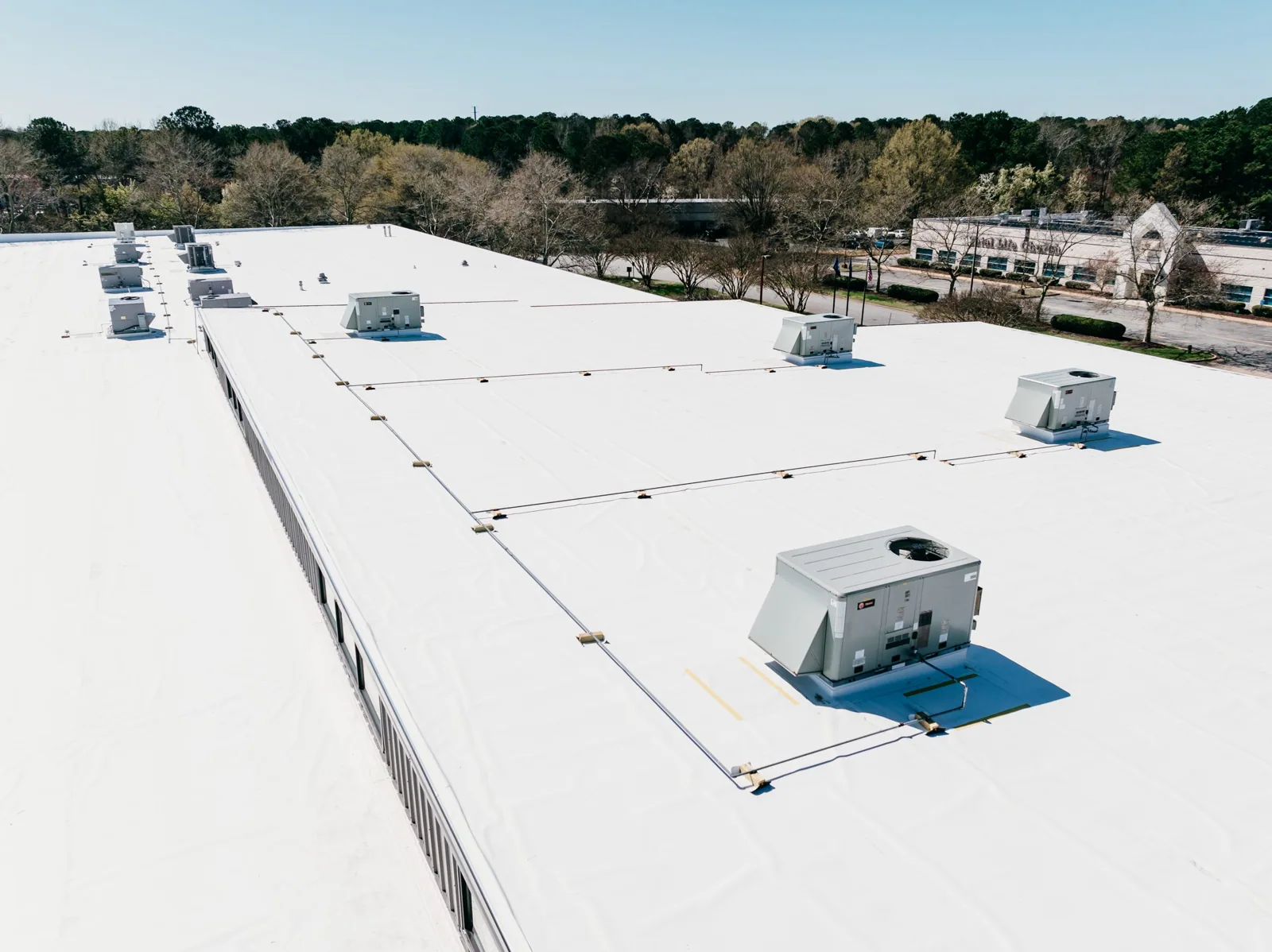

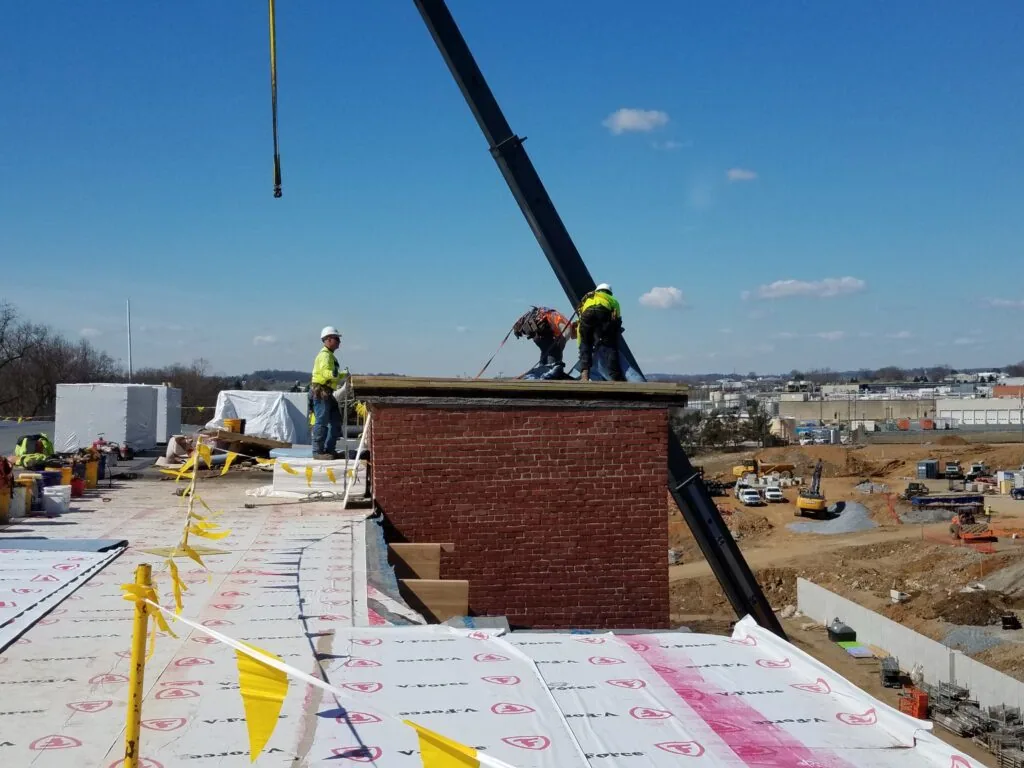
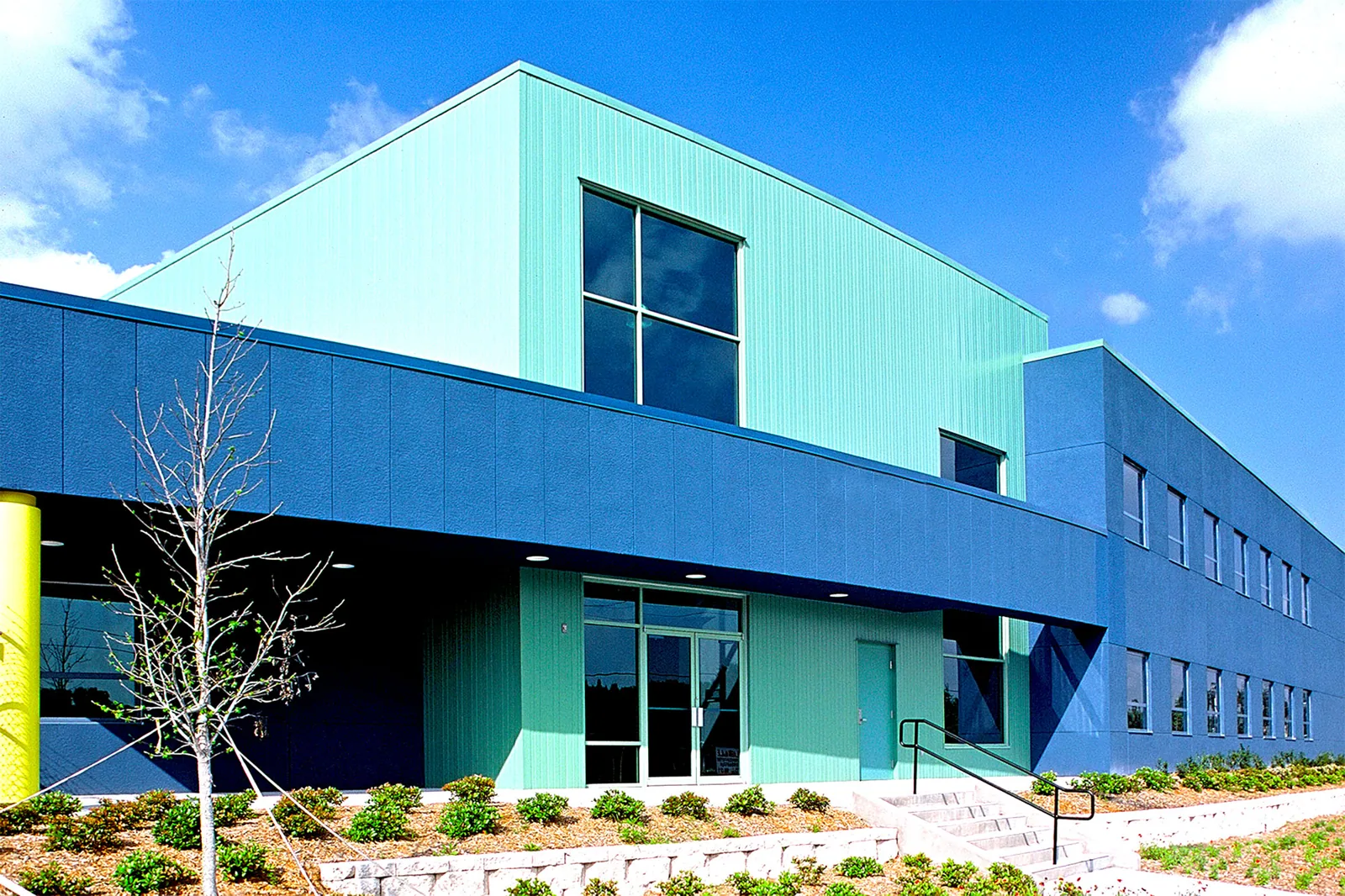
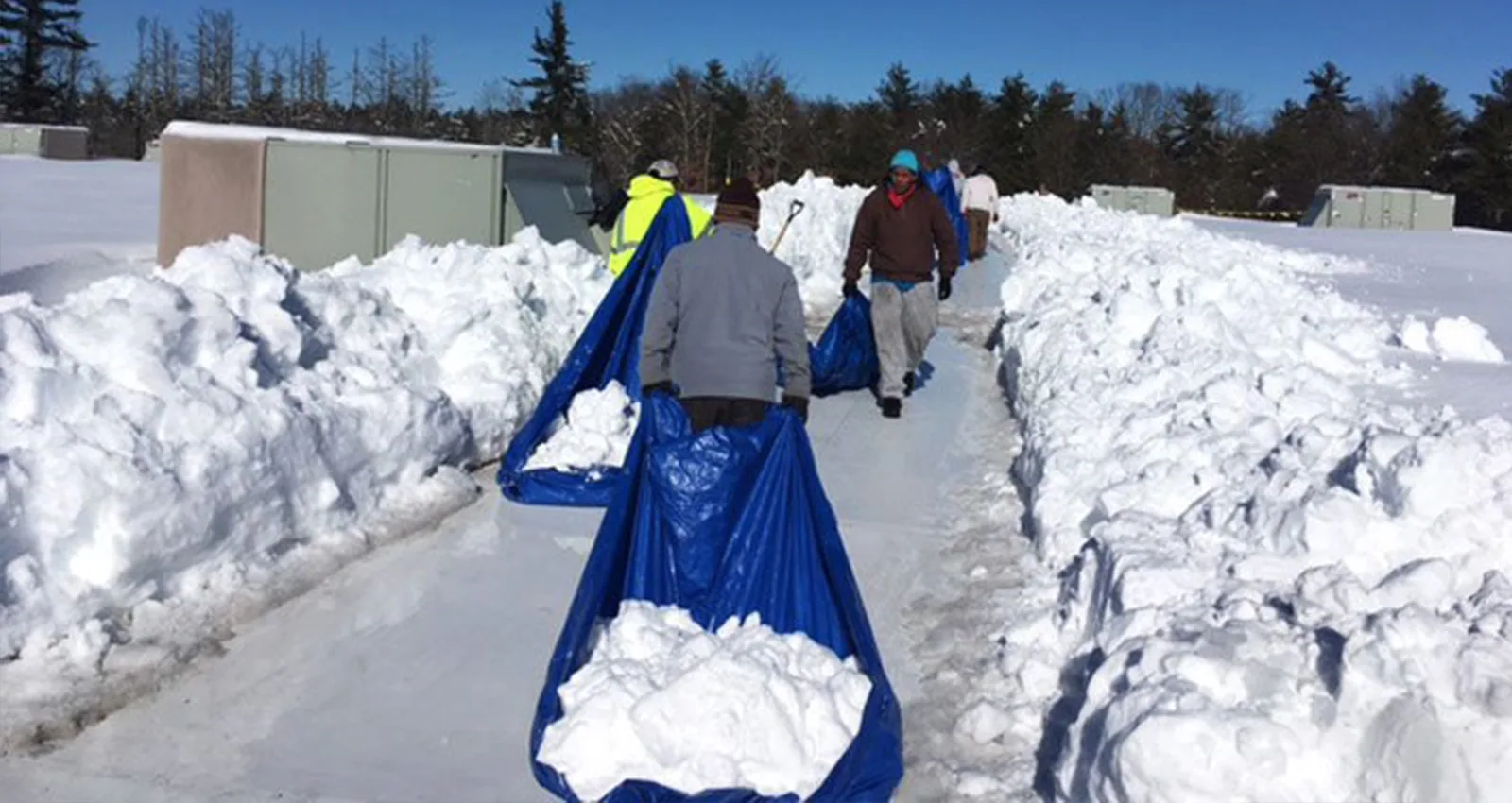
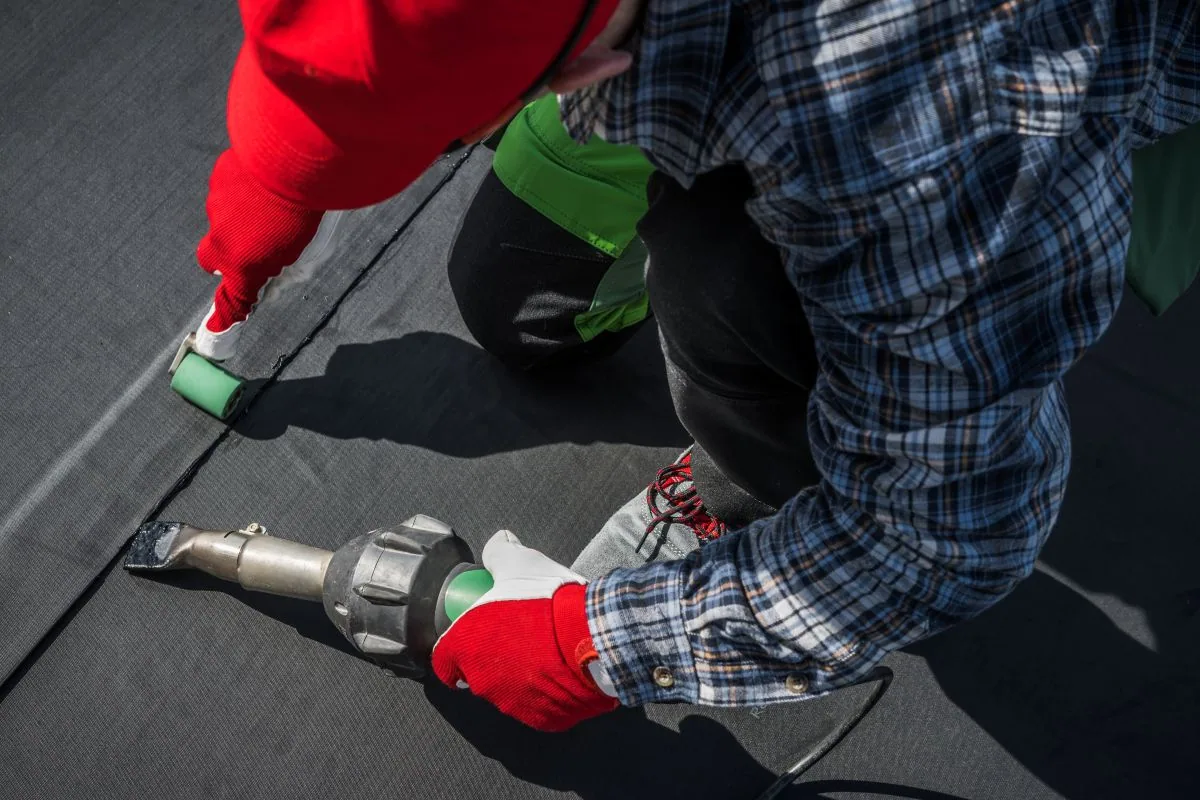

From distribution centers to clinics and schools, we roof the buildings Rochester depends on.
Provide the building address, roof plan if available, leak or damage report, preferred access dates and the facilities contact who handles site procedures. Include interior locations and any room-use timing relevant to the report. We use that information to map the roof zone and document access limits before proposing a repair.
We plan the work zone, staging and closure sequence with the district's building contact and calendar. Smaller sections can be sequenced around occupied areas when access, weather and scope allow. The schedule states which area is open, what protection is used and the point of daily closeout.
No. The report belongs to the inspected address and roof section. A shared roof type or similar leak symptom does not verify another building's membrane, layers or condition. We keep each location's findings, testing and unresolved items distinct so the district can make informed site-level decisions.
We record the room, timing and any active water, then coordinate access and interior protection with the district contact. The roof inspection follows likely drainage and seam paths to locate the entry point. If stabilization is needed, we identify the temporary measure and return with a permanent repair scope after the area can be safely evaluated.