Water is coming into the building right now
Call us and tell us where the water is showing up. We will get a crew on the roof to stop the leak and protect the space below.

Commercial Roofing Services
Compare a commercial roof recover with tear-off in Rochester using moisture tests, edge details, drainage, code limits and a documented assembly review.
Call us and tell us where the water is showing up. We will get a crew on the roof to stop the leak and protect the space below.
We walk the roof, photograph what we find and give you a written scope with repair options before any work starts.
Rochester, MN
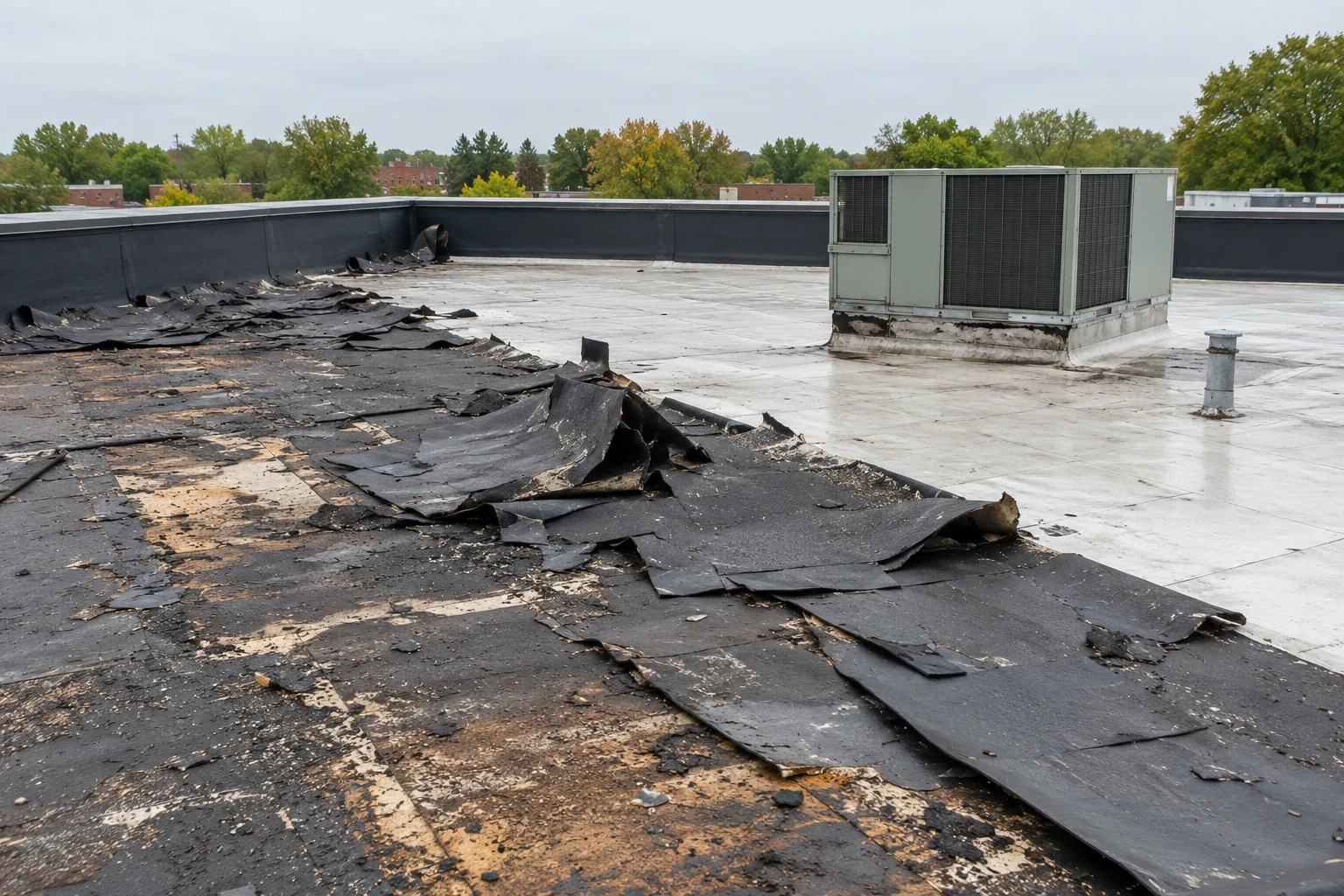
An open seam above a drain path puts the recover decision on hold until adjacent insulation is checked. We start with the roof map, then check seams, drains, curbs, edge metal and any signs that water has moved into the insulation. A recover can avoid removing sound material, but it cannot correct a wet or unstable assembly by covering it. In Rochester, normal seasonal snowfall is 46.3 inches, mostly from December through March, so the overlay detail must preserve drainage and leave the roof ready for winter maintenance.
A recover decision starts with one identified roof assembly, not a campus label. Mayo Clinic’s Rochester Support Campus lists Valley High Business Centers North and South, warehouses and technology facilities, but the inventory does not establish their individual roof layers. We match the selected building to its plans, test suspect areas and compare retained layers against tear-off before drawing the overlay boundary.
Send the Rochester property address, roof concern, available system records and portfolio contact. We will map the roof sections, identify tests that can change the decision and compare a recover with the relevant repair or tear-off scope.
Before recommending a recover, we document the visible membrane, edge terminations, drain bowls, penetrations and prior repair areas. We check how the roof meets walls and equipment curbs, and whether a second layer would change flashing height or block drainage. Where the assembly is unclear, a limited core cut can confirm the layer sequence and moisture condition. We explain the test location and purpose first, then repair the opening with a compatible detail and include the result in the report.
Rochester's industrial uses include larger-footprint manufacturing, storage and warehousing. On those properties, the roof map shows long runs and transitions between sections, not just the visible leak. A moisture map distinguishes dry areas, wet areas and locations not tested. That record gives a property manager a basis to compare recover with removal without assuming one test represents the whole assembly. A written condition report keeps photographs, measurements and scope decisions together.
A recover is worth pricing when the existing roof remains stable, moisture findings are limited and the assembly can accept another layer under applicable code and manufacturer requirements. We also confirm that the deck can support the proposed system, edges can be raised or rebuilt correctly, and drains remain at a working height. If tests show widespread wet insulation or a weak substrate, leaving those layers in place can preserve the failure condition. We mark that boundary and explain why replacement may be more reliable for the affected area.
Valley High Business Center North and South are separate buildings within Mayo Clinic's Rochester Support Campus, alongside warehouses and other support facilities. For each project, we confirm the exact property, roof section and system records. Across a multi-building portfolio, the recover decision may differ by roof even when the addresses sit on one campus. We compare each section’s test findings, edge constraints and leak history, then show the recover path next to a tear-off option. The proposal identifies retained layers and the risks that remain with them.
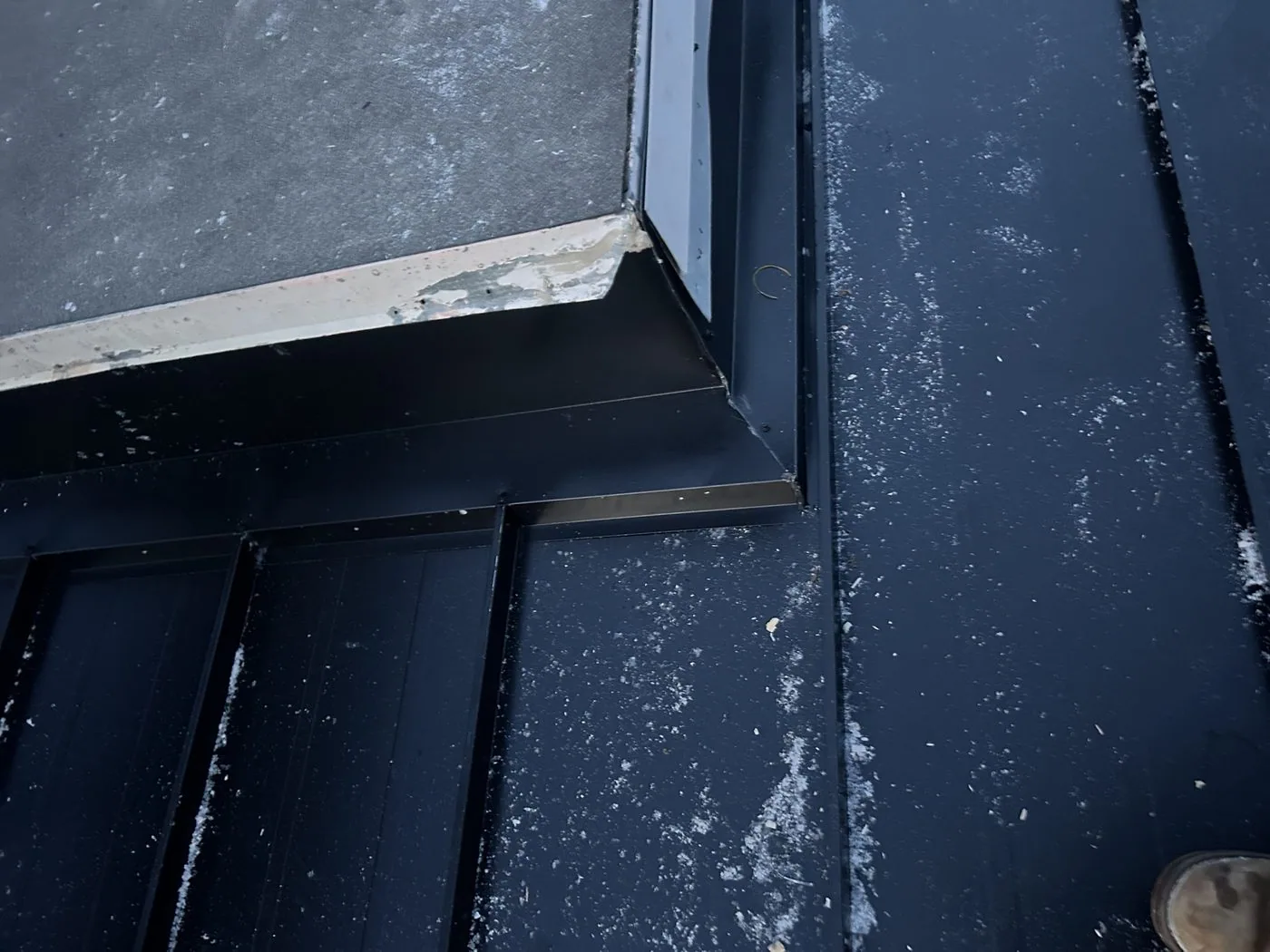
Overlay work begins with the details that could make an added layer fail. We measure drain bowls, scuppers and overflow paths; check the height available at walls and curbs; and identify transitions to metal or other roofing. A new field sheet must connect cleanly to those details. If the drain assembly needs adjustment, the scope names it before installation. That is particularly important where snow melt and rain must move through long roof runs without being held at an old patch or a raised edge.
We then establish a section-by-section installation plan. The crew prepares the existing surface only as required by the selected assembly, installs compatible attachment or adhesive, and closes the tie-ins at each day's stopping point. If existing material loosens or test results conflict with the assumed condition, work pauses in that area for documentation and approval. Details such as drain bowls and scuppers receive their own inspection and closeout photos. The schedule also accounts for delivery paths, occupied areas and any work that must remain clear during the installation.
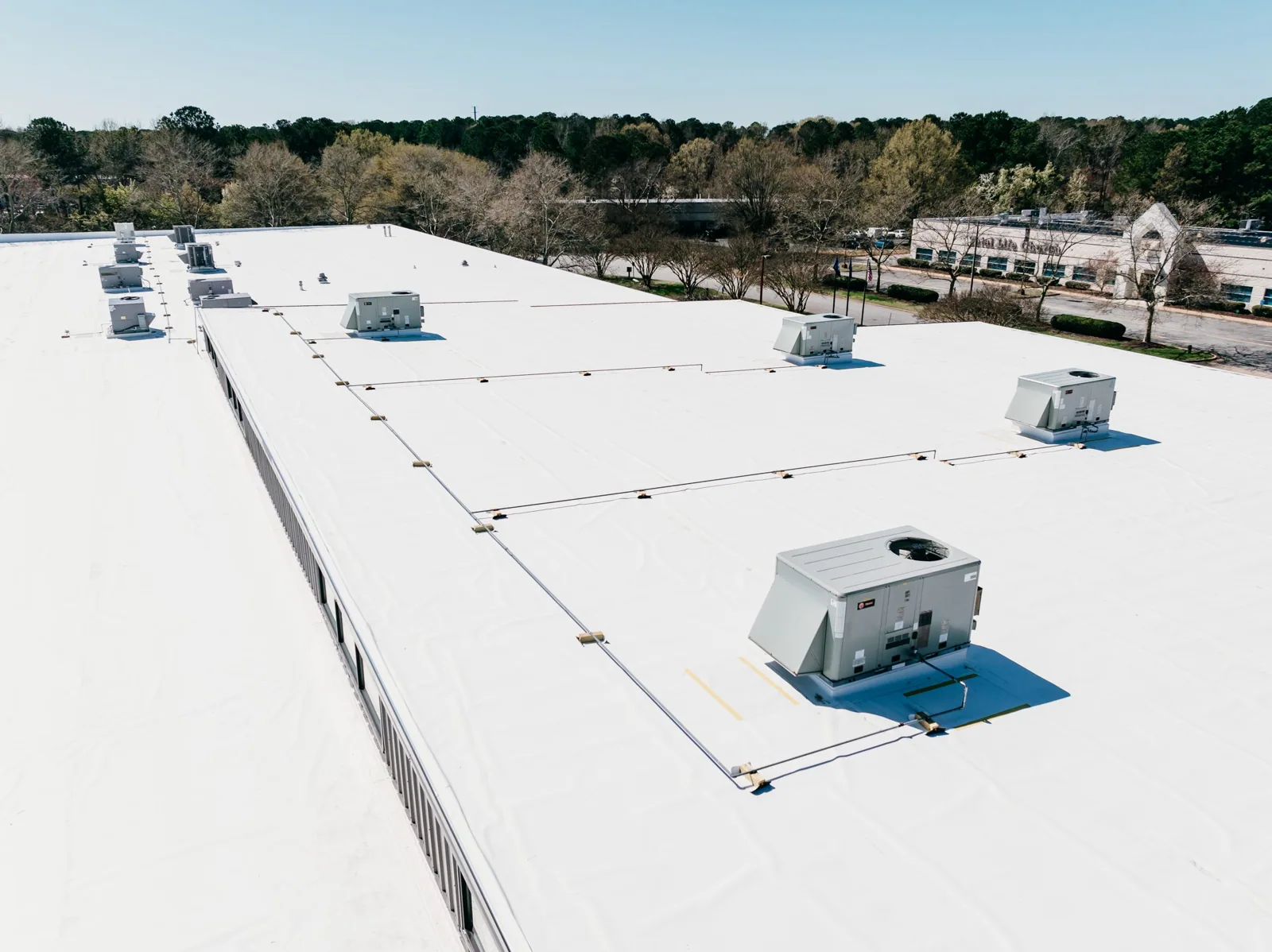
The new roof layer must match the existing surface and the building’s needs. We confirm whether the membrane is compatible with the proposed material, whether a separation layer is required, and how fasteners or adhesives will perform with the substrate. A recover design also has to resolve perimeter securement, penetrations, expansion joints and transitions instead of stopping at the open field. Where an EPDM recover is under consideration, the field sheet, seam method and flashing approach need to be specified for that exact assembly.
At the Rochester Technology Campus, a former IBM site in Rochester, planning scenarios that include warehouse and light-industrial buildings. At the Rochester Technology Campus, that redevelopment possibility is context for long-range asset planning, not proof of an existing roof configuration. We assess the named structure’s substrate, current layers and drainage, then compare an overlay with tear-off using confirmed field results and code limits.
After installation, the closeout record notes the assembly added, preparation completed, test locations, drain and edge details, and any areas excluded from the work. We photograph tie-ins and penetrations by roof section, then provide the owner with maintenance observations and a date for the next review. That baseline matters because a recover leaves the earlier layers in place. Future leaks should be compared with the documented roof map and moisture findings instead of being attributed automatically to the new membrane.
For a Rochester warehouse or a Valley High Business Center property, send the site address, known roof system, past leak locations and any reports from previous work. We will tie the proposed recover to the correct section and identify where the assembly needs testing before a final boundary can be set. If the building is part of a wider portfolio, include the portfolio contact and planned capital date. A focused inspection can then support a decision between overlay, repair and replacement without carrying unknown conditions into the work order.
Other services, systems and buildings that often come up alongside this work in Rochester.
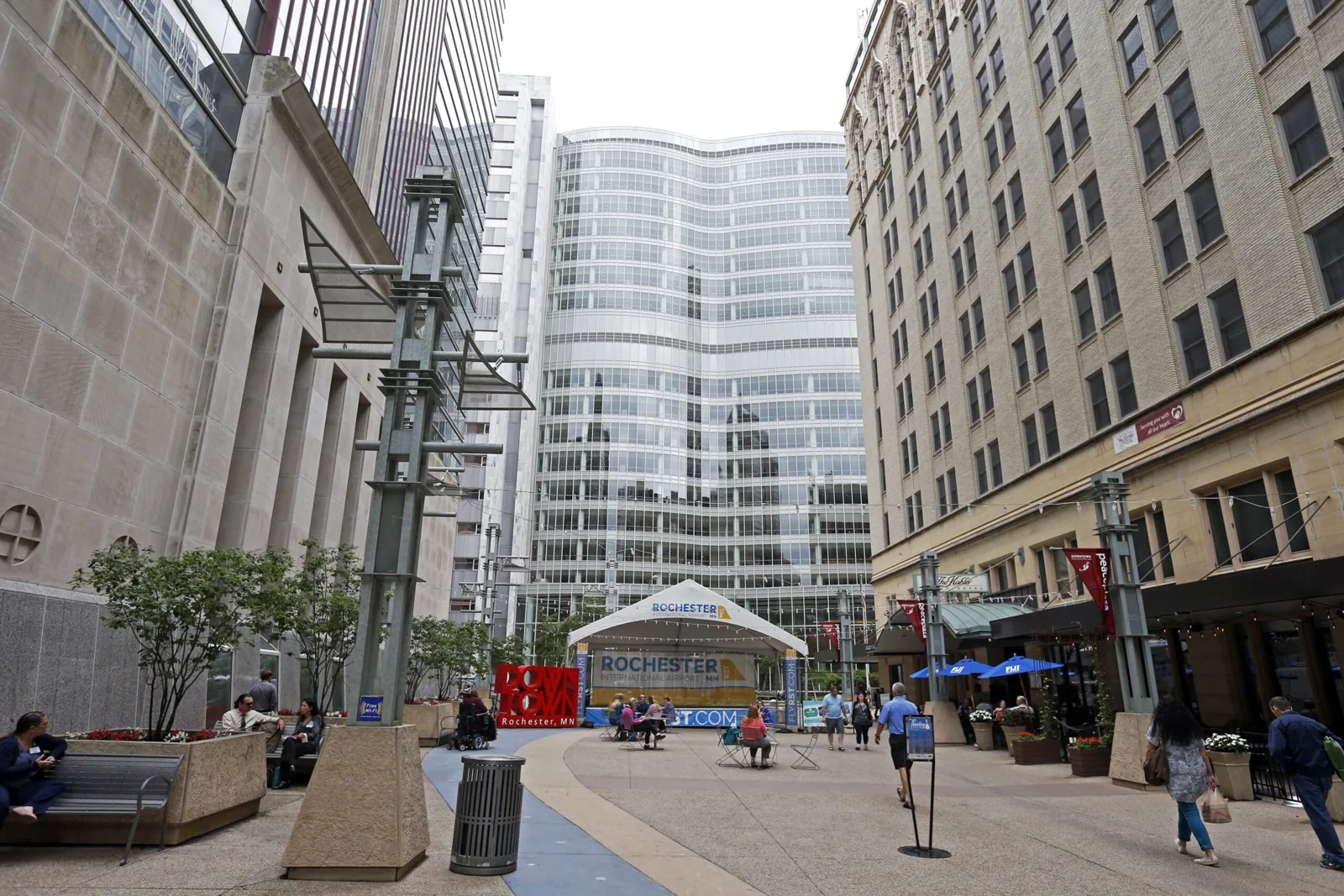
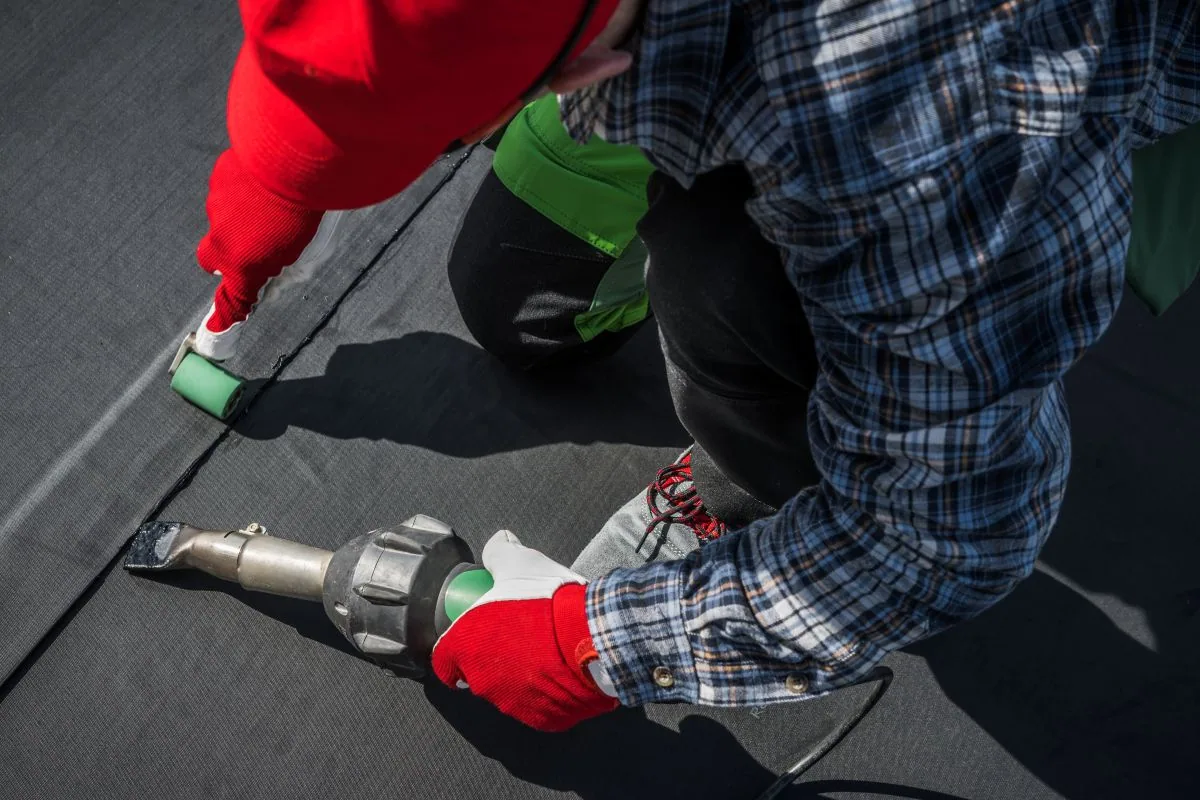

From distribution centers to clinics and schools, we roof the buildings Rochester depends on.
The existing assembly needs to be stable, moisture findings need to support retention, and the deck, drains, edges and flashing heights must work with the new layer. We also check local code and the proposed system requirements. If a test reveals wet insulation or weak substrate, we map the affected area and compare removal with a recover that leaves it in place.
The number depends on roof sections, visible changes and the question each test must answer. We select locations that can change the scope, record the layer sequence and moisture condition, and repair each opening. One core cut should not be treated as proof of the condition across an entire multi-section roof.
A new membrane does not by itself correct a low area or blocked drainage path. We review slope, drain bowls, scuppers and overflow routes first. If the design needs tapered insulation, drain changes or localized correction, those items belong in the scope before the recover is priced as complete.
It can reduce removal and disposal work when the existing assembly qualifies, but added flashing height, drain work, preparation or testing can change the comparison. We show the retained layers and included details for each option. That lets the owner compare a complete recover scope with a complete tear-off scope, including the conditions that could alter either price.