Water is coming into the building right now
Call us and tell us where the water is showing up. We will get a crew on the roof to stop the leak and protect the space below.

Industries We Serve
Repair and plan manufacturing roofs in Rochester, MN with mapped work zones, documented moisture findings and sequences tied to plant operations.
Call us and tell us where the water is showing up. We will get a crew on the roof to stop the leak and protect the space below.
We walk the roof, photograph what we find and give you a written scope with repair options before any work starts.
Rochester, MN
A conveyor support bolted through a membrane can leave a small, easy-to-miss opening beside a busy production line. Before a repair, we locate the penetration, trace its nearby seam and drain path, and learn which interior operation sits below the work zone. For manufacturers, the roof scope must identify the section, access route, material sequence and daily closure point. A leak report without those details can put maintenance and production teams on different schedules.
The city plan allocates roughly 1,129 acres, four percent of Rochester's land, to industrial uses, including larger manufacturing footprints and job-intensive activity. That citywide context does not establish any individual plant's size or roof system. The former IBM property is the subject of the Rochester Technology Campus review, which considers commercial, industrial, warehouse and light-industrial scenarios. At each operating facility, we confirm the assembly and production constraints on site before defining work.
Send the Rochester facility address, roof concern, available plans and system records, plus the operations contact who coordinates access. We will map the work zones and return a documented inspection or repair scope with closure points.
We map drains, overflow routes, equipment curbs, pipe supports, exhausts, penetrations and prior repairs before testing a suspected leak. The inside symptom may be offset from the entry point, so inspection follows the field slope and membrane details instead of stopping at the ceiling mark. Notes identify what is visible, what was tested, what remains under equipment and whether the deck or insulation could be evaluated from the available access.
Manufacturing operations may include roof traffic from HVAC, electrical, process and communications work. We look for cuts, fasteners, damaged walk pads, loose counterflashing and movement at supports, then distinguish a current opening from a detail that needs monitoring. A curb and support inspection records equipment interfaces; a membrane-puncture repair scope defines the affected sheet and tie-in. The report gives plant maintenance a roof-zone reference that can be carried into its work order.
Before mobilization, the facility contact confirms roof access, staging, interior protection, work hours, hot-work or other site controls, and any area that cannot be interrupted. We plan the opening size and material sequence so the exposed assembly can be closed in the assigned work window. A temporary tie-in is ready if weather or a concealed condition changes the planned order. When removal exposes wet insulation or deck damage, we record the finding and request direction before expanding scope.
Regional access in the Rochester plan includes US 14 and US 63, as well as Interstate 90 and Highway 52. For a plant along these routes, travel access informs arrival planning, while the site's own rules set unloading and staging. A phased plant reroof divides broader work into identified sections and daily tie-ins. If a water entry requires immediate attention, emergency calls are answered around the clock, including weekends and holidays. The response record shows where temporary protection ends and permanent repair remains due.
A localized defect with sound surrounding membrane and substrate may support a focused repair. Repeated leaks at multiple penetrations, widespread moisture, deteriorated attachment or failing seams may call for broader testing and capital planning. We compare repair, recover and replacement by recording existing roof layers, deck condition, insulation, drainage elevations, edge height, system compatibility and production access. We do not infer roof area from a plant's floor area or land-use classification; measured roof sections and test locations belong in the scope.
Rochester's heat record reached 108 degrees Fahrenheit on July 14, 1936. That historical observation is local exposure context, not a statement about current roof temperature or a specific plant's condition. Surface wear, seam adhesion, flashing and the verified system determine what we recommend today. A moisture survey can help identify areas for selective testing, and a standing-seam review applies only if that assembly is found. We list assumptions and concealed conditions so the operations lead can compare options by impact and work window.
The closeout states the building, roof zone, observed condition, work completed, material installed when confirmed, photographs, date and unresolved items. It also records which production contact approved access and whether equipment or process restrictions changed the sequence. If the scope expanded after a test opening, the report ties the new quantity to the observed condition. A later shift can then locate the repair, understand its limits and avoid treating a temporary tie-in as a finished detail.
Rochester's economy includes electronics and computer manufacturing alongside medical services, education, government and food production. These industries have different interior processes; a general commercial roof label cannot specify the plant's work controls. A dated roof condition report keeps observations separate by building. For product movement or staging questions at a shared facility, the logistics roof inspection considers dock and access paths, while a general-contractor coordination plan can align roofing with other scheduled trades.
Maintenance revisits drain bowls, scuppers, seams, edge metal, rooftop supports, walk paths and prior repairs. We log debris or deterioration observed, clear items only within the authorized scope and list anything needing separate work. NWS climate normals set Rochester's seasonal snowfall at 46.3 inches, concentrated from December through March. A visit before winter can document drainage and perimeter conditions; a later review records what the roof actually shows rather than assuming a weather normal predicts damage.
Where operations are continuous, maintenance dates can be coordinated with planned shutdowns, inventory changes or approved access periods. We keep the inspection record tied to the specific plant and roof section, with the next review date and the contact responsible for unresolved items. A preventive maintenance visit can include the agreed checks and closeout photos. Send the Rochester plant address, roof concern, available system documents and operations contact to set the inspection sequence.
Other services, systems and buildings that often come up alongside this work in Rochester.
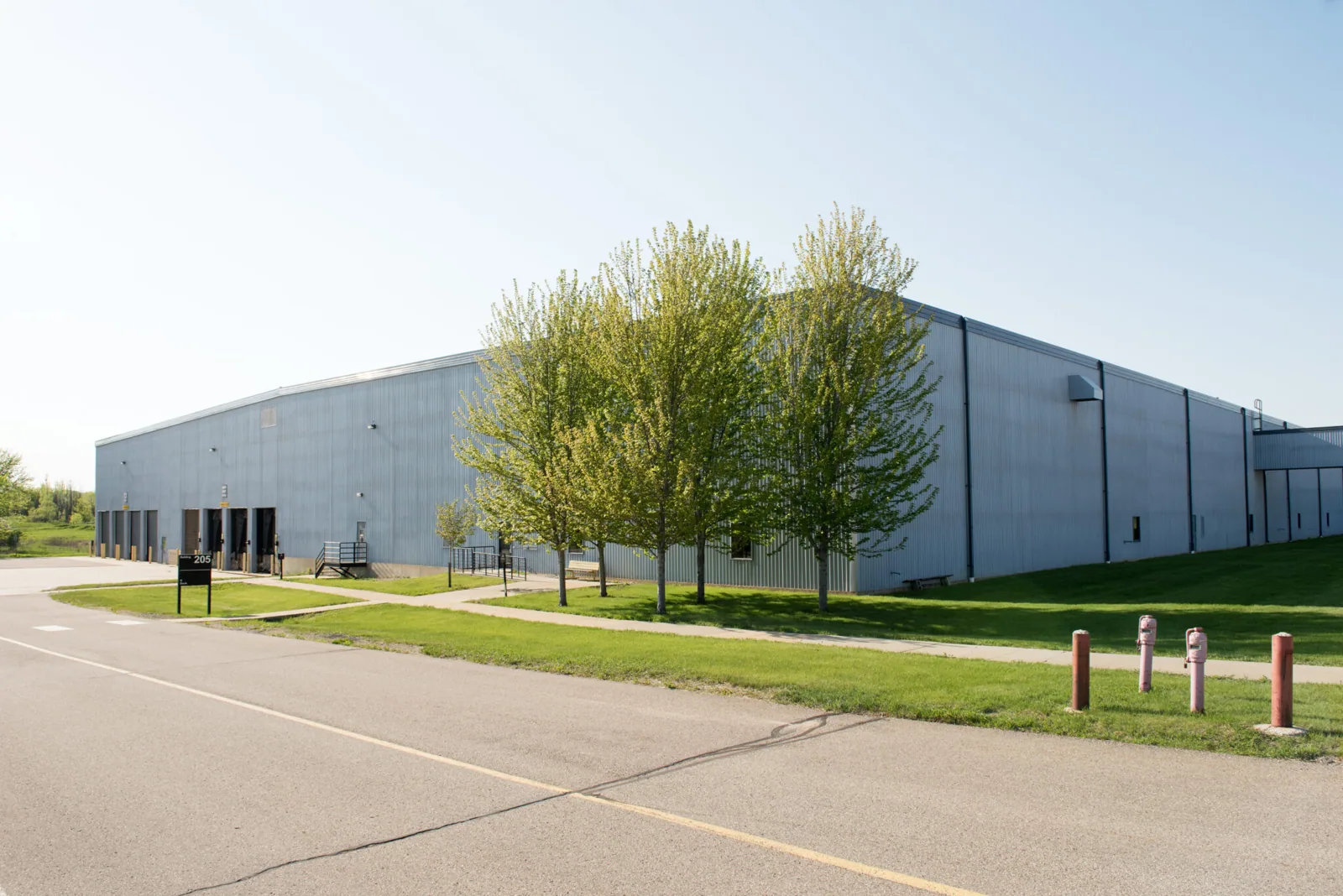
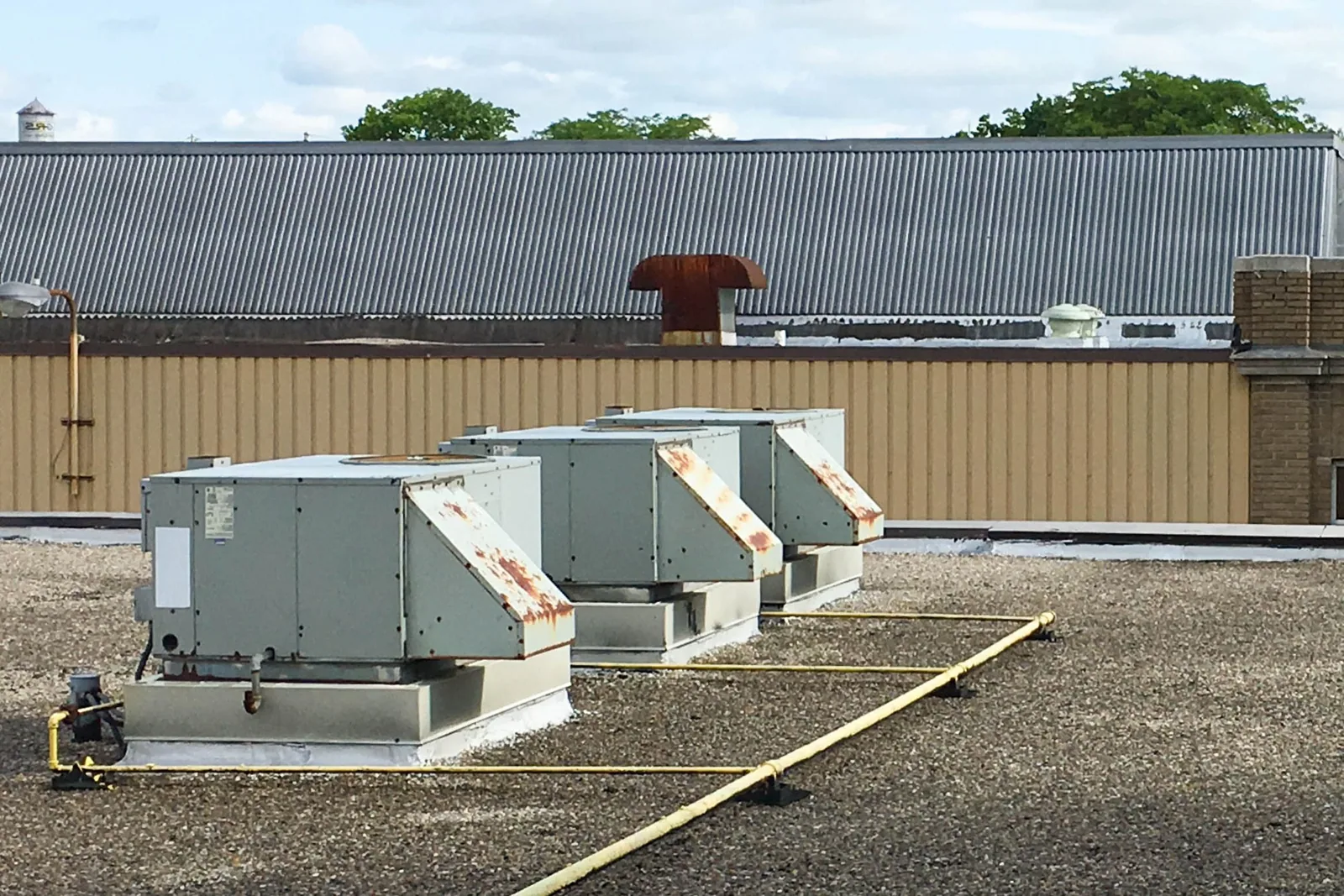

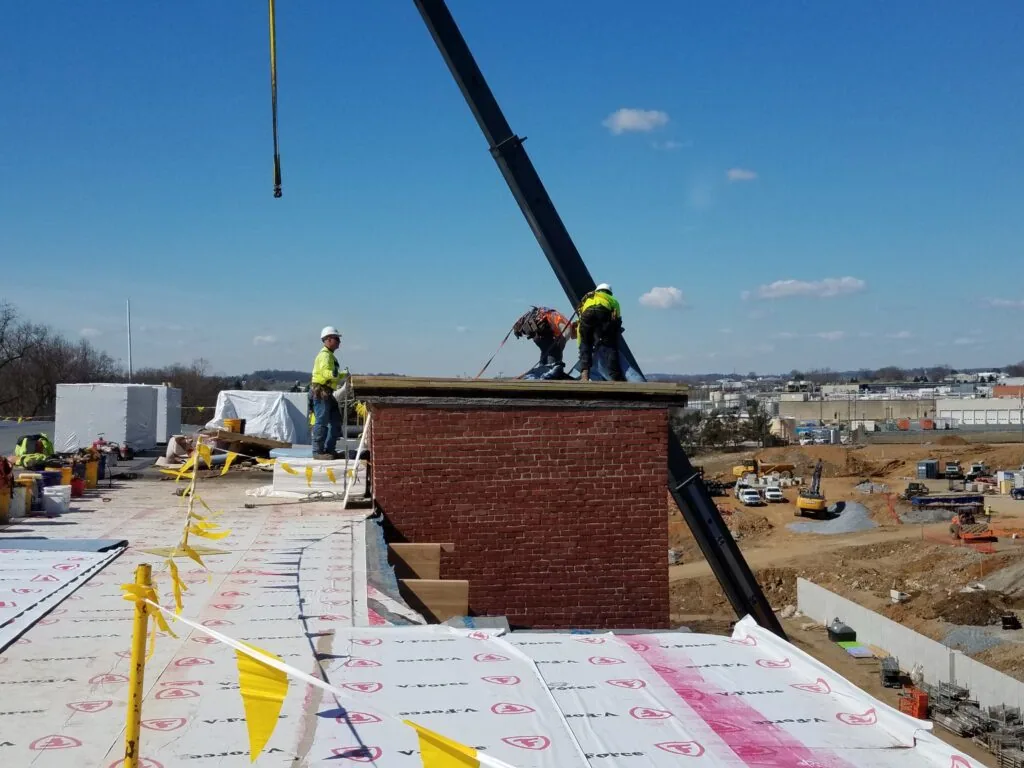
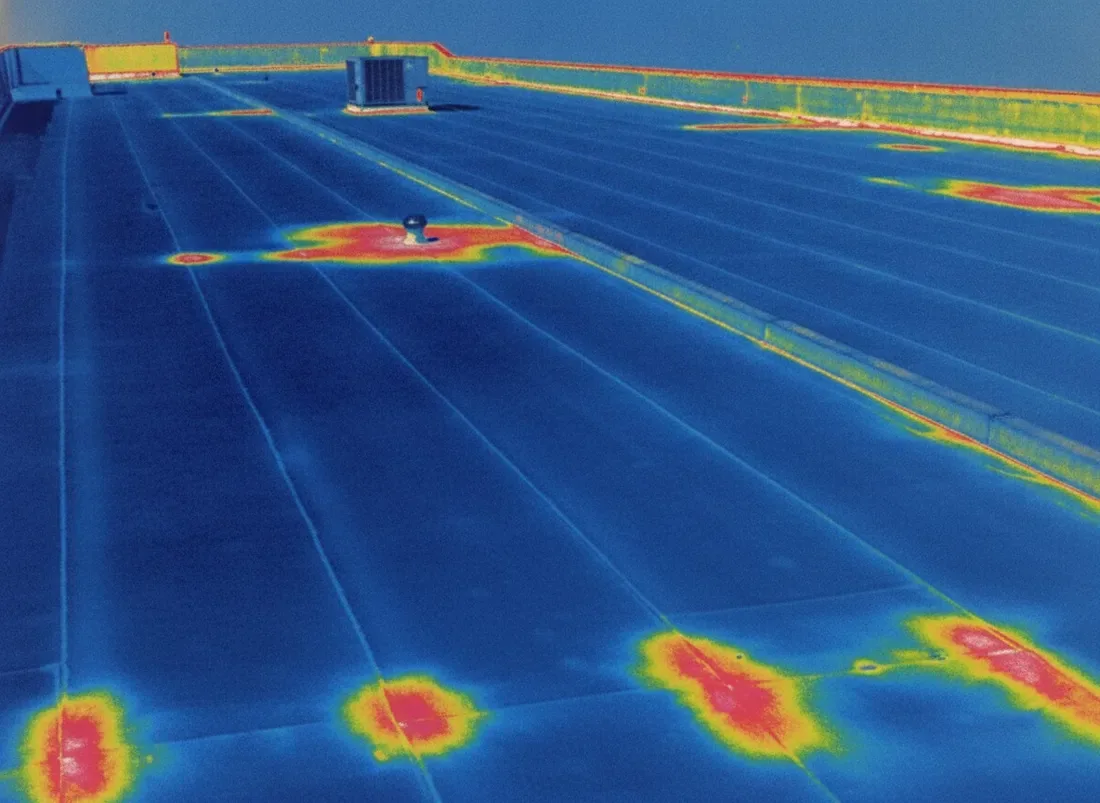
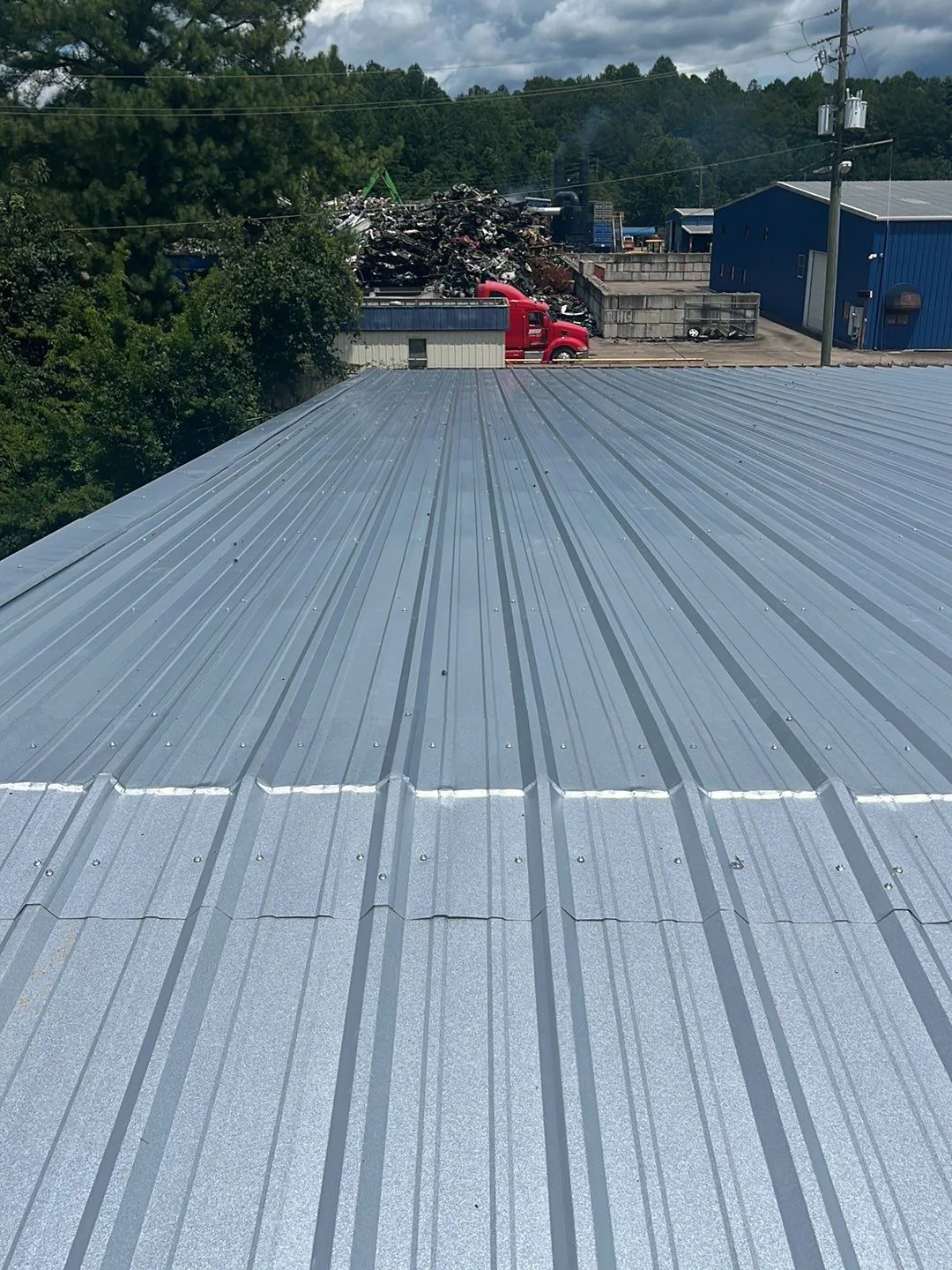
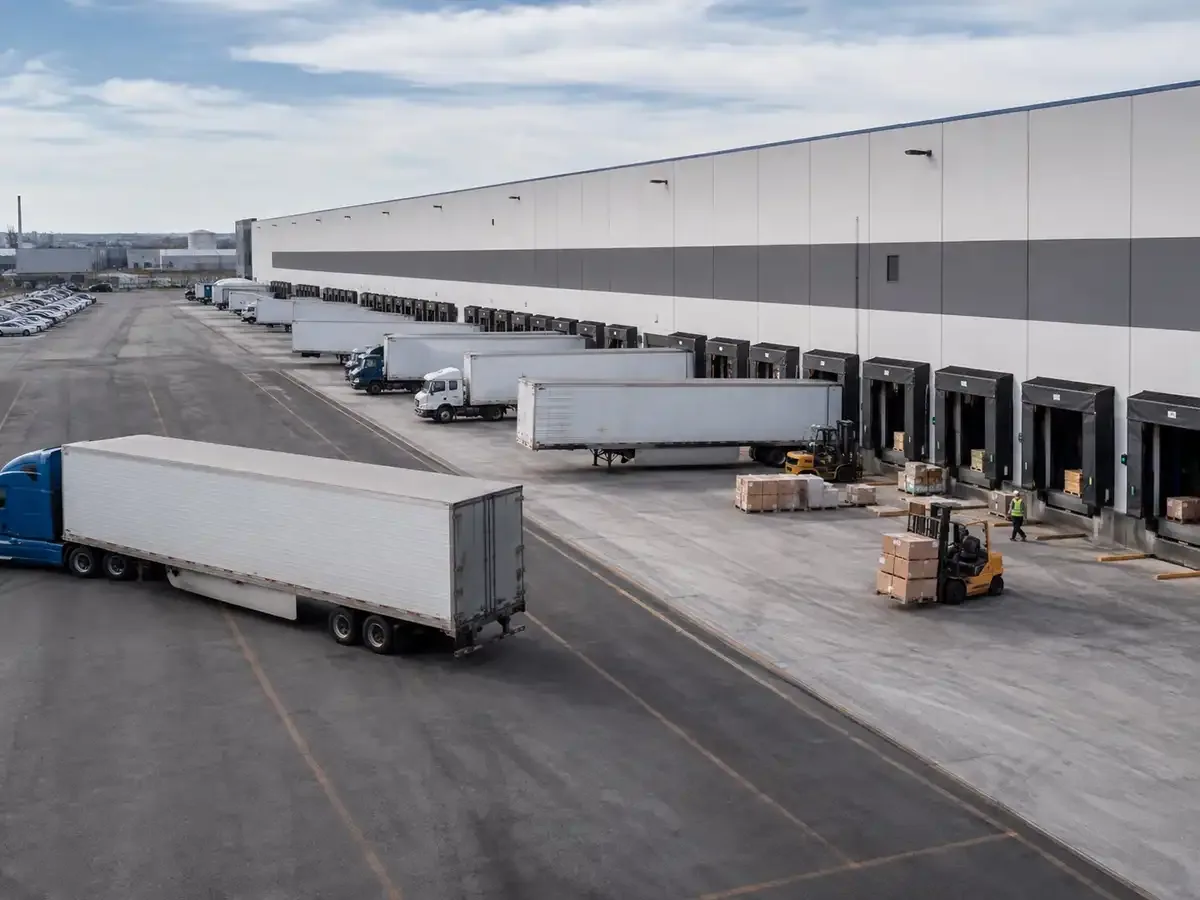

From distribution centers to clinics and schools, we roof the buildings Rochester depends on.
Share the address, roof plans, reported leak or damage, equipment layout if available, access procedures, approved work hours and the plant contact who coordinates interior operations. We use that information to map staging and work zones. The facility team identifies its process restrictions, and our scope documents the closure point and any access limits.
We plan the opening and repair sequence around the facility's approved work window, protect the exposed section and set a defined end-of-shift closure. If a hidden condition changes the scope, we document it and request direction before extending the boundary. The daily record identifies completed areas and any temporary measure still in place.
Repeated reports prompt a broader review, but the decision depends on observed membrane, seams, penetrations, insulation, deck, drainage and attachment. We map the reports, test where results can alter scope, then compare repair, recover and replacement with their assumptions. The report identifies unresolved concealed conditions instead of treating several tickets as proof of total failure.
No. The city plan describes land use across Rochester, not a particular building footprint or roof area. We measure the sections in scope and verify the assembly from records and field conditions. The report keeps local planning facts separate from building measurements and system findings.