Water is coming into the building right now
Call us and tell us where the water is showing up. We will get a crew on the roof to stop the leak and protect the space below.

Property Types We Roof
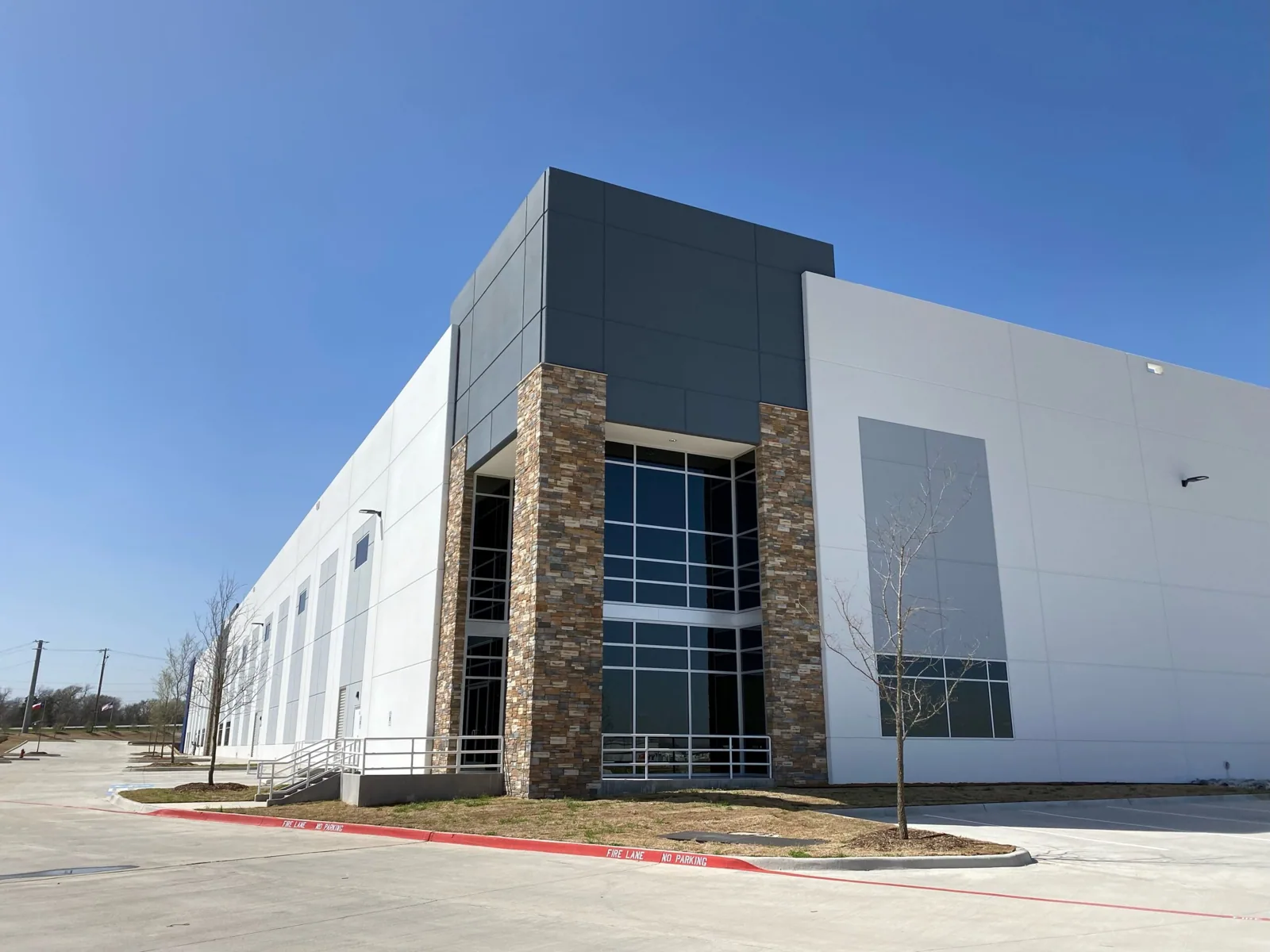
Plan distribution-center roof repair in Rochester, MN. We map leaks by bay, inspect drains and penetrations, and sequence work around facility movement.
Call us and tell us where the water is showing up. We will get a crew on the roof to stop the leak and protect the space below.
We walk the roof, photograph what we find and give you a written scope with repair options before any work starts.
Rochester, MN
A leak above a conveyor line can disrupt a different shift than the one that first reported it. We map the roof section to the floor plan, identify the opening or drain path, and mark the work boundary before scheduling a repair. In a distribution center, the route for lifts and materials matters alongside dock traffic. Rochester's airport campus supports passenger and cargo facilities, so nearby work planning begins with each property's actual operation and roof records.
A distribution-center survey maps the roof zones against dock movement, equipment positions and active loading windows. Rochester’s Airport Business Park operates alongside passenger and cargo facilities, and the Mayo support-campus inventory names North and South Valley High business centers plus warehouses and technology functions. Those records help identify possible sites; the facility address, roof plan and operations contact set the actual inspection route.
Send the Rochester property address, roof concern, bay or shift reference, system records and facility contact. We will map the affected zone, plan access around operations and return a dated scope with tested areas and work boundaries.
We use the leak time, interior location and operating schedule to orient the inspection, then follow the roof slope to seams, penetrations and drainage. A drip over a sort line may have traveled from an upslope curb or open lap. We photograph the reported point below and the roof detail above, using grid references or bay numbers when the site provides them. That record helps the next shift understand what was checked and what remains open.
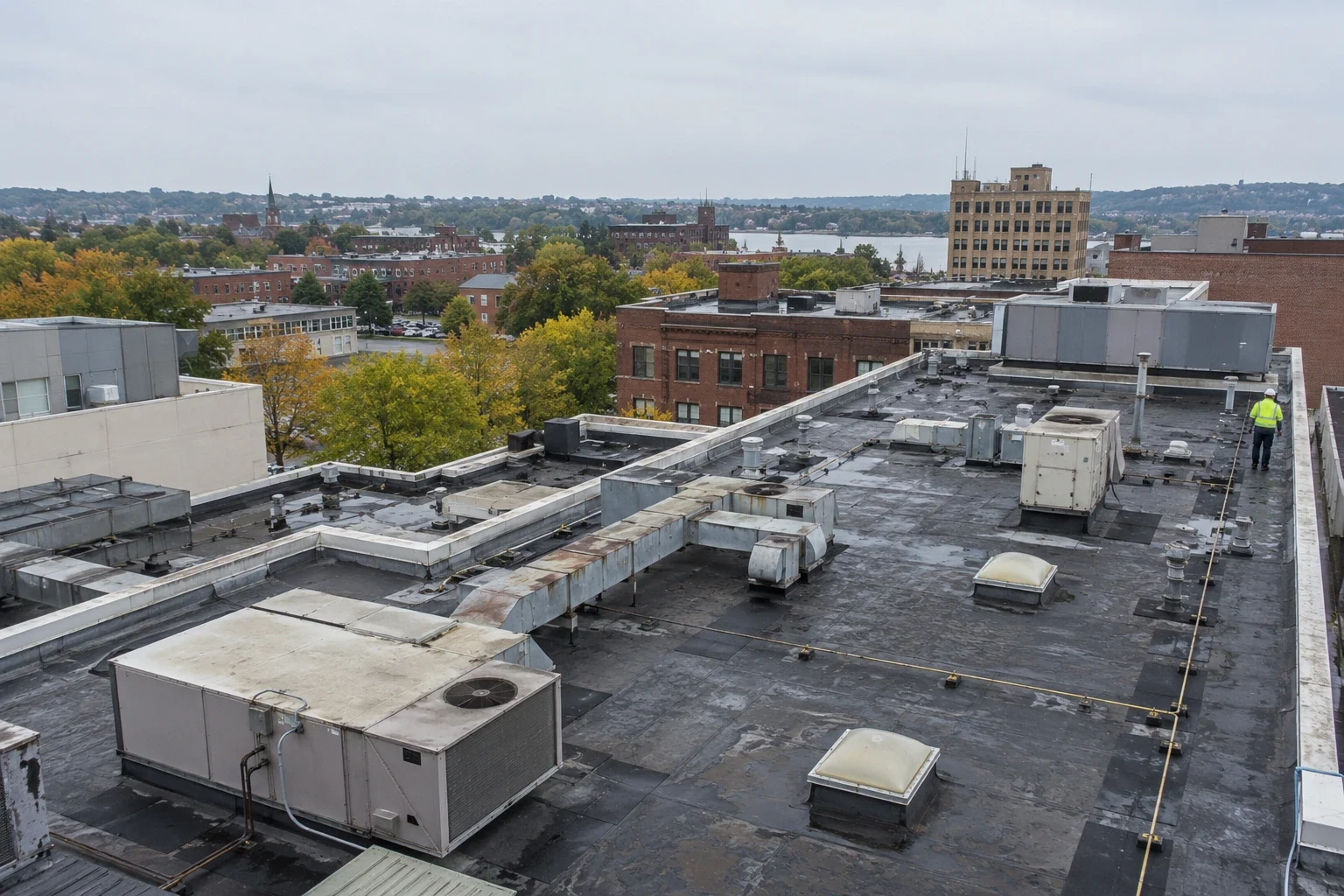
On the roof, we review membrane seams, edge metal, drain bowls, scuppers, overflow routes, HVAC curbs and supports added by service trades. A commercial roof survey establishes the roof-zone map; a drainage check distinguishes a blocked outlet from a membrane opening. For a site with several climate-controlled areas, we mark their boundaries and ask which spaces require immediate interior protection.
Before mobilization, we coordinate the lift path, roof entry, material staging, pedestrian separation and active loading windows. The facility contact identifies any aisle, dock or yard route that must remain clear. Work is divided into sections that can be opened, repaired and weather-tightened in the planned shift. If rain or melt interrupts the job, temporary protection and the next tie-in are documented before the crew leaves that zone.
A localized repair may require removal to sound membrane, replacement of wet insulation, compatible flashing and a verified seam. Broader work needs more deliberate staging: delivery timing, crane location, temporary drainage and daily closeout. A phased facility reroof plan lists access handoffs, while urgent roof response can protect an active opening before permanent repair conditions are available. The site log tracks completed bays, barriers and any scope change requested by the owner.
Each work record names the building, roof zone, interior reference and date. We include the seam or curb photograph, test location, material sequence and repaired boundary. If a report comes from a facility radio or shift ticket, we retain its reference so operations can reconcile the roof repair with the event. Access limitations are explicit: a zone blocked by equipment or restricted movement is not described as inspected.
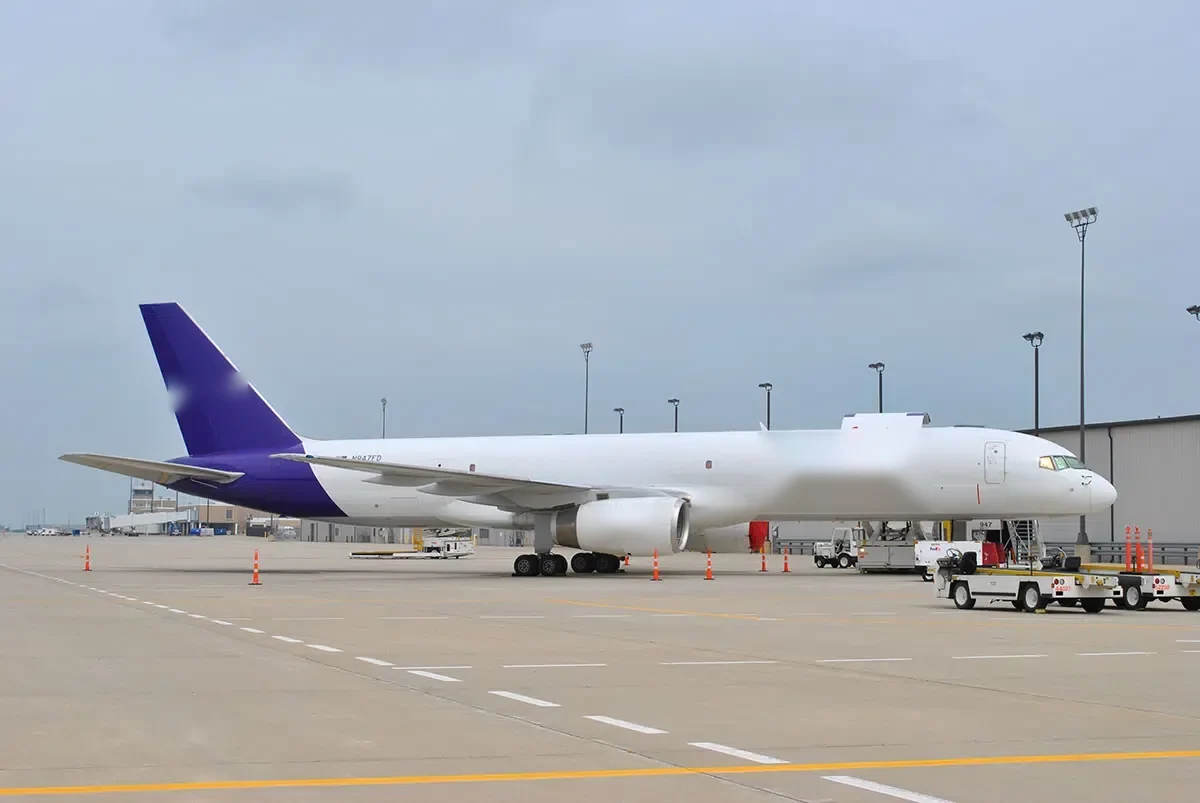
Rochester International Airport has more than 330,000 square feet of usable cargo ramp space, and FedEx is its current cargo operator. These cargo operations provide a logistics reference. A cargo-facility area visit needs the actual address, building contact and roof plan. For portfolios, a multi-site roof record keeps separate properties and operating calendars from collapsing into one maintenance note.
One failed curb can support a bounded repair if the surrounding sheet and insulation remain serviceable. Multiple leaks across unrelated bays, recurring seam openings, wet layers or widespread attachment issues can support a broader investigation. We compare repair, recover and replacement after reviewing roof layers, moisture, deck, drainage elevations, equipment curbs and perimeter details. Where test results are needed, we identify the location and why it could change scope.
A warehouse roof inspection may share some drainage checks, while cold-storage roofing needs added attention to insulation continuity and interior temperature conditions. Those are different operating requirements, not evidence about an existing building's roof. In Rochester, the airport's current cargo operations give logistics properties a local planning reference, but every recommendation stays tied to its own condition map and dispatch constraints.
When water is active, we identify the affected interior area, protect equipment and inventory as directed by the facility contact, and prevent roof runoff from entering the open work zone. If a permanent repair must wait for suitable surface conditions, the temporary measure and follow-up time are written down. We do not close a work order simply because the interior drip has stopped; the roof detail still needs inspection and a permanent boundary.
Rochester's normal seasonal snowfall is 46.3 inches, mainly from December through March. We include drain and overflow access in pre-winter maintenance, then set repair scope from conditions observed at the property. A scheduled maintenance program can record strainers, penetrations and repairs before and after winter. If an active leak cannot wait, commercial response is available around the clock; include the address, operating contact, bay reference and available system documents when calling.
Other services, systems and buildings that often come up alongside this work in Rochester.
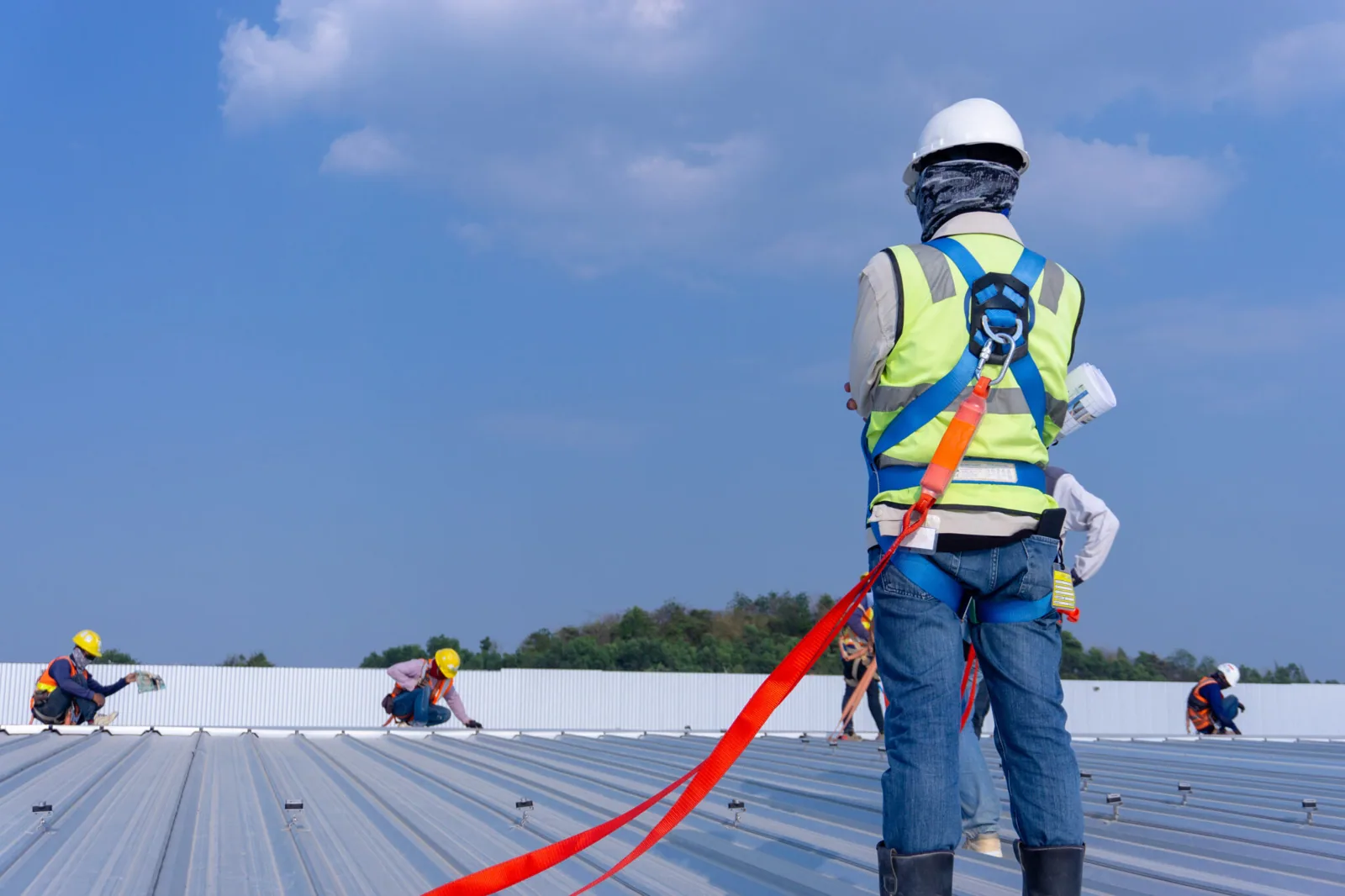
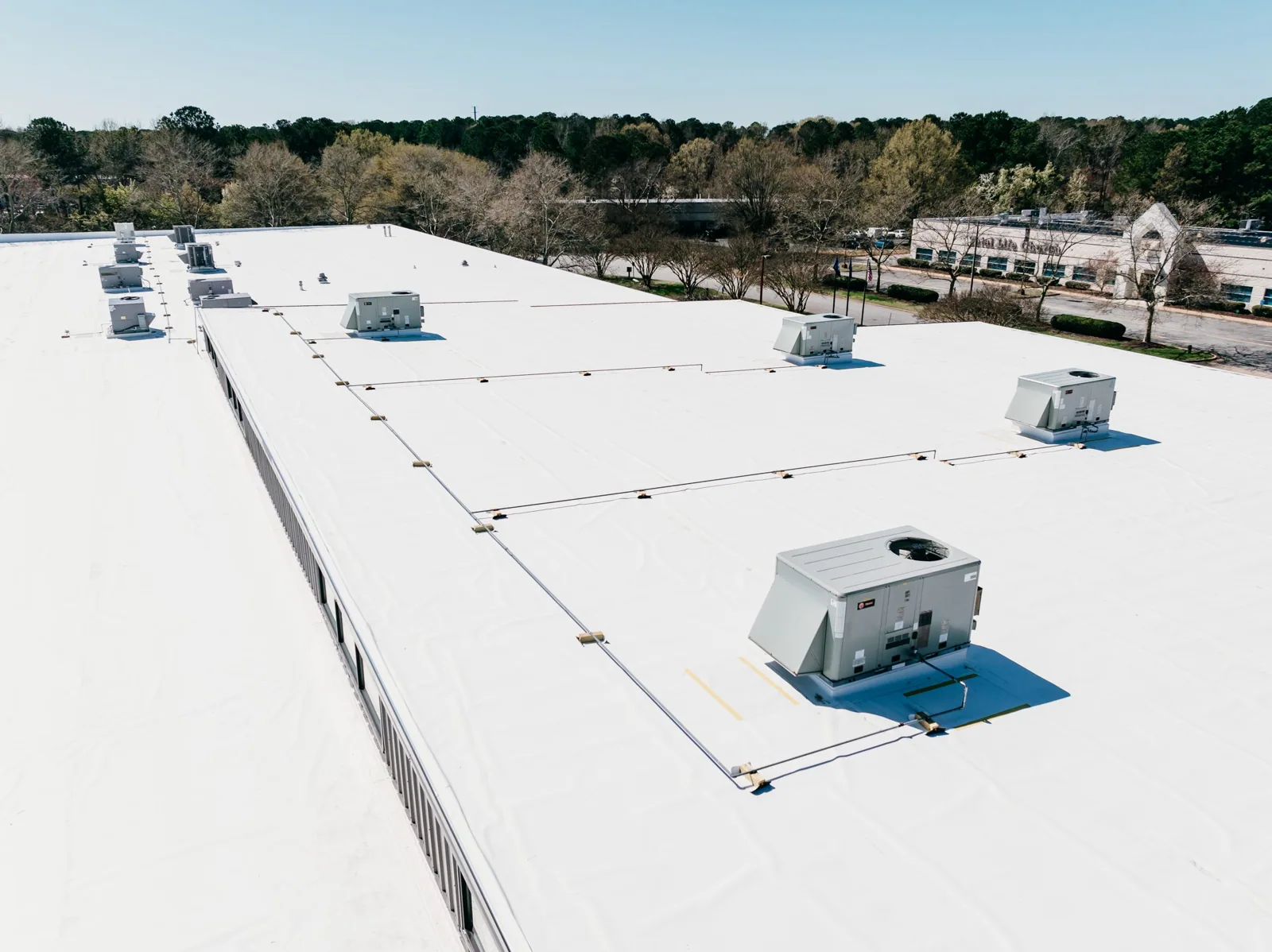
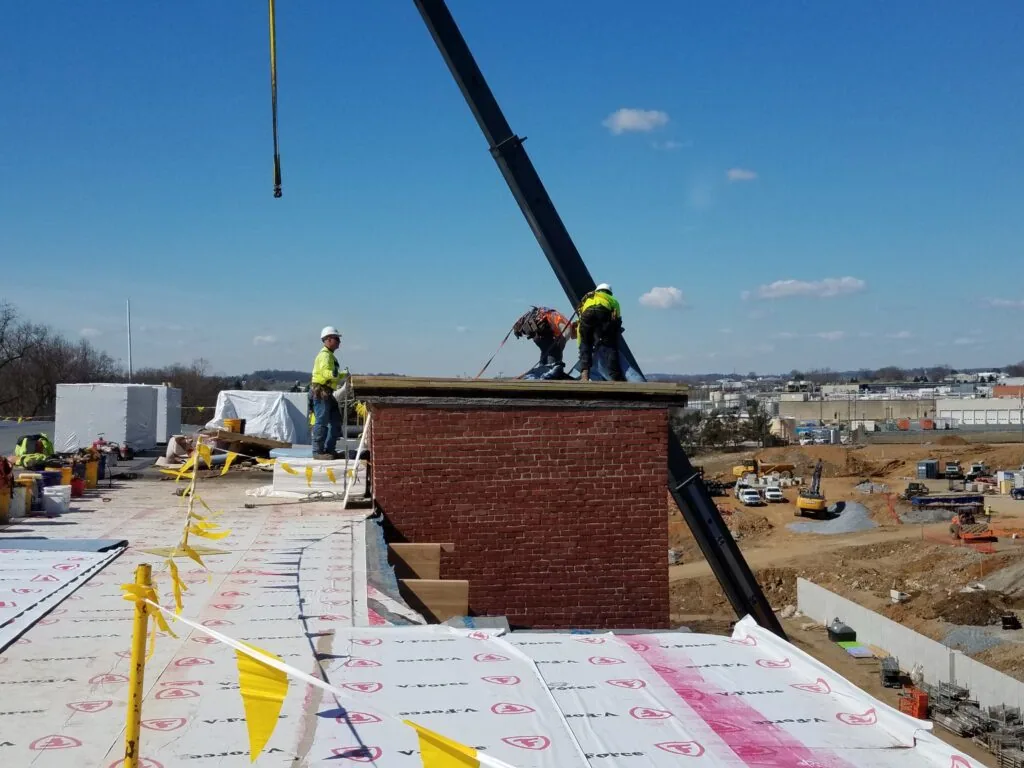
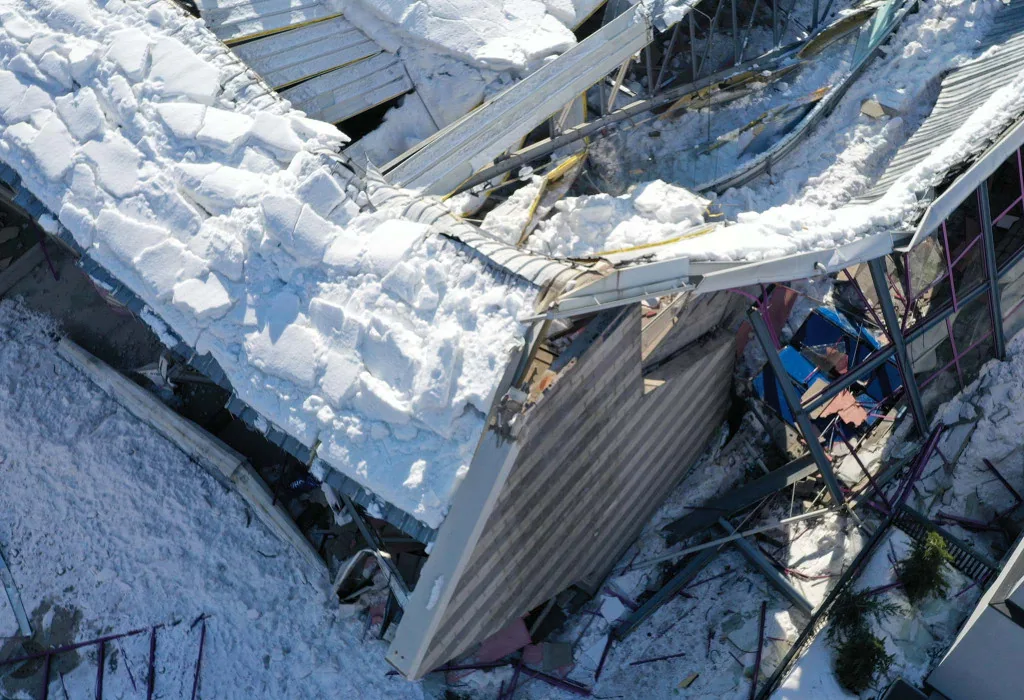

From distribution centers to clinics and schools, we roof the buildings Rochester depends on.
We map the affected roof zone, confirm the interior protection area and coordinate work with the facility contact before opening material. Staging, lift routes and daily dry-in limits are set around receiving and dispatch needs. If a leak is active, temporary protection may come first. The closeout states which bay was completed and what access is needed for the next step.
Yes, when the building's plan or operations team provides a usable reference. We tie each interior report to a roof section, photograph and repair boundary so shifts can locate the same condition. If the roof plan uses different grid labels, we record both references. A location that could not be reached stays on the open-item list.
We start with the facility contact's safety and protection procedure, then identify the roof entry path and the affected area below. Temporary containment or relocation may be directed by the owner while we protect the opening. The permanent scope follows seam, drain, flashing and insulation findings. We document interior impact separately from the roof condition and do not infer the source from the drip point alone.
The decision follows the extent of defects and condition beneath the membrane. Repeated failures in separate bays, widespread wet insulation, compromised attachment or deteriorated perimeter details can make repair less effective. We map tests, compare recover eligibility with tear-off and include the impact of staging and operation. The recommendation identifies what each option resolves and what remains untested.