Water is coming into the building right now
Call us and tell us where the water is showing up. We will get a crew on the roof to stop the leak and protect the space below.

Commercial Roofing Services
Schedule a Rochester commercial roof inspection with mapped findings, photographs, moisture testing where useful and a prioritized condition record.
Call us and tell us where the water is showing up. We will get a crew on the roof to stop the leak and protect the space below.
We walk the roof, photograph what we find and give you a written scope with repair options before any work starts.
Rochester, MN
A roof inspection is most useful when every finding can be placed on a roof section and tied to a next decision. We walk the membrane, seams, edges, drains, curbs and transitions, then record what is visible and what needs a test. The local 1991-2020 snowfall normal is 46.3 inches, much of it arriving between December and March. We use that climate baseline to decide when a roof's drains and exposed details should be checked, while the inspection report remains grounded in what the crew actually observes. The report separates a maintenance item from an active leak or a condition that could affect replacement planning.
On a portfolio property, a general note such as “roof worn” is not enough to compare buildings. The Mayo Clinic Support Campus inventory includes Valley High Business Centers, warehouses and technology facilities; those labels do not tell us the age or type of any individual roof. We confirm the property, map each section, photograph observed conditions and show the asset manager what needs repair now, what can be monitored and what needs testing. A condition report keeps those observations usable after the walk.
Send the Rochester building address, roof concern, available system records and portfolio contact. We will map inspected sections, document limits and return findings that can support maintenance or capital planning.
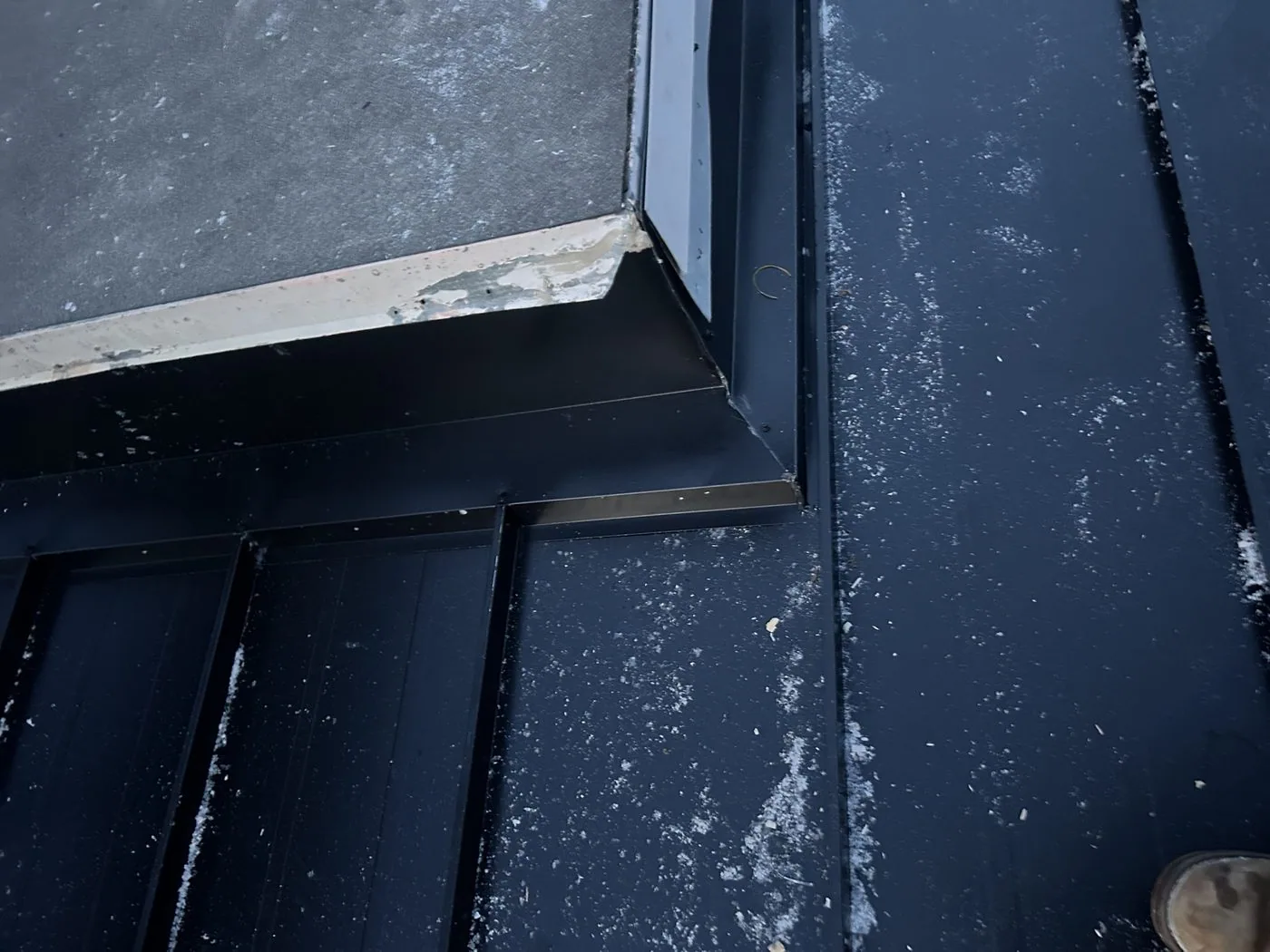
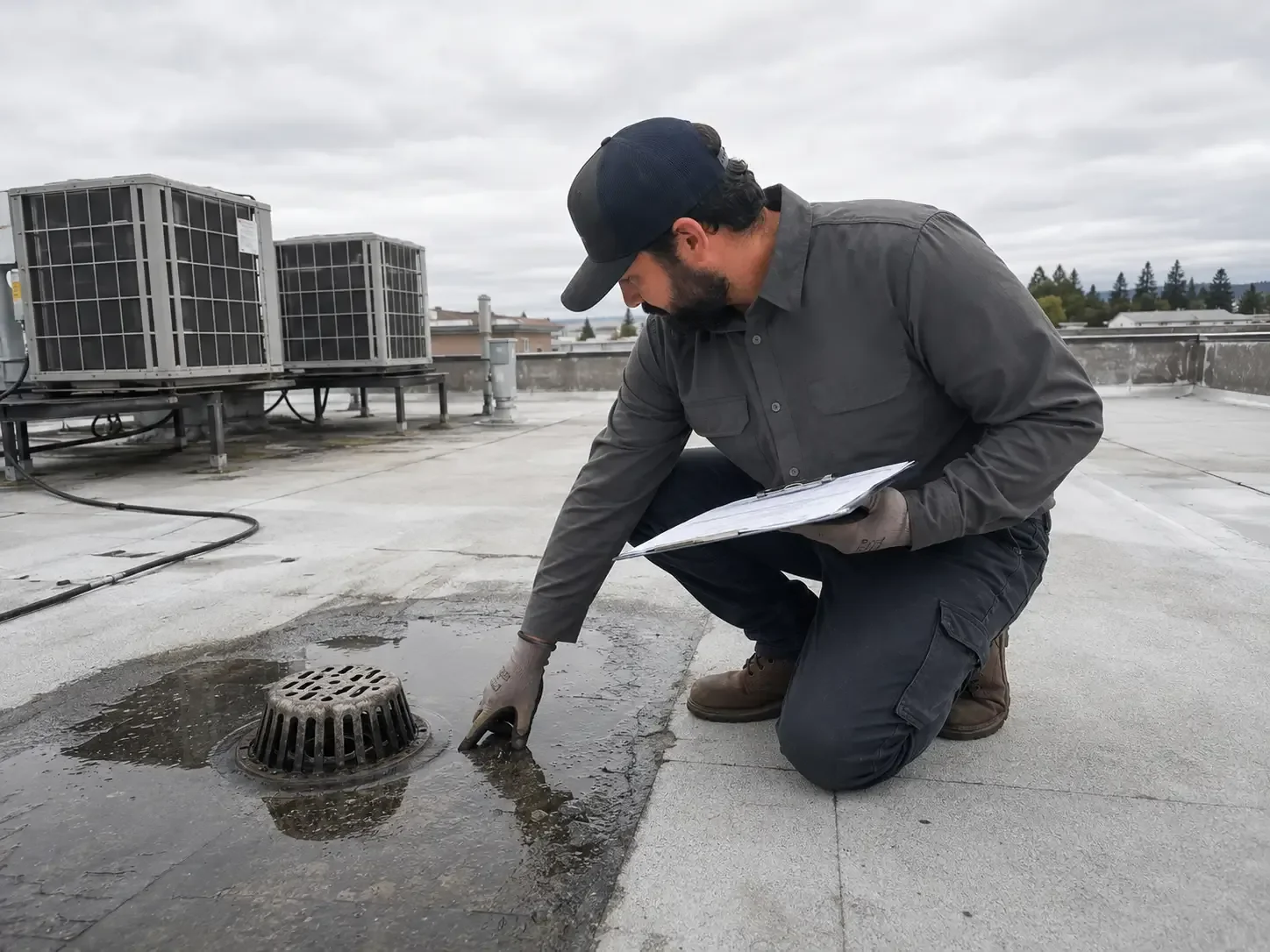
We begin with the roof plan, access points and the building contact’s priorities. On the surface, the walk follows a consistent route from perimeter details to field seams, penetrations, curbs and drainage. We check termination bars, flashing corners, metal transitions, fasteners and any prior repair, noting the condition and location of each. A drain is recorded with its bowl, surrounding membrane and overflow path, not as a bare symbol on a drawing.
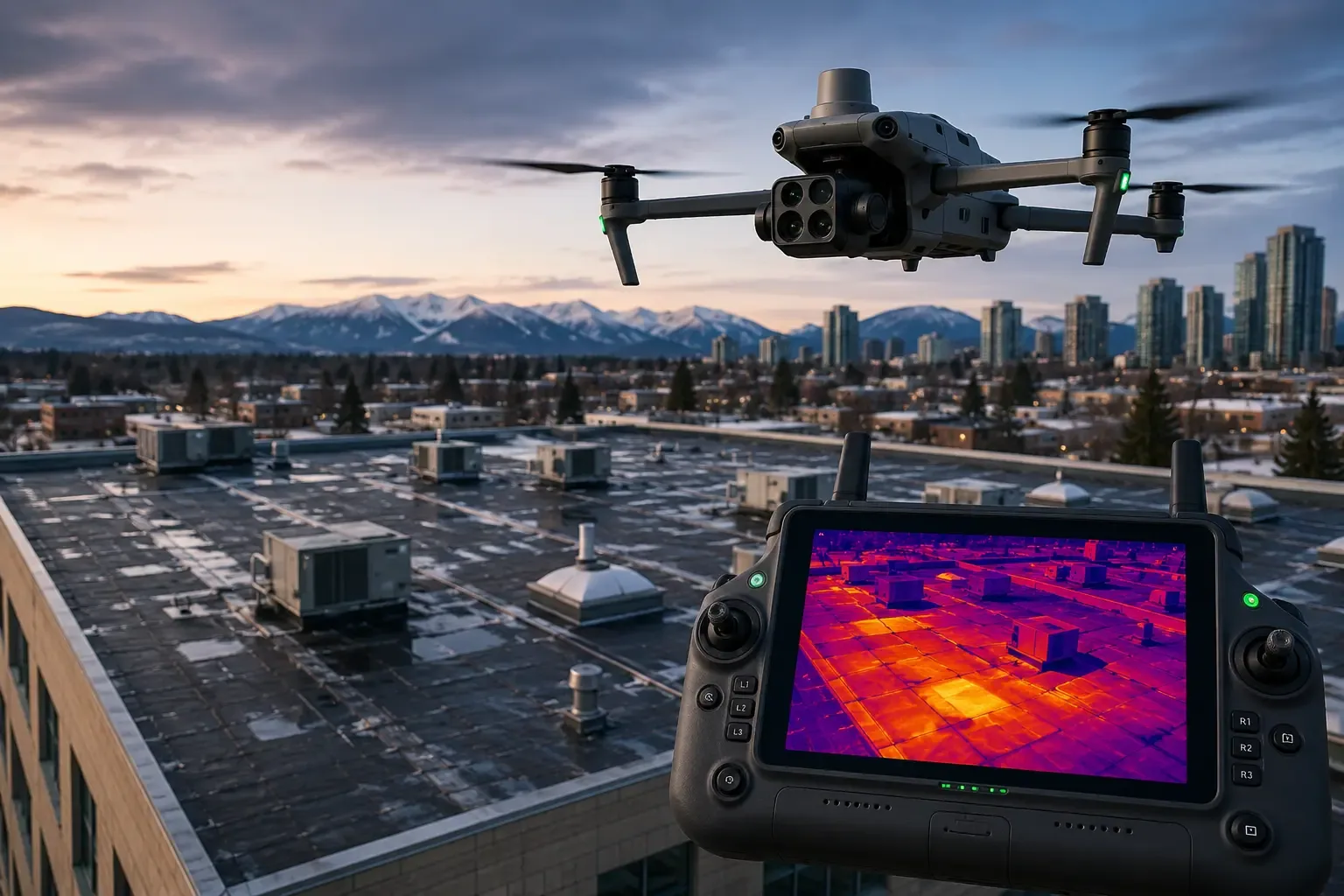
Rochester's major commercial and industrial corridors include large-footprint manufacturing and warehousing uses. For a broad roof, we divide the walk into numbered sections so findings stay tied to the correct area and access route. If an equipment zone is blocked or a portion of the roof cannot be reached safely, the report states that limit plainly. Drone images can help document large or difficult-to-access areas, while a drone inspection does not replace hands-on review of seams or material condition.
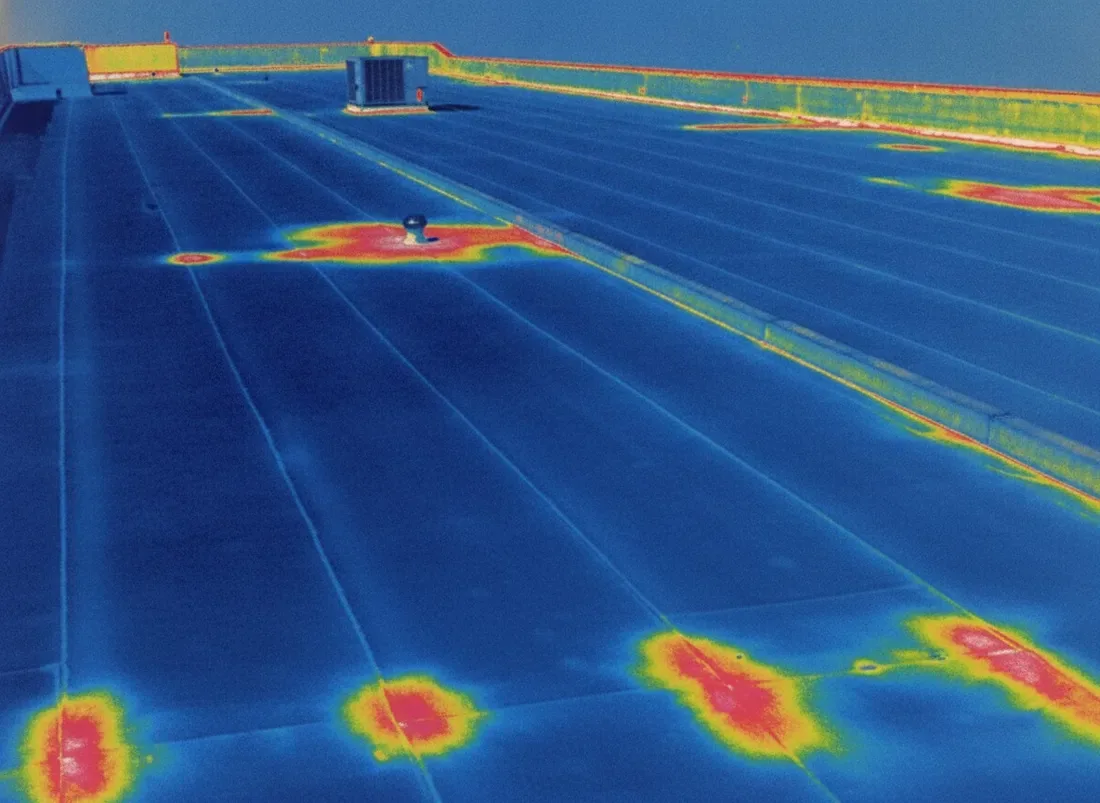
Surface appearance can show open laps, punctures, loose flashing, ponding traces or displaced edge metal. It cannot always establish what is happening below the membrane. When a condition affects repair, recover or replacement, we may propose a targeted moisture survey or core cut. We identify the exact question first, select test points that can change the scope and record what was found. A thermal image or moisture reading is evidence for follow-up, not a substitute for confirming the assembly where needed.
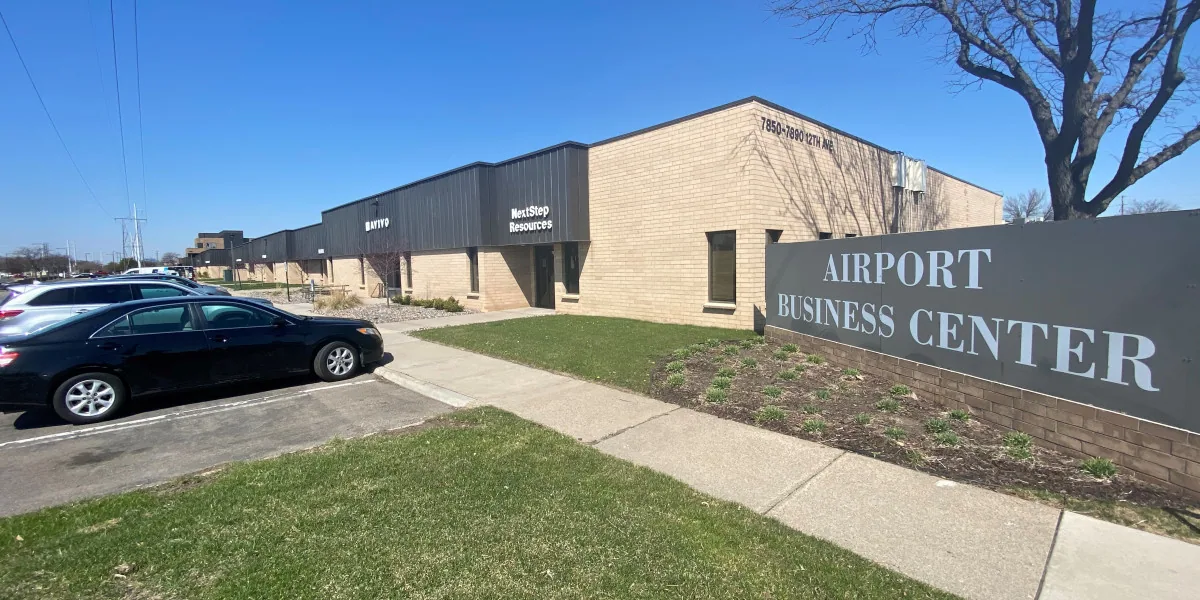
At a Mayo support-campus building or a commercial property near the Airport Business Park, the inspection starts with that building’s records and roof sections. Before choosing a repair method, we confirm the installed roof material from records or field details. A moisture survey can help map areas that warrant further testing, and a repair proposal can distinguish confirmed defects from suspected conditions. That lets an owner compare a localized fix with broader work without presenting an untested area as proven damage.
Each finding includes a location, photograph, condition description and recommended next action. We can group items as immediate repair, planned maintenance, monitoring or further evaluation, but the category follows the evidence rather than an arbitrary score. The report identifies repeated details and repair boundaries, and it notes where access or testing was limited. If a roof section has no visible defect, the record states the inspection coverage rather than promising that a concealed issue cannot exist.
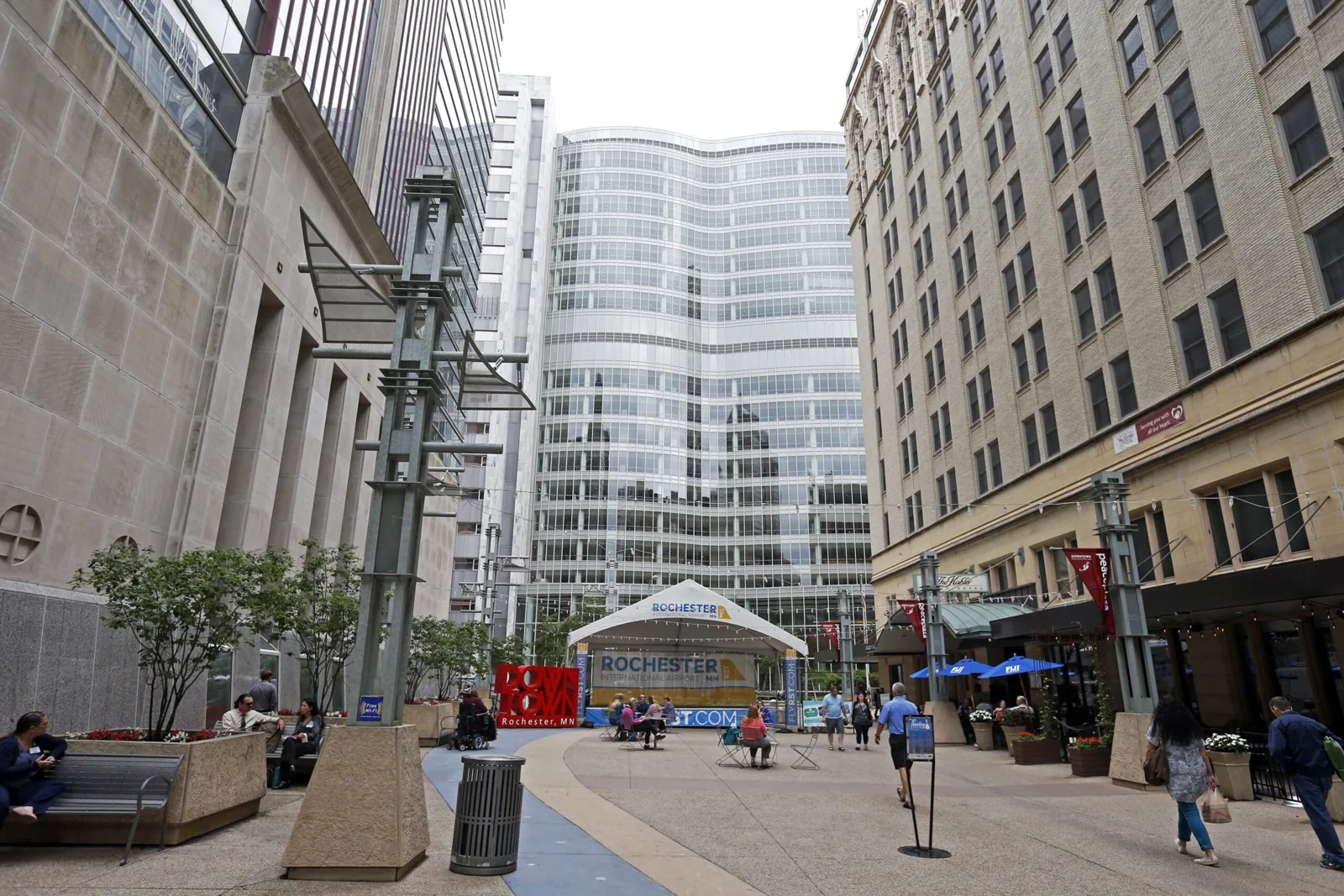
Rochester’s downtown mix includes medical, office, retail and civic uses, while the city also has manufacturing and warehouse areas. A facility manager can use the same report structure across those assets while keeping each roof and its materials distinct. We include system identification only where observed or supported by building records. A roof asset record can then retain the property address, section map, portfolio date, maintenance history and current findings for the next capital review.
The report should give the owner a practical next step. We identify repairs that should be scheduled, details that need observation after service and areas that warrant a test. With a 46.3-inch seasonal snowfall normal, Rochester owners benefit from a documented drain and edge review before the winter service period. The timing sets a maintenance checkpoint; it does not replace the condition notes from the roof walk. If a recent storm prompted the visit, we record the building’s findings separately from the event record.
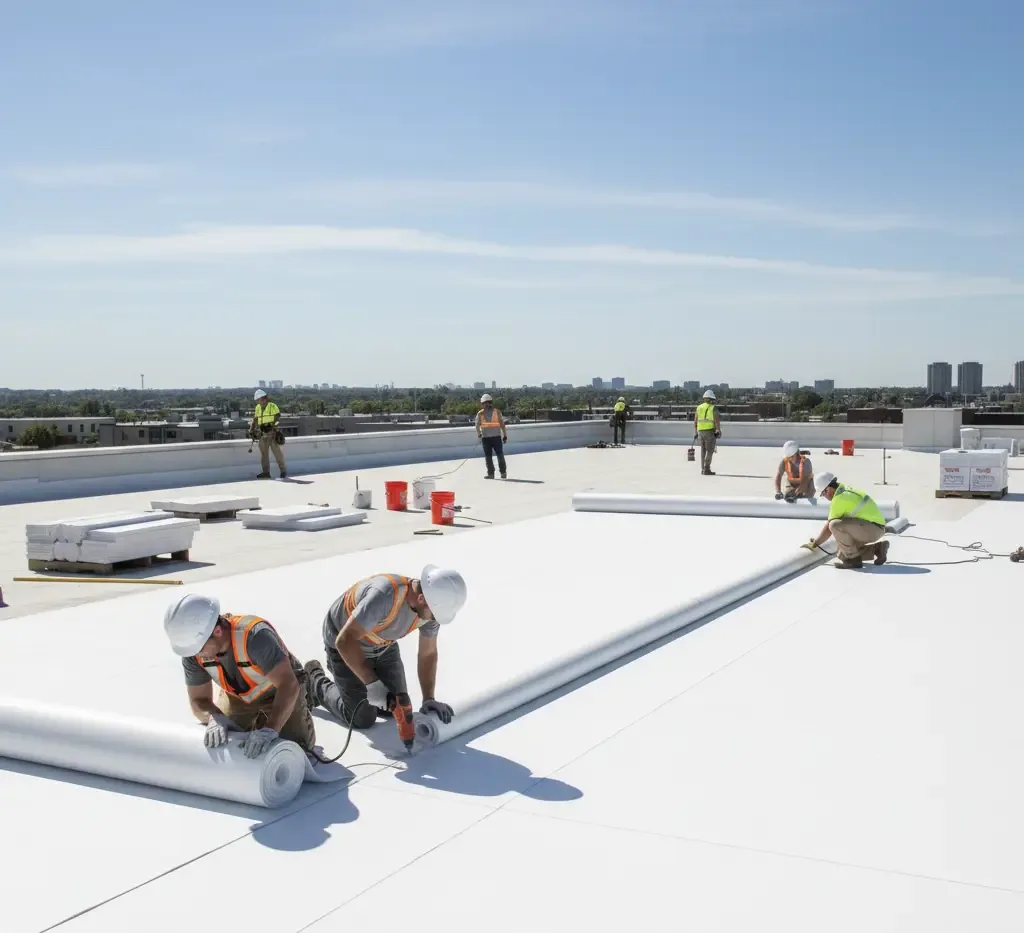
For a roof with multiple materials or sections, the next walk can target components that have changed instead of repeating a generic checklist. We note a portfolio date, prior repair boundary and any access limitation so a later inspection can compare like with like. If the roof is being evaluated for a new TPO system, the inspection can document substrate and detail questions that still need design review. It does not assume that a preferred system is suitable before those conditions are known.
At handoff, the owner receives photographs organized by section, a concise findings list and the limitations of the inspection. We discuss which repairs protect the assembly now, which items can be budgeted and which question needs a test. For an occupied property, we can identify access or operational constraints that should be included in the work sequence. The closeout record should be clear enough for someone who did not join the roof walk to understand why a recommendation was made.
Send the Rochester property address, available roof plan or system records, concern that prompted the visit and portfolio contact. If the property is on Mayo’s support campus or at the Airport Business Park, specify the exact building and the access contact; the campus name alone is not a roof description. We will use that information to prepare the inspection route and return findings tied to the building, not a generic campus summary.
Other services, systems and buildings that often come up alongside this work in Rochester.

From distribution centers to clinics and schools, we roof the buildings Rochester depends on.
It maps visible conditions by roof section, with photographs, defect descriptions, repair boundaries and recommended next actions. We distinguish immediate repair from planned maintenance, monitoring and areas that need further testing. Any inaccessible or untested section is identified so the owner can see what the inspection did and did not establish.
A visual walk can identify signs that justify testing, but it cannot always confirm moisture below a membrane. We propose targeted infrared, other moisture testing or a core cut when that result could change the scope. The report lists test locations and findings separately from visual observations.
We inspect the specific property and roof sections authorized for the visit. A campus can include multiple buildings and different systems, so the address, building name, access contact and records matter. The report labels each inspected area and does not generalize one roof’s findings to the rest of the campus.
We tie each finding to evidence, location, consequence and the next action. Active openings and details that can cause further damage are separated from maintenance items and long-range planning questions. A portfolio contact can then compare repair needs across sites using dates and section maps rather than combining unrelated defects into one score.