Water is coming into the building right now
Call us and tell us where the water is showing up. We will get a crew on the roof to stop the leak and protect the space below.

Property Types We Roof
Repair Rochester restaurant roofs with attention to exhaust curbs, grease exposure, drain paths, guest access, and documented daily tie-ins.
Call us and tell us where the water is showing up. We will get a crew on the roof to stop the leak and protect the space below.
We walk the roof, photograph what we find and give you a written scope with repair options before any work starts.
Rochester, MN
Grease residue at an exhaust curb changes how a membrane detail should be inspected and prepared. We check the curb flashing, nearby field sheet, grease discharge path and drain area, then identify the roof section and kitchen contact before writing a repair scope. Downtown Rochester includes a mix of restaurants, offices, retail, civic, cultural and historic uses. That context makes access and neighboring tenants part of the work plan, while the roof materials and exhaust conditions must still be verified at the restaurant.
We trace the reported leak across seams, curbs, wall transitions and drains instead of assuming the kitchen hood is the source. Water can follow a deck or insulation joint and appear away from its entry point. The inspection notes the interior location, roof evidence, tested area and any open question separately. That gives an owner a repair boundary that can be coordinated with kitchen operations and revisited after the next service interval.
Send the restaurant address, roof concern, available system records and operator or portfolio contact. We will coordinate access, inspect the affected section and record how the repair interfaces with exhaust service.
A rooftop fan can carry grease, vibration and condensate concerns to the same curb. We inspect the flashing and attachment around its base, look for movement or open laps, and follow any residue toward the drain path. We also note whether grease appears to discharge onto the membrane or metal components. Cleaning and exhaust-system work may involve a separate service provider; we coordinate the roof repair boundary with that work so a cleaned surface is not immediately disturbed.
December through March account for most of Rochester’s 46.3-inch 1991 to 2020 seasonal snow normal. For a restaurant roof, that timing makes drain bowls, scuppers and overflow details worth checking before winter, especially where equipment screens or grease buildup collect debris. We record water flow and visible blockage at the time of the visit. The citywide normal does not establish the structure’s design load or the actual snow condition on the property, which require separate evidence.
Restaurant schedules may leave little room for an unplanned exhaust shutdown. Before mobilizing, we coordinate roof access with the operator, identify the fan or hood affected and confirm any shutdown responsibility with the equipment contact. The work plan marks the entrance and seating or kitchen areas below, along with staging and overhead protection. Hot work, adhesive odor and noise are scheduled with the actual property and method in mind, not assumed from the business category.
If a repair must remain open between shifts, the closeout names the temporary seal, inspection time and person receiving the handoff. We protect air intakes and nearby rooftop equipment as appropriate to the scope. For a restaurant in a mixed-use building, we include the property manager and any affected neighbor in access planning. A visible roof plan and daily note make the work boundary understandable to the next manager even if the original contact is away.
A curb flashing may need a local repair when the adjacent membrane and insulation are sound. If several exhaust details show the same failure, or testing finds moisture beyond the curb, a broader section may be warranted. We mark the test locations and document where the repair would stop. A penetration flashing repair addresses the roof detail; it does not replace cleaning or mechanical service for the fan itself.
Where grease or exhaust conditions challenge the existing material, we review the assembly and product compatibility before selecting a repair. KEE membrane systems may be considered where project specifications and installed conditions support that option; no material choice should be made from the property type alone. If the roof needs a replacement, we compare the removal scope, equipment transitions, drains and edge metal. A drainage repair may be a separate item when water is held by a blocked or damaged outlet.
When a hood or fan service visit is planned, roofing work can be sequenced before or after it depending on the curb condition and access. We agree on who removes or resets equipment components, inspect the substrate after the detail is opened, and record concealed conditions before covering them. The membrane repair then follows the approved material sequence, with each seam, corner and termination checked before the crew leaves.
Daily notes identify whether the exhaust equipment was available, which roof detail was completed and whether another trade must return. If the system cannot be restarted until a technician finishes, that responsibility stays visible in the handoff. For a grocery roof, refrigeration equipment may add another coordination layer; a big-box retail building may have extensive rooftop equipment as well. In every case, the correct trade contact owns each shutdown and restart, and the roof record captures the interface without taking responsibility for unrelated equipment work.
We document the roof section, exhaust curb, grease condition, drain path, test results, materials and repair boundary. Photos show the detail before preparation and after closeout. Any hood cleaning, fan service or kitchen shutdown is noted with the responsible party and date. Keeping these items distinct helps a future leak review identify whether a membrane detail reopened, grease returned, or equipment changed after the roofing visit.
The Heart of the City district brings the Mayo Clinic setting together with downtown retail, hospitality, residential and commercial uses. A restaurant in a mixed-use setting may have adjacent roof zones and shared access considerations, but a district description cannot confirm the building’s roof layout. We use the address, plan and site walk to label the property. Its closeout file then remains useful for later repairs and tenant coordination.
Maintenance should revisit the locations that have shown grease, open seams, ponding or previous repair. We check the curb perimeter, drain bowl and overflow route, then photograph any change from the last visit. After a significant weather event or active leak, we inspect the affected area and record what the roof actually shows. Our emergency roof response is available all day, every day, including holidays, for urgent water entry; permanent repair follows once the system and work boundary are established.
A maintenance log records date, section, observation, action and next check. That makes it easier to schedule a return before the seasonal snow period or alongside planned exhaust service. Preventive roof maintenance can keep small seam or drain findings visible across a restaurant portfolio. The program does not substitute for a repair when a flashing has failed; it makes the next decision traceable and ties the result to the correct roof zone.
Other services, systems and buildings that often come up alongside this work in Rochester.
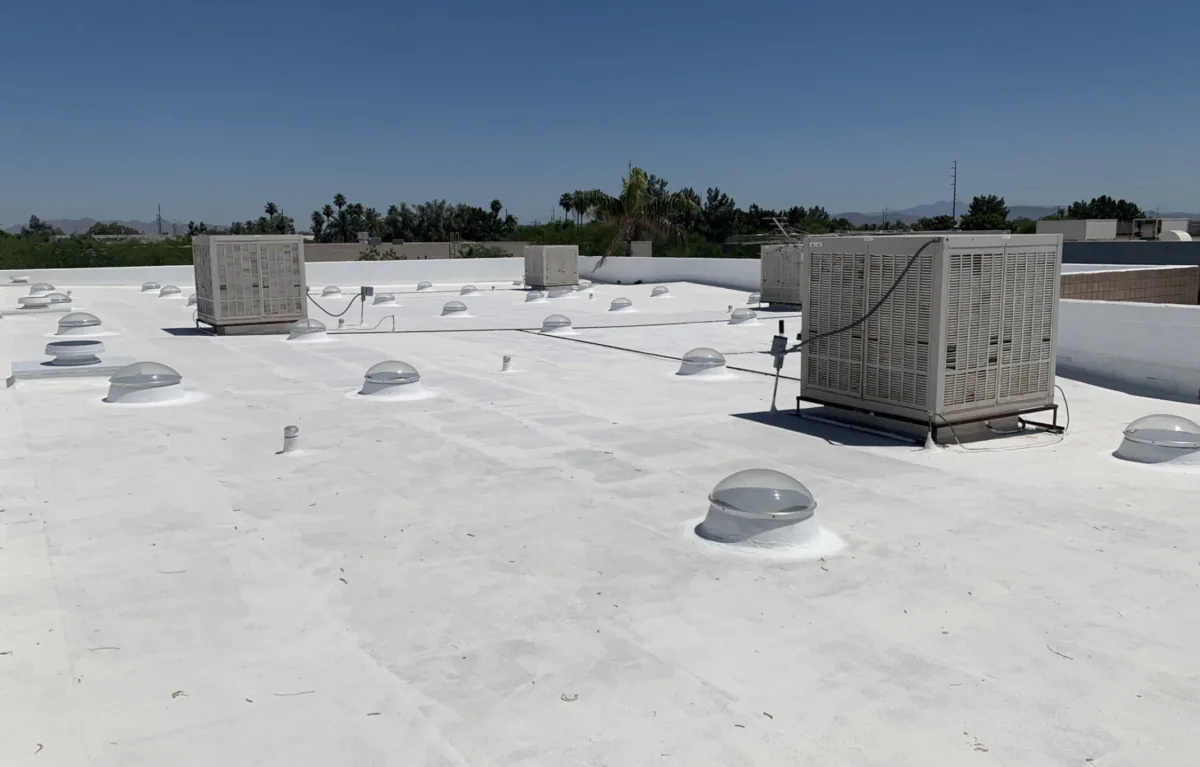
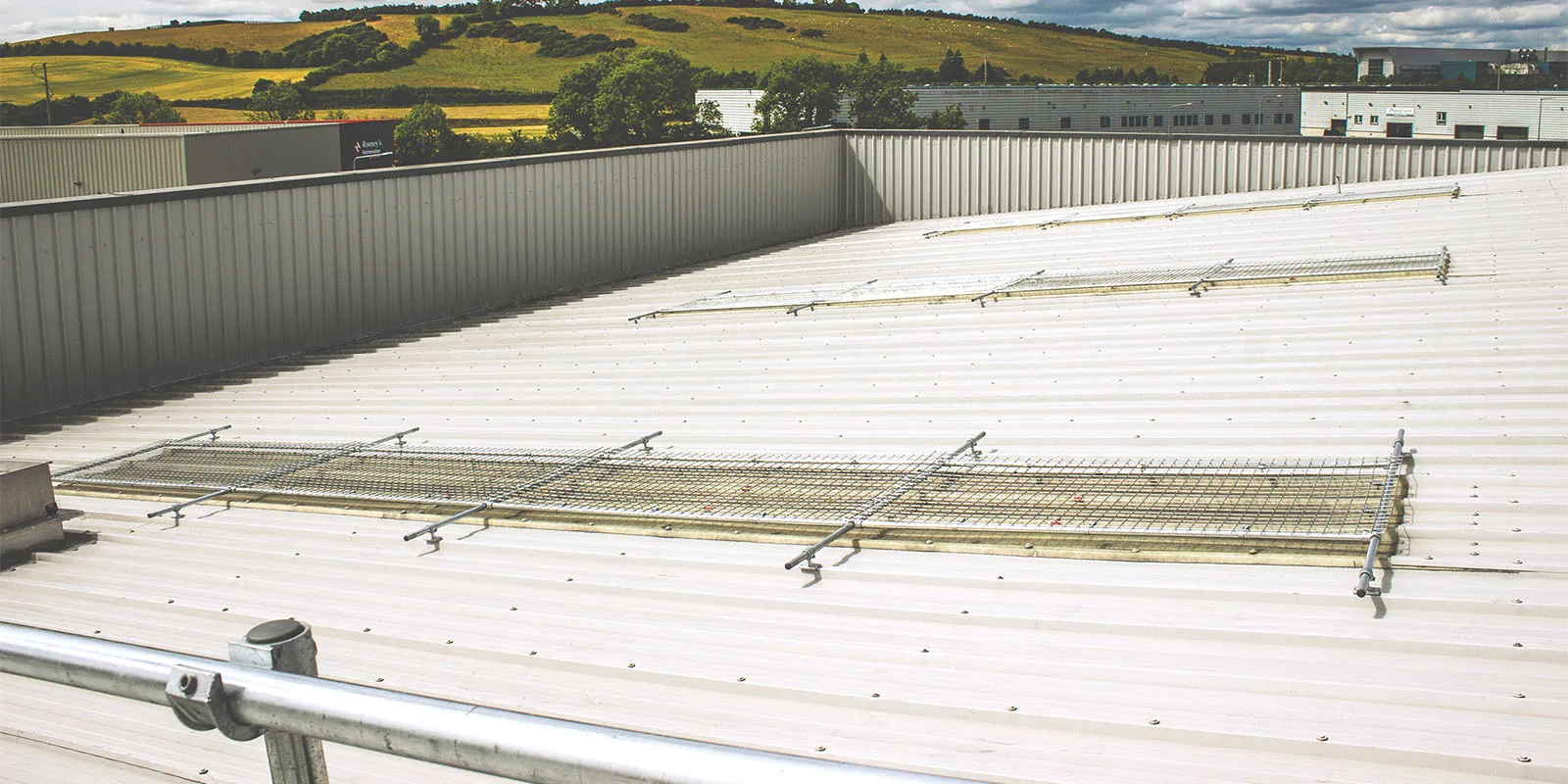
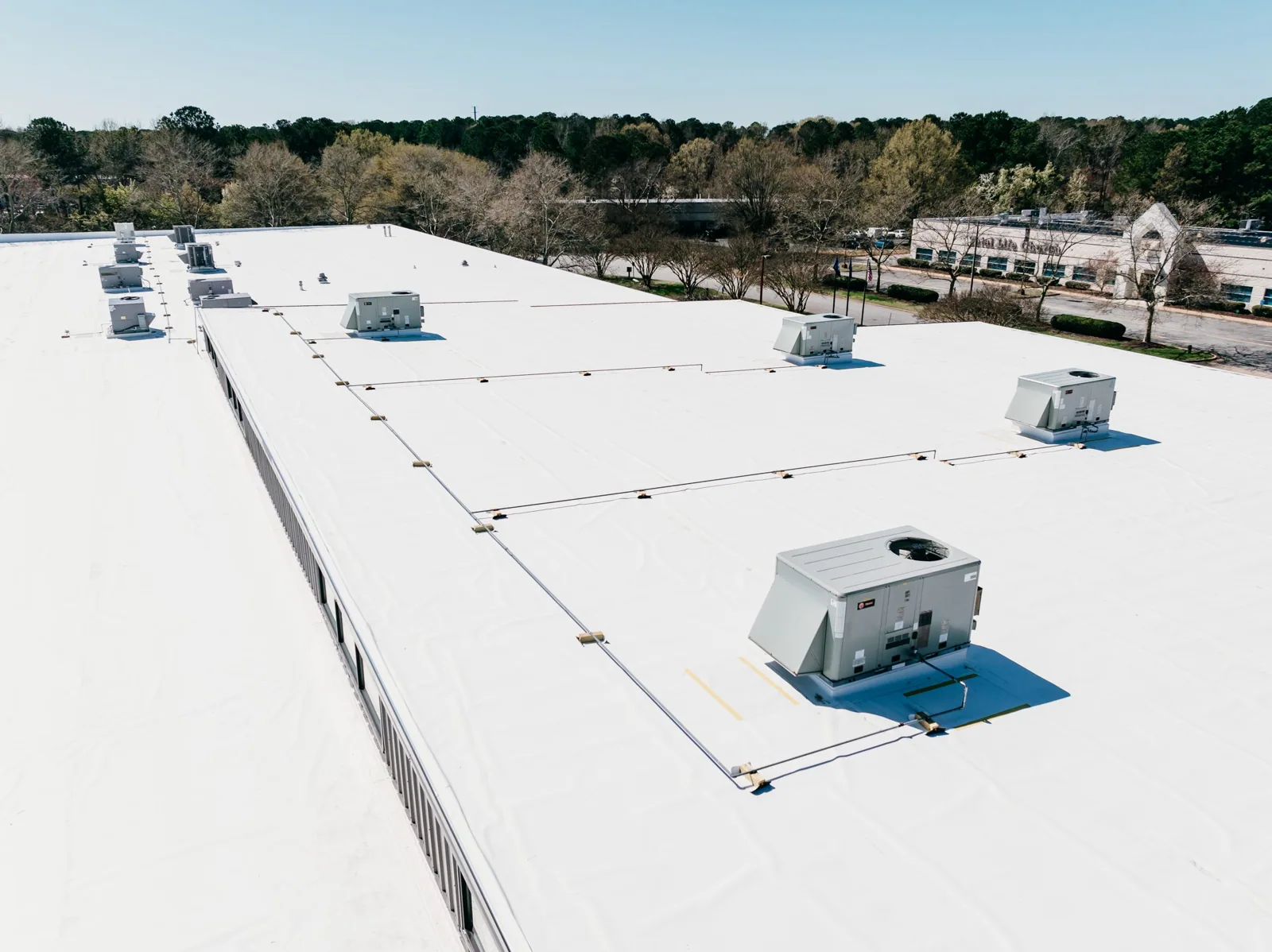
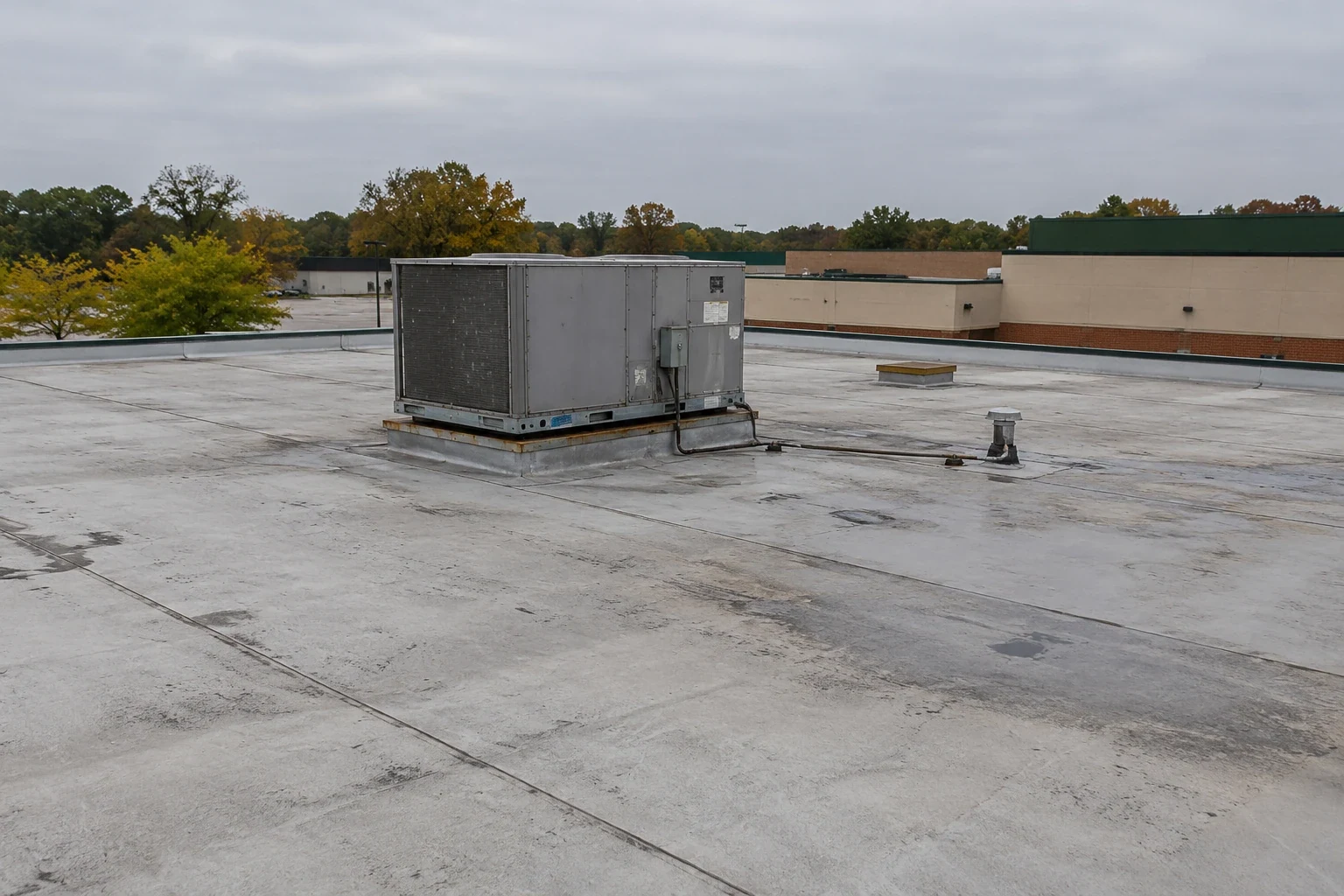
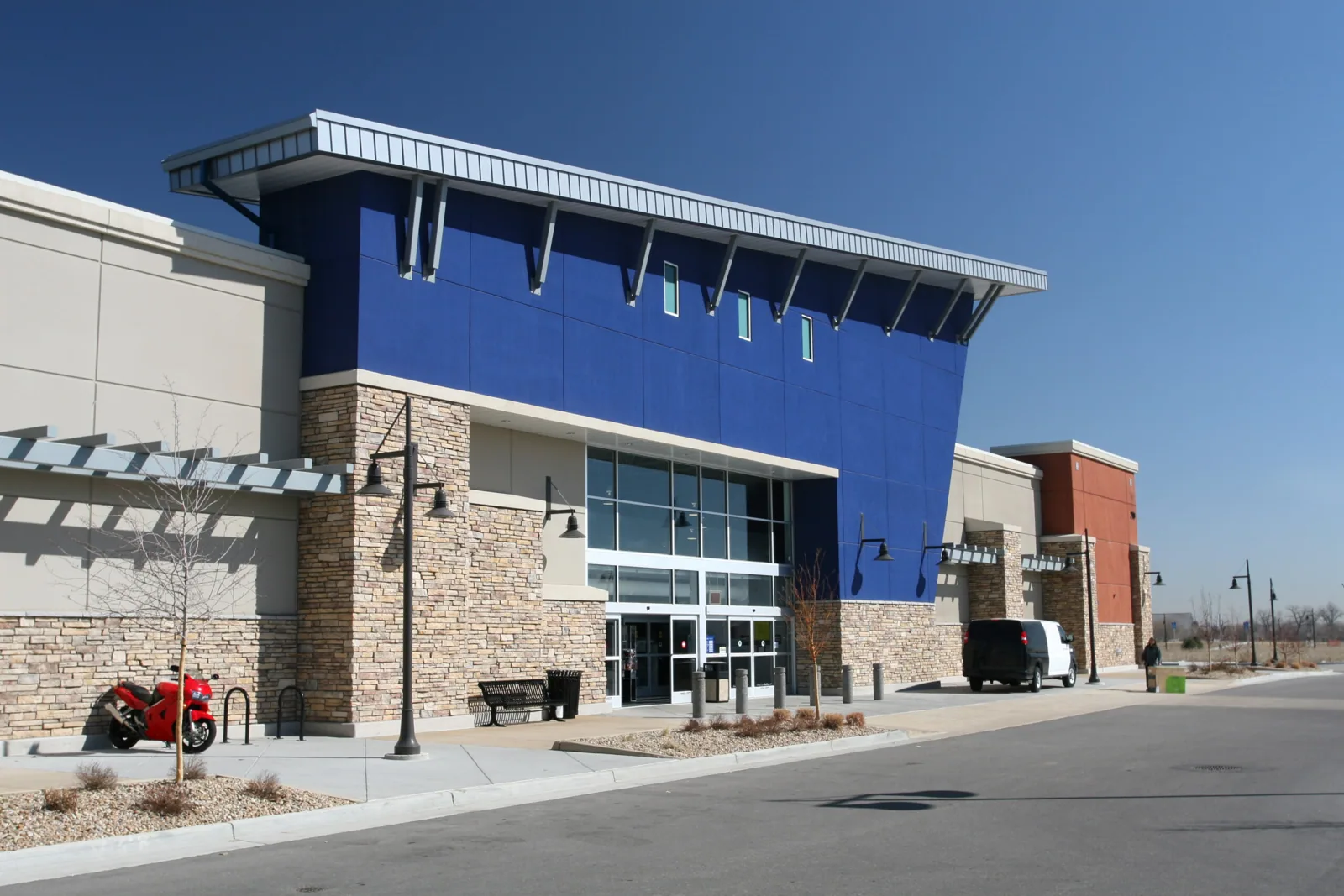
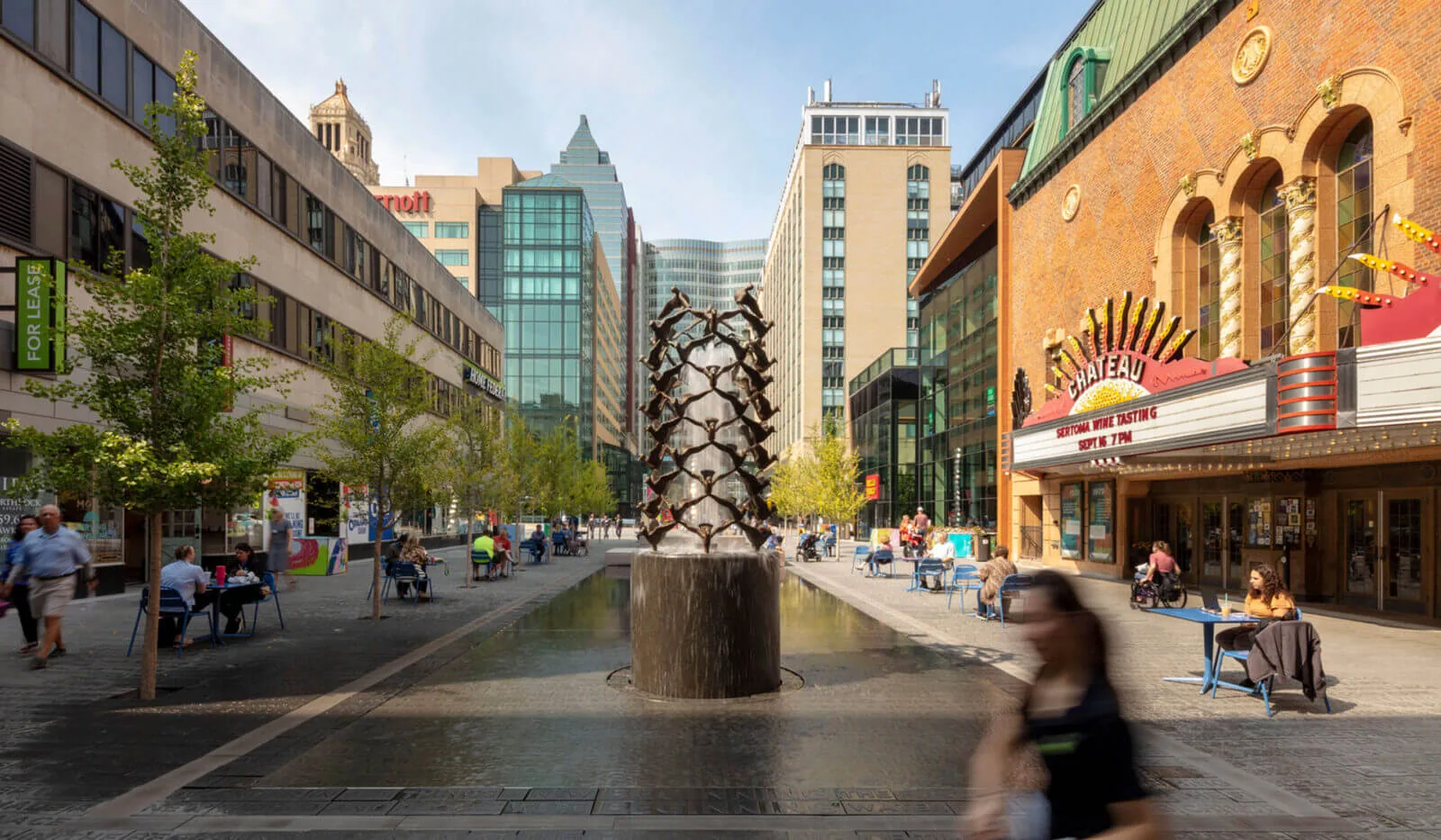
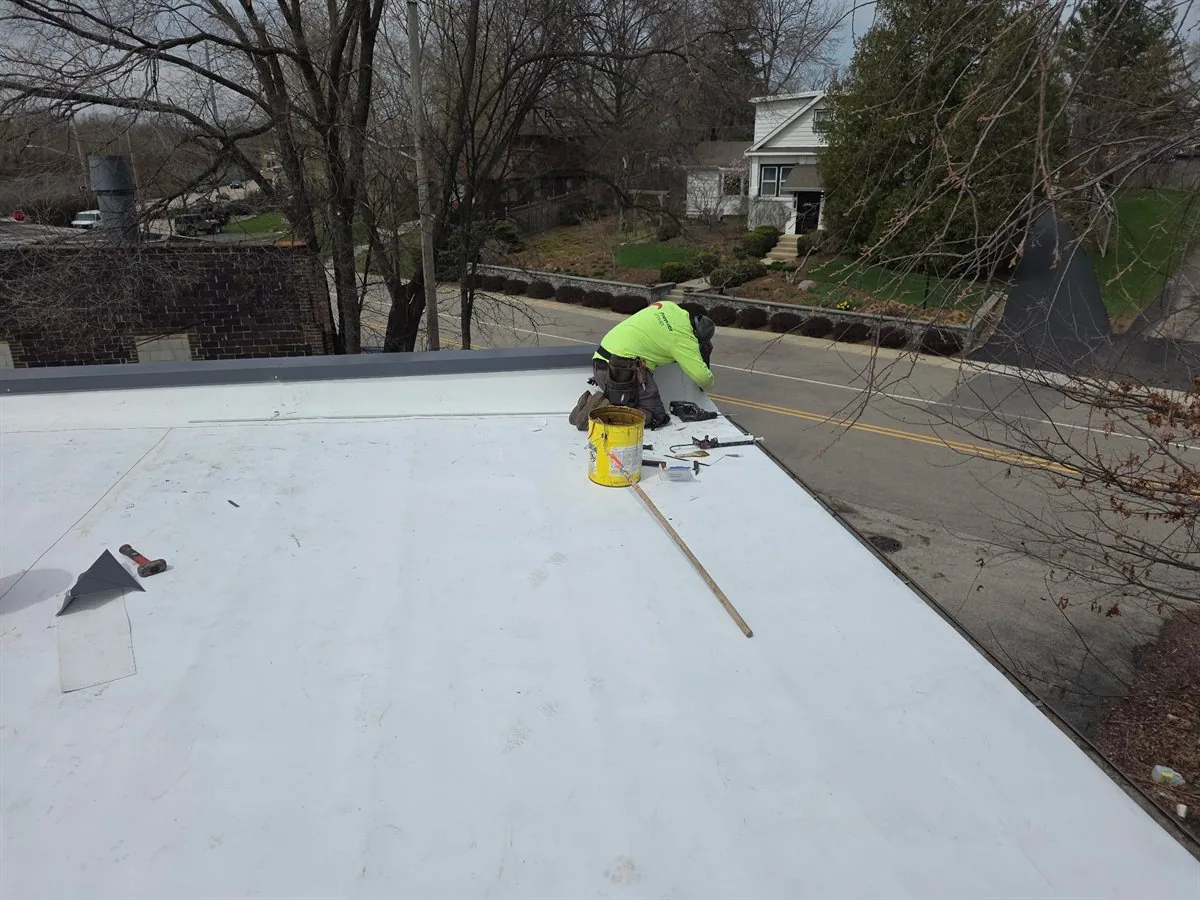

From distribution centers to clinics and schools, we roof the buildings Rochester depends on.
Yes, when the schedule and repair boundary are agreed with the operator and hood-service contact. We identify whether cleaning, fan work or equipment movement will occur first, then protect the roof detail and inspect the curb after that work. The closeout names who completed each task so a future service call can distinguish membrane work from exhaust maintenance.
Grease residue alone does not establish the condition of the full roof. We inspect the affected curb and membrane, review material compatibility, check for open seams or soft insulation, and document the area tested. A localized detail may be repairable; a broader scope is considered only when findings extend beyond that boundary or repeated defects show a system-level concern.
We coordinate access, staging, noise, odor and any exhaust interruption with the restaurant contact before mobilization. Work may be scheduled outside service hours or divided into roof zones, depending on the method and site. If equipment must be shut down, the authorized operator or service technician owns that step, and the work plan identifies how the roof is protected until restart.
The record should show the curb and roof section, materials installed, adjacent seam condition, drain path, photos, tested area and repair edge. It should also name any separate hood service, equipment shutdown or follow-up inspection. We provide those details so facilities staff can connect a later issue to the correct roof work.