Water is coming into the building right now
Call us and tell us where the water is showing up. We will get a crew on the roof to stop the leak and protect the space below.

Property Types We Roof
Repair and maintain warehouse roofs in Rochester, MN. We inspect drains, seams, dock-side transitions and roof equipment, then document work by zone.
Call us and tell us where the water is showing up. We will get a crew on the roof to stop the leak and protect the space below.
We walk the roof, photograph what we find and give you a written scope with repair options before any work starts.
Rochester, MN
Warehouse roof review follows the actual building grid: we trace slope toward outlets, locate penetrations by bay and mark the safe access path before naming a leak zone. Rochester’s industrial areas include large-footprint manufacturing and storage; Mayo Clinic’s support-campus inventory separately identifies Valley High business centers, warehouses, inventory and technology functions. The former IBM parcel, now called Rochester Technology Campus, has redevelopment scenarios that include warehouse and light-industrial uses. None of those area facts establishes a specific roof type, so we check the subject structure in the field.
We document findings by roof section so an asset manager can compare repair limits with dock operations, tenant access and the next portfolio date.
Share the Rochester warehouse address, roof concern, available plans or system records and the facility contact. We will identify the roof section, inspect its drainage and penetrations, and return a dated scope with tested areas and repair limits.
On a low-slope roof, we mark drains, scuppers, overflow routes, crickets and low points before investigating a stain reported near a loading area. Water may travel below the membrane or along a seam before it appears inside. We inspect the field sheet, laps, parapets, roof edges, equipment curbs and prior patches. Each finding is tied to a grid, bay, roof section or other reference the site team can locate again.
Warehouse roofs also receive work from HVAC, refrigeration, communications and other trades. We review pipe supports, conduit stands, curb flashing and walk paths for new fasteners, cuts or displaced protection. A drain and scupper inspection records the water outlet, while a equipment-curb review checks penetrations separately. The report distinguishes a confirmed opening from ponding evidence or a detail that still needs access.
We ask for the roof plan, past leak tickets, closeout records and a contact who can identify sensitive inventory or active work zones. If a leak occurs over a dock, storage rack or control area, the location is logged for interior coordination without assuming the water entered directly above it. Photos show the roof context and close detail, and the report notes whether insulation, deck or concealed flashing was tested.
Rochester's industrial uses include larger-footprint manufacturing, storage and warehousing. We inspect each property's roof directly, including long drain paths and access by section. For multi-building portfolios, a section-by-section condition record keeps repair history aligned with each address. We list open questions separately, so a screened moisture pattern is not mistaken for confirmed wet insulation.
Before opening a roof section, we coordinate staging, roof access, interior protection and the work window with the facility contact. Material moves around active doors and yard routes. The crew opens only the area that can be repaired and closed within the planned sequence, with a temporary tie-in ready if weather interrupts. When damaged deck or wet insulation appears, we photograph the condition and request direction before extending the repair boundary.
For a localized leak, the scope may include membrane removal to sound material, insulation replacement, compatible flashing, new seam work and closeout photographs. A leak investigation traces the entry path, while phased warehouse reroofing can keep selected operations accessible during broader work. The daily record identifies the completed zone, any temporary protection and the next tie-in point.
A localized repair can fit when the defect is limited and the adjoining membrane, attachment and insulation remain serviceable. Several recurring leaks, broad moisture indications, failing seams or repeated patches may justify a larger survey. We compare repair, recover and replacement using the tested area, drain elevations, roof layers, deck condition, access and tie-in details. If a recover is considered, we check layer count and edge height rather than treating added material as a shortcut. A distribution-center roof scope may involve different shift and conveyor access than a storage bay. A manufacturing-plant roof review also coordinates production-sensitive access.
At a warehouse near the Airport Business Park, access belongs in the visit plan because the property sits on an operating aviation campus. A property in Golden Hill Industrial Park needs its own address and roof record. Neither location signals a specific roof type. The Airport Business Park inspection is tied to the building, and any large-area recommendation lists what was inspected and what remains concealed. For a different membrane section, we identify whether TPO or another assembly changes the repair materials.
Scheduled visits revisit drain bowls, scuppers, equipment curbs, edge metal, repaired seams and roof paths used by other trades. The log records the date, roof zone, photographs and work completed, plus anything deferred for access or testing. A warehouse maintenance plan also notes interior areas where operations require notice before roof access or temporary protection. That keeps a small roof repair from becoming an uncoordinated interruption.
Rochester’s seasonal snowfall normal is 46.3 inches, with most of the total occurring between December and March. On a warehouse, a pre-winter review follows water movement across long roof runs, checks outlets and perimeter transitions, and records any section hidden by equipment or unsafe access. The maintenance log carries each open item to its next visit.
Other services, systems and buildings that often come up alongside this work in Rochester.
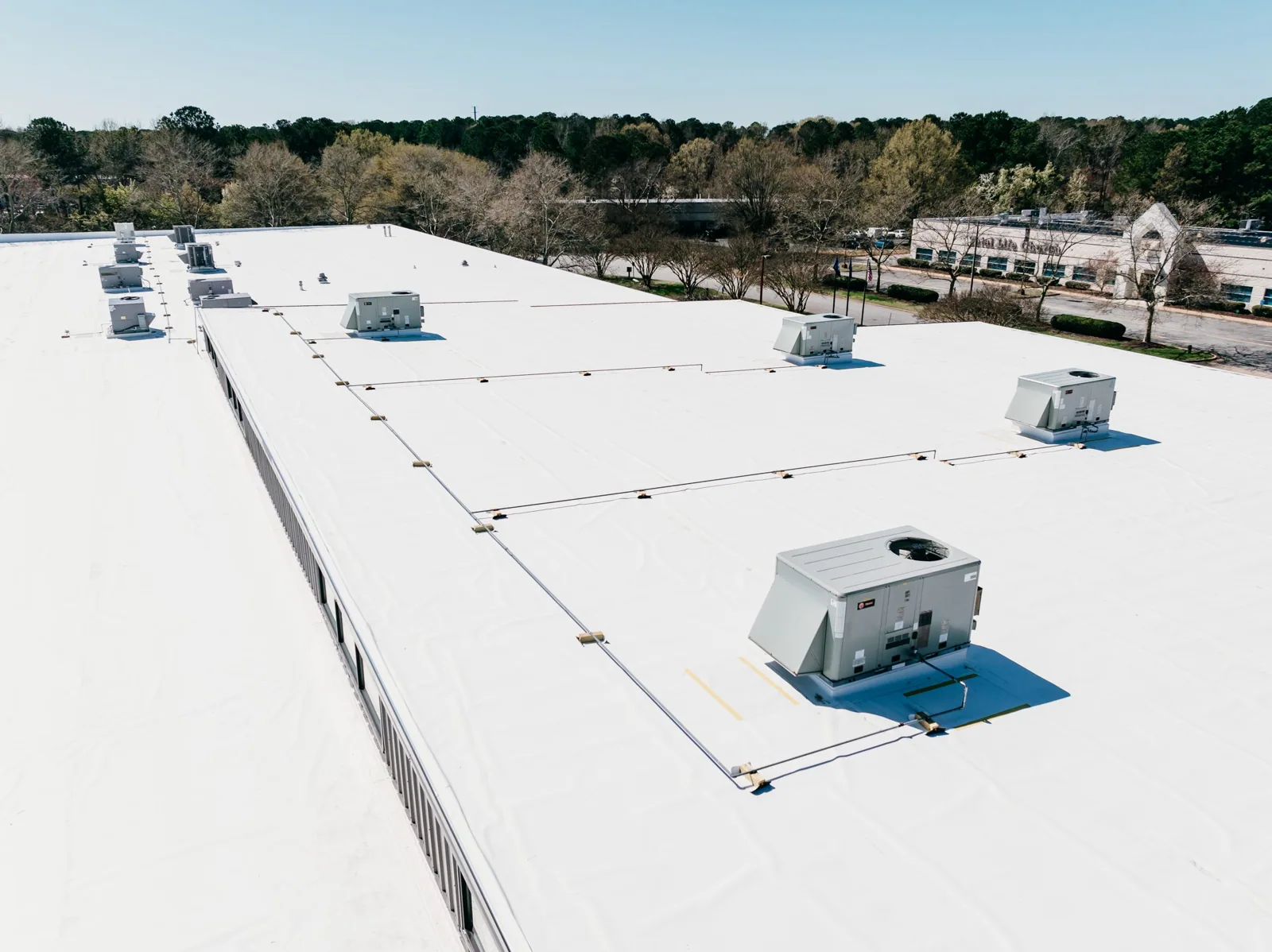
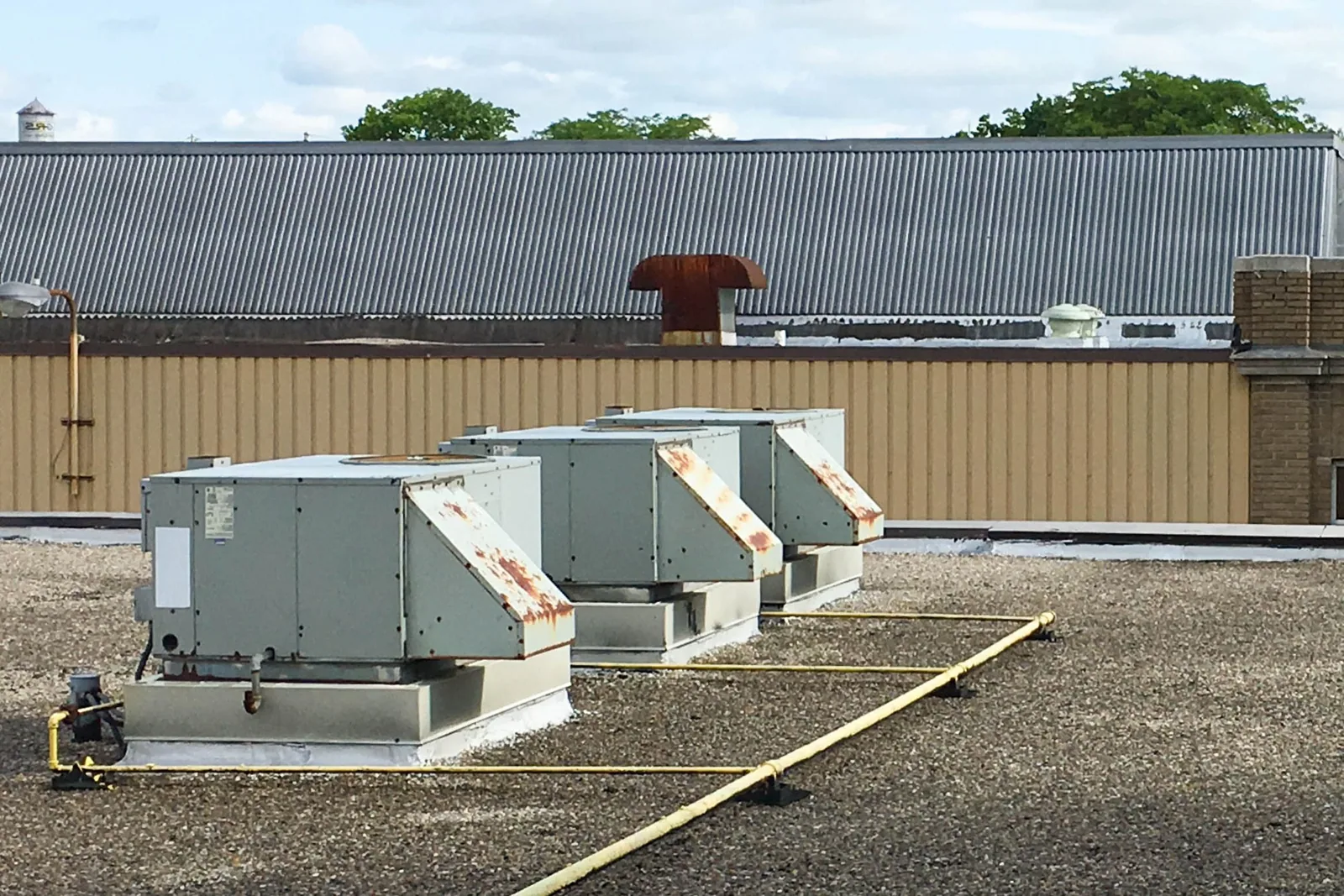
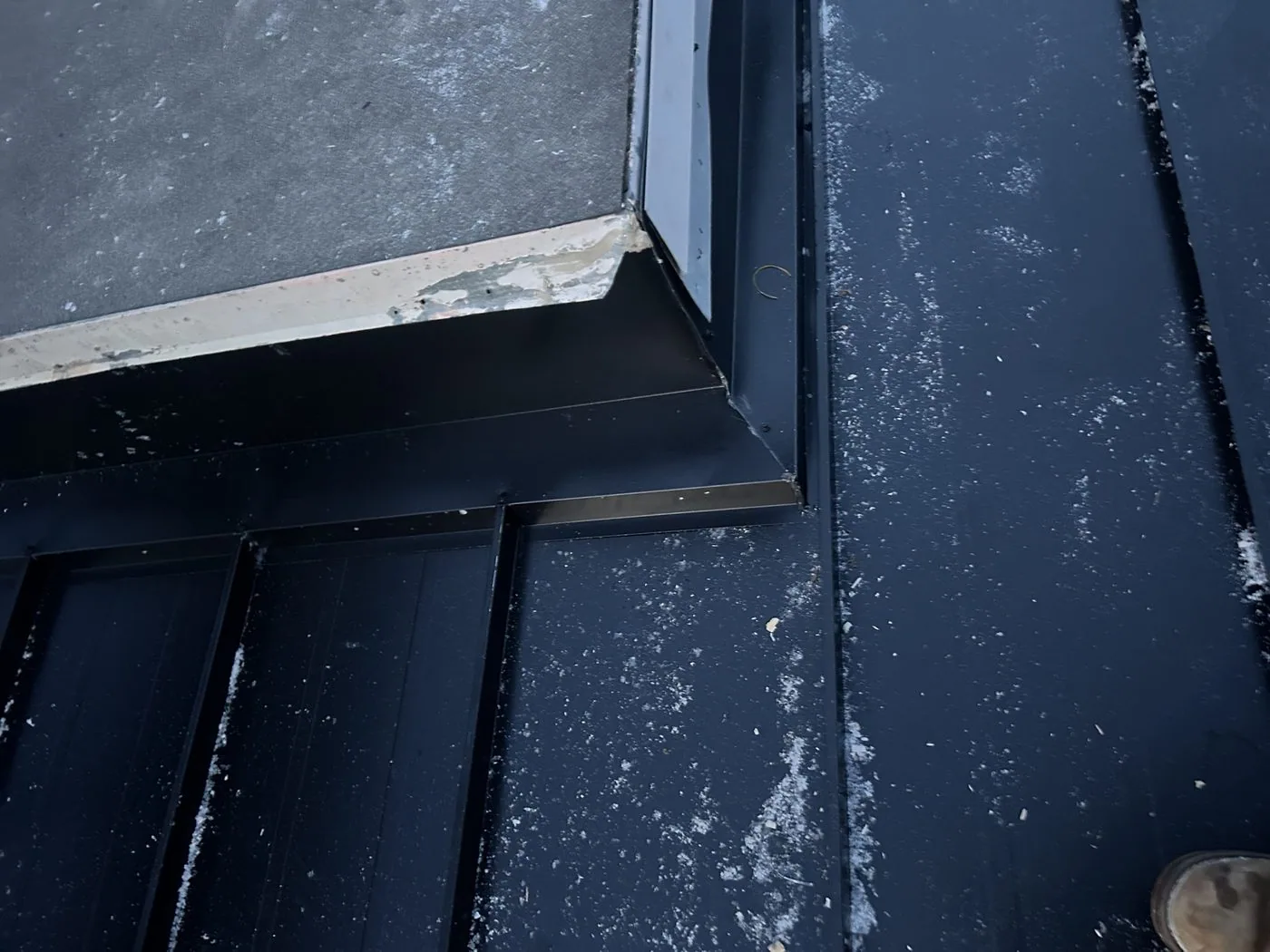
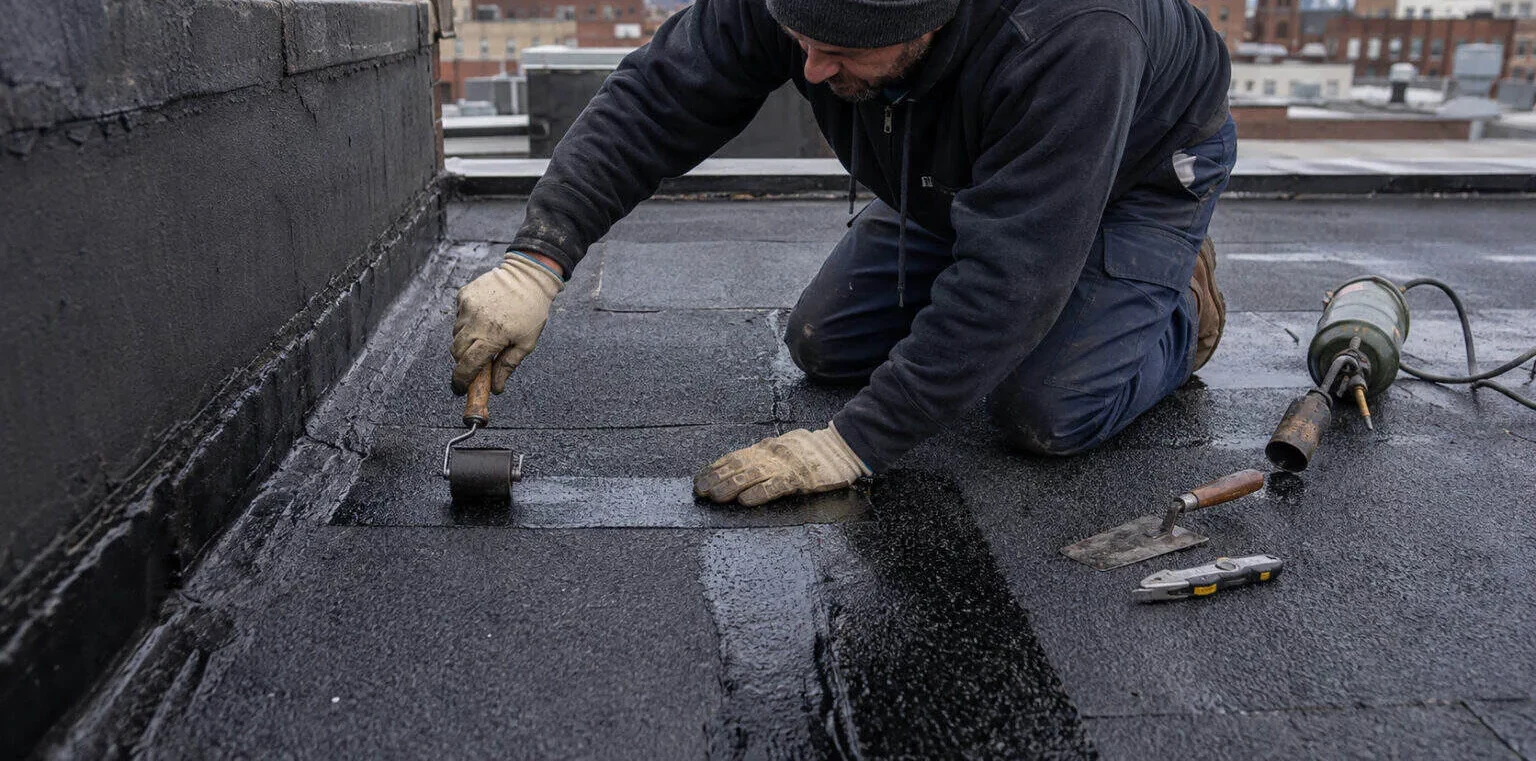
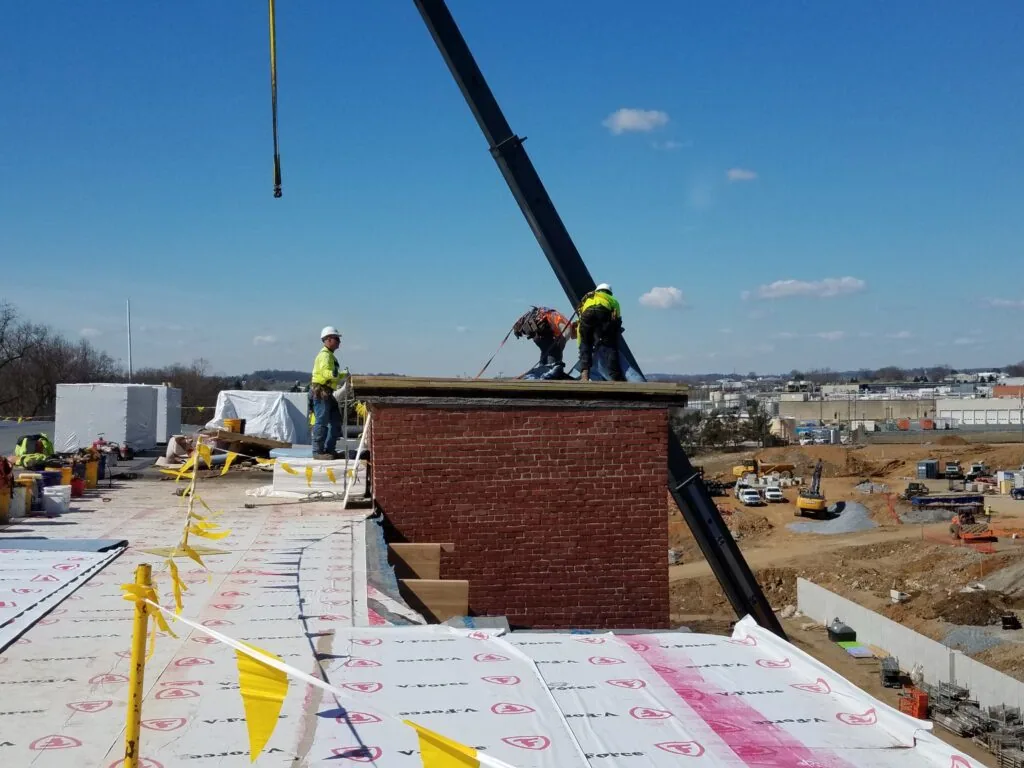
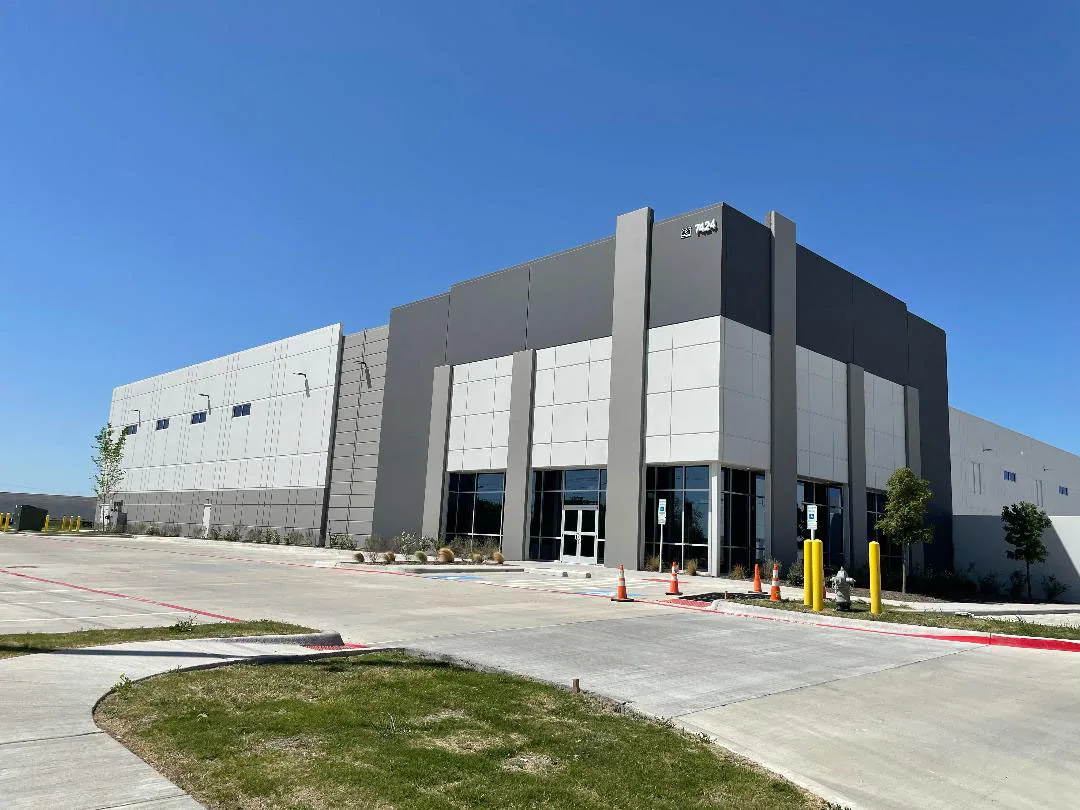
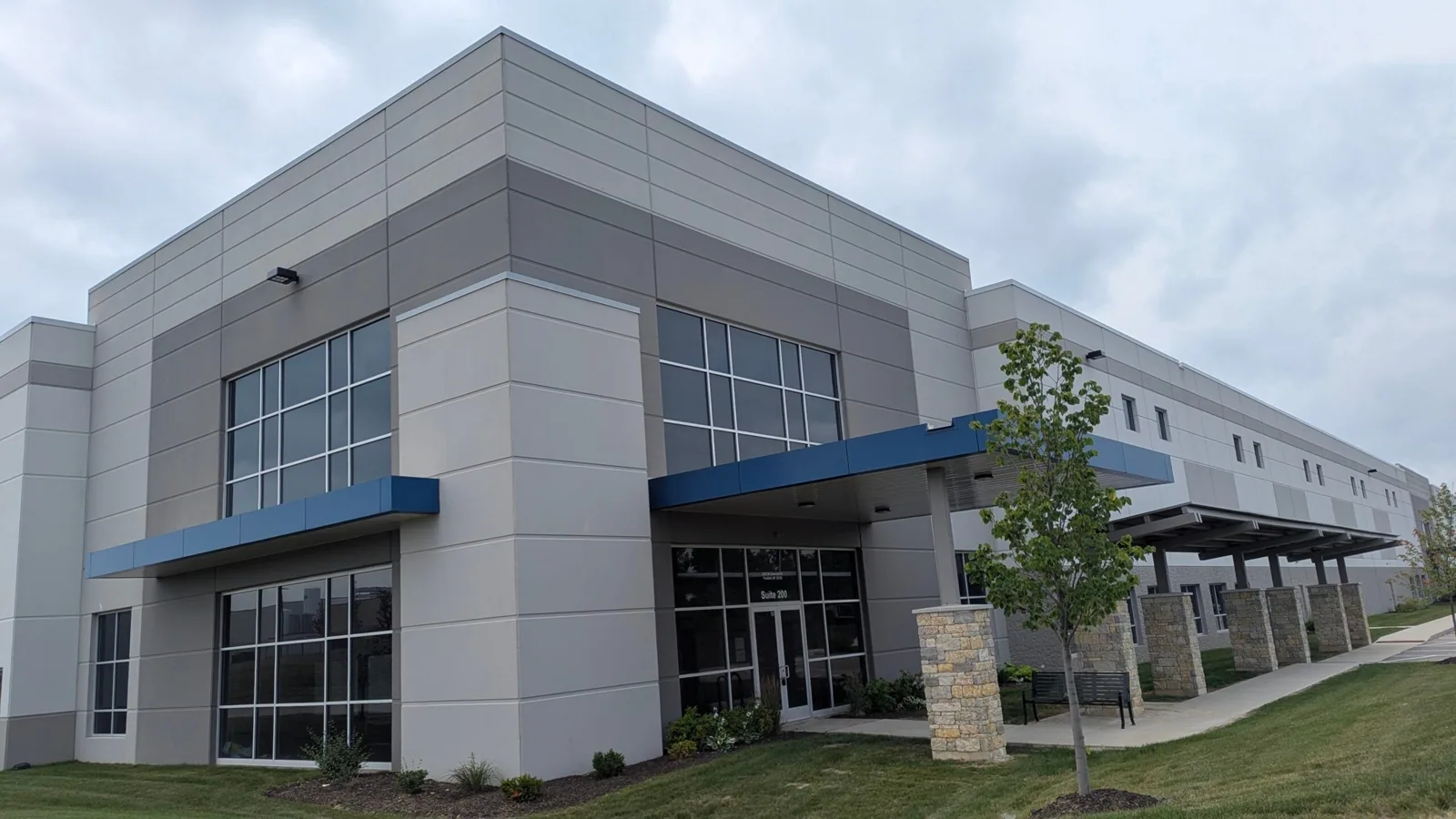

From distribution centers to clinics and schools, we roof the buildings Rochester depends on.
We use the interior report to establish timing and location, then inspect the roof area above and upslope of that point. Water can move along a deck, seam or insulation layer before appearing inside. We map the drain path, penetrations and prior repairs, then test only where the result could change scope. The report separates confirmed entry points from areas that need further access.
It can be sequenced with the facility contact when roof access, lifts, staging and loading routes are defined. We map the work zone and protect openings, then coordinate daily closures around the operation below. If a delivery route or dock must be restricted, the schedule states that before mobilization. The roof work area and any interior protection are recorded in the daily closeout.
A recover is evaluated only after checking roof layers, deck and insulation condition, attachment, drainage height, edge metal and applicable requirements. A test cut can reveal whether hidden layers remain suitable. If moisture is widespread or the existing assembly is unstable, removal may be needed. We compare that evidence with targeted repair so the owner can see what each scope leaves in place.
The record should identify each roof section, drain and penetration, with dated photographs, repairs, test areas and unresolved access limits. We include the system when confirmed, materials installed and next review date. For a multi-building portfolio, each address stays separate even when the same vendor maintains several facilities. That gives the next crew a usable location reference and repair history.