Water is coming into the building right now
Call us and tell us where the water is showing up. We will get a crew on the roof to stop the leak and protect the space below.

Roof Systems
Assess silicone roof coating restoration in Rochester, MN. We check adhesion, moisture, seams, penetrations and drainage before recommending application.
Call us and tell us where the water is showing up. We will get a crew on the roof to stop the leak and protect the space below.
We walk the roof, photograph what we find and give you a written scope with repair options before any work starts.
Rochester, MN
A silicone coating is only as reliable as the surface beneath it. Loose coating, wet insulation, open seams or an unprepared curb can remain a failure point after the field turns white. We inspect the existing assembly first, map repairs and test adhesion where the result could change the decision. In Rochester, snow and freeze-thaw make drain details important, but they do not establish whether an individual roof is suitable for coating.
We tie the visit to the property's address, roof plan and maintenance history. Downtown Rochester includes multiple DMC subdistricts, and commercial buildings near Apache Mall sit along major highway connections. Those locations involve different access and operations; neither indicates the roof type or surface condition. An inspection in the Apache Mall area starts with the exact property and roof section. The inspection records substrate, coating history, drainage and details so the asset manager can compare restoration with repair or replacement.
Send the Rochester property address, roof concern, coating and assembly records, and portfolio contact. We will inspect adhesion, moisture, seams and drainage, then return a clear restoration, repair or replacement comparison.
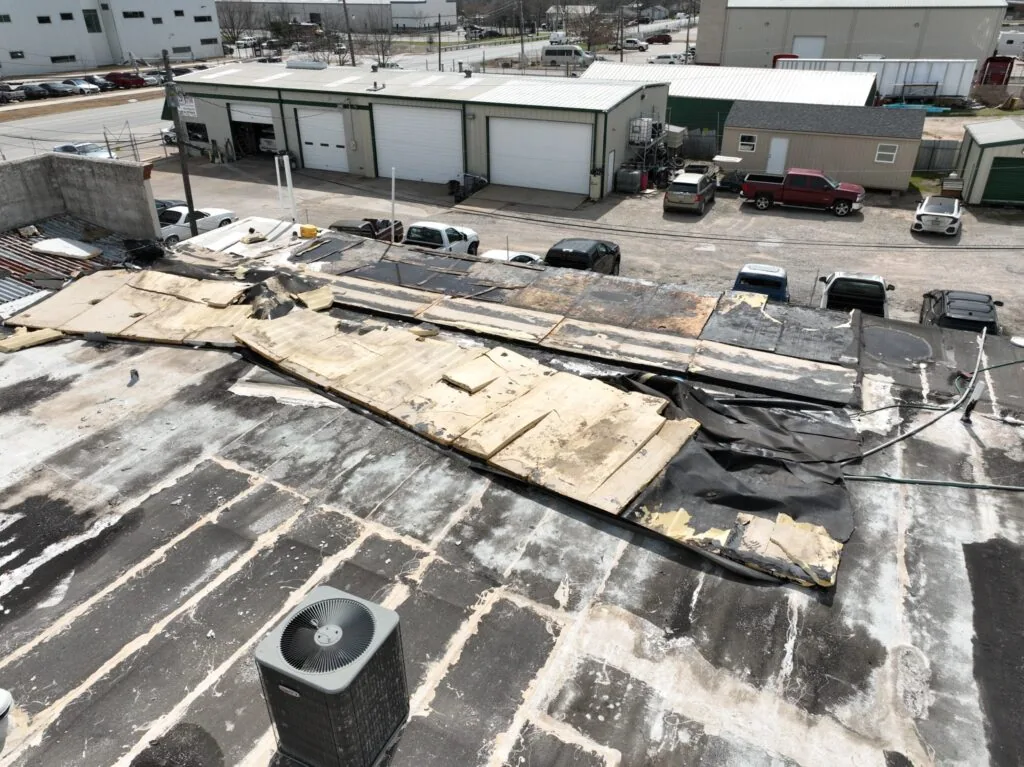
We look for coating separation, blisters, cracks, chalking, bare areas, ponding, open seams and weak adhesion around repairs. Silicone applied over an incompatible or contaminated layer may release even where the field looks continuous. We identify the existing coating by records or testing where possible, then define a small adhesion area. The result is documented by roof zone, including the preparation used and how the test area was restored.
Seams, drains, curbs, skylights and edge terminations need separate attention. A coating does not correct a loose termination bar, open flashing or missing drain connection. We map water paths into drain bowls and scuppers, then check overflow provisions and debris. A roof restoration inspection includes the prepared substrate, while drainage corrections can be scoped independently when outlets or slope are limiting the assembly.
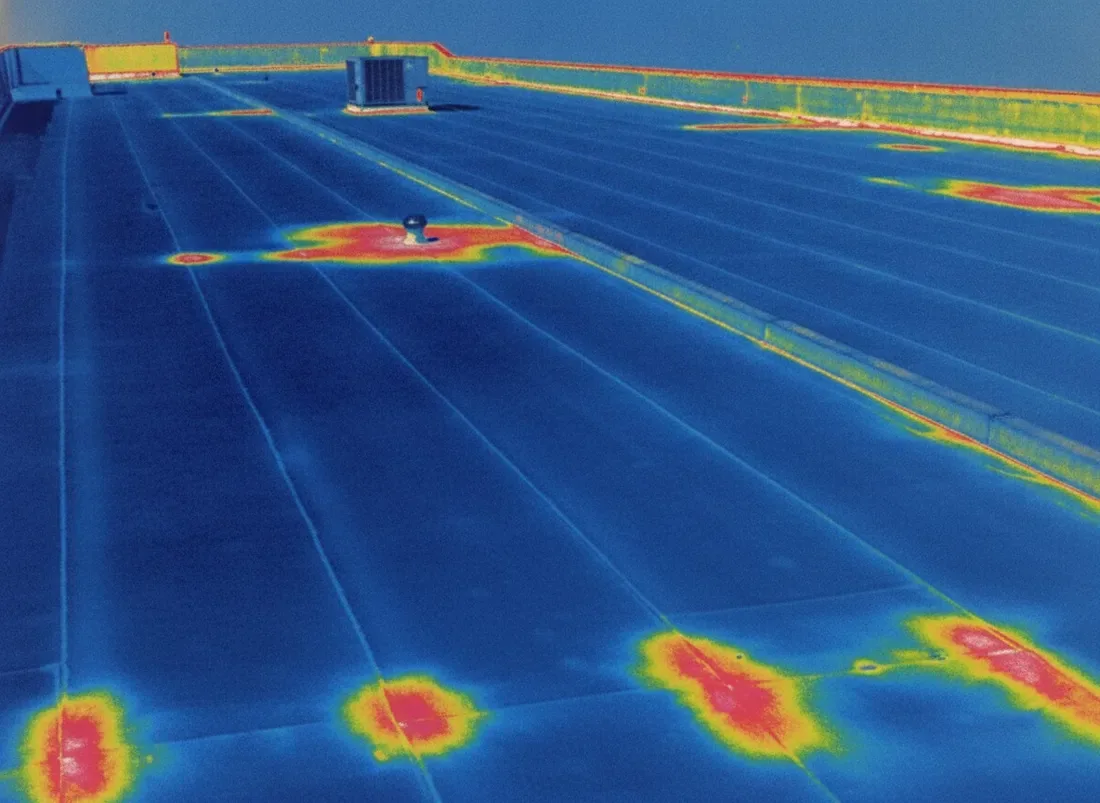
Before coating, we review leak history, prior moisture surveys, test cuts, roof plans and repair records. Where moisture is suspected, a thermal scan or other non-destructive method can help identify areas for verification, but it does not prove the insulation is wet. Test openings are placed where results would change scope. We record each layer, substrate condition, moisture evidence and repair detail before recommending material over the surface.
A repair map separates work that must happen before coating from the coating application itself. We note raised seams, patch edges, ponded zones, substrate defects and locations where another trade has penetrated the roof. A moisture mapping survey can focus the next test. The closeout record should identify the roof section and date for every test.
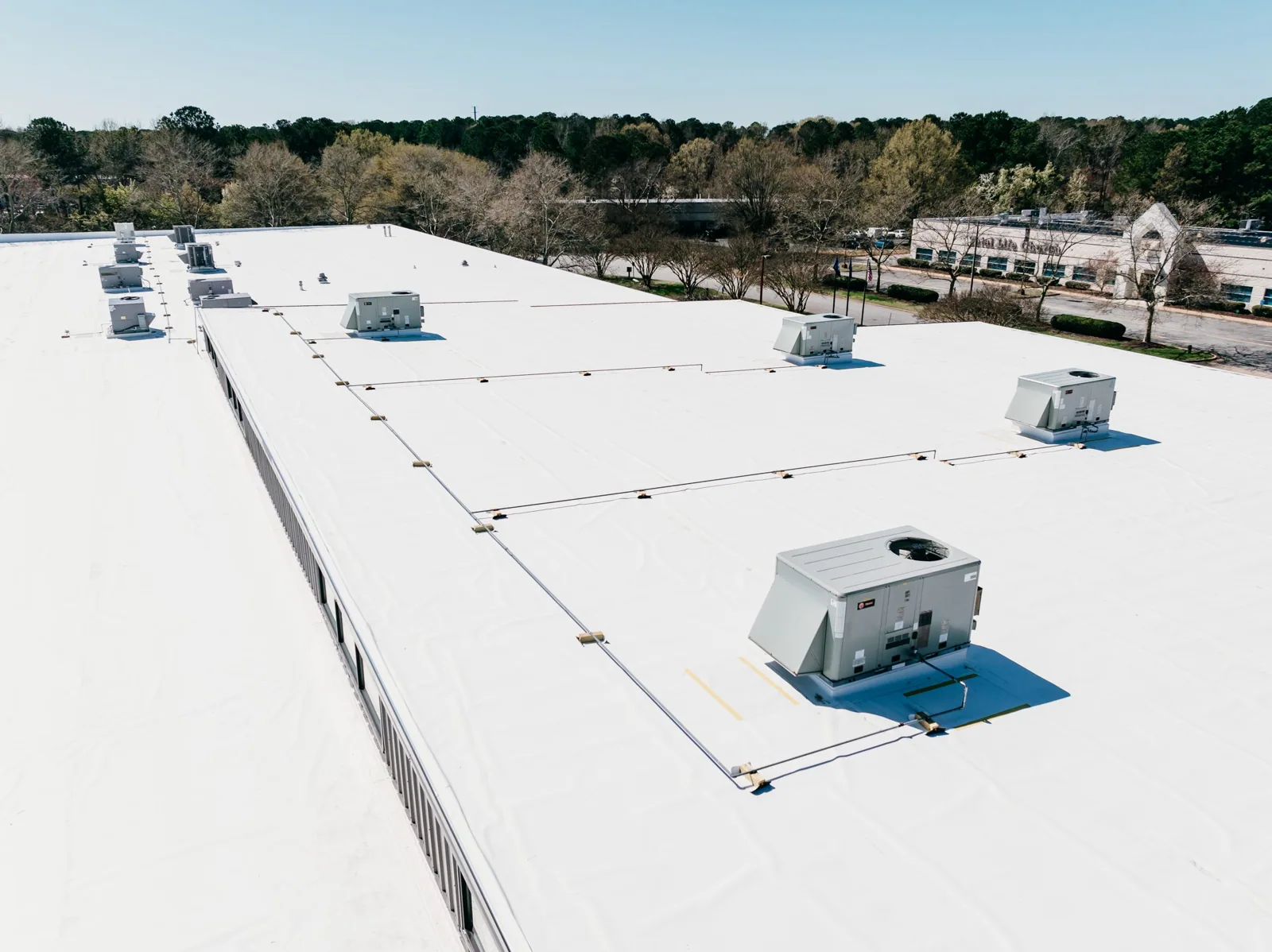
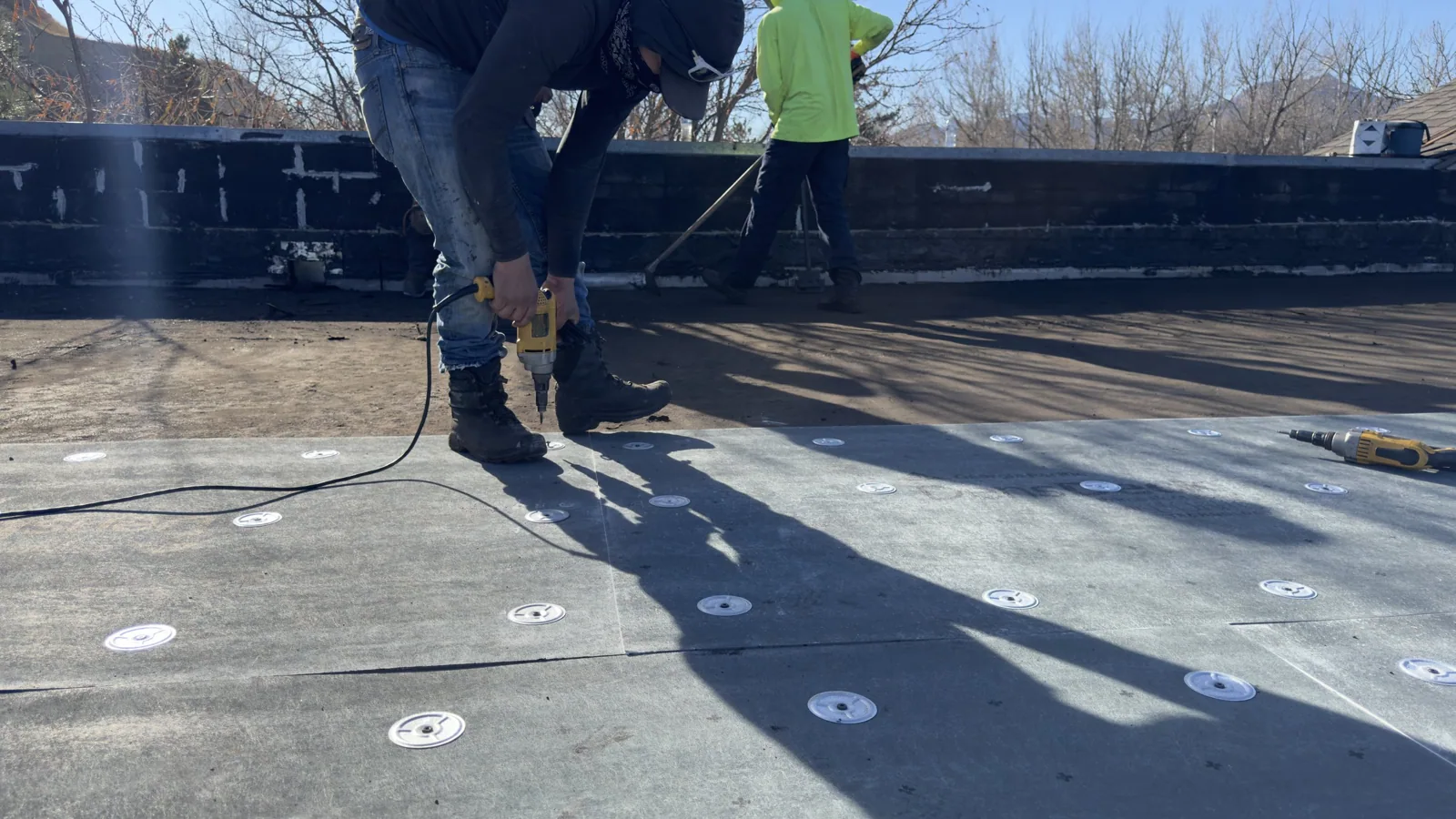
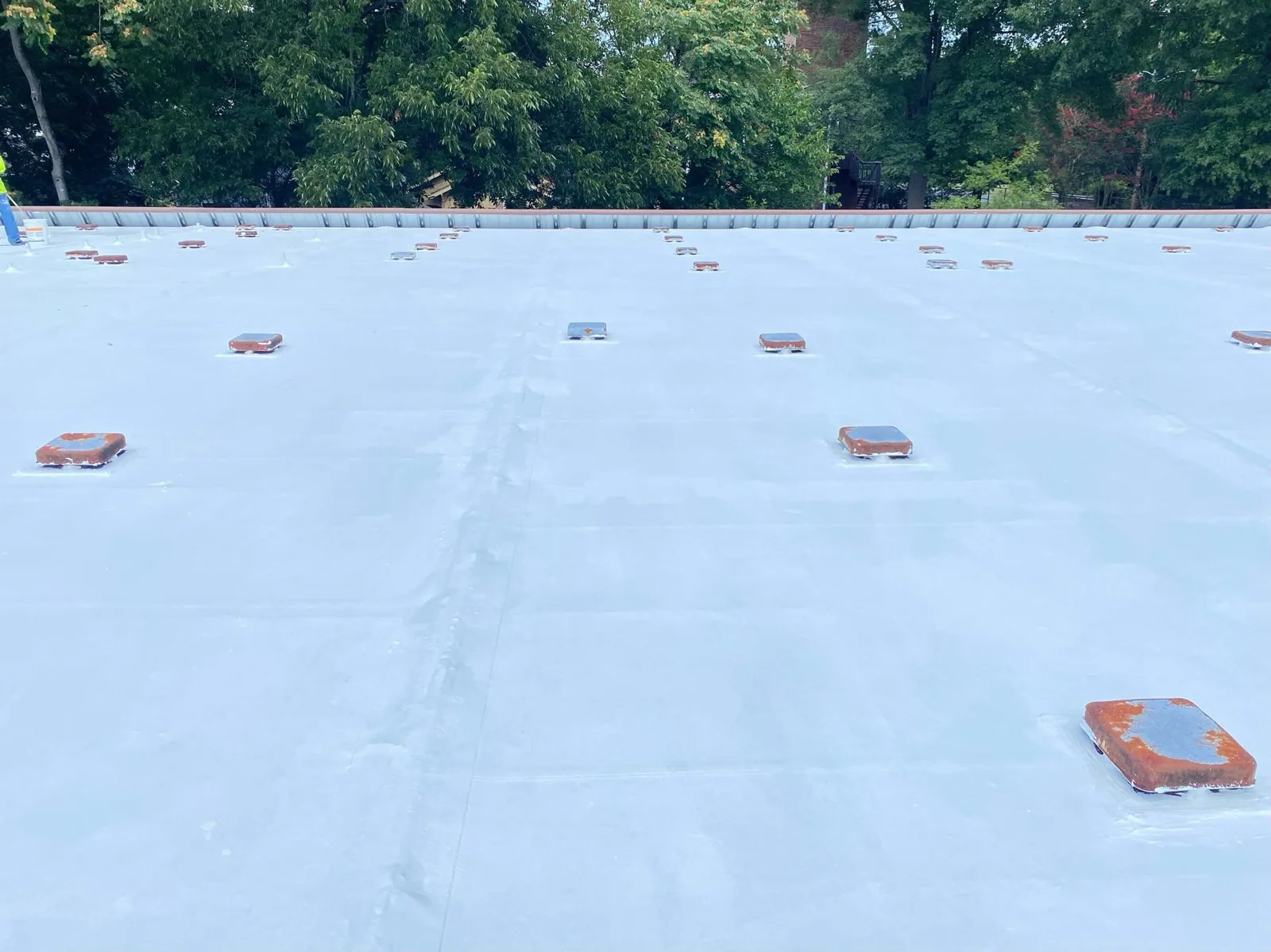
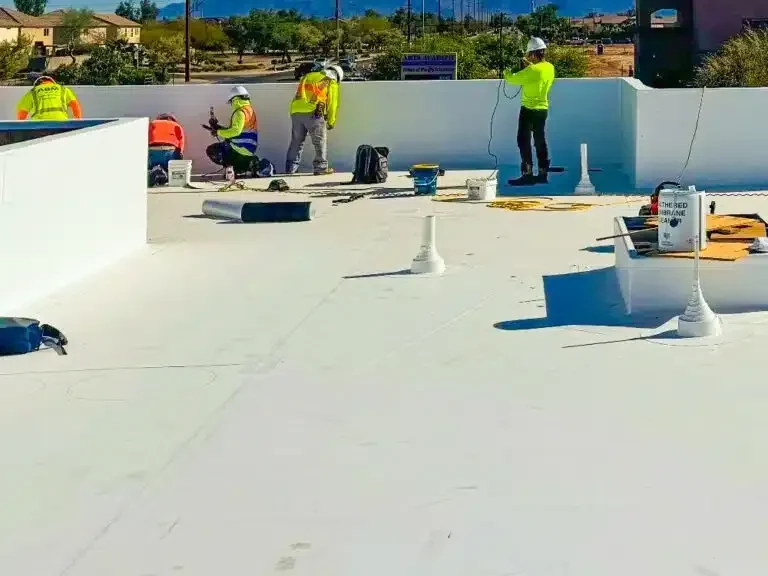
Preparation includes cleaning, removing loose coating, repairing seams and flashings, and confirming that the surface is dry enough for the selected system. Reinforcement fabric may be needed at seams, corners or transitions based on the manufacturer detail. Primer is applied where the substrate requires it. The coating is installed at the specified coverage and cured before inspection; product requirements and site conditions govern each step.
Application timing depends on temperature, humidity, wind, dew and forecast. We plan around occupants, air intakes, parked vehicles and sensitive equipment to control odors or overspray where applicable. Drain bowls, scuppers and overflow routes remain clear during application. The field coating does not replace a damaged flashing or correct trapped water. A repair scope addresses underlying defects, while insulation or cover-board replacement may be needed where the assembly is unsound.
Coating is a restoration option when the substrate is stable, dry, compatible and able to accept preparation. If moisture is widespread, the deck or insulation is compromised, or details cannot be restored, a coating may conceal the problem rather than resolve it. We compare localized repair, coating and replacement using test results, seam condition, drainage, attachment and remaining serviceable material. The recommendation states any exclusions and areas not reached.
The National Weather Service’s April 17, 2026 summary separates a northwest Rochester hail report, measured at 1.5 inches, from an EF-2 tornado near Stewartville elsewhere in Olmsted County. For coating work, neither event description establishes that a roof is suitable for restoration. Where an existing acrylic system or SPF roof is present, we confirm compatibility before recommending a coating scope. that a roof is suitable for restoration. We test adhesion and substrate condition at the address under review before recommending a compatible coating scope.
After restoration, maintenance records check for coating wear, separation, exposed substrate, open repair edges, debris and water that remains near drains. We compare the same zones at each portfolio date and note where follow-up adhesion testing may be warranted. New equipment work and fasteners are documented because they can breach the coating. A yearly image log is not a substitute for close inspection at penetrations and perimeters.
The 1991-2020 Rochester snowfall normal is 46.3 inches for the full season; December through March accounts for the principal accumulation period. That supports pre-season drainage and edge checks; the coating's performance still depends on installation and maintenance conditions. A maintenance plan can carry the repair map and next inspection dates forward. Commercial roof emergencies can be reported around the clock. Send the address, active roof concern, coating records and property contact so we can schedule protection or a full condition review.
Other services, systems and buildings that often come up alongside this work in Rochester.

From distribution centers to clinics and schools, we roof the buildings Rochester depends on.
It can only be considered after identifying the existing layer, checking adhesion and confirming compatibility. We clean and prepare a test area, document the result and repair any open seams or flashings before field application. A coating that cannot bond to the existing surface should not be used as a cover. The inspection record identifies preparation requirements and areas that need removal or a different scope.
The coating itself does not correct roof slope or a blocked drain. We inspect the low area, drain, overflow and substrate to determine why water remains. If ponding is accepted by the proposed system, product requirements still need to be checked; if drainage is defective, that correction is separately scoped. We document whether water movement changed after work and any remaining low points.
It may be part of a restoration after the leak path and underlying condition are identified. Open seams, failed flashings, wet insulation or loose materials require correction before application. We test suspected moisture where it may change the recommendation and state what remains unverified. A coating is not applied as a substitute for those repairs.
Application windows depend on the product's temperature, moisture and cure requirements, along with the weather forecast and roof access. We inspect and plan repairs before application, protect open details if conditions change, and record any area deferred for suitable weather. Seasonal snowfall normal helps set maintenance timing but does not determine a product's installation limits.