Water is coming into the building right now
Call us and tell us where the water is showing up. We will get a crew on the roof to stop the leak and protect the space below.

Industries We Serve
Coordinate distribution and logistics roof work in Rochester, MN with zone maps, drain records, shift planning and documented closeout details.
Call us and tell us where the water is showing up. We will get a crew on the roof to stop the leak and protect the space below.
We walk the roof, photograph what we find and give you a written scope with repair options before any work starts.
Rochester, MN
A dock canopy joint can look dry while water follows the roof slope toward the nearest warehouse bay. We start with the time and location of the interior report, then mark the drain path, loading edge, rooftop openings and prior repairs before setting a repair boundary. For a logistics operator, the roof plan must connect to dock schedules, yard access and the shift lead who can release a work zone.
Rochester International Airport reports over 330,000 square feet of usable cargo ramp, and FedEx operates cargo service at RST. The Airport Business Park is on the airport campus, which includes passenger and cargo facilities. These facts describe local freight infrastructure, not an individual warehouse's dimensions or roof condition. We inspect the specific building, confirm its system and map the work area so the facility's own dispatch and safety contacts can coordinate access.
Share the Rochester warehouse address, affected dock or bay, roof records and operations contact. We will plan access with your shift team, map the inspection and return a repair scope with a defined closure point.
At a distribution building, water may travel under the membrane, along insulation or across deck flutes before it reaches an interior point. We check seams, penetrations, drain bowls, scuppers, edge metal, wall transitions and patched areas along the likely path. The report identifies the roof section, observed condition, test location and any area hidden by equipment or blocked from access. A leak near a conveyor or loading lane is mapped to a building grid or bay the crew can find.
Roof work by mechanical, communications and material-handling trades can leave new fasteners, cut membrane, loose supports or punctured walkway protection. We note the detail and determine whether the issue is active or needs testing. A distribution-center inspection considers the roof field alongside dock and shift access; a drain and scupper survey records the outlets and overflow route. Where an internal report follows heavy rain, timing is added to the roof observations without assigning cause before the detail is inspected.
The facility contact identifies receiving and shipping hours, trailer circulation, roof access, staging limits and the interior areas that need notice. We place materials and equipment outside the approved yard or dock path, then define which roof zone opens during the work period. The membrane is removed only to the planned repair limit and closed with compatible material before the crew leaves. If wet insulation, deck damage or a larger defect appears, we document the condition and obtain direction before extending the work area.
The regional road network identified by the city includes Highway 52 and I-90, along with US routes 14 and 63. Those corridors support regional access, while a facility's gate, yard and dock rules govern daily arrival and movement. For a larger project, a phased distribution roof replacement can use sections with named closure points and shift coordination. Emergency leak response is available around the clock, including holidays, so a facility can report active water entry outside its normal maintenance window and receive a documented stabilization plan.
A repair can stay localized when the opening is defined and surrounding membrane, insulation, attachment and drainage remain serviceable. Repeat leaks in different bays, ponding, multiple failed laps or broad moisture indicators call for wider investigation. We compare repair, recover and replacement using verified layers, deck observations, drain elevations, curb details, edge height, test locations and operating constraints. The recommendation distinguishes the roof area examined from sections that remained concealed or inaccessible.
For Rochester, the 1991-2020 winter benchmark is 46.3 inches overall, with December to March as the main snow period. That is a reason to keep drainage and perimeter reviews on the maintenance calendar, not proof that a particular distribution roof has a snow-related defect. A ponding-water review documents actual low areas and drainage behavior; a TPO repair detail is selected only after the installed membrane is verified. We state the tested area and material assumptions so the operator can compare repair timing with a maintenance or shutdown window.
Each closeout names the address, building section, work date, condition found, materials installed when confirmed, photographs, repair boundary and open items. We note whether the crew used a temporary tie-in and identify its follow-up date. If the roof report began with a dock or inventory incident, that interior reference stays linked to the roof map without being treated as proof of the entry point. The facility can then attach a clear roof record to its maintenance ticket.
The Rochester Airport identifies an airport business park on the operating campus and build-to-suit development opportunities. For a property near that area, the setting may affect coordination, but the roof scope still names the specific building and site contact. A local Airport Business Park inspection is recorded by roof zone. To keep adjacent operating functions distinct, a manufacturing roof review addresses process and production constraints, while the logistics file focuses on dock, yard and shift transitions.
A maintenance round revisits drain bowls, scuppers, seams, edge metal, curbs, roof paths and repairs exposed to service-trade traffic. We record what was inspected, what was cleaned or repaired within the approved scope and what remains deferred. A seasonal schedule can align with lower-volume windows without assuming all sites share the same shutdown period. Before winter, we document actual outlet and overflow conditions; after safe access returns, we compare current details with the dated roof map.
For operators with several properties, use one record per address and roof section, even when the same shift team reports issues across the network. A roof maintenance round keeps follow-up dates visible, and a portfolio roof log can connect records to the managing contact. Send the Rochester facility address, dock or bay reference, roof plans if available, and shift contact. We will return a mapped inspection, a repair boundary and the next decision item.
Other services, systems and buildings that often come up alongside this work in Rochester.
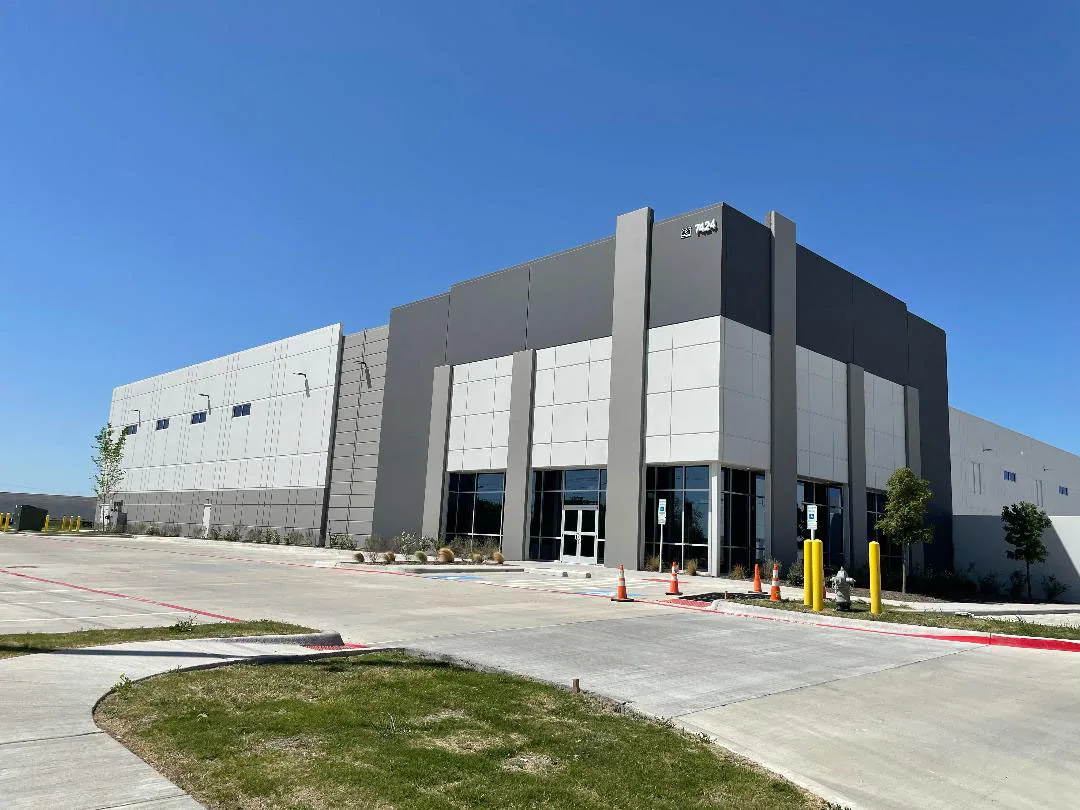
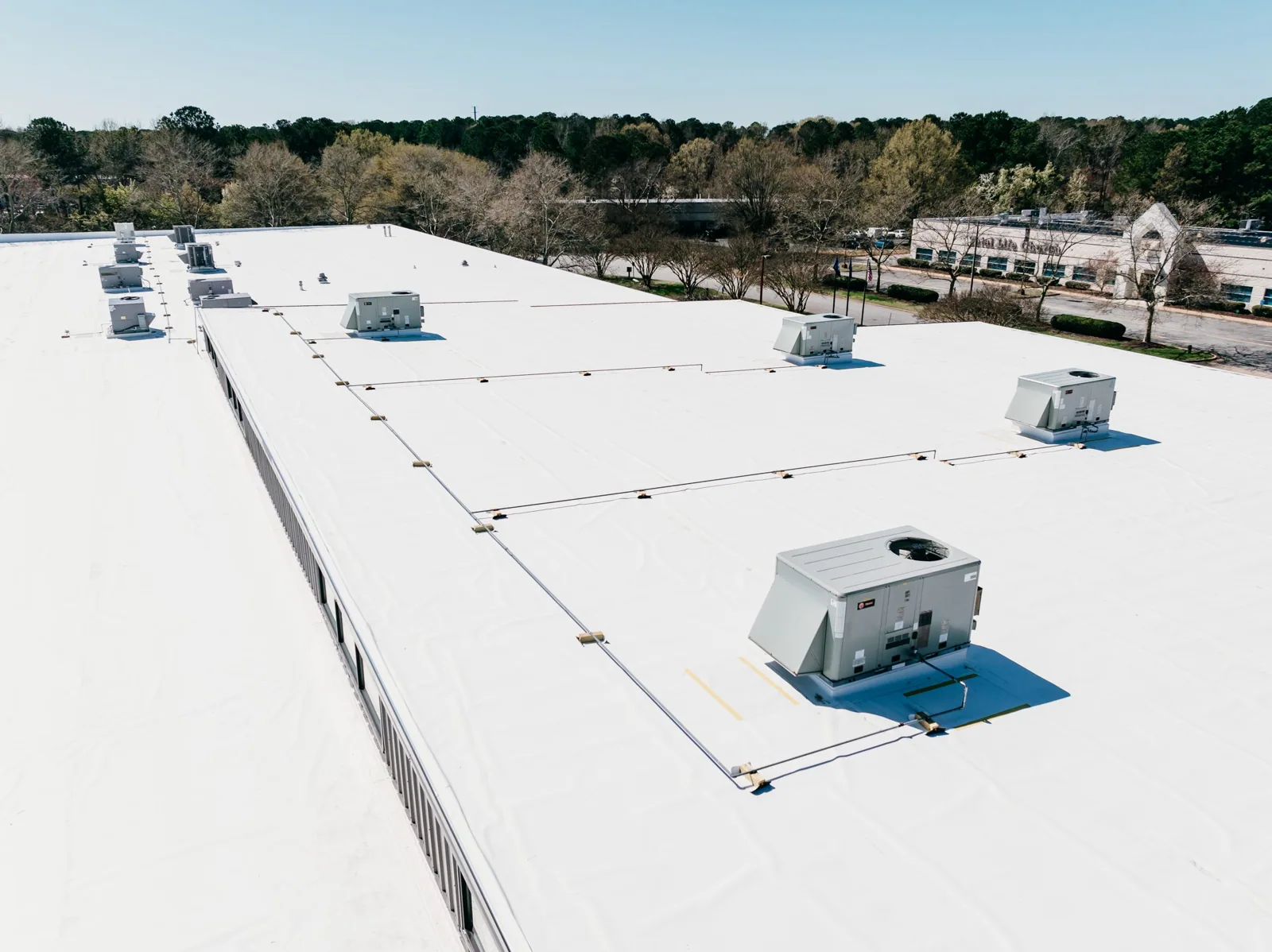
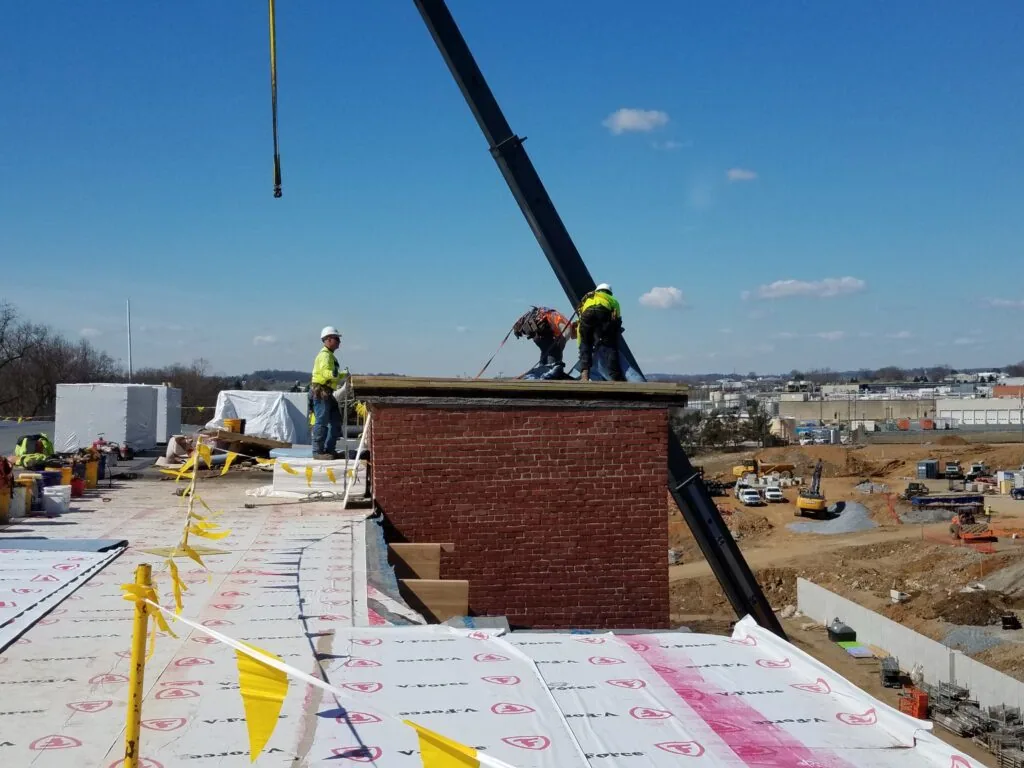
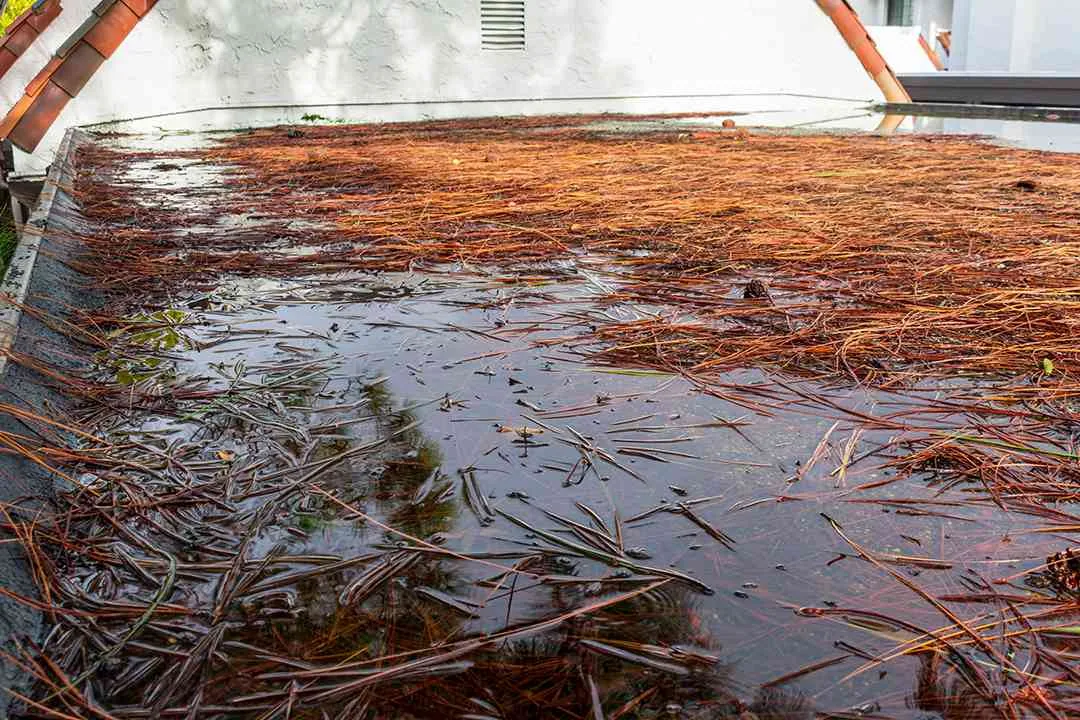
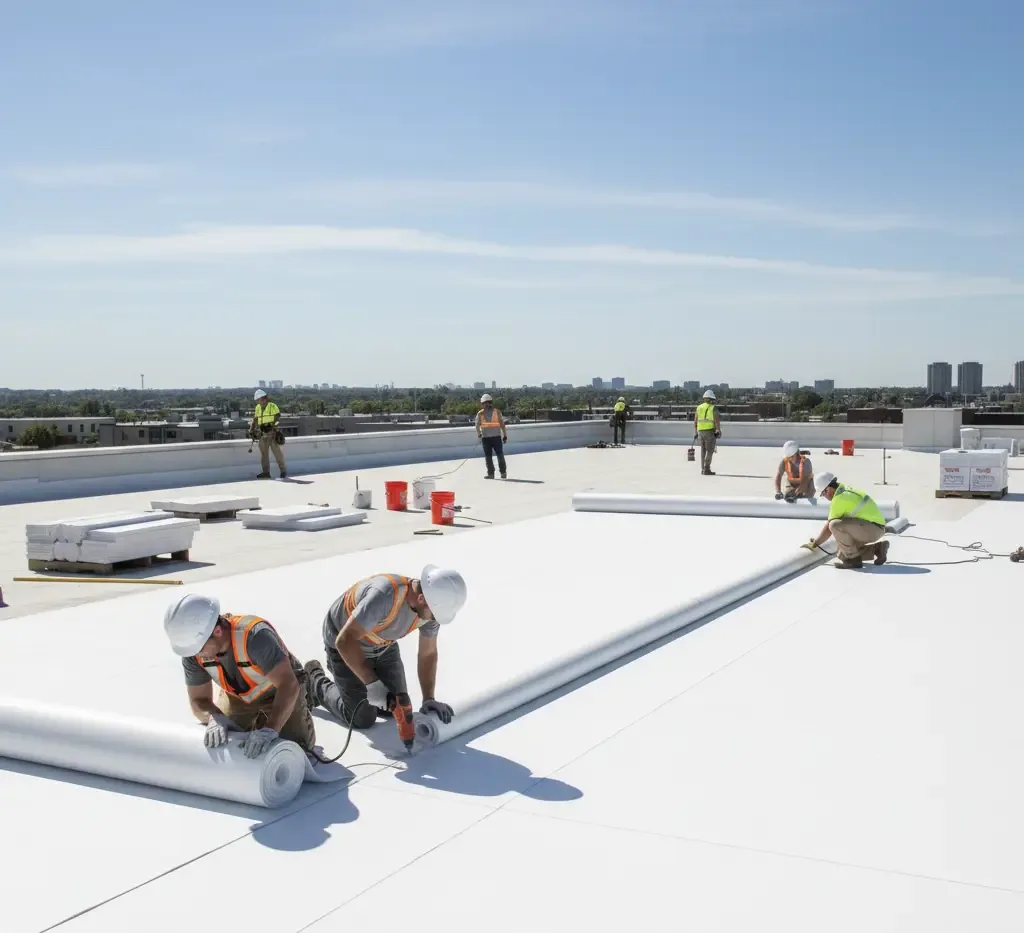
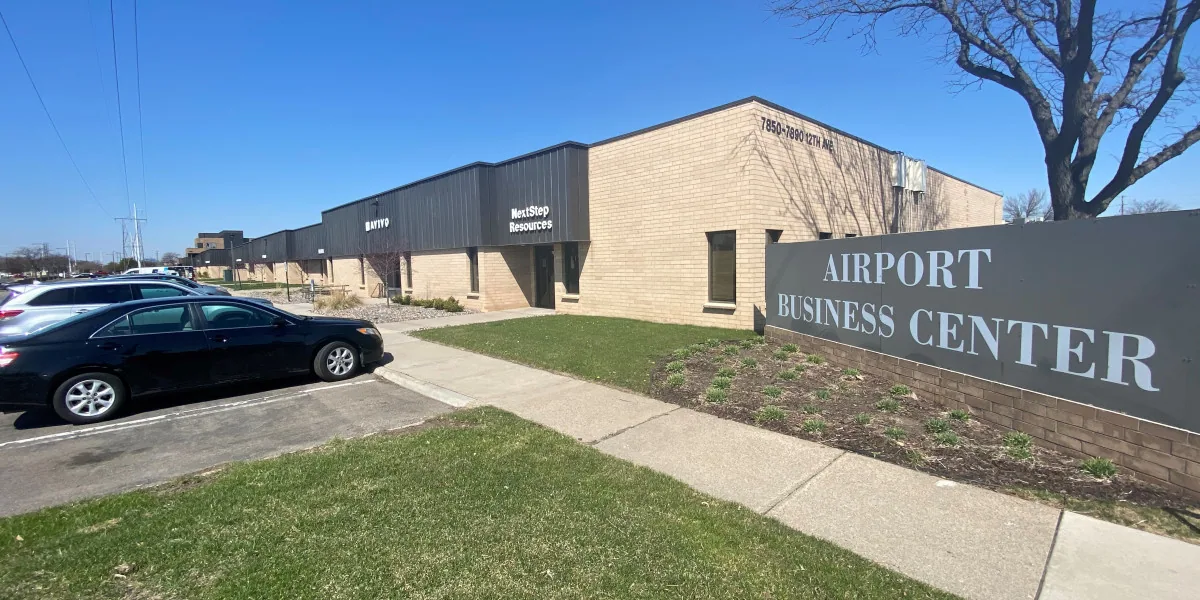
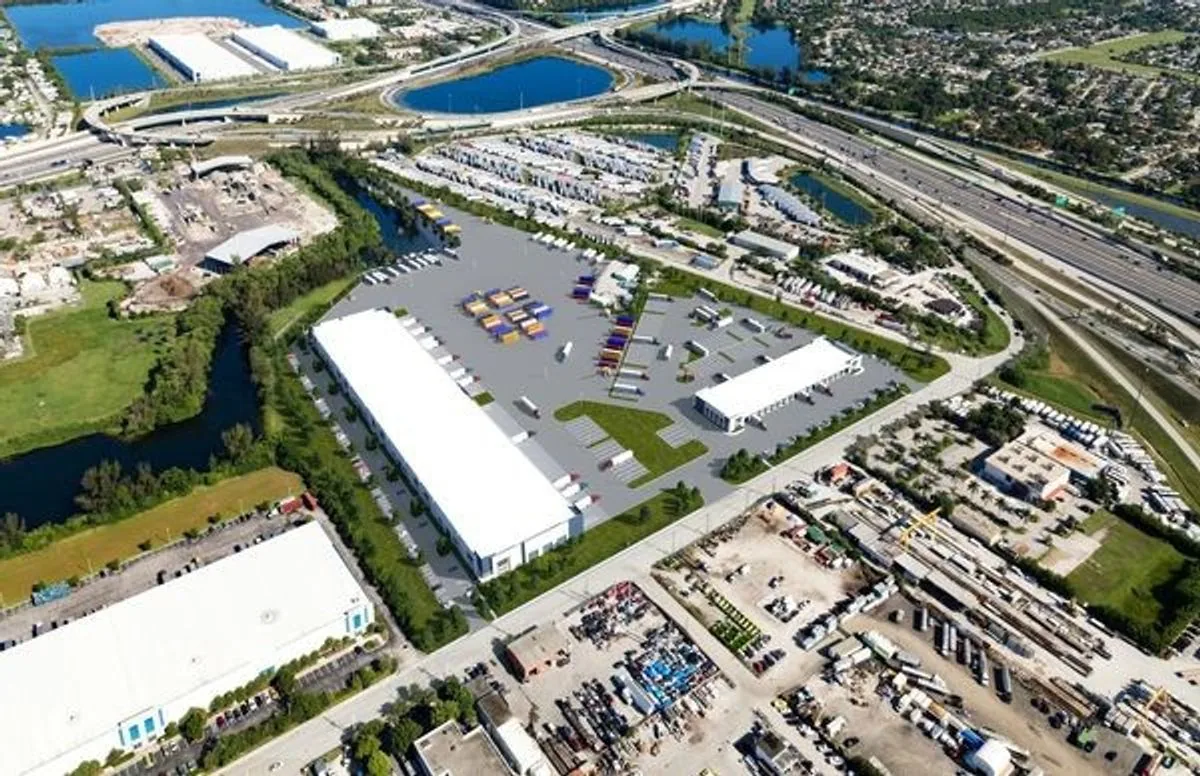

From distribution centers to clinics and schools, we roof the buildings Rochester depends on.
The facility's shift lead can identify access windows, active docks, yard routes and areas requiring interior notice. We use that schedule to stage materials, divide work zones and define when each opening will be closed. If a hidden condition changes the sequence, the field record supports a scope decision before the repair expands.
We log the affected bay, timing and weather report, then inspect the roof above and along likely drainage paths. Membrane seams and deck geometry can carry water away from its entry point. The report shows the roof details checked, tests performed and whether the source was confirmed or needs additional access.
No. The airport facts describe cargo infrastructure, not a particular private building or roof assembly. We use the address and facility records to inspect the actual roof, verify its layers and map drainage, seams and equipment details. Recommendations come from those observations and tests.
The closeout should identify the building and roof zone, work date, repair materials when confirmed, photographs, completed boundary, temporary protection and remaining items. We include the dock or bay reference when it helped locate the report. That lets the next shift or maintenance lead find the repair and understand what it covered.