Water is coming into the building right now
Call us and tell us where the water is showing up. We will get a crew on the roof to stop the leak and protect the space below.

Service Areas
Roof repair and inspection at Rochester's Downtown Waterfront, with close review of drains, roof edges, membrane transitions, access, and repair limits.
Call us and tell us where the water is showing up. We will get a crew on the roof to stop the leak and protect the space below.
We walk the roof, photograph what we find and give you a written scope with repair options before any work starts.
Rochester, MN
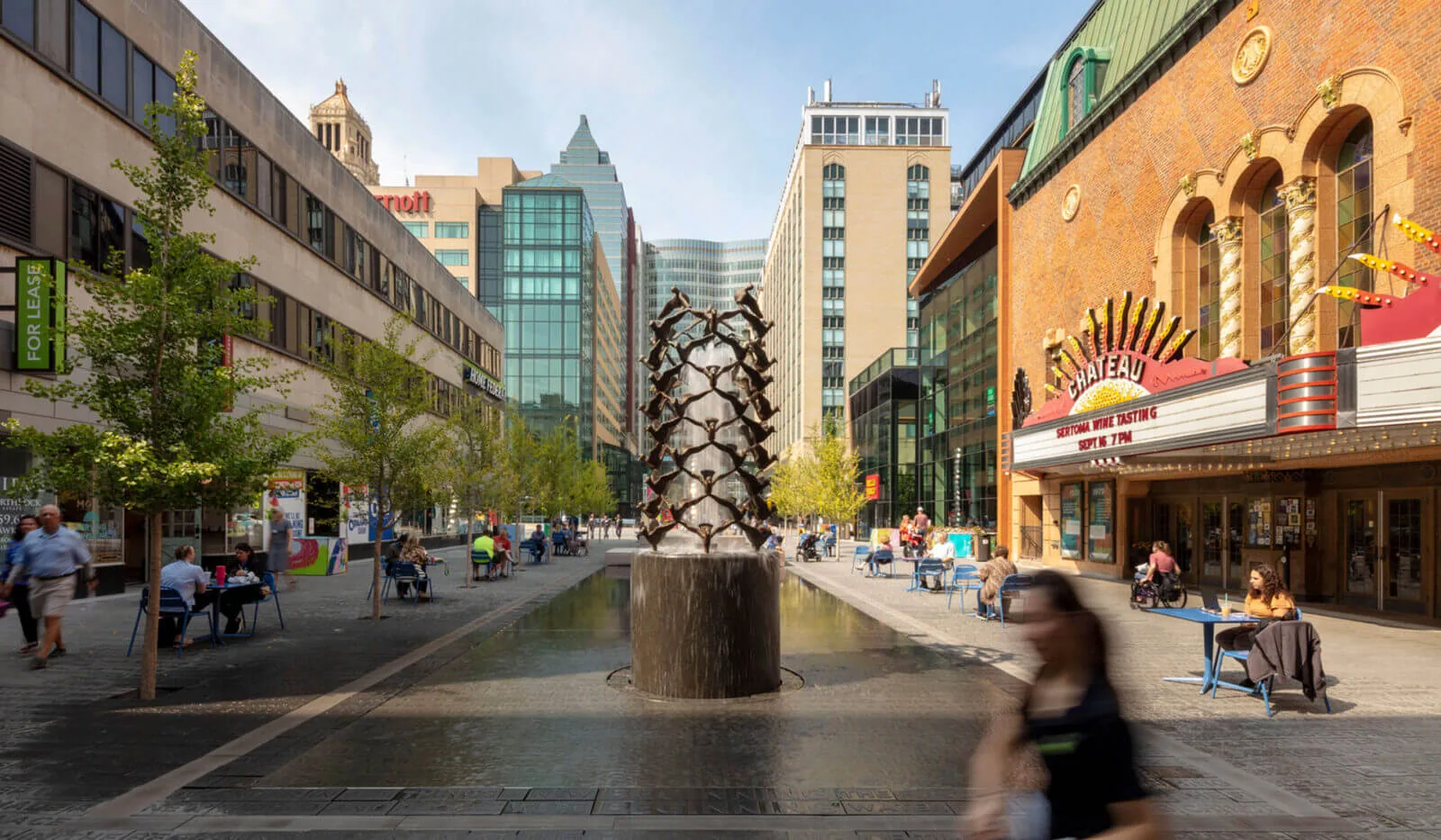
A roof drain near a parapet needs two clear paths: water into the bowl and the repair crew to the detail. Downtown Waterfront is a mapped Destination Medical Center district along the Zumbro River and the downtown street network in Rochester, MN. That setting makes delivery access and roof entry details worth confirming at the address. We start by locating the roof zone, checking how the membrane meets the edge, and tracing drainage before proposing a repair.
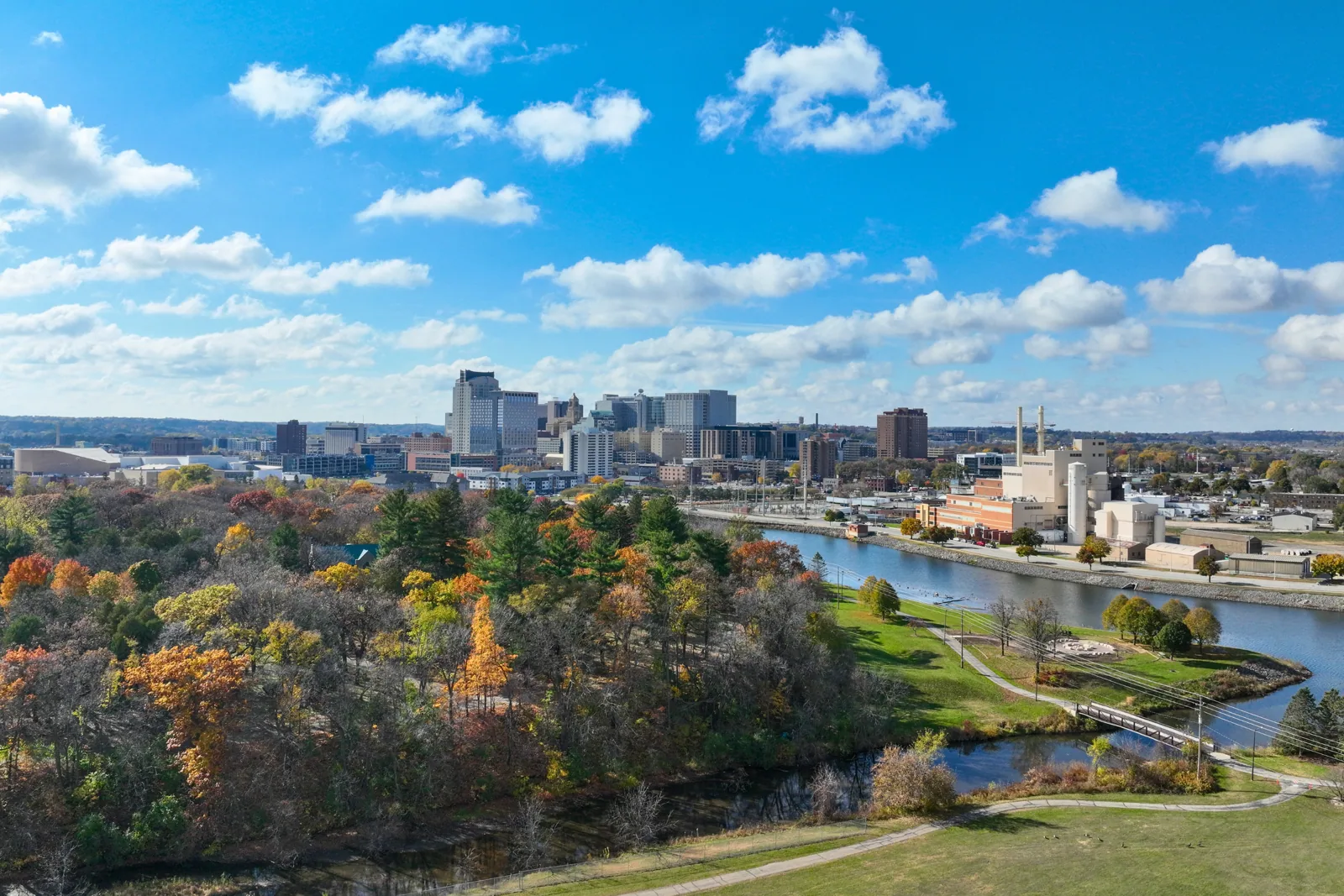
Downtown Waterfront is one of Rochester's mapped DMC districts, along the Zumbro River and downtown street network. Riverfront properties are part of the downtown redevelopment area. We inspect the actual assembly and record accessible conditions, whether the issue is separated flashing, a slow drain or an indoor leak report. Work at nearby Heart of the City or Downtown Rochester stays under its own address and roof boundary.
Share the Downtown Waterfront address, roof concern, available records and access contact. We will inspect agreed areas and document a repair or testing recommendation.
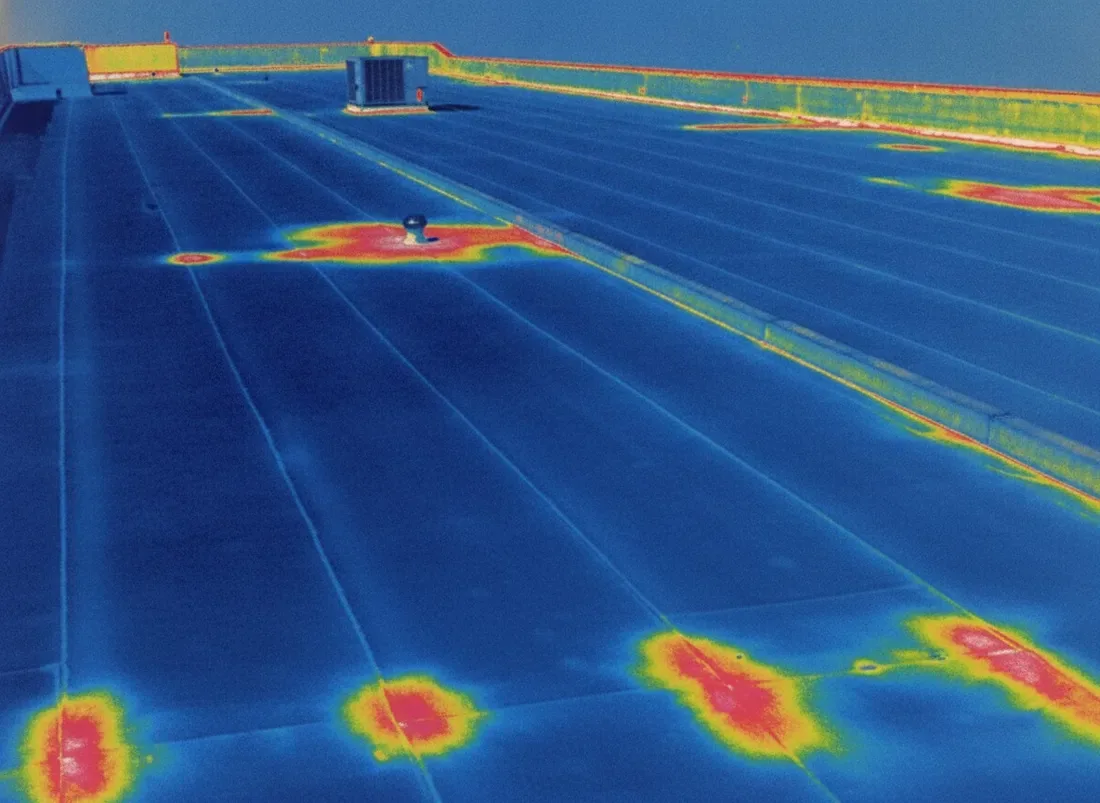
We compare the leak report with roof slopes, drain locations, overflow openings and interior evidence. A blister near a seam, a split at a curb or corrosion at metal coping can each admit water differently. We photograph the condition from a stable view and close detail, then mark its roof zone so the owner can match the finding to a plan. A moisture survey may help when the question concerns concealed wet insulation over a defined area; it does not replace a test opening when confirmation is needed.
Downtown street access can affect staging, but the current building contact confirms loading rules, lift placement and entry restrictions. We confirm access and drainage at the property before setting the work sequence. On the roof, we check the drain bowl, sump, overflow, seam laps and wall flashing together because water can travel beyond the first visible mark. A written inspection record identifies which details were reached and which need authorization or a return visit.
Before repair, we identify the roof membrane where possible and inspect whether the surface will accept a compatible weld, splice or adhesive. A local patch needs sound material beyond the defect and a termination that will stay attached. If the membrane turns up a wall or coping edge, that flashing detail may be the actual failure rather than the field sheet. Our flashing repair scope describes the transition, fastening and tie-in so the patch does not stop at the easiest visible point.
A ponded area can reflect blocked drainage, a low spot, settlement or a damaged drain assembly. Clearing debris is a different task from correcting a flange or rebuilding a sump. We record water extent and nearby seam condition, then distinguish immediate maintenance from a change to the roof assembly. When a surface remains serviceable but needs renewed protection, a coating assessment can compare preparation and compatibility requirements against a replacement or recovery scope.
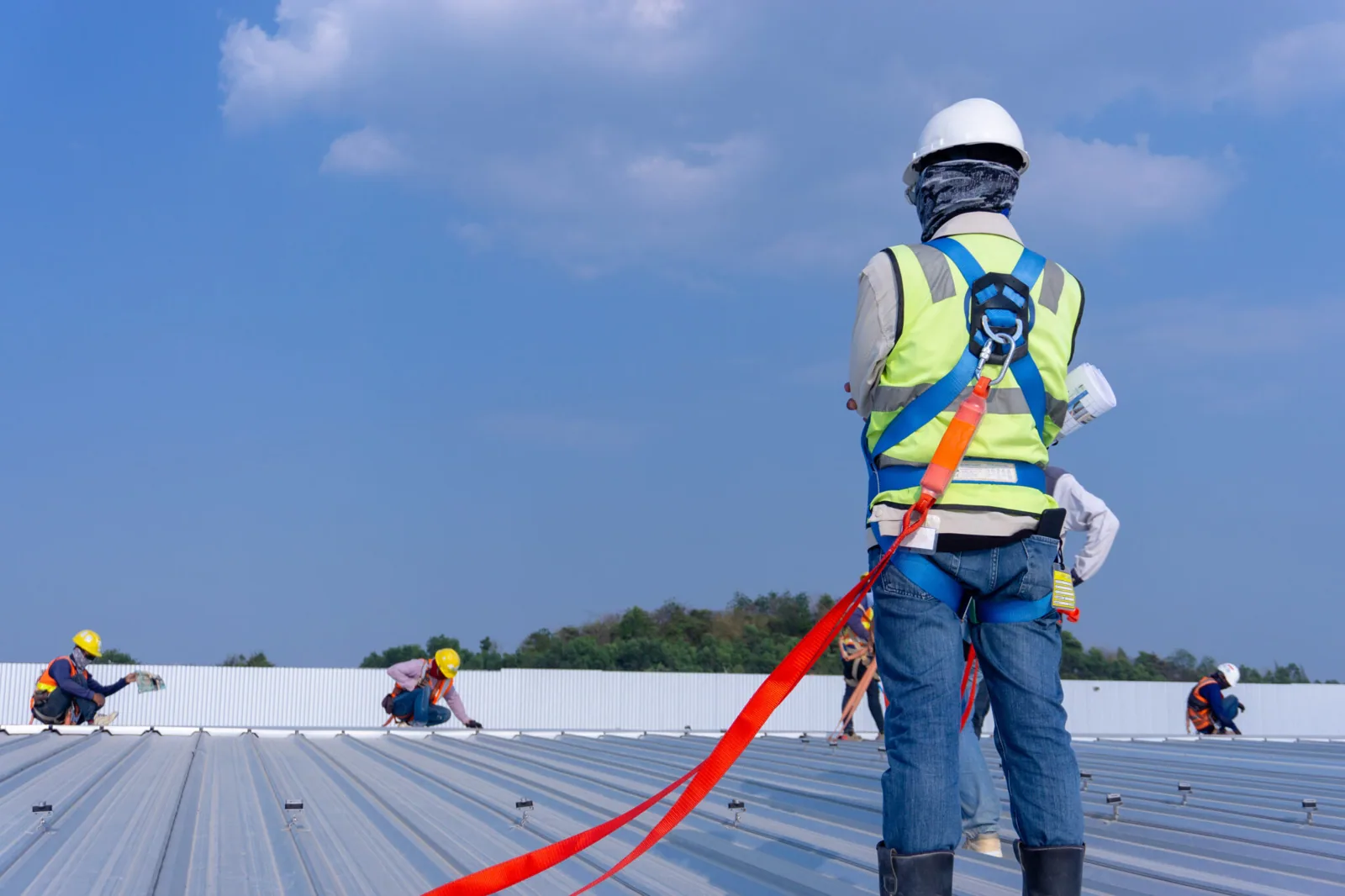
Repairs beside active streets and occupied buildings need a defined staging and closure plan. The property team confirms delivery windows, roof access, material storage and any protected entrance below the work. We state how far the crew may open the assembly and where the roof will be sealed at day end. If wind, rain or a concealed layer changes the sequence, the opening is protected and the owner receives a revised scope before permanent work proceeds.
Rochester averaged 46.3 inches of seasonal snow during the 1991 through 2020 climate period; December through March carries the usual accumulation. On a Downtown Waterfront roof, that citywide climate context makes drain access, edge metal and safe travel routes practical checks before accumulated snow obscures details. It does not imply a river flood or a roof defect at any parcel. We note actual conditions seen on site and make a separate recommendation for roof areas that were covered or inaccessible.
A single split at a curb or isolated seam opening may be repaired locally when adjacent membrane and insulation remain sound. Multiple leaks, wet layers or repeated edge movement can justify a broader survey and alternatives review. We explain the evidence, affected dimensions, material assumptions and items that still require testing. A capital planning review can compare immediate stabilization, phased repair and replacement timing without treating an untested area as a known quantity.
The Zumbro River and downtown street network identify the district, but a roof decision still belongs to the specific building. Teams with more than one property can maintain separate condition dates and repair histories through a multi-site roof program. For an address near Saint Mary's Place or Central Station, we keep observations independent and name the actual roof sections in the report.
The closeout includes dated photographs, roof-zone references, confirmed material where known, completed work and open conditions. We distinguish a permanent repair from temporary protection and state whether moisture testing or an authorized opening remains outstanding. A roof condition report gives facilities staff a concise record for maintenance planning and future bids, including the work limit and any inaccessible area.
Send the Downtown Waterfront address, a description of the leak or roof concern, available drawings and the access contact. We will agree on the inspection boundary and return a repair or testing recommendation tied to the actual detail. Emergency response is available overnight, weekends and holidays. When temporary protection is needed first, we show that step separately from permanent correction so the owner can direct the next visit with the evidence in hand.
Other services, systems and buildings that often come up alongside this work in Rochester.
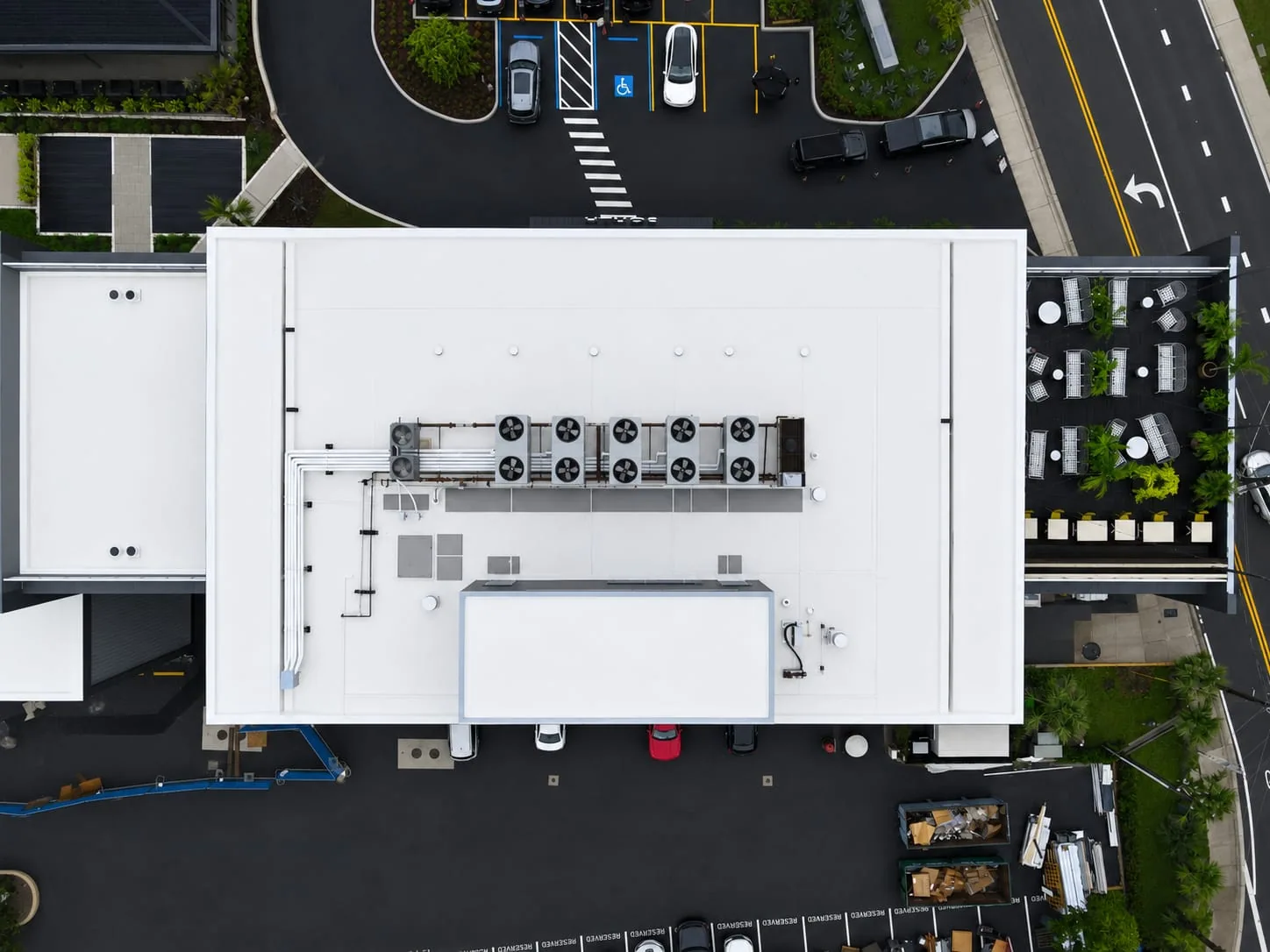
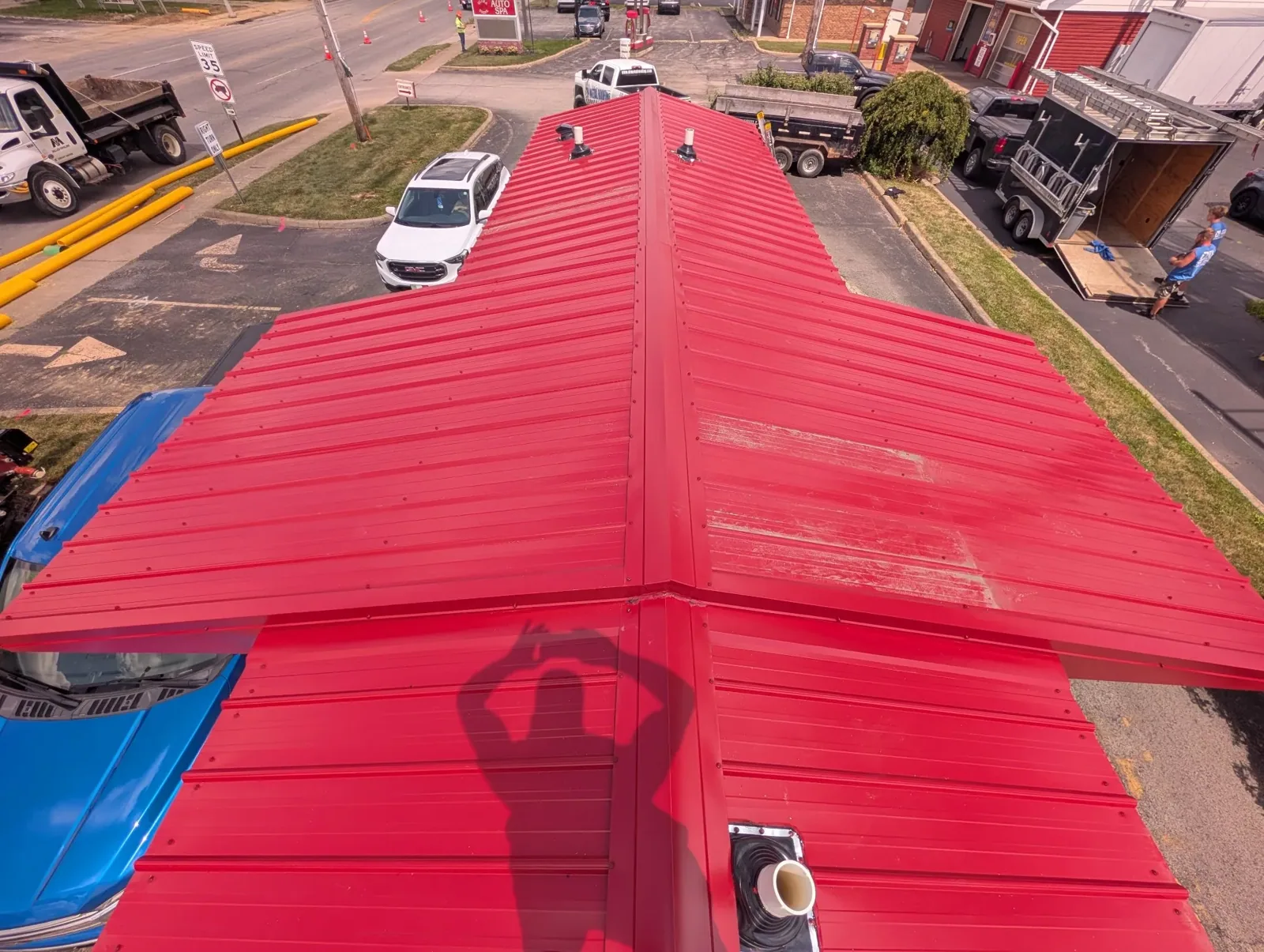
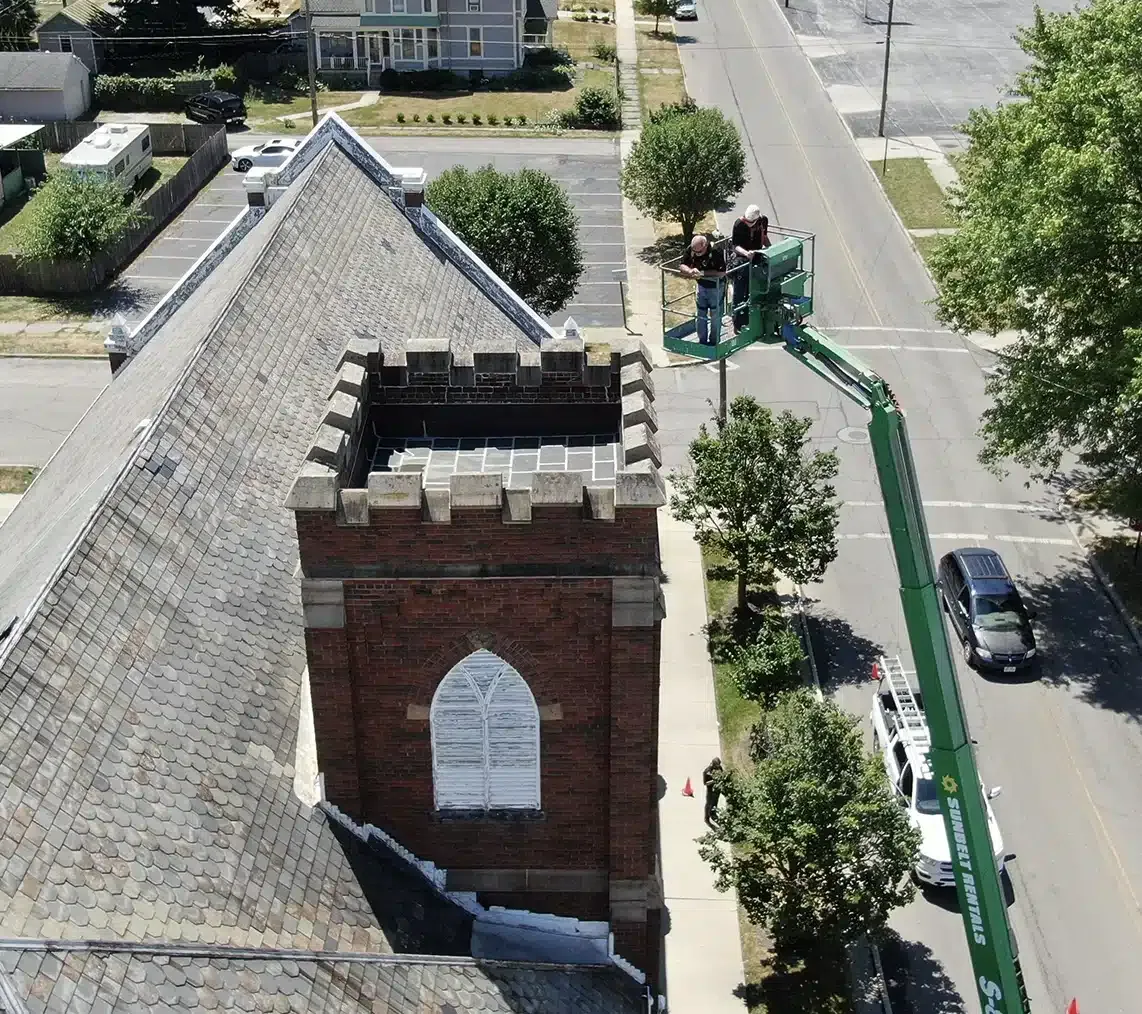

From distribution centers to clinics and schools, we roof the buildings Rochester depends on.
The district's location along the Zumbro River does not establish a building's exposure or roof condition. We inspect the address, drainage details and reported symptoms directly. Any recommendation follows observed conditions and available records, with unknown or concealed areas kept separate from confirmed repair items.
We compare the interior mark with roof slopes, seams, penetrations, walls and drains along the likely path. Photographs and roof-zone labels preserve what was checked. If the path cannot be confirmed visually, we can recommend a moisture survey or authorized opening before defining permanent work.
The crew protects the opening and documents the extent before proceeding beyond the approved boundary. We describe the material layers, replacement area and closure plan, then obtain direction on the added work. A dry tie-in remains the priority while the owner reviews the revised scope.
Yes. We coordinate delivery, roof entry, lift or ladder placement and building restrictions with the property contact. Those constraints are included in the visit plan because they can affect inspection time and repair staging. The report also records any zone that access prevented us from examining.