Water is coming into the building right now
Call us and tell us where the water is showing up. We will get a crew on the roof to stop the leak and protect the space below.

Industries We Serve
Evaluate commercial roofs in Rochester, MN with documented condition, repair limits and timing for acquisitions, ownership and portfolio planning.
Call us and tell us where the water is showing up. We will get a crew on the roof to stop the leak and protect the space below.
We walk the roof, photograph what we find and give you a written scope with repair options before any work starts.
Rochester, MN
A test cut at a roof drain can change an acquisition assumption more than a broad photograph of the field. The cut shows layers, attachment clues and moisture at that location. For an investor or REIT, we tie the result to the inspected area, property record and date, then list questions that need more testing. That gives the deal team a roof scope it can use without carrying an inaccessible section as verified. Discovery Square brings Mayo Clinic, private partners and institutions together around translational medicine. Airport Business Park offers build-to-suit development on the operating Rochester International Airport campus. At either location, we confirm the building's roof layers, drainage, edge transitions and repair history before recommending work.
Discovery Square’s DMC plan calls for translational-medicine collaboration among Mayo Clinic, private partners and institutions. The Airport Business Park, by contrast, is an operating aviation-campus setting with build-to-suit opportunities. We use those distinct market descriptions only to orient an acquisition team; roof due diligence still relies on the target asset’s own documents and field inspection.
Share the Rochester property address, decision date, roof plans, prior reports and asset contact. We will inspect accessible sections, identify testing limits and return documented findings that can support acquisition or capital planning.
For due diligence, we begin with available plans, prior reports, leak tickets and maintenance records, then compare them with a site inspection. The field record identifies roof sections, visible membrane conditions, seam and flashing details, drain bowls, penetrations, perimeter metal and accessible interior indicators. Where infrared or another screening method is used, its limits are recorded. A moisture indication is not a conclusion about the entire roof; testing at selected locations can confirm what scope should carry into the report.
That distinction matters when an asset transitions between owners or managers. We document the tested area, sample opening, repair boundary, apparent layers and photographs, plus any area blocked by equipment or access. A transaction roof survey gives the team a dated basis for its review, and a condition report with photographs makes findings traceable after close. If the building is one of several managed properties, an operating portfolio review can align the repair record with the ongoing maintenance contact.
A localized opening with sound surrounding material may support a defined repair. Multiple recurring leaks, broad wet insulation, repeated seam failure, deteriorated edge attachment or an unsuitable existing assembly can point toward a larger project. We compare repair, recover and replacement by documenting roof layers, deck observations, drainage elevations, edge height, penetrations, tie-ins and access. If information is missing, the recommendation identifies the test needed rather than assigning a remaining-life figure that the evidence cannot support.
Rochester's record high is 108 degrees Fahrenheit, set July 14, 1936. For an asset review, we pair that heat exposure with verified membrane type, surface condition, attachment and repair history. A targeted moisture survey may help define concealed conditions, while a TPO system review compares compatible repair materials only after the installed assembly is confirmed. We list the assumptions behind each alternative so underwriting and asset management can compare like scopes.
Inspection access, lender deadlines, tenant notices, weather windows and material lead times all affect a roof schedule. We identify the roof areas that can be inspected first, reserve testing for locations likely to change scope, then deliver open questions with the report. If work proceeds before a closing or occupancy milestone, the construction scope defines staging, temporary protection, daily tie-ins and who approves concealed repairs. A dated closeout keeps the completed condition distinct from the earlier due-diligence snapshot.
Rochester's Chapter 4-6 covers commercial and industrial buildings, with state building-code resources used for plan review and inspection. The project team confirms code applicability and permitting with the appropriate officials. We can document the proposed roof assembly, edge details and scope for that review. A replacement scope lays out removal and tie-in assumptions; a capital sequence by asset relates the work to the investor's other building needs. We do not treat acquisition timing as proof that a roof requires full replacement.
After ownership changes, maintenance notes and undocumented patches can disappear between vendors. We label completed areas on the roof plan, identify materials installed when known, photograph the closed seam and record the next item for observation. If a concealed condition changed the scope, the report states what was found and where. That record helps the new property contact distinguish a prior repair from a new symptom and prevents a portfolio spreadsheet from carrying an unqualified condition forward.
Downtown Rochester includes business, cultural, government, restaurant, office, retail and historic uses. Access and coordination follow the building's actual membrane, occupied areas and operating plan. For a multi-property owner, each address retains a separate moisture map and open-item list. A scheduled maintenance visit can revisit drains and flashing at a recorded interval, while claim-related roof documentation keeps event observations distinct from capital planning. We return findings in a form that an asset lead can place beside the lease, work order and approved budget.
A roof condition is time-bound. New rooftop equipment, foot traffic, storm exposure and repairs can change a section after a survey, so the next review starts from the prior record but checks the current surface. We revisit open seams, drains, penetrations, edge metal and the previous test areas, then note what has changed. Seasonal snow normals for Rochester total 46.3 inches over the year, much of it accumulating from December to March. We schedule roof observations around safe access and assess actual outlet and edge conditions.
When a condition needs immediate attention, emergency roof calls are answered around the clock. For planned work, provide the acquisition or asset-management contact, property address, available plans, roof history and decision date. We will return a dated survey or repair scope with tested locations, visible limits, assumptions and unresolved items. That gives the investment team a practical comparison point for repair, maintenance and larger capital work.
Other services, systems and buildings that often come up alongside this work in Rochester.
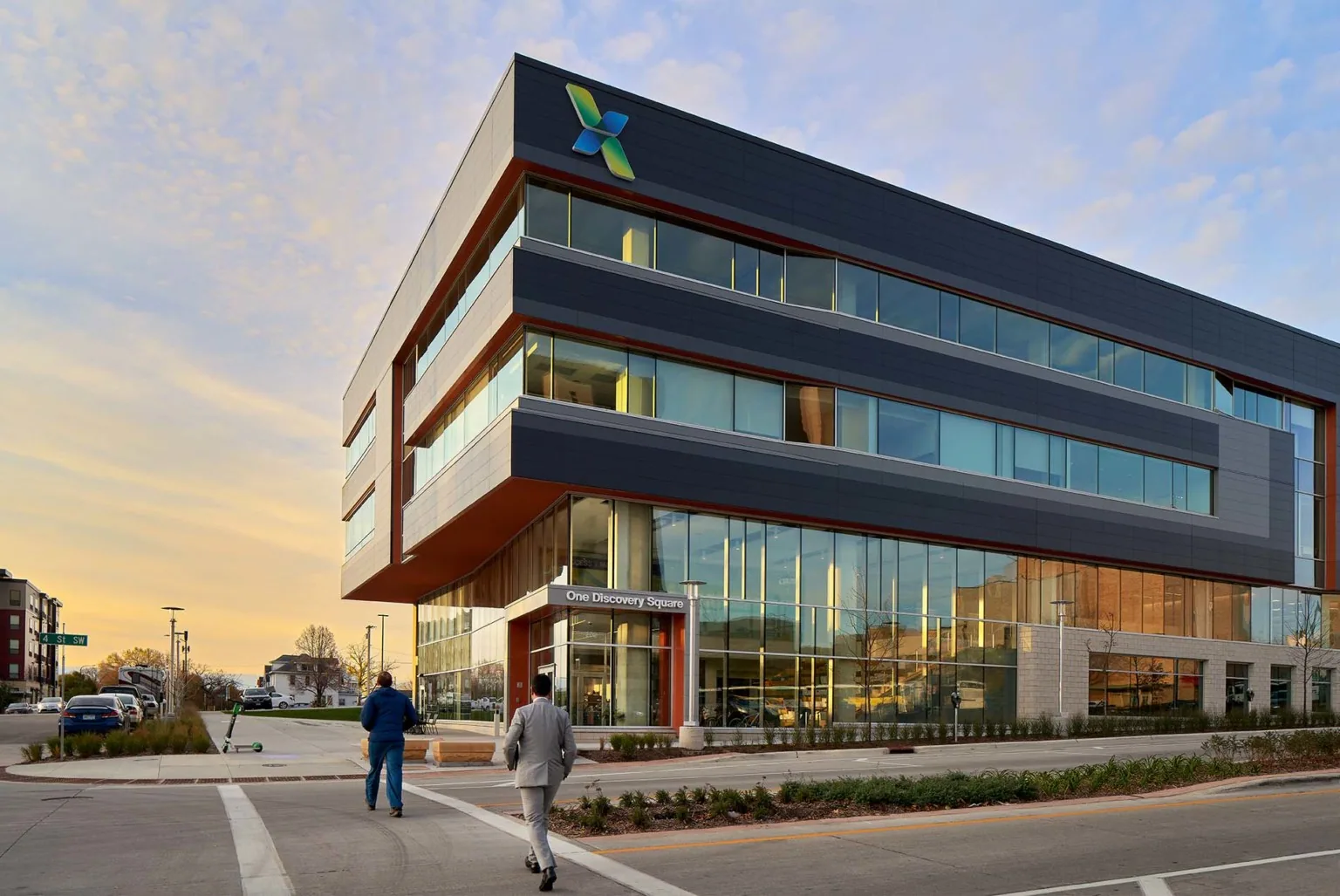
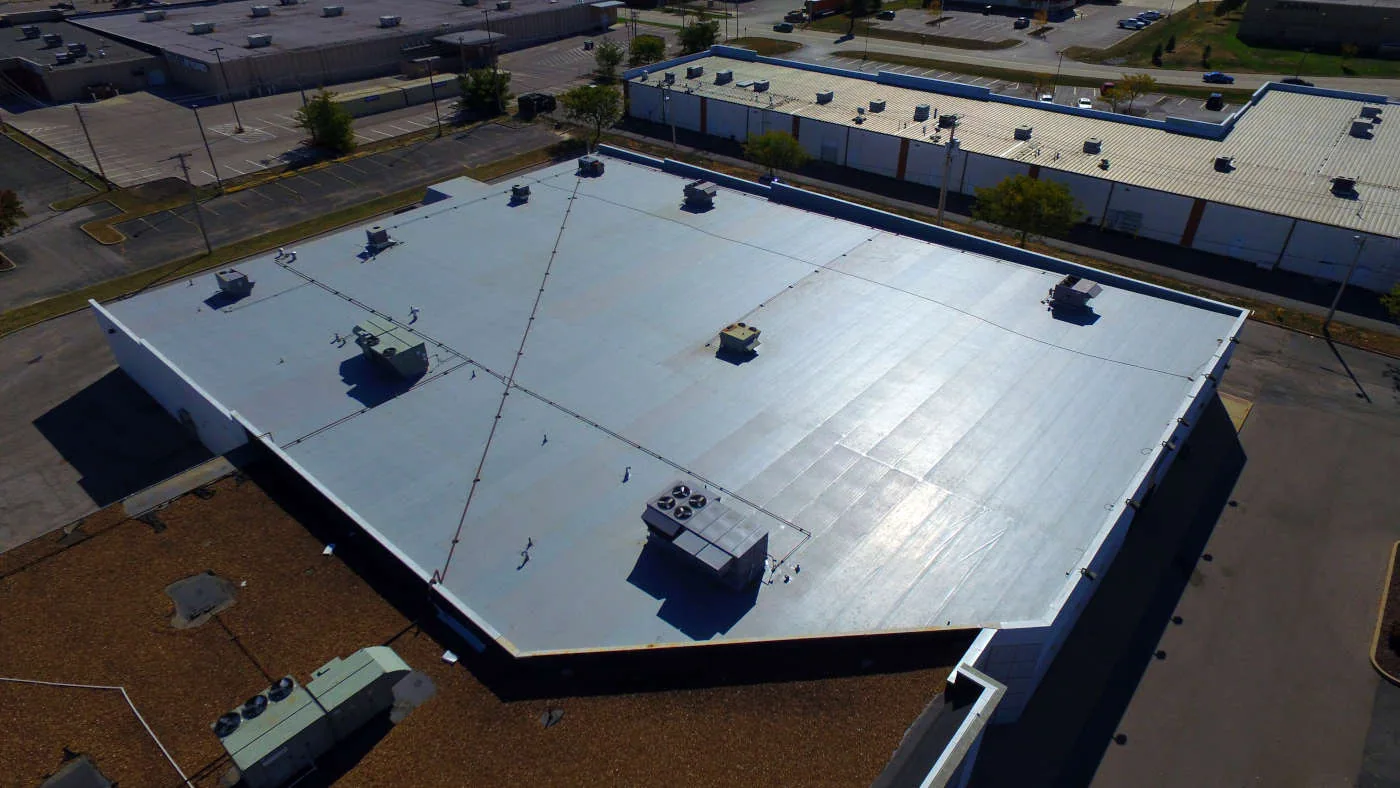
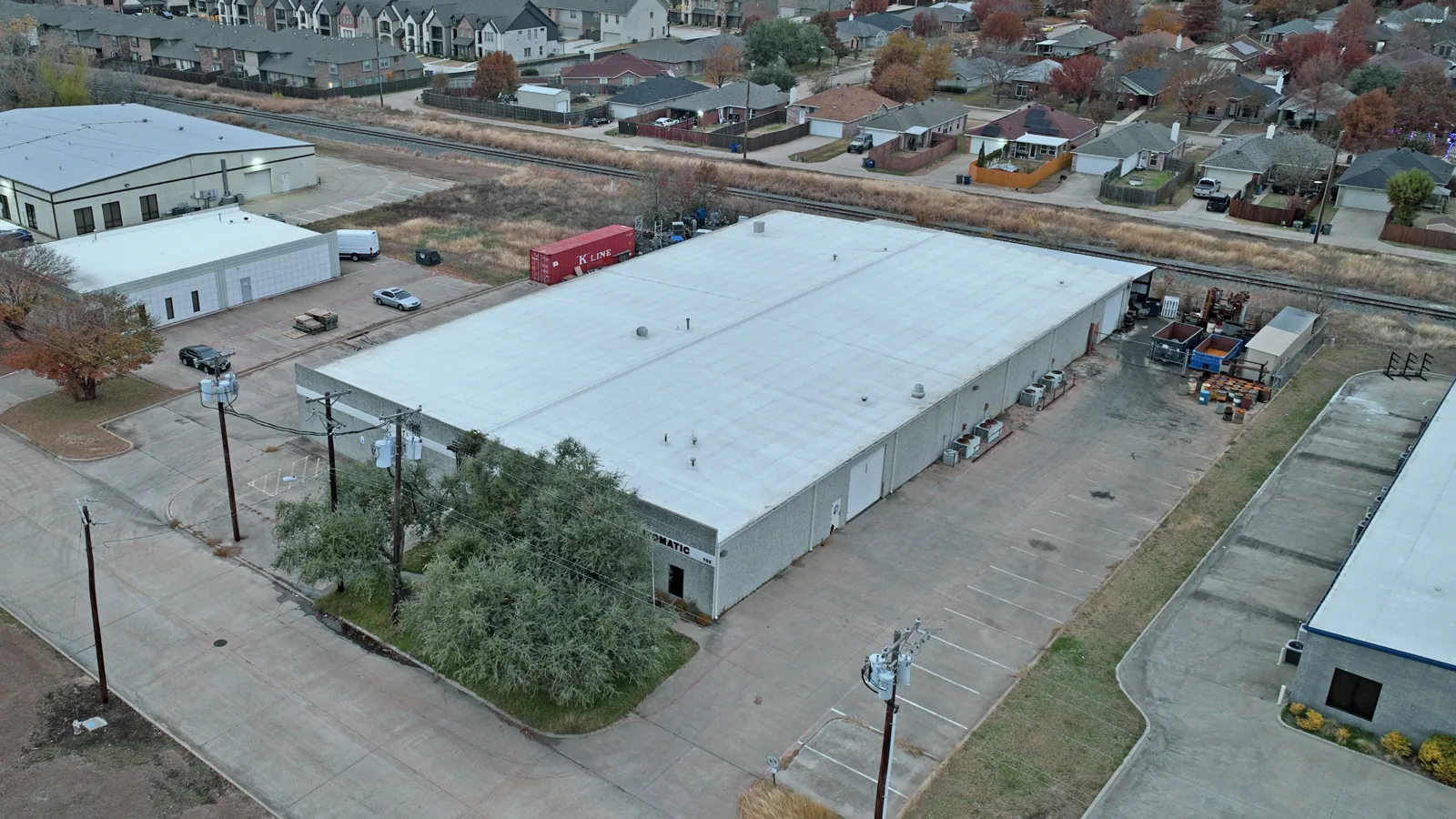
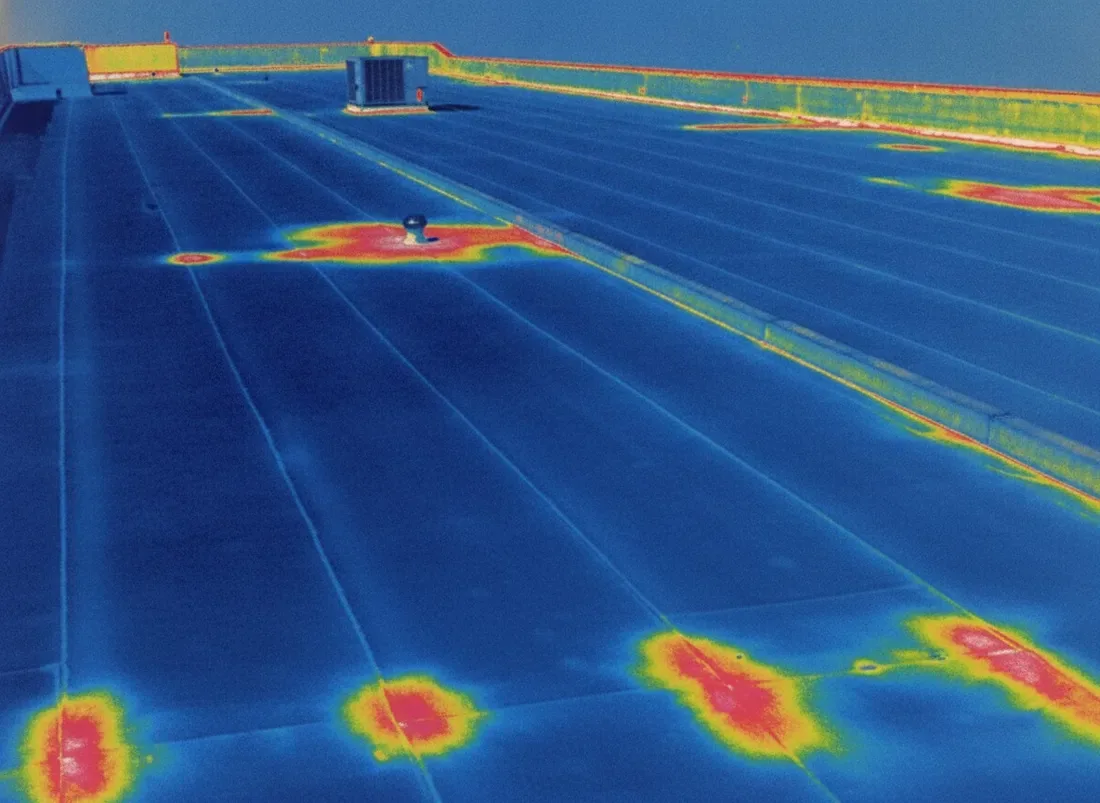
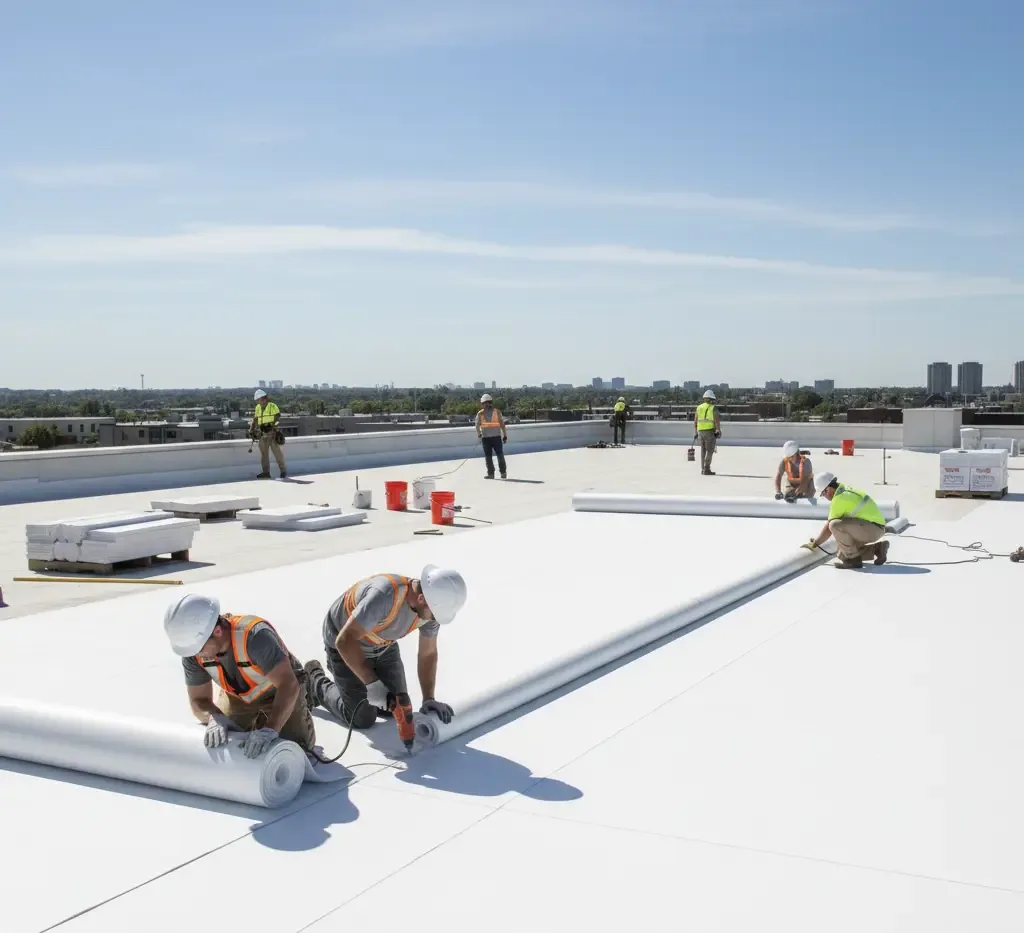
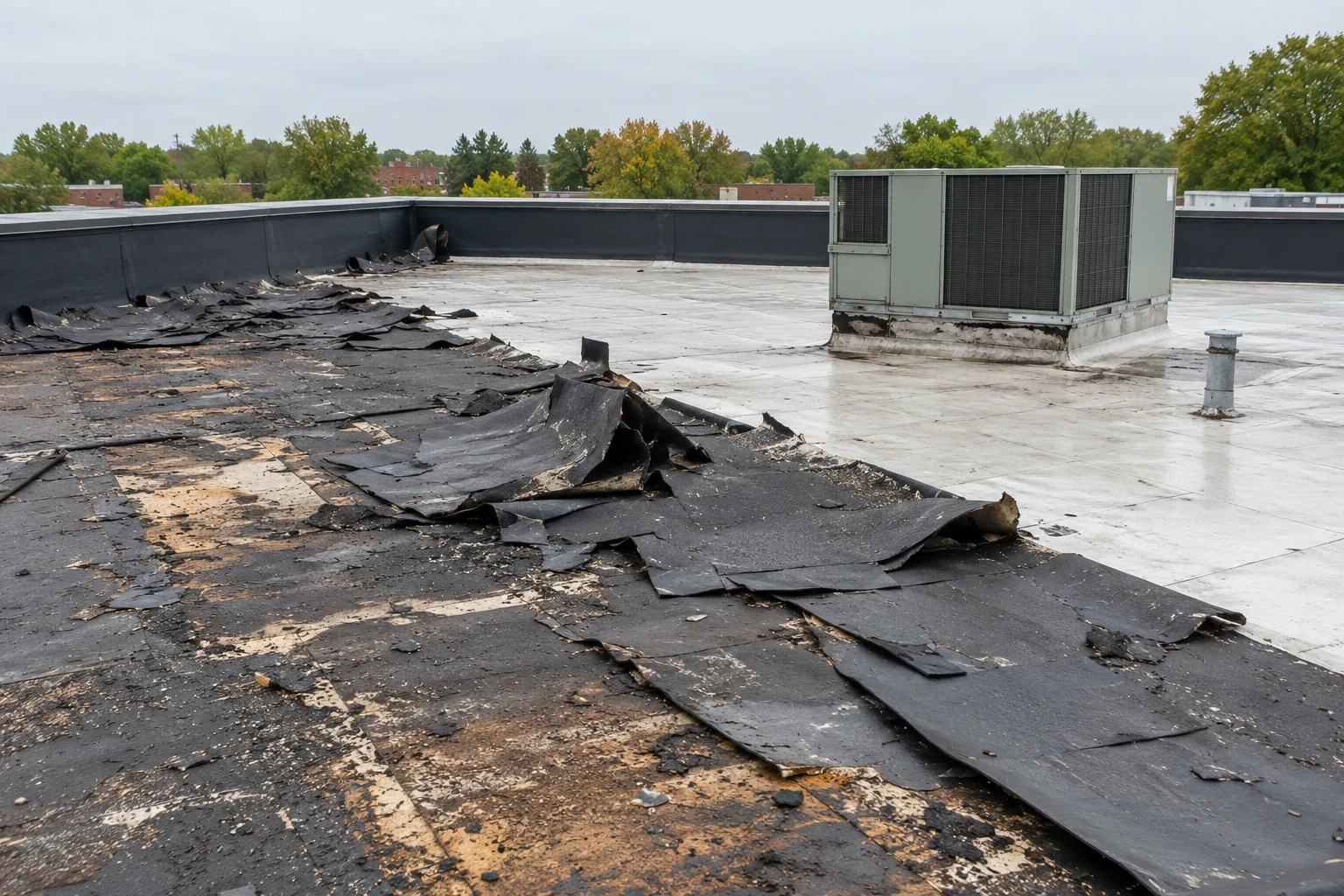
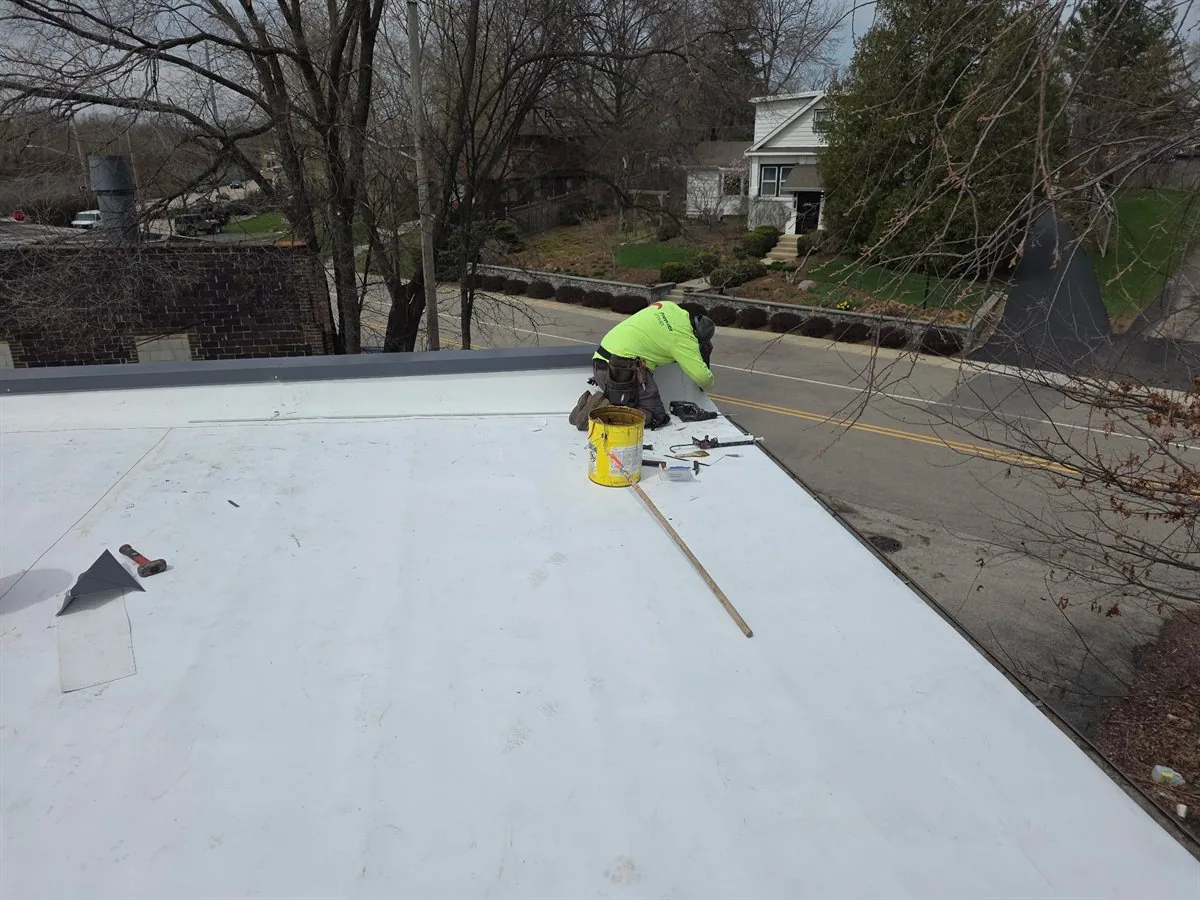

From distribution centers to clinics and schools, we roof the buildings Rochester depends on.
An inspection can document observed condition, known repairs, tested layers, access limits and issues that may affect the next decision. A single visit cannot verify every concealed area or predict future weather and maintenance. We state the basis and limitations of any planning opinion, and identify additional testing where hidden conditions could change the scope.
Roof plans, prior condition reports, maintenance logs, leak tickets, warranty documents and records of equipment work are useful starting points. We compare them with field observations and note missing or conflicting information. The report assigns each finding to a section so the investor can review the evidence without mixing records from another building.
We verify existing layers, deck and insulation condition, attachment, drainage elevations, edge height and tie-in details first. If those conditions support another layer, a recover may be evaluated; if they do not, removal may be necessary. The written comparison shows assumptions, testing and work left in place for each option.
No. A regional event record provides context, while property damage must be inspected at the actual address. We photograph observed conditions, identify the roof sections reviewed and separate storm-related evidence from prior wear or an unrelated repair. That documentation can support the owner's next scope or claim discussion.