Water is coming into the building right now
Call us and tell us where the water is showing up. We will get a crew on the roof to stop the leak and protect the space below.

Roof Systems
Inspect and maintain KEE commercial roofing in Rochester, MN. We verify the membrane, seams, details and exposure before selecting repair materials.
Call us and tell us where the water is showing up. We will get a crew on the roof to stop the leak and protect the space below.
We walk the roof, photograph what we find and give you a written scope with repair options before any work starts.
Rochester, MN
A KEE membrane still needs the correct preparation at a seam repair. The name on an old invoice does not tell us which sheet, accessory or prior coating is present today. We confirm the material, inspect the weld and trace how the field sheet meets curbs, drains and edge metal. That first record keeps a repair from crossing onto a neighboring membrane with a different composition.
Rochester's business properties range from downtown mixed uses to manufacturing and warehouse districts, with the Airport Business Park operating within an aviation campus. Each roof needs its own access and operating plan. We tie photographs to the property address and roof section, then compare visible conditions with closeout records. A membrane label is useful evidence, but not a substitute for seeing how the installed assembly is built.
Send the Rochester address, roof concern, available system records or product label photos and the portfolio contact. We will map the KEE area, verify compatible materials and return a dated scope with tested locations, transitions and repair boundaries.
We look for weak or contaminated welds, open lap edges, surface wear, patch buildup and stress around penetrations. A probe can reveal an edge that needs correction, but it cannot tell us whether the sheet beneath a coating remains compatible. We examine corners, curb transitions, termination bars and drain bowls, then note any place where another trade altered the field. The close view identifies the material; the wider image ties it to the roof plan.
Water movement is reviewed from the high point toward drains and scuppers. We note ponding evidence, blocked strainers, low areas and overflow paths without assuming that a stain proves a membrane leak. A drainage inspection can identify a separate outlet correction. If equipment or skylight work interrupts the field sheet, a curb and penetration review documents the flashing detail and any open repair boundary.
KEE is a ketone ethylene ester modifier used in some PVC-type roofing membranes. The exact formulation and system accessories should be confirmed from product records when available. It is not safe to assume that every white thermoplastic sheet is KEE, or that a PVC repair material automatically fits every KEE assembly. We photograph markings, check project documents and verify compatibility before choosing a welding or flashing approach.
We also record attachment method, cover board, insulation, perimeter securement and prior repairs. If the sheet is discolored, brittle or layered with coating, a small preparation or test area may tell us more than a general visual impression. Where subsurface condition could alter the recommendation, moisture mapping can help target verification, and a section-based condition report preserves the question alongside its evidence.
The repair sequence starts with material identification and a clean test area. We remove dirt or residue with a method suitable for the membrane, allow it to dry and check that the surface accepts the intended weld. The patch is cut with rounded corners, fitted beyond the damaged portion and welded in a controlled pass. After cooling, we probe the edge and inspect the weld for voids or skips. A repair that cannot be made on a sound surface should not be disguised with a larger cap.
For replacement, the same attention extends to sheet layout, attachment, insulation transitions, curb heights and perimeter metal. Daily tie-ins must close before weather changes; staged work needs a map of open sections and temporary protection. A localized repair visit may resolve a discrete issue, while replacement scope compares the whole assembly and transition points. The closeout record names materials actually installed and the roof section where each detail was completed.
KEE, PVC and TPO can look similar from a distance, but repair methods and compatible components depend on the actual product. We identify seams, flashing and accessory types before joining a new patch to aged sheet. If a building transitions from KEE into a PVC membrane section or a TPO field, the intersection gets a separate detail and material check. A roof map records the change instead of assigning one system label to the full building.
Rochester's normal seasonal snowfall is 46.3 inches, concentrated between December and March. We schedule seasonal drainage and perimeter reviews around that window, then base repair decisions on the inspected KEE assembly. The repair decision weighs seam continuity, attachment, moisture, sheet flexibility, edge securement and prior work. If the assembly is a candidate for another layer, the recover evaluation also checks layer count, drainage heights, structure and code constraints.
At maintenance, we return to prior repair perimeters, curb flashings, drain bowls, exposed welds and locations changed by mechanical trades. The log records whether a repair remains tight, whether a new opening has formed and which areas were inaccessible. A closeout record should include the confirmed membrane, repair materials and photographs, so a later visit does not have to infer composition from color or a partial label.
A KEE roof visit near the former IBM parcel or in the Saint Mary’s Place district begins with the individual building’s access route, assembly records and work-hour limits. Discovery Square is a separate downtown planning district focused on biomedical research and technology; district context does not substitute for roof evidence.
Other services, systems and buildings that often come up alongside this work in Rochester.
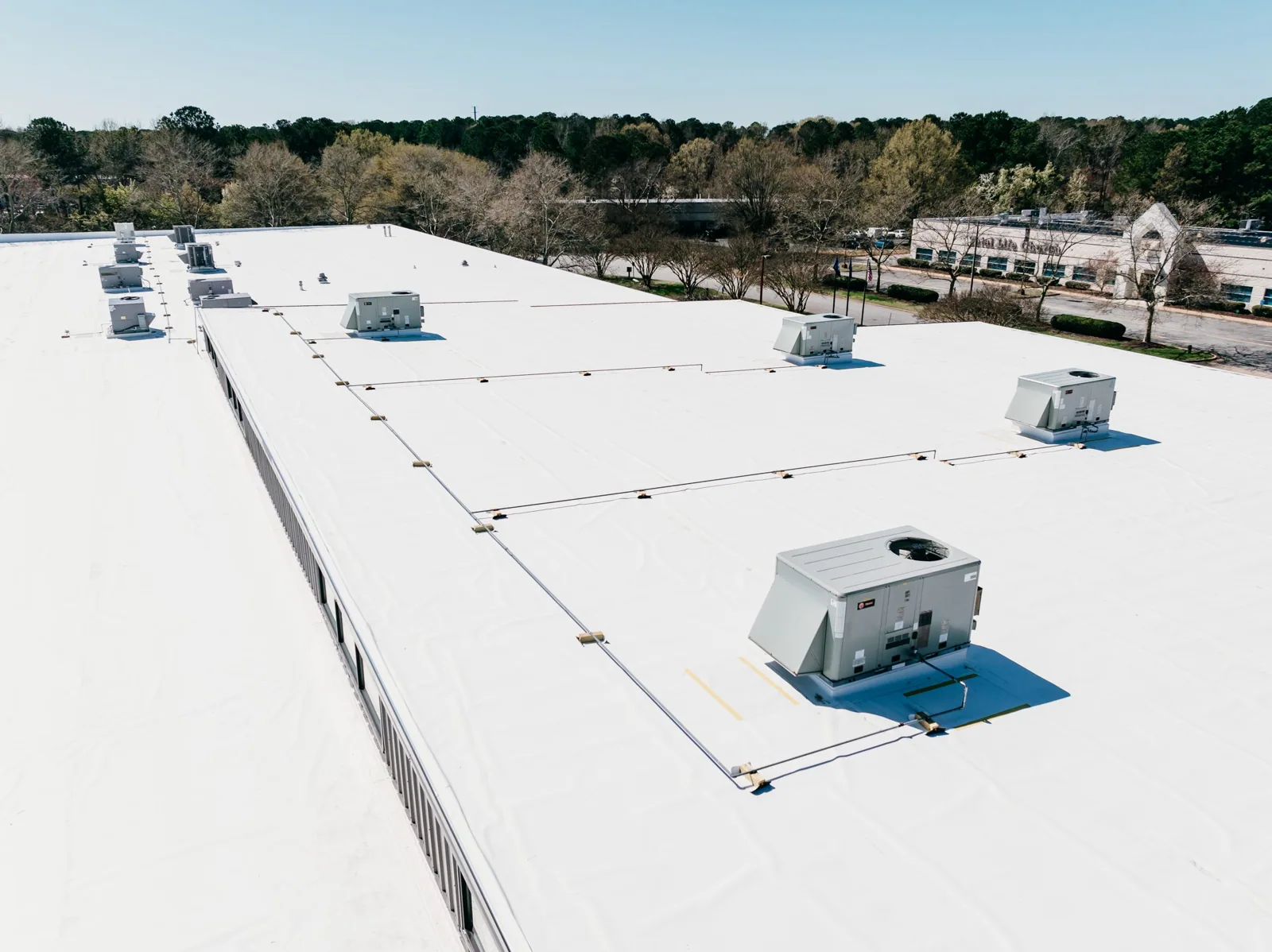
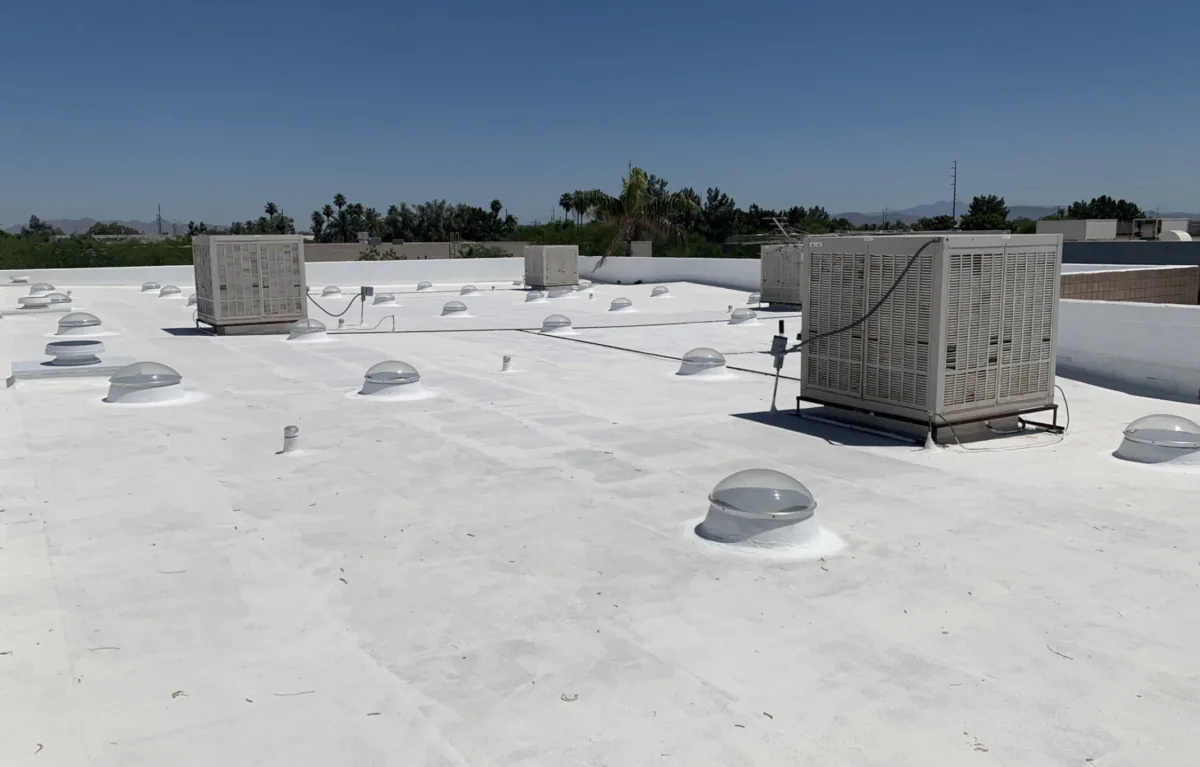
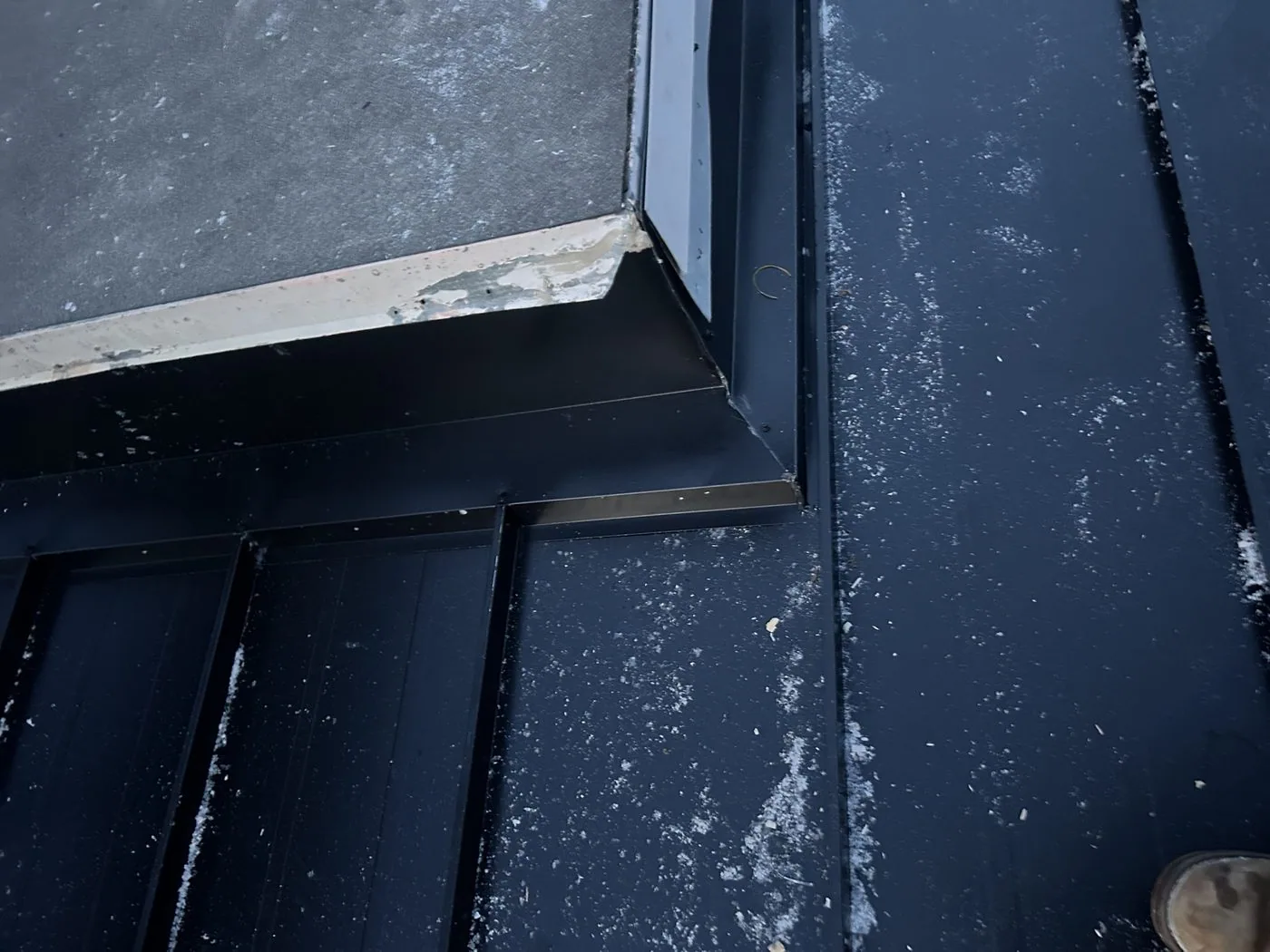
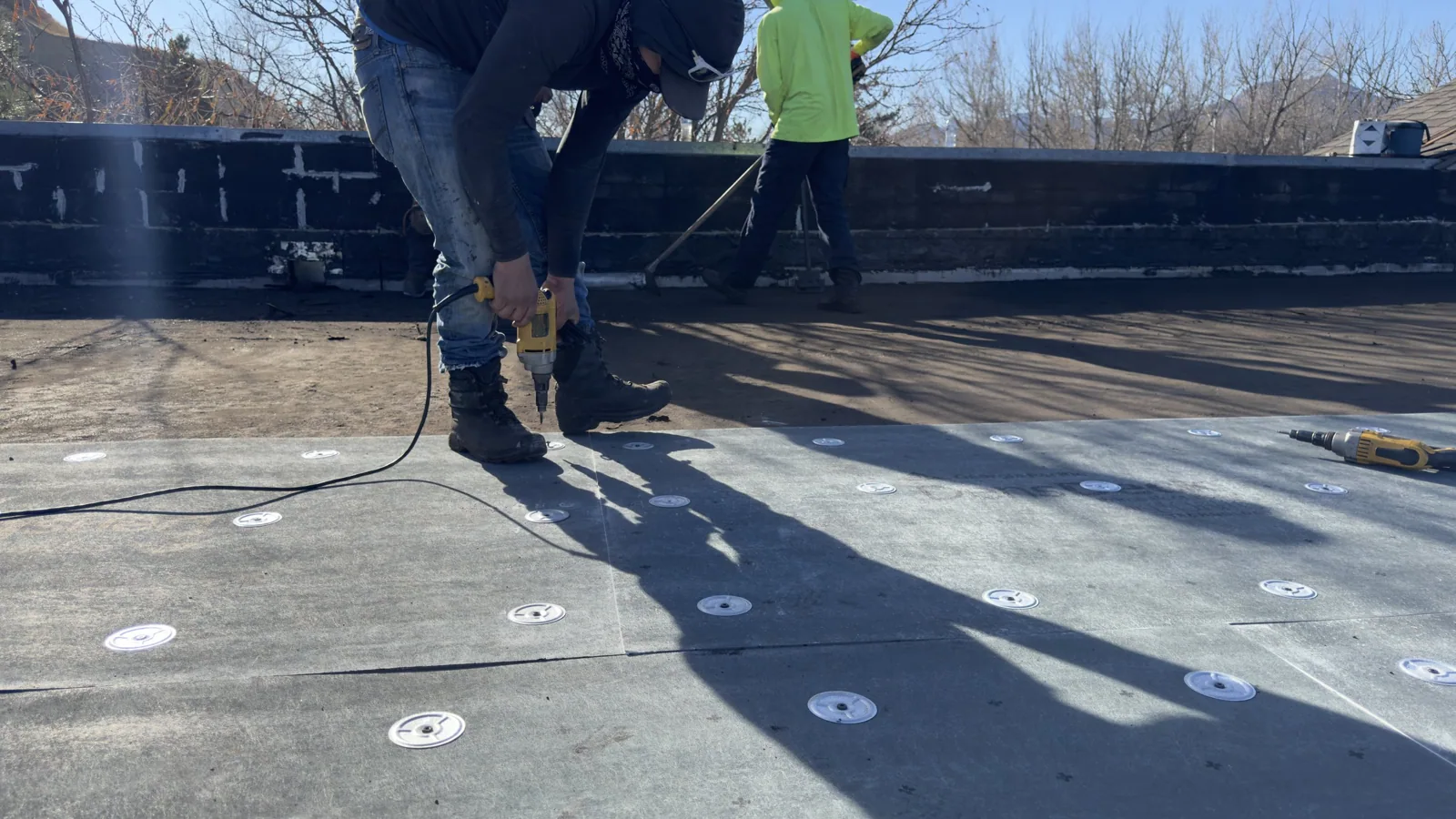
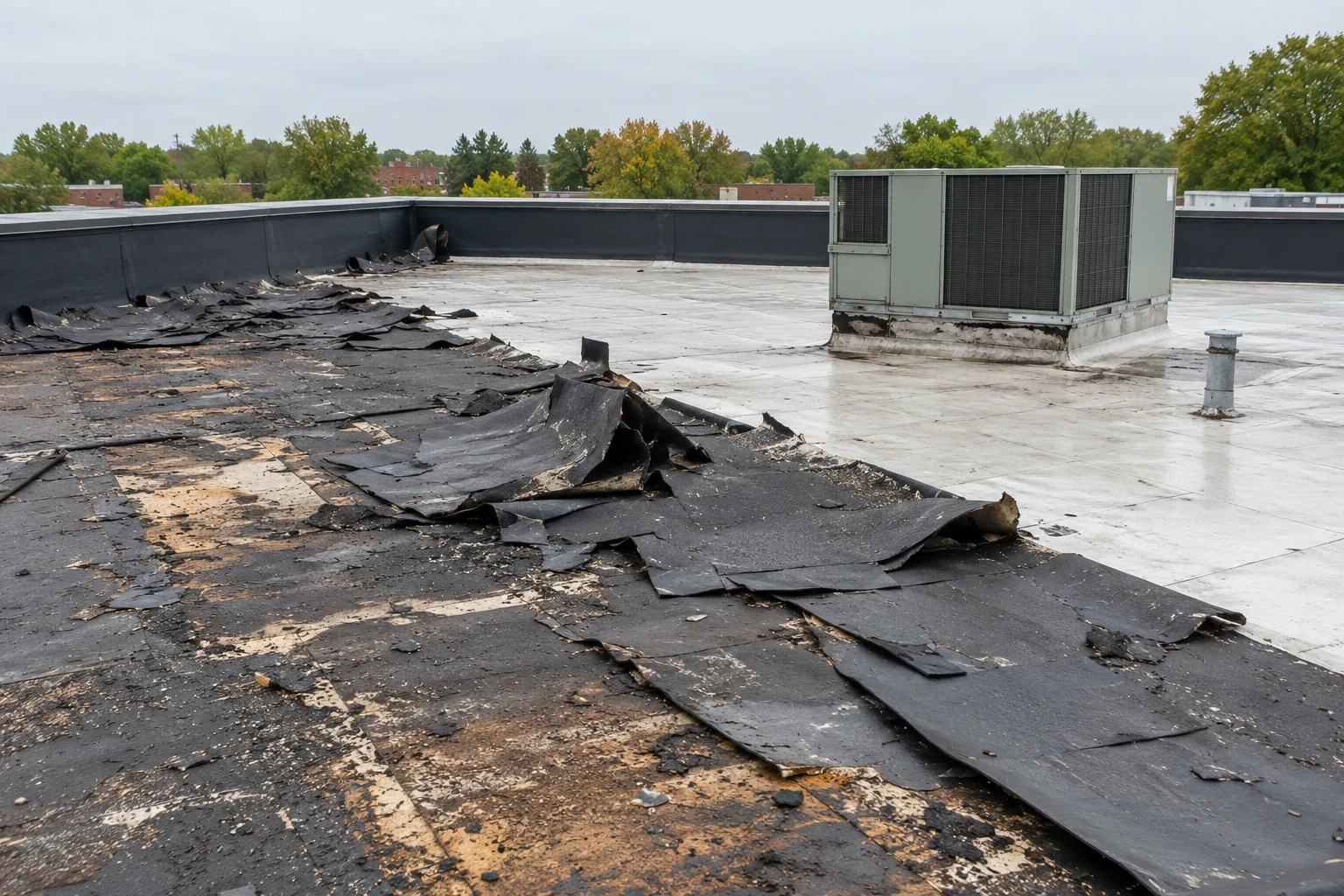
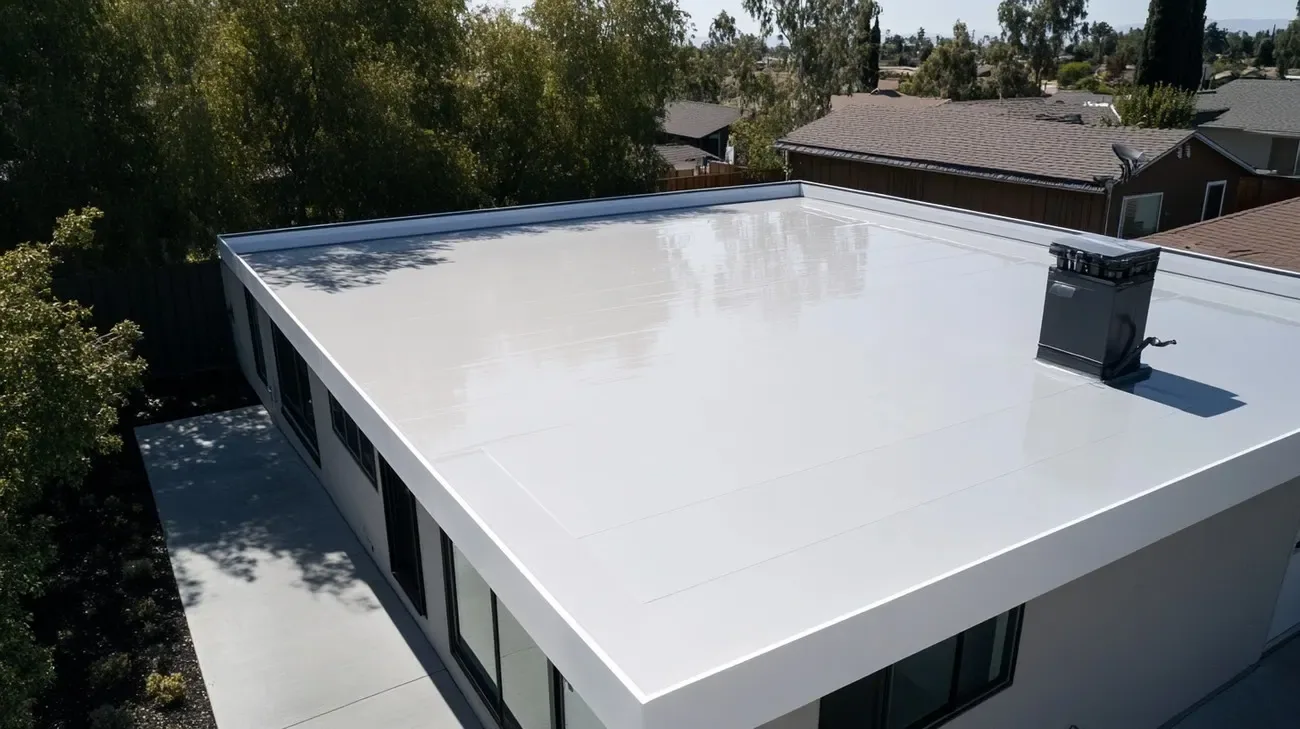
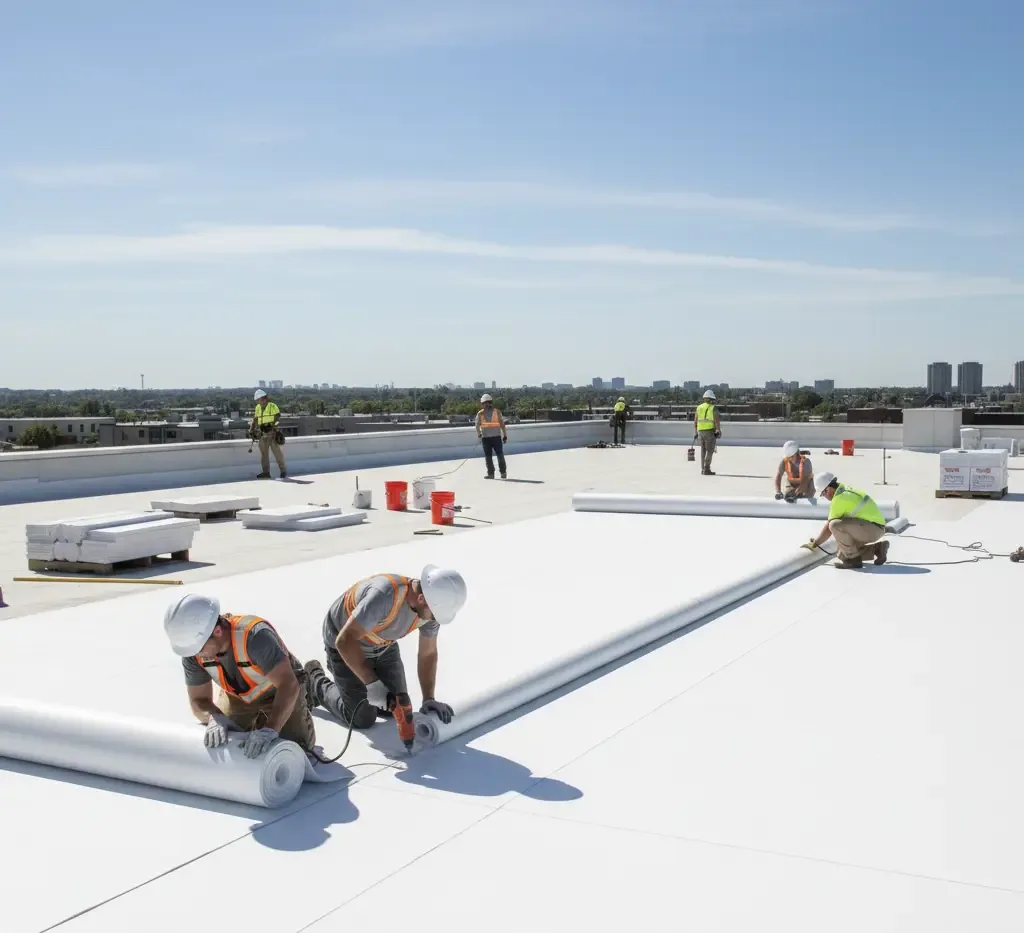

From distribution centers to clinics and schools, we roof the buildings Rochester depends on.
KEE uses a modifier within some PVC-type membranes, so the exact product and accessories matter. We verify the roof record or markings and examine the existing sheet before selecting a repair material. Color or a generic description on an old work order is not enough to establish compatibility. The inspection record names what was confirmed and keeps unresolved material identification visible.
The coating, contamination and sheet condition have to be assessed before welding. We locate a test area, prepare it with a compatible method and determine whether the base membrane can accept a weld. If the surface cannot be brought back to a suitable condition, we document that limit and consider another manufacturer-appropriate detail rather than welding through unknown layers.
We inspect the vertical flashing, corners, field-sheet welds, termination and counterflashing where present. The curb must be evaluated with nearby seams and runoff, since water can travel along an edge before reaching an opening. Equipment movement, prior service work and sealant changes are recorded as separate observations. The scope identifies any curb detail that needs opening or a tested repair.
The answer comes from how widespread the defects are and what lies below the sheet. We compare repairable seams, attachment, wet insulation evidence, perimeter details and remaining sound membrane. A local defect with dry surrounding layers may support a bounded repair; broad deterioration or compromised layers may warrant replacement analysis. We provide the evidence for both options and state what remains untested.