Water is coming into the building right now
Call us and tell us where the water is showing up. We will get a crew on the roof to stop the leak and protect the space below.

Industries We Serve
Document commercial storm roof conditions in Rochester, MN with dated photos, repair boundaries and findings separated from prior wear and damage.
Call us and tell us where the water is showing up. We will get a crew on the roof to stop the leak and protect the space below.
We walk the roof, photograph what we find and give you a written scope with repair options before any work starts.
Rochester, MN
A displaced edge-metal splice can be easy to photograph and difficult to attribute without the adjacent membrane, fasteners and prior repair history in view. We inspect the detail, map the roof section and document what is visible before recommending a repair. For restoration work, the record should distinguish observed conditions from suspected cause, and emergency stabilization from permanent scope. That gives the building owner, adjuster and restoration contractor the same dated reference for the next decision.
The April 17, 2026, NWS account placed 1.5-inch hail in northwest Rochester; it separately located an EF-2 tornado near Stewartville in Olmsted County. Those are distinct locations and event findings; they do not establish damage at a specific insured property. At a Rochester address, we document the actual surface, seams, edges, penetrations, drains and interior reports. A storm date guides the inspection timeline, while property evidence defines the repair boundary.
Send the Rochester address, reported event and date, roof records, available photographs and owner contact. We will inspect accessible sections, document observations and testing limits, and return a repair scope with dated evidence.
We begin with the loss date provided, the reported interior symptom, available roof plans, maintenance records and any prior photographs. On the roof, we check the membrane field, seam laps, flashing, edge metal, drains, equipment curbs, penetrations and previous patches. Images show both the close detail and its position on the building. We note what is visible, what has been tested and what remains concealed, without assigning a cause that the inspection cannot support.
For hail or wind concerns, we record the type and location of observed marks and compare them with surrounding areas and known repairs. A roof can show existing wear, prior patching or unrelated deterioration alongside a reported event. A storm-damage roof inspection maps conditions by section; a hail-condition review describes surface observations without assuming that every mark is functional damage. The report can then distinguish the inspected field from areas obscured by equipment or unavailable for safe access.
A useful restoration record includes the address, inspection date, reported event date, roof section, photographs, visible condition, test locations, repair boundary and unresolved questions. If a test cut shows wet insulation or damaged deck, we document the opening and layers exposed. If no destructive test was authorized, that limit stays explicit. This keeps screening results and verified conditions separate and helps the owner decide whether further testing or a repair proposal is appropriate.
The National Weather Service event archive records regional hail, damaging wind, tornado and flooding episodes, including a brief tornado in southwest Rochester on June 4, 2019. Event records provide context; they do not replace an inspection at a named property. We retain the event location and date exactly as reported and document current roof evidence separately. An illustrated condition report preserves observations, while a public-facility restoration record can keep agency access and approval steps distinct from the roof's physical findings.
When water is entering an occupied building, the first task is to reach the roof safely, identify the immediate opening and protect the interior where the facility allows. We document temporary covering, seal or water diversion separately from the permanent repair recommendation. Commercial roof emergency response remains available at any hour, including holidays. The response record identifies the initial condition, temporary measure, date and follow-up inspection needed once the roof can be assessed in more detail.
At a downtown property, access and public circulation may affect where a lift, materials or temporary protection can be placed. The building contact confirms those arrangements; a district label does not establish them. A Downtown Commercial Historic District visit remains tied to the actual property and its owner. For work involving multiple trades, a roofing coordination scope records the tie-in and responsibility for closing adjacent penetrations.
A focused repair may fit when event-related damage is localized and surrounding materials can accept a compatible tie-in. Broad moisture, repeated openings, compromised attachment or damaged deck may require additional testing or a wider project. We compare the repair options with the roof system, layers, test results, drainage, perimeter and access conditions stated. The scope separates work completed for immediate protection from permanent materials and any concealed condition not yet evaluated.
The Rochester seasonal snow normal is 46.3 inches, with most of that amount usually logged from December to March. That normal can inform seasonal inspection timing, but it does not attribute a leak or determine claim coverage. A wind-detail assessment records observed uplift or movement at edges and attachments, and a claim documentation visit organizes roof findings for the owner's review. Insurance determinations remain with the insurer and policy process; our report describes the roof condition and proposed work.
After authorized repair, the closeout identifies the property, affected section, materials installed when confirmed, photographs before and after work, repair boundary and any remaining item. If the installed system could not be verified or a test area revealed a broader condition, the report states that limitation. An adjuster or restoration contractor can compare the closeout with earlier observations without mistaking temporary stabilization for a completed permanent repair.
Stewartville is about eight miles south of Rochester and has named business and industrial parks near US Highway 63, Minnesota Highway 30 and Interstate 90. That regional location is useful for coordinating a visit, but the storm event near Stewartville remains distinct from any Rochester property inspection. We keep every address and date separate. A property manager's roof record can route completed work across a portfolio, and a maintenance follow-up can record the next scheduled check after the restoration scope is closed.
Other services, systems and buildings that often come up alongside this work in Rochester.
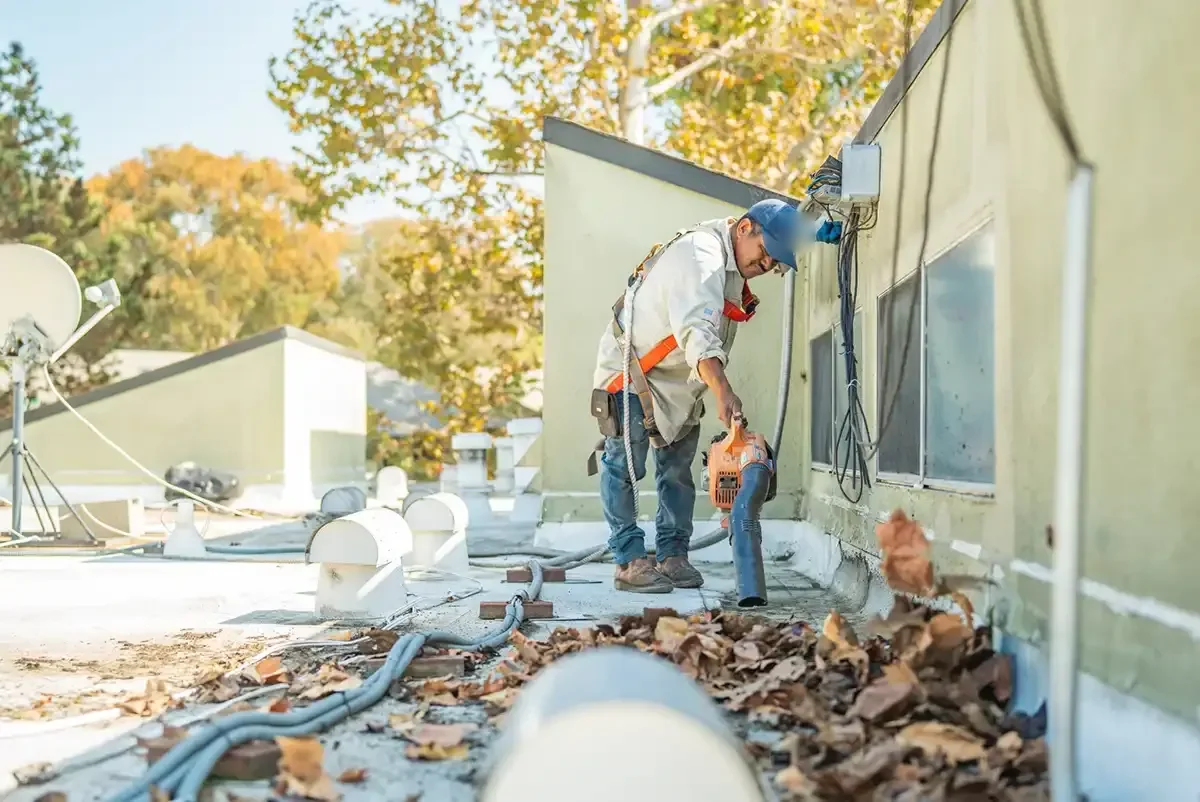
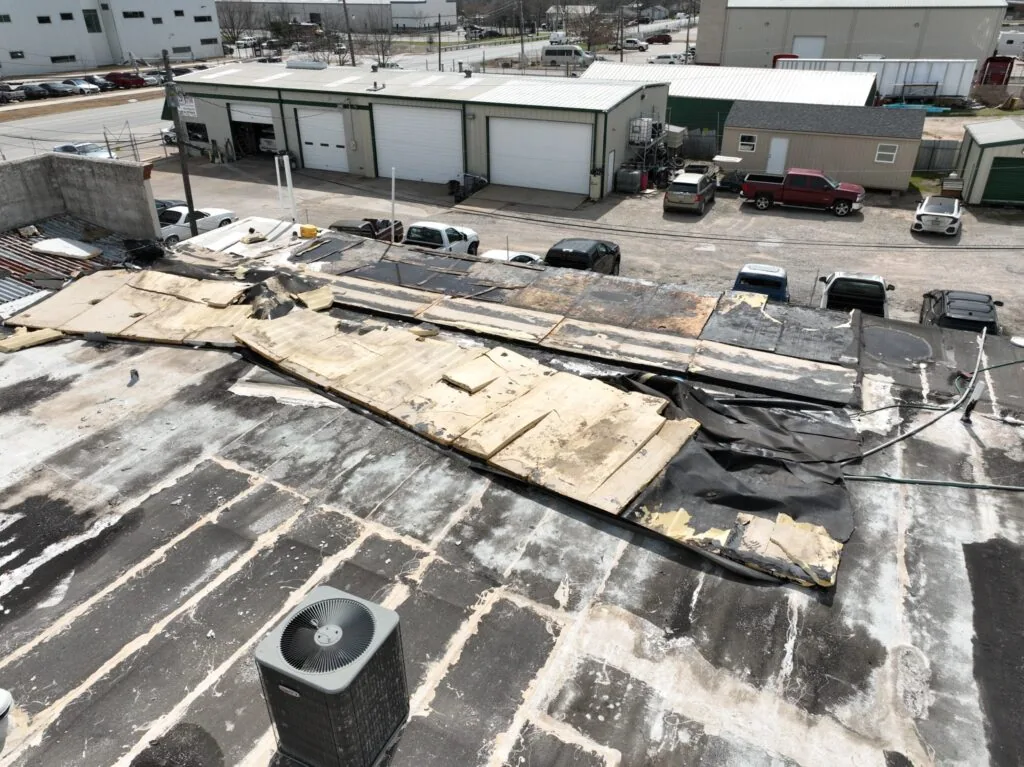
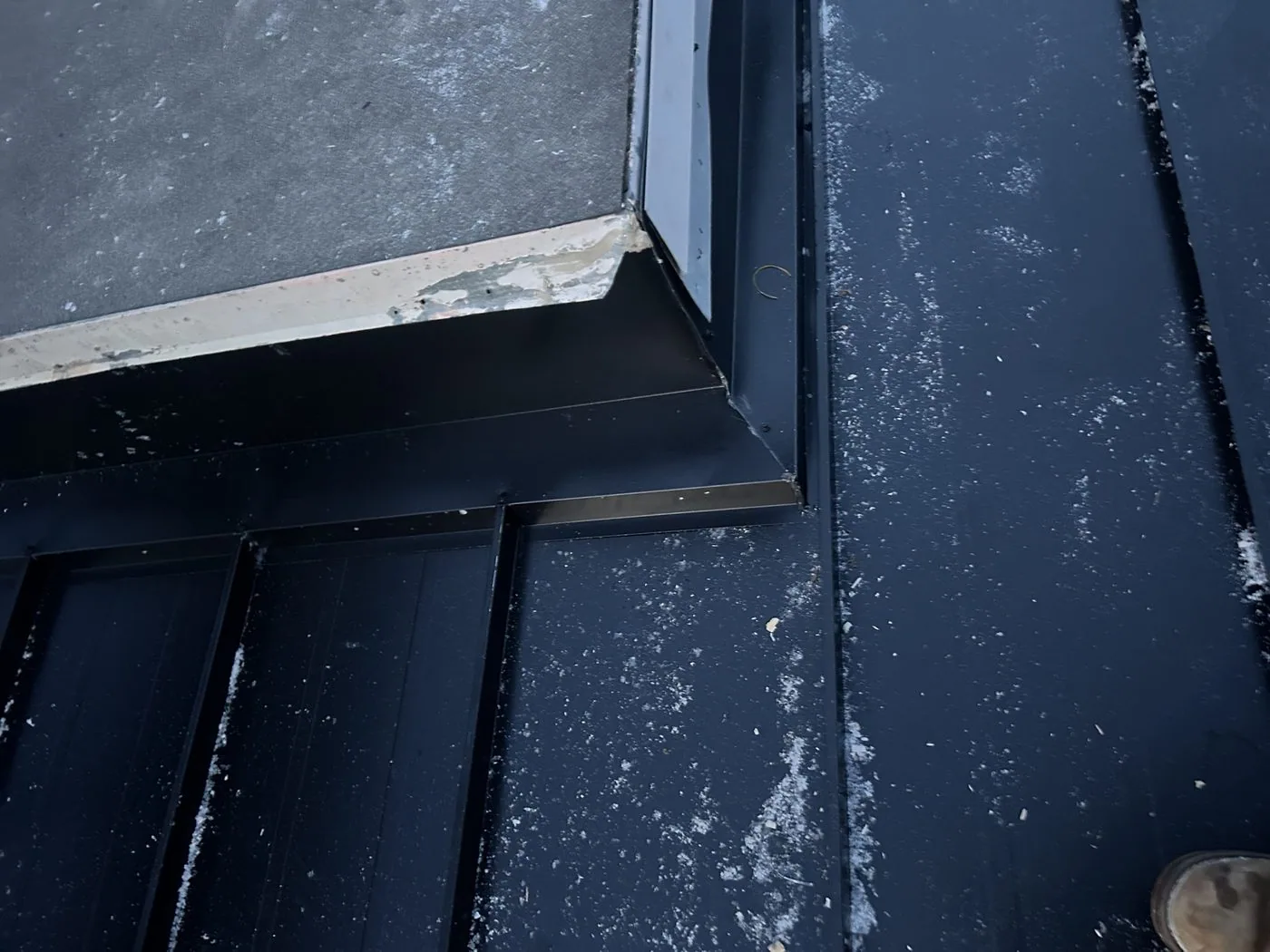
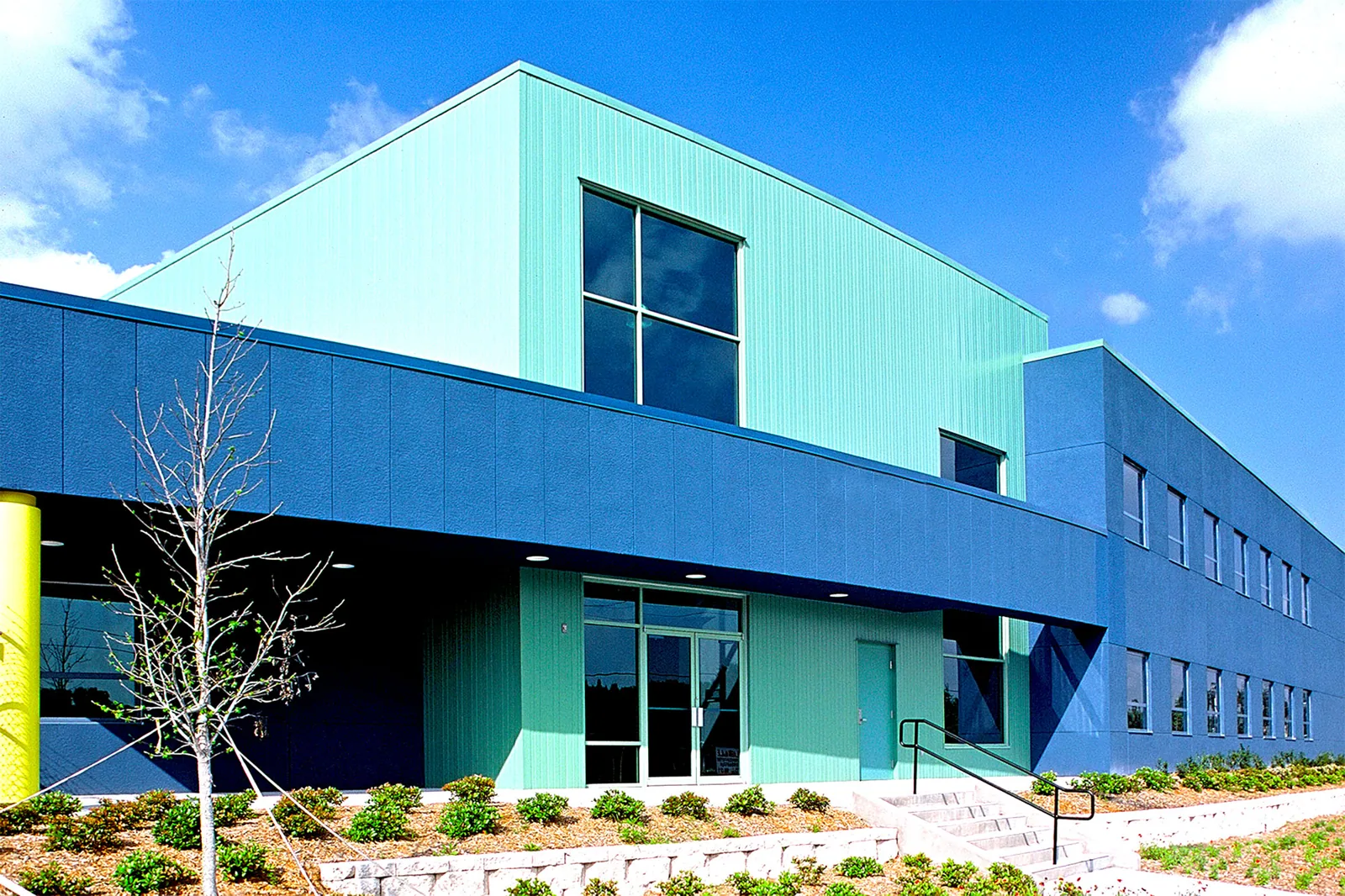
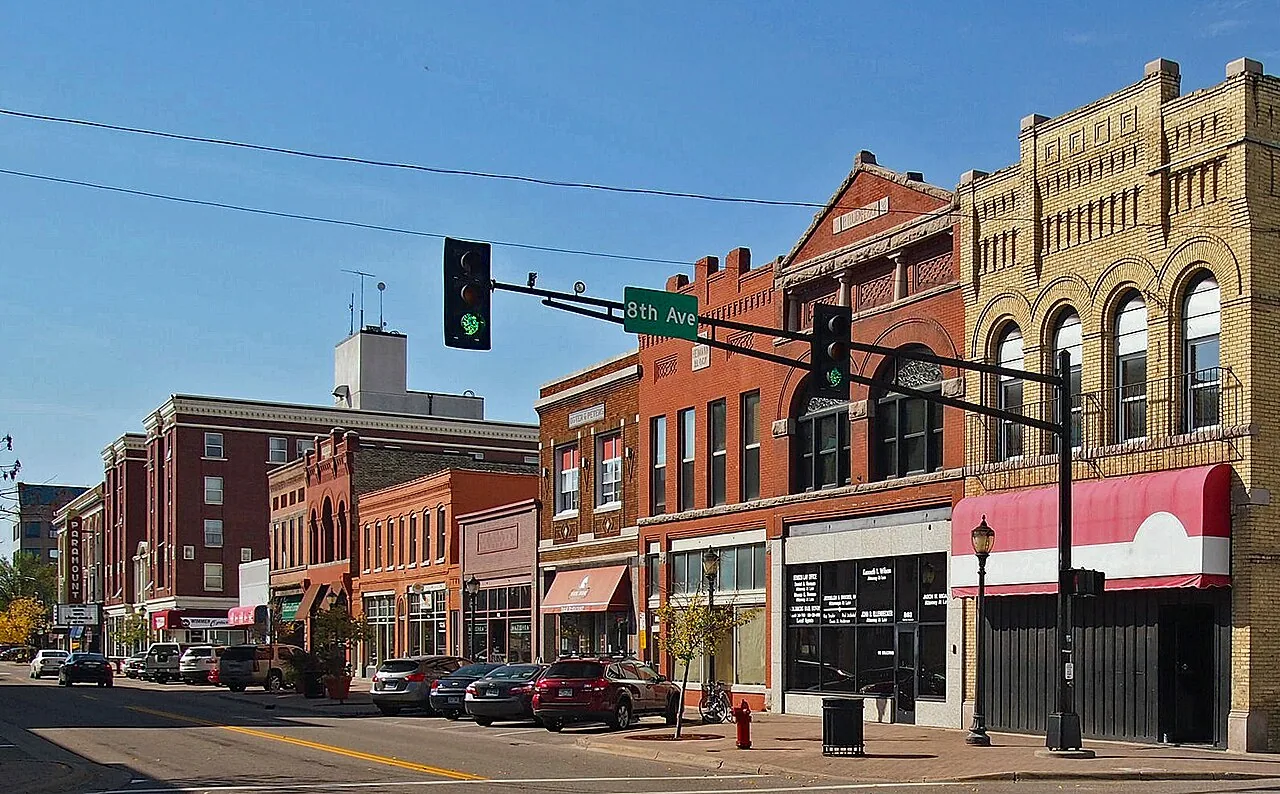
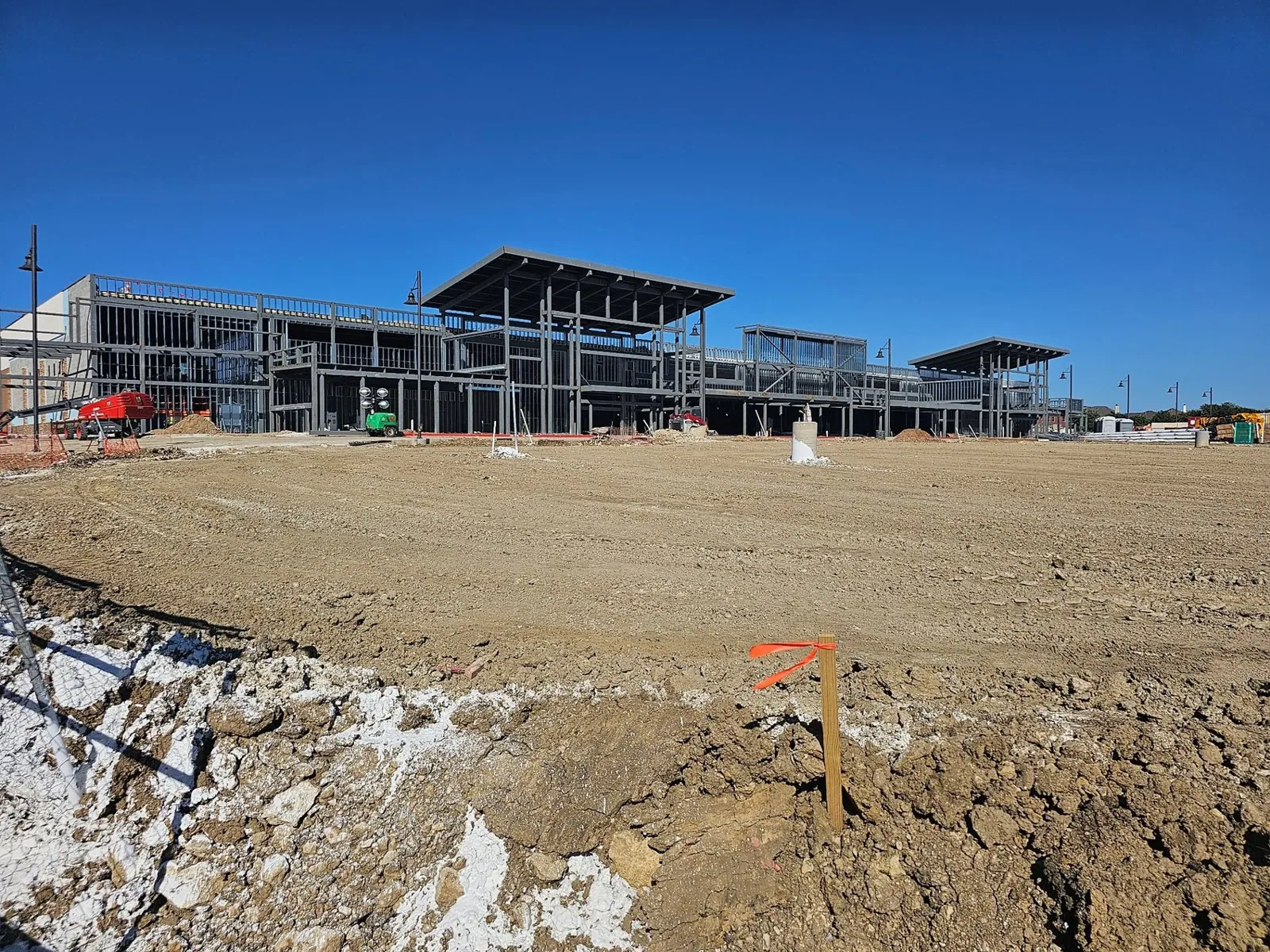
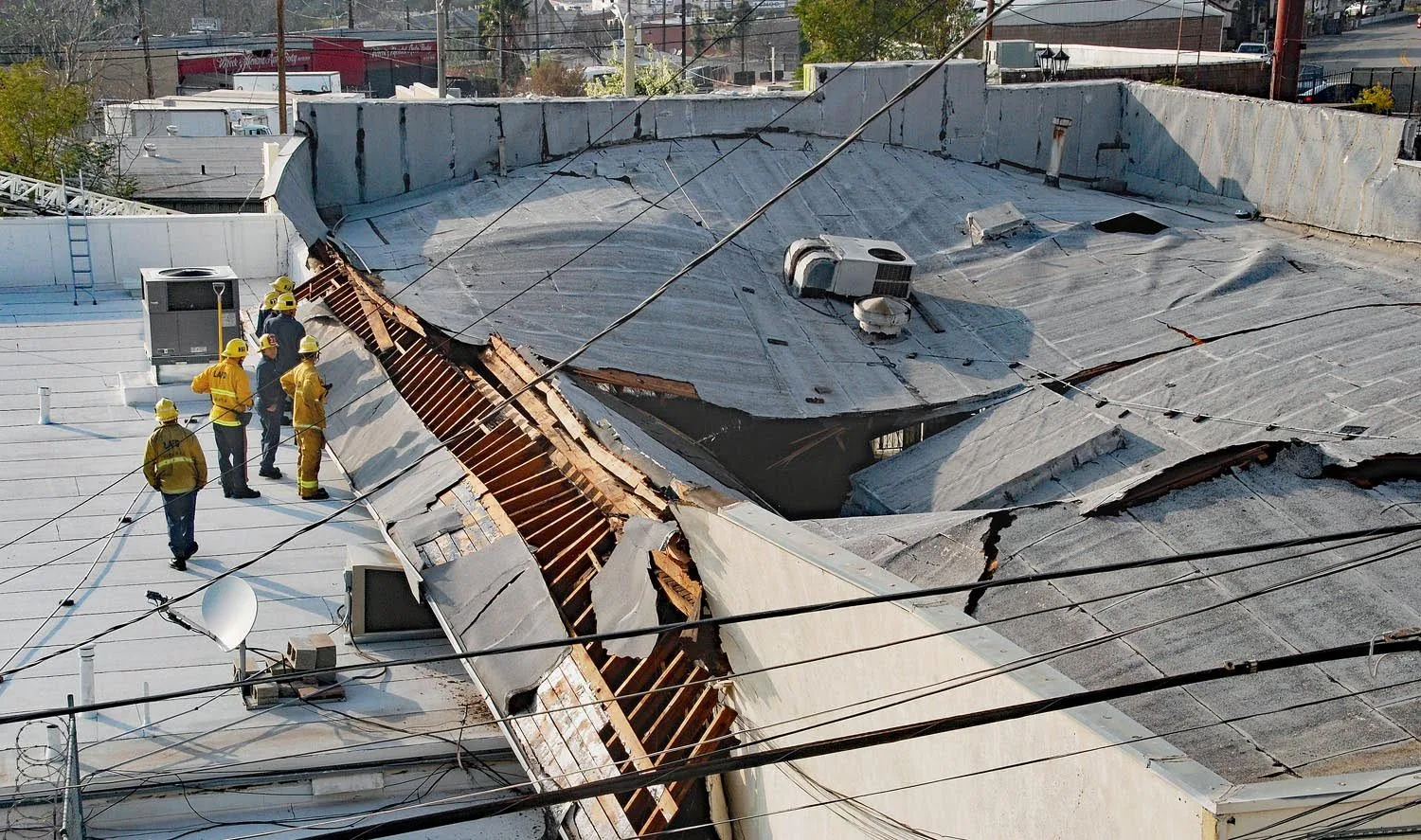

From distribution centers to clinics and schools, we roof the buildings Rochester depends on.
No. An event bulletin identifies its own date and location; it cannot establish the condition of a different insured building. We photograph observed roof conditions, identify sections reviewed and separate confirmed findings from questions that need testing. The report does not decide insurance coverage.
When conditions allow safe access, we photograph the opening and surrounding details, identify the roof section, record the report date and describe the temporary measure. The closeout separates that stabilization from permanent repair. If weather or access limits the initial record, we note the limitation and return to document the roof when conditions permit.
We compare the reported event date with visible conditions, prior maintenance records, repair materials and nearby roof details. Testing may be needed to understand concealed layers. The report describes what the inspection supports and leaves cause unresolved where evidence is insufficient, rather than labeling every defect as storm-related.
The report can provide dated photographs, inspected areas, test results, repair limits and open questions for the owner to share. We document roof conditions and proposed work, while the insurer and policy process determine coverage. Any temporary stabilization is listed separately from permanent restoration.