Water is coming into the building right now
Call us and tell us where the water is showing up. We will get a crew on the roof to stop the leak and protect the space below.

Roof Damage Repair
Repair commercial wind damage in Rochester, MN with documented edge, seam and flashing findings, temporary protection and a defined permanent scope.
Call us and tell us where the water is showing up. We will get a crew on the roof to stop the leak and protect the space below.
We walk the roof, photograph what we find and give you a written scope with repair options before any work starts.
Rochester, MN
A coping splice pulled loose at a parapet can leave the membrane edge exposed even when the roof field looks unchanged. We inspect the metal joint, fasteners, termination and adjacent seam before deciding whether the opening is isolated or continues beneath the edge. The first record ties the reported wind date to the building address, roof section and visible condition. A storm report guides the visit; the repair boundary comes from the roof itself.
The National Weather Service event archive documents recurring regional damaging-wind, hail, tornado and flooding episodes. In Rochester, those events can affect edge metal, rooftop equipment and sheet transitions differently from one building to the next. Downtown Rochester and the West Circle Drive corridor are local settings for different commercial properties, but neither district name establishes wind damage. We document the actual parapet, perimeter attachment and interior report before recommending restoration.
Share the Rochester address, reported wind date, interior concerns, roof plans and access contact. We will inspect the perimeter and nearby seams, record any temporary protection and return a permanent repair scope with clear limits.
We check coping seams, fascia, edge securement, terminations, roof-to-wall transitions, corners and penetrations for movement, displaced fasteners or exposed membrane. At the field, we inspect laps and patches near the affected edge, then follow the water path to drains and scuppers. A loose panel is photographed with its position and adjacent attachment. If a metal section is bent or separated, we note whether the membrane below can be seen and whether the roof needs temporary protection.
Wind can expose weaknesses at corners and transitions, but surface appearance alone does not establish the full extent. We compare the reported location with adjacent sections, look for fresh movement or openings and review past repairs when records exist. A flashing detail inspection checks metal-to-membrane transitions, while a seam opening review tests whether a lap has separated. The report separates observations from areas that need closer access or a limited test.
When wind has lifted a cover or opened a seam, we identify whether water can enter and whether the area can be safely reached. Temporary protection is installed only where it can be secured without blocking drains or shifting the problem to another detail. We photograph the measure, its location and its limits, then schedule the permanent repair. Emergency roof calls are answered any hour, including holidays, so an active opening can be assessed without waiting for the next regular maintenance visit.
Before temporary work, the building contact confirms roof access, staging and any interior areas needing protection. A building near the West Circle Drive and Valleyhigh Center has its own access arrangements; a downtown property may have different loading and pedestrian constraints. The address and contact determine how materials reach the roof. We record the temporary tie-in separately, state when it should be revisited and note any area that remained exposed or could not be checked.
A permanent repair begins with confirming the existing assembly and removing loose or damaged material back to a sound boundary. We reset or replace edge metal as specified, secure the termination, prepare the membrane and install a compatible flashing detail. Fasteners and splice plates must hold the edge without leaving a path beneath the metal. At an open lap, we prepare both surfaces and complete a continuous tie-in. The closeout records the material sequence and photographs the finished edge from close and wide views.
If the wind exposed wet insulation, separated layers or a damaged deck, a surface repair may not address the condition. We document the opened area and request direction before expanding the scope. For larger work, a commercial roof repair scope lists the sections and tie-ins, and a coping and edge-metal replacement can define the perimeter work. The owner's record should show which edge length was inspected and what remains concealed beyond it.
A single displaced splice with secure adjoining metal may support a focused repair. Multiple lifted areas, loose attachment across a run, repeated membrane openings or signs of broad moisture justify a wider review. We compare repair, recover and replacement using the observed perimeter, roof layers, attachment, insulation, deck and drainage. Each option states the area inspected and any assumptions about concealed sections. We do not treat a regional wind report as proof that an entire roof needs replacement.
Rochester's plan marks West Circle Drive and Valleyhigh Drive as major northwestern corridors. Those names can help a coordinator orient a request, but the property's access and staging rules determine mobilization. A roof condition inspection can map other roof sections, while a tornado-related roof assessment records a separate damage mechanism when applicable. The written scope distinguishes observed wind movement from other defects and lists any test that could change the recommended work.
After the repair, we preserve the address, roof section, event date, photographs, materials and repair boundary in the closeout. Future maintenance revisits the repaired seam, nearby coping splices, fasteners, penetrations and drainage route. If the edge was not accessible along its full length, that limitation remains visible in the record. A follow-up can compare the repaired area after another weather cycle, but it does not replace inspection of adjacent sections that were outside the original scope.
Rochester's climate normals record 46.3 inches of seasonal snowfall, much of it from December through March. Before winter, we can revisit exposed edges and confirm that water outlets remain clear; the actual condition still guides any correction. A maintenance inspection retains the next date and open items. Send the property address, event date, interior symptoms, roof plan and access contact so we can map the perimeter findings and return a photo-documented repair scope.
Other services, systems and buildings that often come up alongside this work in Rochester.
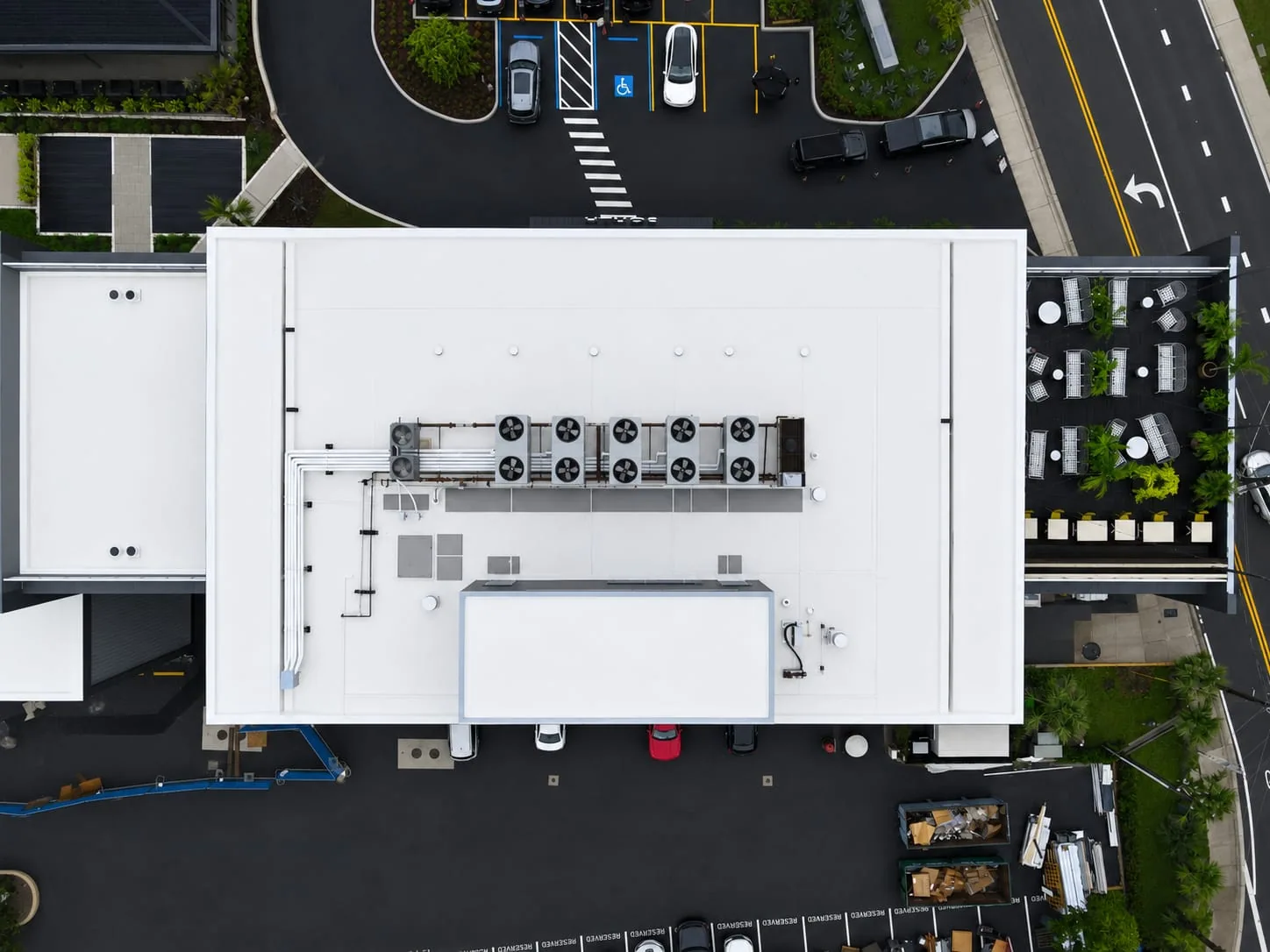
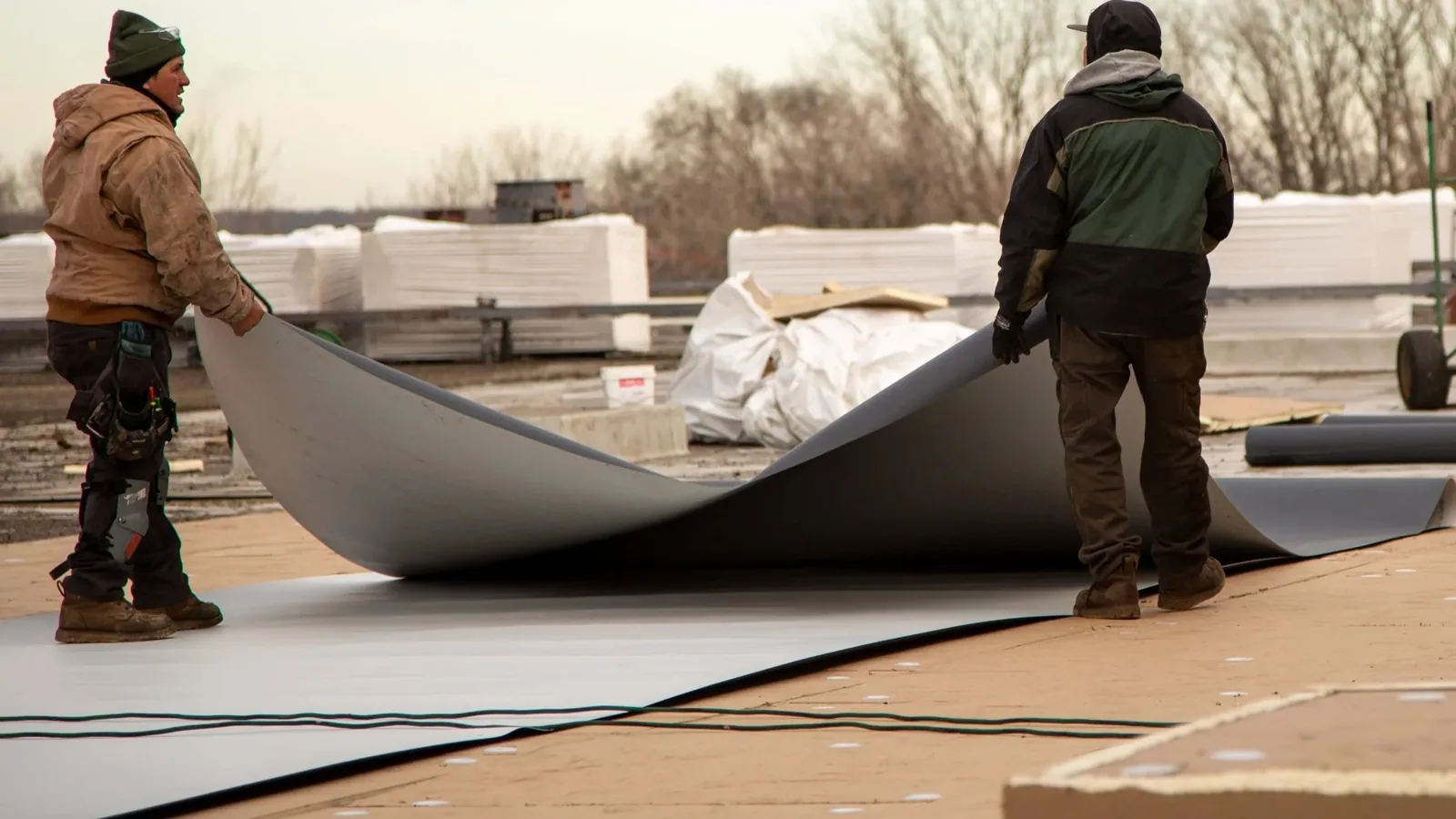
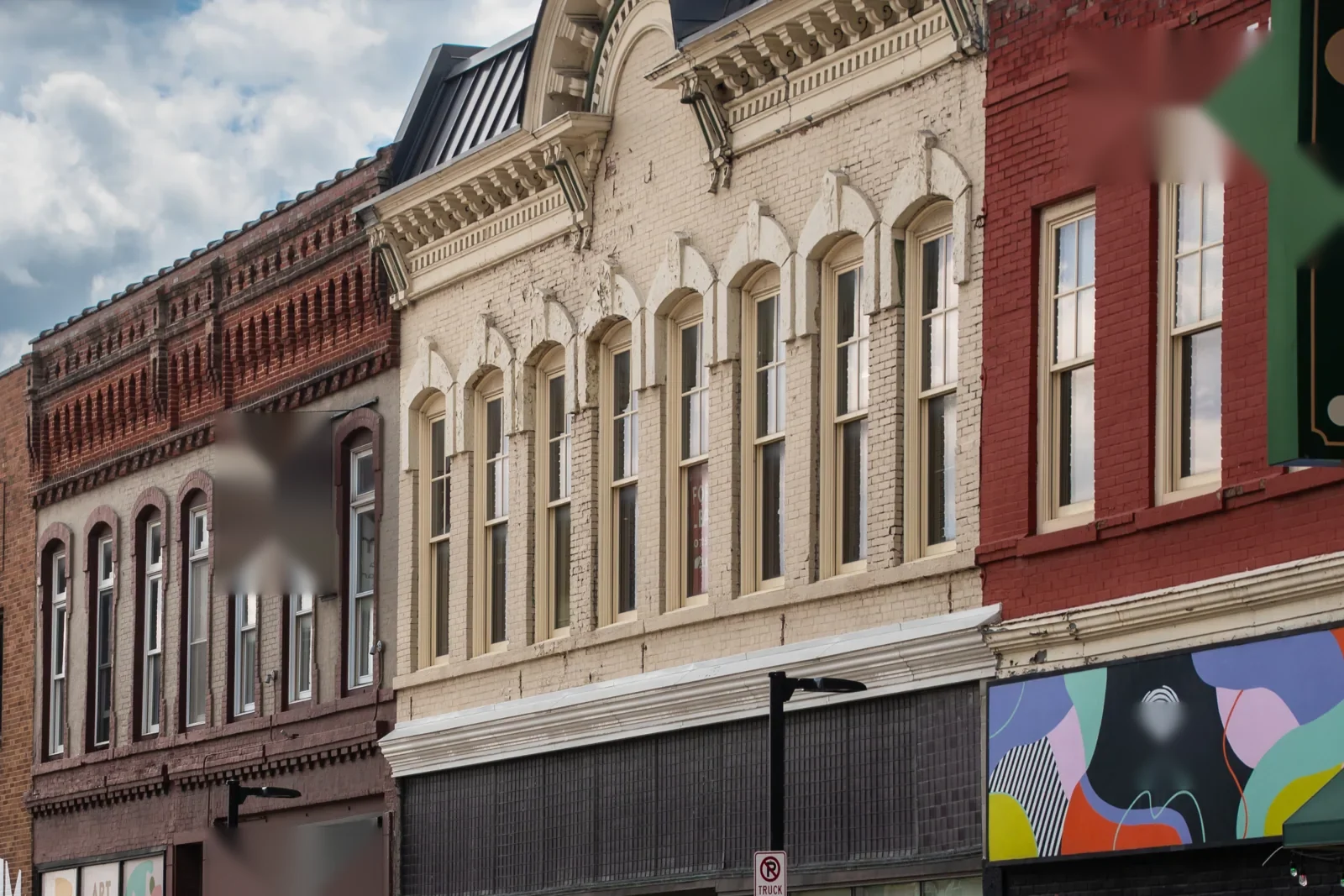
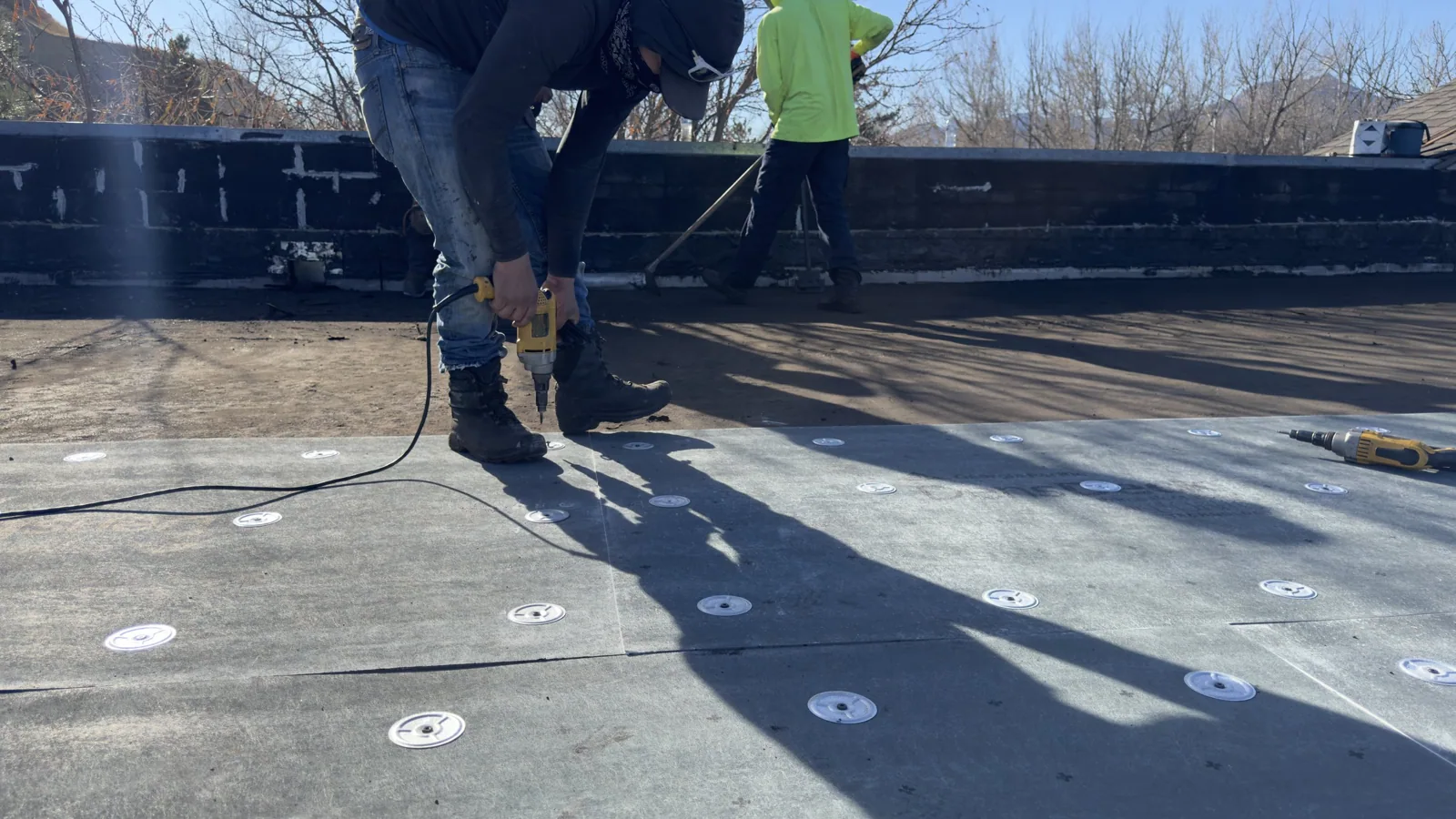
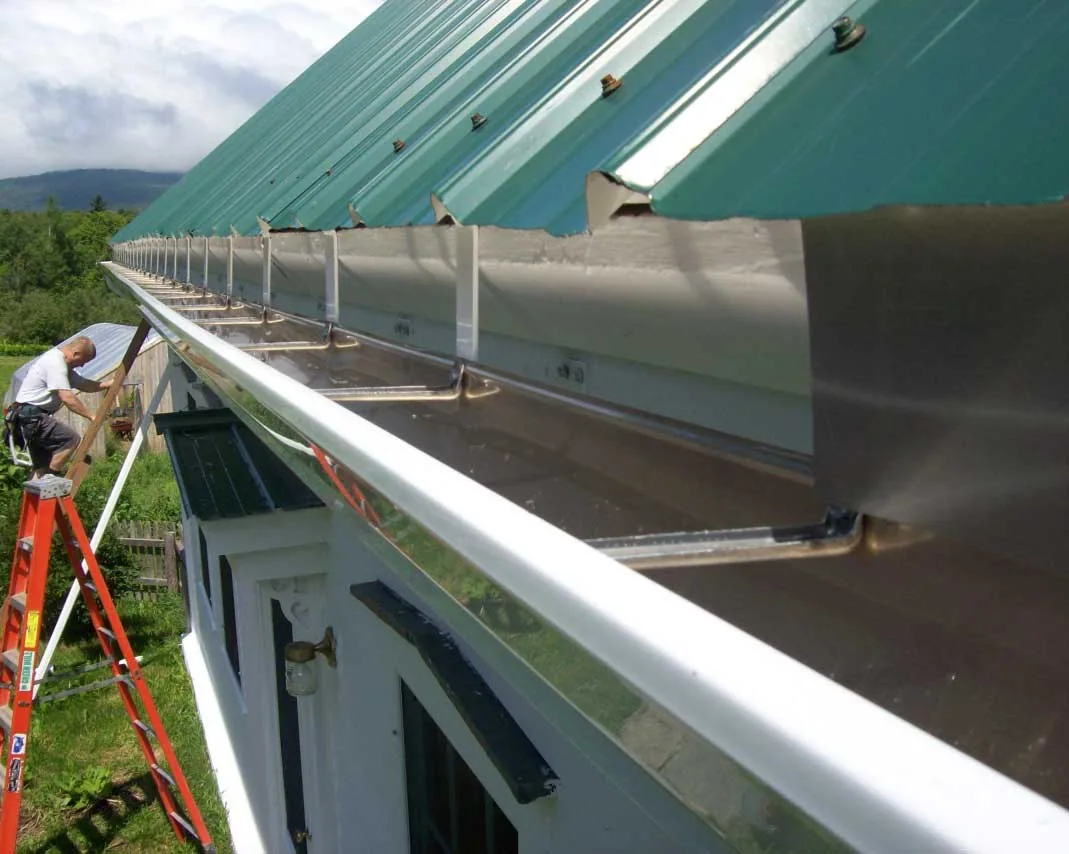
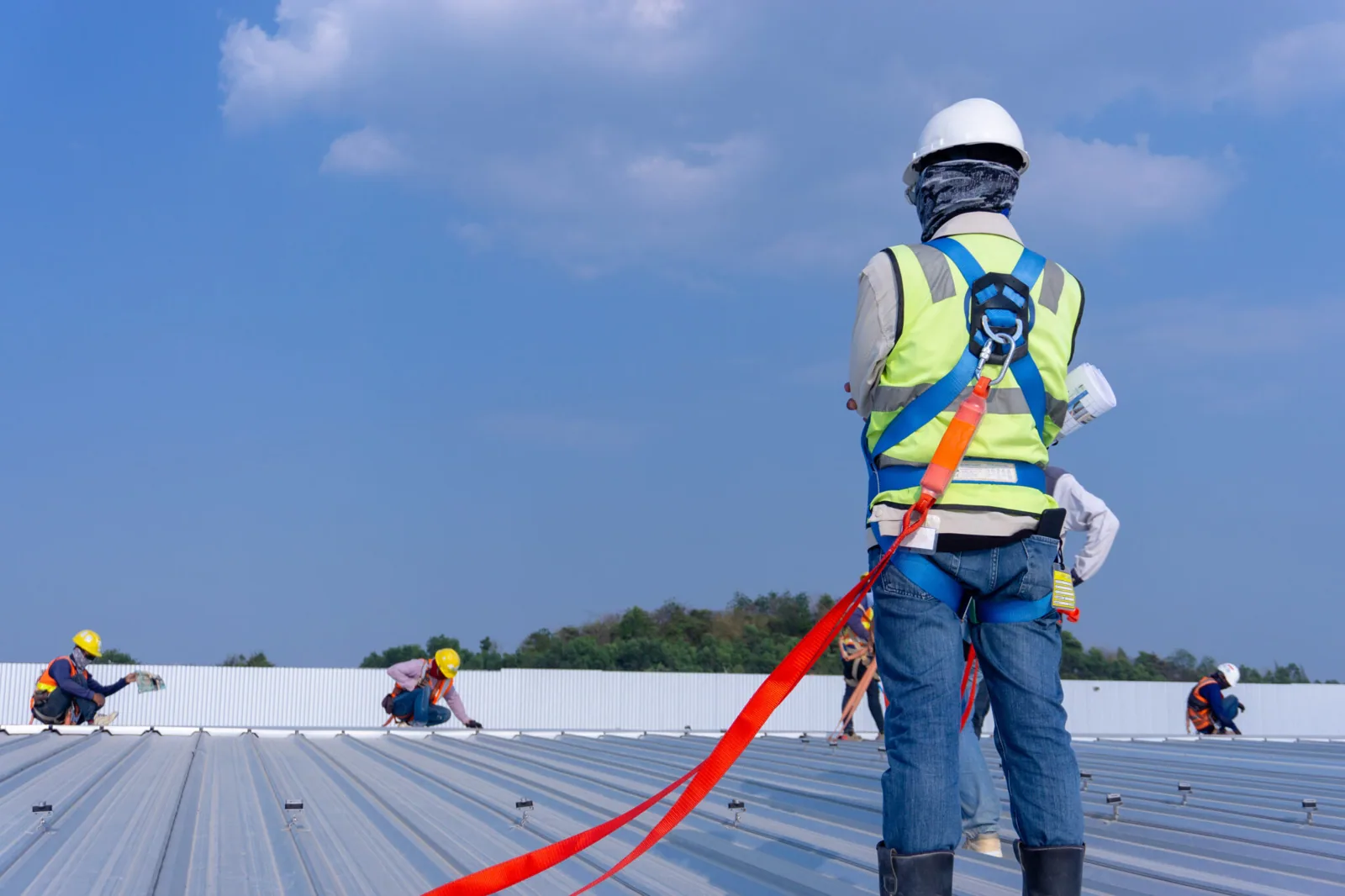
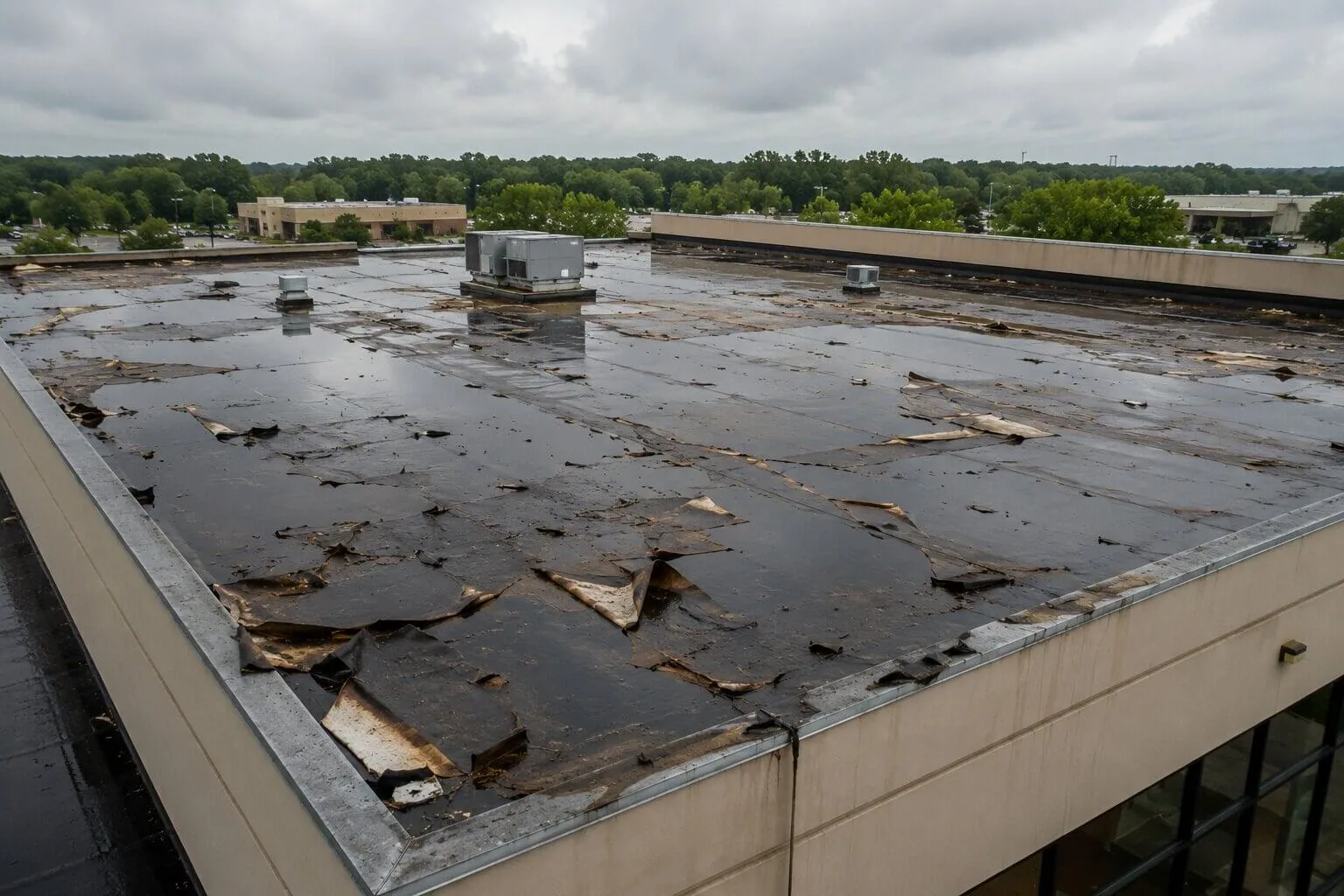

From distribution centers to clinics and schools, we roof the buildings Rochester depends on.
We inspect the coping, fasteners, termination, membrane edge and nearby seams together. A metal splice can move while the field remains attached, or an edge movement can continue beneath the membrane. Photographs and selective access show what is visible. The report identifies any concealed section that needs testing before the scope is expanded.
If water can enter and access is safe, temporary protection may limit exposure until the permanent detail is ready. We secure it to the roof condition and weather, keep drainage open and document the location and expected follow-up. The temporary measure is listed separately so it is not confused with a completed repair.
No. The regional event archive records weather episodes, while each property needs its own inspection. We connect the reported date to visible edge, seam, flashing or equipment conditions at the address. The record states what was found and avoids assigning storm cause where the evidence does not establish it.
Several displaced sections, recurring openings, weak attachment, wet insulation or a damaged deck can justify broader testing. We map the affected length, compare it with adjoining details and list any test that could change the recommendation. The owner can then weigh an isolated repair against work across the larger roof section.