Water is coming into the building right now
Call us and tell us where the water is showing up. We will get a crew on the roof to stop the leak and protect the space below.

Roofing Capabilities
Get a commercial roof condition report in Rochester, MN with section maps, dated photos, test results, repair limits and clear open items.
Call us and tell us where the water is showing up. We will get a crew on the roof to stop the leak and protect the space below.
We walk the roof, photograph what we find and give you a written scope with repair options before any work starts.
Rochester, MN
A field photo that shows a split lap but not its roof zone leaves the next decision half-made. Our condition reports pair each close detail with a wider reference, building address, inspection date and section map. We note the system when confirmed, what was visible, which tests were performed and what remains concealed. That structure lets a facilities lead trace the recommendation back to a physical place on the roof.
The Mayo Clinic Support Campus includes Valley High business centers, warehouses, inventory and technology facilities. Downtown Rochester combines office, civic, retail, medical and historic uses. We log roof details and access limits by address so portfolio owners can compare conditions across these different properties.
Provide the Rochester building address, roof plans, prior reports and inspection concern. We will map the agreed areas, label photographs and return findings with tested locations, repair boundaries and open items.
During the walk, we record seams, drains, scuppers, flashings, curbs, penetrations, edges, patches and visible membrane condition. Photos are labeled by section and show both the close detail and its surroundings. We note whether a surface was tested, exposed or viewed only from a safe accessible point. If a roof plan is unavailable, the report uses a field sketch or other clear reference so another person can locate the finding later.
When moisture could change repair or replacement scope, we identify the question before selecting a test. A scan may locate areas for further investigation; a test opening can show roof layers at one point. The report names the method, location and result and does not present an indication as confirmed wet insulation without evidence. A commercial roof inspection supplies field observations, while a targeted infrared survey can help select areas for testing.
Each finding includes condition, location, supporting photo, date and next action. We distinguish immediate repair, planned maintenance, monitoring, further testing and an area not reached. The recommendation explains what it addresses and what remains outside the scope. If the installed membrane is uncertain, the report says so. If a concealed layer was not exposed, we do not describe it as sound. When drawings are incomplete, we label the field sketch and distinguish verified dimensions from estimates, preventing a later proposal from relying on an unscaled image. If an owner requests a revised scope, the update notes its date and which field observations changed the recommendation. This gives the report a clear boundary and keeps assumptions visible.
Rochester's Airport Business Park operates alongside passenger and cargo facilities. For a roof visit there, we record the building contact, access limits and inspected section in the Airport Business Park roof file. For portfolio owners, a roof asset record can retain the report, repair history and next date alongside each property.
A priority list should follow observed condition and building use, not a generic scoring rule alone. We identify an active opening, recurring seam, blocked outlet, loose edge detail or moisture question separately. The report can state which issue needs near-term correction and which can be carried for monitoring. If several repair paths are possible, we show the boundary, material assumptions and tests that could change the recommendation.
Rochester has recorded hail, damaging wind, tornado and flooding events. We document the inspected address and observed marks before recommending repair. A hail condition assessment can map actual marks, while a ponding-water review tracks low areas and drainage. Each item keeps its own evidence and repair boundary in the final record.
The report records what was repaired, what was not authorized, what needs a test and what could not be accessed. When another inspection occurs, we compare the same roof section and note any change in the seam, drain, flashing or repair area. Dated images and consistent locations help distinguish a repeat condition from a nearby new defect. A follow-up note should state whether temporary protection remains or a permanent detail was completed.
A 46.3-inch seasonal snowfall normal, largely within December through March, makes advance drain and overflow documentation useful for Rochester owners. We report what was accessible, identify the next maintenance item and retain any blocked or snow-covered area as unverified rather than infer its condition.
A completed report contains the property name and address, inspection date, roof-section map, photographs, findings, actions, test results, access limitations and next review items. We can organize the copy for a facilities file or portfolio record, while keeping each building's roof details distinct. If a report supports a capital or transaction decision, its date and inspection limits remain prominent so it is not treated as a current condition after the roof or operations have changed.
Send the Rochester address, roof plan if available, reason for the inspection, earlier reports and the contact who can arrange access. We will identify the sections covered, record findings and return a report with repair limits and open questions. A clear photo log helps the next owner, facilities lead or roofer trace each detail without relying on an undocumented recollection from the roof walk. For an acquisition or refinancing, a transaction roof survey can use the dated report as one part of its property review. The inspection date, test locations and areas not reached stay visible so the deal team can decide whether another visit or test is needed.
Other services, systems and buildings that often come up alongside this work in Rochester.
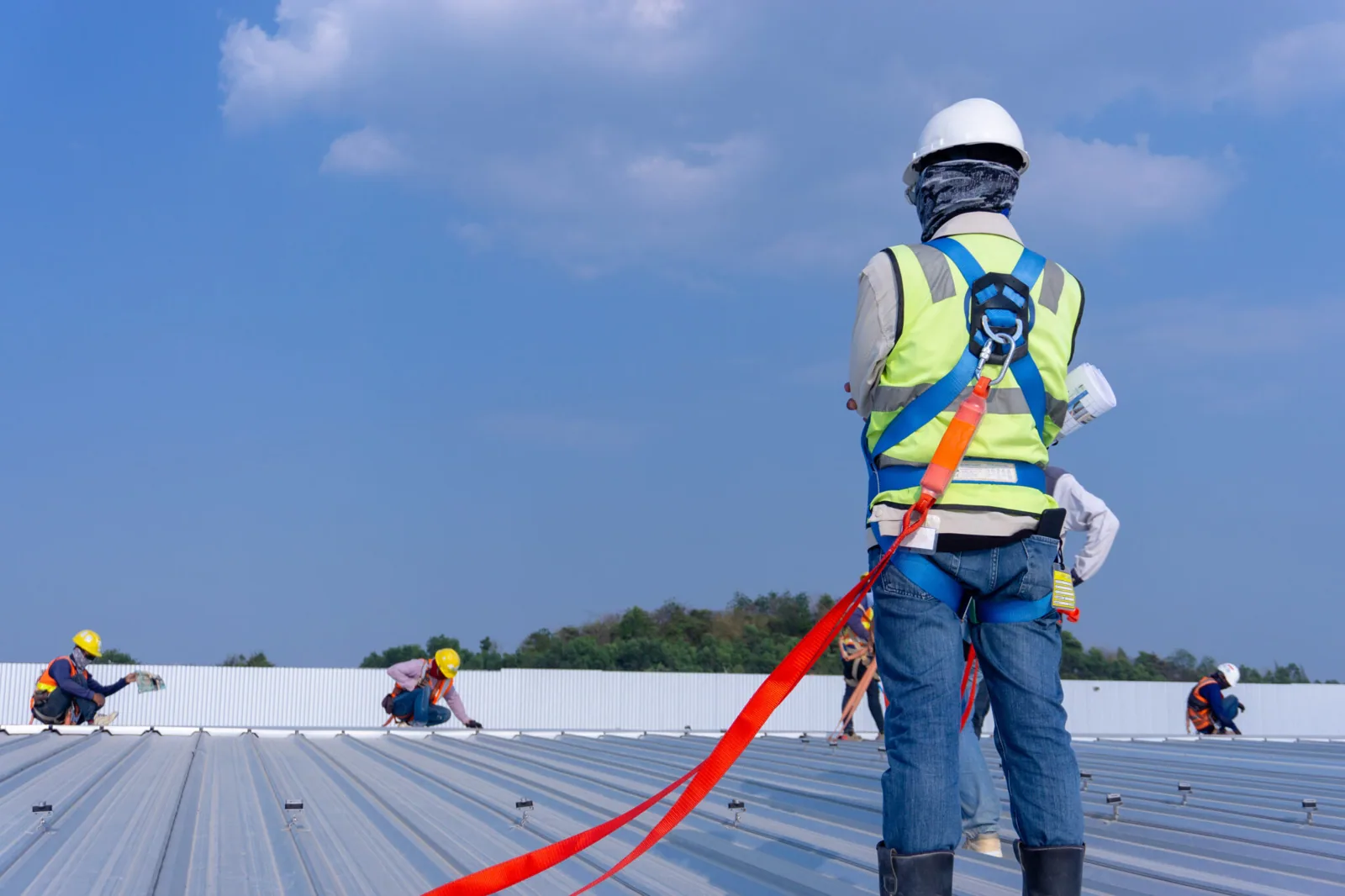
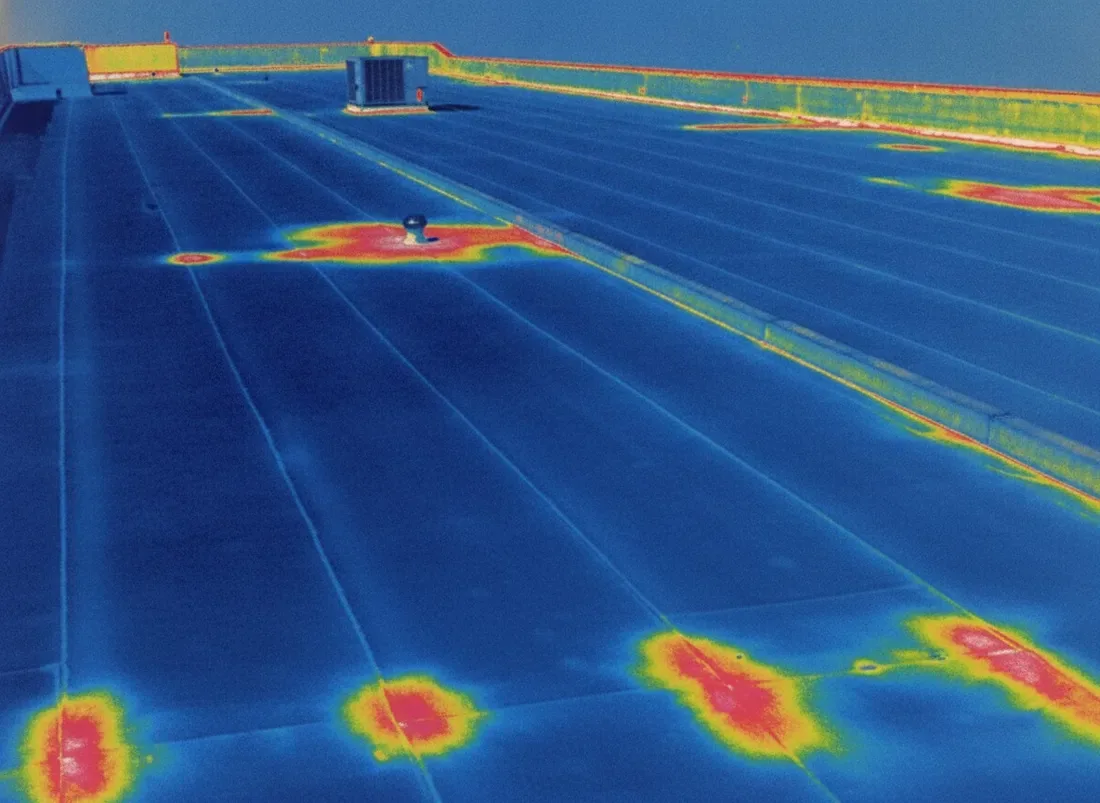
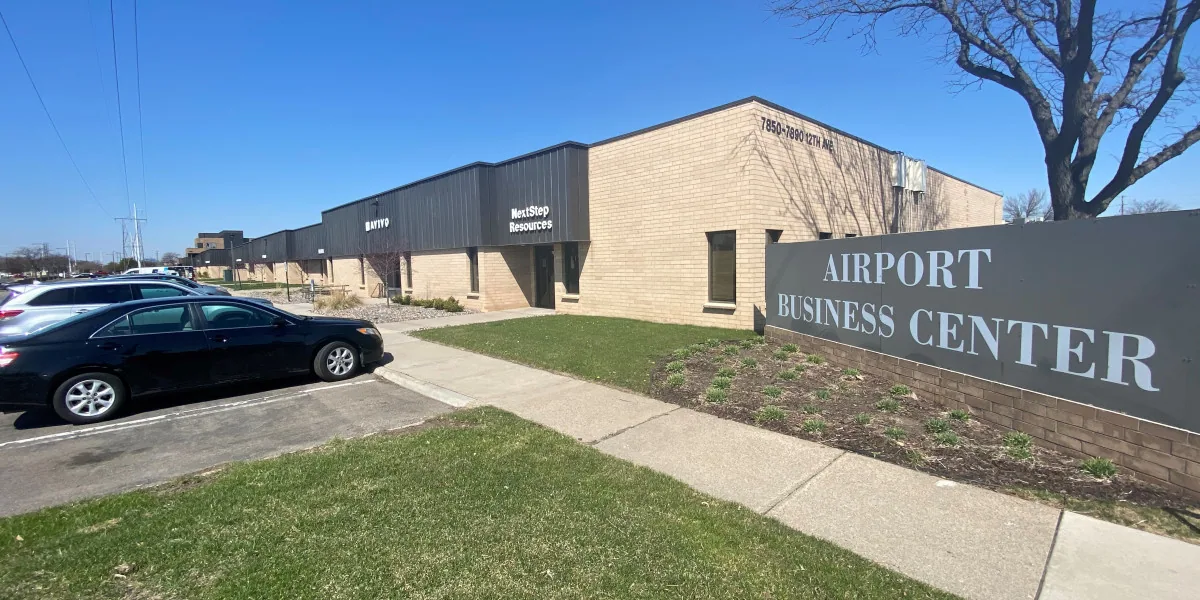
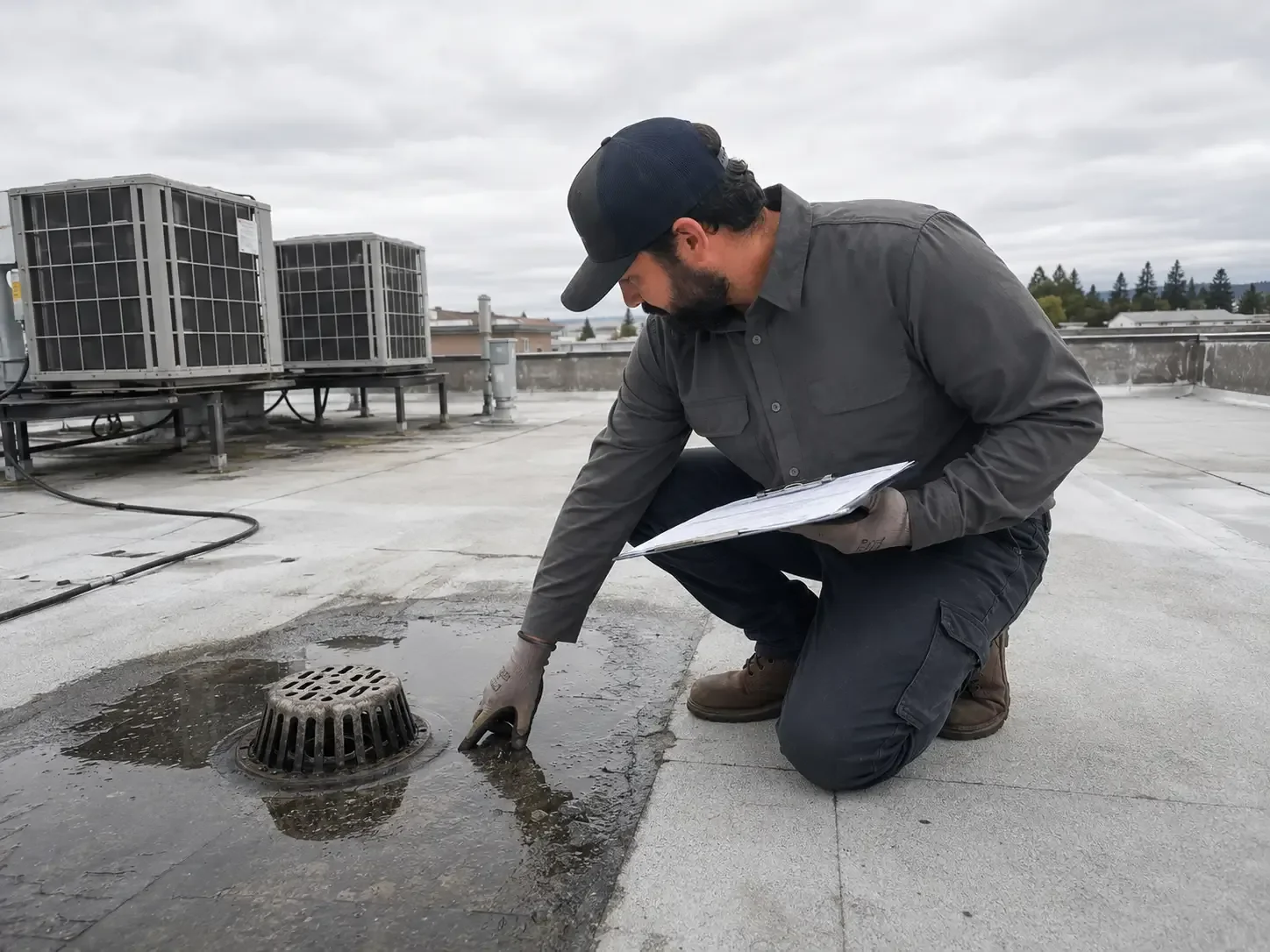
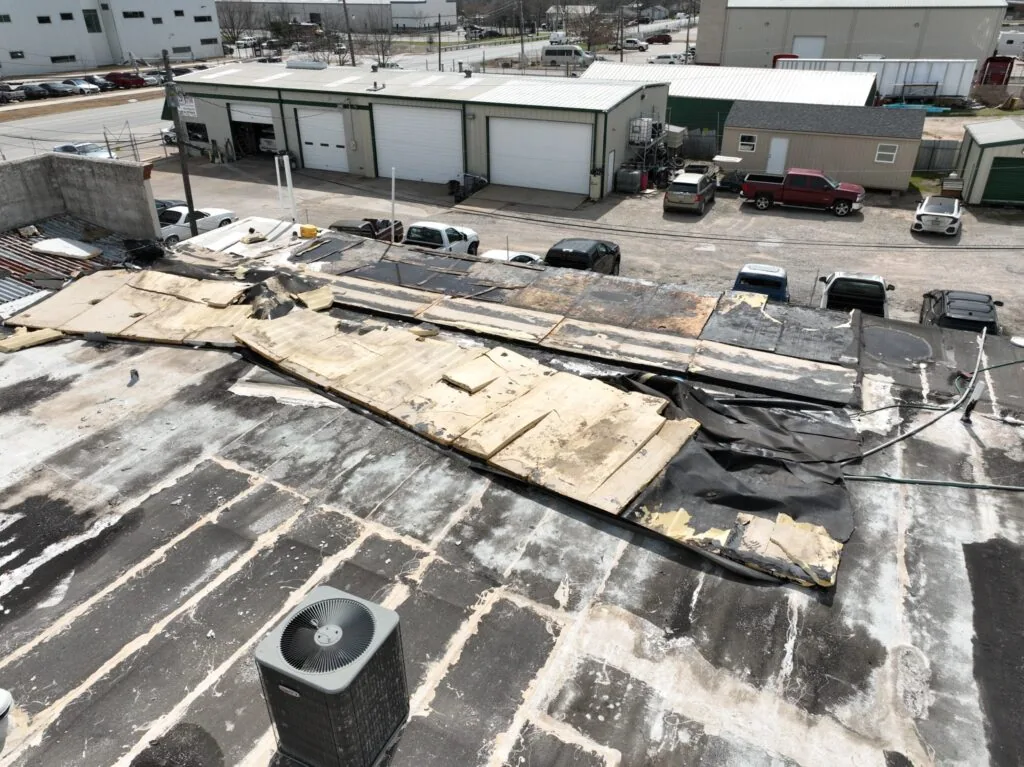
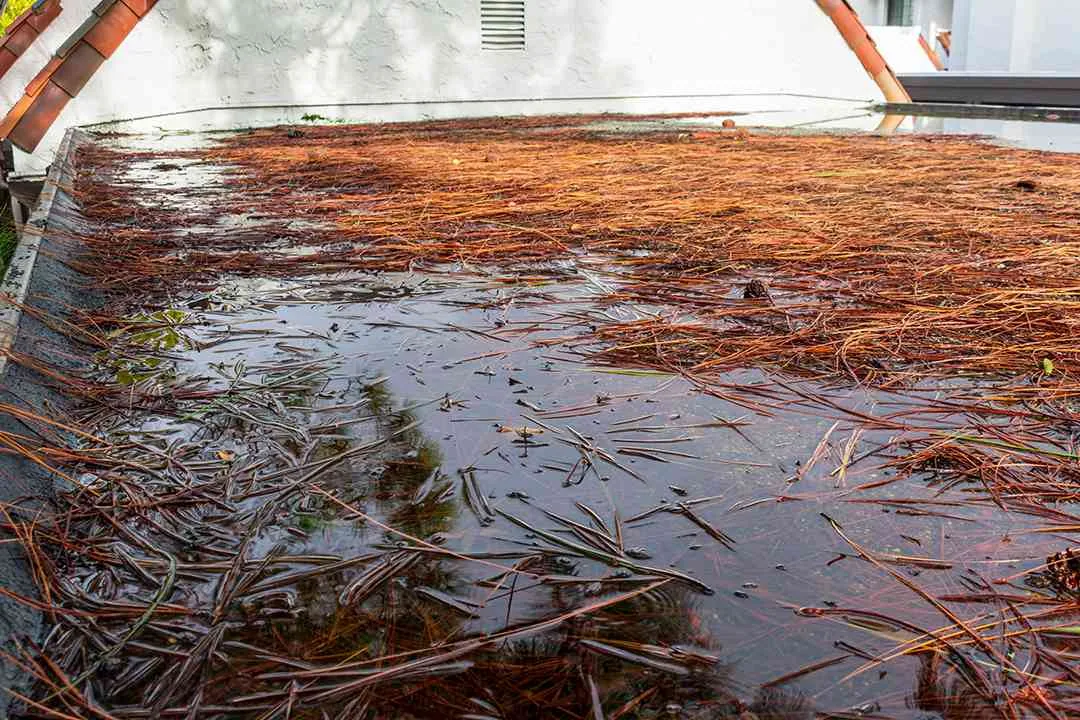
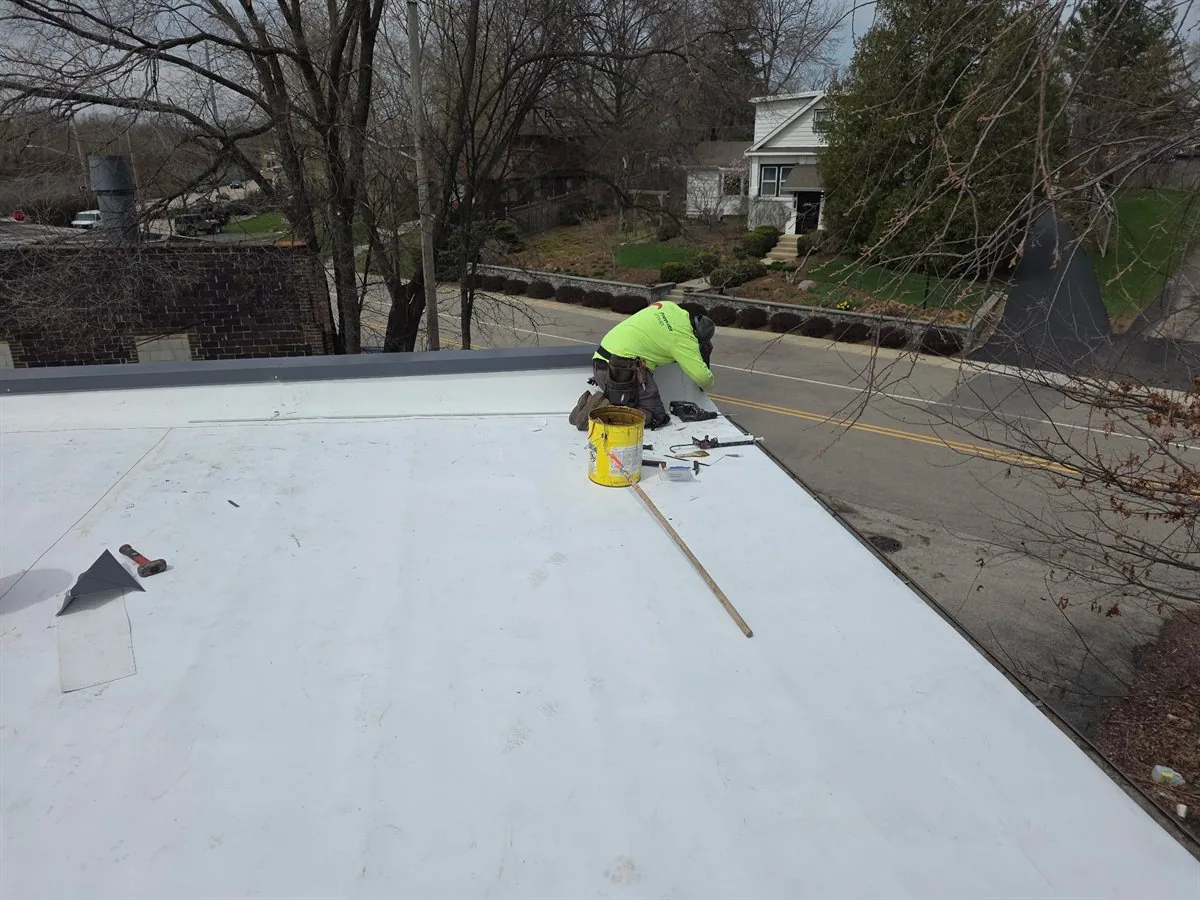

From distribution centers to clinics and schools, we roof the buildings Rochester depends on.
Use a close image of the detail and a wider view that locates it on the roof section. We label each image with the property, section, date and finding. That makes a photo useful to a later reviewer rather than leaving it as an isolated image with no location or repair history.
Not by itself. We identify the method and location, then state whether an opening or other confirmation established the layer condition. If further testing could change scope, the report specifies where and why. The result applies to the examined area and is not generalized to the entire roof.
A portfolio packet can collect reports for several addresses, but each building and roof section receives its own findings, map and access limits. We do not use a defect on one roof to describe another. The owner can compare the separate records through consistent fields and dates.
It describes the roof as observed on its inspection date. Repairs, new equipment, weather and access changes can alter conditions afterward. We note the date and recommend a follow-up when the finding, planned work or operating schedule calls for another review.