Water is coming into the building right now
Call us and tell us where the water is showing up. We will get a crew on the roof to stop the leak and protect the space below.

Commercial Roofing Services
Organize a Rochester commercial roof claim file with dated photographs, mapped observations, repair boundaries and a separate record of open questions.
Call us and tell us where the water is showing up. We will get a crew on the roof to stop the leak and protect the space below.
We walk the roof, photograph what we find and give you a written scope with repair options before any work starts.
Rochester, MN
A claim file is easier to review when each photograph points to a roof section, component and date. We document the observed condition, trace the likely water path and separate damage from pre-existing wear or an unconfirmed area. Our role is to provide clear roofing records and a repair scope; coverage decisions belong to the insurer and the policyholder's claim process. The file should describe what we inspected, what we found and what remains uncertain without promising an outcome.
Weather documentation for April 17, 2026 identifies hail in northwest Rochester at 1.5 inches and an EF-2 tornado near Stewartville in Olmsted County. The claim file keeps those reported areas separate; a site visit then records the named property’s actual roof and interior observations before any event attribution is made.
Send the Rochester property address, event date, roof concern, available records and portfolio contact. We will document conditions and prepare a roofing scope tied to the inspected building.
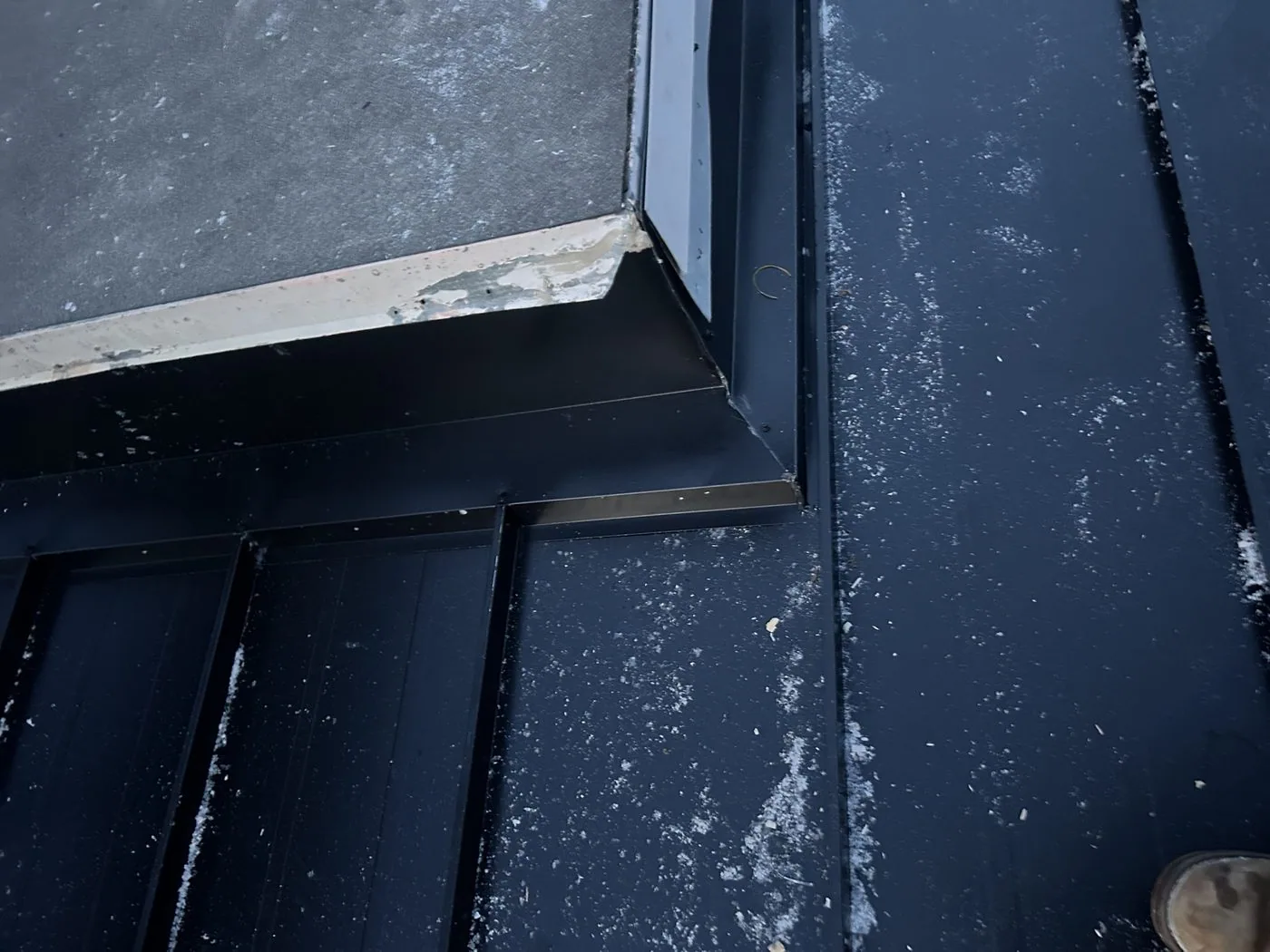
We begin with the property address, building name, roof plan, reported event date and any prior maintenance or repair records. On the roof, photographs show the component and its position relative to a seam, curb, drain or edge. A wide view helps locate the section; a close detail shows the observed condition. The captions distinguish an impact mark, open lap, displaced metal, moisture reading or interior report rather than using one broad label for every item.
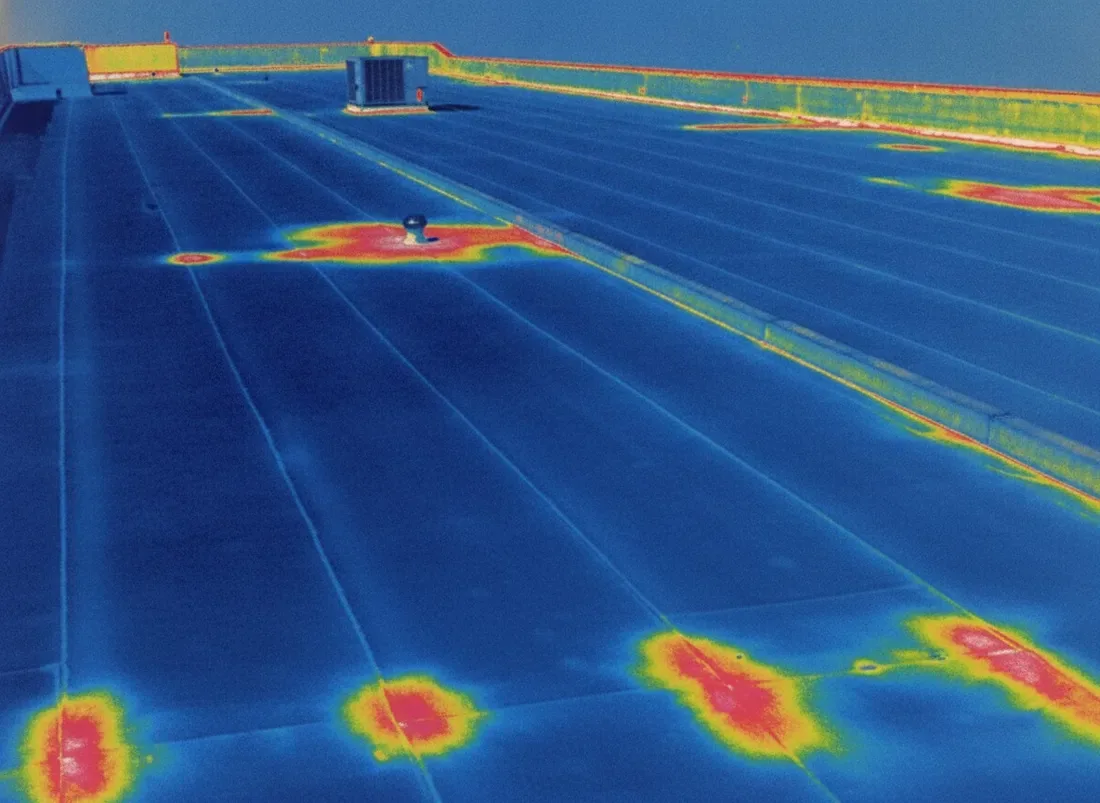
The report also describes the inspection limits. An inaccessible area, a surface that could not be safely traversed or a suspected wet section that was not tested stays identified as open. A thermal image can guide a follow-up check, but it does not confirm moisture without appropriate verification. When that question affects the repair scope, a moisture survey or a hands-on roof inspection can document the method and findings separately from visual observations.
At a seam, curb or perimeter, we check whether the material is displaced, split, detached or merely aged. The distinction matters because a recent event can occur on a roof with older repairs or prior deterioration. We photograph the condition before disturbing it and note any nearby patch, coating or replacement material. If removal is needed to confirm the substrate, we explain the test location and how the opening will be restored before proceeding.
The local snowfall normal is 46.3 inches, with most seasonal accumulation occurring from December through March. Claim documentation still rests on the property inspection: we distinguish observed drain, edge or snow-retention conditions from the event narrative, and keep access limits and open follow-up items in the dated record.
If water is entering, the first visit focuses on limiting exposure and recording the temporary measure. We mark what was covered, the material used, the area it protects and any limitation caused by weather or safe access. Temporary protection and permanent repair are separate entries. The record identifies when the owner should expect the next inspection and which detail still needs a prepared, permanent tie-in.
Once conditions permit, we define the work area, identify the installed roof material where confirmed and check whether surrounding membrane can accept a compatible repair. If wet insulation or damaged deck extends beyond the visible opening, we photograph the exposed area and obtain direction before expanding. The resulting proposal distinguishes base work from concealed-condition allowances or exclusions. For urgent entry, the emergency roof response record can be paired with the permanent repair scope without treating stabilization as final correction.
A useful estimate names the roof section, defect, repair method, materials, preparation and boundary. It identifies what is included and what requires further testing or owner direction. Where several options are reasonable, we describe what each resolves and what remains in place. A localized flashing repair should not be mixed with a full replacement allowance, and a suspected condition should not be presented as confirmed damage.
The city plan describes Downtown Rochester as a center for civic, cultural and commercial activity, including office, medical and retail uses. Those district uses can affect scheduling, but they say nothing about policy terms or a specific building’s roof. For a Downtown Commercial Historic District address, we confirm the property records, entrance and roof plan with the owner before organizing the inspection.
The final package can include dated site photographs, a marked roof plan, inspection notes, temporary protection, test results, repair boundaries, estimate details and a completion record. We identify the evidence and limits for each observation. If an area was not opened or verified, the file says so. If permanent work was completed, photographs show the tie-in and the materials recorded for the roof section. A separate list of remaining items lets the policyholder and facility team track work that is outside the approved scope.
For a Rochester claim review, provide the property address, event date, available roof records, interior photographs and the portfolio contact. Let us know which areas are actively leaking and whether temporary measures are in place. We will organize the roofing evidence, identify questions that need a site visit and prepare a defined scope for the work we can verify. The record supports the property team's discussion with its insurer; it does not predict a coverage decision.
Storm follow-up can involve a facility contact, property manager, maintenance staff and an insurance representative. We identify who can arrange access and approve work, then use one current set of photographs and location labels. This separates temporary protection, permanent repair and inspection. If water is near electrical equipment or a ceiling is unstable, staff should keep clear and follow building safety procedures while access is coordinated.
Event locations stay distinct in the claim file. The hail inspection record and tornado damage review organize the property's observations by mechanism when the roof evidence supports it. The policyholder retains one dated file of actual roof findings.
Other services, systems and buildings that often come up alongside this work in Rochester.
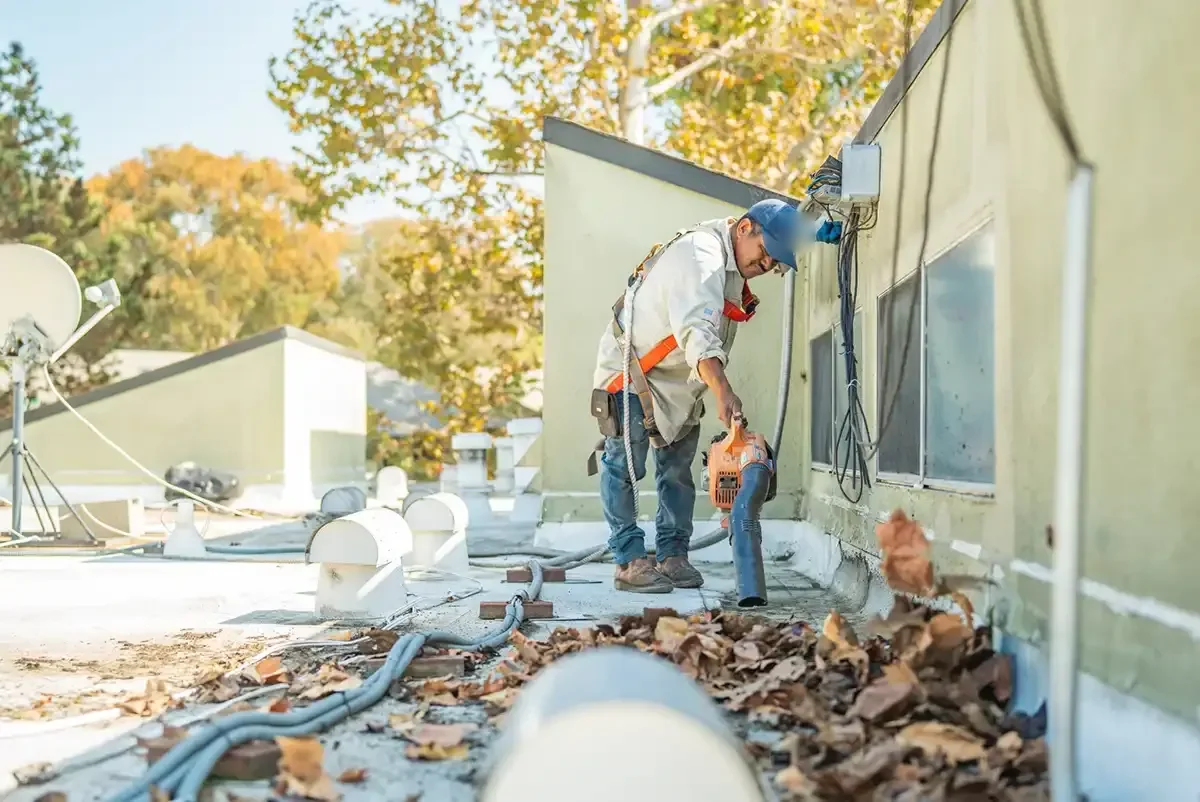
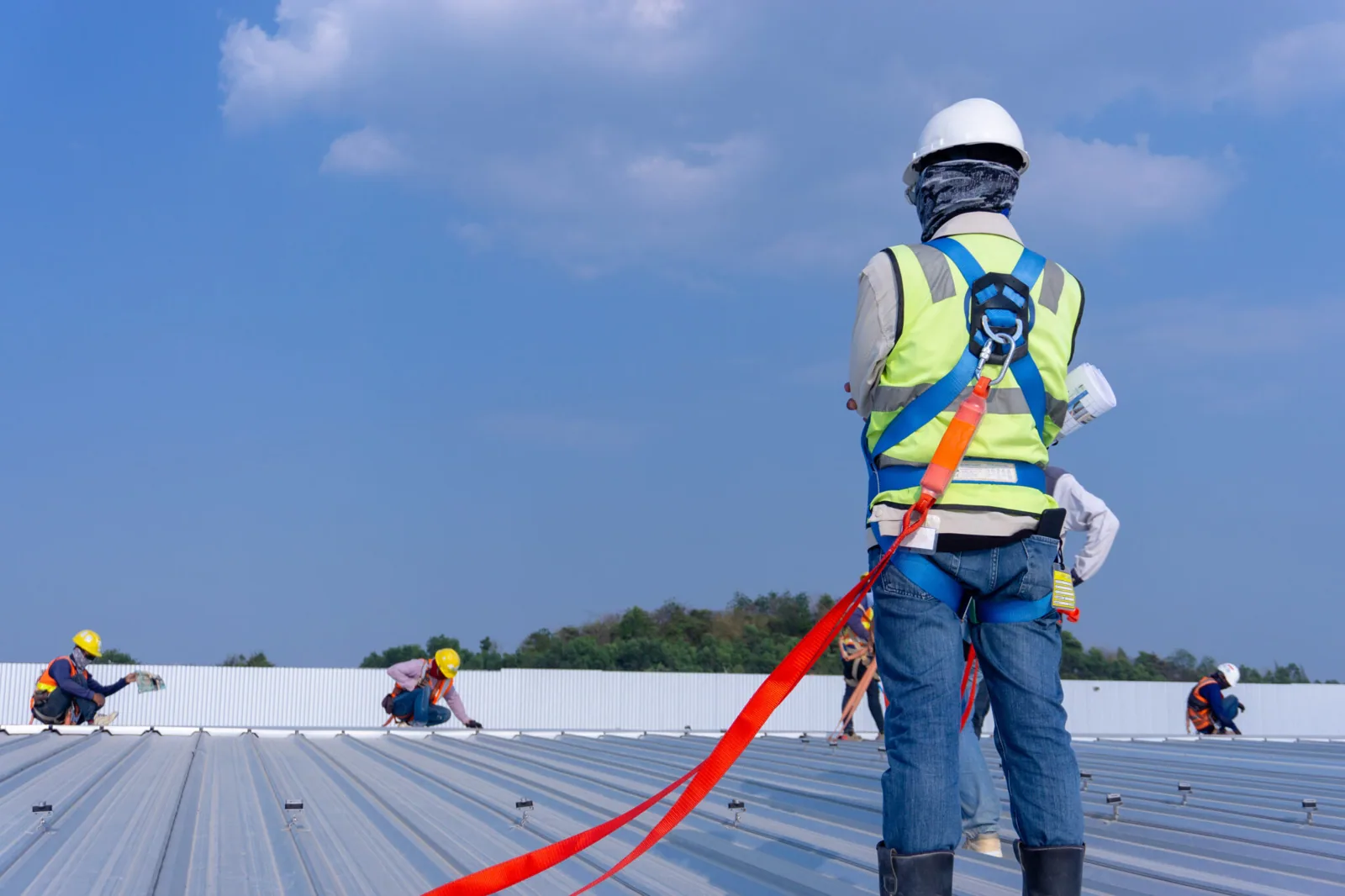
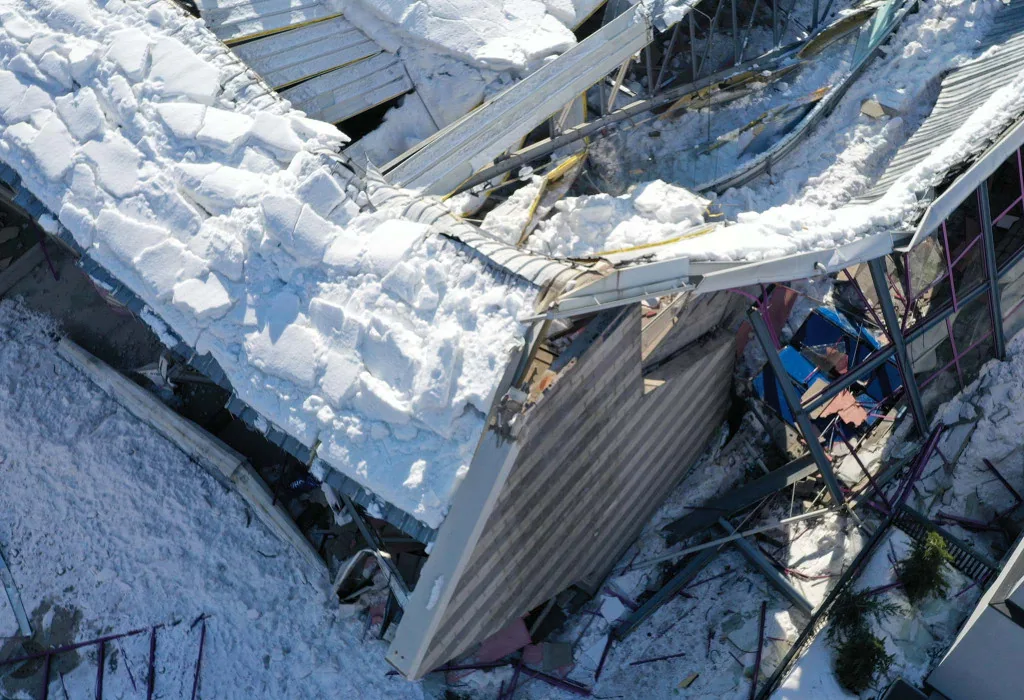
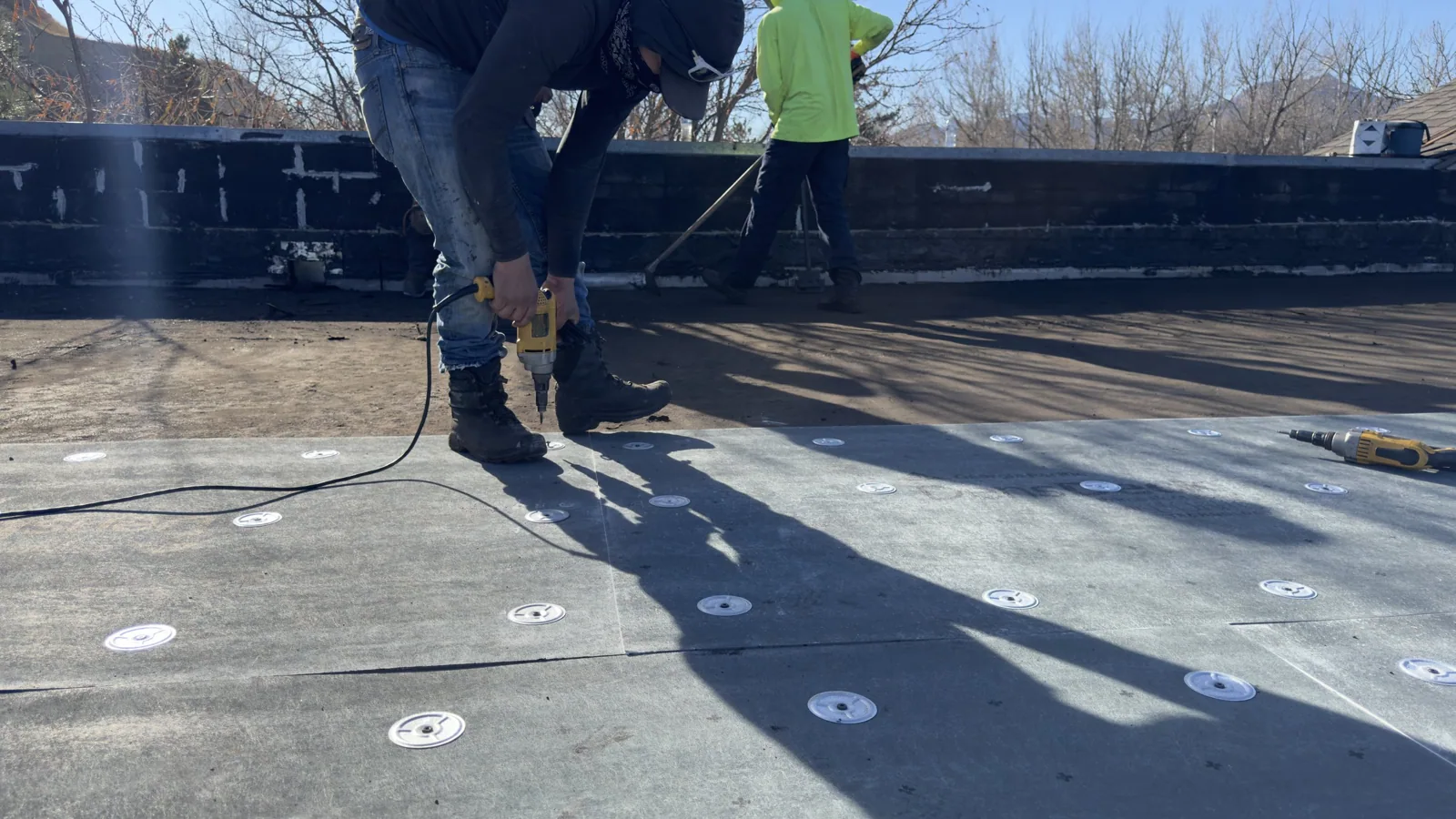
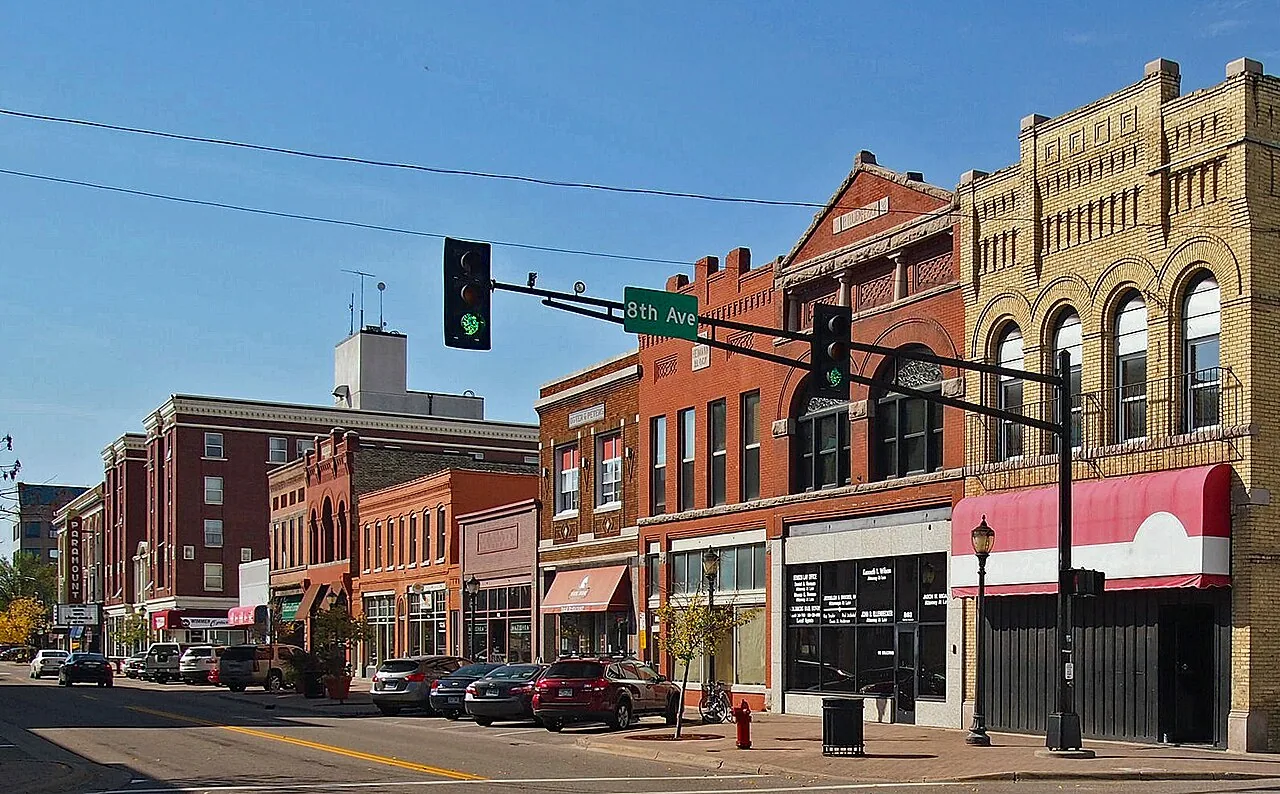

From distribution centers to clinics and schools, we roof the buildings Rochester depends on.
We document roofing conditions, test results, repair needs and estimate details. The insurer and policyholder determine coverage under the policy. Our report separates observed damage from wear, untested conditions and items outside the proposed repair so the evidence can be reviewed without implying a coverage decision.
Provide the property address, event date, roof plan, available system records, prior repair notes and a contact who can arrange access. Interior photographs and the time water was observed can help direct the visit. We will confirm which areas can be inspected and list any access or testing limits in the record.
A report establishes the weather event and its documented location, not the condition or cause of damage at a particular building. We inspect the property, photograph relevant components and note conditions that may predate the event. If the cause remains uncertain, the report says what additional evidence may help resolve it.
The file shows the temporary material, location, purpose, installation limits and follow-up needed. The permanent repair receives its own scope and completion record. This keeps the record clear about what limited exposure, what corrected the roof detail and which conditions remain open.