Water is coming into the building right now
Call us and tell us where the water is showing up. We will get a crew on the roof to stop the leak and protect the space below.

Service Areas
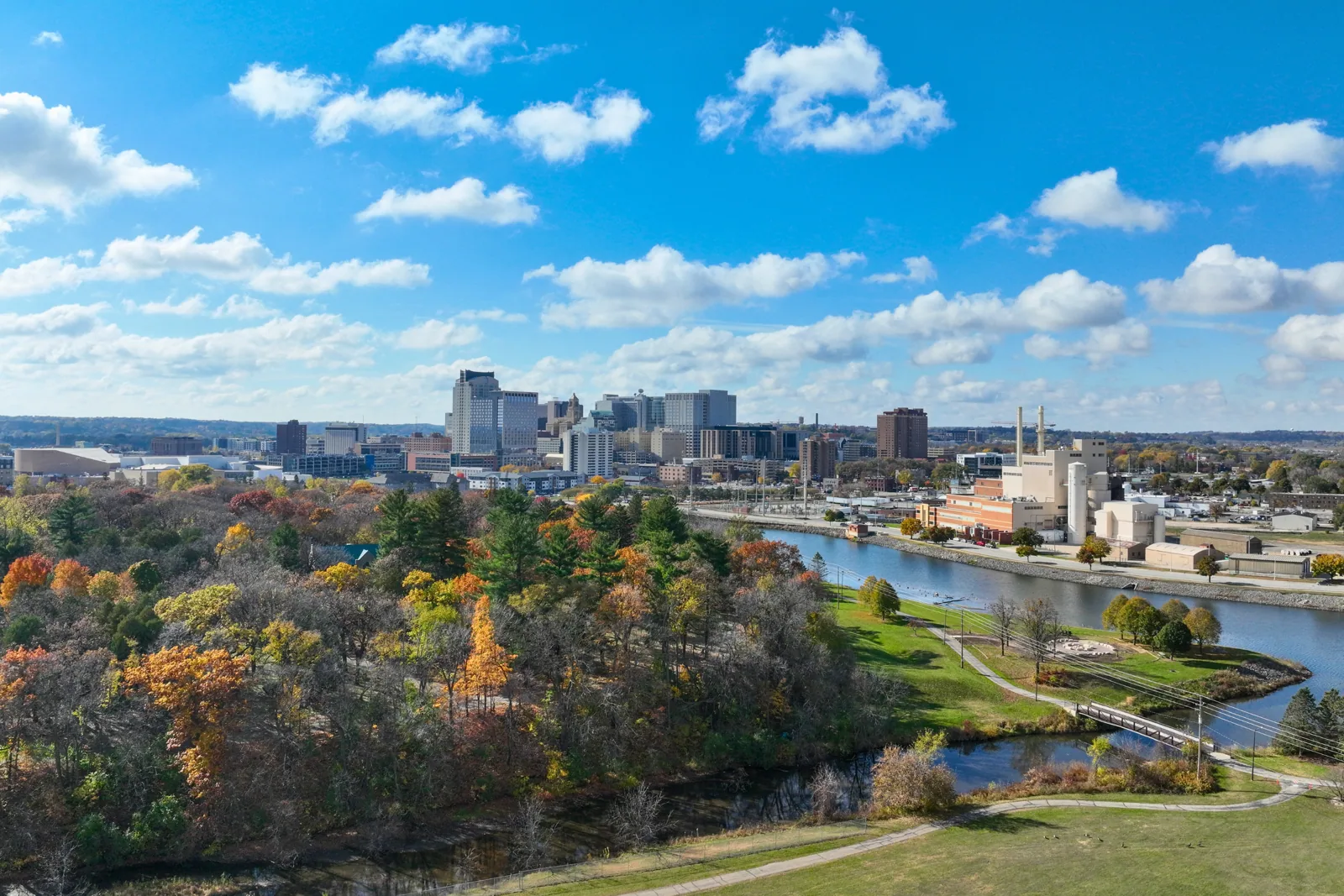
Roof inspections in Rochester's Downtown Commercial Historic District, with careful detail records, access coordination, and repair scopes for each property.
Call us and tell us where the water is showing up. We will get a crew on the roof to stop the leak and protect the space below.
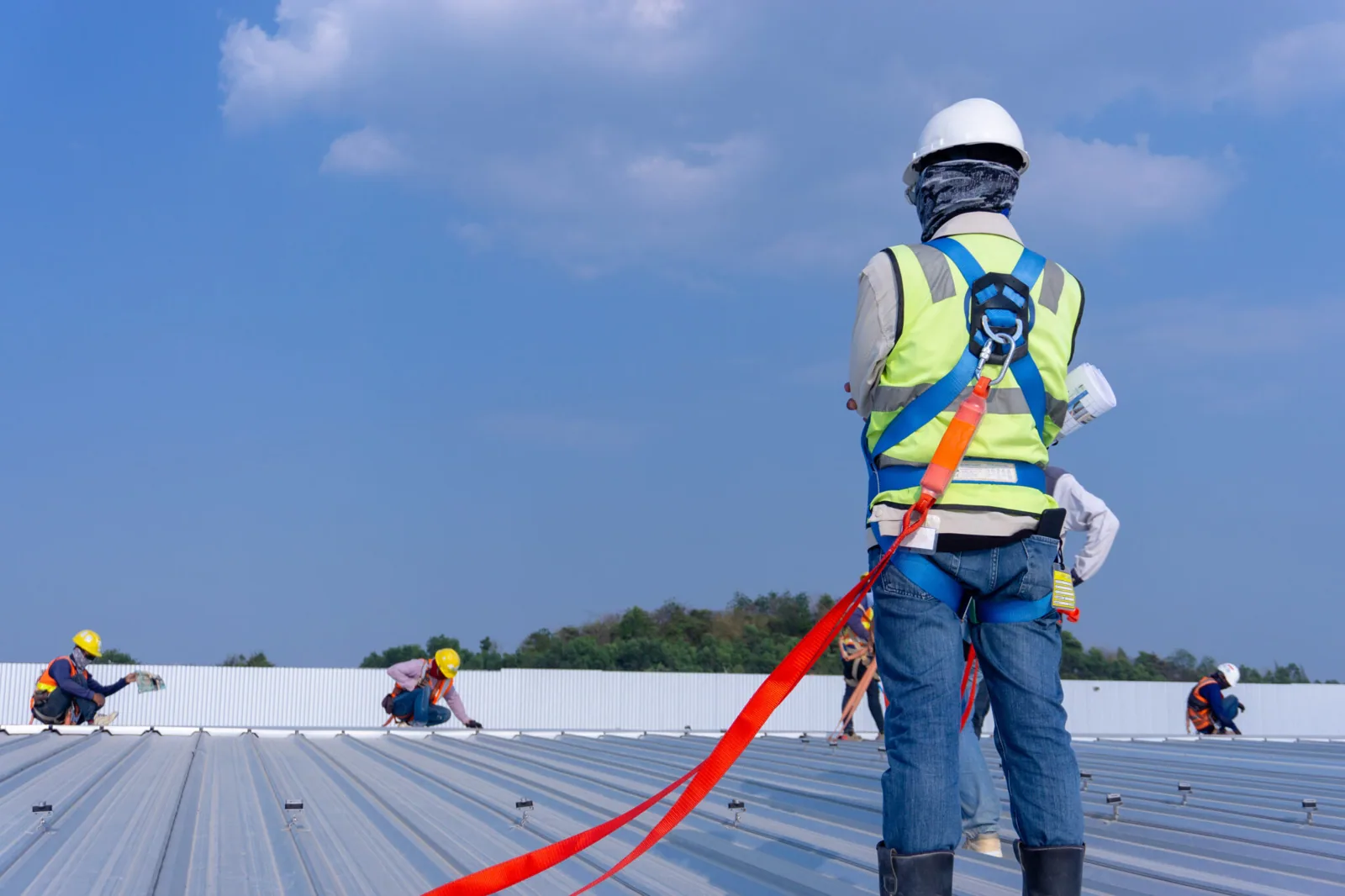
We walk the roof, photograph what we find and give you a written scope with repair options before any work starts.
Rochester, MN
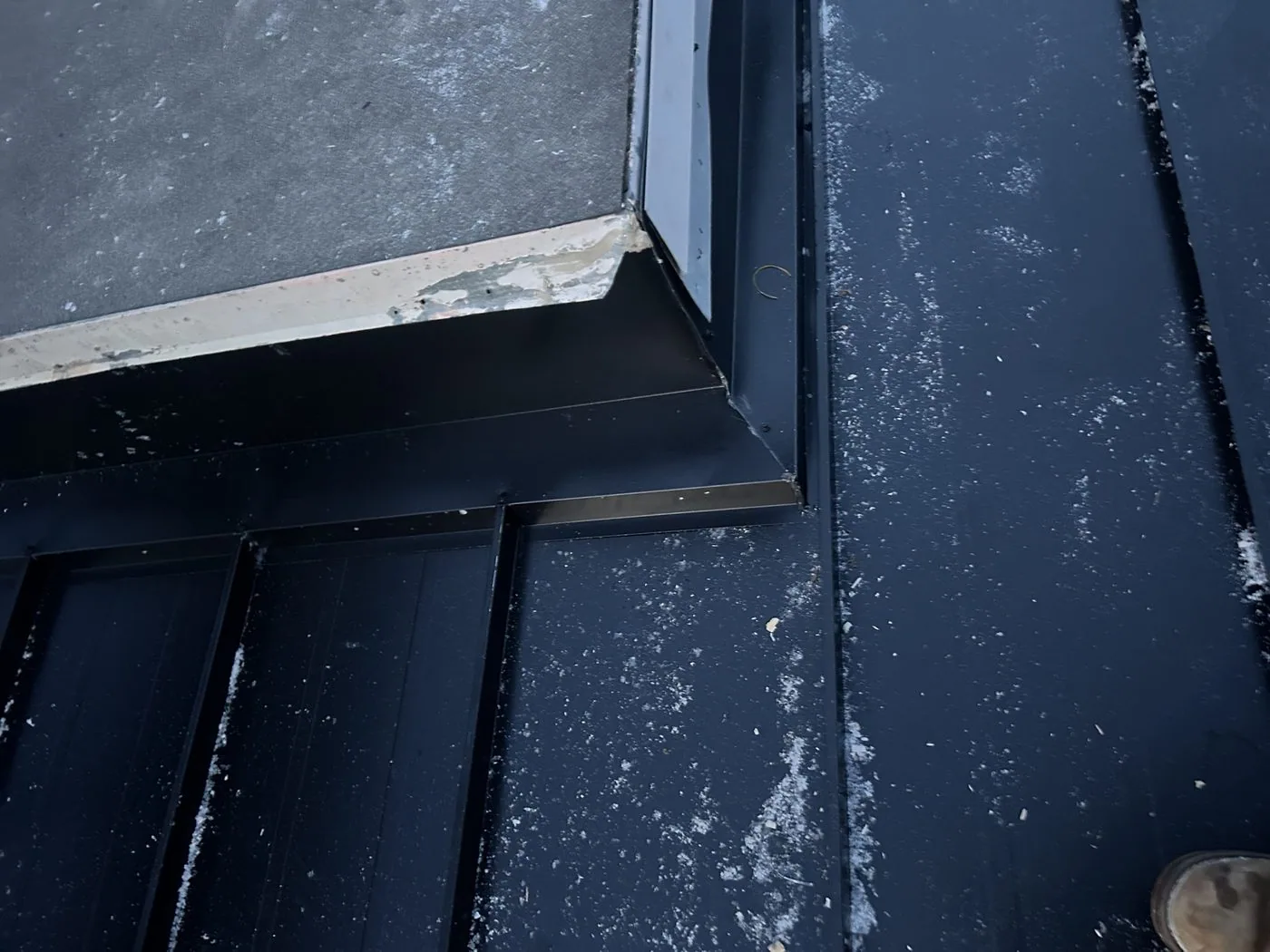
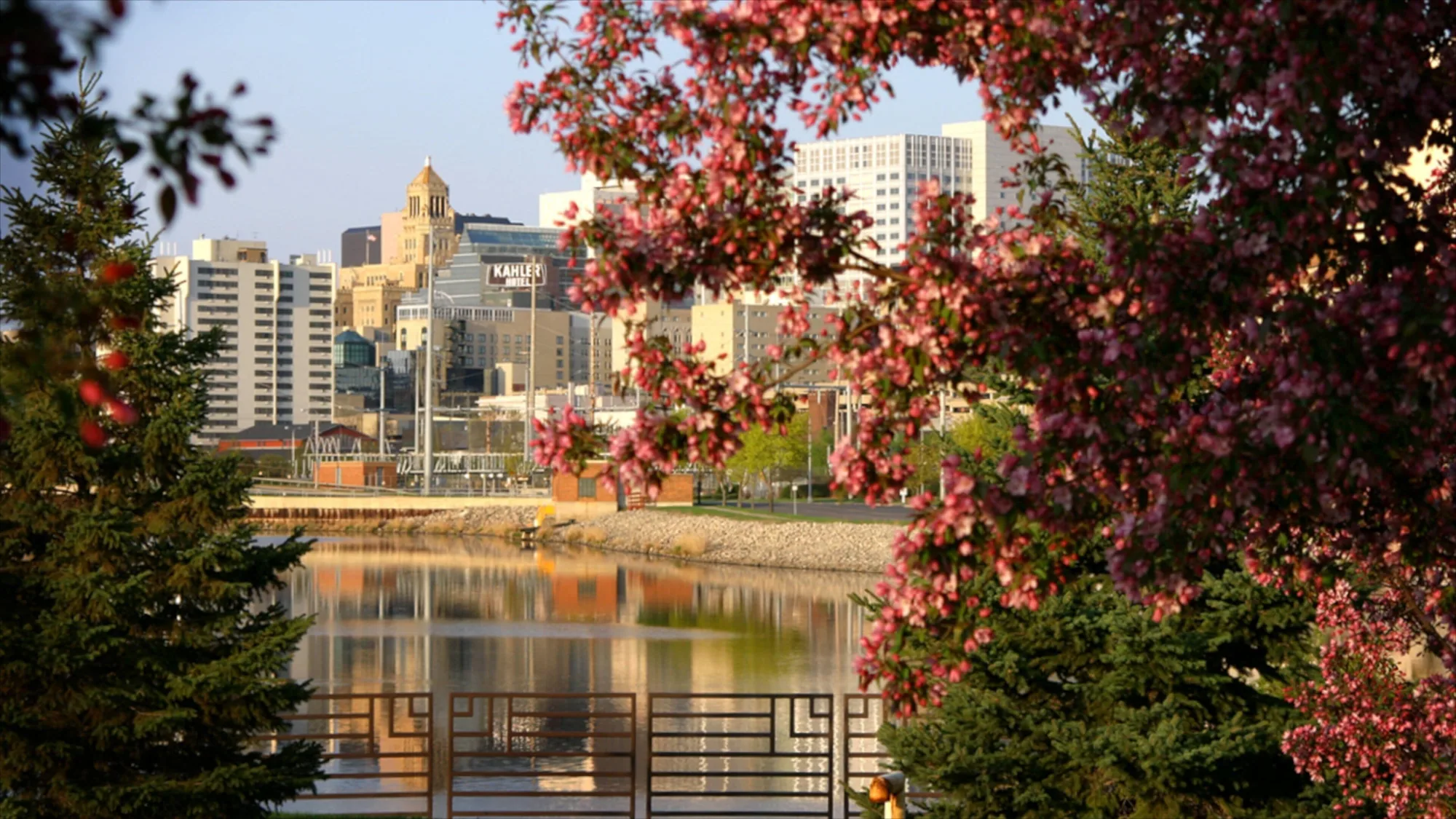
A concealed termination where a roof meets a parapet can determine whether a repair stays local or touches an adjacent detail. Rochester designated its Downtown Commercial Historic District in 2024; the district contains 31 properties, 27 of which contribute to its historic character. The district served as Rochester's original central business area from 1870 to 1962. We document each building's materials and existing roof details before recommending work.
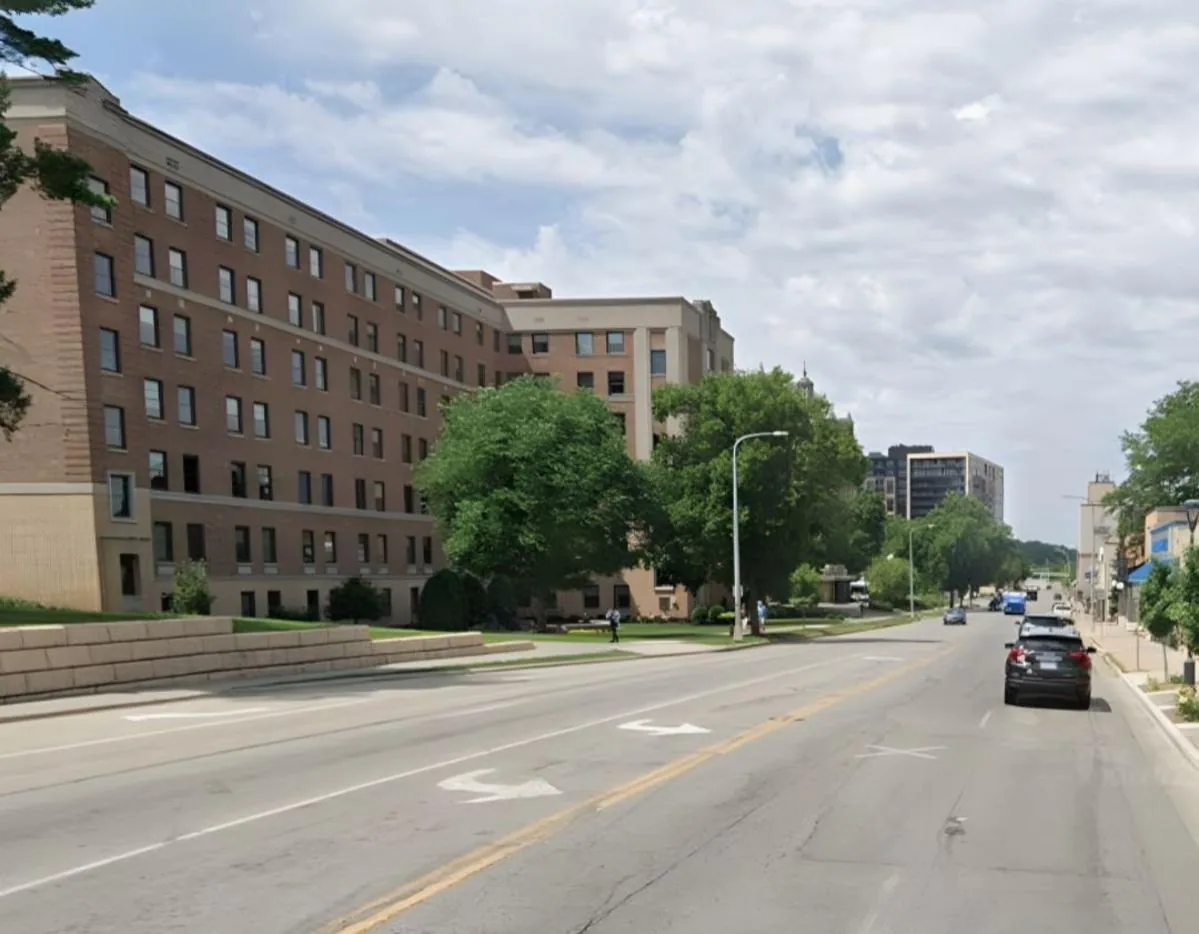
Twenty-three bus routes use 2nd Street and Broadway through the district, and public parking ramps are nearby. That circulation can affect crew access and material staging, so the property contact confirms current routes and timing. A roof visit near Downtown Rochester or along the Second Street SW Corridor receives an address-specific inspection record, not an assumption based on district history.
Share the district address, roof concern, available records and access contact. We will document the existing assembly and return a defined scope for review.
We locate the reported leak, inspect the surrounding field sheet and trace the nearest wall, seam, drain and metal transition. Older-looking or designated properties can still have varied roof systems, repairs and additions; we confirm each layer through records and visible details rather than infer age from the district designation. Photographs show the condition before removal. A roof inspection lists what was reached, what material was identified and which question requires testing.
When a roof detail adjoins a parapet, coping or a wall with exterior features, we record the connection and identify the proposed repair limit before disturbing it. We coordinate with the owner or property representative on any required review and access approval before permanent changes proceed. If the scope includes concealed material, an authorized test opening is sized to answer a specific question and closed to the agreed standard before the crew leaves. On designated properties, the photo set can show the metal profile, cap joint, fastener line, flashing height and how the membrane returns behind the exterior edge, where accessible. We present options that keep a repair at the roof side of the transition when the assembly allows it, and list any requested exterior change as a separate decision.
A split in a seam may be visible, while wet insulation or a failed substrate remains hidden. We inspect the field sheet, flashing, drain connections and prior patches, then compare that evidence with the interior report. A modified-bitumen system review starts with its existing plies and surfacing; a membrane roof needs a compatible weld or splice. The repair method follows the material confirmed at the building.
Rochester's 46.3-inch normal seasonal snowfall comes from its 1991 to 2020 climate record, with most accumulation in December through March. Before that period limits visibility, the roof can be checked for blocked drainage, loose edge details and safe access. We use Rochester's 46.3-inch seasonal snowfall normal, concentrated from December through March, to schedule drainage and edge reviews. The inspection record identifies actual conditions and any section that needs another access window.
Bus movement on 2nd Street and Broadway, along with nearby parking ramps, gives the property team useful context for deliveries and lift placement. We confirm where the crew can stage, which entrance needs protection and whether material can be moved through a service route. On the roof, the scope identifies the opening size, compatible tie-in and dry closure at shift end. If a concealed layer changes the amount of work, we photograph it and pause for direction.
Before work changes a visible edge, parapet or other exterior connection, we coordinate the proposed detail with the owner or manager and confirm the required review. We can document a temporary weather seal separately from the permanent repair, so a decision about the lasting detail does not leave an open roof. The estimate identifies labor for access and protection separately from the measured repair quantity.
A local flashing repair can be appropriate when the surrounding sheet and substrate remain sound. Repeated leaks, broad moisture or a roof system near the end of its serviceable life may support a comparison of repair, recovery and replacement. We state measured area, known layers and test limits for each option. A due-diligence survey can record the current assembly and open questions for an ownership or capital decision.
Each property receives its own photo set and repair history, including any exterior detail the owner wants tracked. A condition report can carry that record into future maintenance. If the portfolio includes a property on South Broadway, it remains a separate roof and access plan even when the same manager coordinates both visits.
The closeout names the roof section, photographs the finished detail, records material confirmed and lists anything that remains open. A temporary seal is distinguished from permanent work, and inaccessible areas are identified rather than silently included as inspected. If a preservation or ownership review remains pending, we state which repair decision is paused and what evidence is available. This keeps the next scope tied to the actual building fabric.
Send the district property's address, roof concern, available plans or repair records and the contact who can coordinate access. We will inspect the agreed areas and return a measured repair, testing or replacement recommendation. Emergency calls can be handled overnight, during weekends and on holidays. Where temporary protection is needed first, we document its location and the permanent repair or approval that remains outstanding.
Other services, systems and buildings that often come up alongside this work in Rochester.
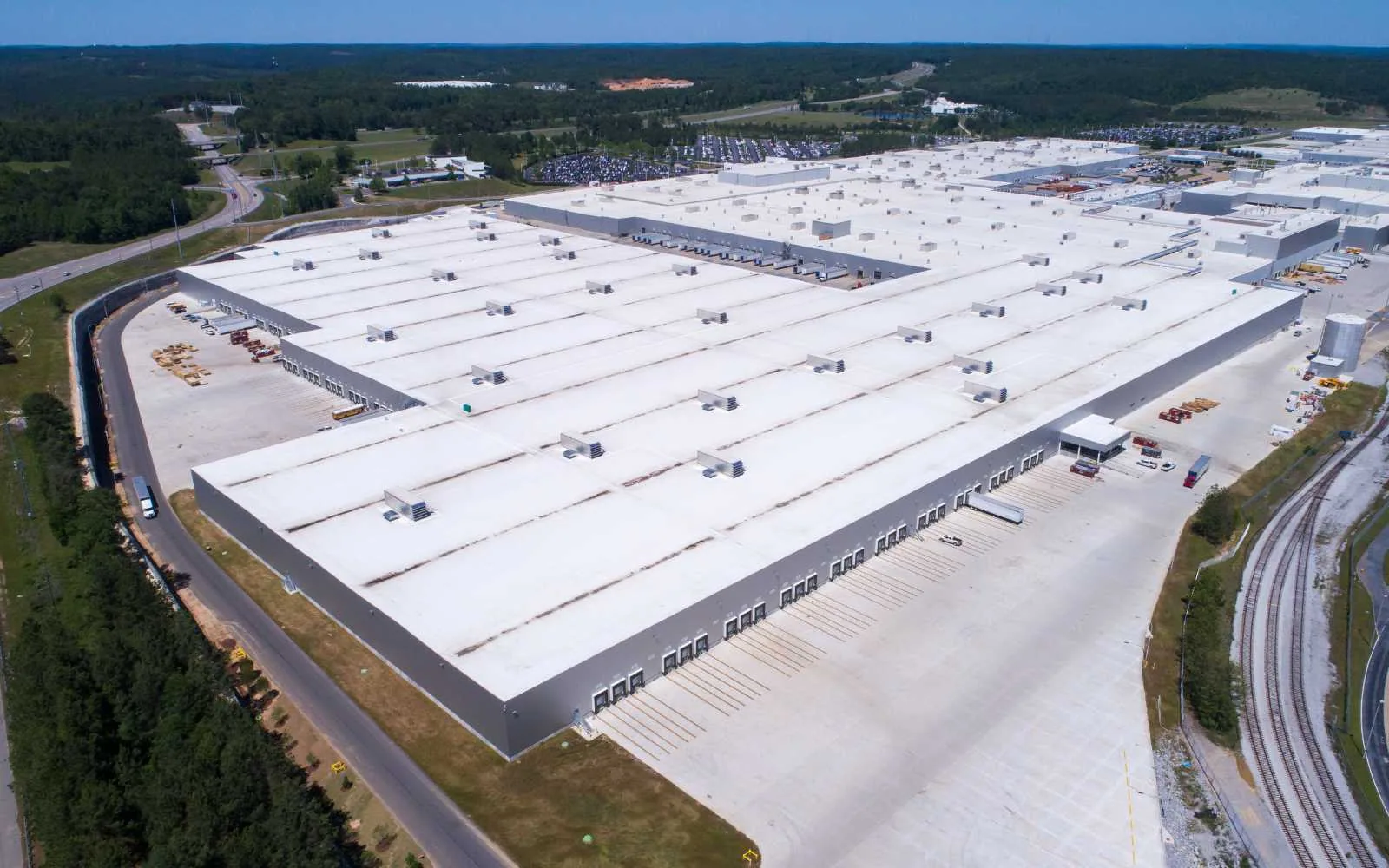
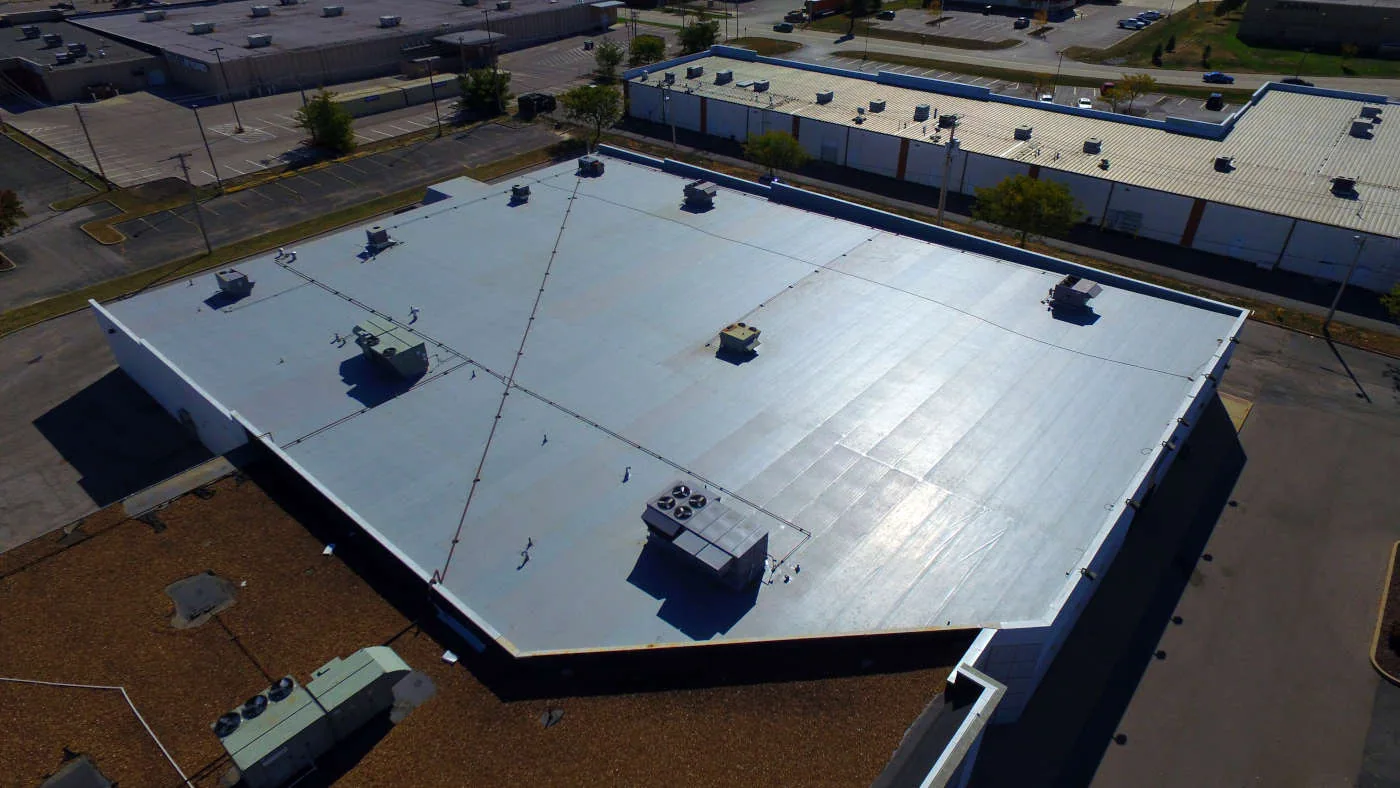
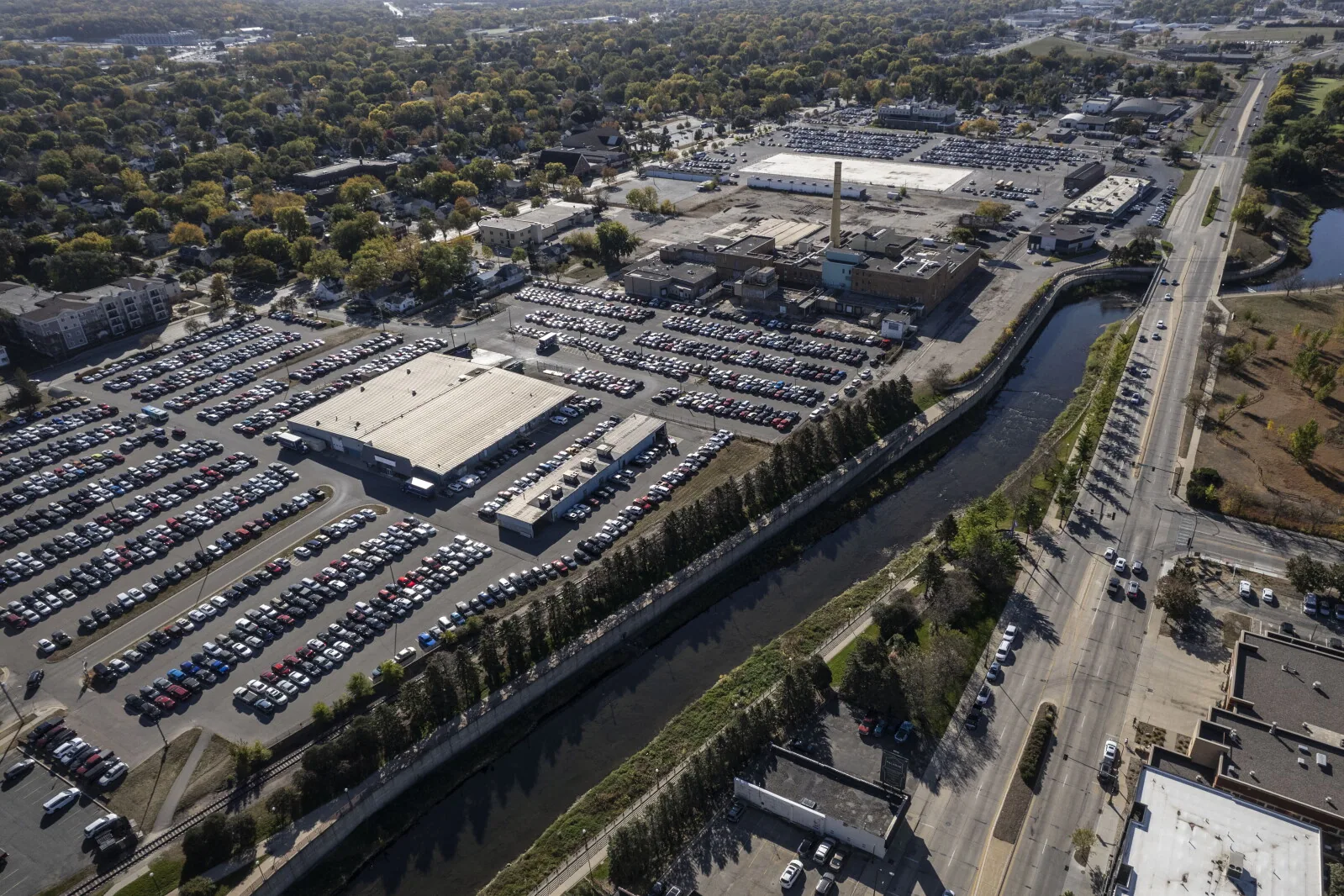
From distribution centers to clinics and schools, we roof the buildings Rochester depends on.
The City designated the district in 2024, and its central-business role ran from 1870 to 1962. We review each building's maintenance records and inspect the existing layers, flashings and transitions before assigning a roof condition or recommending material removal.
They make delivery timing and staging worth confirming with the property contact. We identify a usable lift or material route, protected entries and any work window. Those logistics go into the sequence, while the roof repair remains measured at the building.
We inspect the roof-to-wall connection and define a compatible repair that reaches stable material. The property owner confirms any required review before changes proceed. If the detail cannot be closed permanently without a broader decision, we can protect it temporarily and document the approval still needed.
Keep dated photographs, roof-section labels, material records, approved repair limits and any open review. We can return those details in the closeout so future staff can distinguish completed work from a temporary measure or an area that was not accessible. Retain roof-plan revisions with the closeout so the next reviewer can match a changed drain, curb or edge to the same address.