Water is coming into the building right now
Call us and tell us where the water is showing up. We will get a crew on the roof to stop the leak and protect the space below.

Industries We Serve
Document public-building roof inspections and repairs in Rochester, MN with clear work limits, access coordination and dated closeout records.
Call us and tell us where the water is showing up. We will get a crew on the roof to stop the leak and protect the space below.
We walk the roof, photograph what we find and give you a written scope with repair options before any work starts.
Rochester, MN
A metal coping splice over a public entrance can separate beneath the return even when the joint looks closed from below. We inspect the connection, roof membrane and drain path together, then mark the finding by building and section. For a city, county or public agency, the report needs to show what was observed, what was tested, what work is proposed and which assumptions remain. That gives facilities staff a consistent record for review, scheduling and future maintenance.
Rochester's economy includes county and municipal government. Downtown Rochester is the city's central urban center for business, cultural and government services. Along the Fourth Street SE Corridor, public and institutional destinations connect with downtown. Those civic settings do not determine a particular building's roof or procurement path. We confirm the address, roof assembly, building contact and review process before setting an inspection or repair boundary.
Share the Rochester facility address, roof concern, plans or past reports and the agency contact for access and review. We will inspect by section and return a dated scope with photographs, boundaries and unresolved items.
We begin with the reported interior condition, its timing and the agency contact responsible for access. The roof inspection checks membrane seams, flashing, drains, scuppers, penetrations, edge metal, prior patches and any areas identified in the maintenance log. Photos pair close detail with roof-section context. The record states whether testing was performed, whether concealed layers were exposed and what remained inaccessible. An untested area is not described as verified.
Rochester’s municipal Chapter 4-6 covers commercial and industrial buildings. For public work, the agency and design team confirm current review requirements with the City or authority having jurisdiction; roofing documentation supplies the assembly details for that process. An insurance-restoration file can separately organize building evidence, while the agency retains its approval path.
A public facility record should let another staff member locate the repair without relying on the original inspector. We note building address, section, photo date, system when confirmed, reported symptom, test location, proposed material, repair boundary and unresolved item. If a test cut reveals wet insulation or damaged deck, the report identifies the exact location and whether an added scope is needed. This keeps the visible condition distinct from the requested work and any further approval step.
Rochester designated the Downtown Commercial Historic District in 2024; 27 of its 31 properties contribute to its historic character. If a public building is within a preservation context, the agency should coordinate applicable review before altering visible details. We document existing edge and flashing conditions for that discussion. A dated condition report gives facilities a traceable record, while an education-facility roof file illustrates why separate public owners need separate building histories.
Before work, the facility lead confirms access routes, interior protection, public entrance conditions, work hours, staging location and any required notifications. We define the daily opening and closure point, keep materials inside the approved area and document temporary protection if weather interrupts. When removal shows a condition beyond the agreed limit, the crew records the finding and pauses for direction before expanding the repair. Closeout lists completed work and anything still awaiting agency review.
The Heart of the City includes commercial, hospitality, retail, residential and Mayo Clinic uses around Peace Plaza. For a public-facing building in that district, the agency contact can identify public access periods and entrance routes. A phased occupied-building scope describes work zones and tie-ins. If an active leak requires attention outside normal business hours, emergency calls are answered around the clock. The response record should still identify the agency contact, temporary stabilization and permanent work that remains.
A localized defect with sound adjoining material can support a repair. Repeated leaks, wide moisture patterns, failed seams, deteriorated attachment or a deck concern may require selective testing and a larger project comparison. We set out existing layers, drainage, edge height, penetrations, access limits and material compatibility. Each alternative notes what it resolves, what stays in place and what evidence is still needed. That allows an agency to match the scope with planned building use and the appropriate review schedule.
Rochester’s seasonal snowfall normal is 46.3 inches, with most accumulation between December and March. For a public building, the maintenance file should record whether drains, edges and access routes were actually checked before winter; observed conditions drive repair scope, while an event documentation file can preserve dates and photos for agency review without presuming failure or claim approval.
Routine visits revisit drains, scuppers, seams, coping, penetrations, rooftop equipment and prior repairs. We record maintenance completed under the authorized scope, identify deferred items and attach dated photos. If buildings share a maintenance calendar, individual roof conditions remain distinct. A visit before winter can review drainage and perimeter details; a later inspection records actual changes when roof access is safe. The schedule is set with the facility contact and adjusted for access and project activity.
For agency facilities, a complete roof record supports continuity through staff changes and vendor transitions. We leave the section map, work history, material sequence and next review date with the assigned contact. A maintenance program can retain recurring tasks, while the Fourth Street SE Corridor helps identify the local civic and institutional context. Send the building address, roof concern, available plans and facility contact to schedule a documented inspection.
Other services, systems and buildings that often come up alongside this work in Rochester.
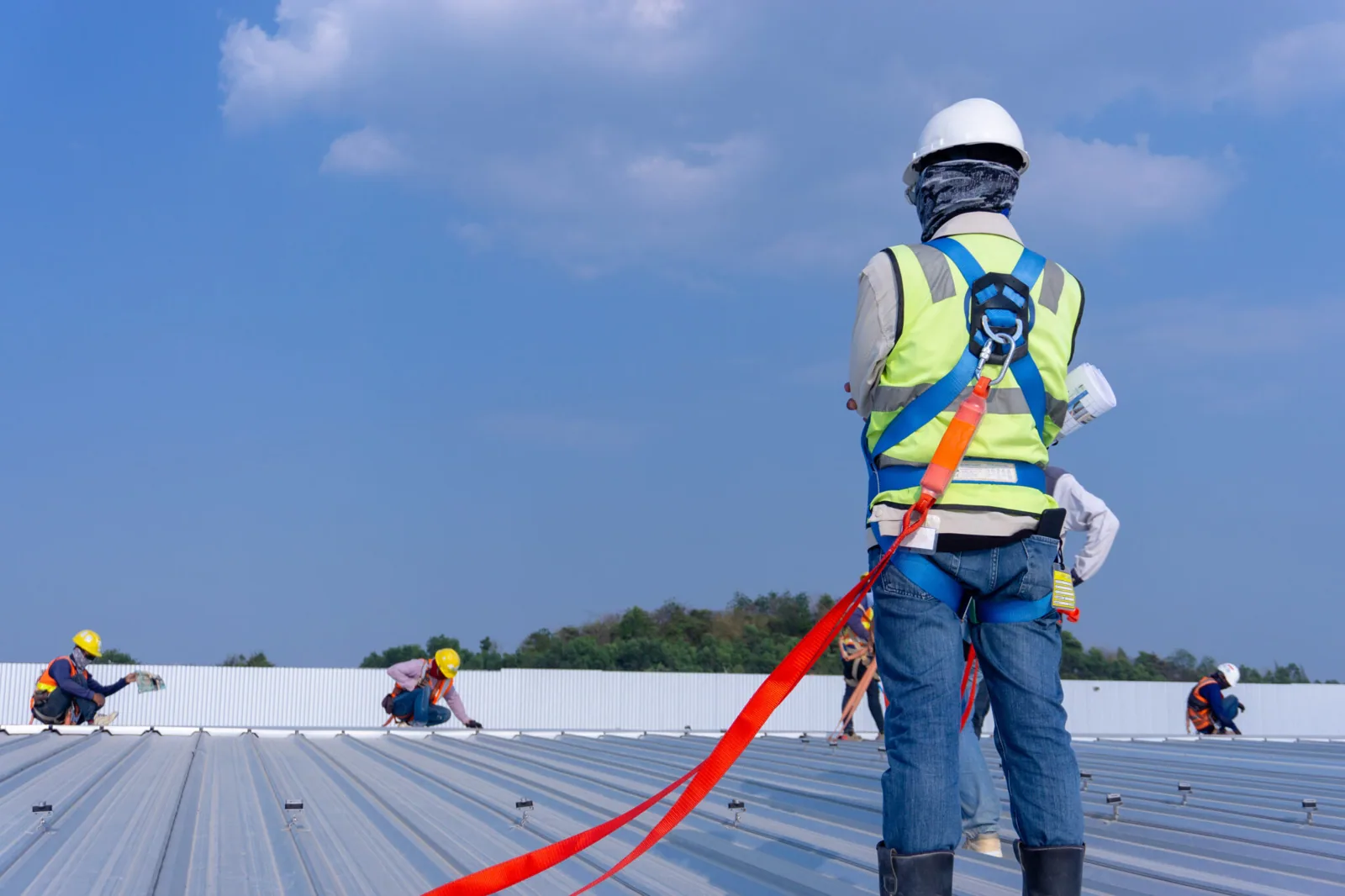
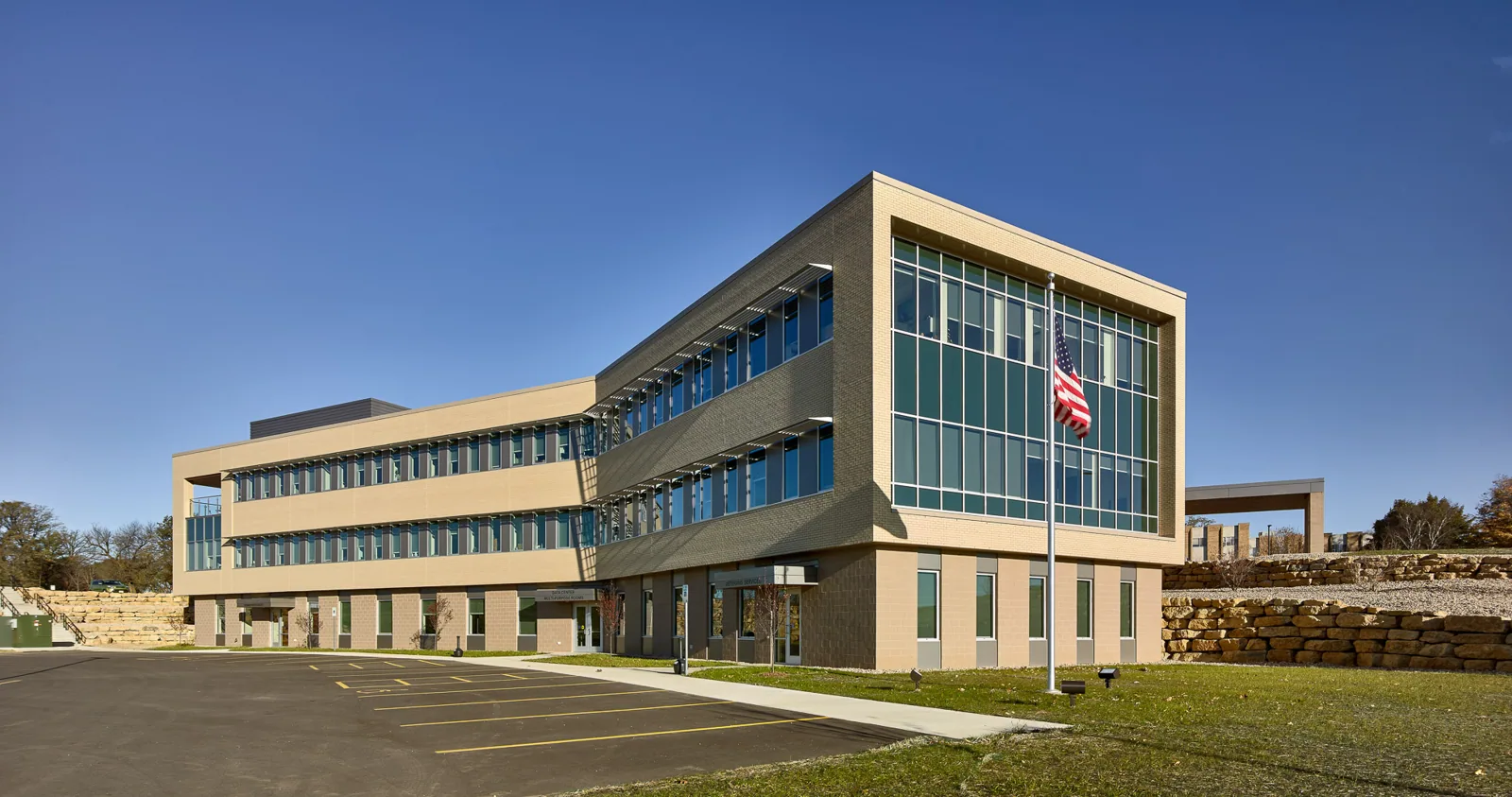
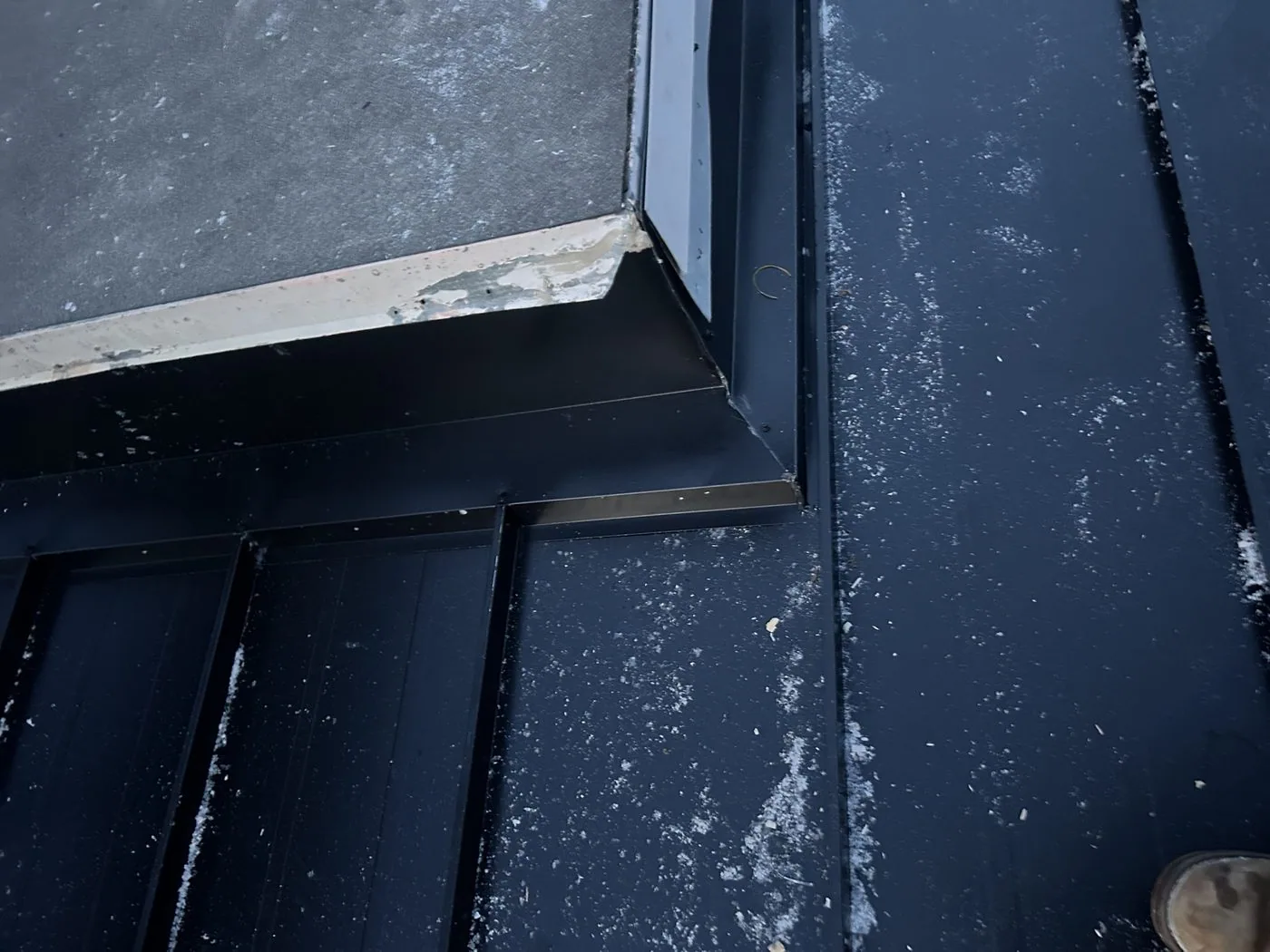
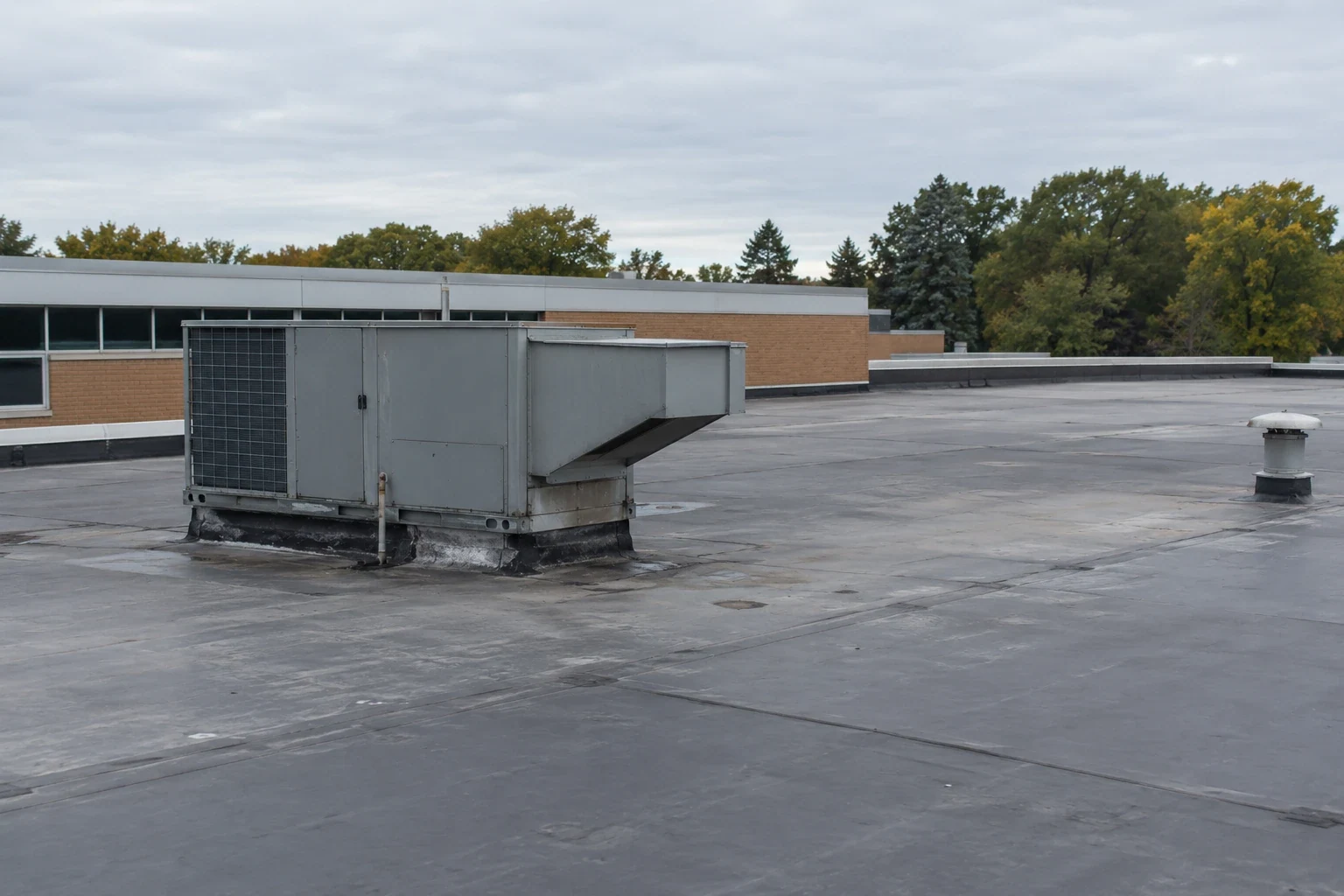
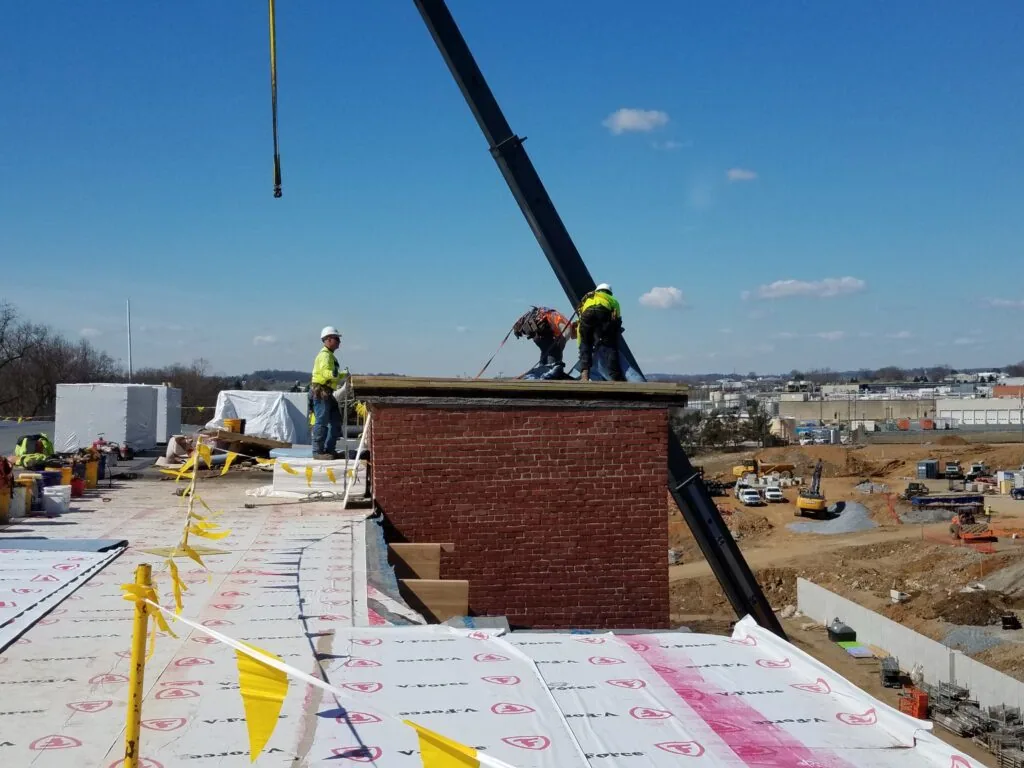
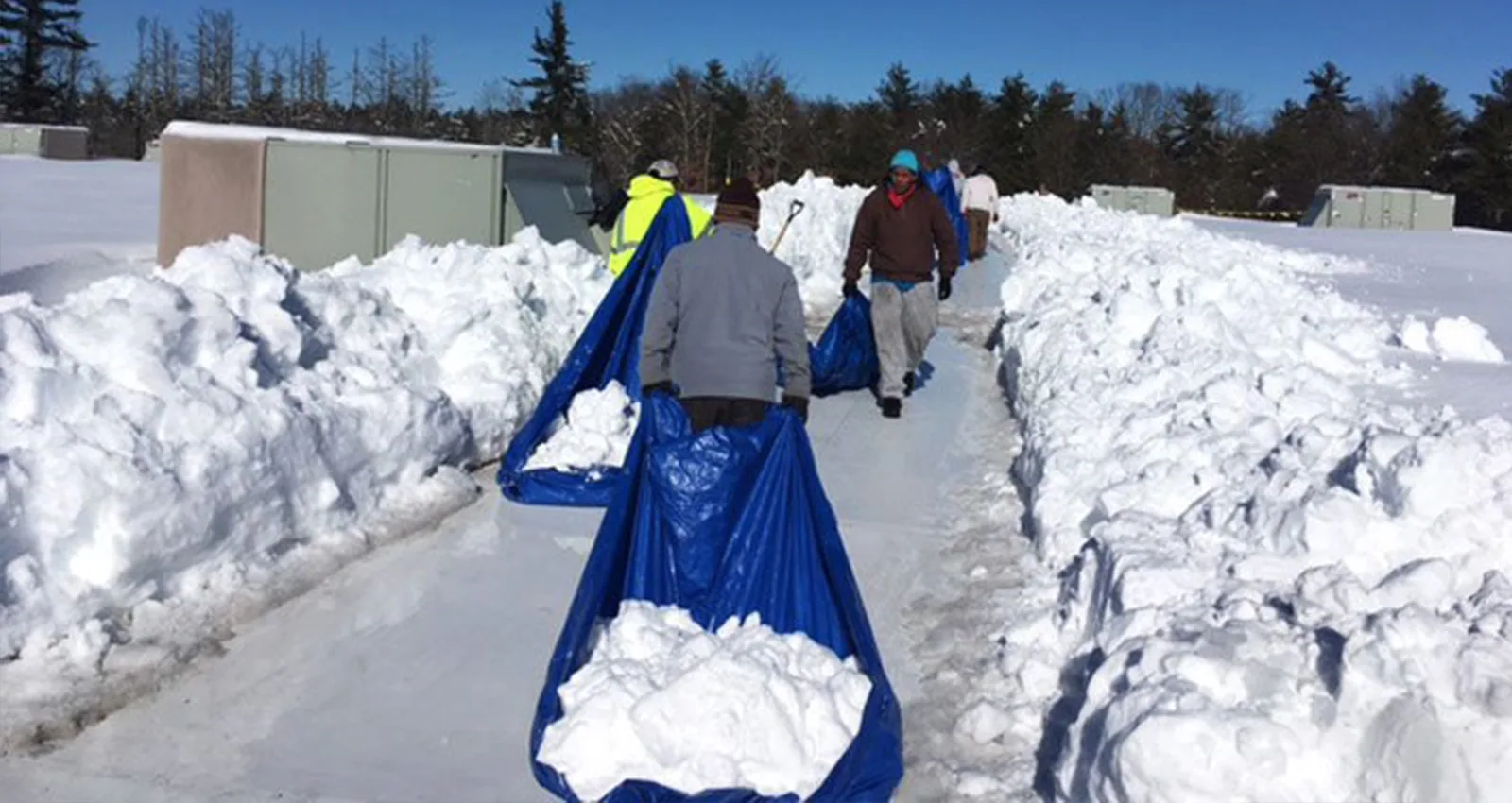
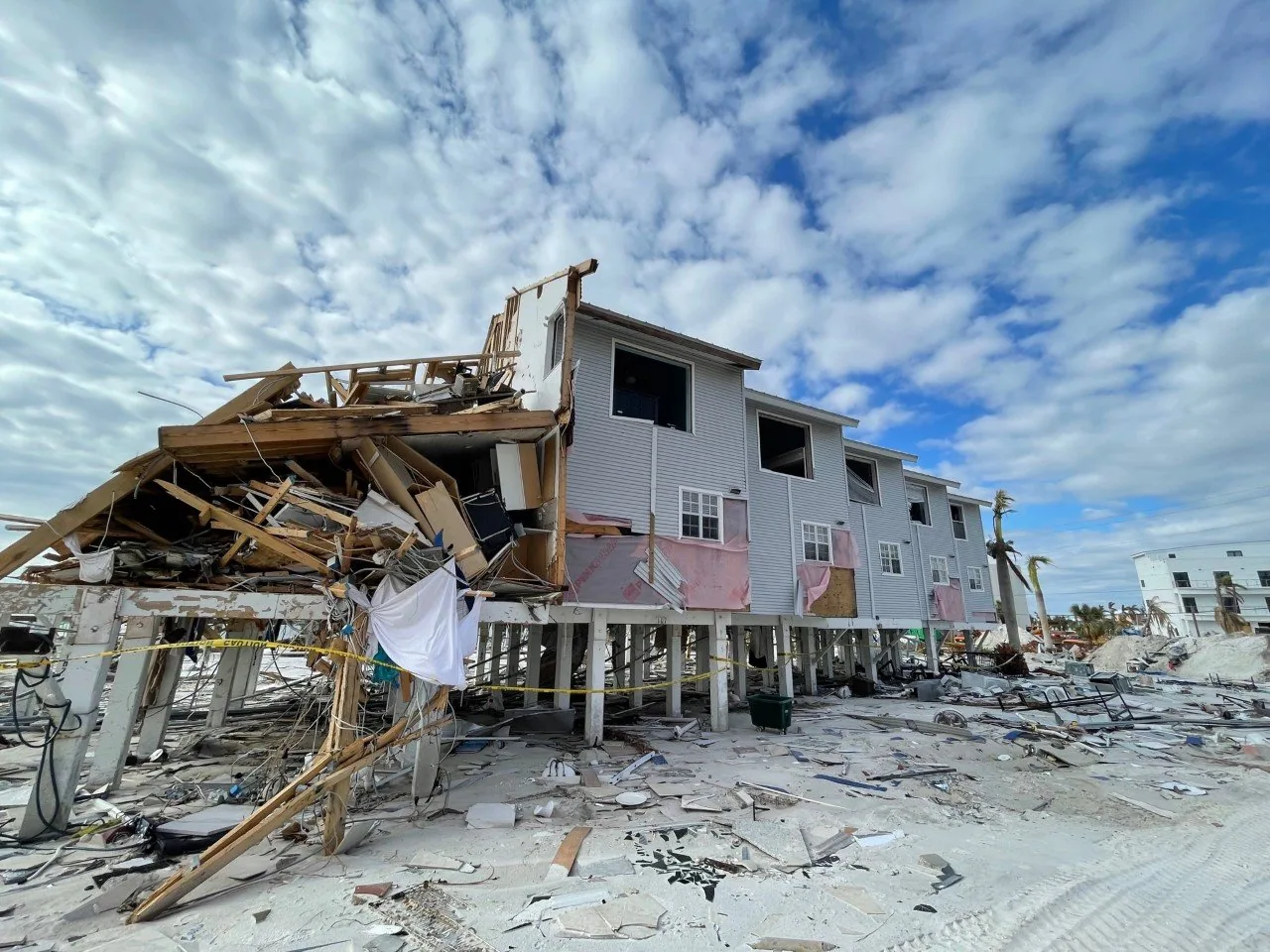

From distribution centers to clinics and schools, we roof the buildings Rochester depends on.
We provide a dated scope with the building and roof section, reported condition, photographs, materials when confirmed, repair boundary, tests and open items. If concealed conditions changed the work, the closeout explains where and how. The agency can retain that file with its facilities and project records.
The scope can document existing conditions, proposed roof work, materials and relevant transitions. The City or authority having jurisdiction determines applicable review and approval requirements. We coordinate the roof information with the agency's design or facilities contact and keep the observed condition separate from decisions still pending.
We coordinate entry, work hours, public routes and interior protection with the facility lead before opening the roof. A smaller work zone can be sequenced when conditions allow, with an identified daily closure point. The record states the completed area and any temporary protection left in place.
No. The 46.3-inch seasonal normal is climate context, not a condition assessment. We inspect the actual roof, drains, edge details and repair history, then document whether a localized repair, maintenance or wider investigation is supported by the evidence.