Water is coming into the building right now
Call us and tell us where the water is showing up. We will get a crew on the roof to stop the leak and protect the space below.

Commercial Roofing Services
Document Rochester storm-related roof conditions with location-specific inspection, temporary protection and a repair scope tied to observed damage.
Call us and tell us where the water is showing up. We will get a crew on the roof to stop the leak and protect the space below.
We walk the roof, photograph what we find and give you a written scope with repair options before any work starts.
Rochester, MN
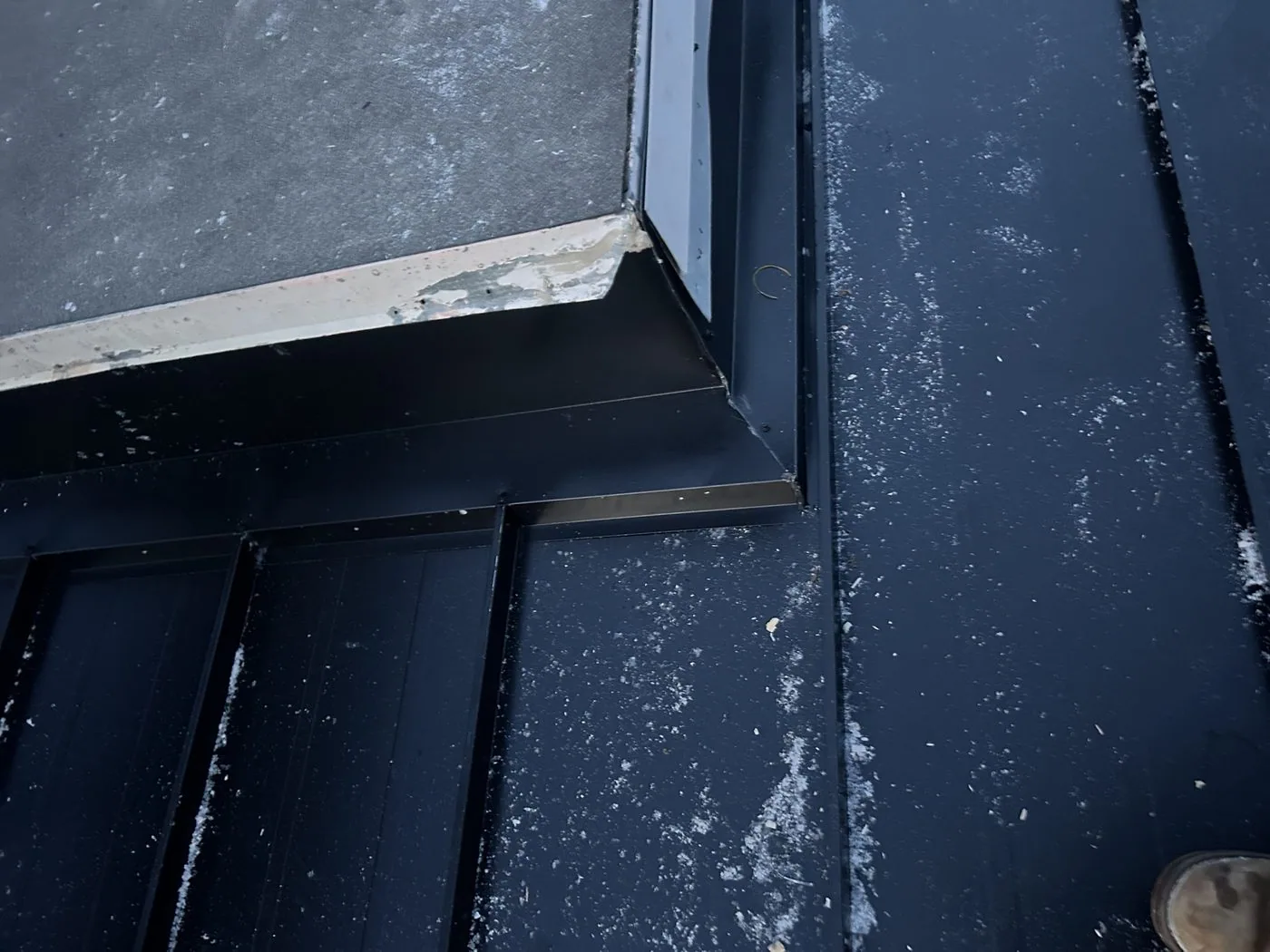
A displaced coping joint can expose the roof edge even when the membrane field looks intact. After a storm, we start at the perimeter, curbs and seams, then follow any water path toward the interior report. The inspection records the exact property, roof section, visible condition and photographs before a repair boundary is set. The National Weather Service report gives the event date and location for the inspection record.
The April 17, 2026 NWS report records hailstones measuring 1.5 inches in northwest Rochester and a separate EF-2 tornado track near Stewartville in Olmsted County. We use the date and address to guide inspection, then document punctures, displaced metal, open laps or water entry found at the property. A commercial roof inspection can map conditions before the owner decides which areas need repair.
Send the Rochester property address, reported event date, roof concern, available system records and portfolio contact. We will document observed conditions and separate stabilization from permanent work.
We record the building address, reported event time, access conditions and the roof areas included in the visit. The walk checks metal edges, flashing corners, membrane seams, penetrations, drains and previous repair locations for new movement or impact marks. Inside, the facility contact can identify active drips, ceiling stains or equipment exposure. A water stain can help direct the search, but it does not locate the roof opening by itself. We trace the path and photograph each relevant detail.
Hail and wind can leave different clues. An impact may mark a soft membrane, coating or metal component; wind can lift perimeter metal, split a seam or loosen a termination. The material, attachment and nearby details determine whether the observation is cosmetic, repairable or part of a broader failure. The hail damage assessment and wind damage review record separate failure patterns. When access is limited, drone images can help document broad areas, but they do not confirm adhesion or concealed moisture.
If water is actively entering, the first task is to reduce exposure with a method suited to the roof and current conditions. We identify the opening, protect nearby interior contents where access is safe, and mark the limit of temporary material. A temporary cover is not a permanent flashing repair. The work record states what was stabilized, what could not be reached and what follow-up is required before the area can be considered complete.
Rochester's seasonal snowfall normal is 46.3 inches, concentrated from December through March. After a storm, we check roof access, surface moisture and material conditions before placing temporary protection or opening a repair area. If the roof cannot be reached safely, we explain the limitation and coordinate the next inspection window with the building contact. For urgent water entry, our emergency response can document the temporary measure separately from the permanent repair scope.
A clear storm file includes the event date as reported, inspection date, property address, roof plan, photographs and location of each observed condition. We label visible damage separately from areas that were inaccessible or not tested. If a puncture or lifted edge is confirmed, its repair boundary is shown on the section map. If the evidence is inconclusive, the report says what additional inspection could resolve the question instead of assigning damage to an unseen area.
For a commercial portfolio, keep the roof record at the property level. A building near Downtown Rochester has different access and occupancy needs from an industrial facility by the airport, even when both were reviewed after the same regional weather. The April 17 tornado was reported near Stewartville in Olmsted County. For a property near Stewartville, our report ties findings to the building address, roof section and observed conditions. A condition report preserves repair limits, test results and the distinction between observed conditions and event context.
Permanent work begins after the affected area is dry and ready for the selected system. We remove only the material within the approved boundary, examine the exposed substrate, and record any change that could expand the scope. The repair method depends on membrane type, attachment, seam geometry and the condition of adjacent material. A patch that cannot reach sound material or bond to a compatible surface will not make a reliable tie-in.
Before closing the area, we restore the layer sequence and detail that manage water at that location. At an edge, that may involve attachment and metal transitions; at a penetration, it means rebuilding the flashing connection; around a drain, the bowl and clamping detail must remain functional. We test or inspect the completed work where the system allows, then photograph the finish and identify any adjacent area that still needs review. A targeted roof repair can address a confirmed defect, while a leak investigation traces interior water to its roof source.
A bounded impact or one lifted flashing detail may support a focused repair if the surrounding assembly is stable. Multiple separated failures, repeated water entry or evidence of moisture beyond the opening may justify a broader inspection. We compare the mapped conditions, material compatibility, test results and access requirements before recommending a larger scope. Replacement scope follows the mapped conditions, material compatibility, test results and access requirements.
Where a coating, recover or replacement is being considered, the owner needs the roof section map and concealed-condition limits first. The NWS Rochester archive includes a brief tornado in southwest Rochester on June 4, 2019, along with other regional hail, damaging-wind, tornado and flooding episodes. We document each property's observed conditions and use the inspection to decide whether continued repair or a capital review is warranted. If broad moisture or recurring failure is present, a replacement comparison can show which findings change the repair boundary and which conditions remain untested.
The closeout identifies temporary protection removed or still in place, permanent repair materials, completed details, photographs and remaining items. We state which roof section was repaired and whether adjacent areas were included. Any unresolved access or moisture question stays visible in the file. That prevents an owner from treating an emergency visit as evidence that every storm-related concern has been cleared.
To schedule a Rochester storm inspection, send the exact address, reported event date, active leak locations, available roof records and a contact who can arrange access. Include interior photographs if water has entered, but keep them tied to the room and time observed. We will map the roof findings, explain what has been stabilized and price permanent work against the verified repair boundary. The owner can then compare a defined repair with a broader inspection using the same building record.
Other services, systems and buildings that often come up alongside this work in Rochester.
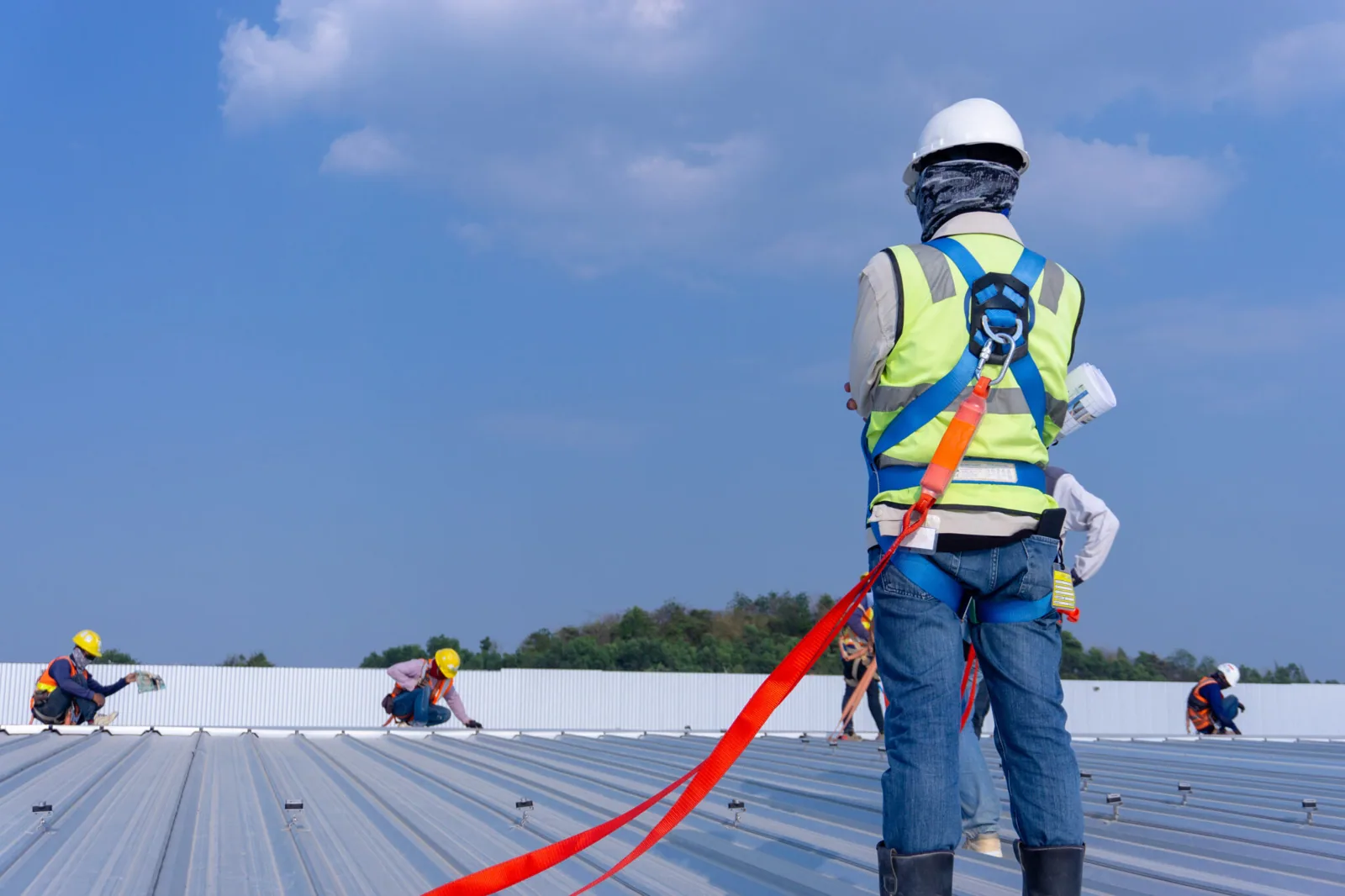
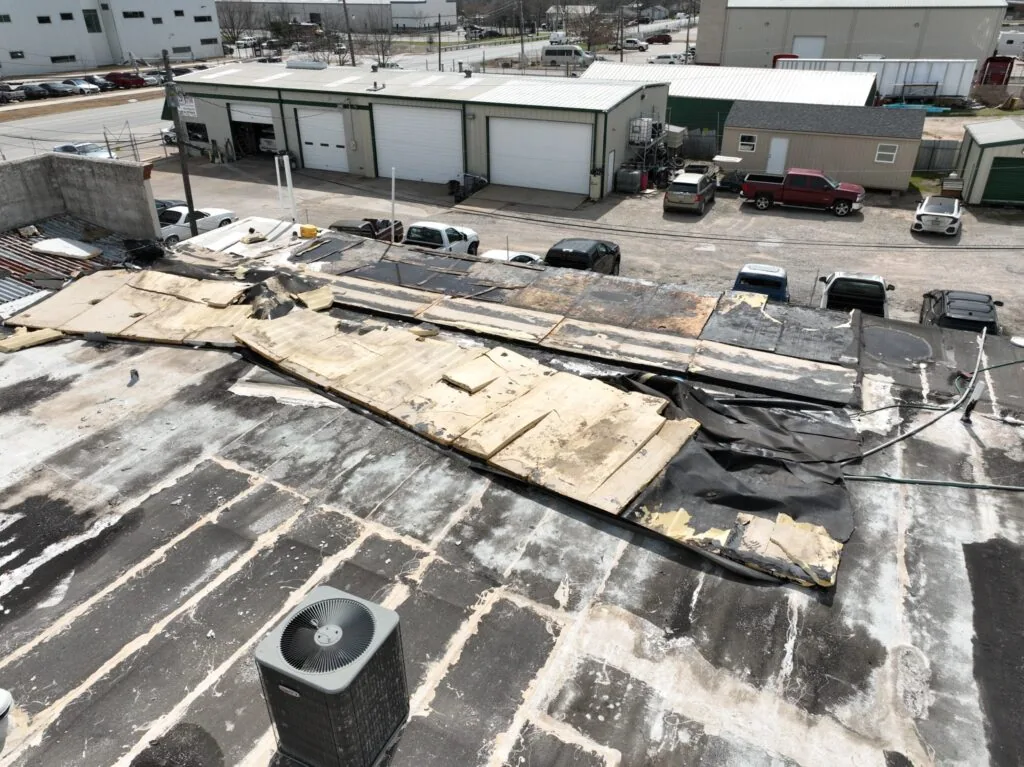
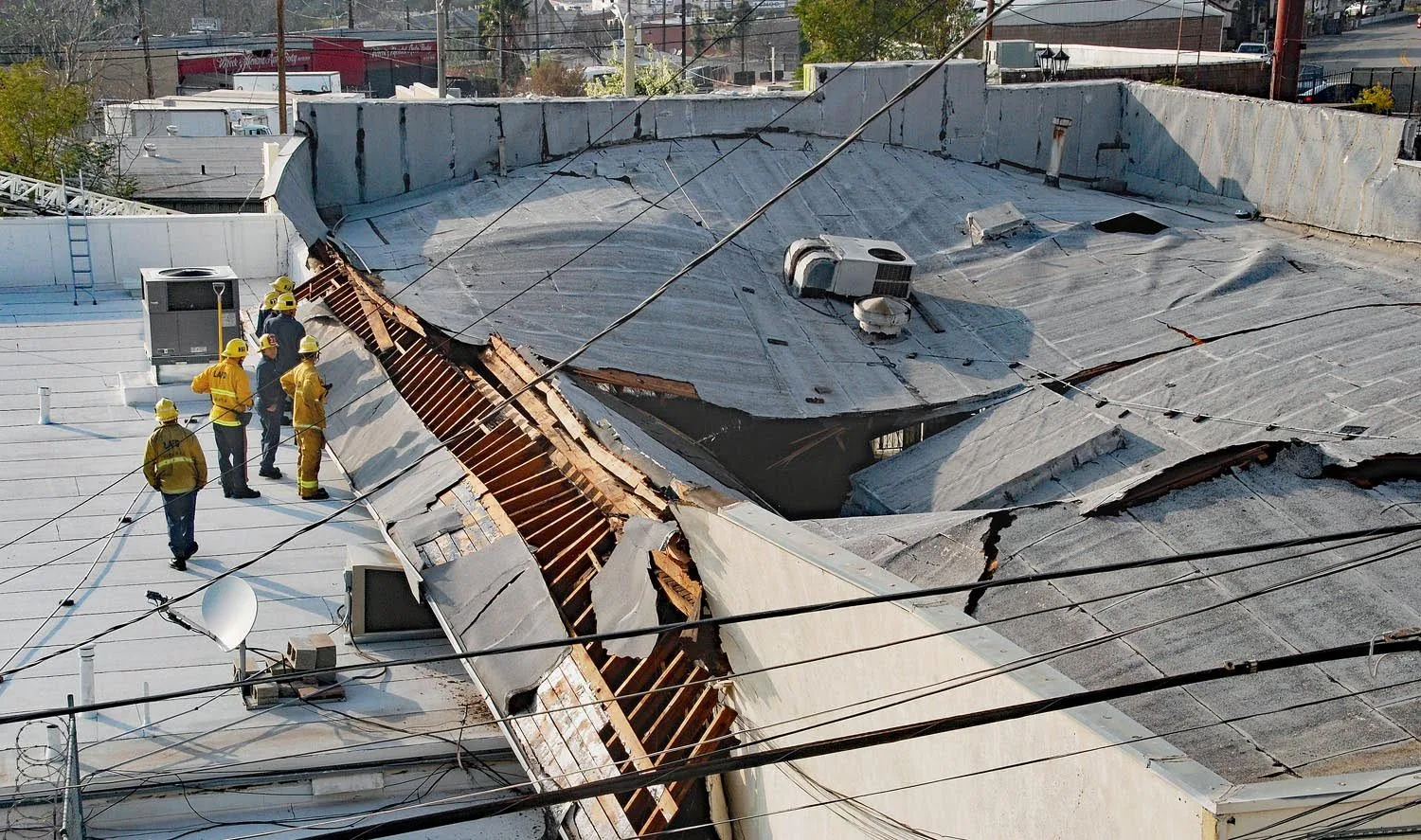
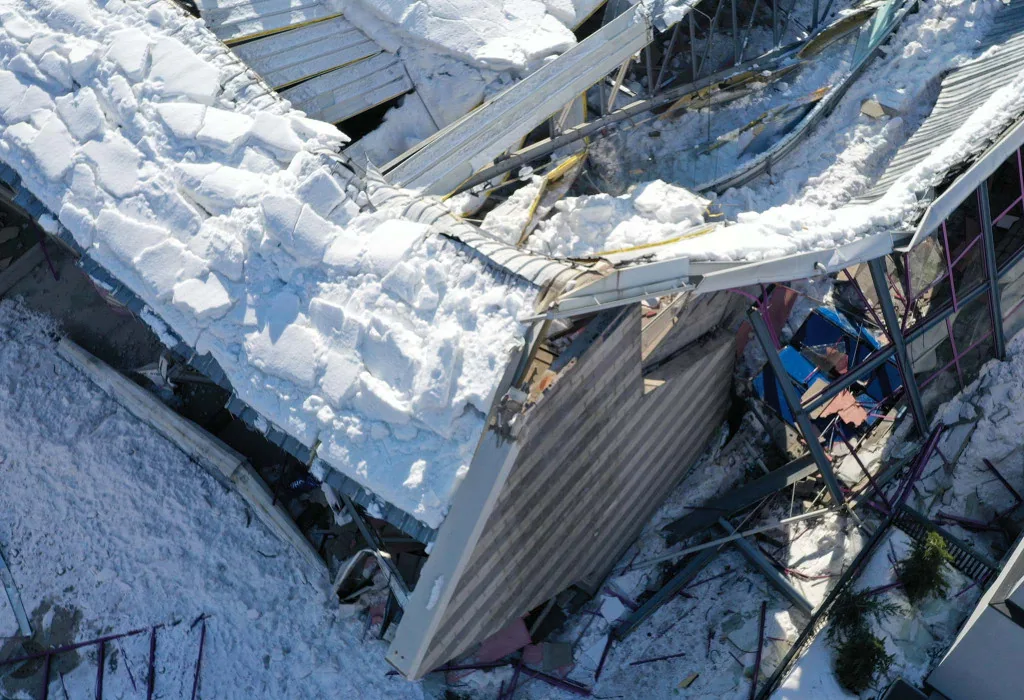

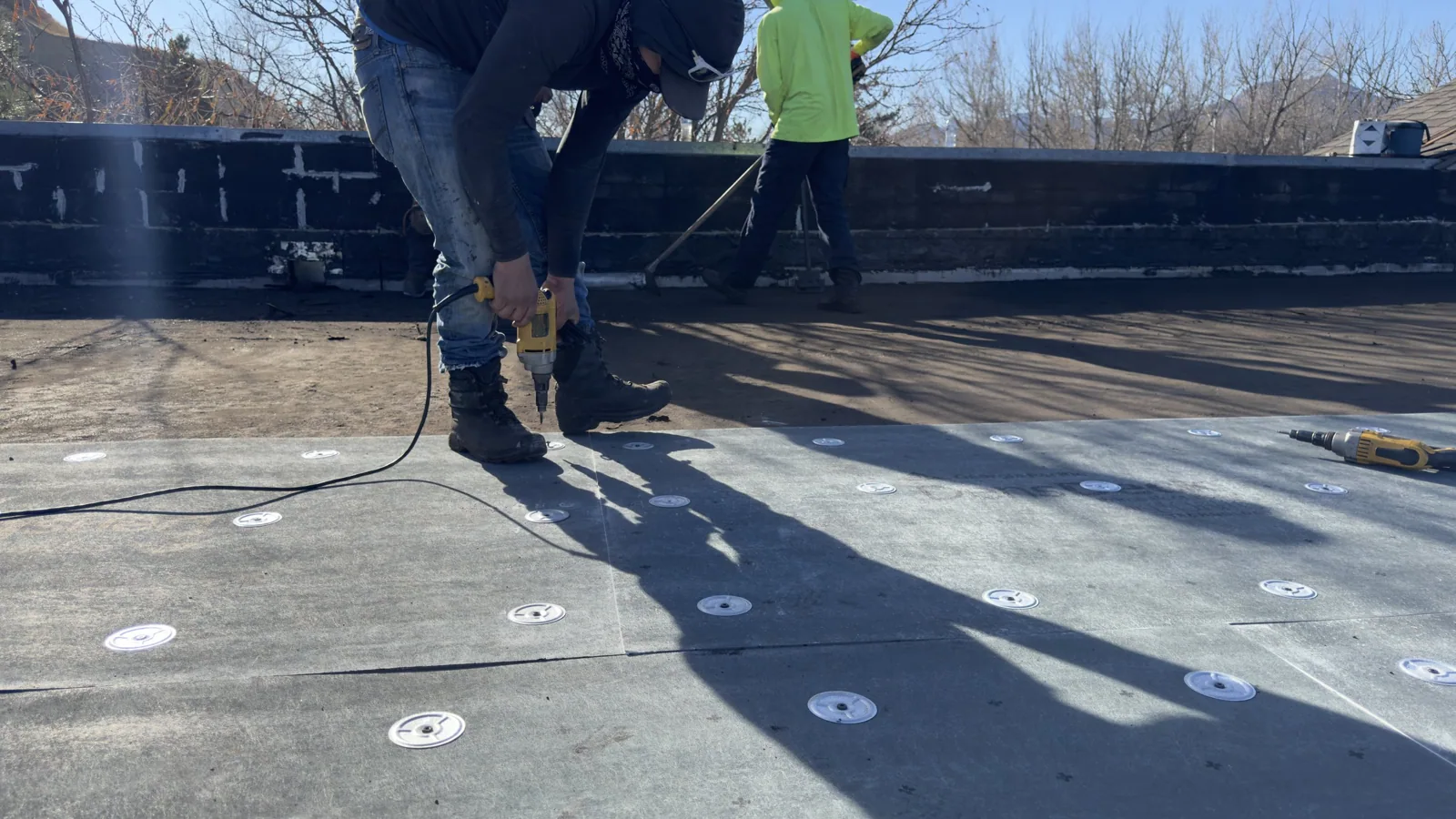

From distribution centers to clinics and schools, we roof the buildings Rochester depends on.
At the property, we check the exact address, map observed roof components and document the conditions before setting a repair boundary. The storm file ties each finding to the inspected building and roof section.
We check safe access, locate the affected roof section, trace the likely water path and determine whether temporary protection is appropriate. Photographs show the observed opening and any limit to the inspection. We list the permanent detail work separately so the owner can see what remains after the building is stabilized.
We plan access, material staging and interior protection with the facility contact. A small repair may fit within an agreed work window, while larger removal or wet conditions may require a phased sequence. The scope identifies the areas opened, daily tie-in point and any rooms or operations that need coordination.
Keep the property address, event date, photographs, roof plan, prior repair notes, inspection findings, temporary protection record and permanent repair scope. We label each observation by roof section and distinguish event context from confirmed damage. Any inaccessible area or test not performed is listed so the record does not overstate what was established.