Water is coming into the building right now
Call us and tell us where the water is showing up. We will get a crew on the roof to stop the leak and protect the space below.

Roof Damage Repair
Inspect commercial snow and ice roof concerns in Rochester, MN with documented drainage, membrane and edge findings and coordinated repair limits.
Call us and tell us where the water is showing up. We will get a crew on the roof to stop the leak and protect the space below.
We walk the roof, photograph what we find and give you a written scope with repair options before any work starts.
Rochester, MN
A drain bowl packed with ice can leave meltwater standing at a seam even after snow has slid from the field. We check the outlet, overflow route, nearby membrane and edge details before deciding whether there is damage or an active leak. The first inspection records where snow or ice was reported, what remains on the roof and whether water entered the building. Photos are tied to the address and section rather than a general winter note.
The 1991-2020 normal seasonal snowfall for Rochester totals 46.3 inches, with most of the season's accumulation from December through March. We use that December-through-March window to schedule drain and edge checks; structural capacity is evaluated by a qualified professional when conditions call for it. A commercial building in Byron or near Rochester Technology Campus needs its own roof review, safe-access plan and drainage assessment. We inspect the actual surface and document any concern that needs a structural evaluation.
Provide the Rochester-area address, date and location of the snow or ice concern, roof plan and site contact. We will inspect accessible drainage and membrane details, document any safety limits and return a defined repair or follow-up scope.
We examine drains, scuppers, overflow routes, seams, parapets, coping, gutters and penetrations for ice blockage, movement or water entry. On low-slope roofs, melt can collect at a low point or travel beneath a membrane before becoming visible inside. We record the time and conditions reported, interior location, water path and photos from safe access. Where snow obscures the roof, concealed details remain unverified until they can be safely inspected.
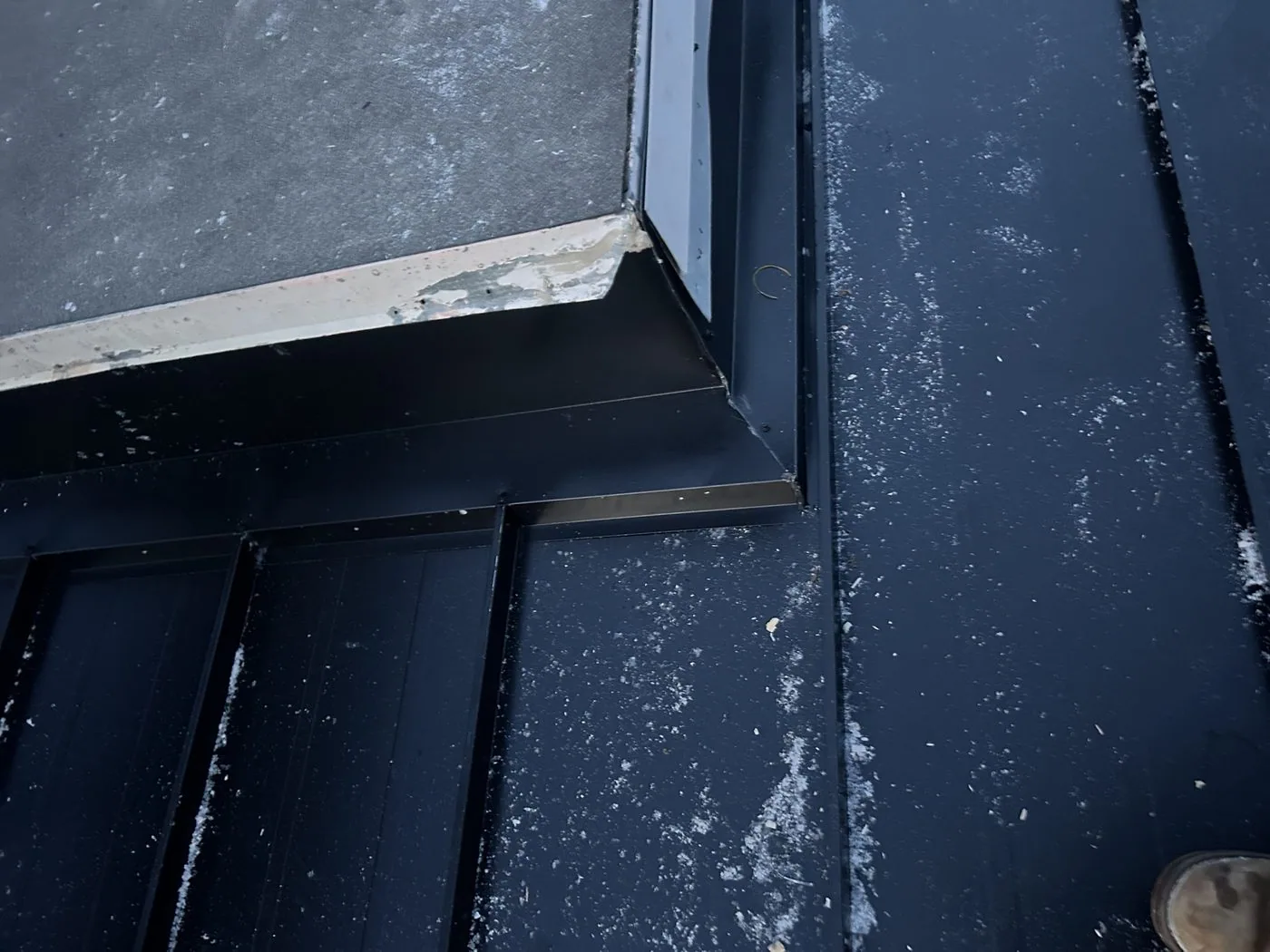
Ice at an edge or drain does not by itself identify a roof defect. We check whether the membrane remains secure, the flashing is intact and the outlet is open, and note damage caused by removal efforts if visible. A winter drain inspection records the outlet and overflow route; a seam condition check tests a lap where water has collected. The report separates snow cover, blocked drainage, ice formation and confirmed membrane damage.
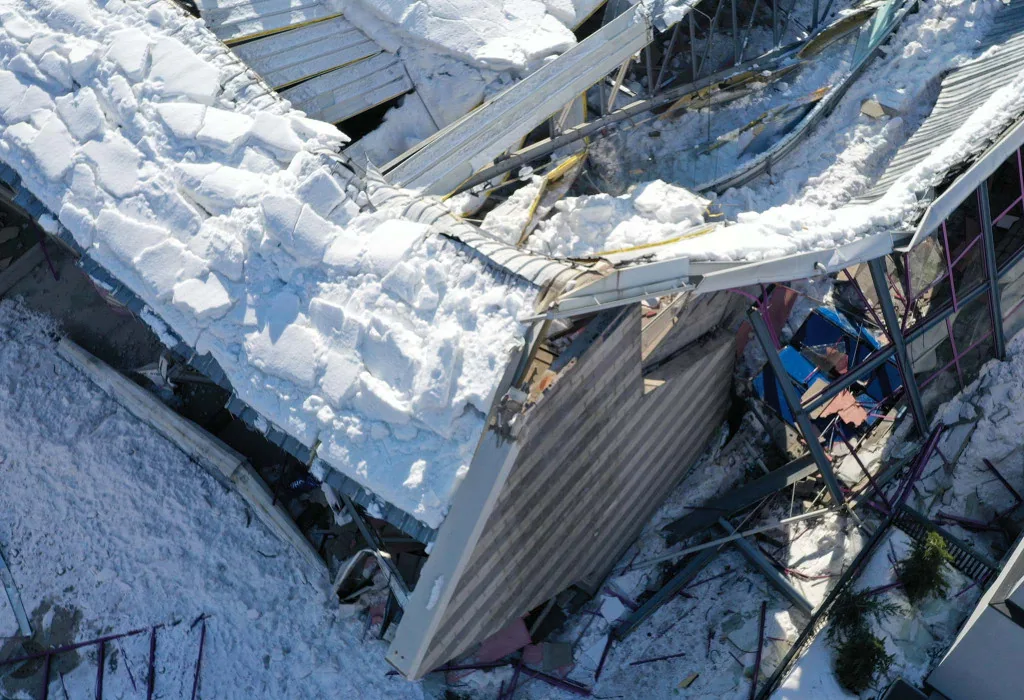
If water is entering, we assess safe roof access before placing temporary protection. No one should load or clear a roof based on a visual estimate of snow depth or a guess about capacity. If the building team sees structural movement, unusual sounds or other distress, it should keep people clear and contact a qualified structural professional or emergency authority. Roofing work begins only after the area is released for safe access.
When access is approved, temporary measures protect a verified opening while preserving drains and overflow paths. We record the date, location, attachment method and limits, then coordinate the permanent repair. Emergency commercial roof response is available at any hour, including holidays, once safe entry is authorized. A commercial emergency response can address an active opening, and the closeout identifies what remains for a later inspection rather than presenting temporary protection as a final correction.
The field record names the property, roof section, date, snow or ice observation, drainage condition, reported interior leak, photographs and access limits. If a test opening or moisture check is made, we identify the location and what it showed. Areas hidden under snow cannot be described as inspected. The owner receives a clear list of confirmed damage, possible water paths and details that need a second visit after the surface becomes accessible.
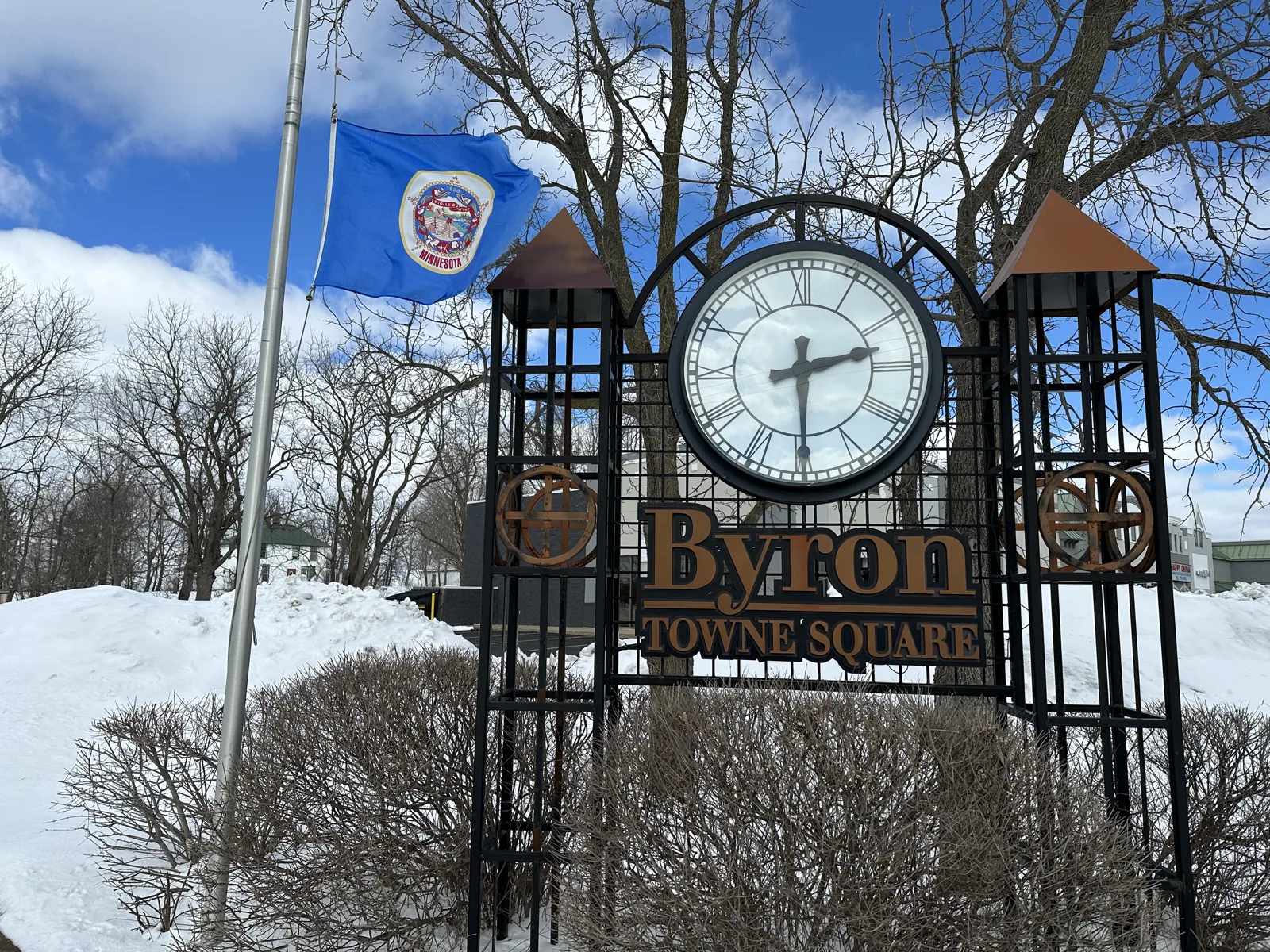
Byron is immediately west of Rochester, with business resources for its Highway 14 interchange and available development lots. We inspect the property itself for snow, ice and roof conditions. A Byron property visit is assigned to its address and building contact. A roof condition report preserves the inspected area and deferred items, useful when a later thaw changes what can be seen.
After safe access, we clear or repair drainage components within the authorized scope, replace split membrane or flashing and close any verified opening with compatible material. If ice movement displaced coping or a termination, we inspect the adjoining edge before resetting it. Wet insulation or deck damage is documented when exposed, and the repair boundary expands only after the owner reviews the finding. Work near an outlet must retain a clear path for water and preserve the intended overflow route.
Some concerns need a wider evaluation than a roof-covering repair. We identify where a structural engineer, building official or other qualified professional needs to review loads or framing. A roof repair scope can address membrane and flashing findings; a wind-related edge inspection is a separate review if movement is also observed. The written scope keeps those conditions distinct and does not assign a design capacity from a roofing walk.
Before the cold season, maintenance can inspect drains, scuppers, seams, gutters and edge transitions while they are accessible. After snow or ice clears, a return visit can compare the actual membrane and metal details with the earlier record. We photograph the same roof section, list any work completed and keep inaccessible items open. This creates a seasonal history without implying that snowfall normal or ice observation alone caused a roof failure.
Byron's Highway 14 interchange is a local business-development location. Property access and safe conditions set the inspection date. A winter-readiness inspection retains drains, perimeter details and next review date. Share the address, snow or leak report, roof plan and site contact; we will return a map of observed conditions and a repair or follow-up recommendation.
Other services, systems and buildings that often come up alongside this work in Rochester.
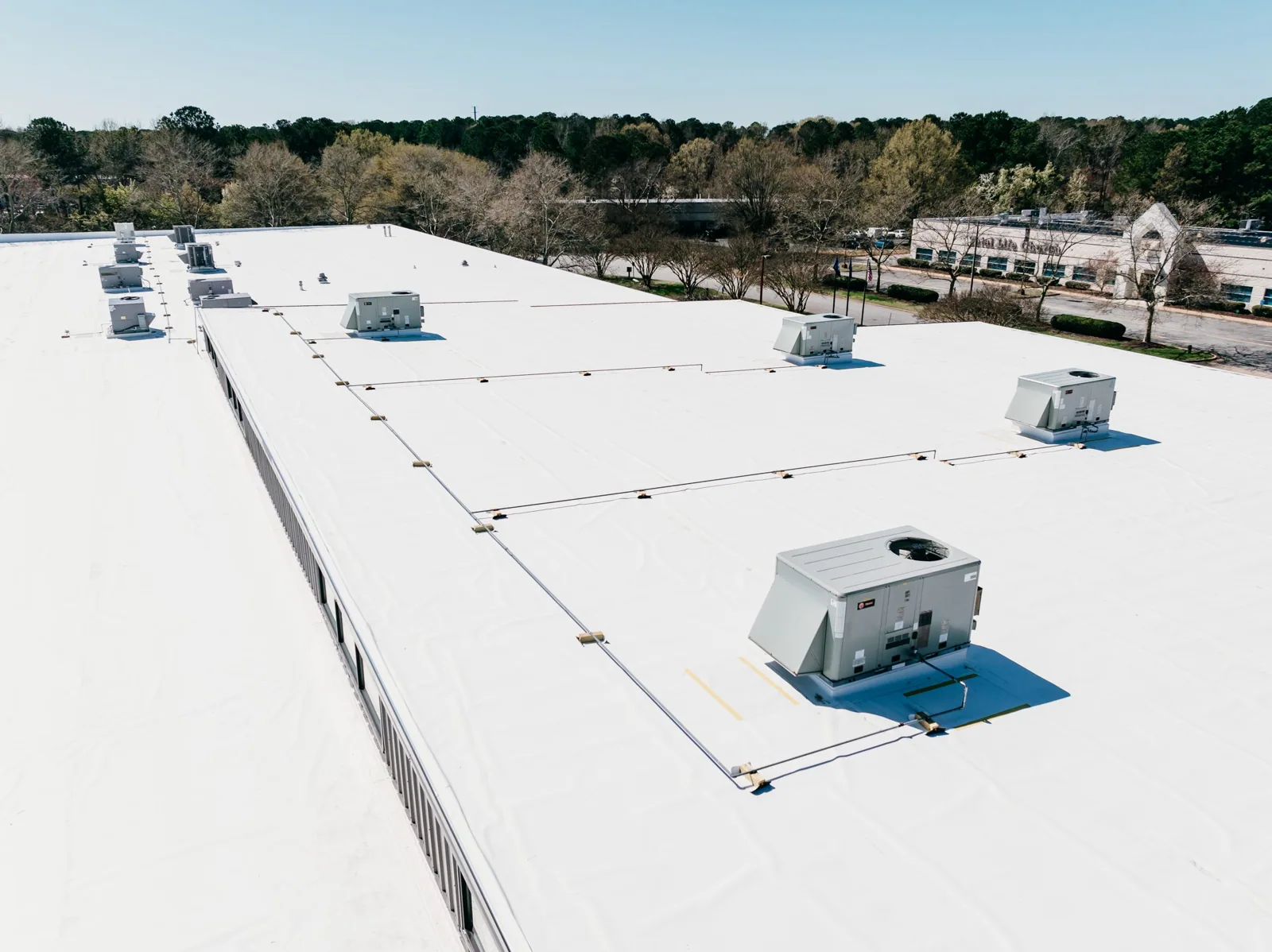
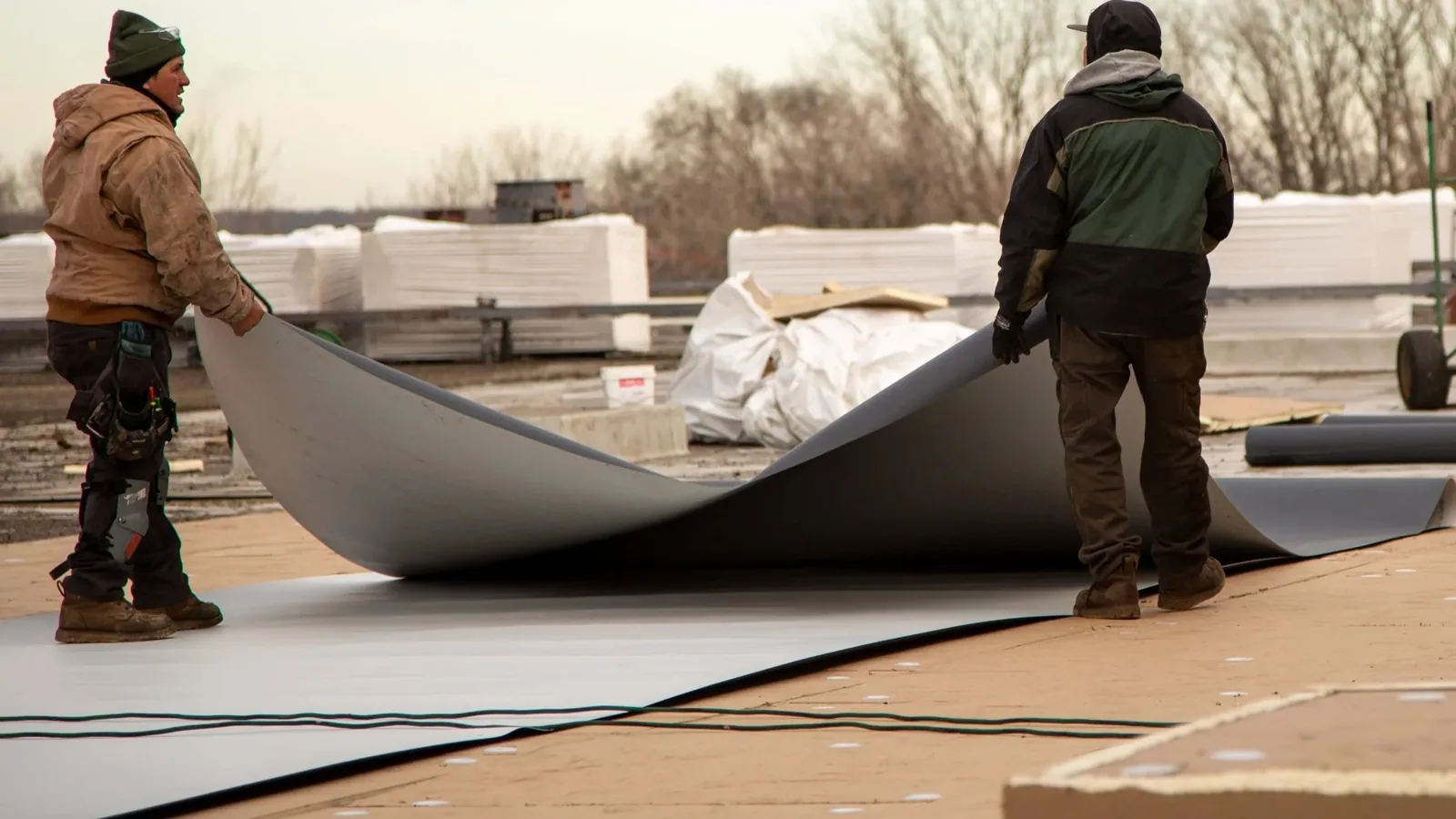
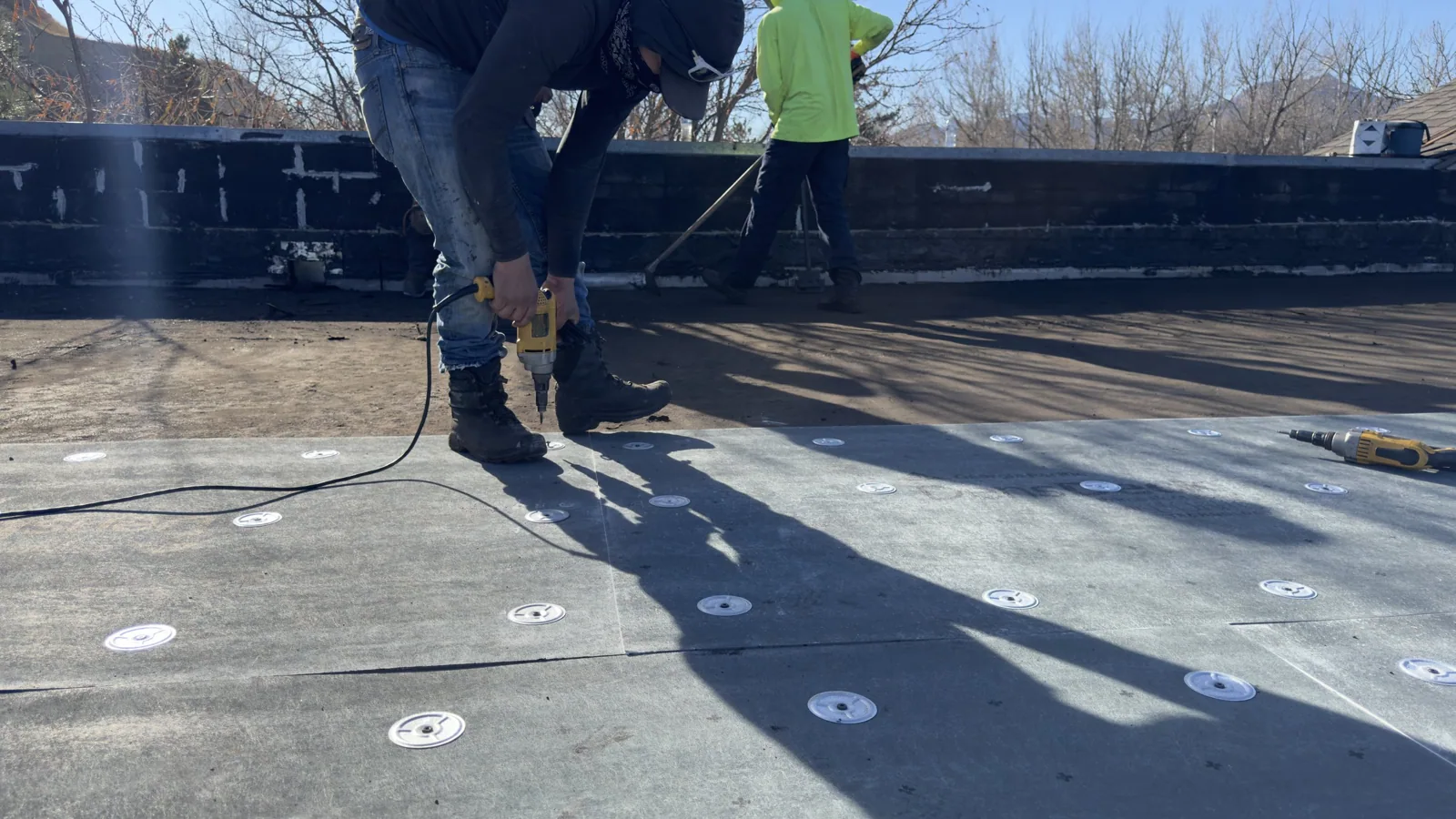
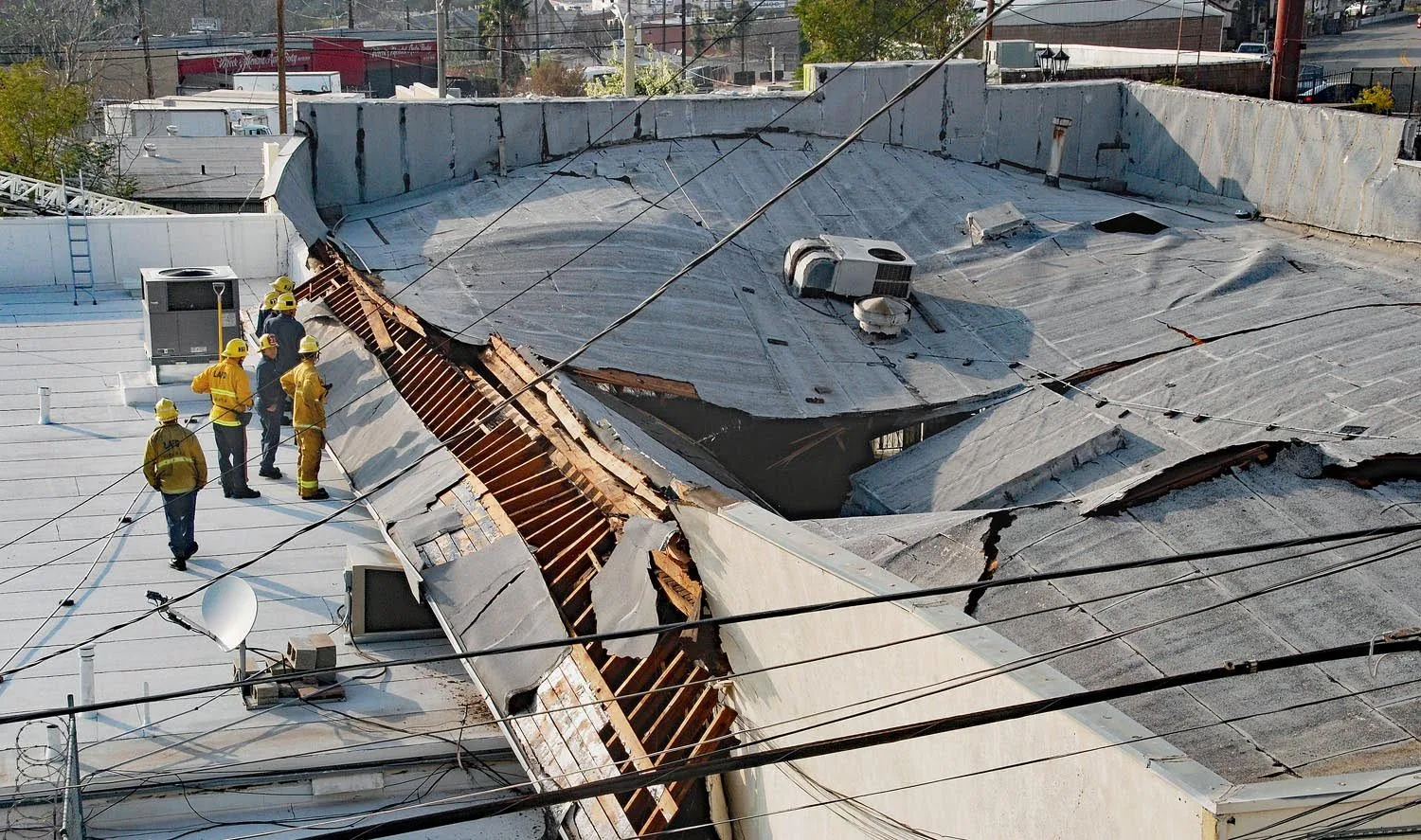

From distribution centers to clinics and schools, we roof the buildings Rochester depends on.
No. A snowfall total is not a measurement of snow load at a specific building. If there are signs of structural distress, the owner should keep people clear and contact a qualified structural professional or emergency authority. We inspect roof-covering conditions only after safe access is established.
We first confirm safe access and the condition of the drain and surrounding membrane. Work must avoid damaging the roof or blocking an overflow route. We record the outlet condition and any damage already present; if removal cannot be done safely, the area remains deferred until conditions allow.
We use the interior report, timing and accessible details to narrow likely paths, but snow can conceal the entry point. The inspection notes what was visible, what was inaccessible and any temporary measure. A follow-up after the surface clears may be needed to confirm the membrane or flashing condition.
Ice at an outlet or perimeter can restrict drainage and expose laps or flashing to standing water. We inspect the actual roof detail and look for openings, displaced metal and interior water. The repair depends on confirmed conditions; ice formation alone does not establish membrane failure.