Water is coming into the building right now
Call us and tell us where the water is showing up. We will get a crew on the roof to stop the leak and protect the space below.

Service Areas
Commercial roof service on Rochester's Fourth Street SE corridor, with access planning for institutional sites, leak tracing, and documented repairs.
Call us and tell us where the water is showing up. We will get a crew on the roof to stop the leak and protect the space below.
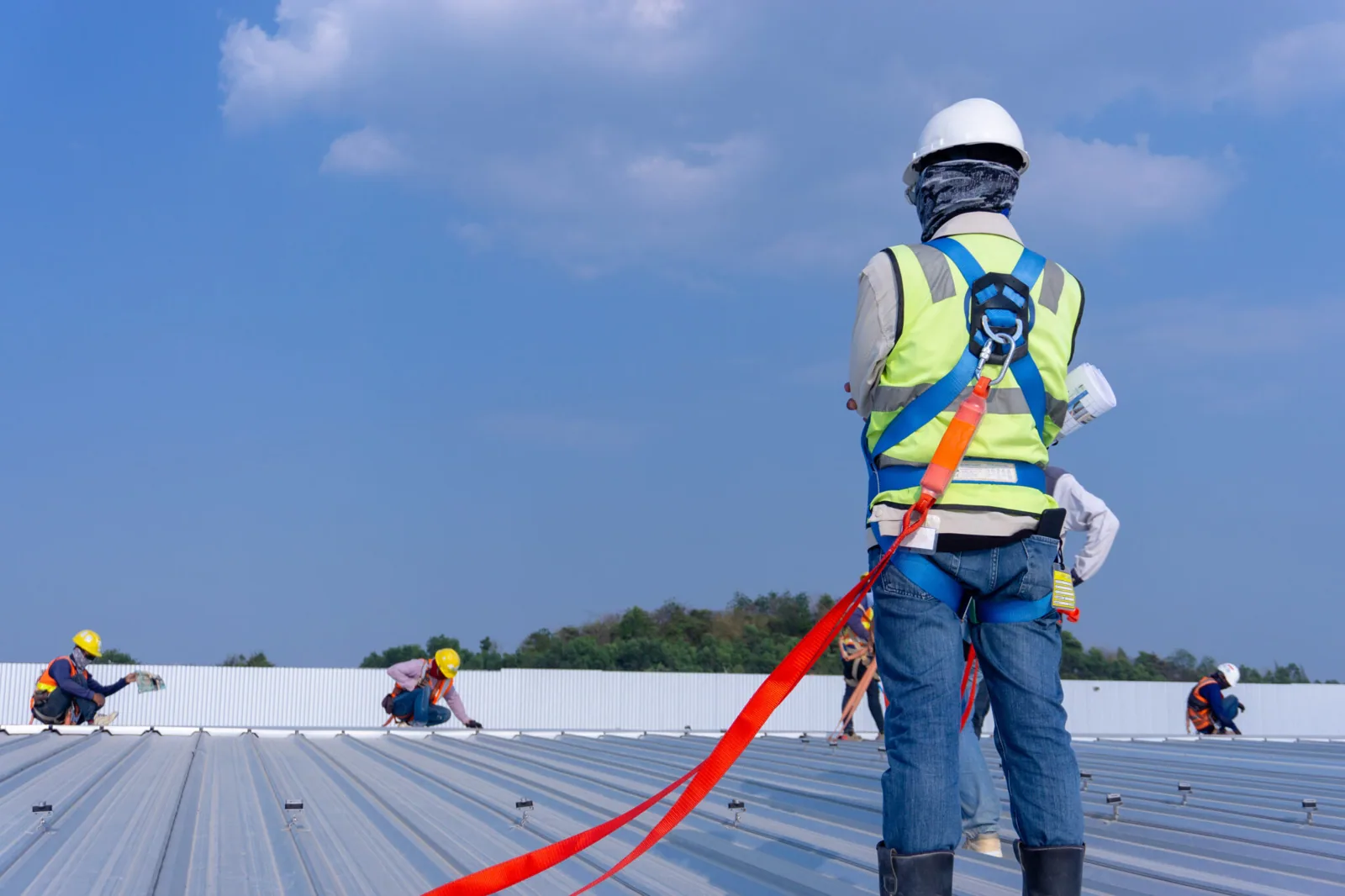
We walk the roof, photograph what we find and give you a written scope with repair options before any work starts.
Rochester, MN
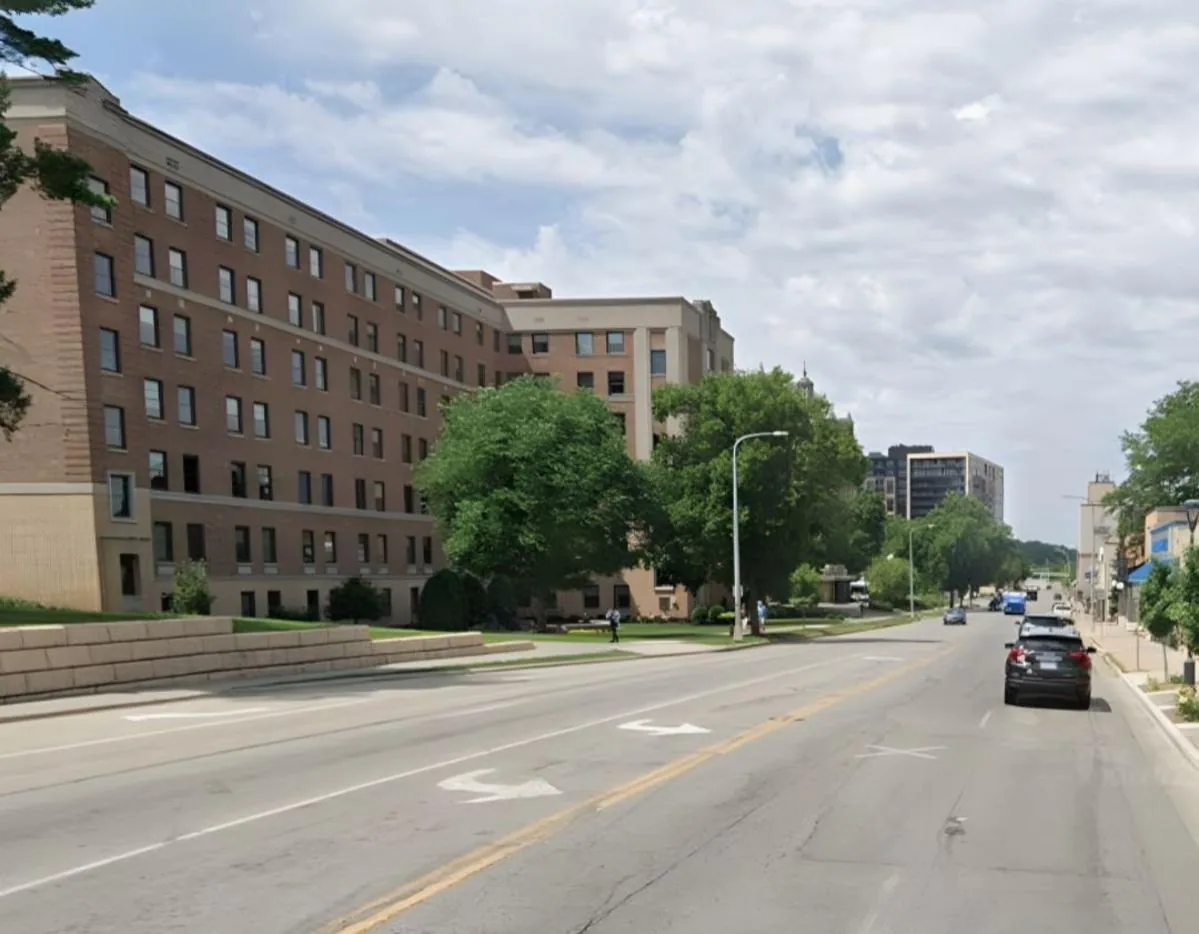
A roof curb above an institutional entrance needs inspection timing, ground protection and a membrane check in the same work plan. Rochester's city plan traces Fourth Street SE from downtown toward civic and education destinations. It names offices for Olmsted County and Olmsted Community Hospital, then separately identifies Rochester Community and Technical College and the Greater University Center. Between those major destinations, the corridor includes scattered low-density commercial development. A roof at any one address still requires its own access confirmation and system identification.
We begin with the building, reported condition and operating contact, then map the relevant roof sections and safe route. An inspection near Second Street SW Corridor or Downtown Rochester is logged separately. Institutional and commercial property types may require different work windows, but we confirm actual use and access at the address rather than infer them from a corridor connection.
Share the Fourth Street SE property address, roof concern, records and access contact. We will coordinate the inspection window and return a measured scope.
We compare the interior report with roof elevations and trace the likely path across seams, penetrations, drains and wall flashings. A stain near an entrance can originate at a curb or upper seam several feet away, so the inspection records candidate details before opening material. A roof inspection pairs location-tagged photos with material observations, test results and areas that could not be reached without an escort or return visit. Where a property includes several additions, we label joints between roof sections and note any change in membrane or drainage direction. Water may cross a seam or travel along a deck before showing below. If a test cut is required, we agree on its location and restoration detail in advance, then document the result before extending work.
The public-serving destinations along Fourth Street make access coordination part of the visit. Their presence does not tell us the roof assembly or a property's operating procedures. The facilities contact confirms access hours, protected entrances, equipment restrictions and staging. If a roof visit requires an escort or a work window between public activity, those limits go into the plan before crew and material are scheduled.
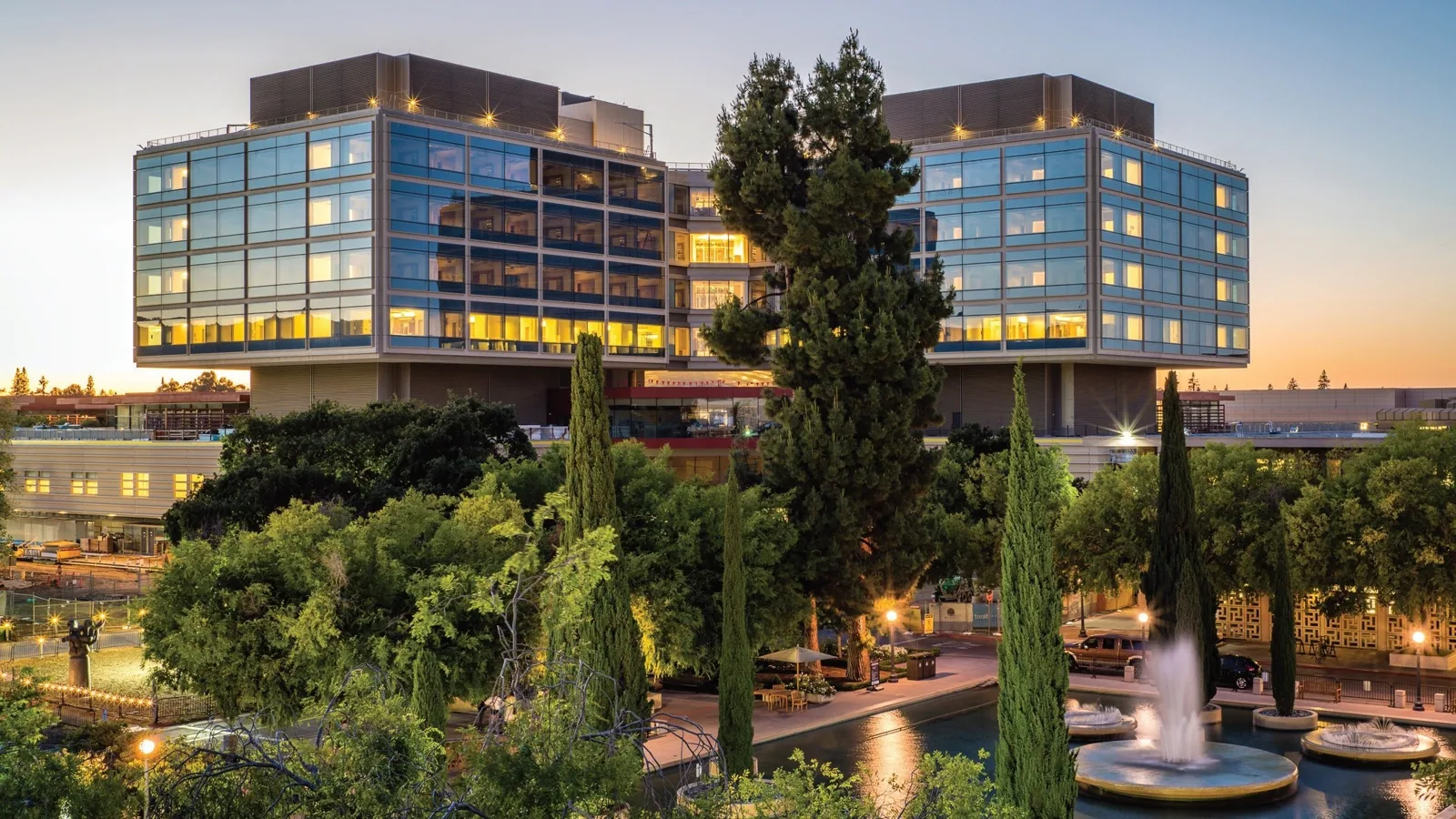
A loose flashing corner, open membrane lap and blocked drain each produce different evidence. We inspect the termination bar, field sheet, drain bowl and adjacent insulation, then identify which component has separated. A hospital roof review or college roof survey still begins with the installed system and accessible roof section, not the institution's name. Any moisture map or test opening is defined by the question it is meant to answer.
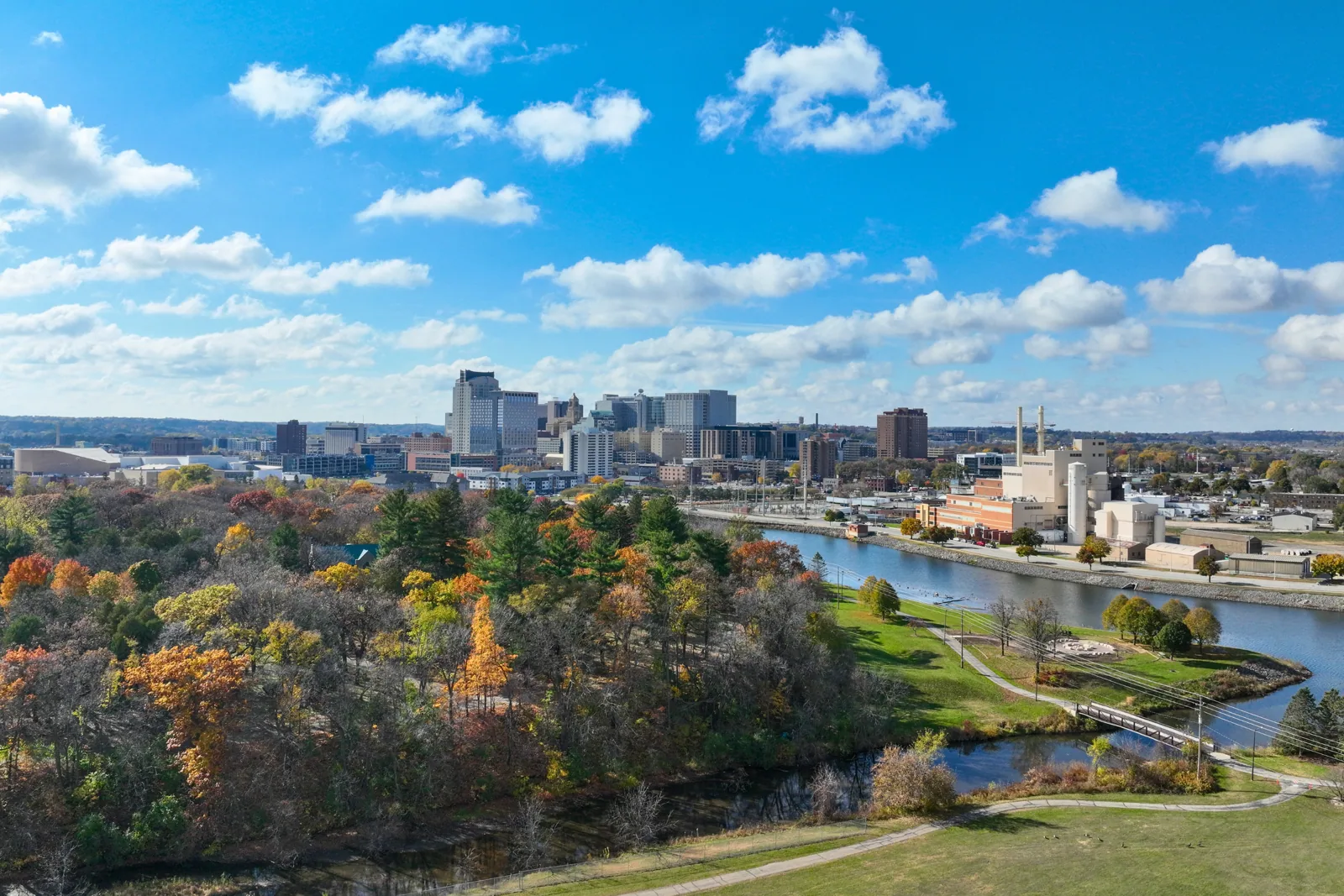
Rochester's seasonal winter average totals 46.3 inches of snow across the 1991 to 2020 climate record, with most accumulation from December through March. For a corridor serving offices and education, that city-level context makes pre-winter drain access and edge inspection useful scheduling choices. It does not establish a defect at an institution or nearby business. We note actual ponding, blocked overflows and loose metal where observed, then record any roof portion covered by snow or outside the approved route.
We identify the roof section to open, the material path, ground protection and the closure expected before the crew starts. The owner sees the repair dimensions and test allowance before concealed layers are disturbed. If an opening reveals wet insulation or a damaged deck, the crew photographs its extent and protects the area while the contact reviews the added work. No permanent expansion is made until the owner approves the revised limit.
Where a corridor property must stay accessible, sequencing can keep one entrance or roof zone available while another is under repair. A phased work plan can set the sequence, barriers and daily tie-in around the building's operating constraints. We name each closure point and the material that protects it overnight. If access is interrupted, the scope identifies what is complete, what remains covered and the condition that must be resolved before returning.
A local leak repair is often the right first step if surrounding membrane and insulation remain stable. Repeated failures or moisture across multiple sections may warrant a broader survey and a comparison of recovery or replacement. We give each option its own measured area, access assumption and open test. A due-diligence roof survey can document current conditions for an acquisition or planning decision without treating future development as approved construction.
The city identifies the Olmsted County Energy Park as a potential mixed-use growth area at the corridor's eastern end. That possibility can make roof records useful for planning, but it does not define a particular building's schedule or assembly. A roof asset register can retain photos, repair dates and unresolved questions by property. A separate visit near Heart of the City should preserve its own work history.
We provide dated photos, confirmed material where possible, repair limits and follow-up conditions under the building's roof labels. The report distinguishes temporary weather protection from permanent correction, and lists any inaccessible area as uninspected. If a test or approval remains open, it states what question the next action should answer. Facilities staff can carry that record into the next maintenance window or capital review.
Send the Fourth Street SE address, roof concern, available plan and the person who can coordinate access. Our written scope will identify the roof areas included, the repair or diagnostic work proposed, and any access condition that could change the visit. Emergency roof response is available overnight, on weekends and holidays. If temporary protection is needed before permanent work, we identify both steps and record who must authorize the follow-up.
Other services, systems and buildings that often come up alongside this work in Rochester.
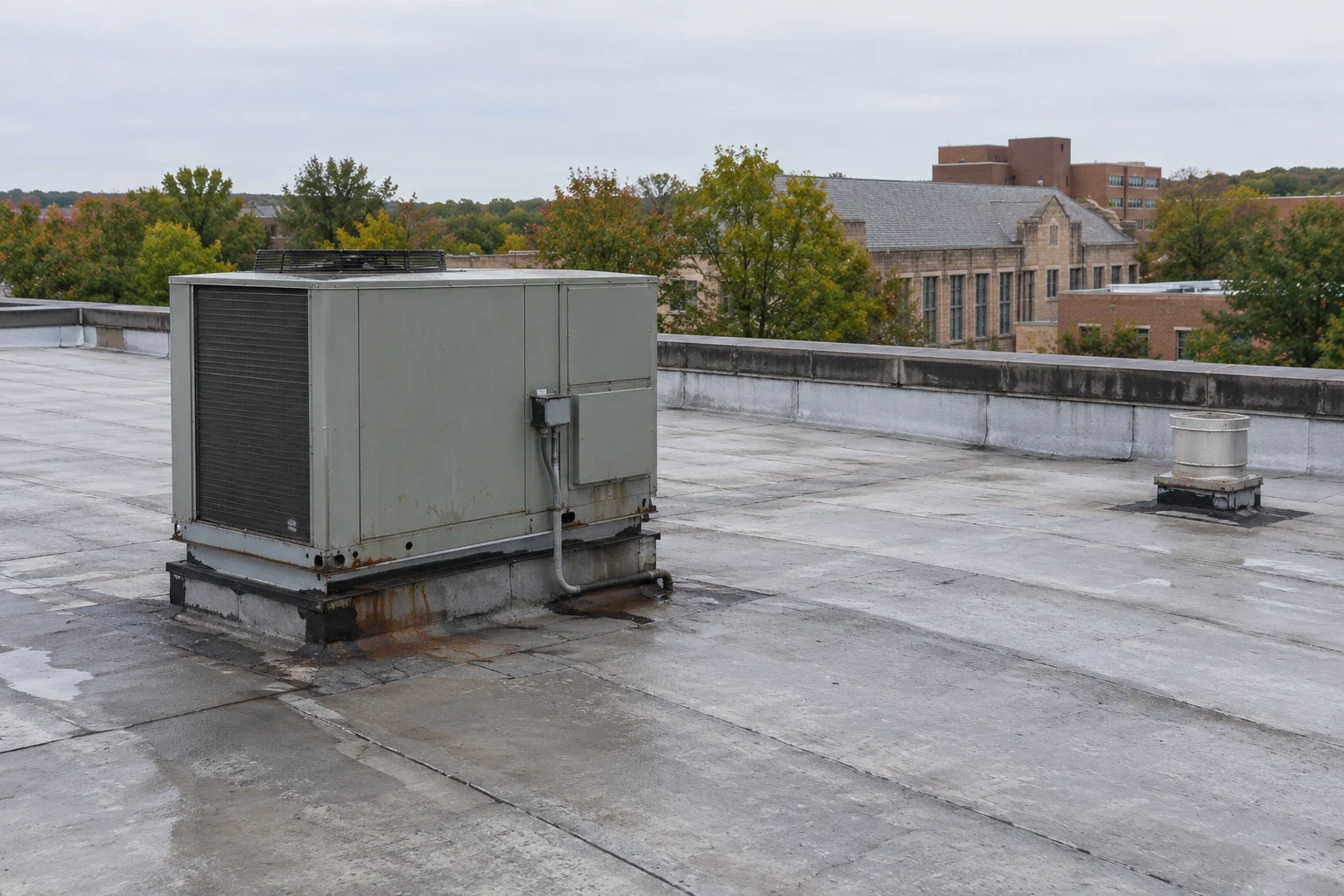
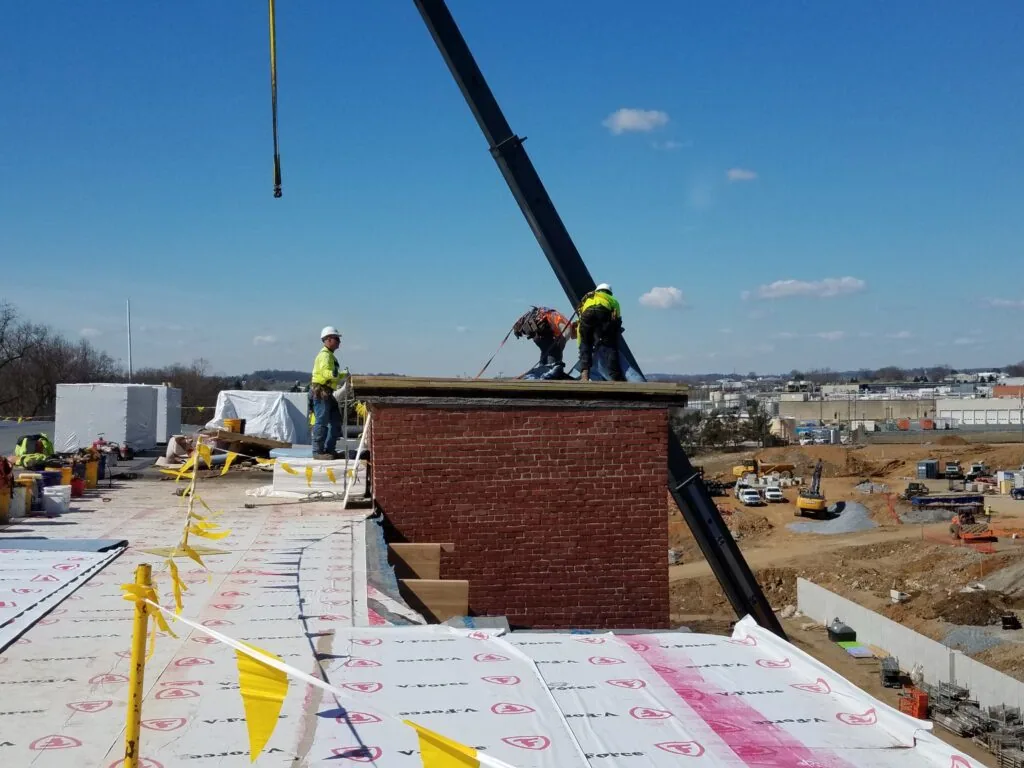
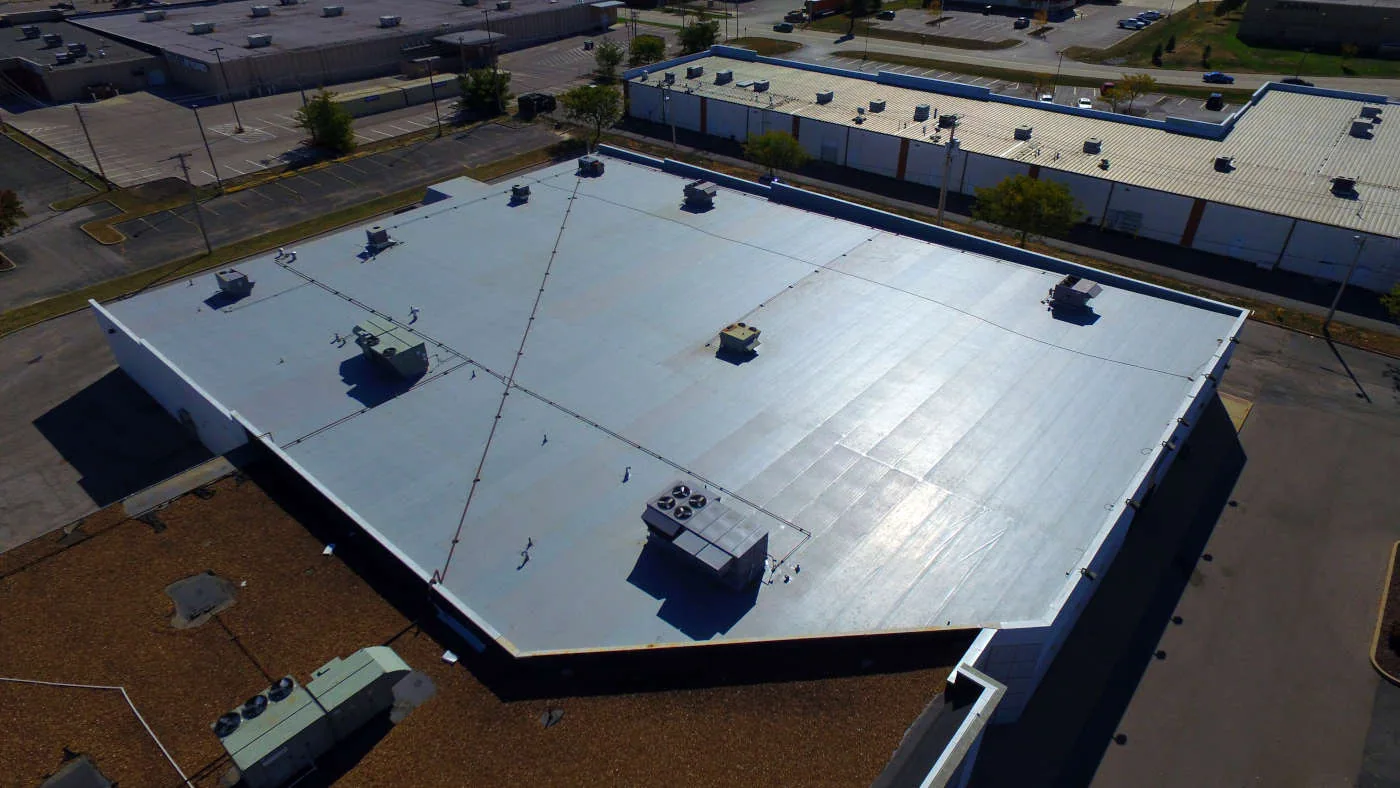

From distribution centers to clinics and schools, we roof the buildings Rochester depends on.
No. The map identifies destinations and connections, not a particular building's membrane or construction. We review records and field details to confirm the assembly, then inspect seams, drains, curbs and flashings in the accessible section.
The property contact confirms operating hours, escorts, protected entries and routes that must remain open. We build those limits into staging and daily closure. If a roof section cannot be accessed during the planned window, we document it and arrange a separate visit rather than assume it was inspected.
We photograph and label each candidate detail, compare them with the interior report and identify the test that would clarify the source. The proposal separates confirmed repair from exploratory work and states the boundary for any opening. This lets the owner approve the next step before material is removed.
It provides future planning context for the eastern corridor, not a construction date or roof requirement. We can document current condition and keep it available for a later capital decision. The roof scope remains based on the building and access reviewed today.