Water is coming into the building right now
Call us and tell us where the water is showing up. We will get a crew on the roof to stop the leak and protect the space below.

Commercial Roofing Services
Correct Rochester roof drainage problems with mapped flow paths, drain-bowl checks, scupper and overflow review, and defined repair limits.
Call us and tell us where the water is showing up. We will get a crew on the roof to stop the leak and protect the space below.
We walk the roof, photograph what we find and give you a written scope with repair options before any work starts.
Rochester, MN
Water beside a drain bowl may indicate a blocked strainer, a high bowl, a depressed deck or a cricket that directs runoff away. We trace the field sheet to each drain and scupper before choosing a correction. The bowl, ring, flashing, overflow and discharge work together. Cleaning can remove an obstruction; it cannot fix a low area or a separated membrane detail.
Rochester's normal seasonal snow total is 46.3 inches, with the highest accumulation period from December through March. We check meltwater routes, drain bowls and scupper connections before and after winter. We map conditions by roof section and access limits. Downtown offices, the Mayo support campus and industrial properties each need their own plan. A roof inspection can show whether the issue is local or part of a wider pattern.
Send the Rochester property address, ponding or leak location, roof plan, system records and access contact. We will map the outlet and define any cleaning, repair or redesign work.
We mark drains and overflows on the roof plan, then walk the flow path. At a bowl, we check the strainer, ring, flange, membrane termination and movement. We note removable debris along with crushed insulation, sediment, standing water and seams stressed by ponding. At a scupper, we inspect the opening, throat, end dams, flashing and discharge point.
The map marks low areas, crickets, slope changes and obstructions by roof section. A note such as “near the back drain” is not enough for a multi-section building. At Crossroads Shopping Center on South Broadway or near Saint Mary's Place, we still need the exact property and roof plan. We photograph the outlet and surrounding membrane, then decide whether a ponding-water repair assessment needs slope or substrate review. Where several sections feed one interior outlet, the plan notes each contributing path so later work does not isolate only the visible low point.
When a ring is loose or flashing is damaged, we select the repair method for the installed system. Work may involve removing failed material, preparing a sound surface, restoring the membrane connection and securing the components. The tie-in extends to sound material, not just the visible gap. We document conditions beneath removed layers and stop for direction if wet insulation or damaged deck changes the work.
Drain replacement or relocation involves the body, deck opening, pipe connection, slope and overflow, not only the top component. We confirm the intended scope and coordinate design or code review before altering the system. A recurring bowl leak may need a separate leak investigation to trace water beneath the membrane. The work order separates cleaning, flashing repair, drain replacement and redesign. We also identify who will maintain the outlet and what access is required after service, since a blocked route can recur if debris enters from an adjoining area. Where the design includes an overflow, we record its opening and discharge separately from the primary bowl. Both paths should remain available after repair, and the closeout notes any elevation or obstruction that needs a later review.
Cleaning removes material that blocks flow. Repair restores a damaged outlet or membrane connection. Redesign addresses a persistent elevation problem that routine service cannot solve. We state whether the proposal changes the outlet, alters slope or only repairs a detail. A second visit after rain or melt can clarify a low area when needed.
DMC describes Heart of the City as the downtown crossroads where Mayo Clinic, commercial, hospitality, retail and residential uses meet. At occupied properties, we note whether downspout discharge crosses an entrance or loading route. A maintenance visit can put strainers on a dated schedule; a TPO detail review helps confirm that membrane work matches the existing assembly.
We confirm access, interior sensitivities, active outlets and debris collection before work. Cleaning is controlled so loose material does not enter the piping. Temporary covers come off before the crew leaves, and the plan preserves drainage if rain or melt is expected.
For membrane repairs, we dry and prepare the area, rebuild the detail, restore flashing and check the tie-in. The scope states any test method and limit. The report records the bowl, material, photos and nearby low areas. Near the Heart of the City, we coordinate pedestrian and loading routes before staging.
The closeout map shows the repaired outlet, nearby roof features and the next part of the flow path. A wide image orients the reader; close views show the ring, flashing and membrane. We list retained material, slope issues, inaccessible outlets and follow-up. If we cleaned but did not repair a drain, the record says so.
The city plan identifies northern industrial clusters with manufacturing, storage and transport uses, alongside downtown office, civic and medical activity. Each roof remains tied to its address. A condition record can retain outlet locations, service dates and repair limits for the next capital review.
The closeout lists cleared debris, repaired details, open slope questions and follow-up. We mark remaining low points and state what further evaluation could resolve them. Photos and the work scope give the next visit a baseline. A clean strainer alone does not establish that every outlet is functioning.
For service, send the Rochester address, roof plan, ponding or leak location, prior repairs and access contact. We will map the outlet route and return a scope that separates maintenance from redesign. Each drain and overflow will be tied to its roof section.
Other services, systems and buildings that often come up alongside this work in Rochester.
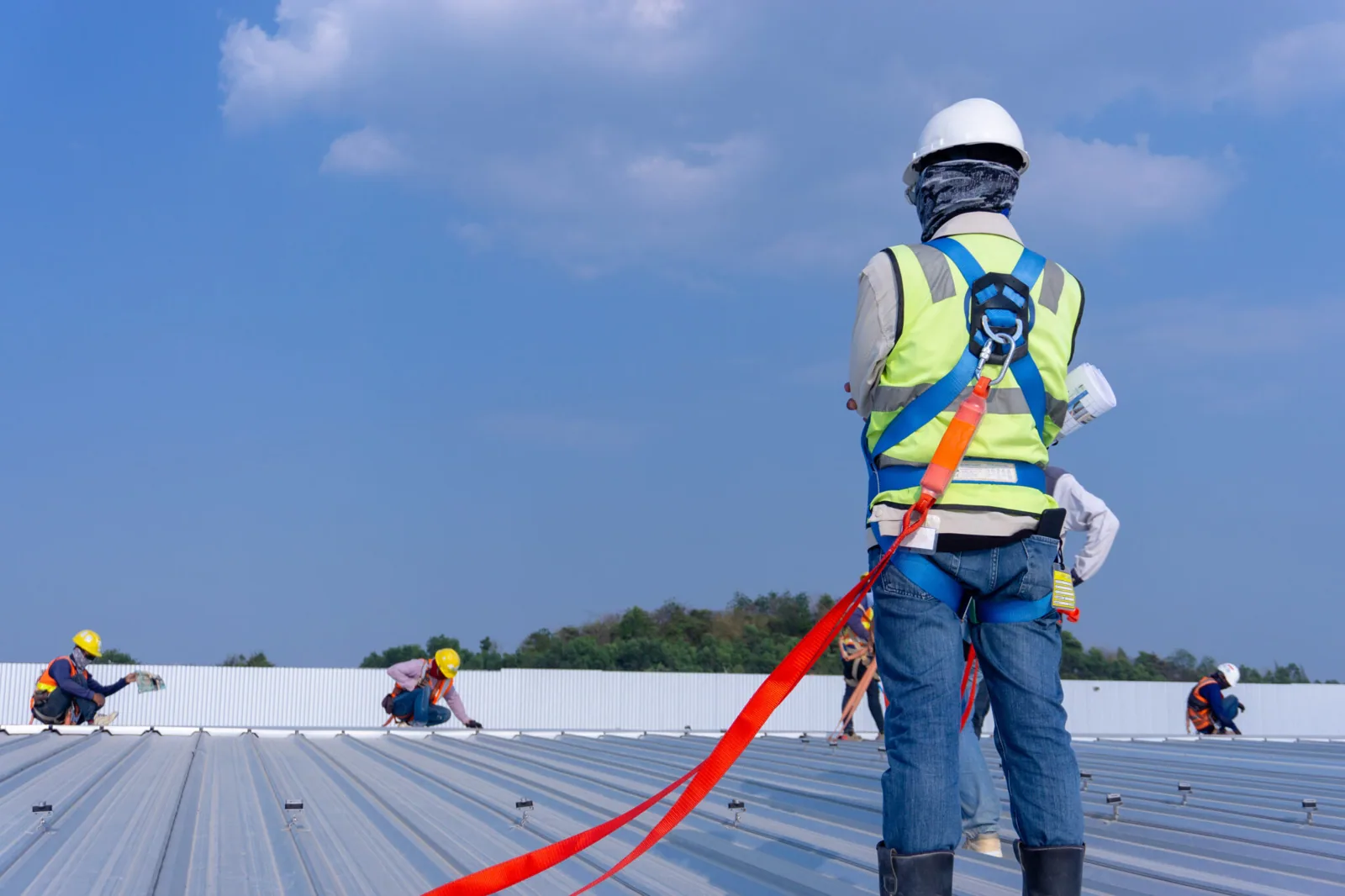
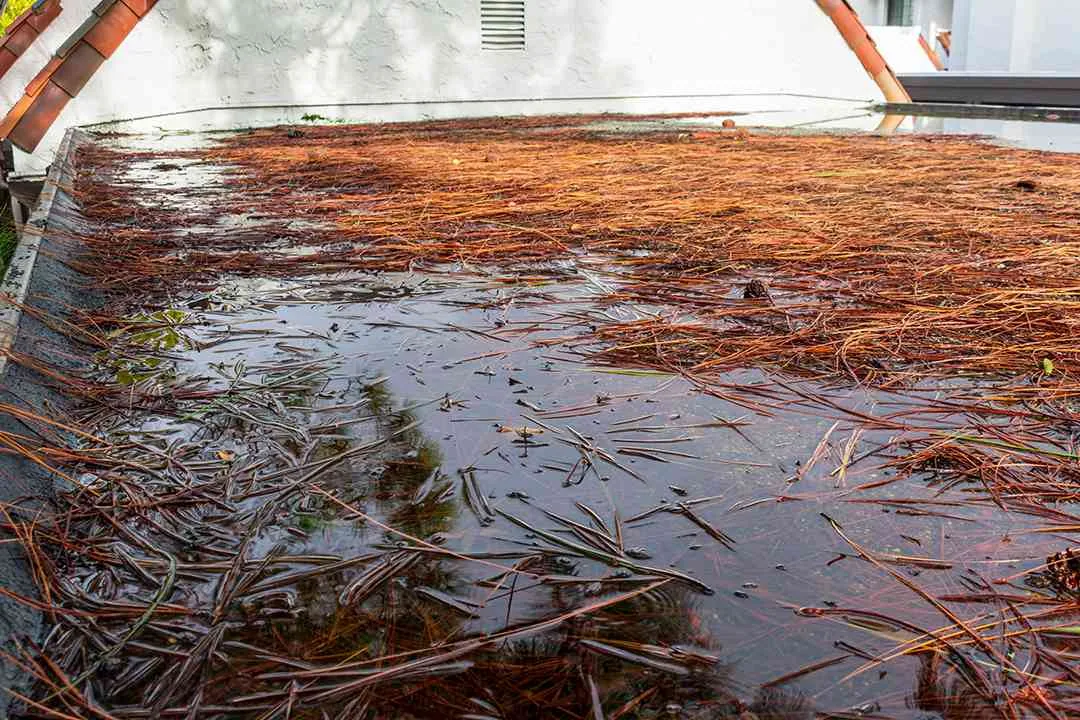
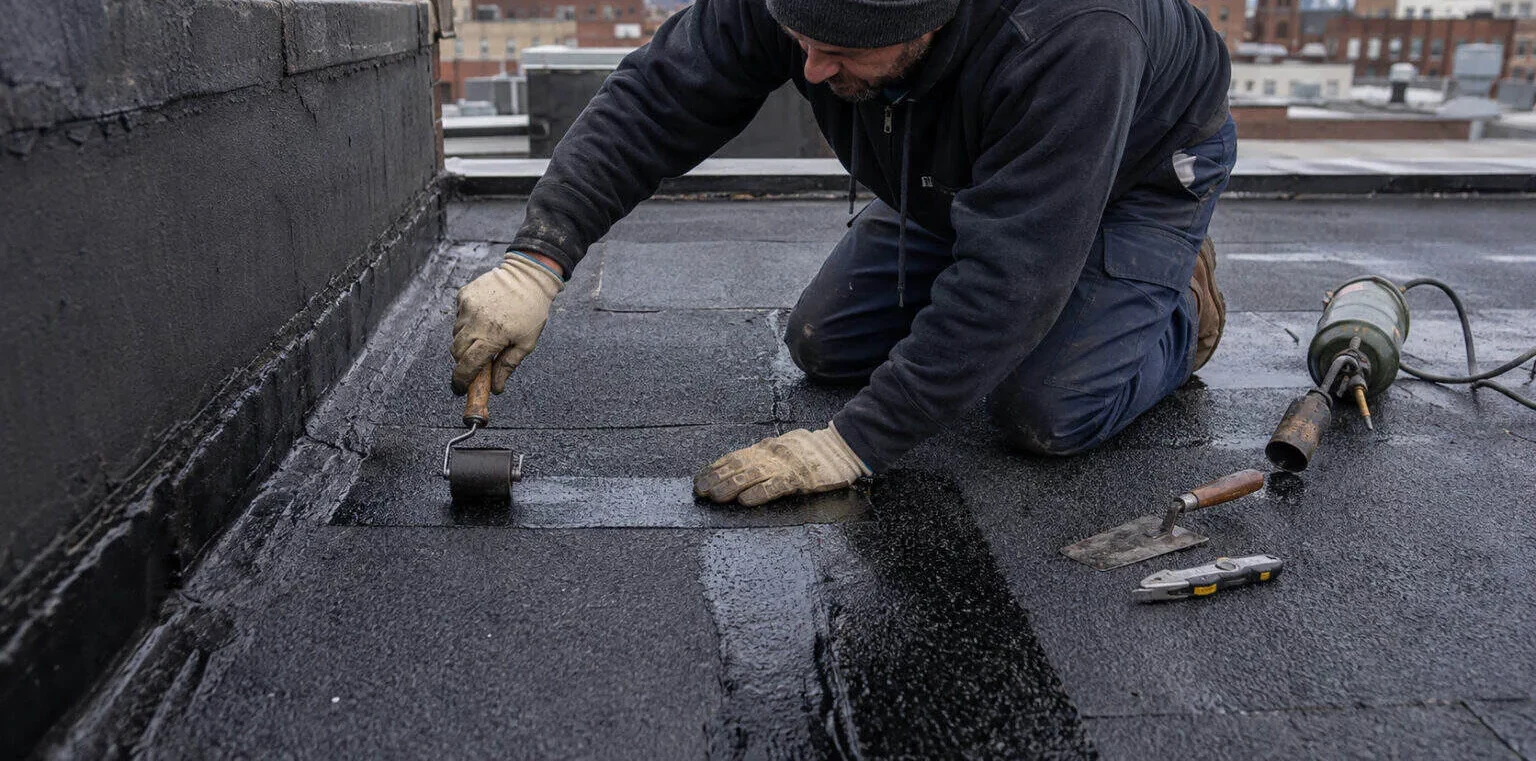
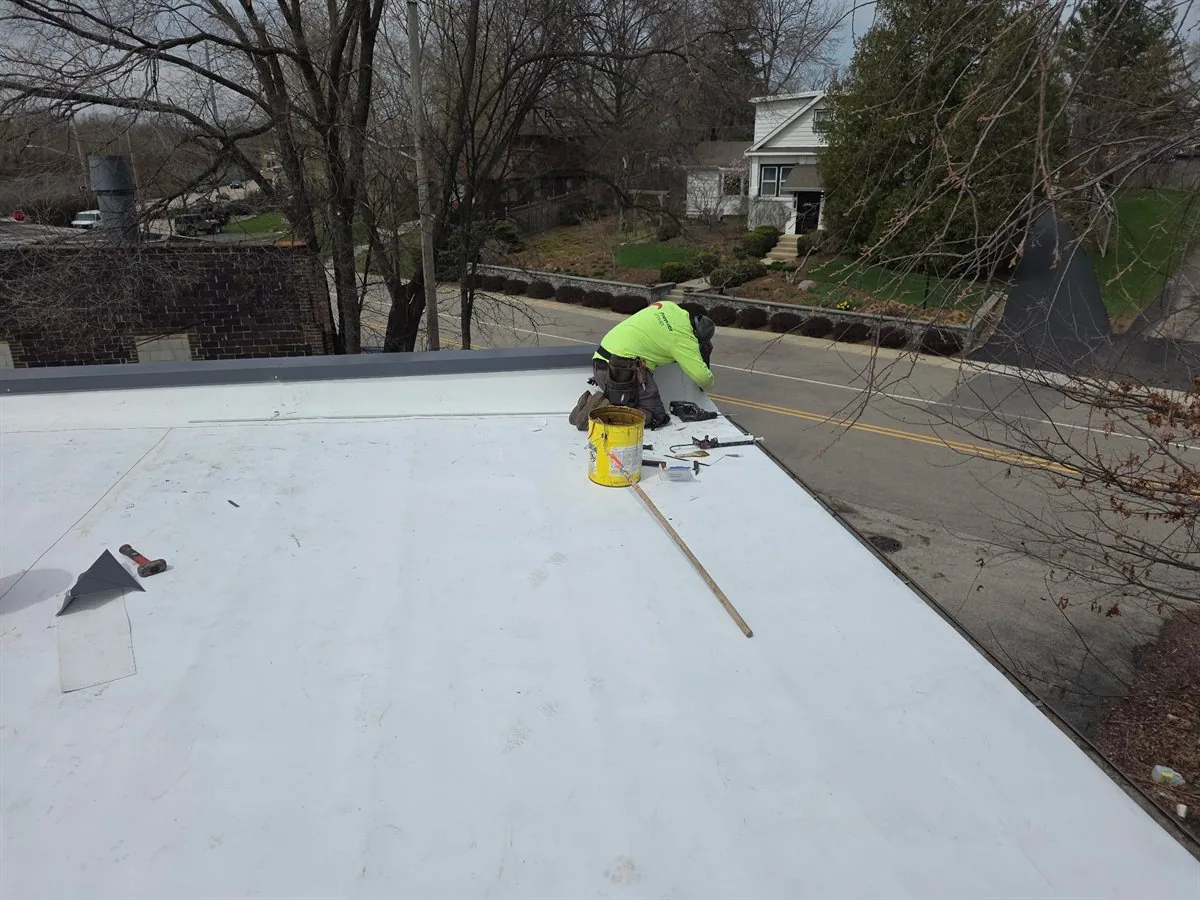
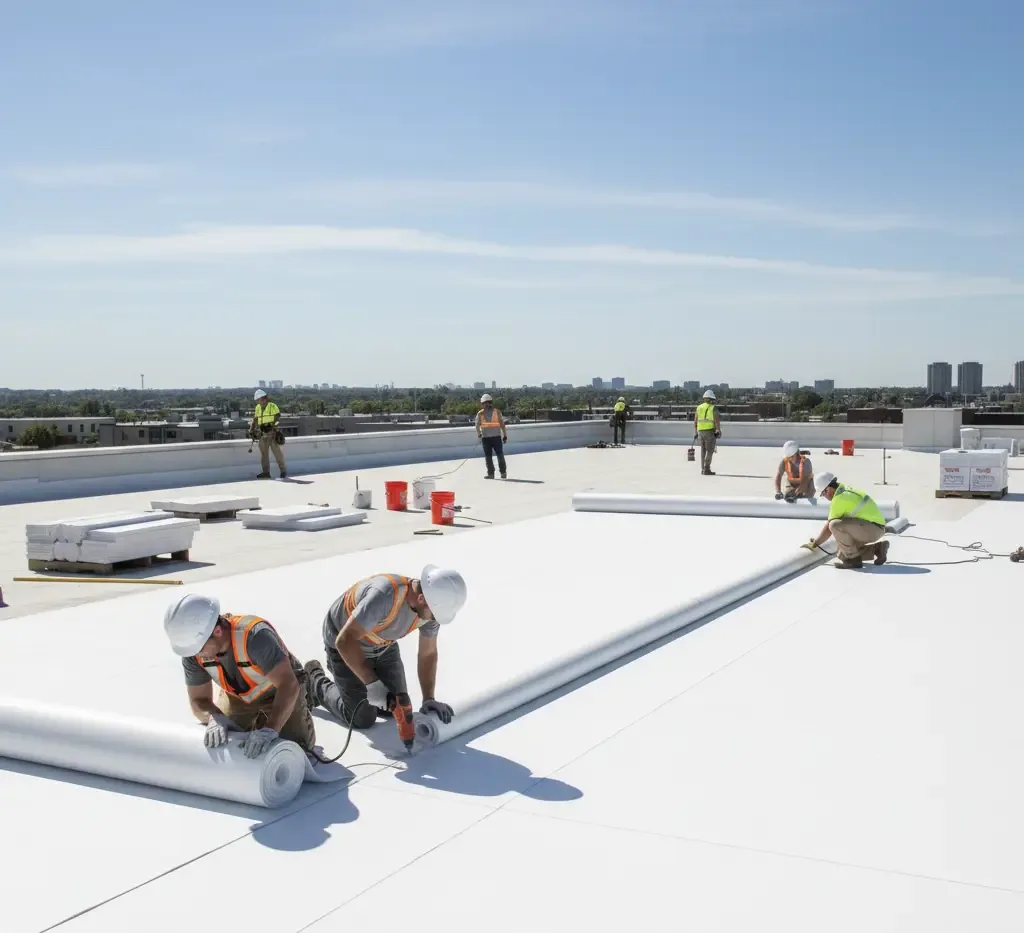

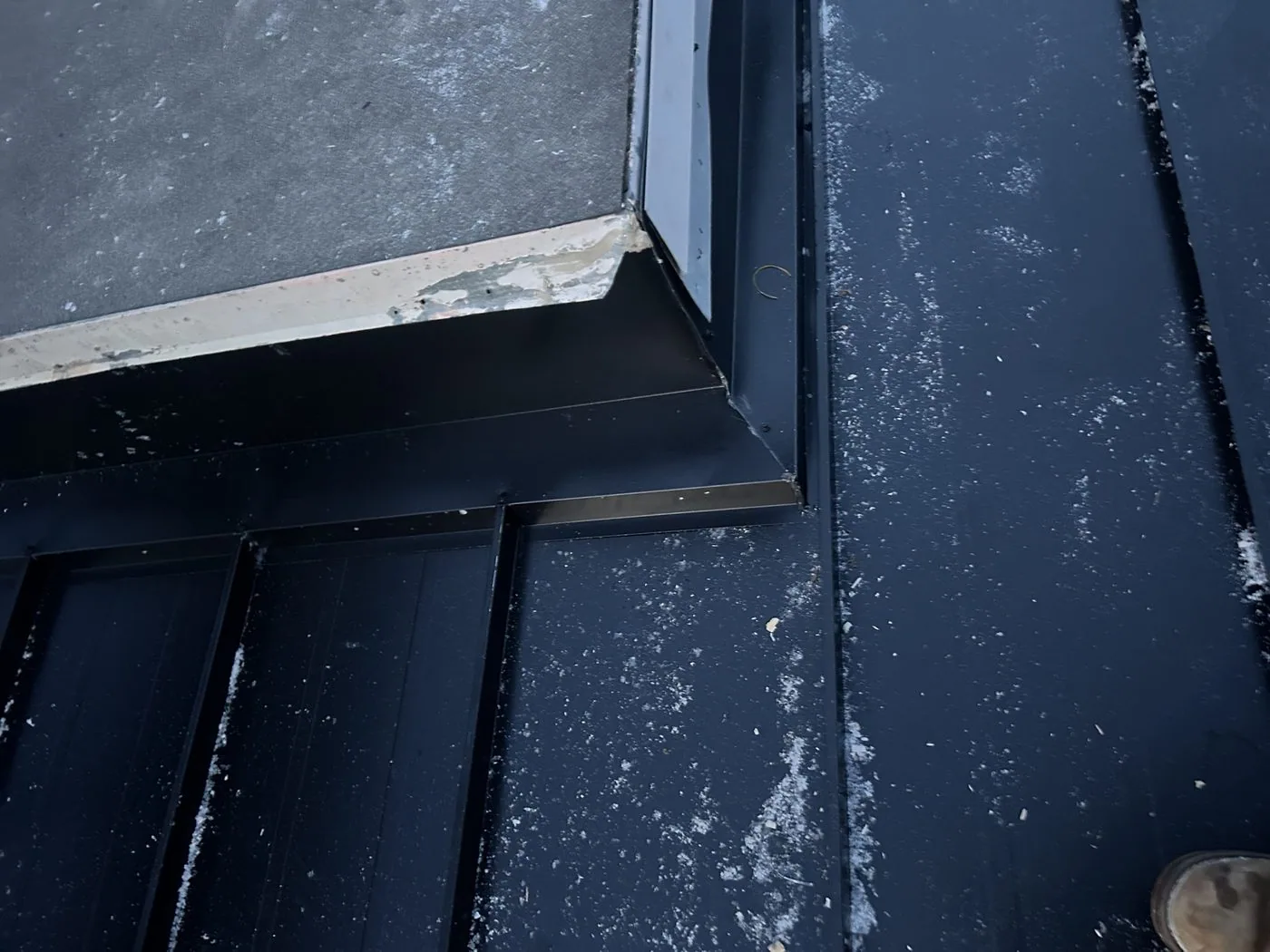

From distribution centers to clinics and schools, we roof the buildings Rochester depends on.
A clear strainer only removes an obstruction. Water may remain because the bowl is high, the deck is depressed, a cricket directs flow elsewhere or the roof has a persistent low area. We map the path and inspect the outlet detail before recommending cleaning, repair or a slope correction.
A local repair may be suitable when the drain connection is defective and surrounding membrane is stable enough for a compatible tie-in. We check the ring, flashing, bowl and nearby assembly, then define the repair limit. Wet insulation, damaged deck or repeated failures can change that recommendation and require owner direction.
Yes. A scupper has a throat and flashing connection, while an overflow provides a separate path when primary drainage is restricted. We record each outlet, inspect its connection and note where the discharge goes. One functioning route does not establish that the other is clear.
The inspection interval should account for roof conditions, debris exposure, prior blockage and the owner's maintenance plan. Rochester's snow season adds a reason to review outlets before winter service, while actual site conditions determine the visit timing. We document the interval discussed and any outlet that needs a shorter follow-up.