Water is coming into the building right now
Call us and tell us where the water is showing up. We will get a crew on the roof to stop the leak and protect the space below.

Roof Damage Repair
Resolve commercial roof ponding in Rochester, MN by mapping low areas, checking drains and documenting whether repairs can correct the water path.
Call us and tell us where the water is showing up. We will get a crew on the roof to stop the leak and protect the space below.
We walk the roof, photograph what we find and give you a written scope with repair options before any work starts.
Rochester, MN
A shallow pool beside a drain bowl may come from a blocked outlet, a settled deck, a compressed insulation area or a slope detail that never carried water away. We map the low point, outlet and overflow route before deciding whether the roof needs cleaning, a repair or a change to its drainage plane. A photograph of standing water records one moment; the inspection must identify the conditions that kept it there.
Rochester’s 1991-2020 climate record lists a 46.3-inch snowfall normal, with most snow between December and March. A ponding assessment records whether the outlet is clear, whether water remains after conditions settle and what slope or drainage evidence is visible; the seasonal statistic does not diagnose a low area or establish structural capacity.
Share the Rochester address, low-area location, timing after rain, available roof plan and access contact. We will inspect the drain path and surrounding details, then return dated findings with repair or maintenance options.
We locate the pond, note its approximate limits and check how the roof surface approaches the drain, scupper or outlet. The inspection looks for blocked strainers, settled crickets, uneven insulation, deck deflection, displaced membrane, open seams and evidence that water has crossed a flashing detail. We record whether the area was wet or dry at the visit and compare available roof plans or earlier photographs. That prevents a single dry inspection from erasing a recurring pond reported after rain.
A drain bowl can sit below the surrounding field yet still receive water poorly if the slope or path is obstructed. We inspect the clamping ring, flashing and nearby membrane, then trace any overflow route. A drain and scupper assessment records the outlet condition, while flashing detail repair addresses an opening at a curb or wall where water collects. The report separates surface ponding from water intrusion so the owner can see whether both conditions are present.
We show the low area on the roof sketch, mark drains and overflows, add dated photographs and note the weather or operating condition reported. If water reached the interior, we record the room and timing separately from the roof pool. A stain may be caused by a nearby seam or penetration rather than the lowest point. If a limited moisture test is recommended, the report states what question it can answer and where the opening will be repaired.
Rochester has retail and service buildings along major roads and downtown, as well as stand-alone commercial properties outside the center. At each property, we verify roof elevations and the drainage path directly before setting a repair boundary. We measure or verify the roof section in scope. A Crossroads Shopping Center service visit still begins with the address and building contact. A roof condition record keeps the pond boundary, tested area and follow-up date available for the next inspection.
When debris is restricting the drain, clearing and documenting the outlet may be sufficient within the authorized maintenance scope. If the drain flashing has opened, we prepare the detail and restore a compatible connection to the field membrane. A depression caused by a localized insulation or substrate problem may require opening the assembly, correcting the underlying condition and rebuilding slope with a suitable tapered detail. We identify the transition to adjacent material so the repair does not create a new dam or narrow the overflow route.
Before making a slope correction, we review the existing layers, drain elevations, structural conditions available and the discharge path. Added material changes height at curbs and edges, so those details are included in the proposal. A roof insulation and cover-board scope can describe the rebuild, while localized roof repair addresses a bounded leak or flashing defect. If broader drainage redesign is indicated, we state the area, design coordination needed and work excluded from the current repair.
A manageable pond caused by a serviceable roof with an obstructed outlet may call for maintenance and monitoring. Persistent water tied to settled insulation, poor slope or recurring seams may need a larger correction. We compare a localized repair, tapered insulation adjustment, recover or replacement by listing test findings, roof layers, structural limits, edge heights, drain details and compatibility. The proposal describes the ponding area and whether the correction changes nearby elevations; it does not use one photograph to characterize the entire roof.
South Broadway is a transit corridor with varied land uses. We confirm delivery and access constraints with the property contact, then base the drainage recommendation on measured roof conditions. A winter water review can check drainage and ice-related observations when safe access allows, and a wind-related edge inspection can address perimeter damage separately. We list which source of water is confirmed and what tests would change the scope.
After the repair or maintenance visit, we retain the low-area sketch, outlet condition, photographs, work performed and any item deferred. A follow-up checks whether water is moving toward the drain and whether a repaired transition remains intact. A recheck after a representative rain can be more useful than a dry-day view, provided access is safe. We note the conditions at the time so a new observation can be compared with the original record.
Downtown Waterfront lies along the Zumbro River and connects to Rochester's downtown street network. At the property, we check the actual roof elevations, outlets and overflow path before making a drainage recommendation. A scheduled maintenance visit can include the drain path and known low areas. Share the property address, pond location, timing after rain, roof plans and access contact; we will return a map and repair options tied to the actual roof plane.
Other services, systems and buildings that often come up alongside this work in Rochester.
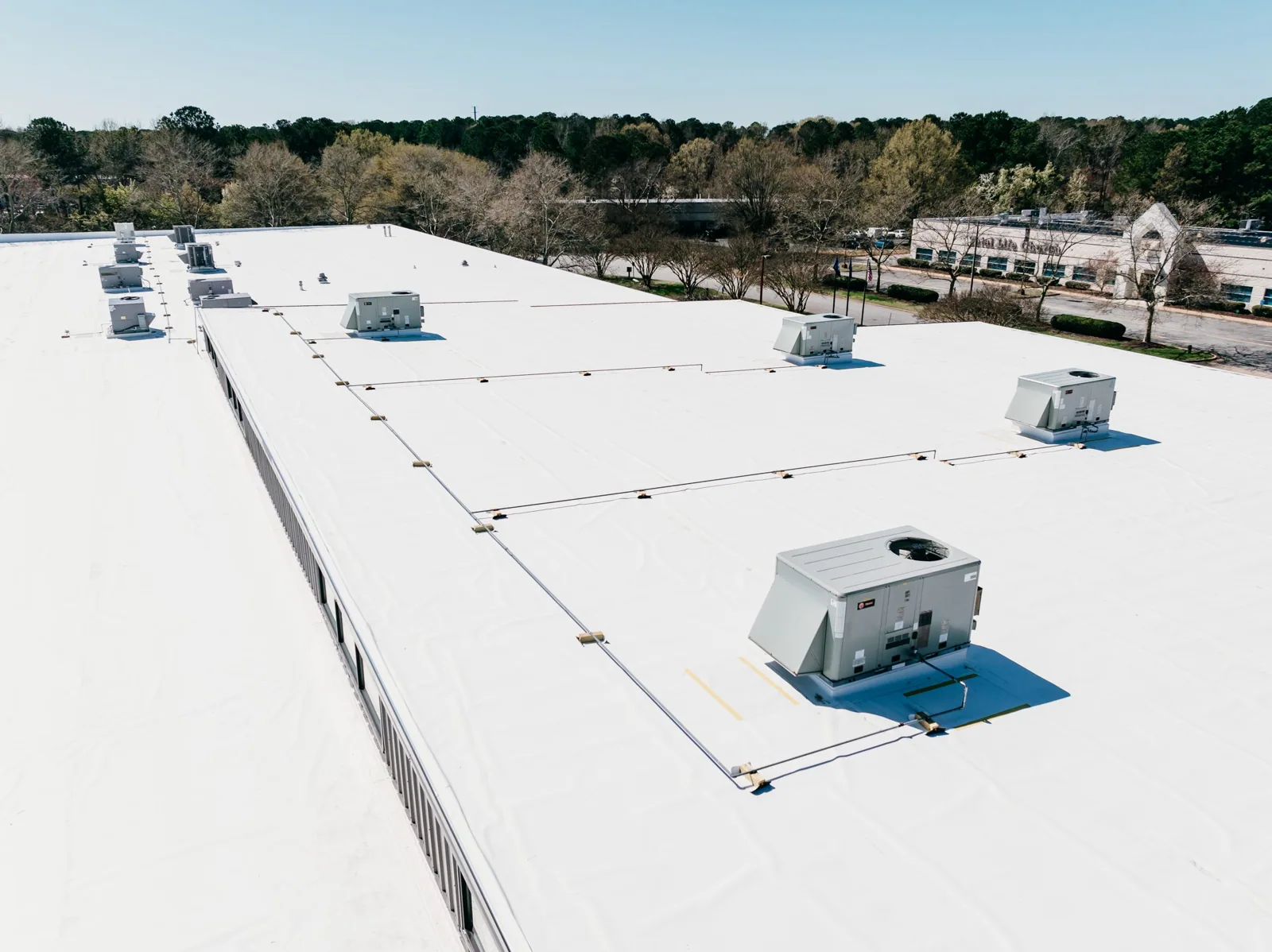
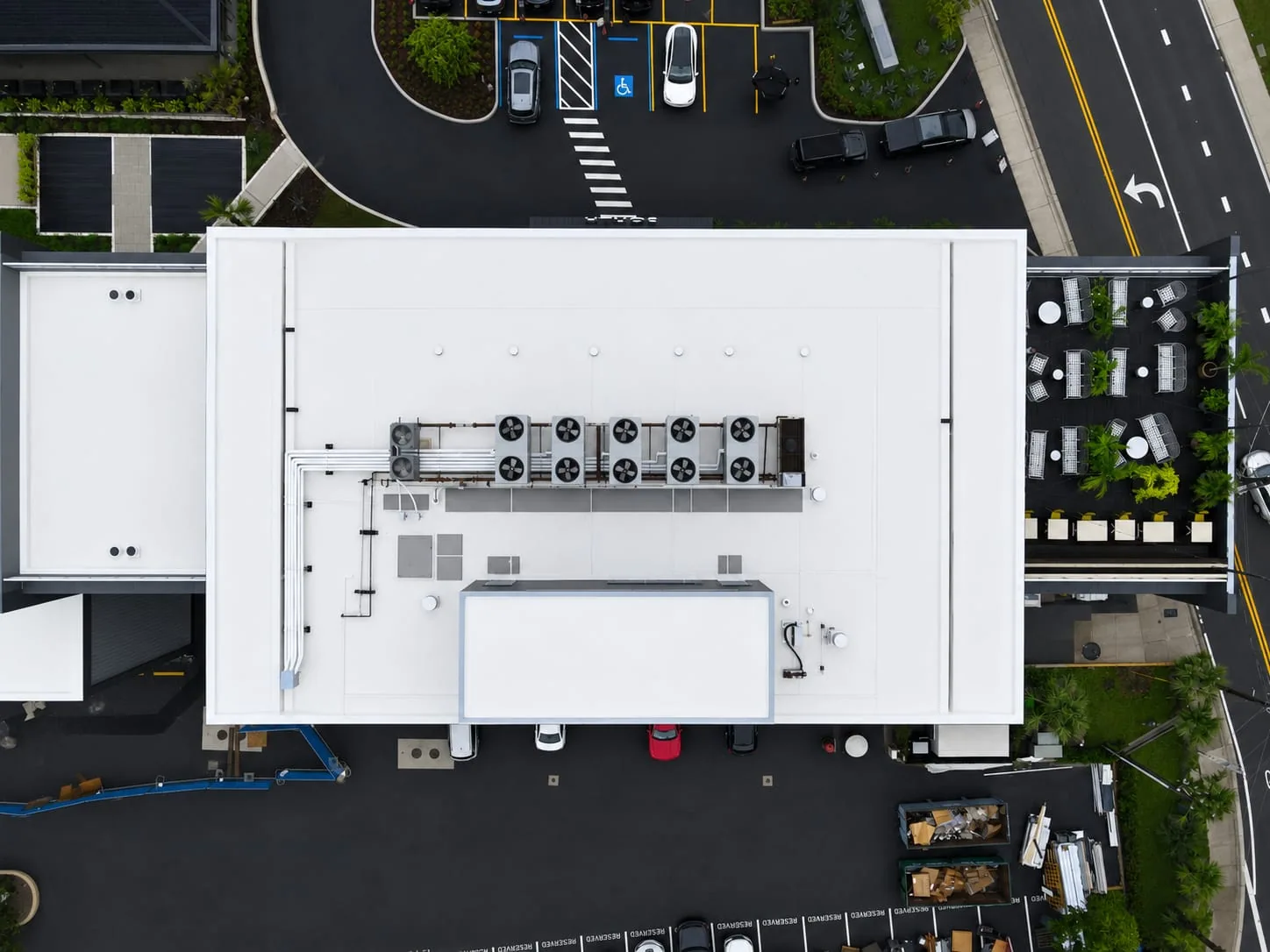
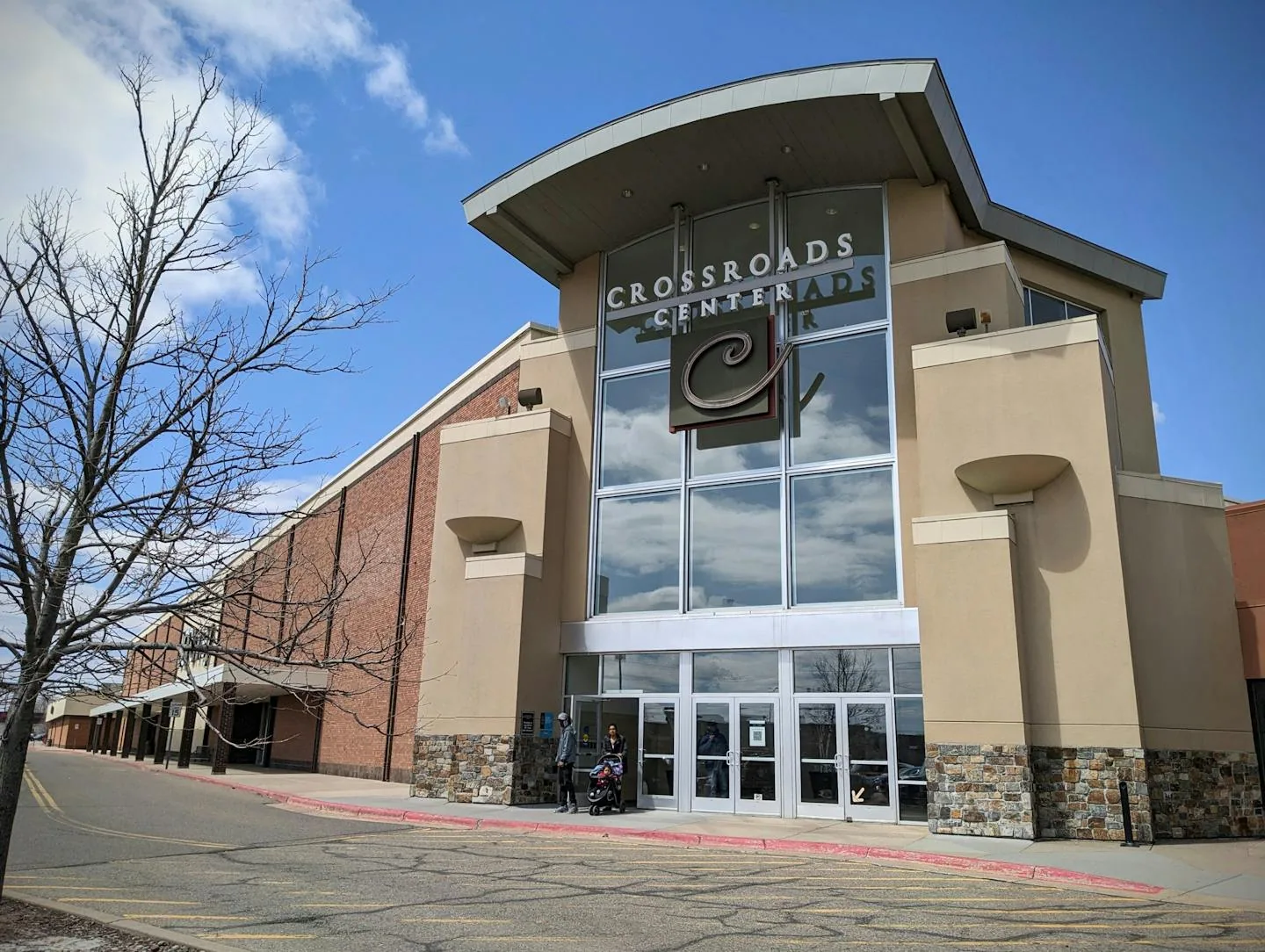
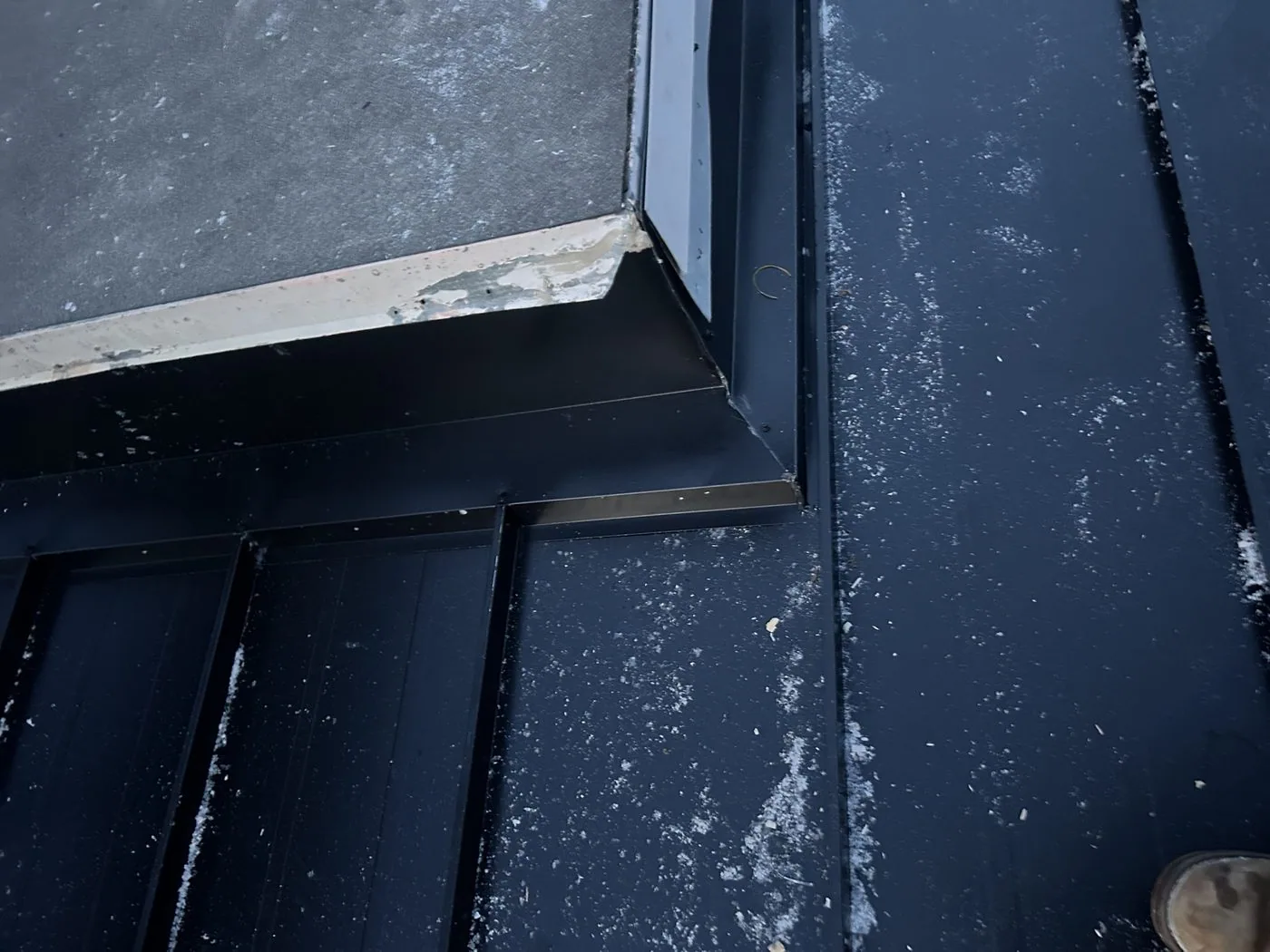
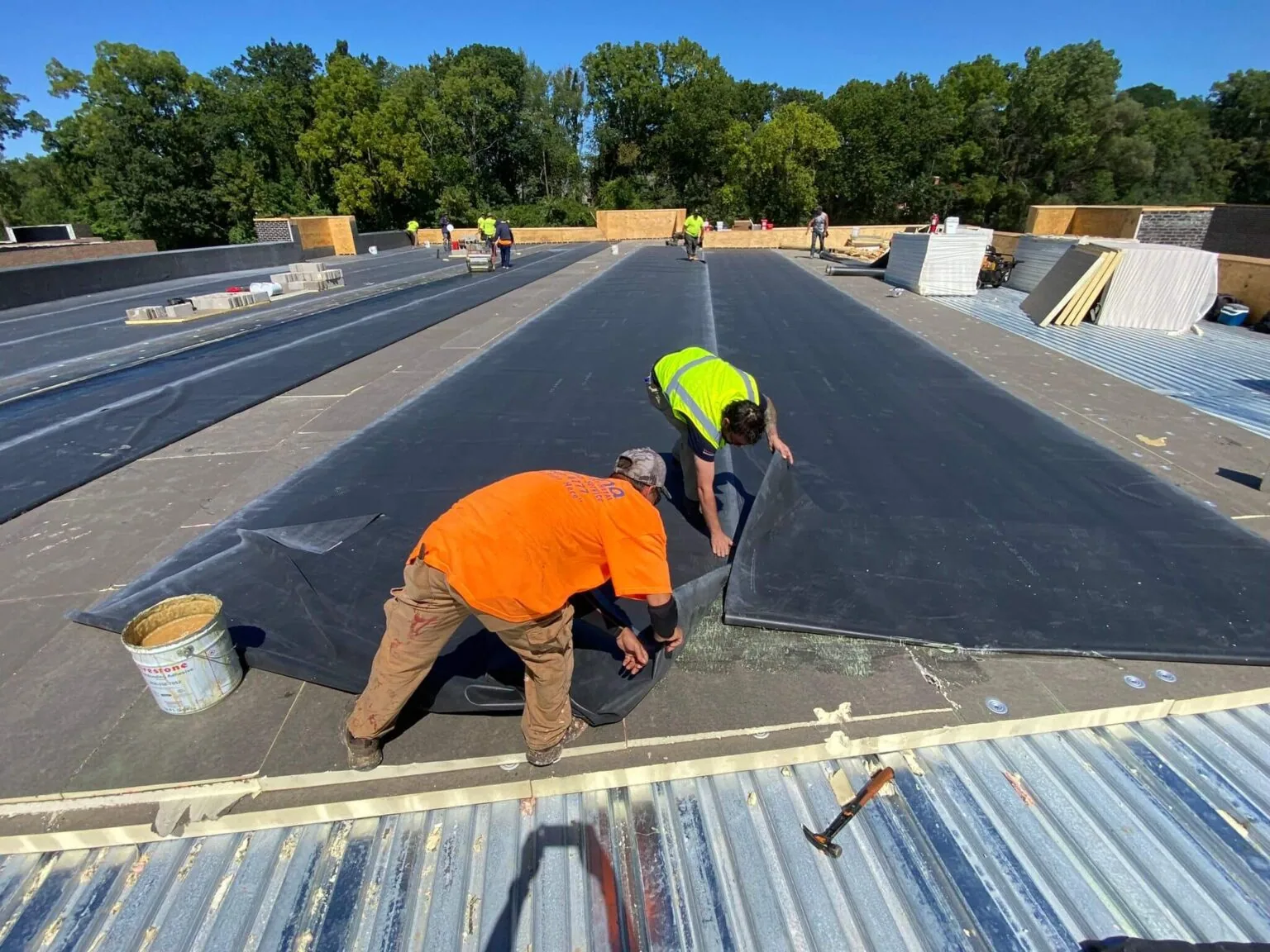
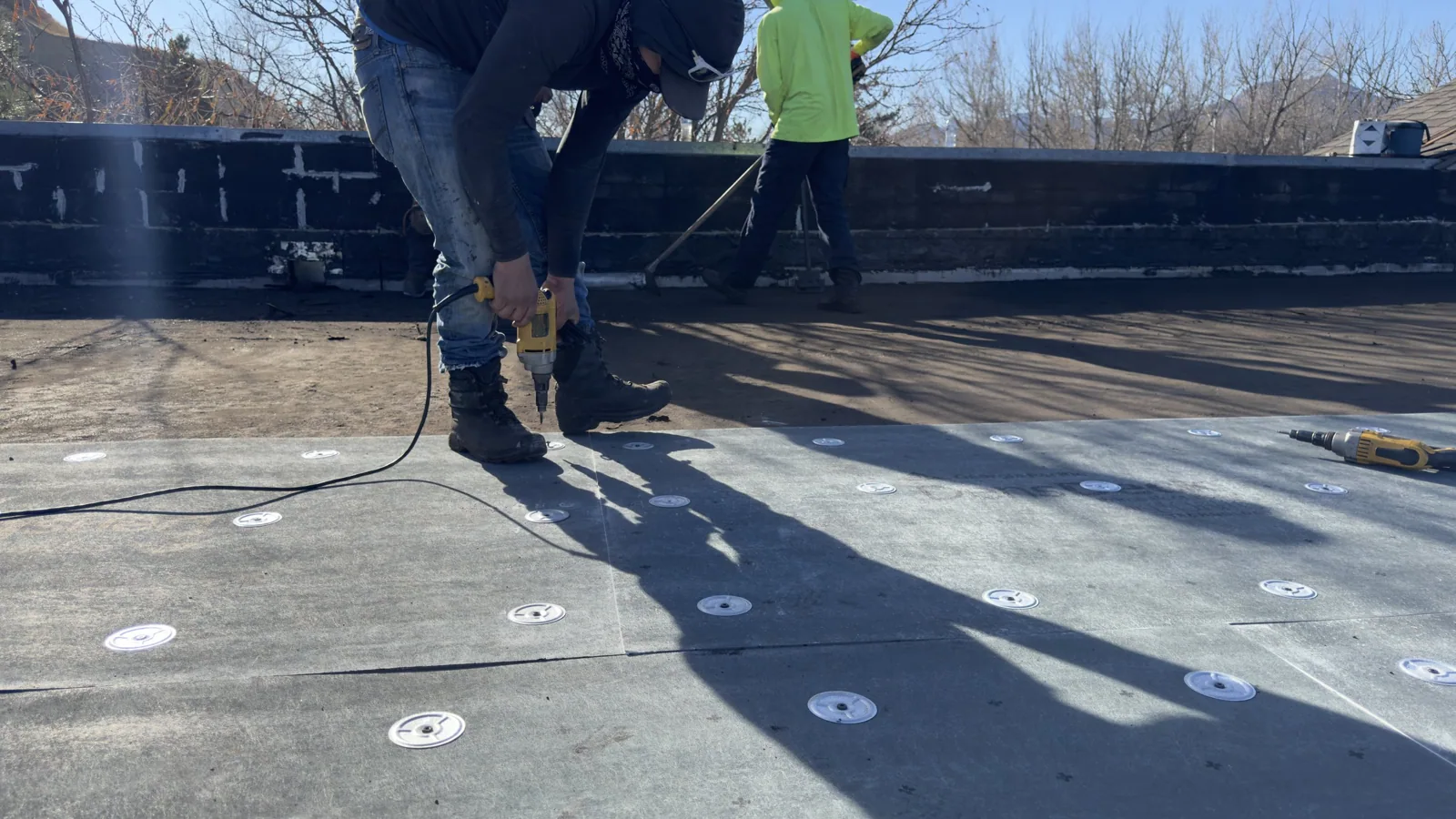
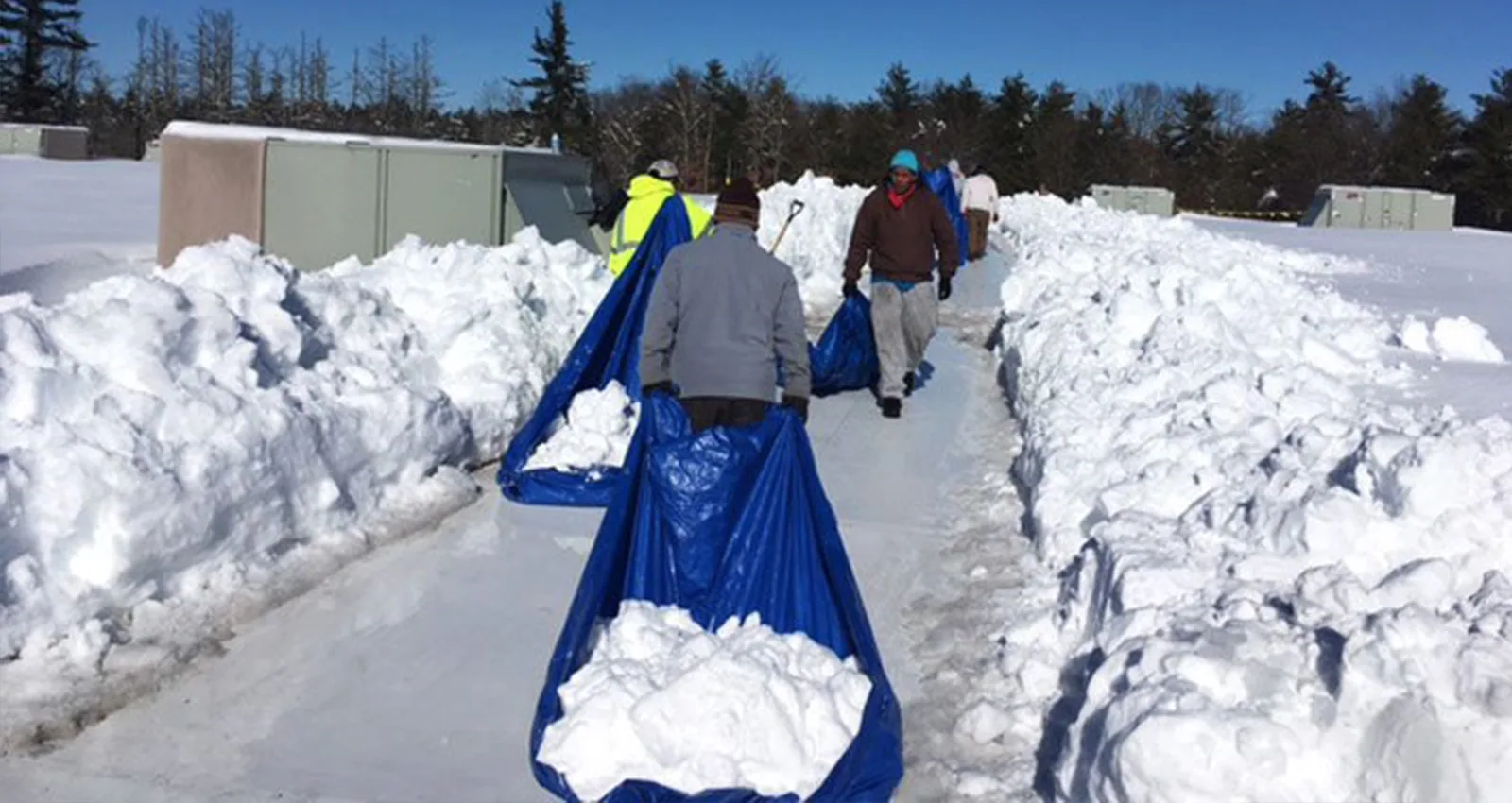
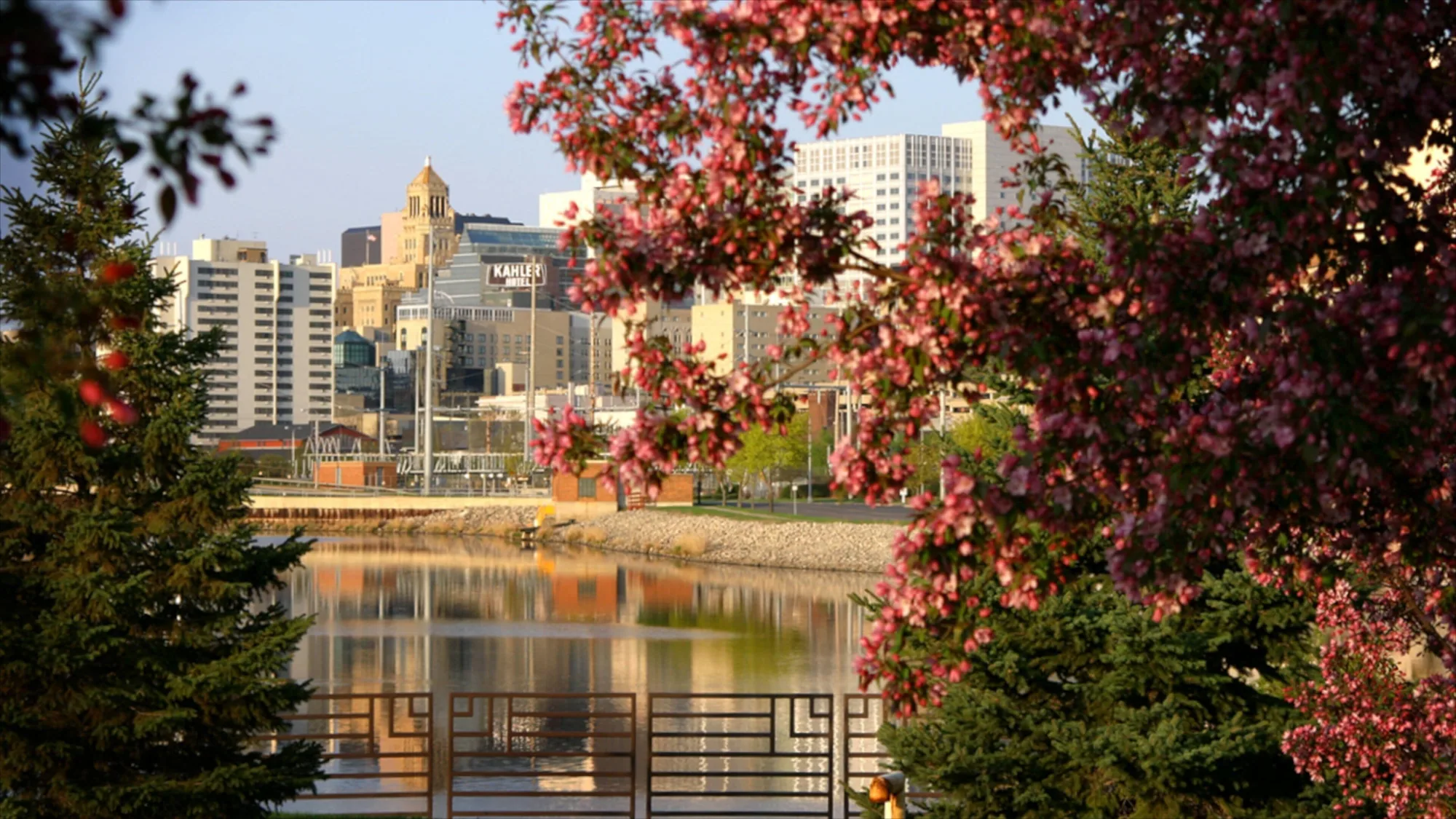
From distribution centers to clinics and schools, we roof the buildings Rochester depends on.
The answer depends on the roof assembly, drainage design, local requirements and the depth and persistence of the water. We measure or map the observed area and review whether the outlet is blocked, the surface has settled or the membrane is affected. The report documents conditions rather than applying a single time limit to every roof.
Clearing helps when debris is the cause and the roof surface delivers water to that outlet. If low insulation, deck movement, a damaged drain detail or poor slope limits flow, the area may remain wet. We inspect the path and photograph the outlet before deciding whether maintenance alone is adequate.
A coating can restore a compatible surface in some conditions, but it does not rebuild a settled substrate or provide slope by itself. We verify the existing membrane, moisture condition, drainage and pond boundary before evaluating restoration. Where the plane must change, the scope describes the insulation or substrate work needed.
Provide the building address, roof plan if available, where water remains, how long it persists after rain and any interior leak report. A dated photo taken from a safe location can help us prepare. We inspect the outlet and roof path, then identify the measured area, tests and repair boundary.