Water is coming into the building right now
Call us and tell us where the water is showing up. We will get a crew on the roof to stop the leak and protect the space below.

Roof Damage Repair
Repair commercial roof flashing in Rochester, MN with verified transition details, compatible materials and a documented tie-in to sound membrane.
Call us and tell us where the water is showing up. We will get a crew on the roof to stop the leak and protect the space below.
We walk the roof, photograph what we find and give you a written scope with repair options before any work starts.
Rochester, MN
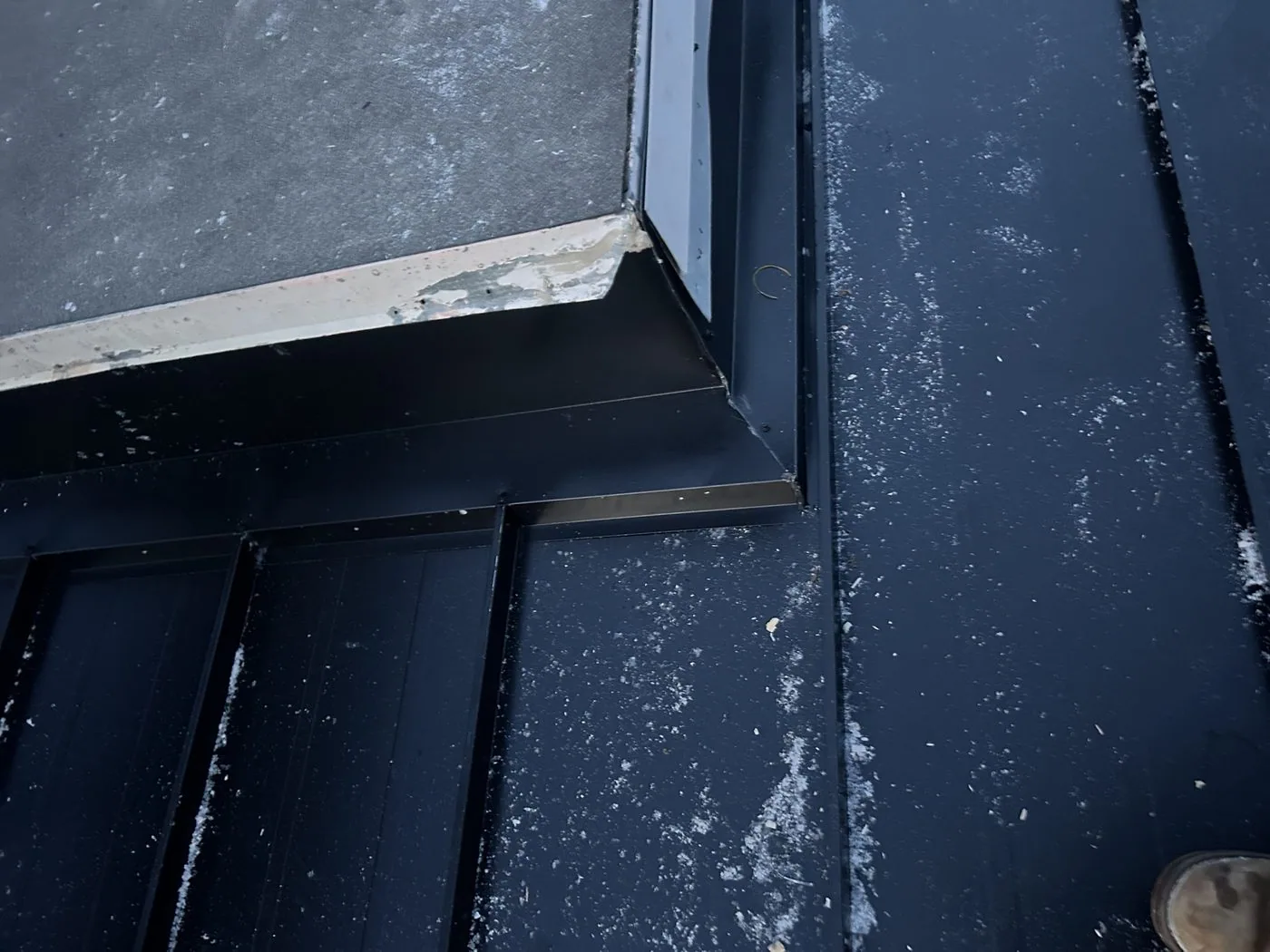
A curb corner can open where the vertical flashing turns onto the roof field, leaving a narrow path below the counterflashing. We inspect the substrate, termination, seam and nearby drain route before choosing a repair material. The detail's condition matters more than the stain below it: water can move before it shows indoors. Our notes identify the transition, the visible opening and how far the surrounding membrane was checked.
Rochester's winter climate carries a normal seasonal snowfall of 46.3 inches, with much of it from December through March. Freeze-thaw exposure makes open corners and metal transitions worth reviewing, but weather context is not a diagnosis for a specific building. Near Saint Mary's Place or Golden Hill Industrial Park, each property has its own roof assembly and access. We confirm the material and detail at the address, then mark a repair boundary that reaches sound surfaces.
Send the Rochester property address, reported leak location, roof-system information and photographs if available. We will inspect the transition, confirm compatible materials and return a repair boundary with any testing or access limits.
We check the flashing base, vertical leg, corners, termination bar, counterflashing, sealant and fasteners as connected parts of one transition. A split at one corner may continue behind a metal receiver or into the adjoining lap. We look for movement, corrosion, loose attachment, incompatible patches and evidence of water at the substrate. Photos show the detail close up and in relation to the roof section, with each tested point identified.
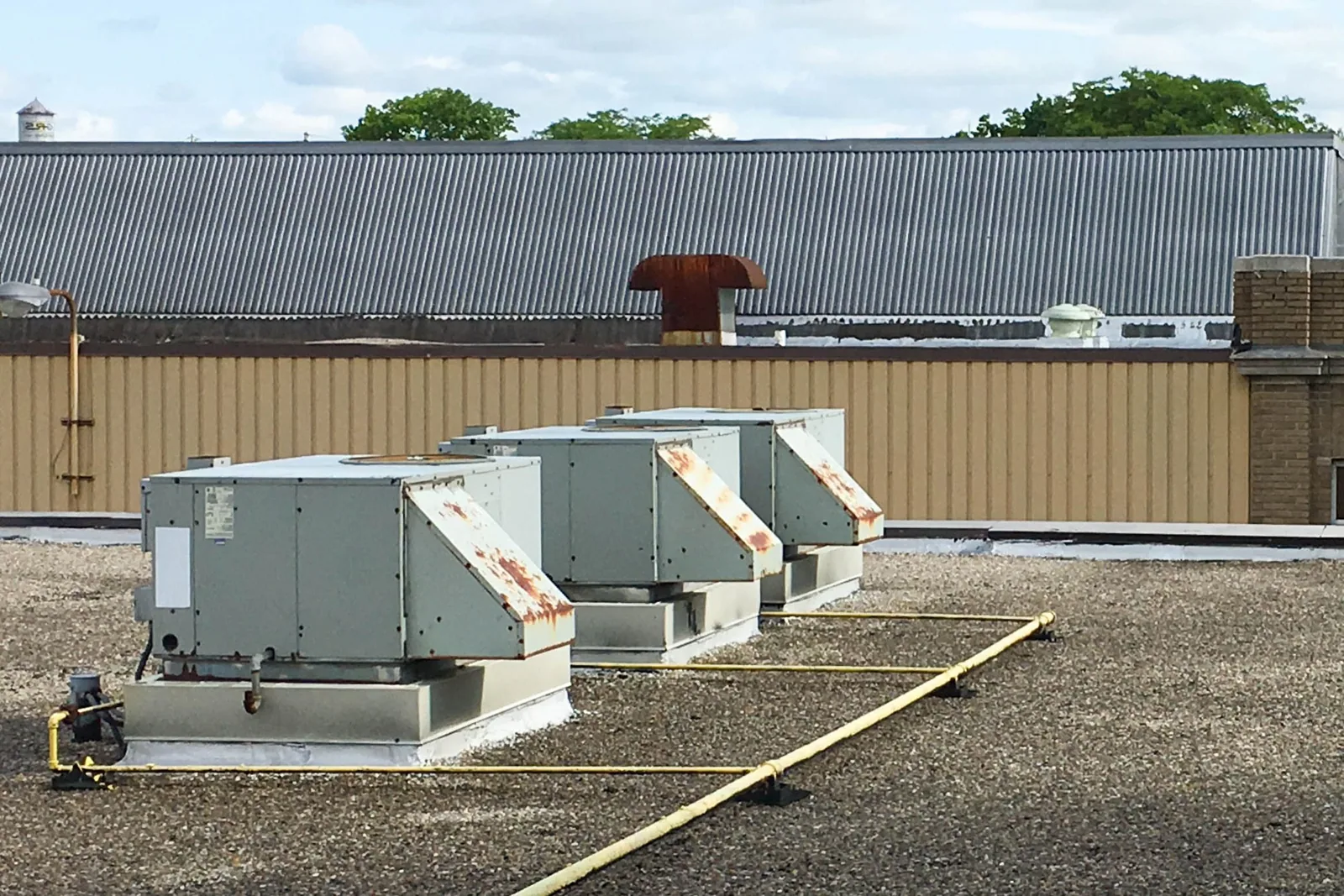
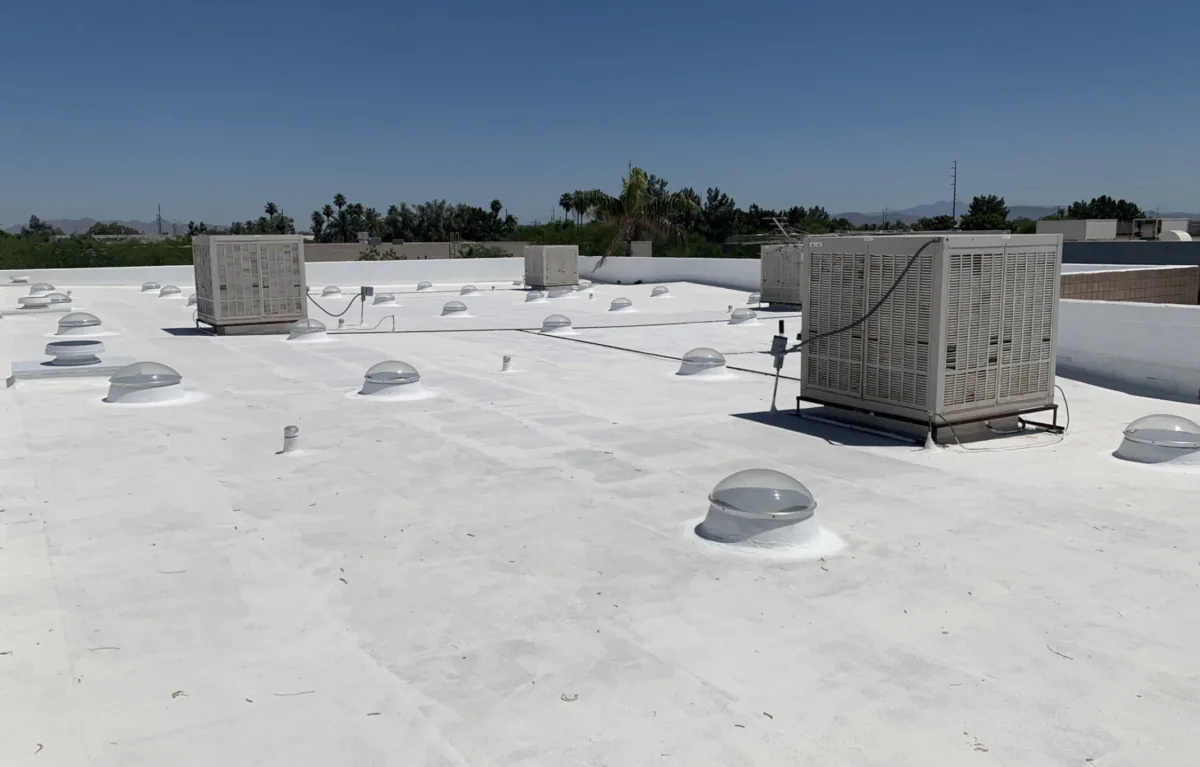
At a pipe curb, skylight, parapet or equipment base, the geometry changes and the repair detail must match it. We inspect adjacent membrane and drainage so a new flashing does not leave a channel or trap water. A curb and equipment transition review addresses raised penetrations, while a skylight flashing inspection checks the frame and surrounding membrane. If the assembly remains concealed, the report lists a test opening that could resolve the material or substrate question.
The inspection log names the roof zone, transition type, visible defect, prior materials, photographs and date. It notes whether the substrate was exposed or only the surface was visible, plus any area hidden by counterflashing or equipment. If a test cut reveals wet insulation or corrosion, the report maps that condition separately from the flashing repair. The building owner can then evaluate the permanent scope without treating a small exterior opening as proof of hidden damage across the entire roof.
The City plan places Saint Mary's Place along 2nd Street as an entry district to Rochester. That location provides context for access planning, while the building contact confirms loading, roof entry and occupied areas. A Saint Mary's Place inspection is linked to a named address and roof section. A photo condition record retains tested locations, patch materials and any open question for the next service visit.
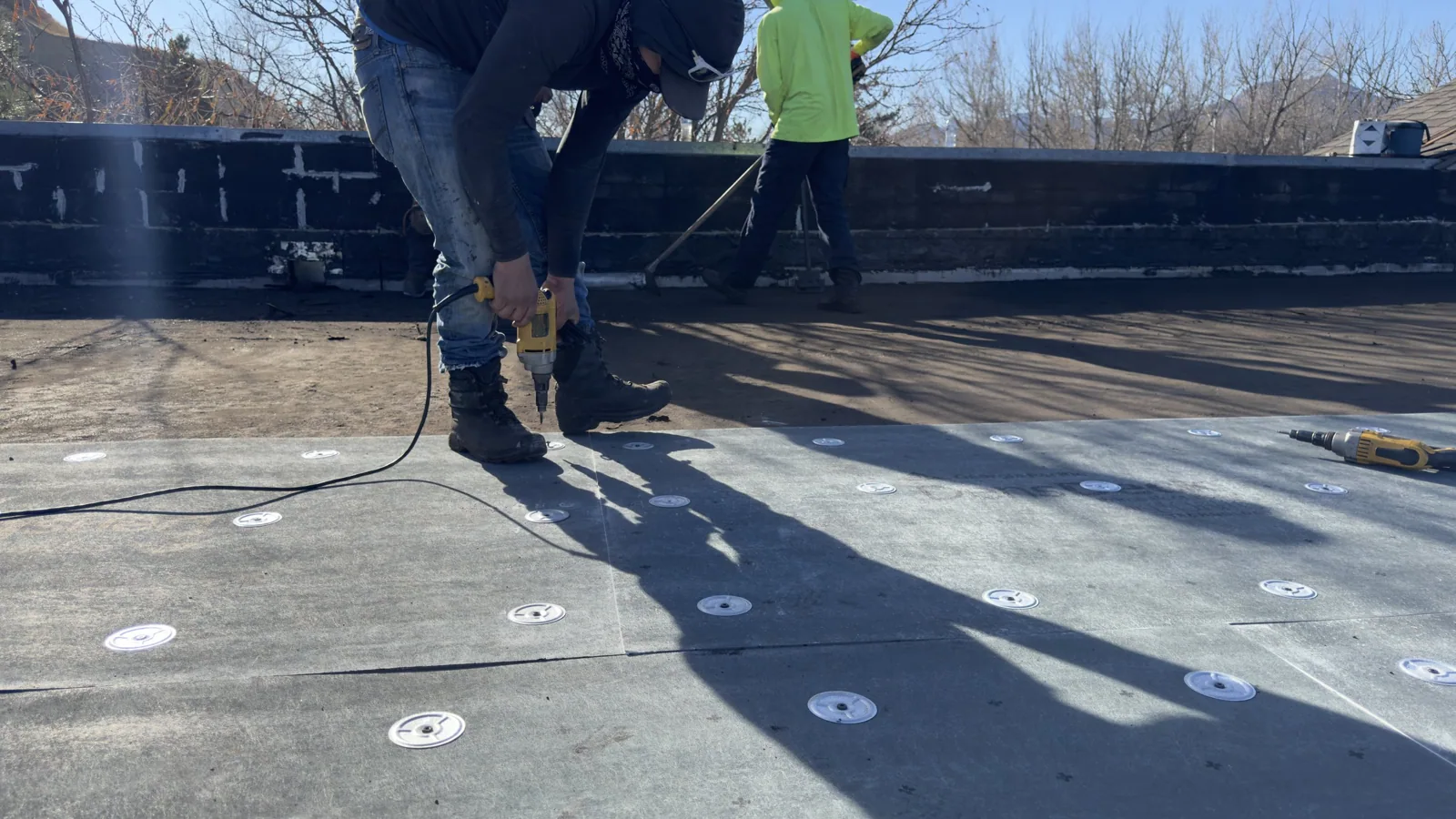
A durable flashing repair removes loose or failed material, prepares the substrate and connects compatible flashing to a sound section of the field membrane. At a curb, we restore corner reinforcement and termination; at a wall, the scope accounts for counterflashing and the height and condition of the vertical leg. Metal pieces are secured at their required connection points, and sealant is used as part of a designed detail rather than as a substitute for missing attachment. The finished transition is photographed before staging is removed.
Material choice follows the verified roof system and transition. TPO, PVC, EPDM, modified bitumen and coated assemblies require different preparation and tie-in methods. A commercial roof repair can define the work area and layer replacement; a modified-bitumen flashing detail is only used where that assembly exists. If corrosion or movement affects the metal substrate, we identify the replacement boundary and any adjacent edge work before proceeding.
A sealant touch-up may address a small, intact termination joint when the metal is secure and the flashing remains bonded. If the vertical leg is split, corners are separated or the substrate is wet, new flashing or selective assembly removal may be needed. We compare options using the visible condition, test findings, system compatibility, movement, drainage and access. The recommendation says what will be removed and what is expected to remain, with concealed areas identified as assumptions.
Rochester's downtown includes the Heart of the City, where commercial, hospitality, retail and residential uses meet around Peace Plaza. A property in that district has its own roof access and building operations, which we confirm with the contact. The seam separation inspection addresses field laps adjoining the transition, while a wind-related flashing review checks metal movement after reported weather. The closeout distinguishes these adjacent issues if both appear, rather than grouping them under one repair label.
Roof traffic from mechanical and service trades can disturb curb flashing, supports, counterflashing and sealant. Maintenance revisits the repaired transition, nearby seams, drains and any pathways used by vendors. We record the date, detail, photographs and any new opening, then distinguish routine observation from a repair that needs a separate proposal. If a transition could not be reached behind equipment, we name the area and plan access rather than leave an unqualified all-clear.
Rochester's normal winter snowfall is 46.3 inches and is concentrated in the colder months. Before that period, a maintenance visit can document metal joints and water paths at the property; the roof's actual condition determines whether work is needed. A roof maintenance visit carries forward the repair history. Share the address, roof plan, reported flashing location and available photos so we can inspect the correct transition and return a compatible repair scope.
Other services, systems and buildings that often come up alongside this work in Rochester.

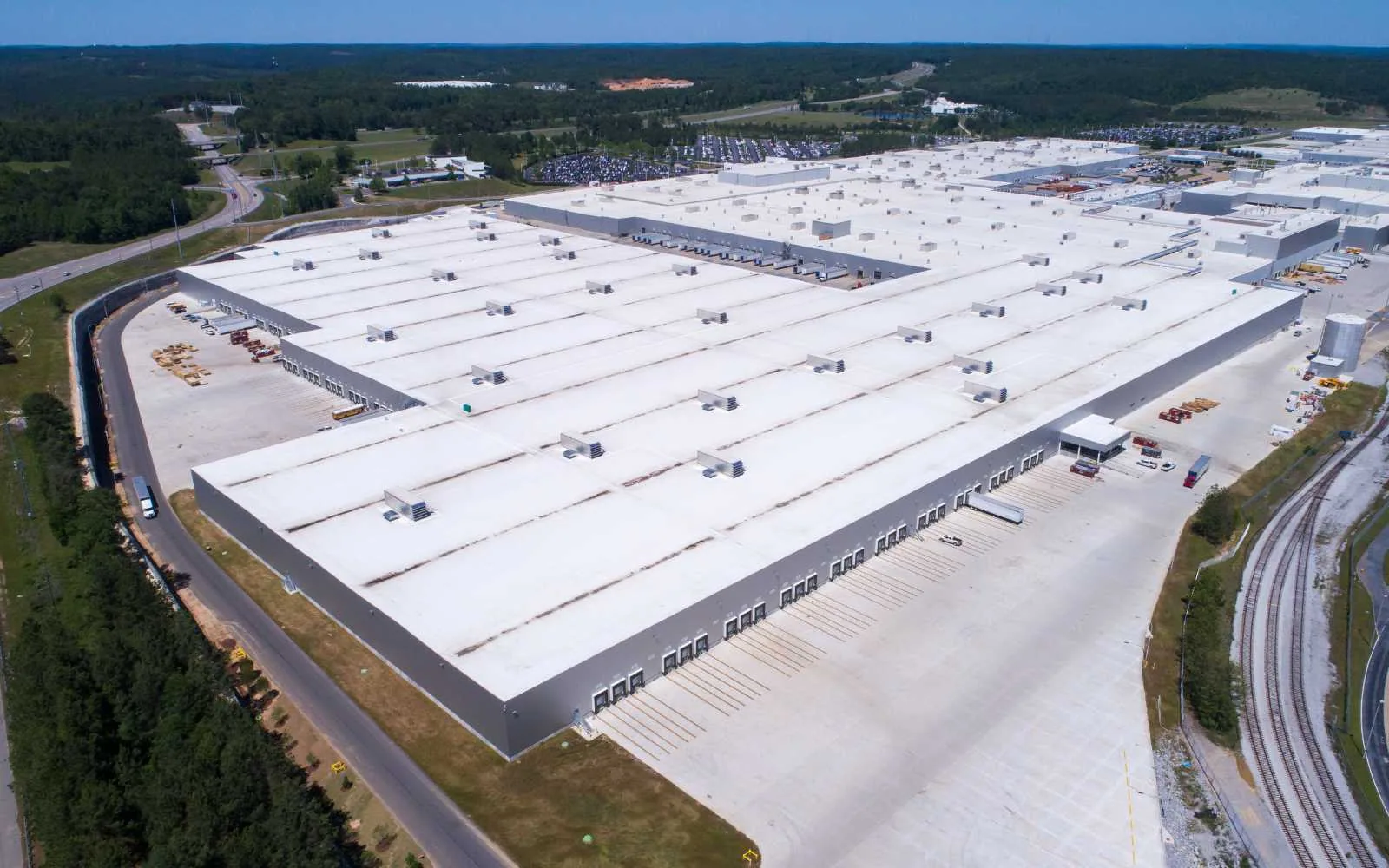
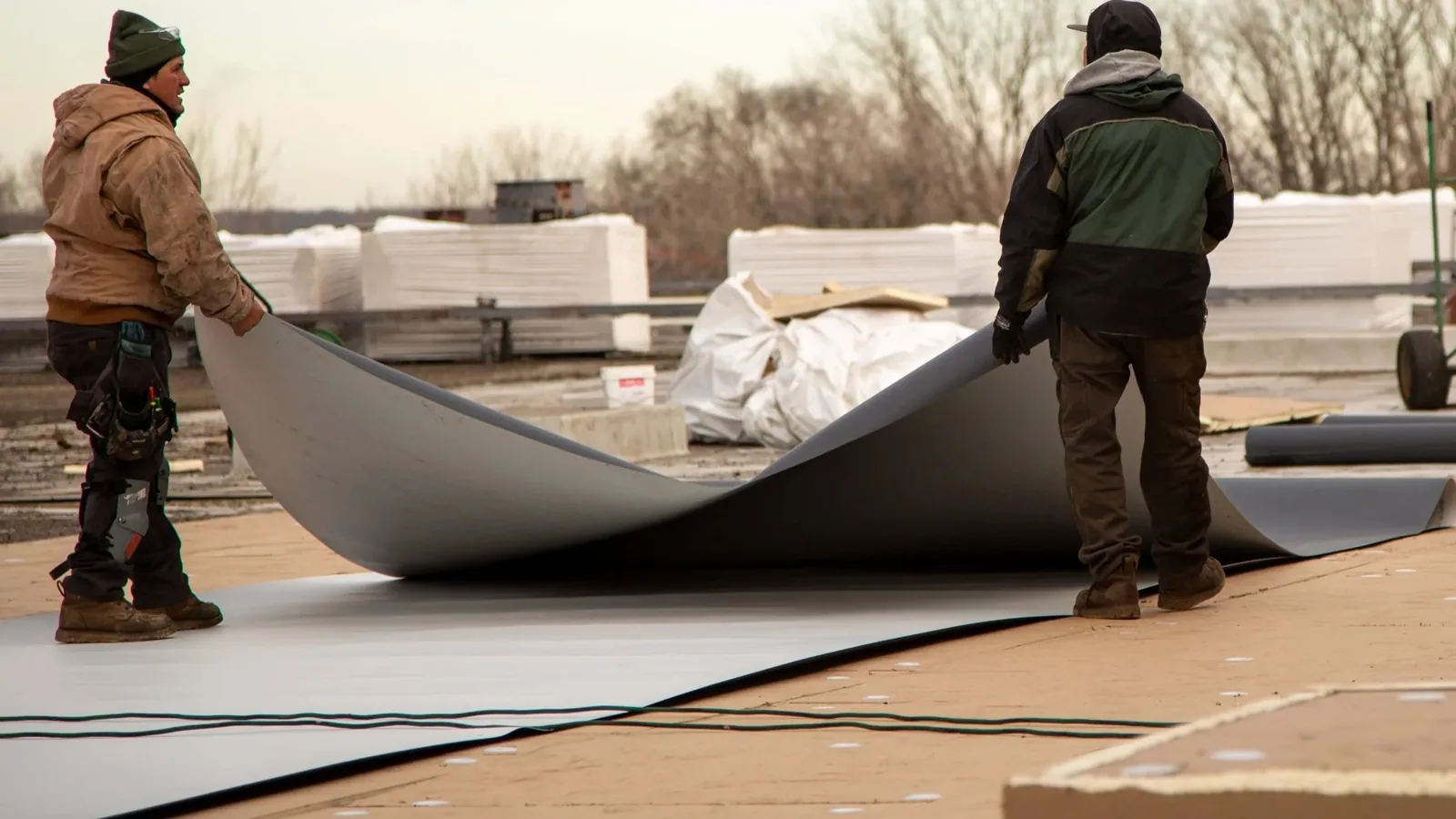

From distribution centers to clinics and schools, we roof the buildings Rochester depends on.
Sometimes, if the termination remains secure, the flashing is bonded and the opening is limited to a serviceable sealant joint. We inspect the corner, vertical leg, substrate and adjoining membrane first. A separated or deteriorated assembly usually needs a rebuilt transition. The report states what is visible and whether testing is needed below the surface.
We verify the membrane type, curb condition, corner geometry, termination and nearby field seams. Loose or failed material is removed to a sound boundary, then compatible flashing is installed with a secure termination. If the curb or substrate is moving or damaged, that condition is documented as part of the scope rather than hidden by a surface patch.
Yes. Water can move through insulation, along a deck or beneath a membrane before it reaches an interior finish. We use the reported room and timing to guide the roof inspection, then map seams, curbs, drains and transitions along plausible routes. The report separates the confirmed opening from a path that still requires testing.
The file should identify the building, roof section, detail repaired, material when confirmed, termination and corner work, photographs, repair date and any limitation. We note if hidden substrate was not exposed or if adjacent metal needs follow-up. This gives the next inspector a precise location and repair history.