Water is coming into the building right now
Call us and tell us where the water is showing up. We will get a crew on the roof to stop the leak and protect the space below.

Service Areas
Commercial roof inspection at Rochester International Airport, with cargo-area scope control, access coordination, drainage review, and clear repair records.
Call us and tell us where the water is showing up. We will get a crew on the roof to stop the leak and protect the space below.
We walk the roof, photograph what we find and give you a written scope with repair options before any work starts.
Rochester, MN
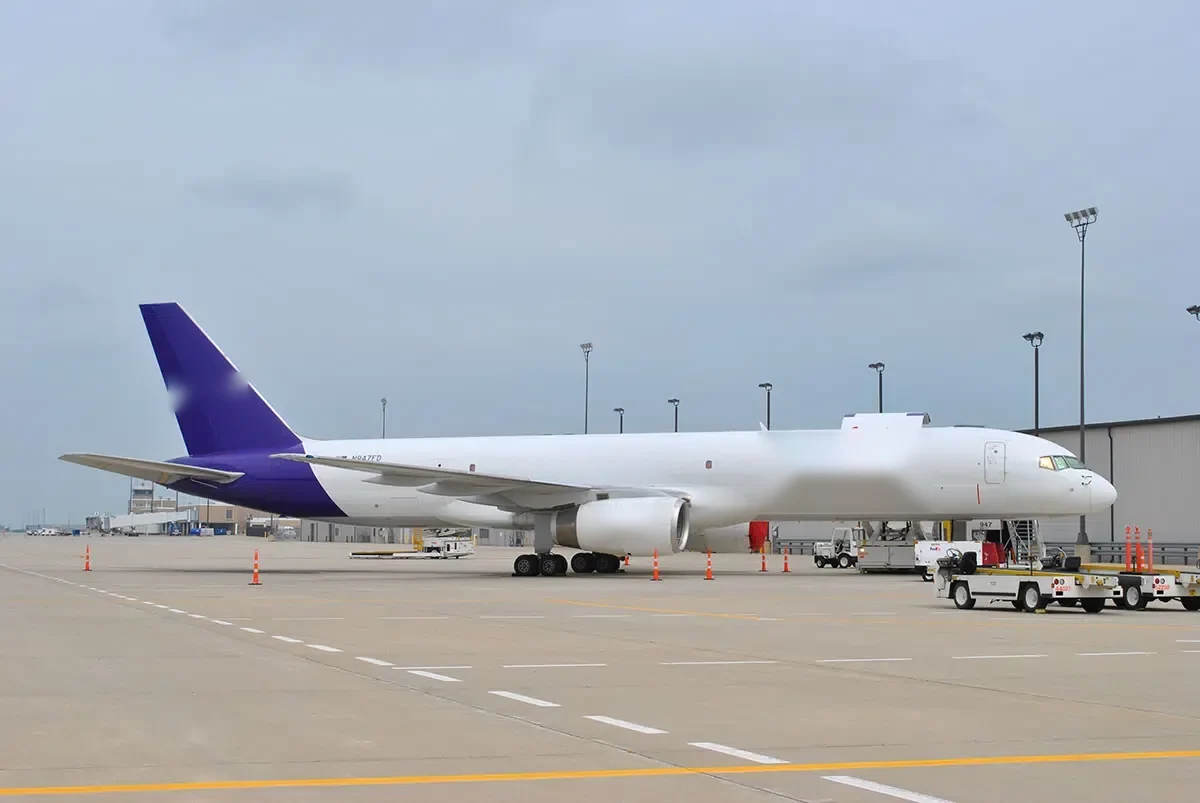
A flashing joint at a rooftop penetration can be harder to inspect than a broad membrane field because nearby equipment and operating routes restrict the approach. Airport records describe a cargo ramp exceeding 330,000 usable square feet, while FedEx is the cargo operator with an Air Commerce Drive office. Neither detail supplies a roof takeoff: pavement and building-envelope measurements are different quantities. We identify the airport structure, roof zone and site representative before preparing a roofing scope.
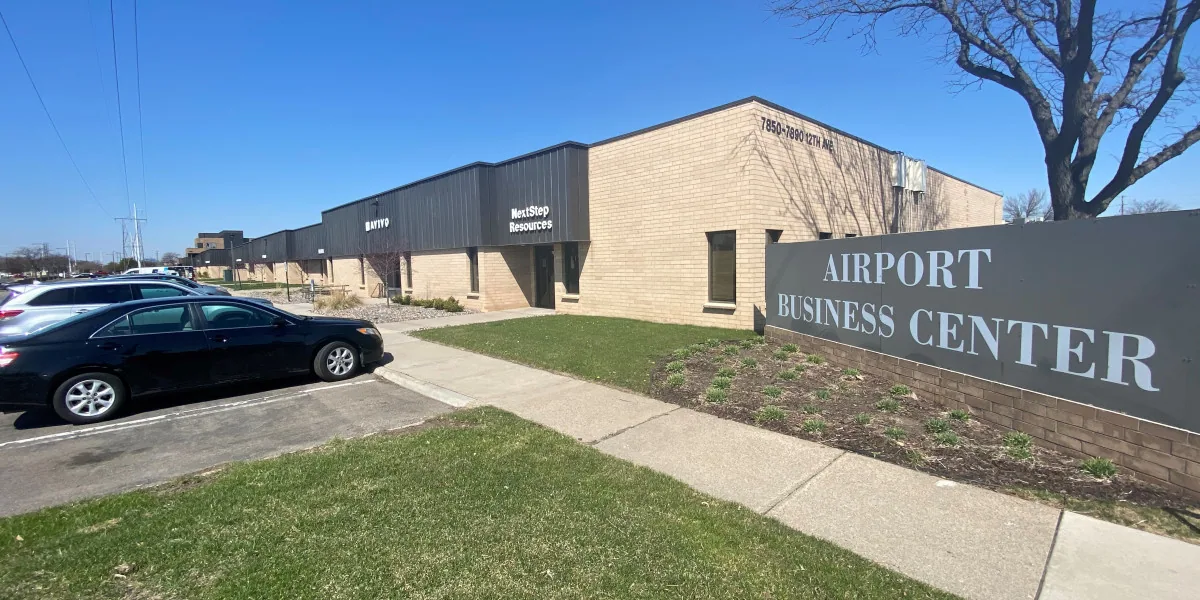
The airport also hosts the Airport Business Park for developers and investors. Those are separate planning and operating contexts within the airport campus, so a roof report should identify the exact building rather than assign one condition to the entire area. A visit at Airport Business Park or the RST Cargo Facility receives its own inspection boundary, photographs and work sequence.
Provide the building name or address, roof concern, available plans and access contact. We will inspect the agreed section and return a documented scope.
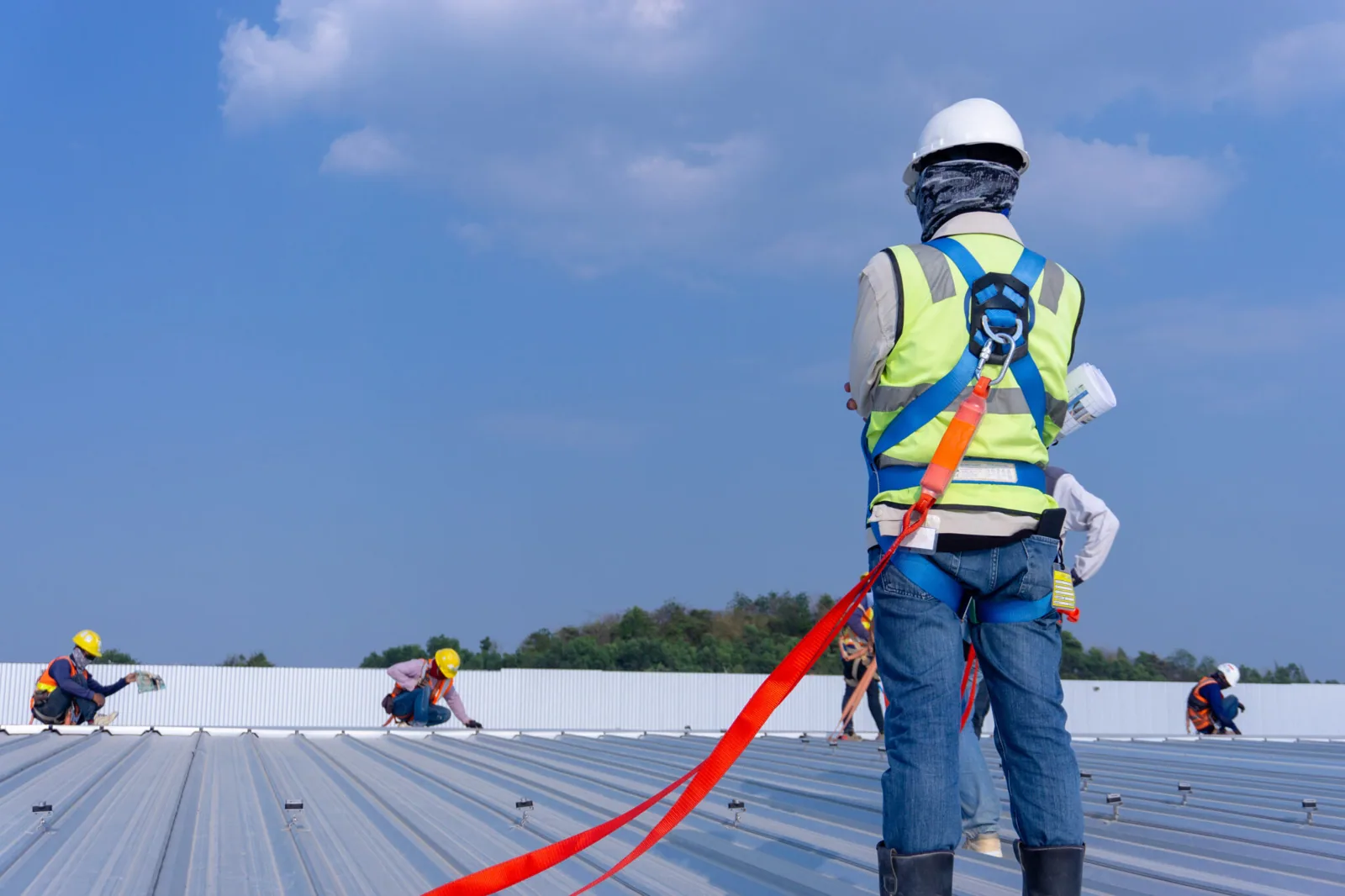
We begin with the address or facility name, reported symptom and available roof plan. On the roof, the walk follows seams, curbs, vents, drains and metal transitions around the affected area. A leak near an equipment curb may travel along insulation before appearing inside, so we compare roof elevation and interior evidence rather than assigning the source from the ceiling mark. A commercial inspection records the visible path, tested areas and any section the crew could not reach.
Airport operations make the property contact and site access plan essential to scheduling. We confirm roof entry, escort requirements, material route, lift placement, delivery windows and areas that must remain clear. If a locked zone or operating restriction limits the visit, it stays in the report as an access condition. We can stage a return after authorization rather than leave a roof section described as inspected when it was not available for review. For properties with more than one operating contact, we confirm who can approve access and repair direction for each building. Photos carry a facility and roof-section label before they enter the closeout record, keeping a cargo-area observation from being applied to another airport structure.
Cargo ramp area and roof area are separate measurements; roof dimensions come from drawings or field measurement at the building. We identify the assembly from records, membrane markings, attachment details and suitable field tests, then map each repair area to its roof section. A condition report can preserve those measurements and photographs for facilities staff without confusing pavement, floor area and roof area.
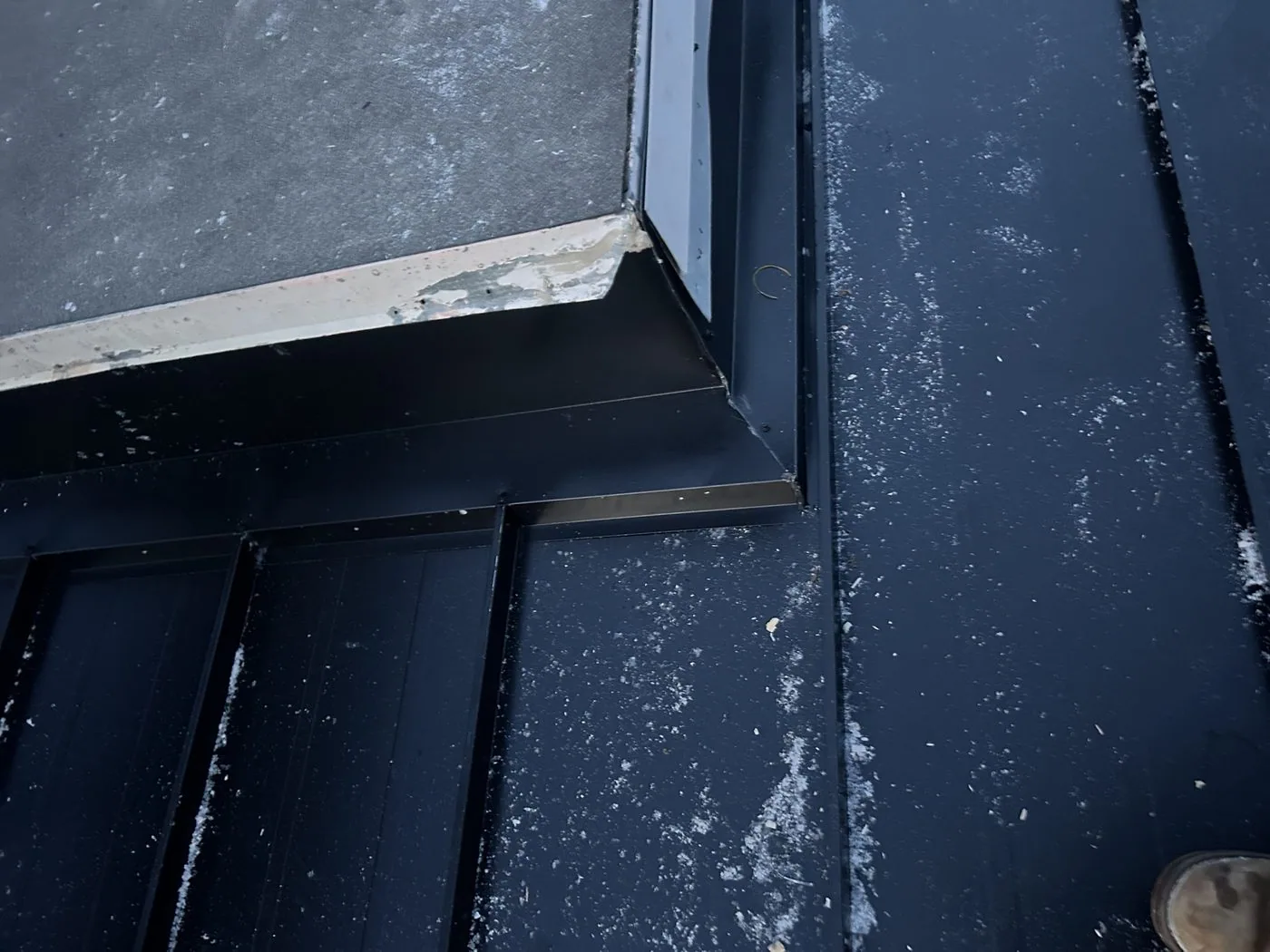
At the actual defect, we inspect the field sheet, seam lap, flashing termination and substrate for compatibility before selecting a repair. A membrane opening may take a heat-welded patch; a curb transition may need new flashing up the sidewall and secure termination at the top. TPO system repair follows different preparation than EPDM, so we verify material and test an appropriate area when needed. Corroded metal or a blocked drain is scoped separately from membrane work.
Before mobilization, the scope states where the crew can stage, how materials will reach the roof and which route remains open. We identify the end-of-shift closure and the temporary protection expected if weather or a concealed condition interrupts permanent work. When an authorized opening exposes wet insulation or damaged cover board, we photograph its dimensions and pause for direction before extending the repair beyond the agreed boundary.
A 46.3-inch annual snow normal, largely concentrated in December through March, gives airport facilities a useful seasonal maintenance marker. We schedule a safe-access review of roof drainage and perimeter details before that period and note the conditions found at the specific building.
A puncture or failed flashing detail can remain a local repair if the nearby membrane and insulation are sound. Repeated leaks, widespread moisture or loose perimeter attachment may justify testing and a comparison of repair, recovery and replacement. We list measured dimensions, known materials, access assumptions and unresolved conditions. An impact review should be based on observed marks and roof evidence, with damage documentation kept separate from any insurance decision.
FedEx's airport office on Air Commerce Drive and the cargo-ramp report can help a facilities contact identify the operating context, but they do not establish which roof requires work. The roof record should name its own asset and date. A roof asset register can track those details across airport properties while preserving separate histories for Rochester Technology Campus or other Rochester sites. The recommendation remains tied to the area inspected.
We return dated roof-zone photos, confirmed material where known, repairs completed and items awaiting testing or approval. The record notes access restrictions and any area left uninspected. If a temporary tie-in remains, the closeout identifies its location and the permanent detail still needed. Facilities staff can then match the roof action to the work order, building contact and follow-up date rather than relying on a site-wide note.
Send the airport facility name or address, roof concern, available drawings and the person coordinating access. We will define the work area and return a measured repair or testing scope. A leak can be addressed at night, over a weekend or during a holiday, with the temporary and permanent steps recorded separately. If the leak requires immediate protection, we record that work separately from permanent correction and state what needs authorization before the next visit.
Other services, systems and buildings that often come up alongside this work in Rochester.
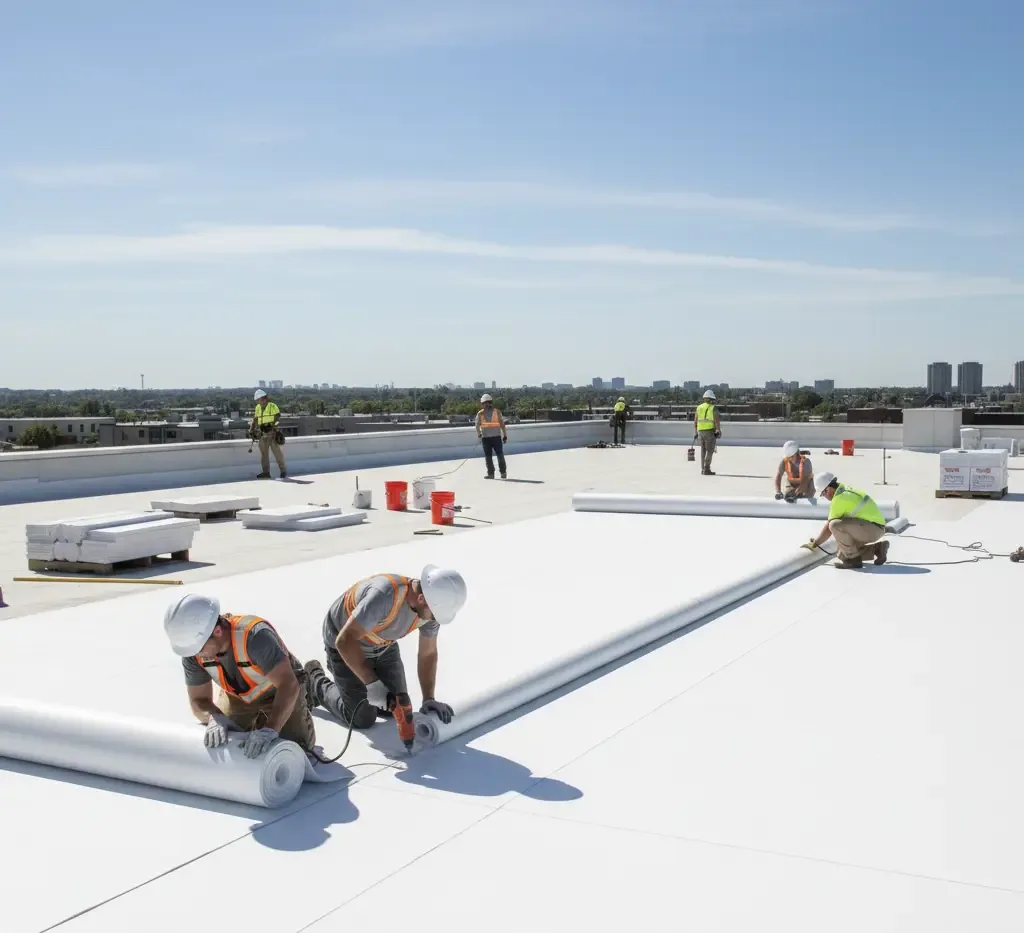
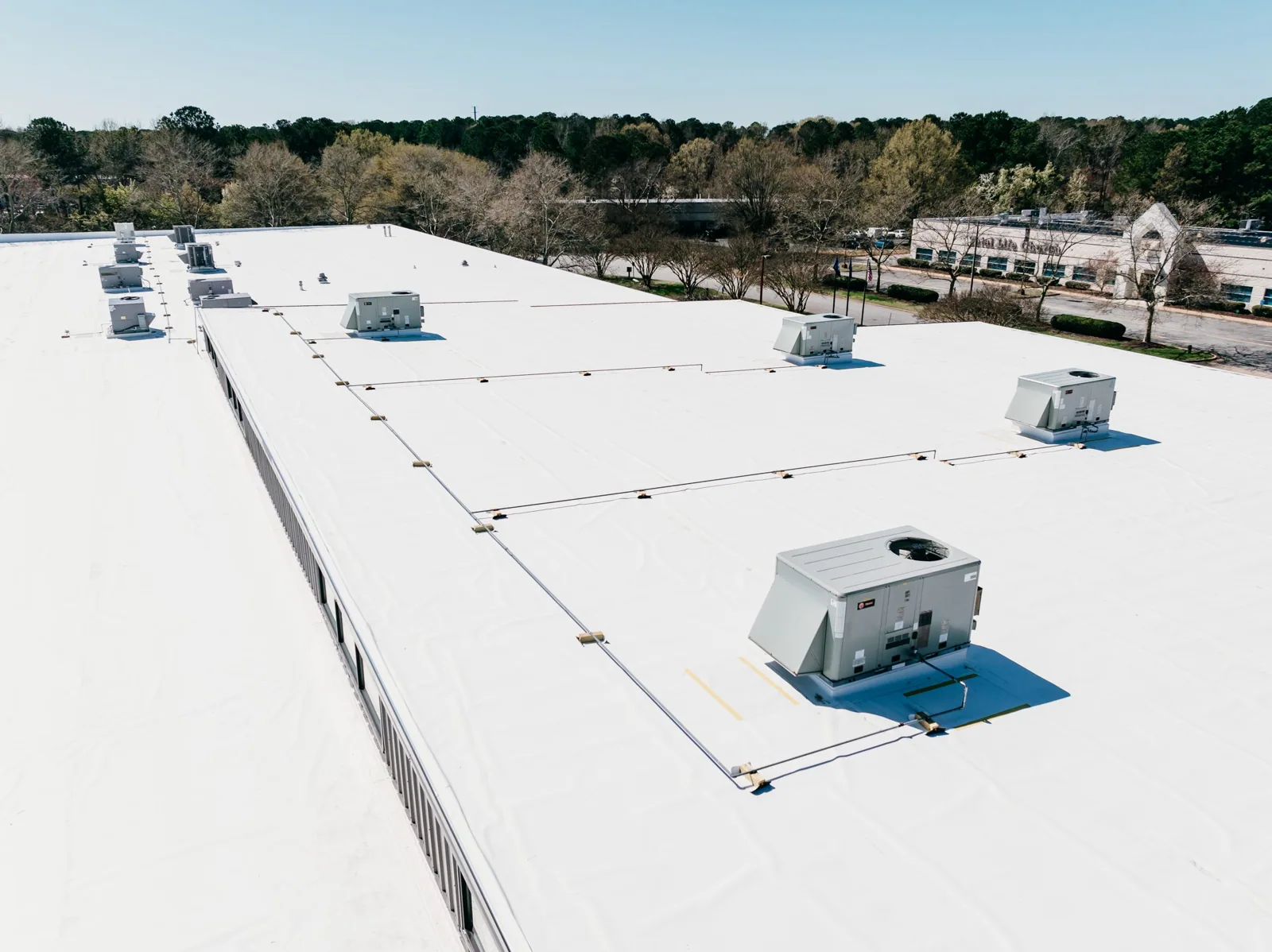
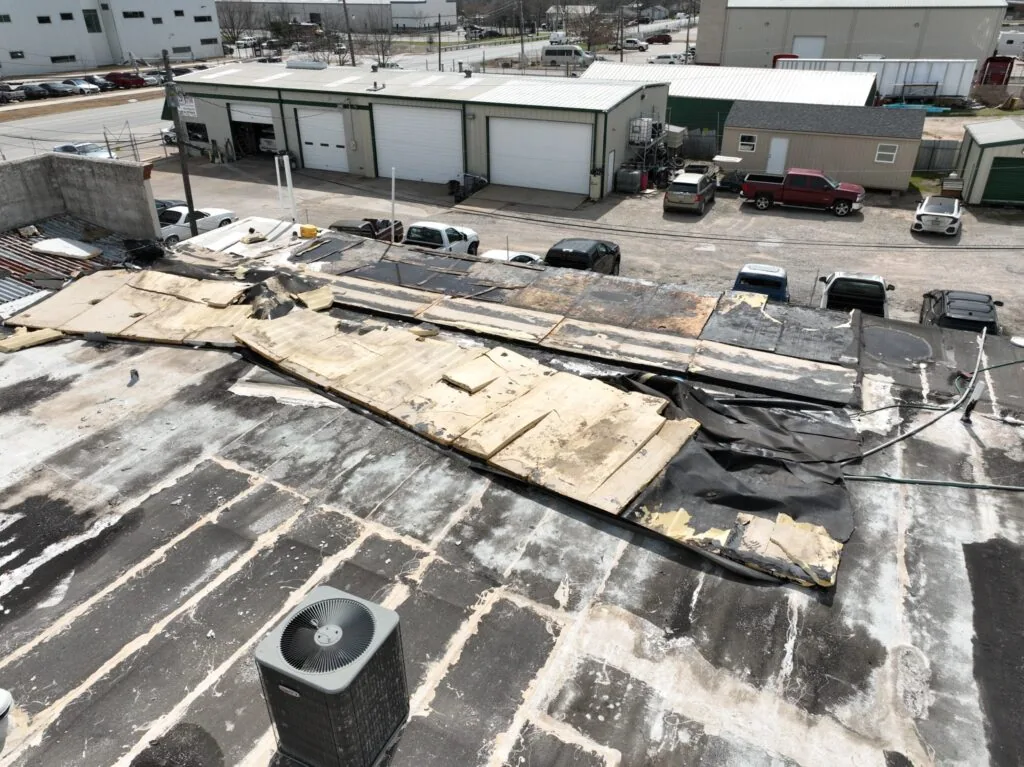

From distribution centers to clinics and schools, we roof the buildings Rochester depends on.
No. The airport's reported figure refers to usable cargo ramp space. We measure a building roof from drawings or field dimensions and label each section separately. Pavement, floor and roof quantities remain distinct in the inspection and repair records.
The property contact confirms the route, escort, work window and permitted roof areas. We document any section that access prevents us from reaching and schedule a return if needed. A report only describes the areas actually reviewed and any limits that affected the inspection.
A local repair is appropriate when the defect is isolated and surrounding material is stable. We inspect nearby seams, flashing and insulation, then define the repair boundary. If testing finds moisture beyond that limit or repeated failures, we present the evidence before broadening the scope.
Include the building or facility name, roof-zone location, reported leak, access contact and available plans. Add escort or delivery restrictions that affect staging. Those details let us tie the inspection and closeout to the correct asset and avoid combining separate facilities in one work record.