Water is coming into the building right now
Call us and tell us where the water is showing up. We will get a crew on the roof to stop the leak and protect the space below.
Roof Systems
Evaluate acrylic roof coating restoration in Rochester, MN. We inspect surface condition, seams, moisture and drainage before setting application scope.
Call us and tell us where the water is showing up. We will get a crew on the roof to stop the leak and protect the space below.
We walk the roof, photograph what we find and give you a written scope with repair options before any work starts.
Rochester, MN
An acrylic roof coating needs a surface that is clean, stable and ready to accept it. A loose seam or wet insulation does not become a sound assembly when covered. We inspect the substrate, coating history and water path first, then define any repairs and adhesion testing. Rochester's winter cycle and seasonal snowfall make drainage review part of the scope, while the roof itself determines whether acrylic is appropriate.
We identify each roof section by address and plan reference. Rochester's city plan places many shopping, service and office properties near major roadways and downtown, while Downtown DMC includes Discovery Square, Saint Mary's Place and other named subdistricts. A portfolio can include multiple buildings with different roof systems and access conditions. We record each property's actual assembly instead of extending a city or district fact to the individual roof.
Share the Rochester property address, current roof concern, coating and assembly records, and portfolio contact. We will inspect adhesion, moisture, drainage and details, then compare coating with repair or replacement based on tested conditions.
We look for chalking, blisters, cracking, peeling, bare membrane, failed patches, surface contamination and open joints. An existing acrylic layer, silicone, asphalt coating or unknown material can respond differently to cleaning and primer. We review product records where available and prepare a small test area if adhesion or compatibility is uncertain. The test result is dated and tied to the roof zone; a good result at one area does not prove every section is ready.
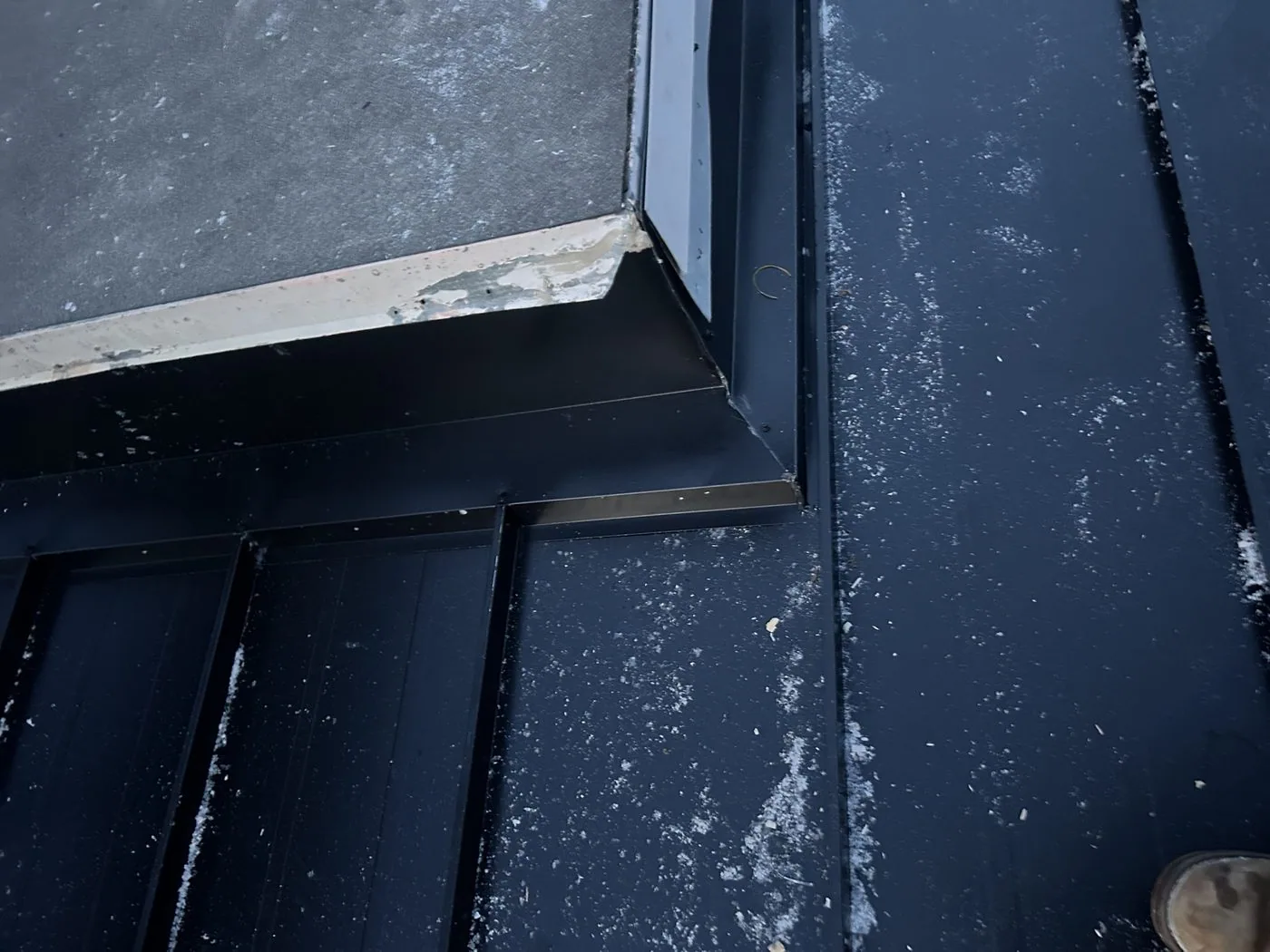
Details need inspection before the broad field. We examine seams, perimeter edges, curbs, skylights, drains and scuppers for movement, loose flashing and water entry. Coating over a weak joint can bridge it temporarily without restoring the underlying connection. A coating restoration assessment identifies preparation and repair, while a perimeter review records metal conditions that should be corrected before the application.
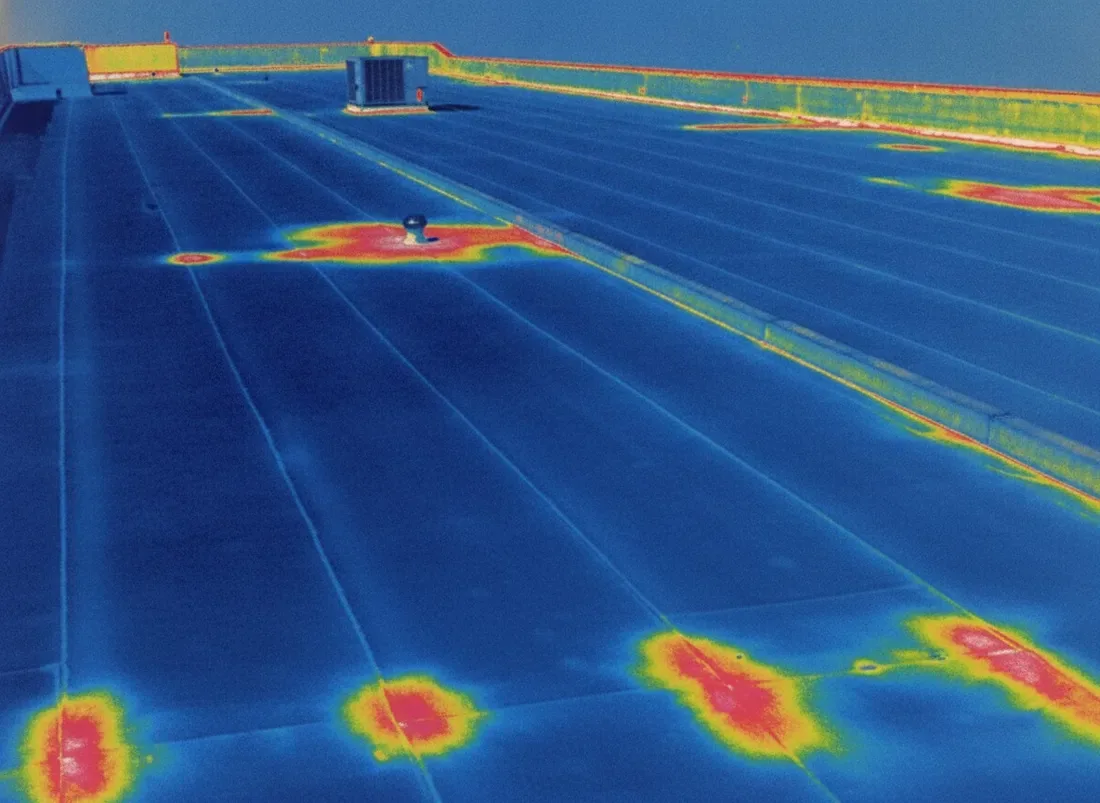
Before coating, we review leak history, interior observations, prior test cuts and roof repair records. A stain below a roof may relate to a seam, penetration, drain or condensation; it does not point to a single surface square automatically. Where moisture could change the plan, we consider thermal mapping and controlled test openings. Each result identifies its location, method and layer condition, then the test area is closed with a compatible detail.
Acrylic coatings are water-based and their installation depends on dry conditions and product temperature limits. We record forecast constraints and any roof area that cannot be prepared or applied in the planned window. A moisture survey can help prioritize confirmation; a roof condition record distinguishes surface wear from verified moisture, weak attachment or a flashing defect.
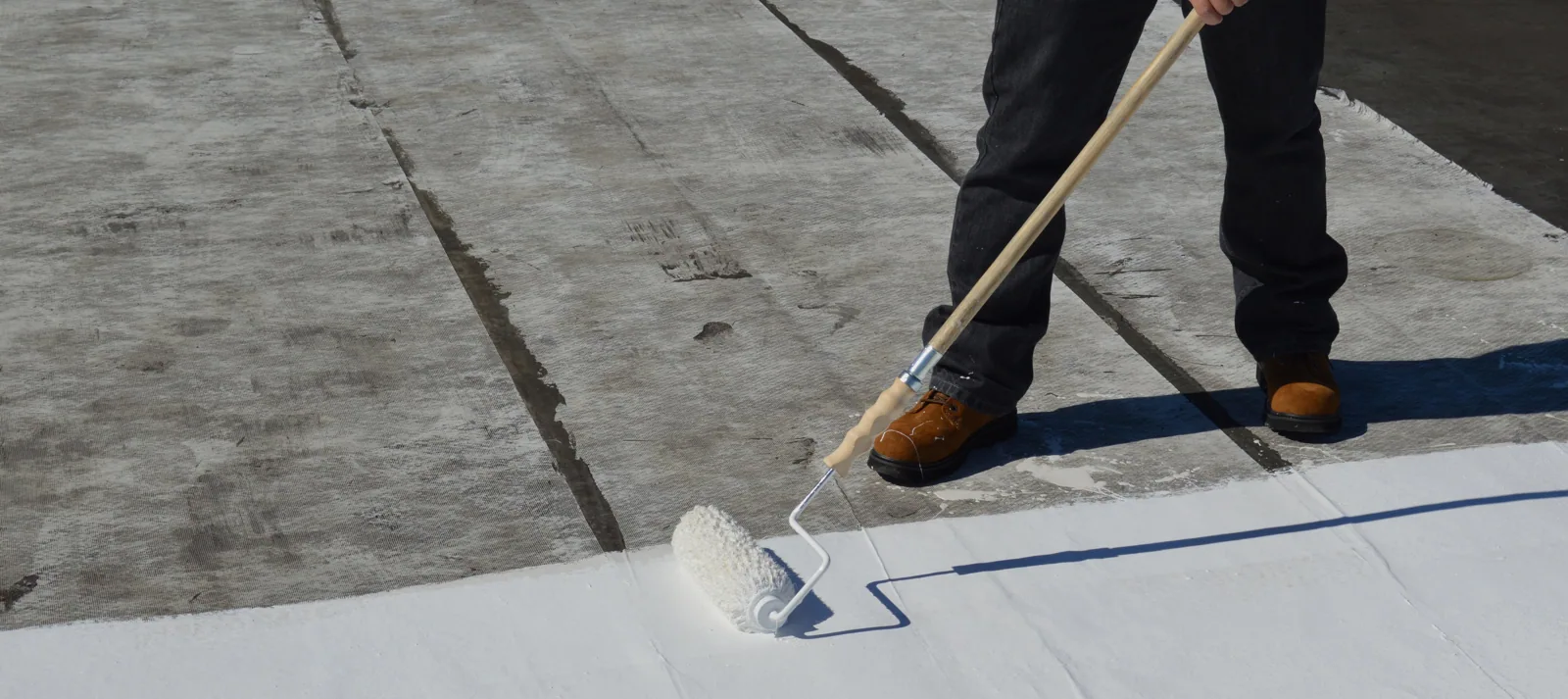
Preparation removes dirt, biological growth, loose material and failing coating to reach a stable substrate. Seams, penetrations, fasteners and cracks are repaired as specified, with reinforcement where required. Primer is applied only where the selected system calls for it. The acrylic coating is spread or sprayed at the required rate and allowed to dry between coats according to product directions. Thickness and coverage are recorded rather than estimated from color alone.
Rain, dew, temperature, humidity and wind can interrupt application or curing. We plan each roof zone so open repairs are protected and daily boundaries are closed. Drain bowls, scuppers and overflow paths stay clear of coating. If the substrate is too wet or the assembly cannot be prepared, the coating work is rescheduled or another scope is evaluated. A repair visit addresses the defect first, while insulation and cover-board work may be needed where the existing materials are unsound.
Acrylic coating can restore a suitable, prepared surface, but product fit depends on roof slope, ponding exposure, substrate and expected conditions. Silicone and acrylic systems have different performance characteristics and application requirements. We compare approved product data with the building's drainage, surface and exposure, and do not select by coating color alone. A silicone system or a spray foam roof may require a different preparation and detail sequence.
Rochester receives a normal 46.3 inches of seasonal snow, much of it between December and March. It supports seasonal attention to drains and edges, not a conclusion that a particular acrylic roof is suitable or unsuitable. For a shopping property near Apache Mall or a business in the Heart of the City, we coordinate access around the actual building and tenant operations. A Heart of the City roof visit records the property address, system and work boundary before restoration is proposed.
After coating, maintenance records adhesion concerns, wear, open seams, penetrations, coating thickness observations and water movement. We photograph repairs from consistent roof-plan locations and document new equipment work or foot traffic. If an area has not cured fully or could not be reached, that limitation stays in the closeout record. The next portfolio date can then target a known concern rather than repeating a general visual pass.
A maintenance program can combine surface review with drain cleaning and perimeter checks. We retain product data, application date, preparation notes and any adhesion tests to guide future repair decisions. Commercial roof emergencies can be reported at any hour, though coating application still depends on suitable weather and a prepared roof. Send the Rochester address, coating records, active concern and property contact to set the initial inspection and define next steps.
Other services, systems and buildings that often come up alongside this work in Rochester.
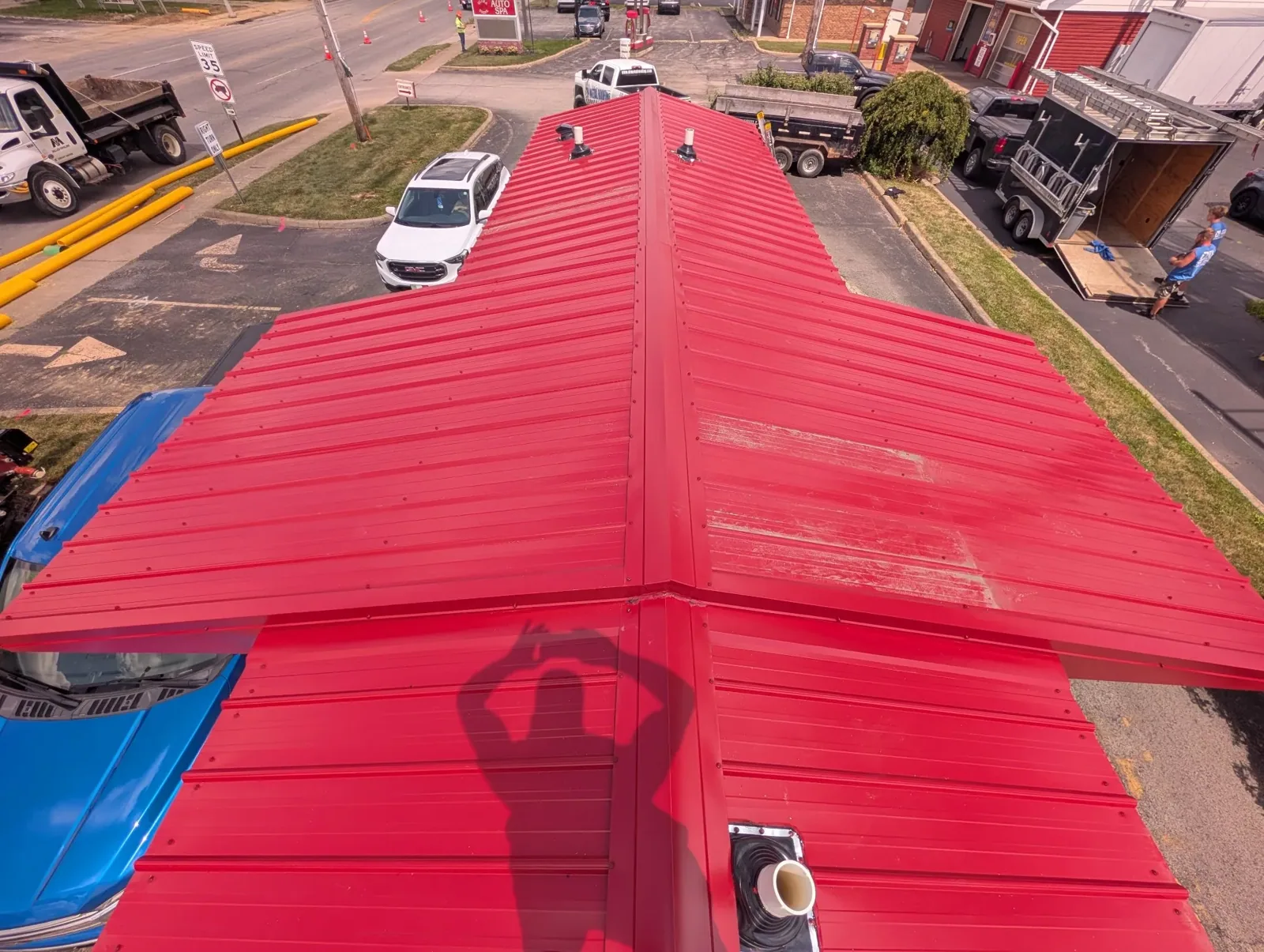
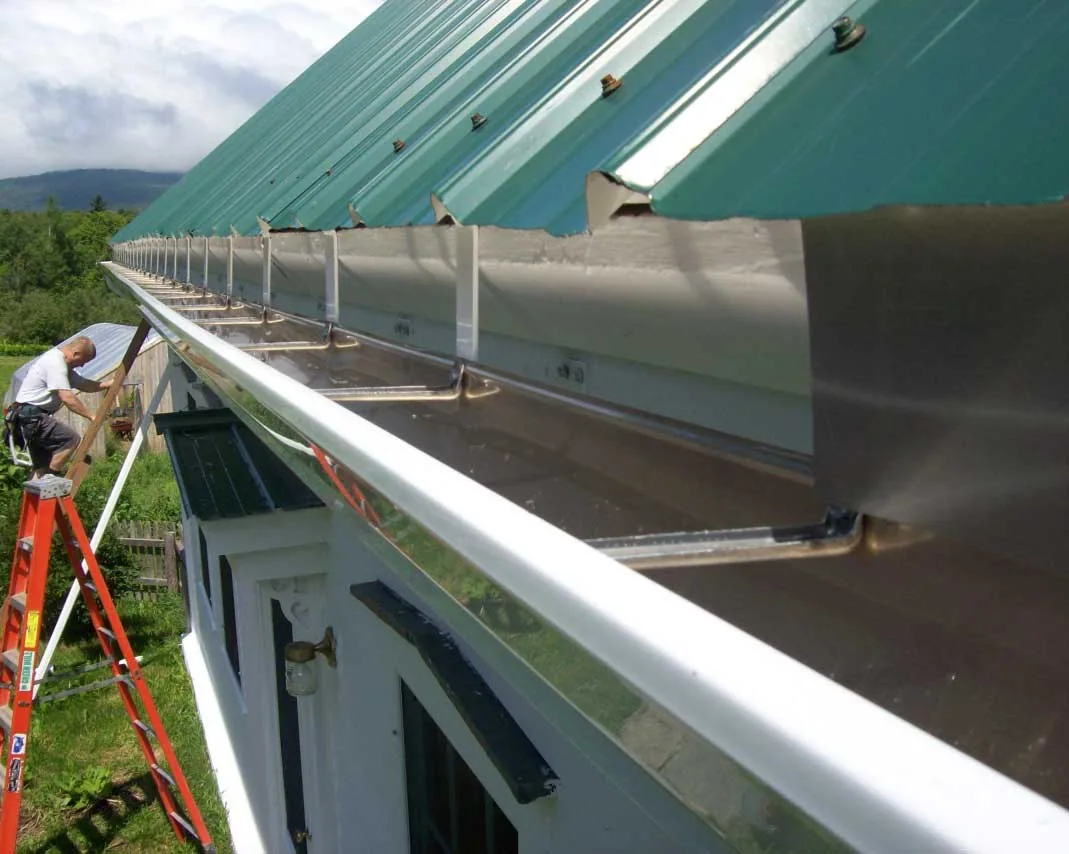
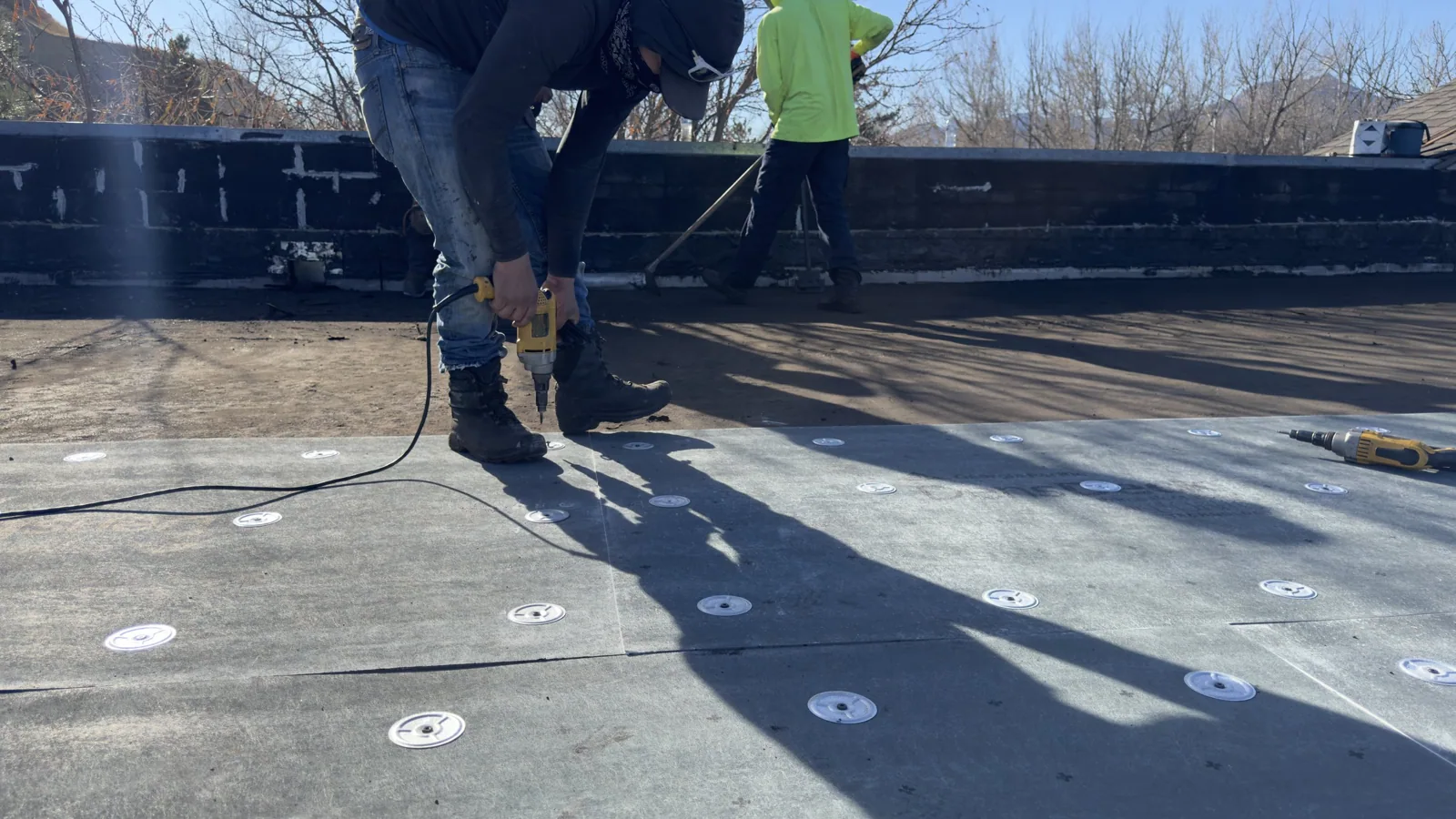
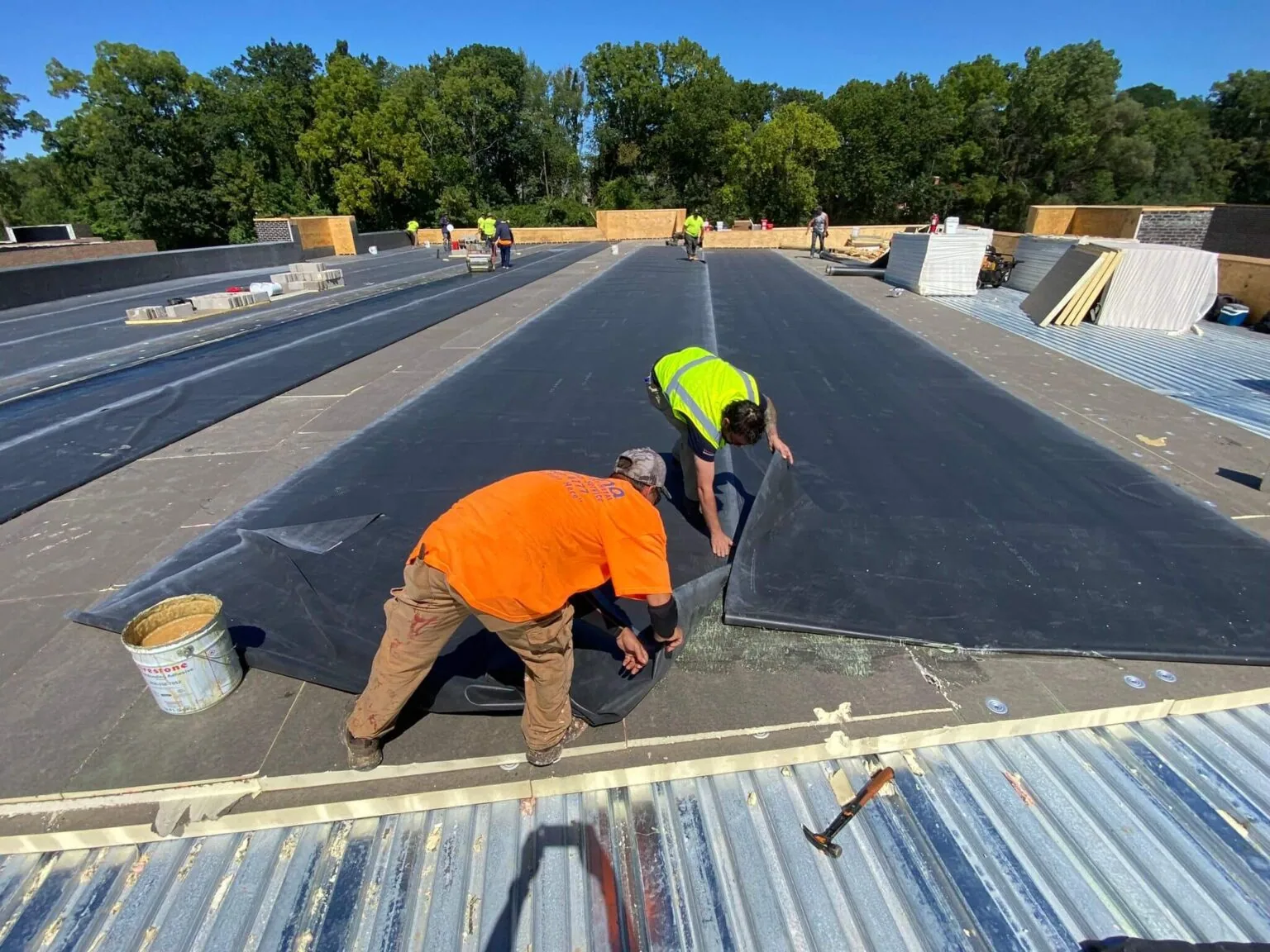

From distribution centers to clinics and schools, we roof the buildings Rochester depends on.
Application and cure follow the selected product's temperature, surface moisture and forecast requirements. We check conditions and plan the work for a suitable dry window. If rain, dew or cold interrupts the sequence, the area is protected and the next step is scheduled after preparation can be maintained. The work record notes which zones were completed and which were deferred.
That transition needs product-specific compatibility and adhesion confirmation. We identify the existing coating, prepare a test area and follow the proposed system's requirements. If the surface will not bond, removal or a different restoration approach may be necessary. We record the tested location and do not assume that a result on one section applies across the entire roof.
Open seams, loose flashing and failed curb details need repair before field coating. We inspect and correct those connections, then apply coating with reinforcement or primer where required by the system. If moisture is present below the membrane, coating alone does not dry or replace those layers. The scope separates detail repairs from coating coverage.
We compare the existing substrate, slope, drainage, ponding, exposure, product requirements and preparation needs. Adhesion tests and moisture findings can change the selection. We review the roof's details and maintenance history, then explain what a coating can address and which conditions require repair or replacement. The recommendation is tied to tested roof sections, not a generic system preference.