Water is coming into the building right now
Call us and tell us where the water is showing up. We will get a crew on the roof to stop the leak and protect the space below.

Commercial Roofing Services
Assess a Rochester roof for coating restoration with adhesion checks, detail repairs and drainage review before selecting a compatible system.
Call us and tell us where the water is showing up. We will get a crew on the roof to stop the leak and protect the space below.
We walk the roof, photograph what we find and give you a written scope with repair options before any work starts.
Rochester, MN
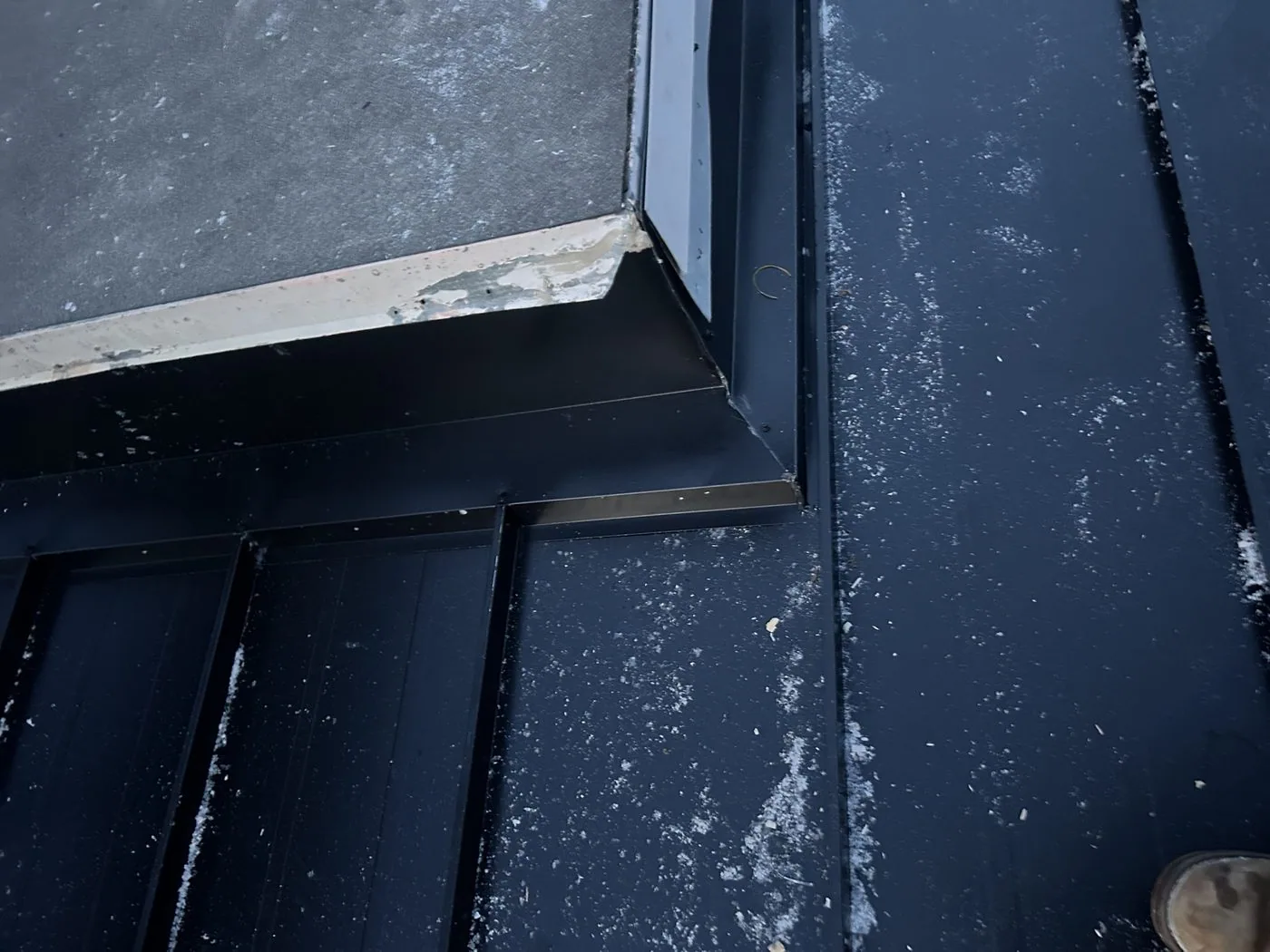
A coating that thins at a metal transition can expose a weak point before the broad field shows trouble. We inspect the surface, seams, terminations, drains and prior repairs before deciding whether restoration fits. Coating cannot stabilize wet insulation, correct a failed deck or make incompatible layers bond. We identify the existing material and test whether preparation can produce the specified system's required adhesion.
In Rochester, summer heat and winter exposure make timing part of the scope. The local record reached 108°F on July 14, 1936; that historic extreme is context, not a current surface reading. A coating project downtown or near the Rochester Technology Campus needs its own access, staging and dry-in plan. We document the tested area before presenting a recover or coating comparison.
Send the Rochester property address, roof concern, available system records and portfolio contact. We will identify test areas and map the details that determine whether restoration is suitable.
Compatibility begins with the roof that is there. We identify the membrane or coating where it can be confirmed, note repairs and transitions, and check for loose material, open seams, exposed reinforcement, blisters, contamination and areas of ponding. The deck and insulation remain unknown unless records or testing establish them. A coating proposal should not imply that a surface walk proves concealed layers are dry or secure.
We select adhesion tests and sample locations to answer a defined question. The report records preparation, test material, location and result, then explains whether more testing is needed. Around a penetration curb or drain bowl, we check the detail separately because a field coating cannot replace sound flashing geometry. If a roof has multiple repair materials, the test plan should represent the distinct areas rather than one convenient patch. A hands-on roof inspection can map those conditions before the restoration boundary is drawn.
Coating is a candidate when the roof is suitable, preparation can produce a reliable bond and required details can be restored. We check seams, attachment, penetrations, drains, edges and moisture before treating the field as one surface. Widespread wet insulation, unstable membrane or failed transitions can leave the cause in place if covered. We state which findings support restoration and which call for removal or another repair.
The comparison includes preparation, flashing, drainage, access, cure conditions and areas outside the scope. Rochester has medical, office, retail and civic properties downtown as well as larger industrial sites; use affects staging, not roof type. If test areas support restoration, we can compare a silicone coating system with another option based on substrate, slope and exposure.
Restoration starts with a work plan for cleaning, removal of loose material, repair of open details and protection of equipment. We confirm drains remain functional, establish where debris and wash water will go, and protect areas that cannot receive coating. Surface preparation must match the system specification. Dust, residual oils, moisture or incompatible sealant can compromise adhesion even when the roof looks uniform from a distance.
After preparation, we inspect the exposed details and complete approved repairs before coating the field. Reinforcement at seams, penetrations and transitions follows the selected system requirements. We record environmental conditions and application areas, then check coverage and detail continuity as work proceeds. If rain, temperature or surface moisture prevents application within the product limits, the crew waits or adjusts the sequence rather than enclosing a surface that is not ready. The edge metal and coping scope may need separate attention where coating terminates against metal.
The proposal should identify what is included: cleaning, repair locations, reinforcement, coating areas, number of applications as specified by the system, and the limits at drains and edges. It should also list exclusions such as concealed wet insulation, damaged deck or inaccessible sections. We photograph the tested areas and retain the adhesion results with the roof-section map. This lets an owner distinguish the surface that was evaluated from portions that were not part of the restoration decision.
Apache Mall is a regional shopping center at US Highway 52 and US Highway 14 East. That location is useful context for regional property access, but it does not tell us anything about another building's roof. We need the exact address, system records and roof plan to set a reliable boundary. For a portfolio, a condition report can retain test points, repaired details, material sequence and follow-up dates with the property record. The same record helps the next reviewer locate a seam or curb without treating an entire site as one roof surface.
Coating work can obstruct drains if masking, loose debris or wet material reaches a bowl. We protect the opening while preparing the surrounding area, then remove protection and verify that water can pass through the strainer and discharge path. Scuppers, overflows and downspouts receive the same attention. A shallow low area may need a design correction; adding coating alone does not create positive drainage or remove a depression in the deck.
Rochester's normal seasonal snowfall is 46.3 inches, with the typical concentration from December through March. That makes drain and edge details important parts of the restoration record, though the climate normal does not prove a roof has ponding or snow damage. We map existing flow paths and note where a correction is recommended before coating. Where standing water follows a defined low point, the drain and scupper review can separate clearing and repair from tapered-insulation or drainage redesign. Each proposed change should be visible in the scope and reflected in the closeout photos.
At completion, the record identifies prepared areas, repaired details, coverage, test results, exclusions and locations that still need review. We photograph transitions, drains, curbs and terminations for comparison at the next inspection. The interval follows system requirements and roof conditions. The file states what was applied and which details remain outside the boundary.
For an estimate, provide the Rochester address, roof records, prior coating history and access limits. At the Rochester Technology Campus or downtown, specify the building and site contact. We will map test areas, list preparation needs and explain whether coating, repair or replacement fits the verified conditions.
Other services, systems and buildings that often come up alongside this work in Rochester.
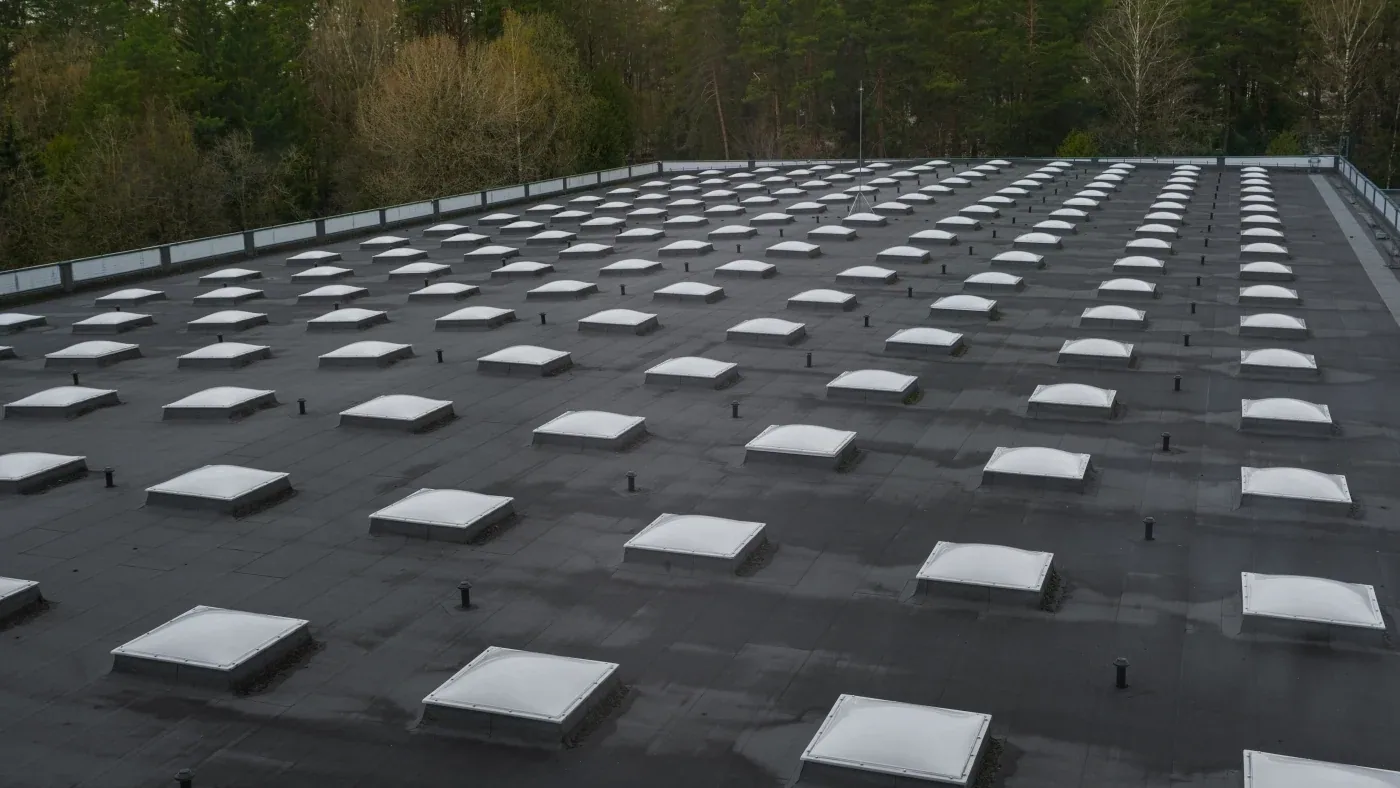
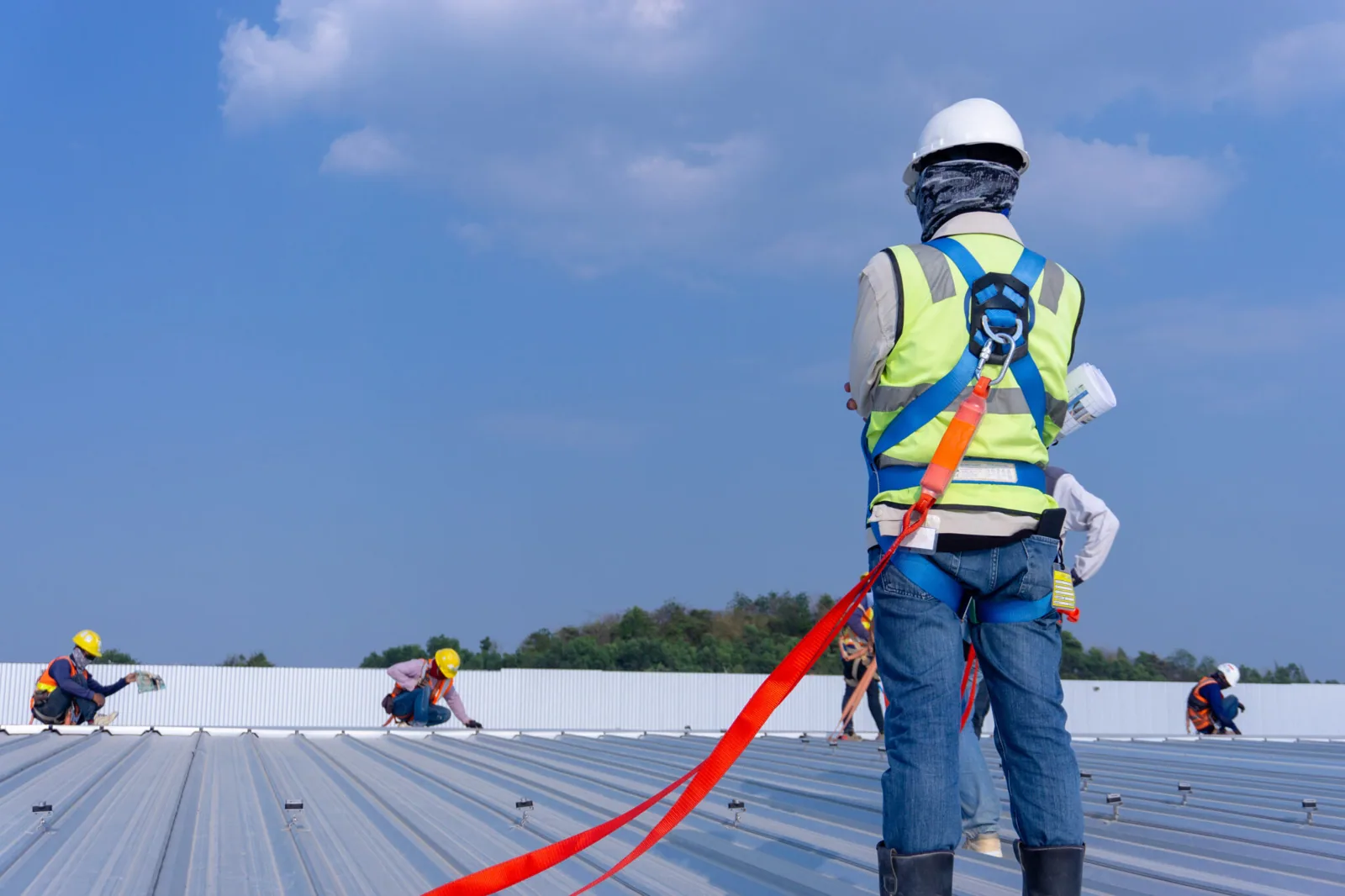
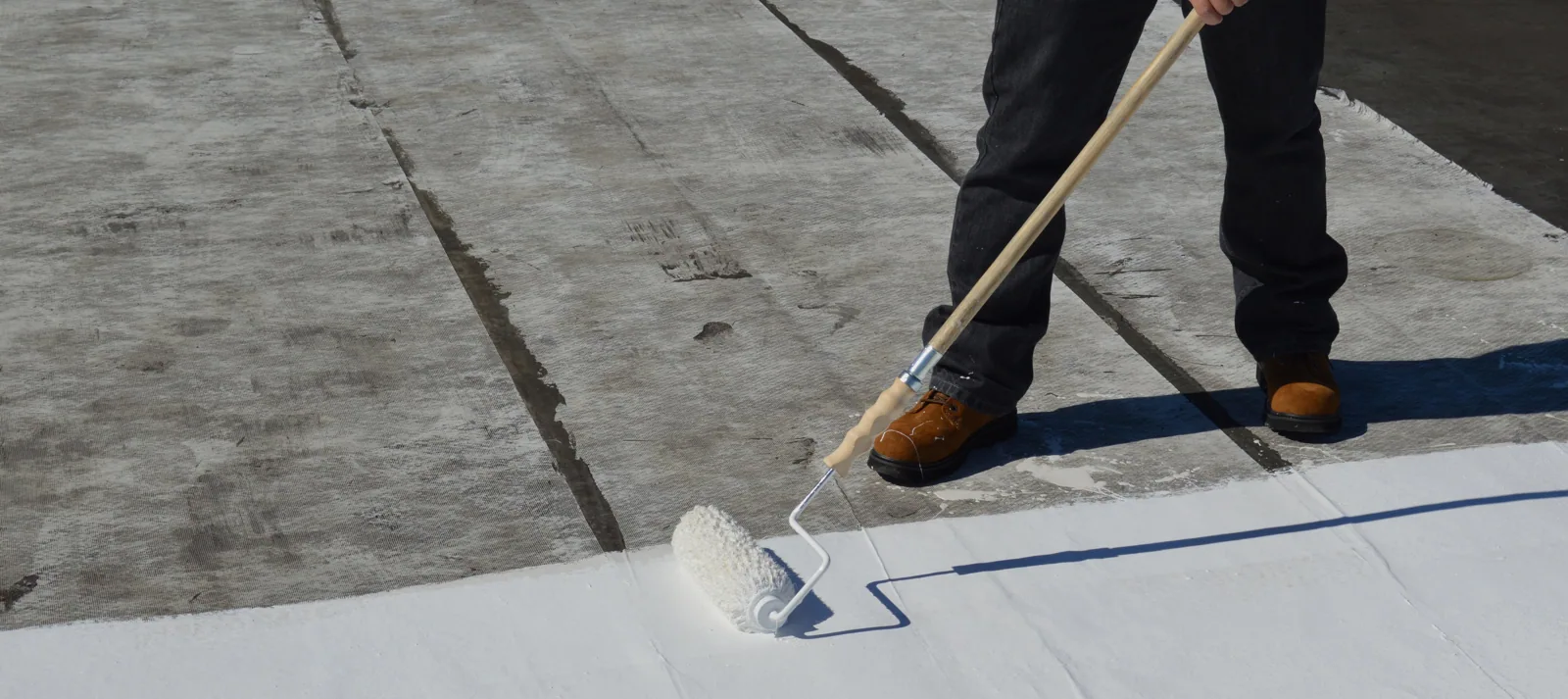
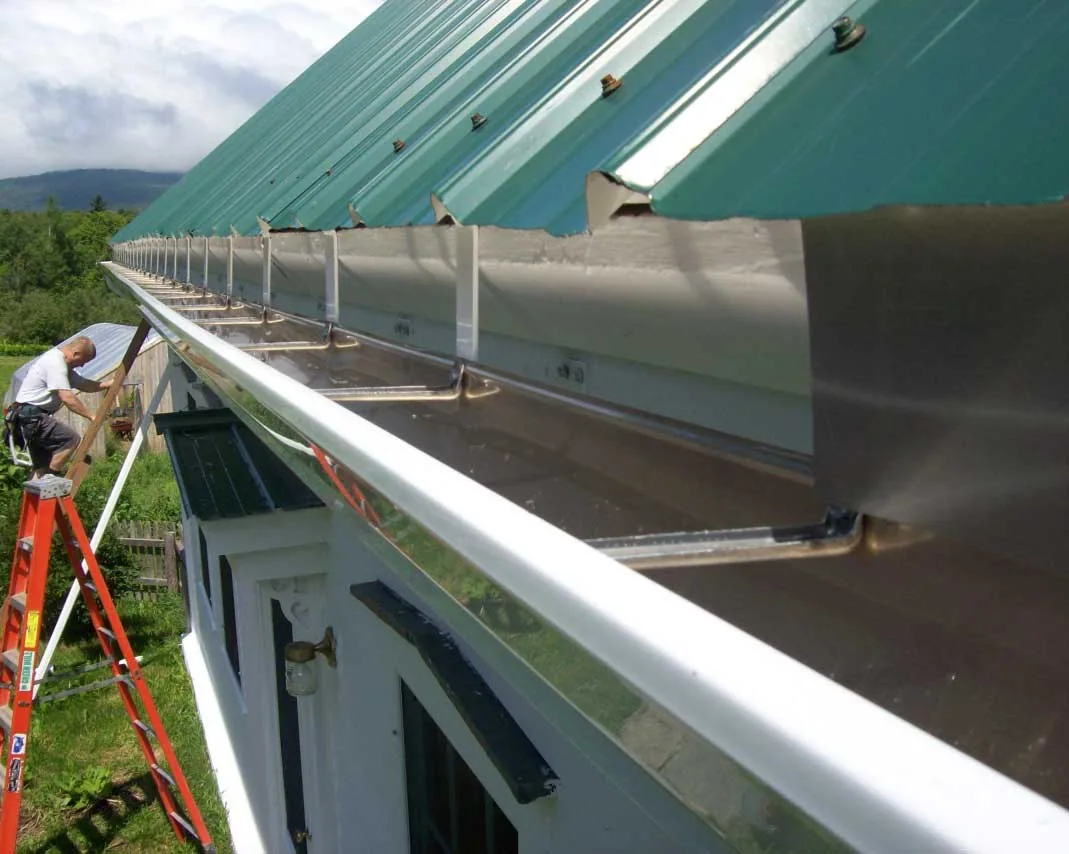
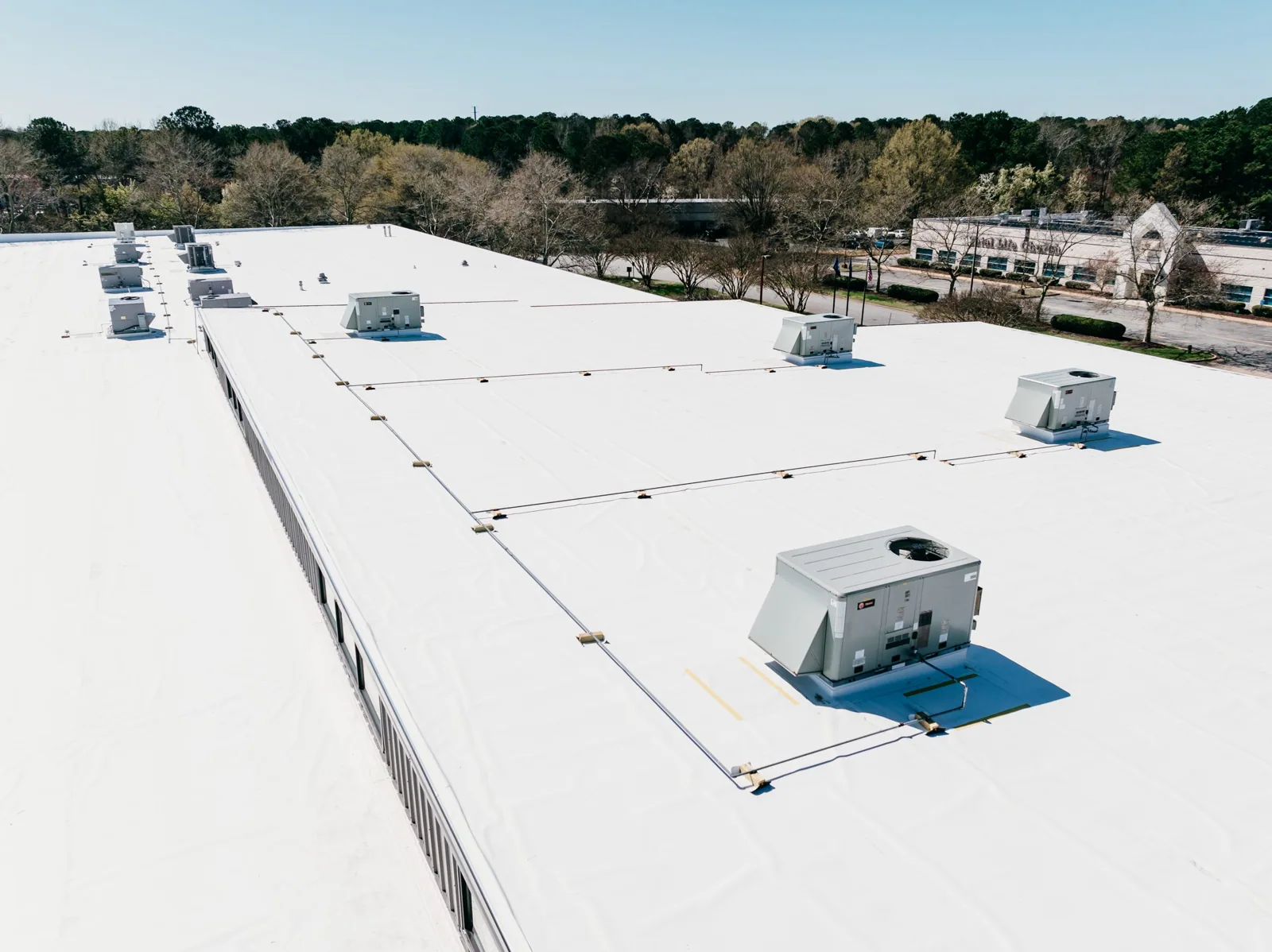
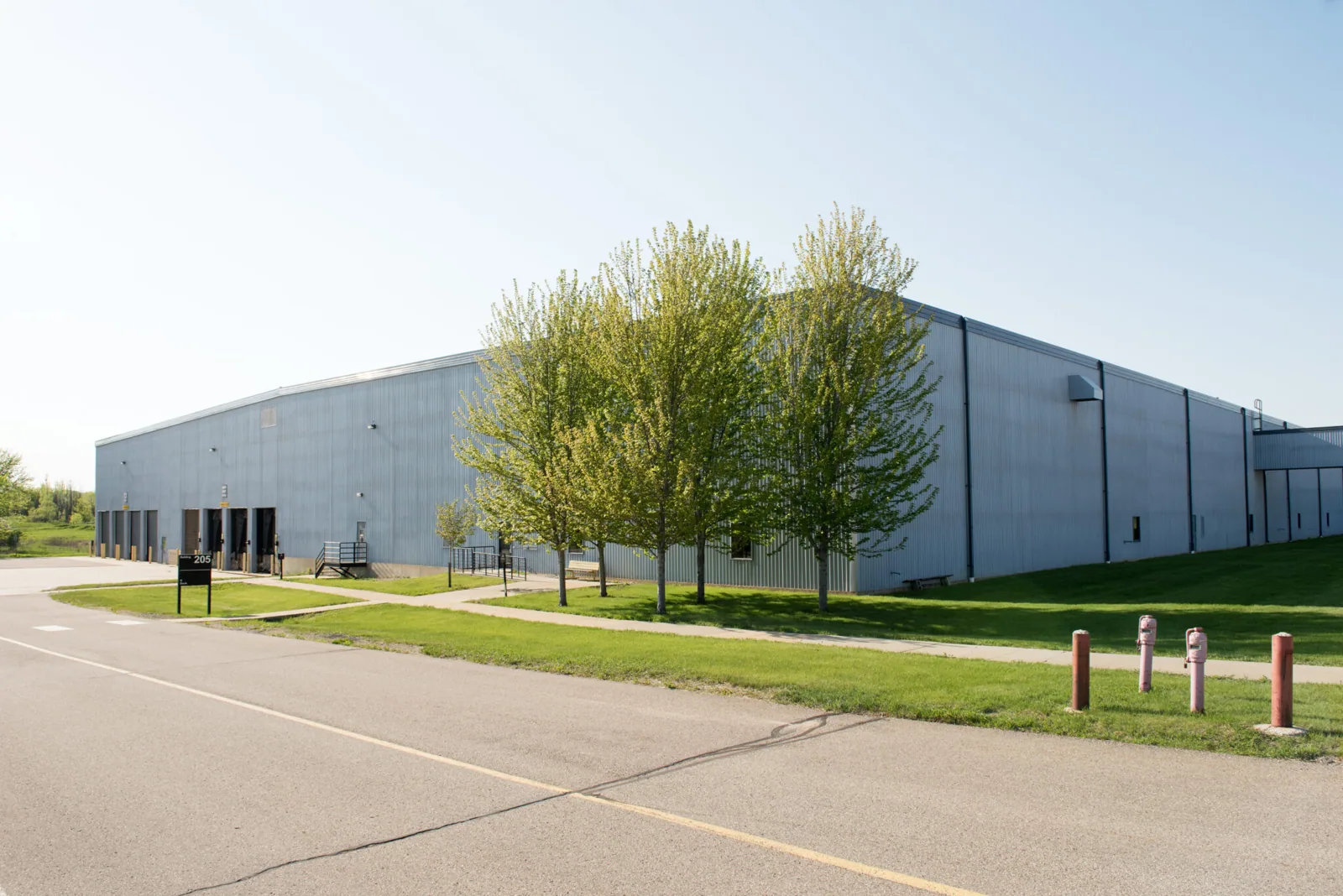

From distribution centers to clinics and schools, we roof the buildings Rochester depends on.
We identify the existing materials, inspect seams and transitions, review available records and test representative areas for adhesion. Moisture, unstable layers or widespread detail failure can make coating unsuitable. The report shows the locations tested, the result and any area that still needs a separate investigation before the owner selects restoration.
A coating does not correct a low deck, blocked drain or poorly placed overflow. We map the water path and identify whether cleaning, detail repair or a drainage change is required. If the proposed work needs slope correction, that scope must be defined separately from the coating field.
Only after the distinct surfaces are identified and the proposed preparation and system can accommodate them. We choose test areas that represent the different materials, record adhesion and note repairs that must be removed or rebuilt. A single successful sample does not establish compatibility everywhere on a multi-section roof.
Retain the product and application records, preparation notes, test results, repair map, photographs, exclusions and the date of completion. We label each roof section and detail so a future inspection can distinguish the restored field from untreated or inaccessible areas. That record also gives the portfolio contact a useful basis for scheduling follow-up work.