Water is coming into the building right now
Call us and tell us where the water is showing up. We will get a crew on the roof to stop the leak and protect the space below.

Commercial Roofing Services
Repair Rochester commercial roof edge metal, coping, gutters and downspouts with mapped attachment, flashing and discharge details.
Call us and tell us where the water is showing up. We will get a crew on the roof to stop the leak and protect the space below.
We walk the roof, photograph what we find and give you a written scope with repair options before any work starts.
Rochester, MN
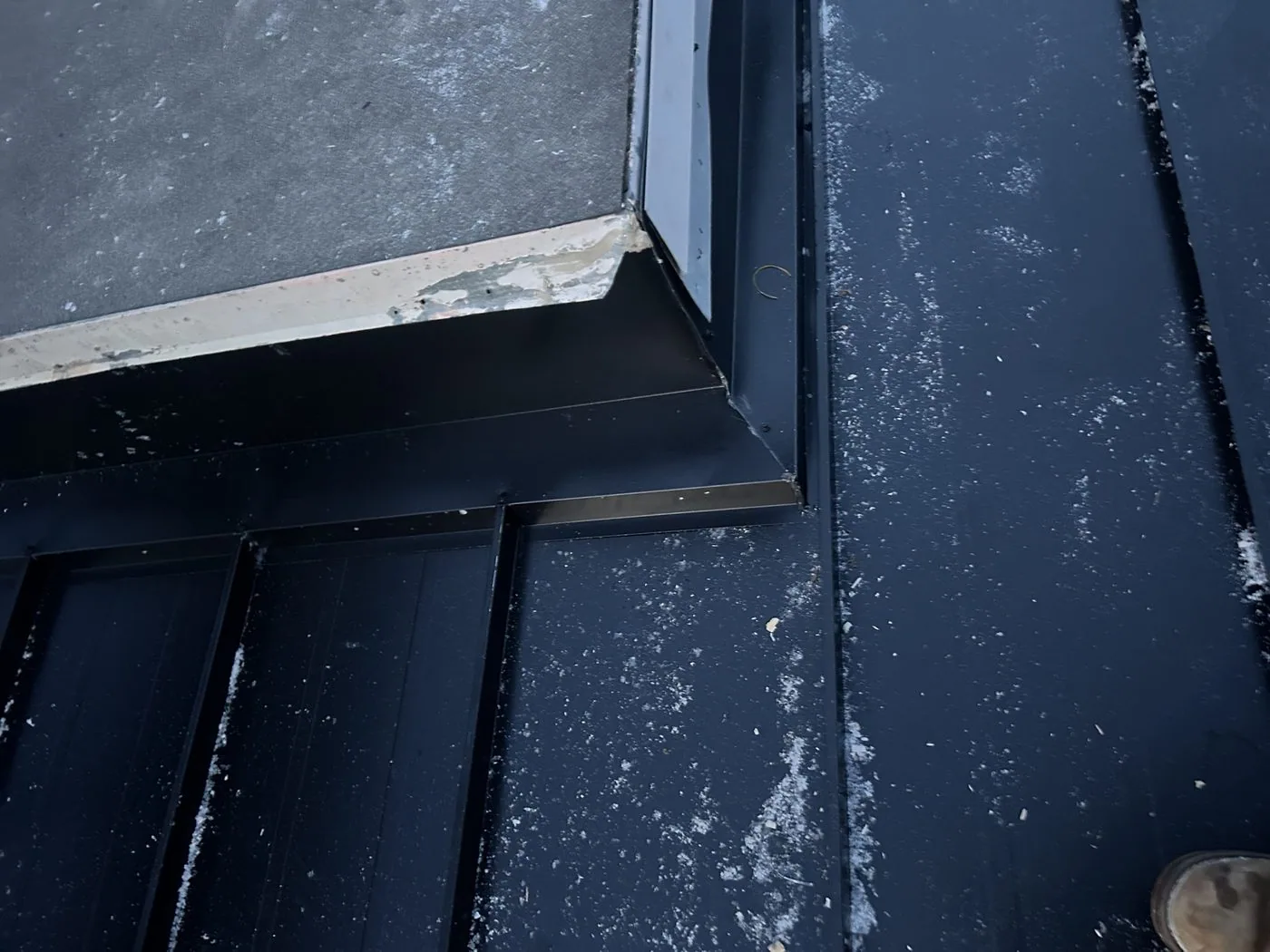
A coping splice that opens at a corner can admit water behind the edge before a ceiling stain appears. We inspect the cap, cleats, fasteners, joints, membrane termination and wall transition as one detail. At a gutter, the review continues through the outlet and downspout to the discharge point. The repair must preserve the roof edge and direct water away from the wall; sealing the visible joint alone may leave the attachment or flashing problem untouched.
The NWS winter normal for Rochester is 46.3 inches of snow per season, with the main accumulation period from December through March. Before winter, we inspect perimeter metal, primary outlets and overflow paths, then document conditions by roof section. We map each building separately, identify the installed system where known and note access for ladders, lifts or roof entry. A property near the 37th Street North Broadway node can have different staging needs from a facility on the airport campus. The first record includes the exact address and edge run, not just a campus or corridor name.
Send the Rochester property address, leak or loose-metal location, roof records and access contact. We will inspect the edge connection and define the repair and discharge limits.
At coping, we check cover width, splice plates, joints, cleat engagement, fasteners, corners, end caps and movement at the wall. We look for lifted sections, open laps, corrosion, loose attachment and sealant that has separated from one side. Beneath the metal, the membrane termination and counterflashing must still direct water outward. If the wall transition is concealed or the metal cannot be safely removed, the report names the limit rather than assuming the condition below.
For gutters and downspouts, we note slope, hangers, seams, outlet screens, blockages and discharge. Water spilling behind a gutter can wet fascia or wall assemblies, while a disconnected downspout can release water where it affects an entrance or service route. We document the route from roof runoff to grade and photograph the connection points. A drainage review may be needed where the edge outlet and primary roof drains interact or where overflow provisions are unclear.
The repair method depends on metal type, substrate, attachment and membrane termination. We identify whether a loose cap can be reset with sound cleats or whether the affected section needs replacement. At a coping joint, we check adjoining pieces and corners so a new splice does not bridge over a second loose area. Fasteners and sealants must suit the metal and exposure; they do not replace a required mechanical connection.
Where membrane flashing meets the edge, we restore the water plane before closing the metal. A repair can include removal of failed flashing, preparation, compatible membrane work and reinstallation of secure edge components. If the substrate is soft or wet, we photograph it and request direction before extending the boundary. At a gutter, the scope may require outlet repair or downspout replacement in addition to the roof-side detail. For active entry at the perimeter, a leak repair investigation can trace water movement and show whether it starts at the cap, wall or nearby penetration.
Before metal work begins, we confirm the building contact, safe access, material delivery point and areas below that need protection. Removing an edge section can expose the roof-to-wall transition, so the daily plan defines how it will be secured if work cannot be completed in one shift. At a gutter, we protect the discharge area and keep debris out of connected drains. The plan notes public entrances, dock routes and equipment near the work.
Rochester's comprehensive plan maps West Circle Drive and Valleyhigh Drive as northwestern corridors and identifies nearby industrial clusters. We confirm the property plan and site contact before setting staging and runoff controls. At an occupied building, the sequence can keep a walkway open or route discharge away from a loading area while the crew resets the edge. Any needed storm-related metal repair is documented by observed lift or impact rather than the event name alone.
Sealant renewal is appropriate only when the metal, attachment and flashing remain sound and the joint is designed to receive that treatment. Loose cleats, failed fasteners, displaced edge metal or a deteriorated membrane termination require a repair to the assembly. We photograph the joint, adjacent sections and substrate where exposed, then identify which component is included in the scope. If the same condition appears at several roof edges, the review should measure the affected runs rather than price one sample joint as the whole job.
A manufacturer may publish specific edge-metal and wind-uplift requirements for its roof system. We check the installed materials and available records before selecting a repair detail. For a standing seam metal roof, panel movement and clip placement matter; for a membrane roof, edge securement and termination differ. A standing-seam assembly review or a condition record can preserve the observed system, attachment and limits. The recommendation will state whether the work is maintenance, a localized rebuild or a broader edge replacement.
The closeout record marks the roof edge by elevation or section and identifies corners, splices, drains, gutters and downspouts included in the work. Photographs show the attachment before and after repair where accessible. We list replaced metal, restored membrane, remaining sealant, discharge changes and any concealed area that stayed closed. Those details let another reviewer compare the repair to the next inspection without treating every edge as the same assembly.
The Airport Business Park shares an operating aviation campus with passenger and cargo facilities. In Golden Hill, downtown or at the airport, we coordinate access with the property's contact and confirm current site requirements. The record starts with an address, roof plan and assigned contact, then ties each repair photograph to a location. For broader perimeter review, a roof inspection can map other edges and transitions before the next maintenance cycle.
At completion, we verify the metal is secure, the flashing connection is restored and water has a clear path into the gutter or drain. The owner receives repair limits, photographs, materials noted and any remaining recommendation. If a downspout still discharges at a location that needs review, that item stays open rather than being marked complete with the roof-side repair.
To request edge or gutter work in Rochester, provide the property address, known leak or loose-metal location, roof records and a contact for access. Note which elevation, entrance or loading area may be affected. We will trace the roof-to-wall transition, define the repair boundary and state whether a joint reseal, metal replacement or membrane work is included. The resulting closeout can be filed with the correct roof section and revisited at the next portfolio date.
Other services, systems and buildings that often come up alongside this work in Rochester.
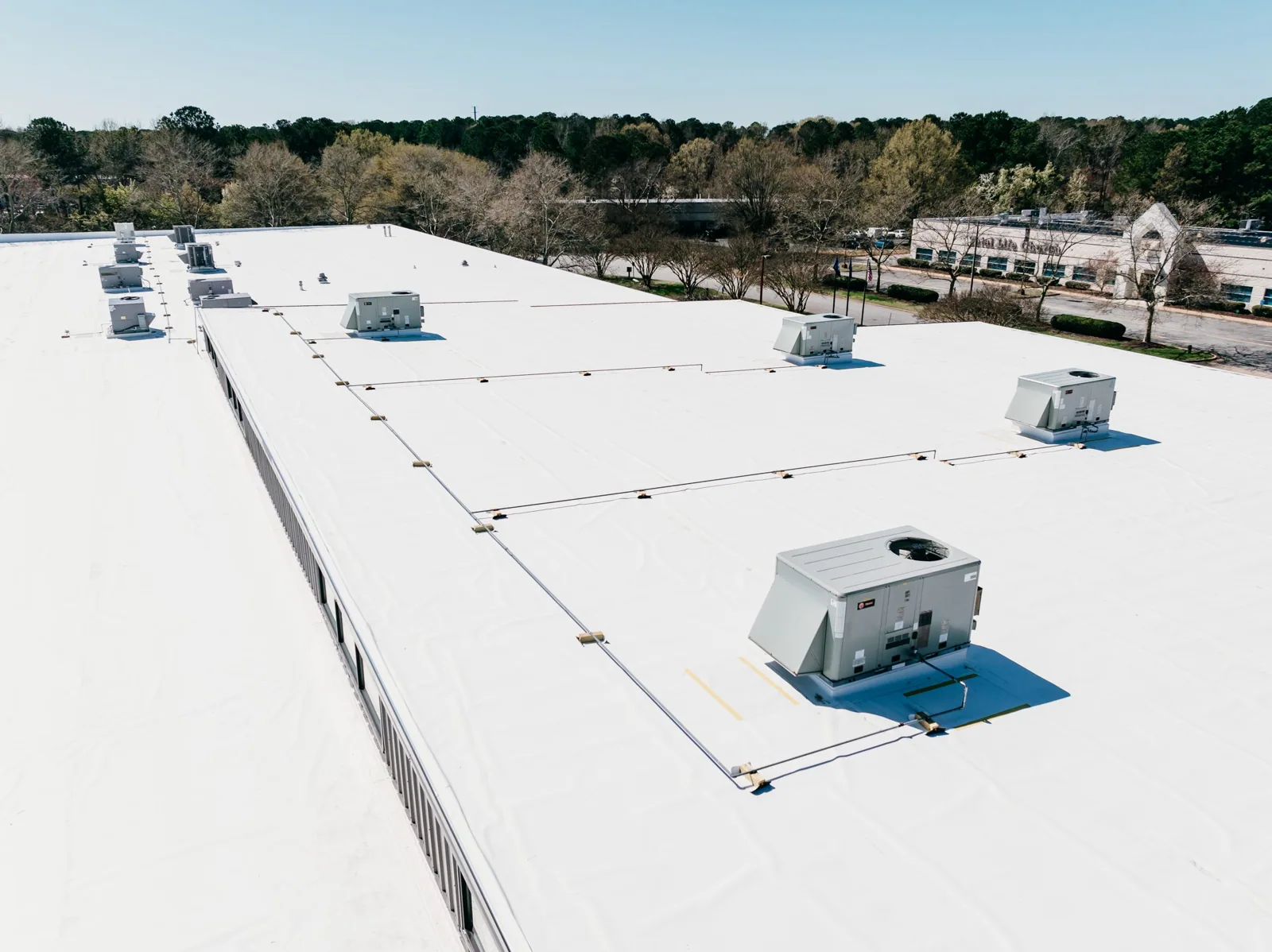
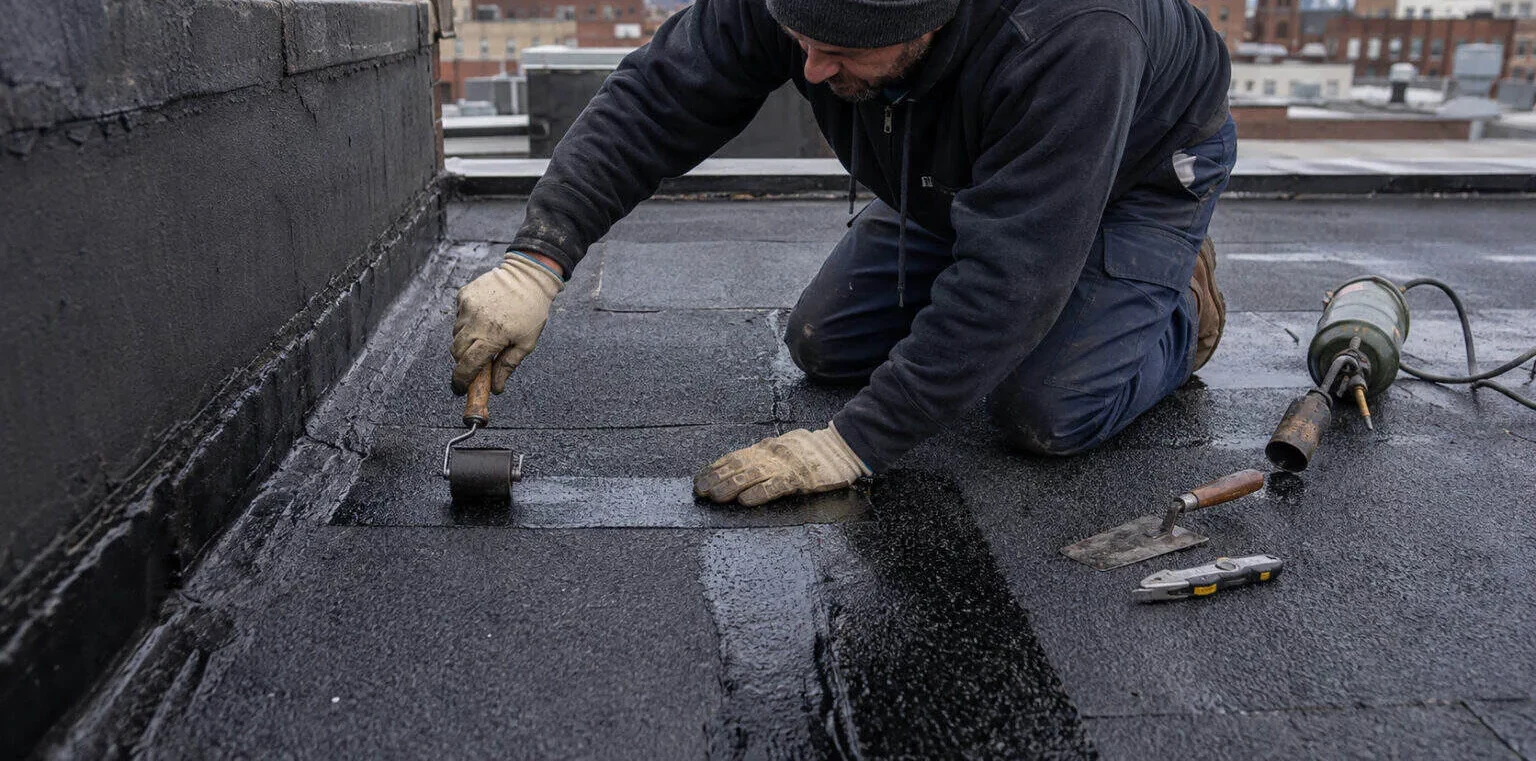
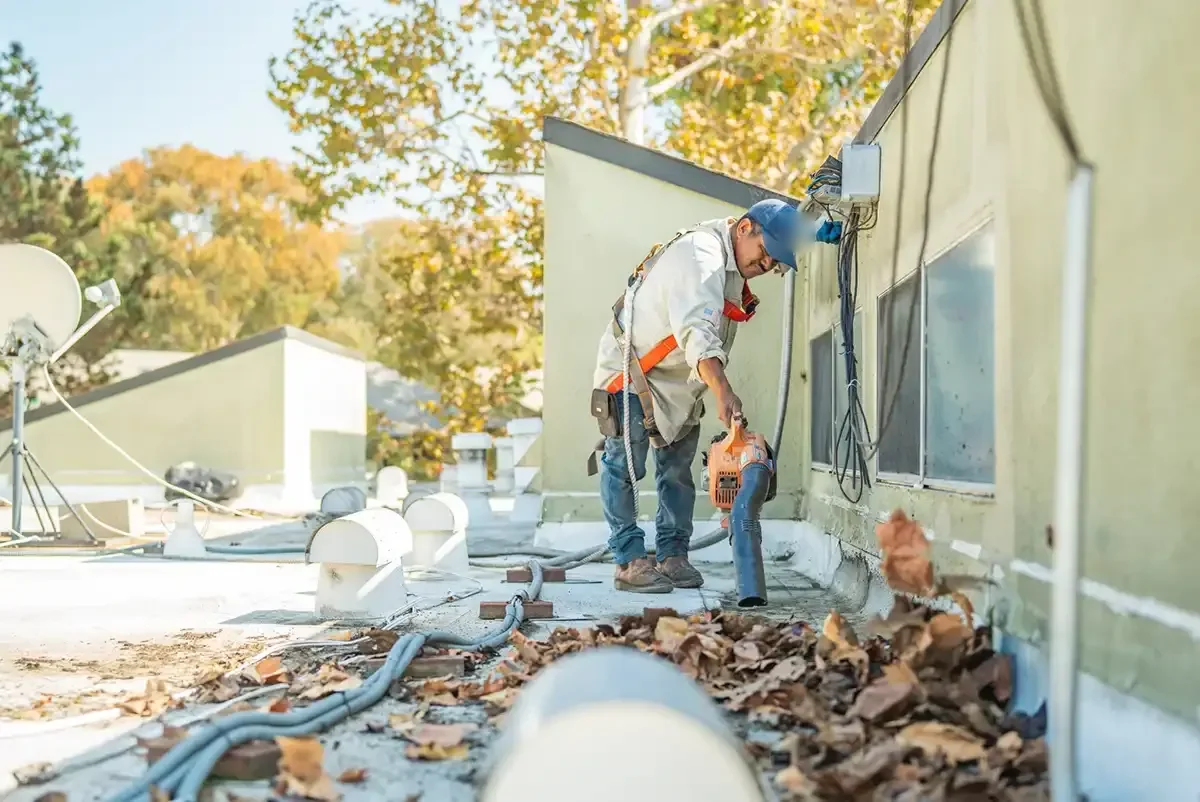
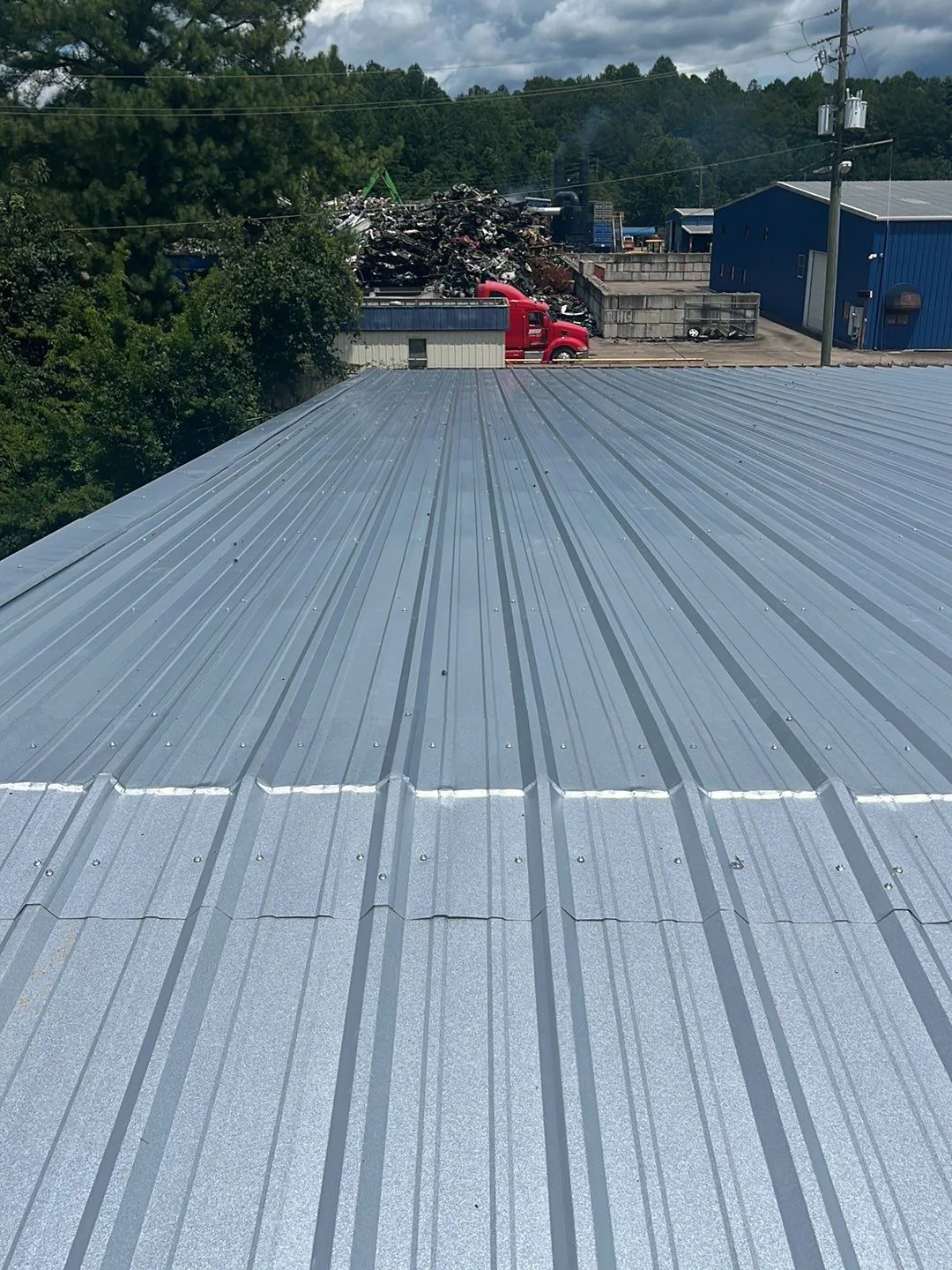
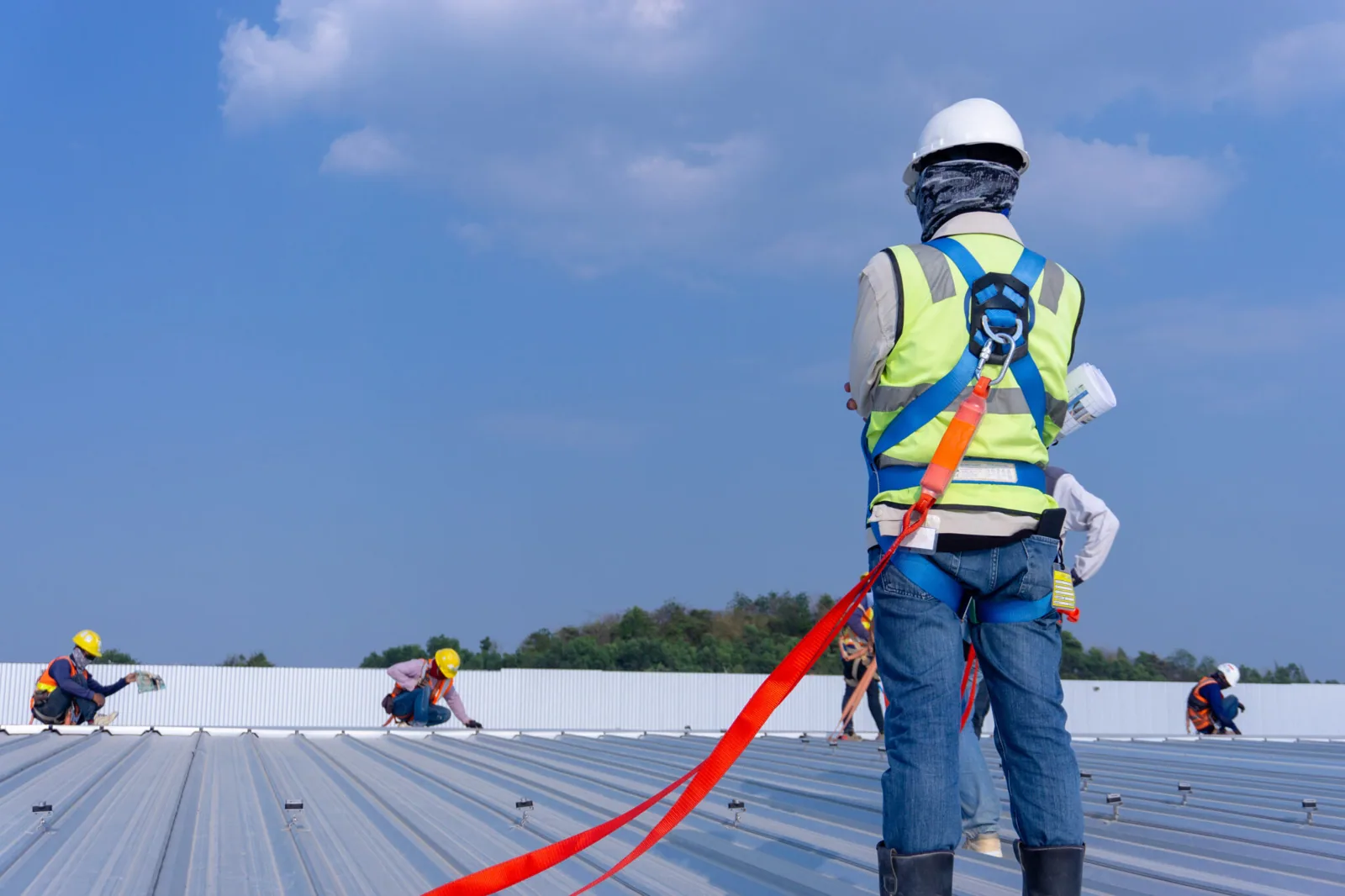
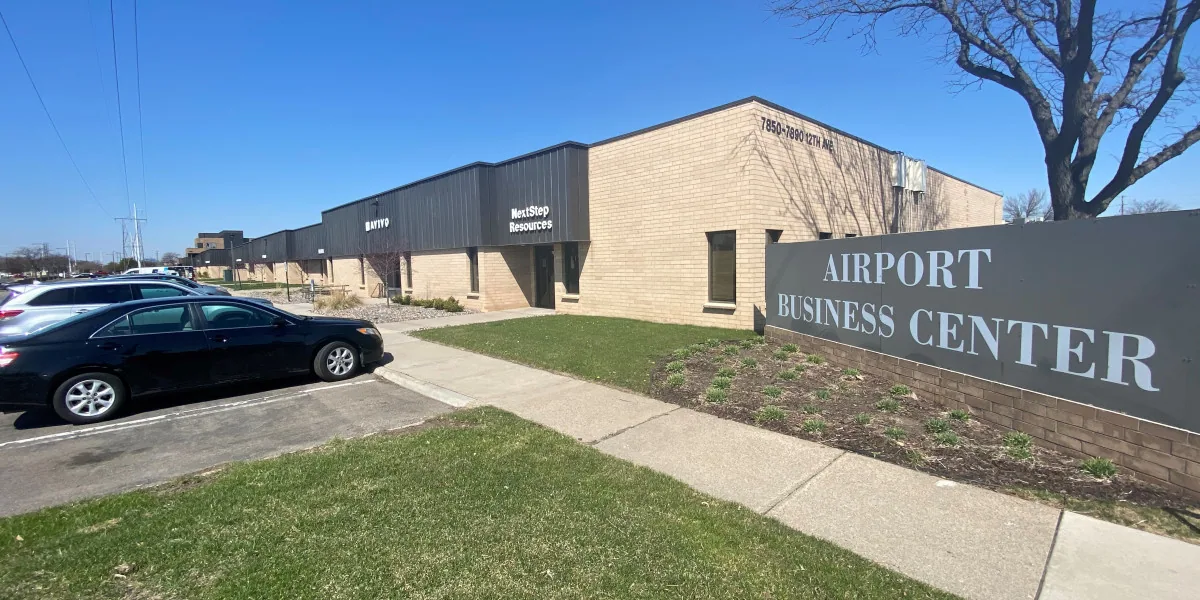

From distribution centers to clinics and schools, we roof the buildings Rochester depends on.
Only when the joint, cleats, attachment and flashing remain sound and the detail is designed for that sealant. We inspect the surrounding metal and membrane termination first. If a cap has lifted or the flashing below has separated, the repair needs to address those components rather than cover the opening alone.
The cause may be a blocked outlet, poor slope, loose hanger, separated seam, undersized discharge path or a roof edge that directs water beyond the trough. We trace the runoff from the roof to the downspout, photograph each connection and define whether cleaning, repair or a broader drainage correction is required.
We time perimeter reviews ahead of the main winter snow period and inspect attachment, joints, membrane termination and nearby drainage before setting a repair scope.
The scope should identify the elevation or roof section, metal components, attachment method, membrane or wall transition, preparation, replacement limits and protection below. We also note whether gutters and downspouts are included, where water will discharge and which concealed conditions remain outside the work.