Water is coming into the building right now
Call us and tell us where the water is showing up. We will get a crew on the roof to stop the leak and protect the space below.

Roof Systems
Inspect and restore spray polyurethane foam roofs in Rochester, MN. We check foam, protective coating, drainage and penetrations before defining repairs.
Call us and tell us where the water is showing up. We will get a crew on the roof to stop the leak and protect the space below.
We walk the roof, photograph what we find and give you a written scope with repair options before any work starts.
Rochester, MN
A spray polyurethane foam roof depends on two connected layers: the contoured foam and the protective coating over it. A puncture or worn coating can expose foam to water and sunlight, while a leak may also begin at a curb or drain. We inspect the foam profile, coating and drainage together before recommending a repair. The Rochester seasonal normal is 46.3 inches of snow, with the bulk falling between December and March; we record transitions before water enters a cut or open edge.
Each inspection is tied to one property and roof zone. The Mayo Clinic Support Campus plan includes warehouses and technology facilities; the Rochester Technology Campus review describes commercial, industrial and warehouse or light-industrial scenarios at the former IBM property. Those facts inform building context, not the type or condition of any individual roof. We confirm the assembly, operating constraints and available records before setting work sequence.
Send the Rochester address, active roof concern, SPF and coating records, and portfolio contact. We will map exposed or damaged areas, check drainage and penetrations, and return a repair or restoration scope tied to tested conditions.
We look for exposed foam, erosion, punctures, cracking, blisters, coating loss, open seams and prior patch material. The surface coating should be checked for thickness variation, adhesion and continuity at edges, curbs and penetrations. Foam crumbling or softening can indicate damage, but we confirm extent by examining the area and nearby transitions. We map the affected profile so a local repair restores both the foam shape and its protective surface.
Drainage is critical because foam roofs are formed to direct water toward outlets. We inspect saddles, crickets, drain sumps, scuppers and low areas for standing water or debris. A change in coating thickness can alter the water path, while ponding may indicate a separate slope or outlet problem. A drainage evaluation separates drain correction from coating work; a curb and support inspection checks openings where mechanical work may have disturbed the assembly.
We record the coating type if known, prior restoration layers, approximate repair history and locations of exposed foam. Product records help determine compatible primers, foam and topcoat. A generic coating label is not enough where layers have been added over time. We make a small adhesion test only where it can change the scope and document the result, test location, preparation and repair to that area.
Where moisture beneath the system is possible, we combine visible inspection with targeted testing. Thermal imaging can suggest where conditions differ, but it requires interpretation and physical confirmation. Any screening result is mapped for follow-up and kept separate from a confirmed wet area. We note access limits and whether the foam can be inspected without removing additional coating.
At a localized damaged area, loose coating is removed to sound edges. Wet or degraded foam is cut back to a stable profile, then new foam is applied and shaped to restore slope and contour. Primer and compatible protective coating follow after the foam has cured and the surface is prepared. The patch should blend into the adjacent sound coating with a defined overlap, not leave a raised edge that traps runoff.
Weather, temperature, humidity and wind affect spray application and cure. We plan a protected work zone, ventilation, overspray control and safe isolation of building air intakes or pedestrian areas. At penetrations, the flashing sequence is completed before the topcoat closes the detail. A coating restoration scope addresses suitable surfaces; a repair scope includes foam or flashing correction where the substrate has failed. Closeout photos record the profile, primer and final coating.
Localized repair is appropriate when damage is limited, surrounding foam is sound, and the existing coating can accept a compatible tie-in. Recoating may be considered when the substrate is dry and stable but the protective surface needs renewal. Widespread wet foam, loss of adhesion, severe erosion or an assembly that cannot be prepared may require removal and replacement. We compare these options with the moisture evidence, drainage condition and repair history stated for each roof zone. A silicone topcoat and an acrylic coating each require product and substrate compatibility checks.
The 1991-2020 Rochester snowfall normal is 46.3 inches for a full season, and the largest share occurs during December through March. The fact supports seasonal inspection of outlets and drainage slopes, not a prediction about an SPF roof's condition. Discovery Square is designated for biomedical research, education and technology innovation; a property in that district still receives a roof-specific assessment. The Discovery Square service visit begins with address, system records and access contact, then documents findings for that building.
Maintenance visits revisit coating wear, exposed foam, drains, curbs, edge terminations and prior repairs. We record the inspection date, roof zone, coating condition and any areas where thickness or adhesion needs closer testing. Rooftop service work can create new penetrations or damage, so we log contractor access and review altered details afterward. A clear photo record helps compare the next visit with the repair boundary established today.
For a portfolio, a preventive maintenance schedule tracks recurring observations and planned coating work. We can respond at any hour when an active commercial leak needs attention; permanent restoration still depends on dry conditions, compatible materials and correct preparation. Share the Rochester address, active condition, product or closeout records and a portfolio contact to set whether the first visit needs emergency protection or a scheduled full inspection.
Other services, systems and buildings that often come up alongside this work in Rochester.
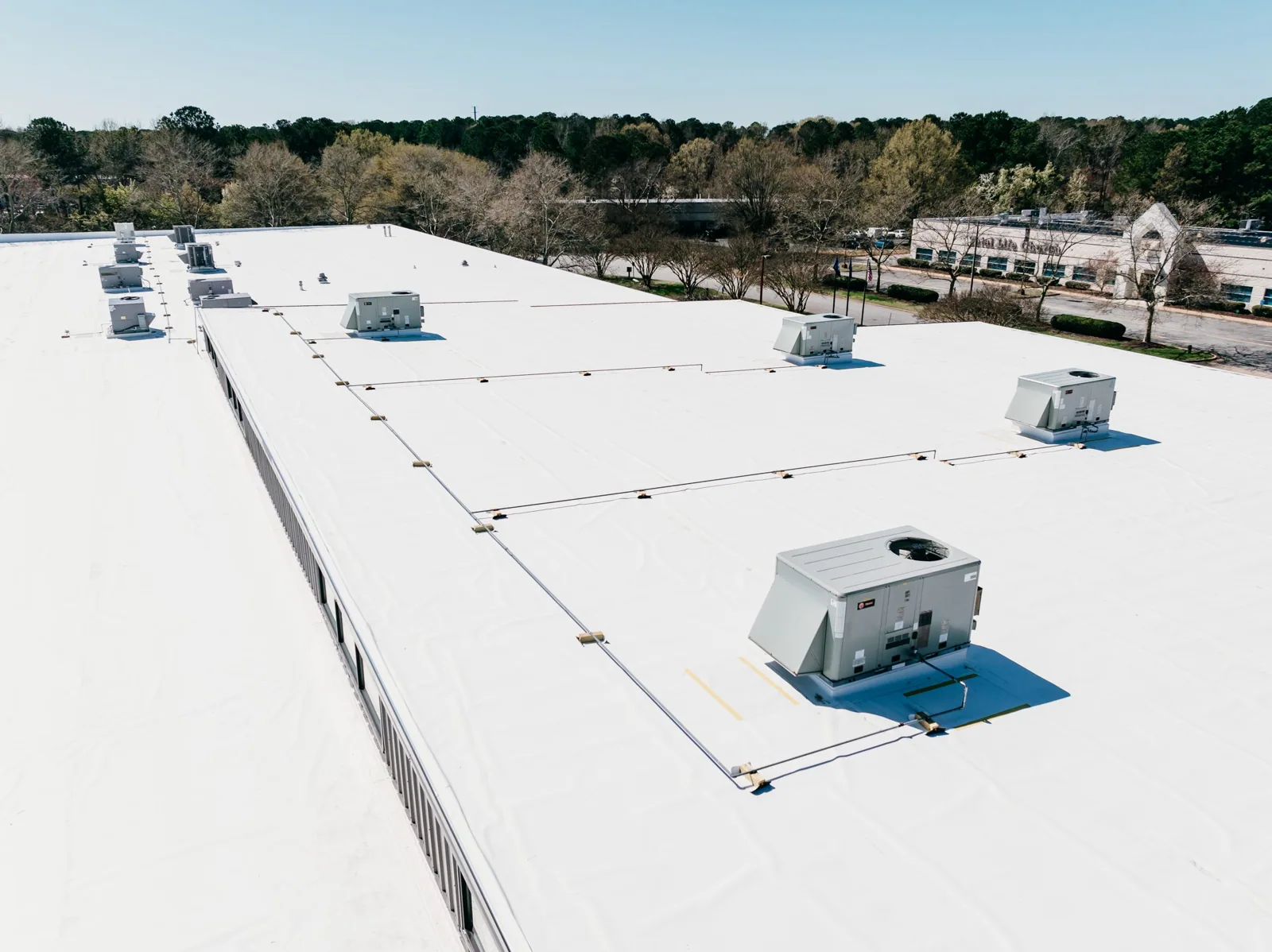
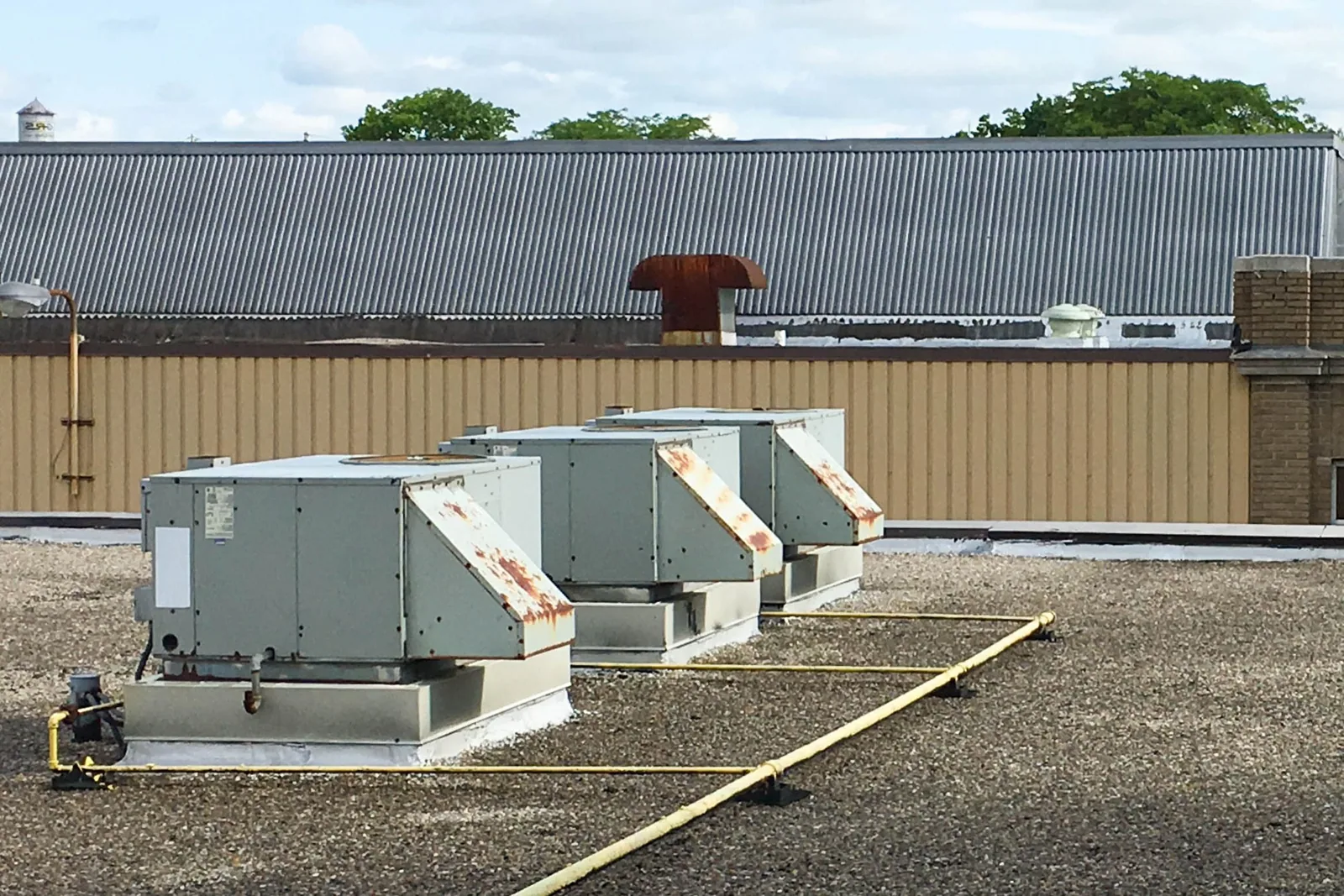
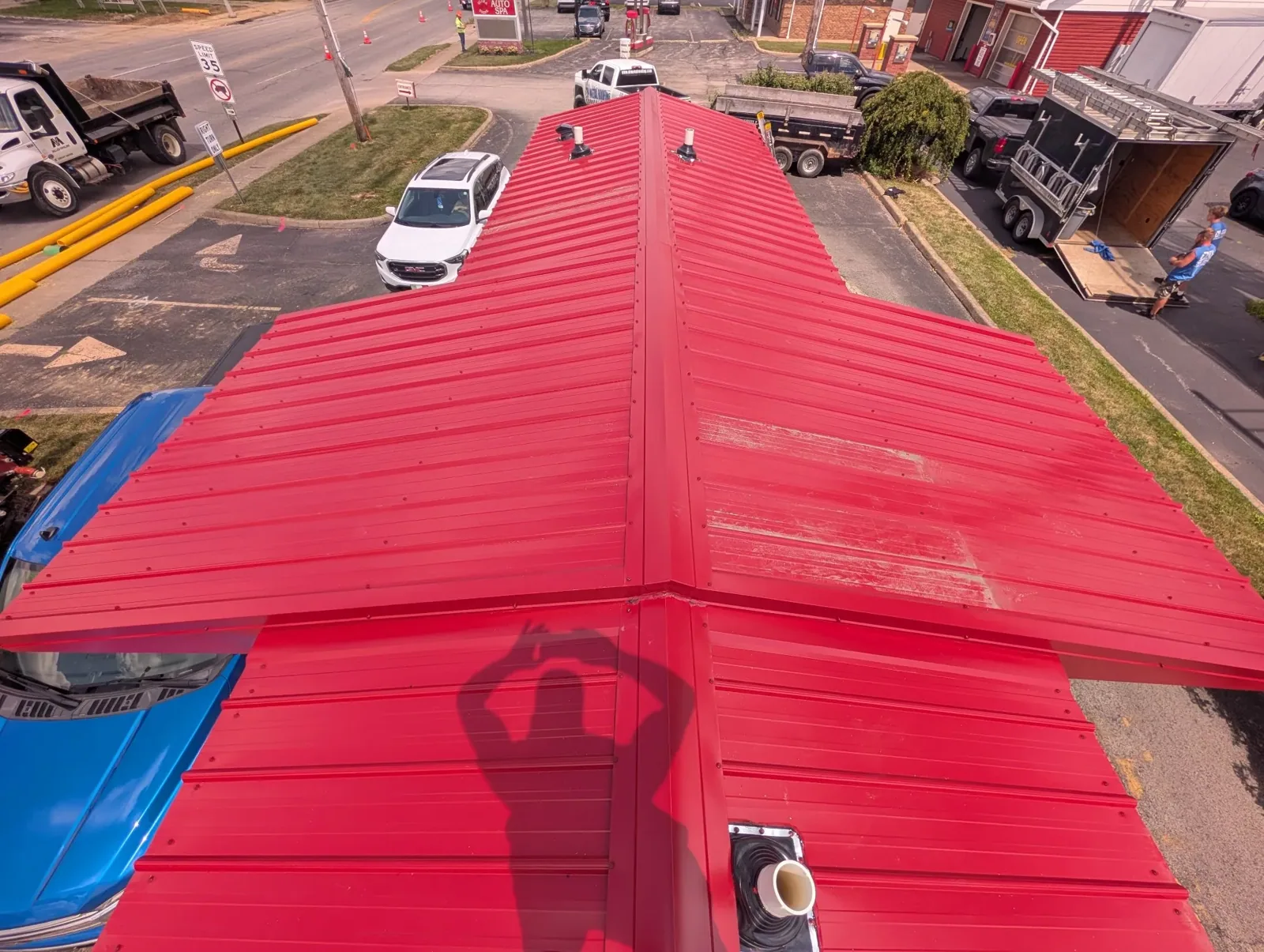
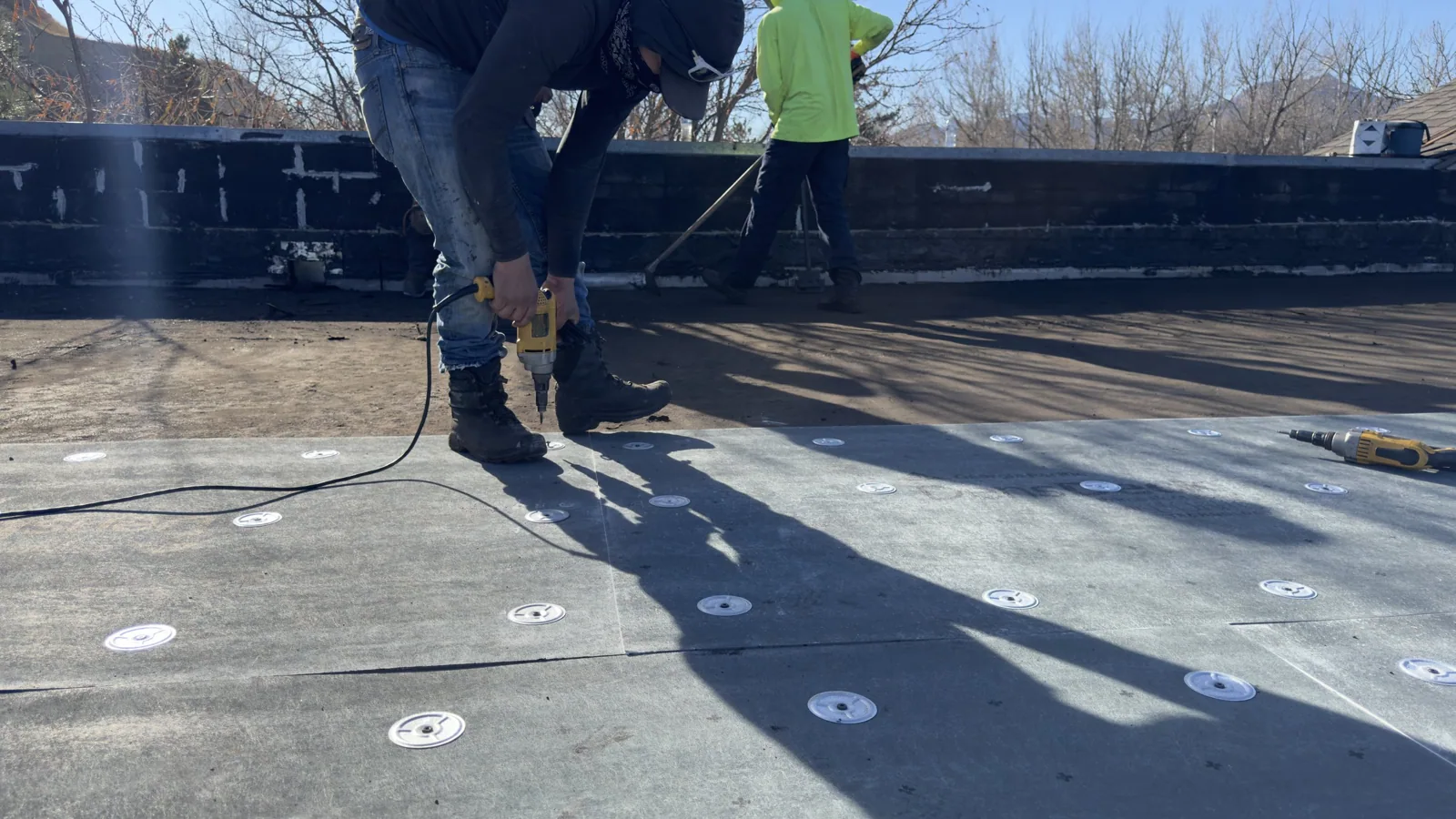

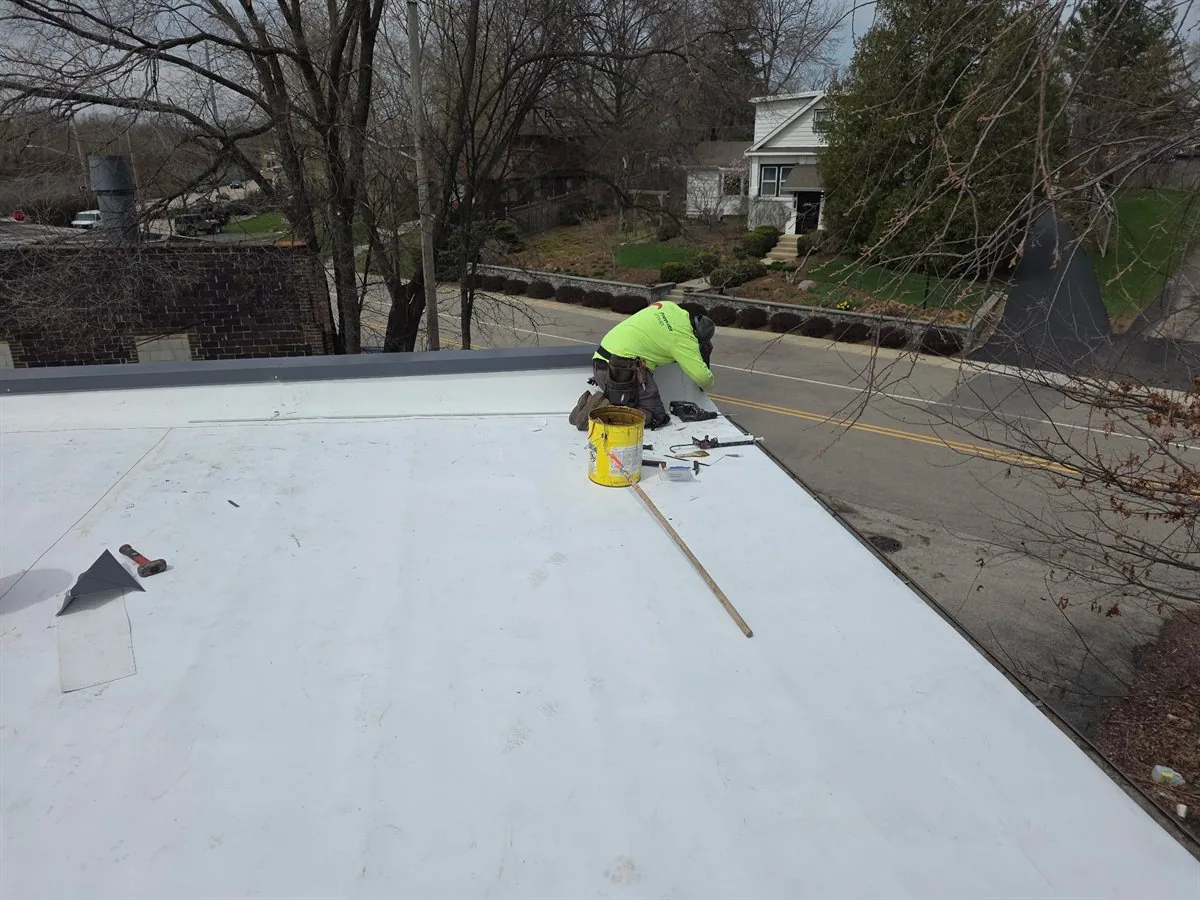
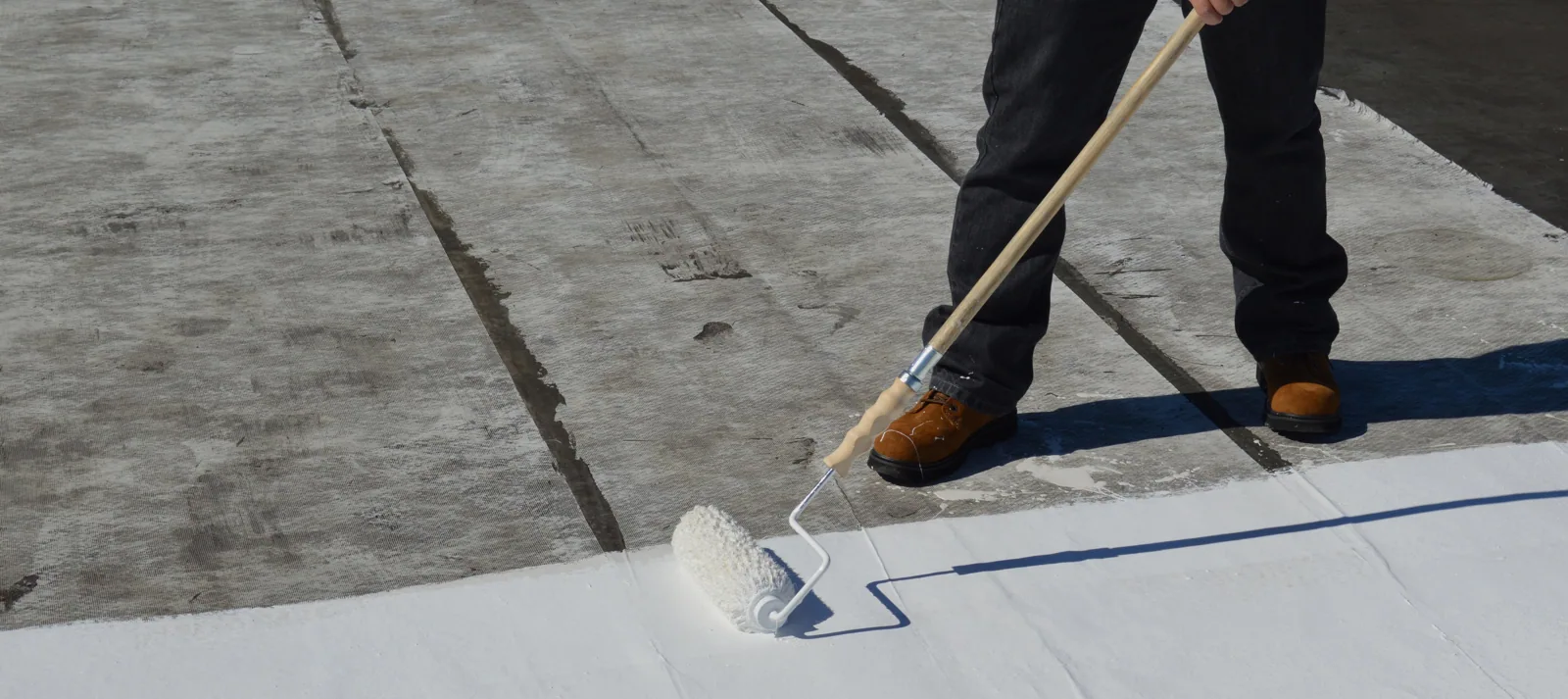

From distribution centers to clinics and schools, we roof the buildings Rochester depends on.
Not if the underlying foam is wet, loose or degraded. We remove unsound material, rebuild the profile where necessary, confirm the surface is ready and apply a compatible protective coating over the repair. The scope identifies the tested area and tie-in limits. Coating over damaged foam can conceal the condition without restoring the roof shape or substrate.
We inspect coating continuity, adhesion, exposed foam, thickness where measurable, drainage and prior repairs. Product and maintenance records help establish the restoration history. If coating is worn but the foam and assembly remain sound, recoating may be compared with localized repair. Moisture or widespread substrate damage changes that discussion and may require test openings or removal.
It can be planned around occupied operations, but spray work needs controls for ventilation, overspray, access and nearby air intakes. We coordinate the work area and schedule, protect adjacent surfaces and keep building contacts informed about the daily boundary. If those controls cannot be maintained, the application timing or method must be revised before work begins.
Ponding is a drainage condition that deserves measurement and review, but it does not by itself establish foam failure. We inspect the low area, coating, drain or scupper, and any change in slope. If water has damaged the coating or foam, we document that material condition separately. Drainage correction and surface restoration may need separate line items.