Water is coming into the building right now
Call us and tell us where the water is showing up. We will get a crew on the roof to stop the leak and protect the space below.

Commercial Roofing Services
Repair Rochester rooftop equipment curbs and supports with mapped penetrations, attachment checks, compatible flashing and clear service access.
Call us and tell us where the water is showing up. We will get a crew on the roof to stop the leak and protect the space below.
We walk the roof, photograph what we find and give you a written scope with repair options before any work starts.
Rochester, MN
A penetration curb that has been cut close to the membrane leaves little room for a durable flashing turn-up. We inspect the curb base, corner seams, equipment clearance and nearby roof plane before defining a repair. Vibration, service access and water movement all meet at this detail. A split boot may be visible, while a loose support or compressed insulation below it can change the work boundary. We map each unit and support separately rather than grouping every rooftop item under one repair note.
Rochester's industrial land-use plan describes larger-footprint manufacturing and job-intensive uses, and Mayo Clinic's support-campus map includes warehouses, inventory and technology facilities. Those facts identify building contexts, not the equipment installed on any roof. At the Mayo Clinic Support Campus or near the Rochester Technology Campus, we still need the exact address, roof plan and service contact to prepare a safe inspection route. A roof inspection can establish the curb, membrane and access conditions before a repair is priced.
Provide the Rochester address, equipment location, roof concern, system records and site contact. We will document the flashing, support and service boundaries before preparing the work scope.
We label the unit or support by roof section, then check its base flashing, corners, counterflashing, fasteners, sealant and clearance from adjacent seams. At a pipe support, we look at the bearing point, saddle, attachment and wear where the support meets the membrane. A support that has shifted can abrade the roof; a rigid attachment that restrains movement may stress the flashing. We photograph the assembly and note whether access or equipment operation limited the inspection.
Drainage around the curb matters. A unit can sit in a flow path, hold debris against a flashing leg or block access to a nearby bowl. We record low areas, drains and equipment service routes on the same roof plan so a repair does not solve one detail while leaving another inaccessible. If a bowl is partly obstructed by a support frame, the drain and scupper review can separate a drainage correction from curb work. Any moisture concern below the flashing is listed as a question for testing, not assumed from a surface mark.
Rooftop equipment needs a stable bearing surface that transfers its load as intended. We inspect visible pads, rails, curbs, pipe stands and attachment points for movement, corrosion, loose fasteners or contact with the membrane. We do not infer structural capacity from a visual roofing visit. If the support has moved, is overloaded or needs a new attachment, that condition may require review by the appropriate design professional before roofing work proceeds.
Where removal is part of the approved scope, we coordinate lifting and temporary support with the facility contact and qualified trades. The sequence protects open penetrations and keeps the unit's service connections in the hands of the responsible mechanical contractor. We define which parts of the curb and flashing are roofing work, which require equipment service and which remain outside the proposal. A warehouse roof review can account for loading activity and maintenance routes without assuming the building has any particular equipment or roof system.
A curb repair begins with sound substrate, compatible flashing and enough height to connect the membrane to the intended termination. We remove failed material within the approved boundary, inspect what is exposed and restore each layer in sequence. Corners, inside angles and transitions receive separate checks because a tight fold or unsupported seam can open as the assembly moves. The detail must shed water toward the roof field rather than hold it against the curb.
If the existing curb is too low, damaged or poorly located, adding sealant around the base may not correct the geometry. We document the condition and compare repair, curb modification or a broader reroof detail with the owner. A targeted roof repair can address a confirmed flashing failure; an assembly-specific TPO detail should be used only when the existing system is confirmed and the repair follows its requirements. Wet insulation, soft deck or uncertain attachment stays open for direction before the curb is closed.
Before work begins, we identify which units must remain available, who controls shutdowns and where technicians need a clear route. The roof plan marks ladders, walk paths, panels, disconnects and temporary protection. We do not move or disconnect equipment without the responsible trade. If a curb must be opened, the daily work area includes a dry-in point and a way to protect the penetration should weather or access delay the installation.
Cold-weather planning has a specific Rochester context: the climate average is 46.3 inches of snow across the December-to-March stretch. That can affect safe access and work timing, but the current surface and forecast control the daily sequence. We coordinate lifts, deliveries and staging with the facility contact, then keep debris away from drains and service openings. At a busy medical or industrial property, the occupied-building work plan can document routes and operating constraints beyond the curb itself.
The closeout identifies the equipment or support, roof section, detail repaired, materials installed and any component left for another trade. Photographs show the curb before and after work, the finished flashing and nearby drainage. We list access limits, test locations and unresolved concerns so a later service visit can locate the same assembly. If the owner changes equipment or adds a support, the roof record should be updated before the new penetration is flashed.
City review of the former IBM property considered combinations that include commercial, industrial, warehouse or light-industrial buildings and residential development. That planning context does not establish an individual building's roof or equipment. We preserve the property address and current roof plan with the closeout material instead of assigning a campus-wide label. A condition report can hold those detail photographs with inspection findings and the portfolio date, making the next curb review easier to compare.
At completion, we verify the flashing tie-in, fasteners, sealant joints where specified, drain clearance and safe service path. The report separates completed roofing work from equipment adjustment, electrical work or structural review that another party must perform. Any temporary cover or open item is labeled with its follow-up need. A clear record protects the distinction between a repaired curb and a unit that still requires service.
For a Rochester estimate, provide the property address, roof concern, equipment or support location, available system records and the portfolio contact. Include roof plans and any equipment-service restrictions. We will map the assembly, identify the trade boundaries and return a scope tied to the correct roof section. If a support change is planned, share that information before the repair so the flashing detail and service sequence can be coordinated with the final equipment position.
Other services, systems and buildings that often come up alongside this work in Rochester.
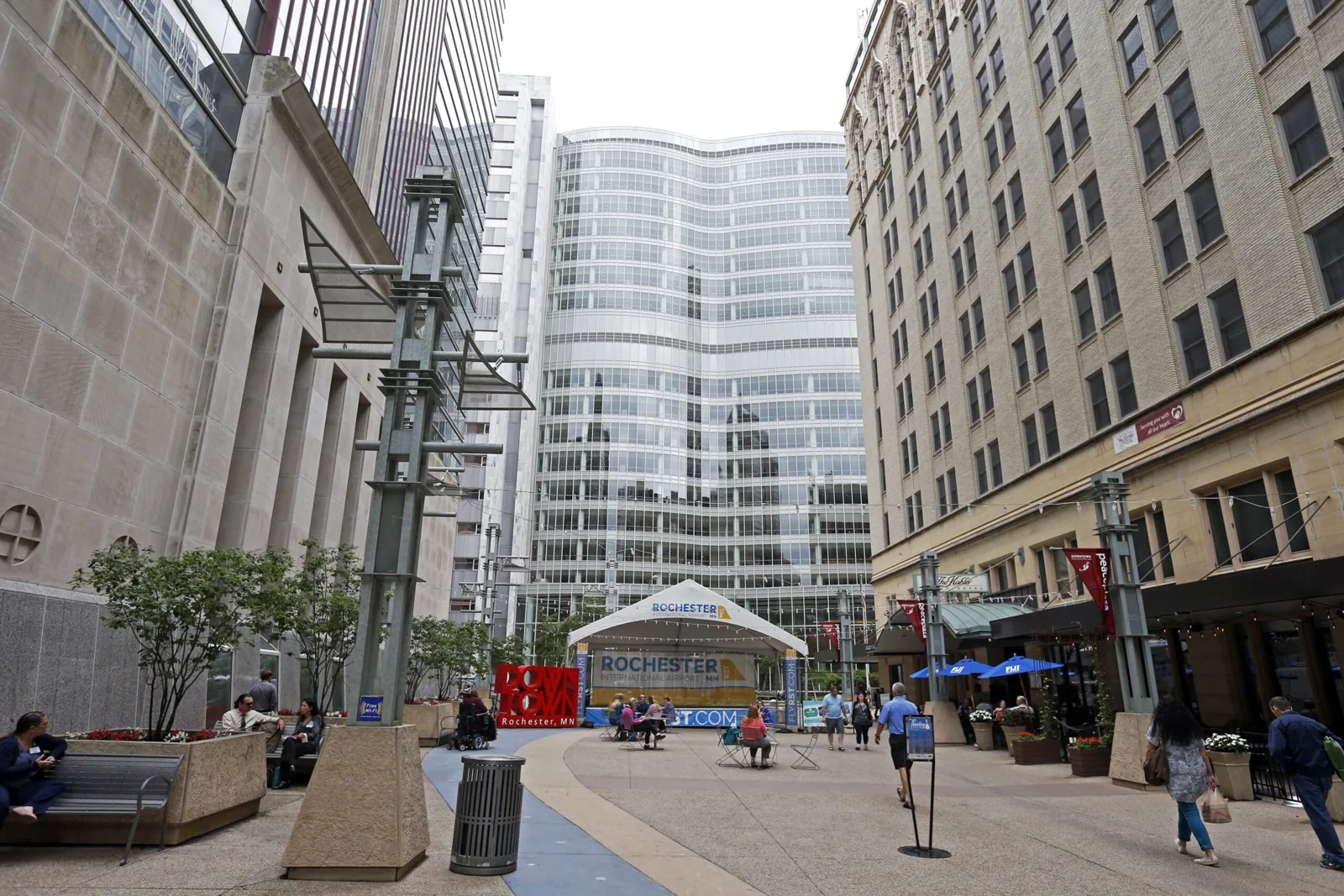
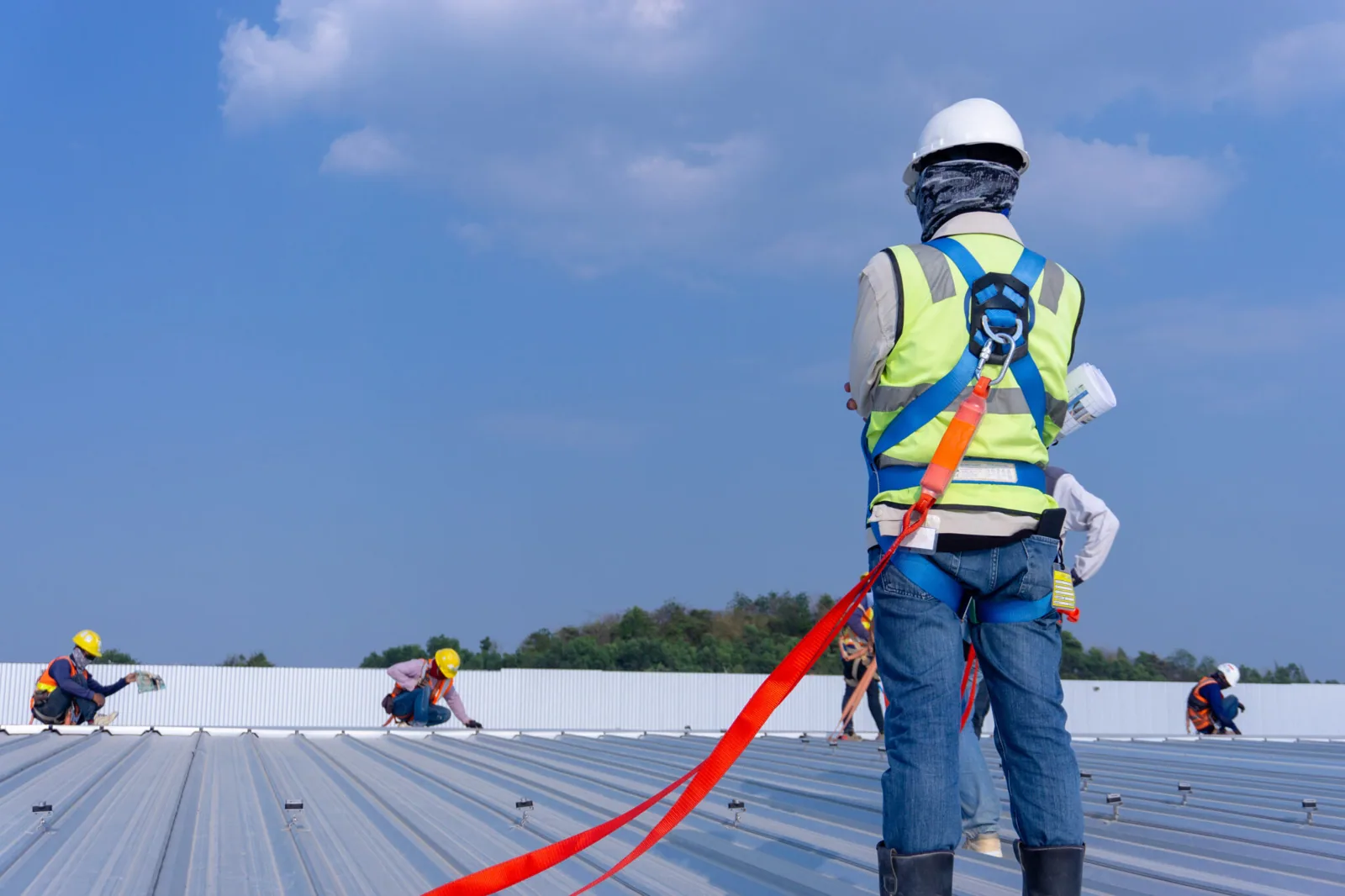
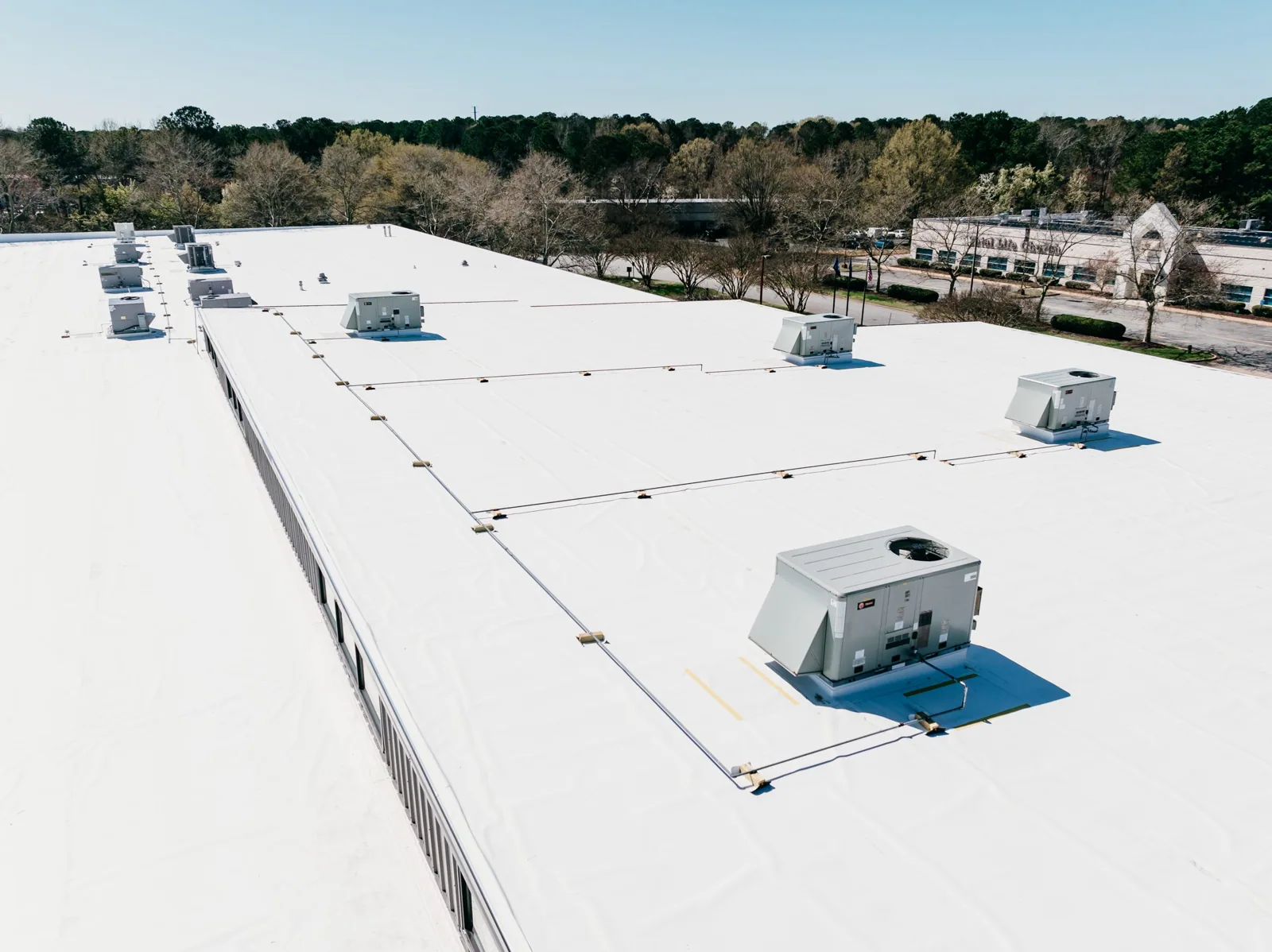
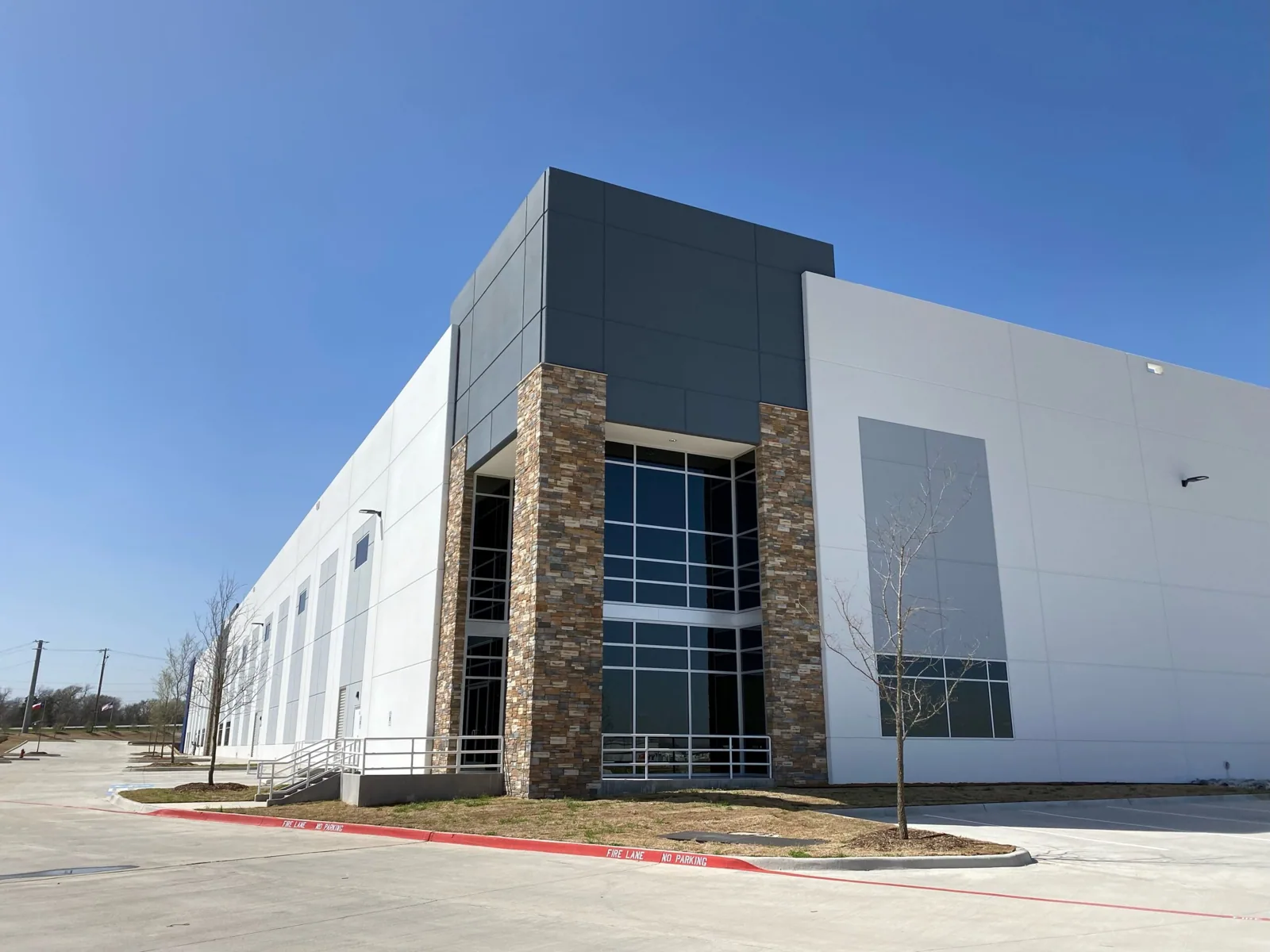
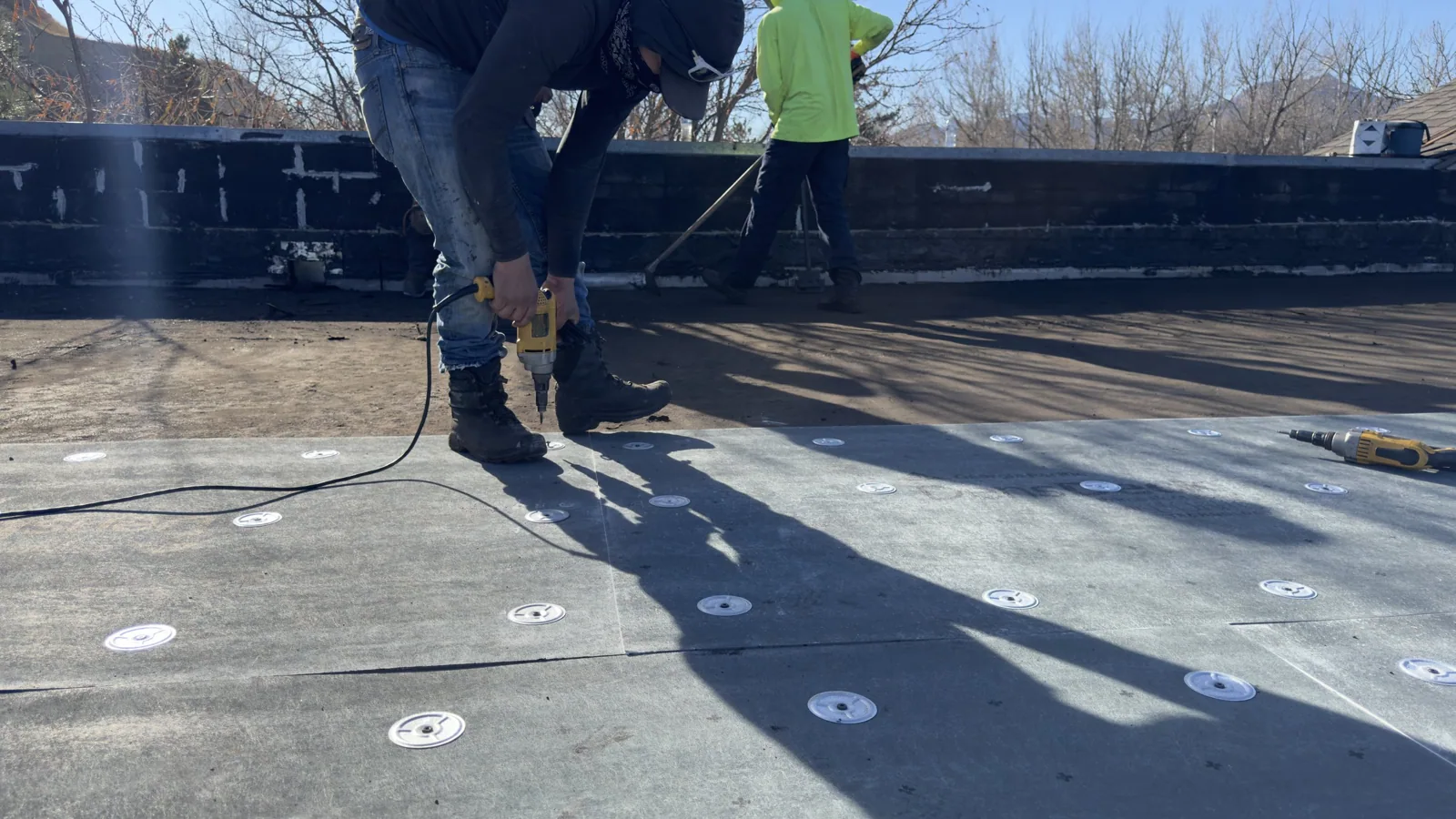
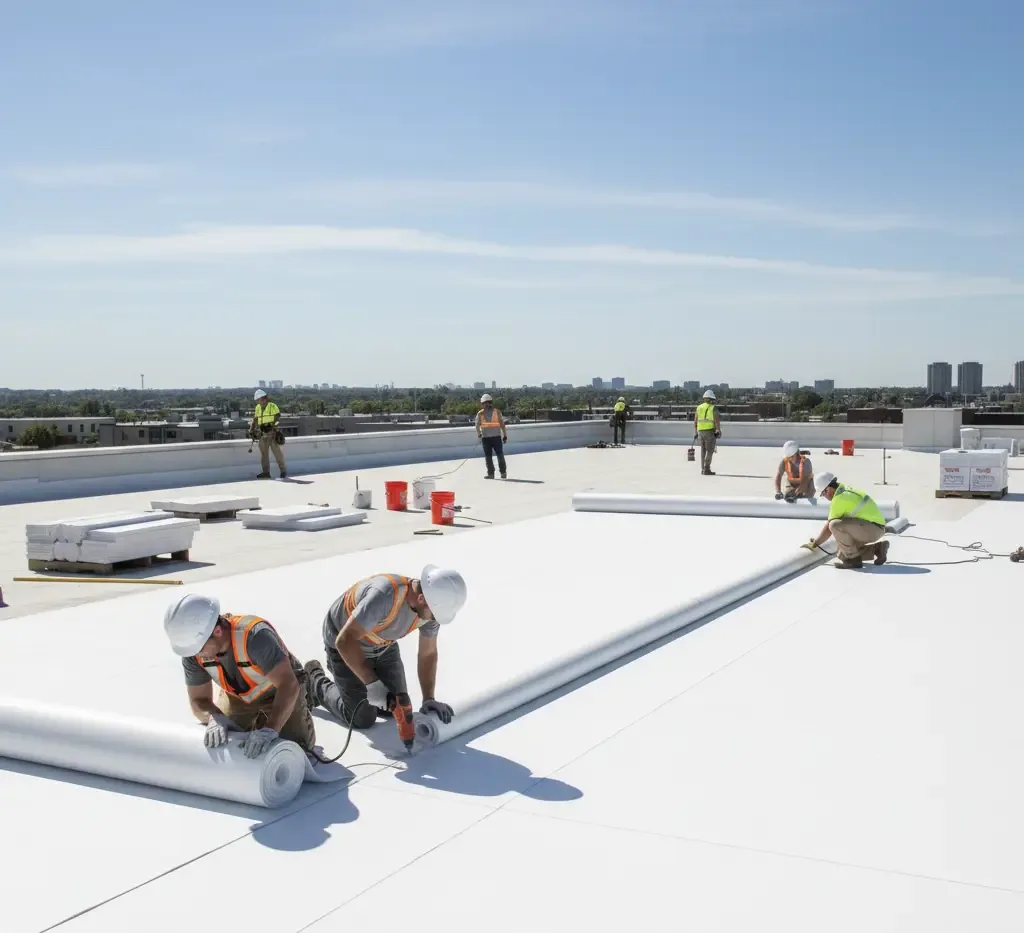
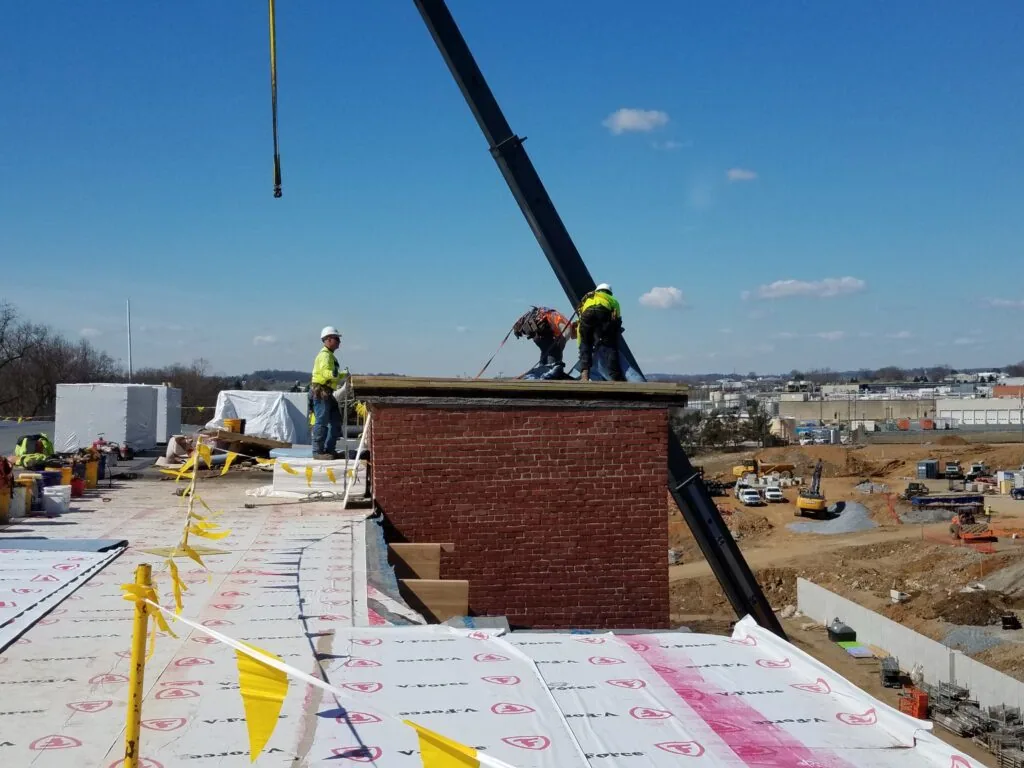

From distribution centers to clinics and schools, we roof the buildings Rochester depends on.
Often, if access, clearance and the approved flashing method allow the work to proceed without disconnecting equipment. We confirm operating restrictions with the facility contact and do not move or disconnect the unit. If the curb has to be altered or connections block the work area, the scope identifies the trade coordination needed.
We photograph the contact point, check the membrane and support position, and determine whether a compatible protection or flashing detail can address the roof condition. If the support has shifted or its bearing needs adjustment, that work is separated for review by the responsible trade. The repair boundary follows the damage we can verify.
A single curb leak may be repairable if the surrounding assembly and substrate can accept a sound tie-in. We inspect nearby seams, drains and other penetrations for a wider pattern. Wet insulation, a low curb or repeated failures may change the recommendation, so the report shows the tested area and any remaining question.
Send the roof plan, system records, unit or support location, service restrictions and property contact. Prior repair photographs help us compare the current condition. We will identify which work belongs to roofing and which requires the mechanical, electrical or structural trade before setting the sequence.