Water is coming into the building right now
Call us and tell us where the water is showing up. We will get a crew on the roof to stop the leak and protect the space below.

Roof Damage Repair
Assess commercial tornado roof damage near Rochester, MN with documented openings, temporary protection, tested layers and a permanent repair boundary.
Call us and tell us where the water is showing up. We will get a crew on the roof to stop the leak and protect the space below.
We walk the roof, photograph what we find and give you a written scope with repair options before any work starts.
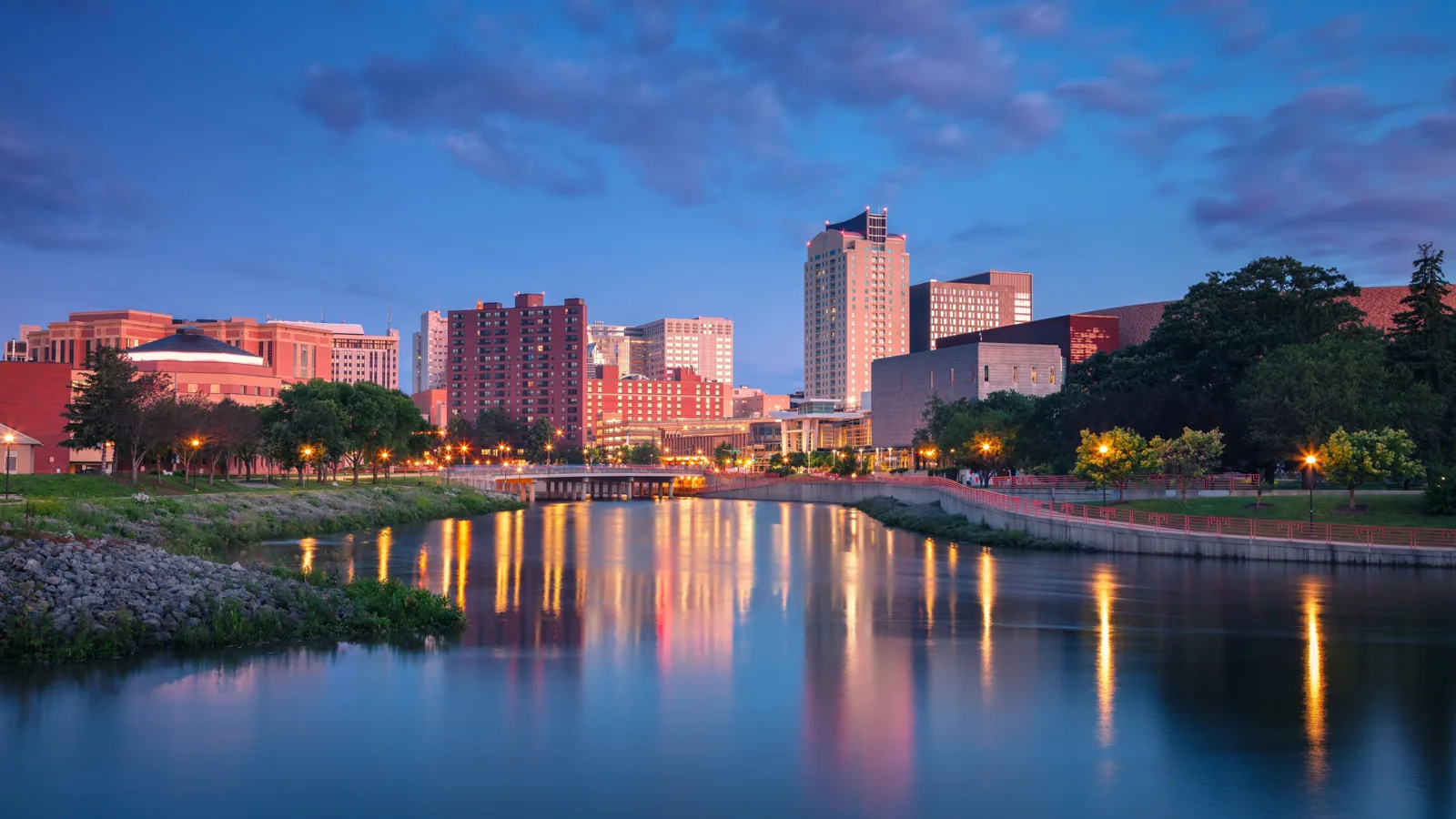
Rochester, MN
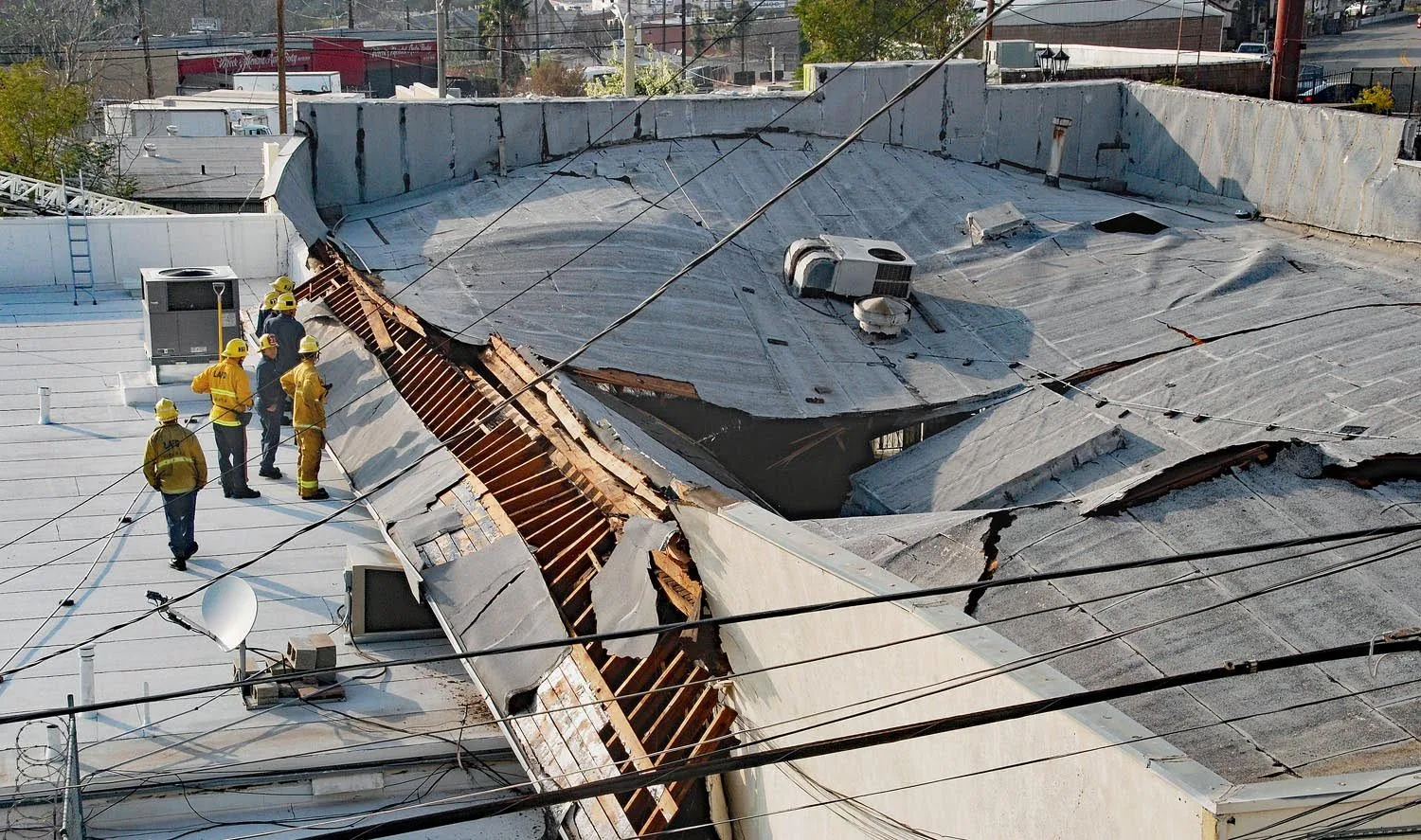
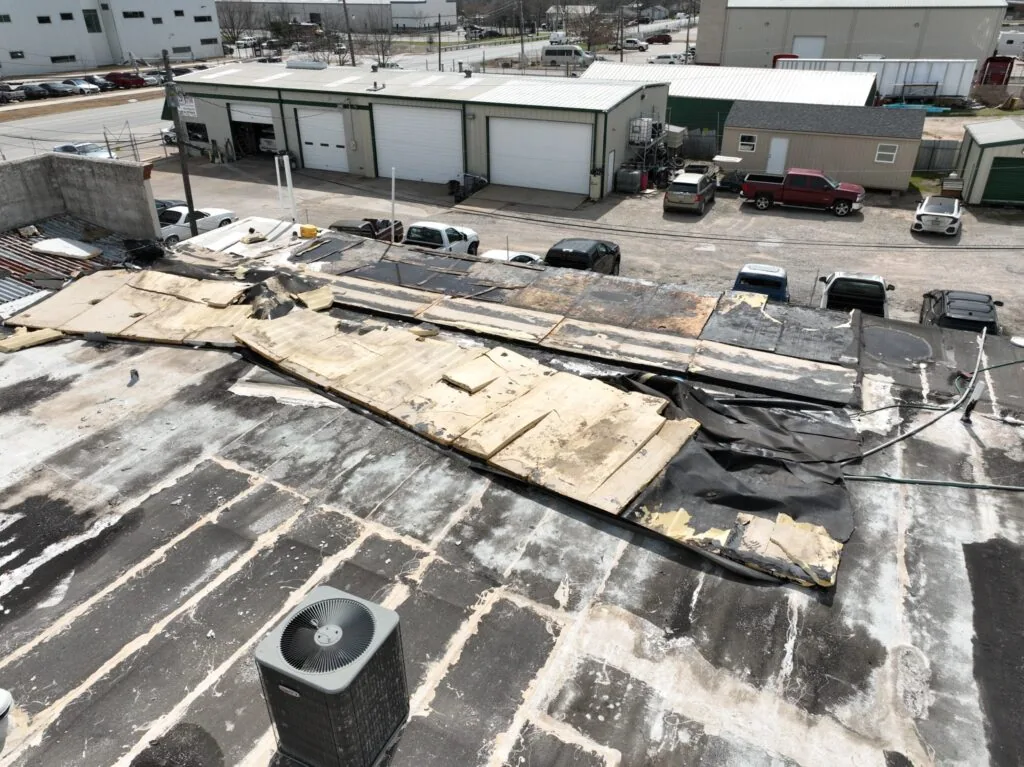
A roof hatch cover displaced by a tornado can leave an opening that admits rain even after the strongest winds have passed. We inspect the hatch curb, nearby sheet, edge metal and roof path, then mark the affected section before setting a repair. The first report records what is visible, what was temporarily secured and what still needs testing. The storm track alone does not establish damage at a separate building or address.
On April 17, 2026, NWS documented an EF-2 tornado near Stewartville in Olmsted County and 1.5-inch hail in northwest Rochester. The report describes separate event locations. A facility in Downtown Rochester or a business near US Highway 63 requires its own inspection, photos and date record. We use the event information to understand when to look; actual roof conditions determine the opening, tie-in and restoration limits.
Share the Rochester-area address, event date, access status, roof plans and property contact. We will document openings and affected sections, coordinate temporary protection if approved and return a permanent repair scope with testing limits.
After site officials allow safe access, we check roof hatches, parapets, coping, metal panels, membrane edges, equipment curbs, skylights and roof penetrations. Tornadic debris can puncture a field sheet, strike a curb or shift metal without leaving a large opening. We photograph impact points and trace nearby seams and drainage routes. If structural components or rooftop equipment are unstable, the report notes that condition for the appropriate building professional rather than treating it as membrane repair.
The interior report helps locate active water but may not sit below the roof opening. We record affected rooms and timing separately, then inspect plausible paths across the field. A wind-related roof assessment can document perimeter movement, and a hail impact inspection can map a separate weather effect. The scope names which conditions were observed and avoids combining different mechanisms into one estimated repair area.
If the roof is open and access is safe, we coordinate temporary covering with the owner and response team. The protection must be secured to the system and leave drains, scuppers and overflow routes clear. We photograph the opening before covering it, then record the stabilization method, installation date and next inspection requirement. Temporary work keeps an opening from being mistaken for a completed permanent repair and leaves the affected limits visible for restoration planning.
A building may need controlled access around debris, broken equipment or interior water. The property contact identifies approved routes, staging and any spaces needing protection. Delivery access depends on the individual property, so we confirm the address and site rules directly. Emergency response is available around the clock, every day, including holidays, once safe entry is authorized. The field log distinguishes observed damage from areas that could not be reached.
The report identifies event date as provided, building address, roof zone, visible opening, impact marks, temporary measures, photographs and test locations. If a core cut reveals wet insulation, damaged deck or multiple layers, we document the result at that point only. If testing was not authorized, concealed conditions remain an open item. Photos include a wide view to locate each detail and a close view to show the condition before repairs begin.
Stewartville is about eight miles south of Rochester, and the city names Bucknell, Schumann and Tebay's among its business or industrial parks. A nearby weather report or road corridor is useful context, but the repair record stays tied to the named property. A Stewartville roof visit confirms the local address. A damage condition report retains observations and repair boundaries for the owner, adjuster and restoration contractor.
Permanent roof work begins after the owner and response team release the area for restoration. We remove loose or punctured material to a boundary supported by inspection, replace damaged insulation or cover board within the approved scope and tie compatible membrane into sound surrounding material. Edge metal, curb flashing and terminations are rebuilt where displaced. The repair sequence includes temporary closure if another shift or weather interruption requires the area to remain protected.
When structural damage, wiring, equipment or interior conditions affect access, those items are coordinated with the responsible professional or trade. A commercial roof repair proposal maps material and limits; a replacement plan can be compared if damage or existing condition extends beyond a local repair. The closeout identifies the portion completed and any surrounding area that remains untested or outside the approved work.
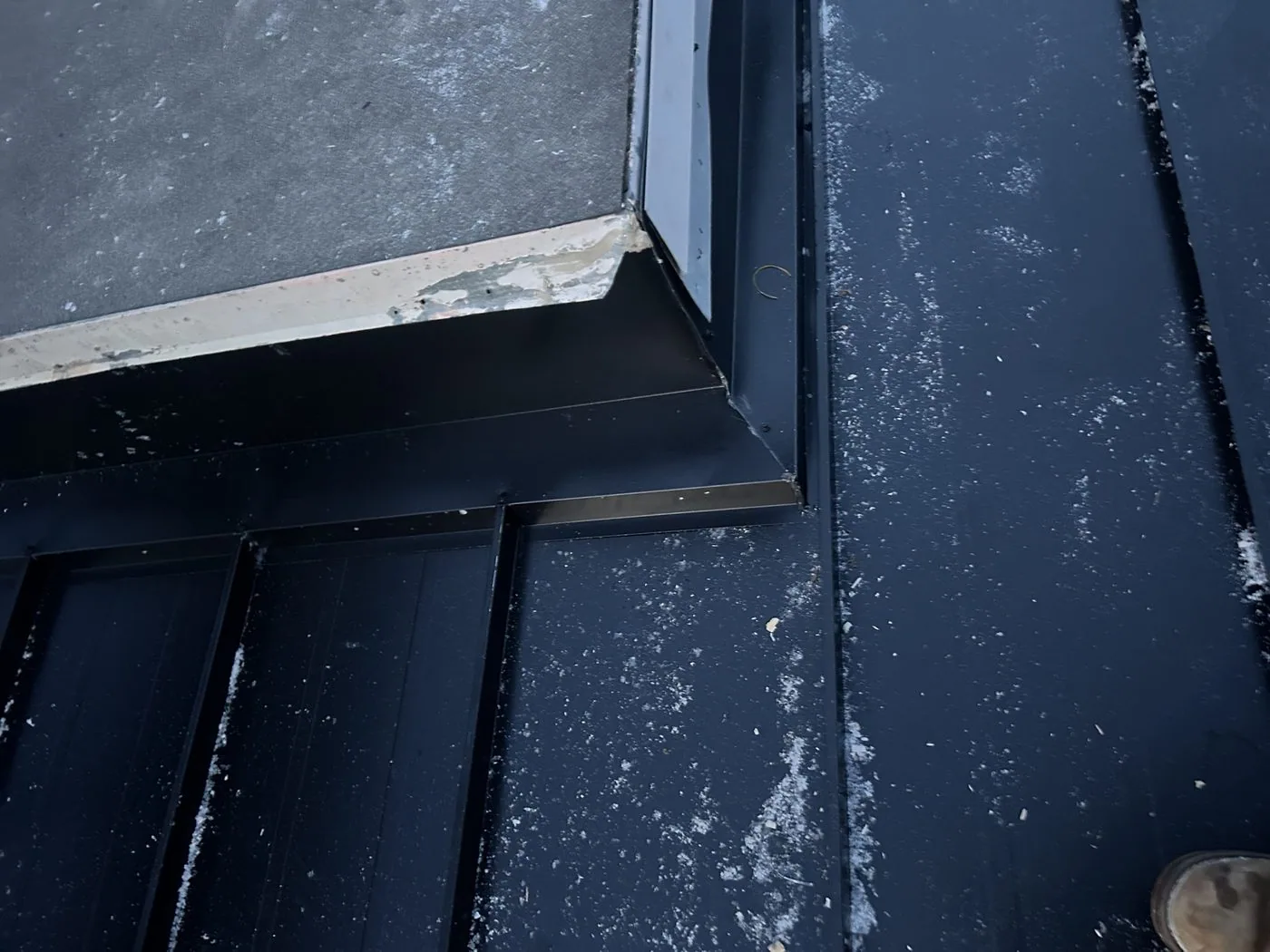
A puncture or displaced flashing at one detail may be repaired if nearby assembly layers remain stable. Multiple openings, widespread impact, repeated edge movement, wet insulation or deck damage can call for broader removal and replacement. We compare the options by reporting verified damage, test results, existing layers, drain and edge transitions, access and tie-in length. A storm's intensity or reported path does not set the roof scope by itself.
Access differs between Downtown Rochester and commercial properties near Stewartville. The site contact identifies loading, staging and roof-entry routes; an event location does not establish the access plan for another building. A flashing transition repair can resolve a displaced curb or wall detail, while a claim documentation review can organize dated roof findings. Insurance decisions remain separate from the contractor's inspection. We state the repair evidence and any test still needed for a permanent recommendation. Rochester’s normal seasonal snowfall totals 46.3 inches, mostly from December through March. If restoration extends into colder weather, we document safe access, drainage and temporary closure conditions at the affected zone instead of inferring roof condition from the seasonal measure.
Other services, systems and buildings that often come up alongside this work in Rochester.
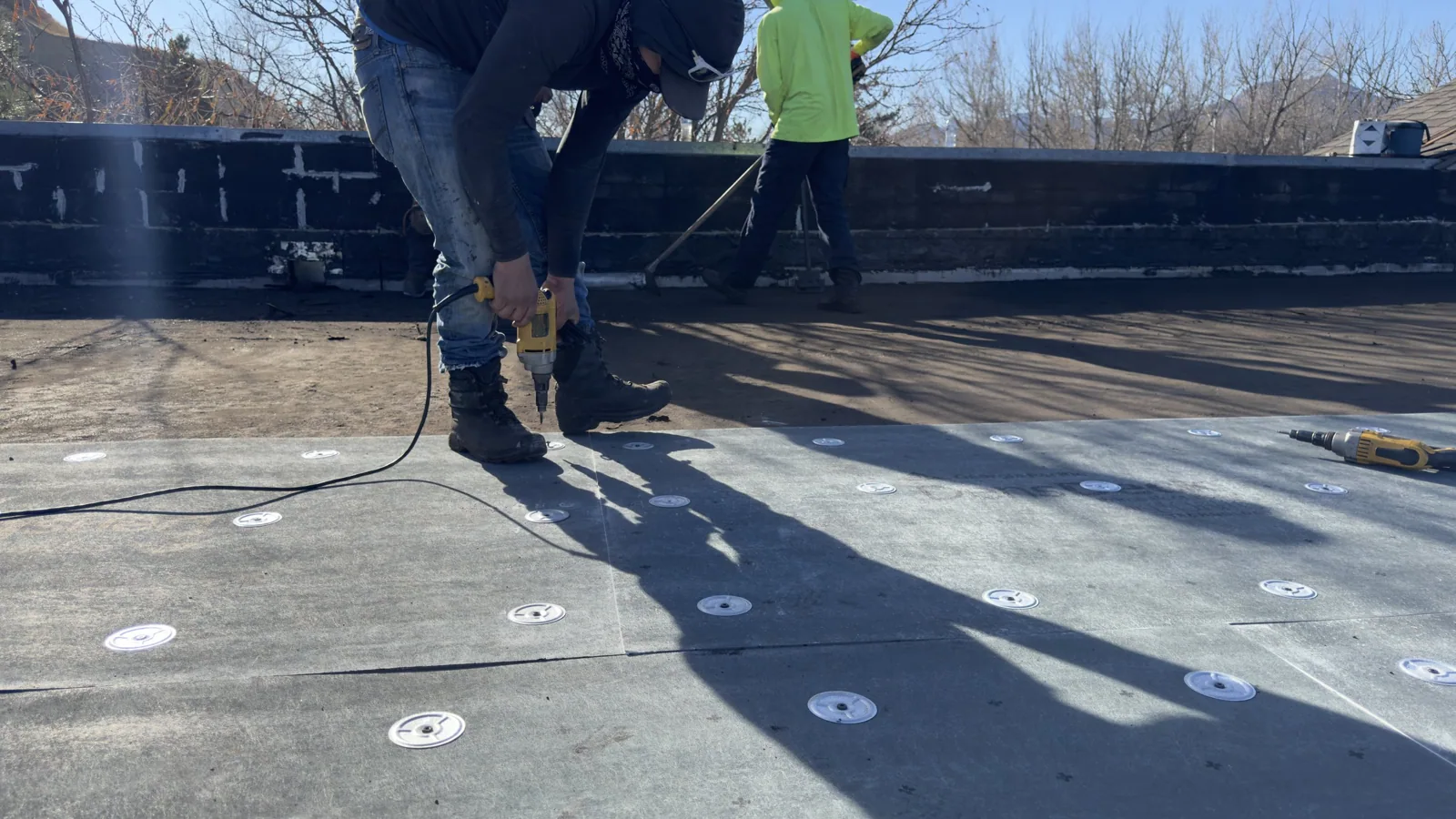
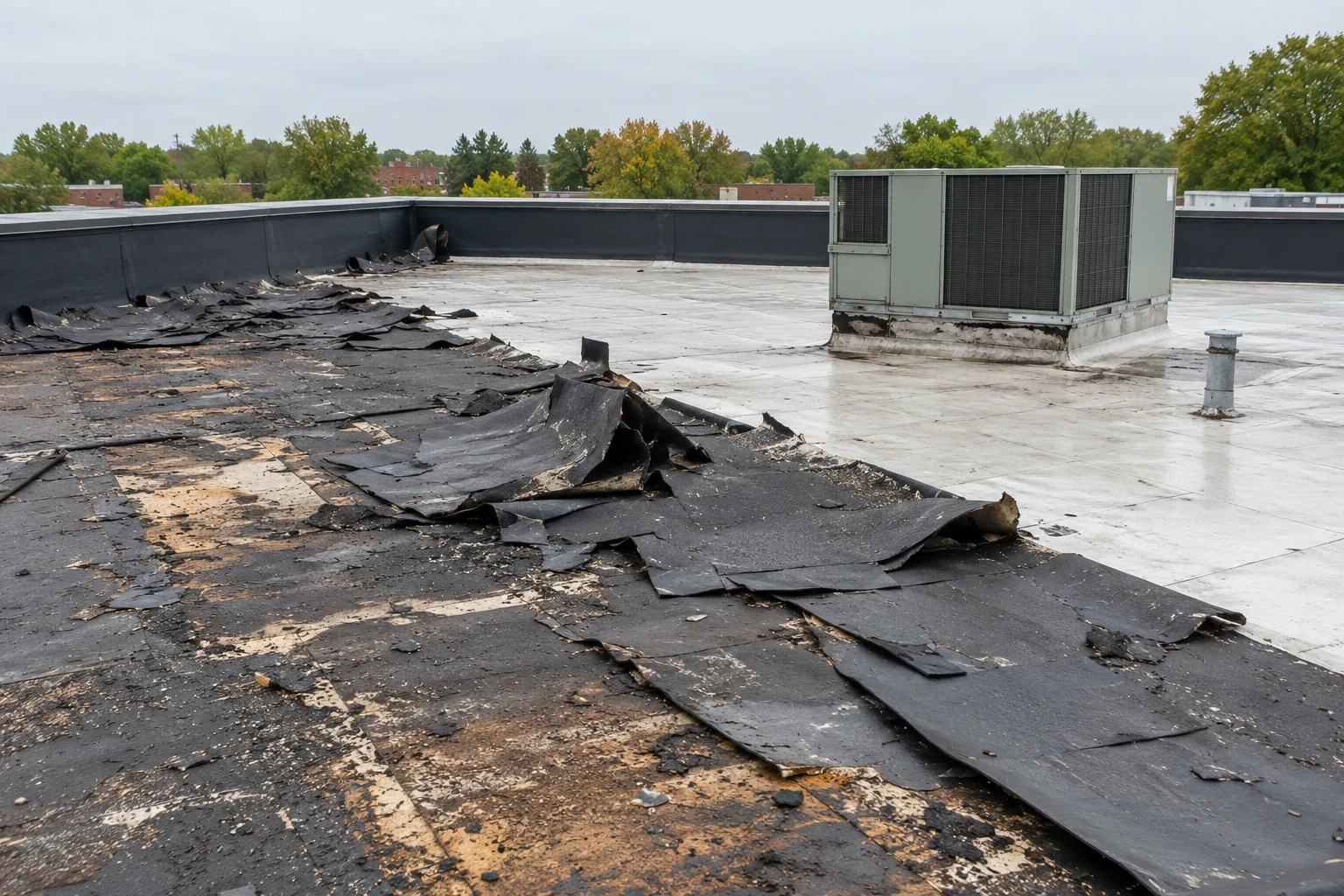
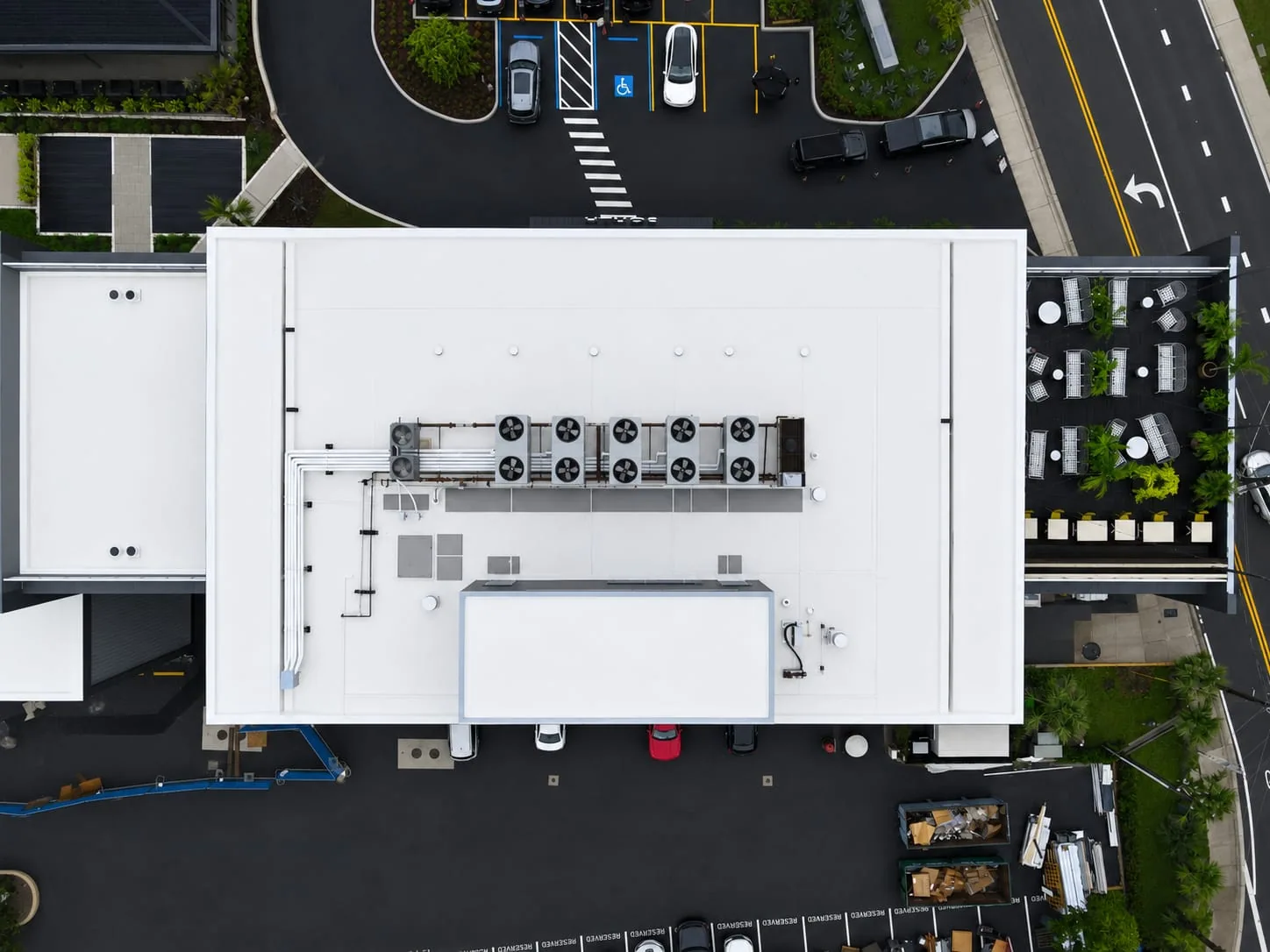

From distribution centers to clinics and schools, we roof the buildings Rochester depends on.
The NWS placed the EF-2 tornado near Stewartville, separate from its northwest Rochester hail report. The event summary does not establish damage at another property. We inspect the address named by the owner and document its own roof conditions, access and repair boundary.
Temporary protection can be considered after officials and the property contact authorize access. We document the opening, secure the covering for the system and weather, and keep drainage routes open. The record names what remains for permanent restoration or additional testing.
We inspect penetrations, membrane sheets, edge metal, coping, curbs, hatches, skylights and seams near visible impact. A strike can displace a component or puncture the sheet without a large tear. The report separates visible damage from roof areas that remain concealed or inaccessible.
Replacement is considered when the inspected damage, widespread wet layers, deck condition or existing assembly supports a larger scope. We map test results and limits, then compare localized restoration with removal and replacement. A regional tornado rating alone does not determine the repair decision for a building.