Water is coming into the building right now
Call us and tell us where the water is showing up. We will get a crew on the roof to stop the leak and protect the space below.

Service Areas
Commercial roof inspections and repairs near West Circle Drive and Valleyhigh Drive in Rochester, with documented scopes for industrial properties.
Call us and tell us where the water is showing up. We will get a crew on the roof to stop the leak and protect the space below.
We walk the roof, photograph what we find and give you a written scope with repair options before any work starts.
Rochester, MN
A metal transition beside a low-slope roof changes the inspection order: we check the joint, edge fastening and drainage before setting a repair limit. Rochester's comprehensive plan identifies West Circle Drive and Valleyhigh Drive as major northwestern corridors, with industrial clusters nearby. That context can guide the address review, but it does not identify the use or roof assembly of any one property. We confirm the building, installed system and access route before selecting a test or repair.
The Rochester Technology Campus review places a redevelopment area east of Valleyhigh Drive NW and considers commercial, industrial, warehouse and light-industrial scenarios. For a property near that corridor, a commercial roof inspection should distinguish visible conditions from future site plans. We record each roof section separately, then connect the observations to a measured repair boundary, maintenance task or capital question.
Send the Rochester address, roof concern, system records and portfolio contact. We will confirm access and document the repair boundary, open questions and next step.
A field sheet that changes material or elevation deserves a close look at the termination. We check the seam lap, curb flashing, edge metal, drain bowl and nearby insulation, then compare those details with the interior report. A stain below a transition can reflect water travel rather than a failure directly overhead. Photos carry the section label and direction so a later visit can return to the same detail without treating the property as one undivided surface.
Nearby industrial clusters and the Technology Campus review make property-level identification useful, not assumptions about current operations. A facility contact can identify restricted areas, roof access points, equipment that must remain online and hours when work can proceed. When a leak report remains uncertain, an infrared moisture survey can help map areas for confirmation; readings still need interpretation alongside core samples, visible conditions and assembly records. We state where the scan could not see or resolve an issue.
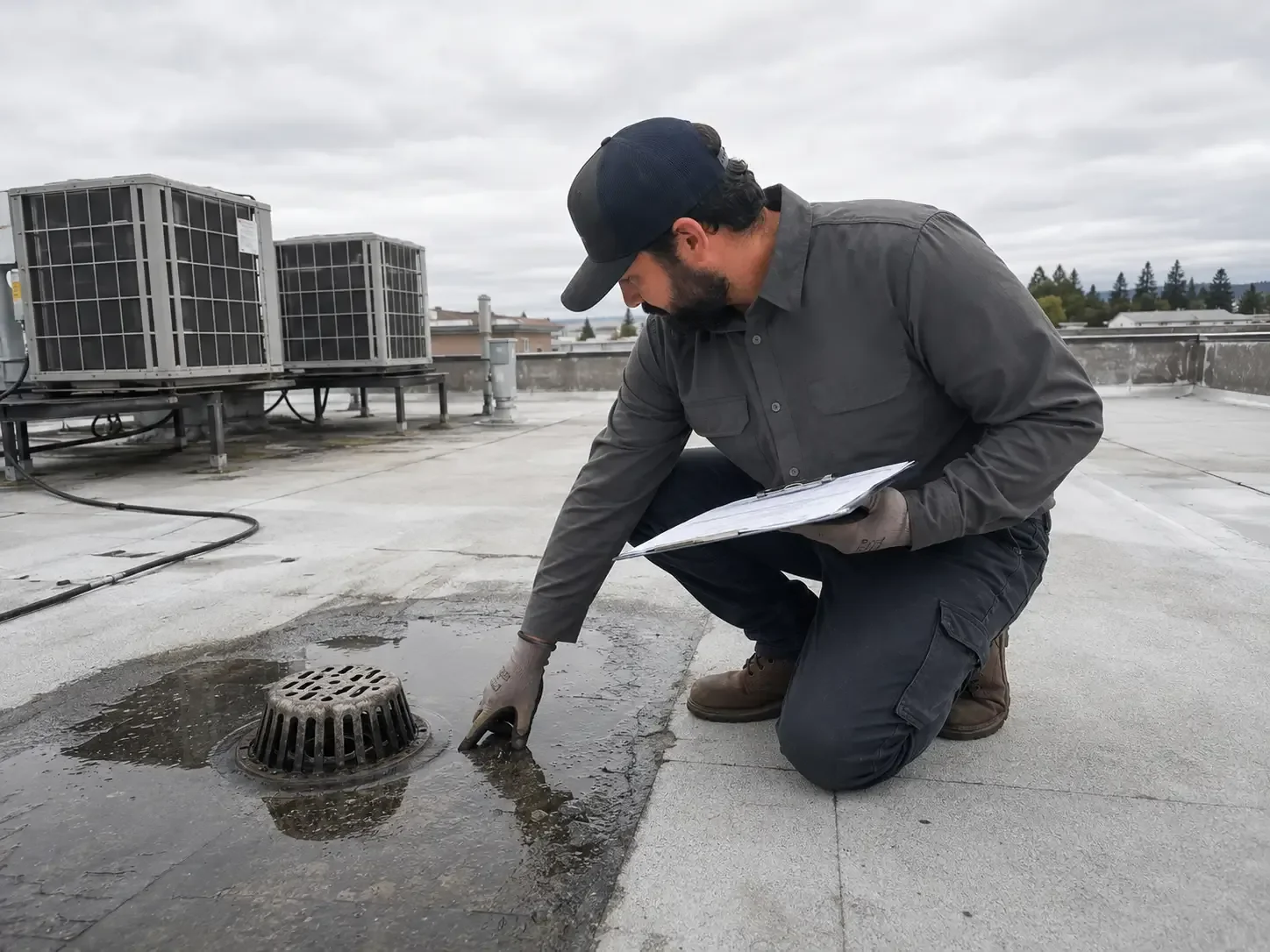
A raised lap, a loose coping joint and a drain obstruction do not call for the same correction. We photograph the suspected entry point, inspect adjacent seams and follow the water path toward an outlet or wall. If insulation condition could change the choice between repair and recovery, we identify a controlled test location and agree on its restoration detail before opening the roof. The resulting moisture map separates confirmed wet material from areas that only need observation.
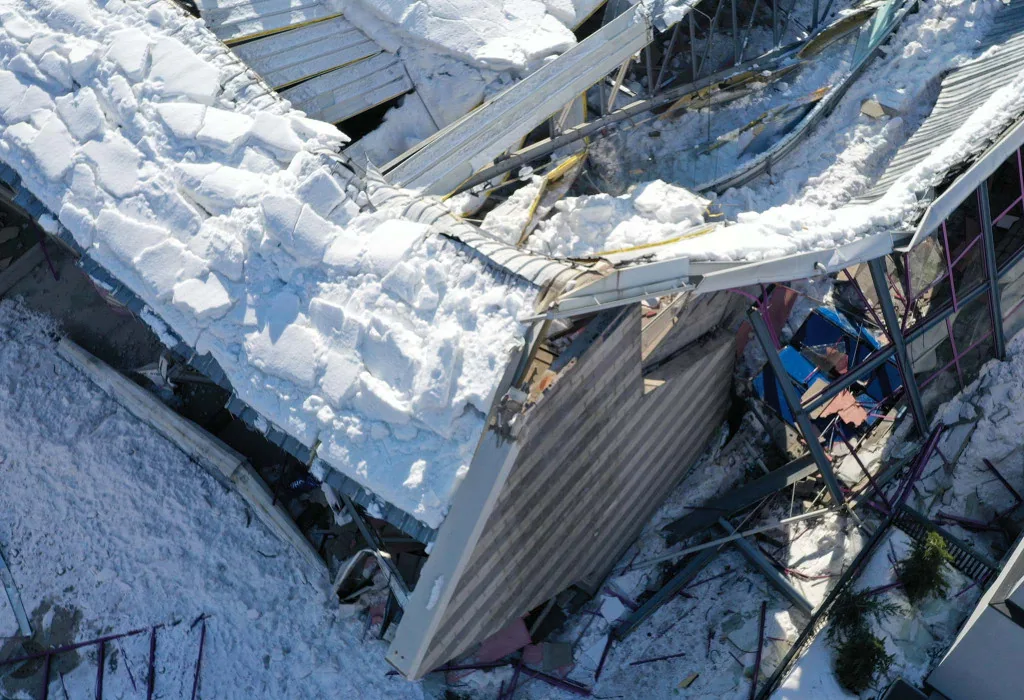
Rochester averages 46.3 inches of snow each year, with most falling between December and March. That citywide exposure supports checking drain paths, overflow details and edge conditions before snow cover limits visibility. It does not establish a condition at a West Circle or Valleyhigh address. We note the actual slope, standing water, blocked outlets or displaced metal found during the visit. For active intrusion, a snow and ice damage assessment should tie any proposed work to observed damage and keep seasonal maintenance separate from permanent correction.
A repair beside rooftop equipment needs a safe route for both the roofing crew and the people responsible for the equipment. We mark the work zone, identify any temporary protection and record which penetrations must remain available. If the property operates across several roof sections, the sequence can divide the work into documented areas with a daily closeout check. That order helps the owner see what is complete, what remains exposed and which condition needs a return visit.
Future redevelopment scenarios do not determine today's roof schedule. At a current commercial or industrial property, timing depends on the installed assembly, weather window, material lead time, access restrictions and whether a test is needed before pricing. A phased occupied-building plan can stage work around confirmed operations. For urgent water entry, our emergency response is available overnight, on weekends and holidays; the first visit documents temporary protection separately from permanent repair.
A repair can make sense when the tested area is limited and surrounding membrane, insulation and terminations remain serviceable. If moisture extends beneath the field sheet or similar failures recur at several transitions, we compare a wider correction with recovery or replacement. The comparison uses measured roof areas, confirmed system details, access assumptions and the conditions that remain untested. A roof plan cannot be inferred from an industrial land-use designation, so any area or assembly in the scope comes from the property inspection.
For owners coordinating more than one address, a roof asset register can keep photos, repair history and open questions tied to each building. A follow-up near Rochester Technology Campus or another northwestern property should preserve the same distinction between planned development and existing roof condition. We label each recommendation by urgency and consequence, then identify the inspection evidence that supports it rather than folding every item into a single replacement proposal. A second asset in Downtown Rochester receives its own photos and condition notes.
A useful closeout record names the roof section, observed defect, repair boundary, materials proposed and any area not reached. We include dated photographs and note whether the work addressed active leakage, a failed detail or a maintenance condition. When a test opening is part of the decision, its result and restoration are recorded with the same location reference. The owner can compare the condition with a later inspection instead of relying on a building-wide note that does not locate the evidence.
Send the West Circle or Valleyhigh address, the reported roof concern, available system records and the portfolio contact. We will confirm the access path, inspect the relevant section and return a scope that separates immediate work from items to monitor. If the roof serves a site with planned changes, we can keep current repairs and future assumptions distinct in the record. The next review can then begin with the tested condition, the material sequence and the open question that still matters.
Other services, systems and buildings that often come up alongside this work in Rochester.
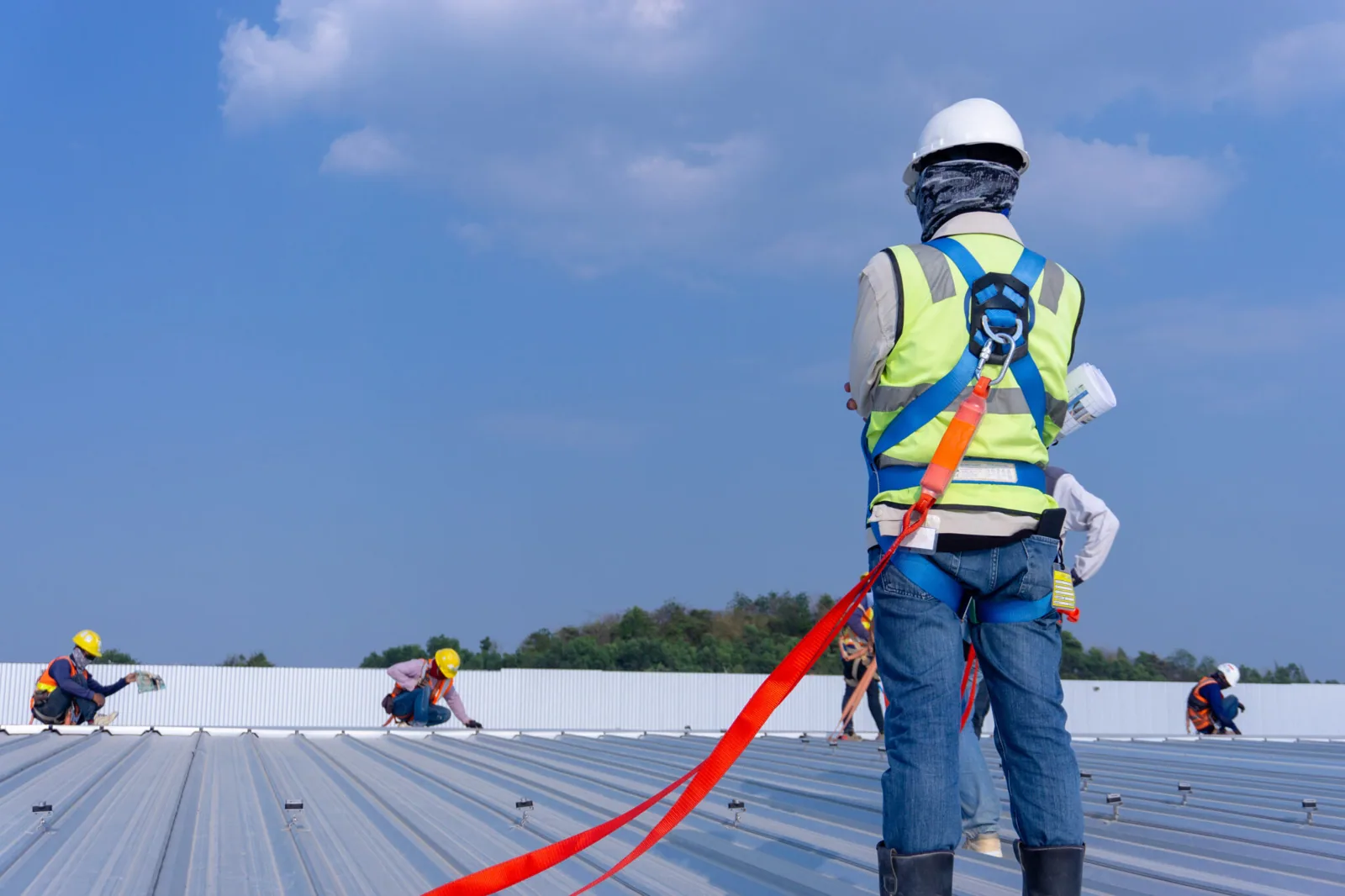
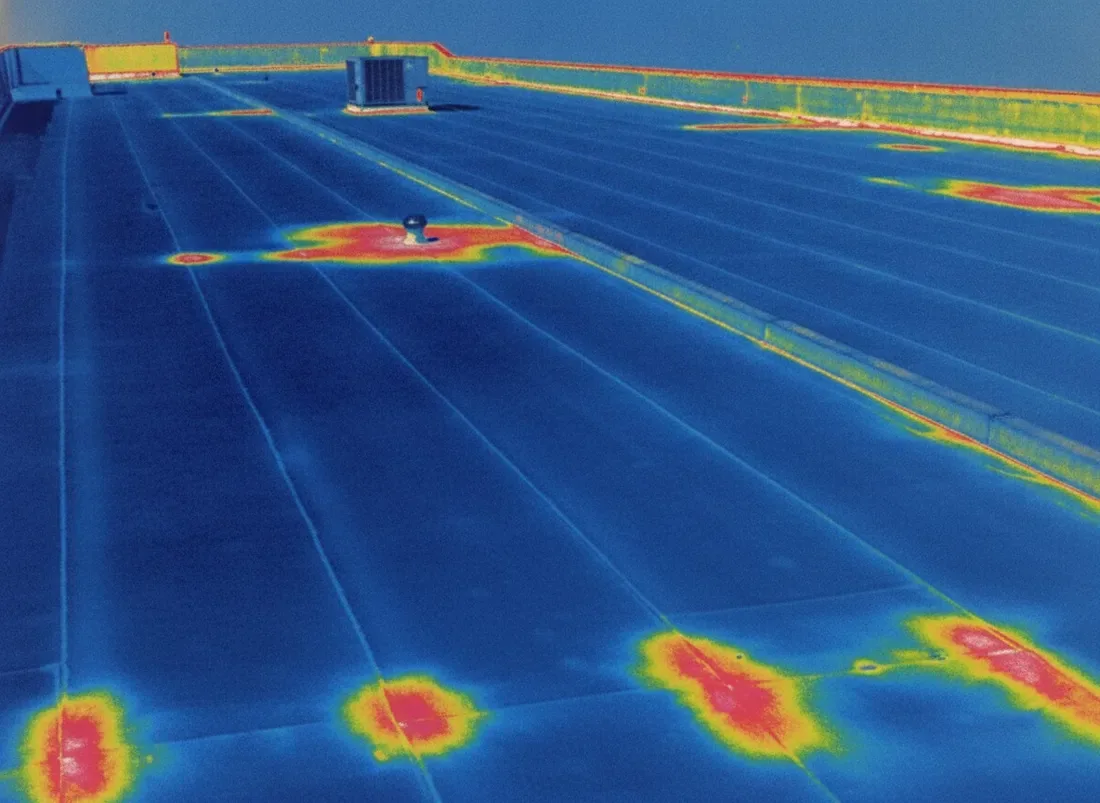
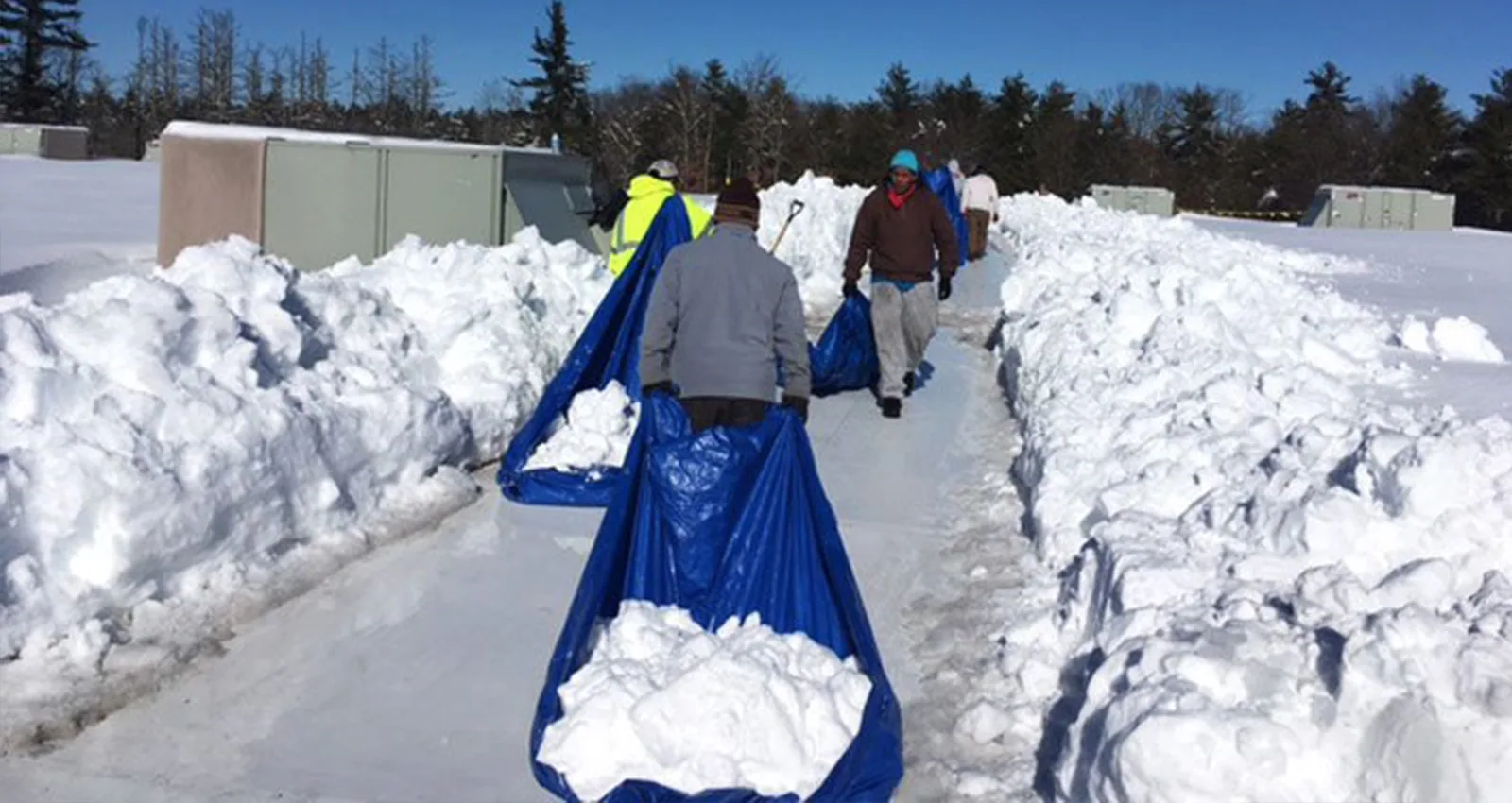
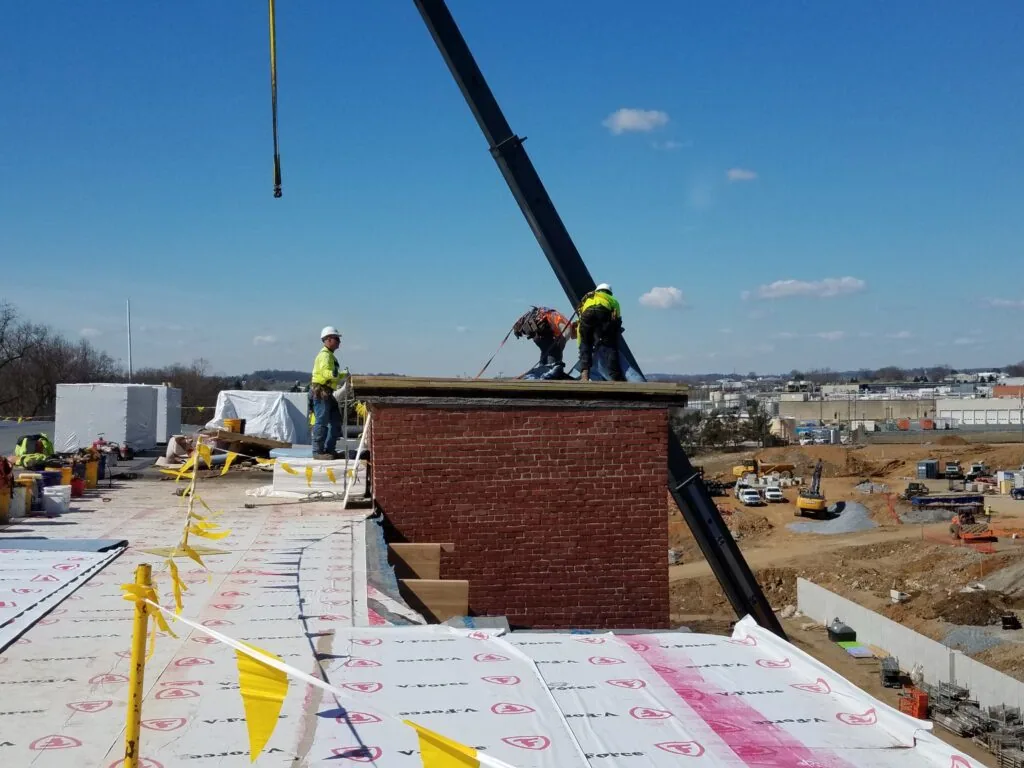
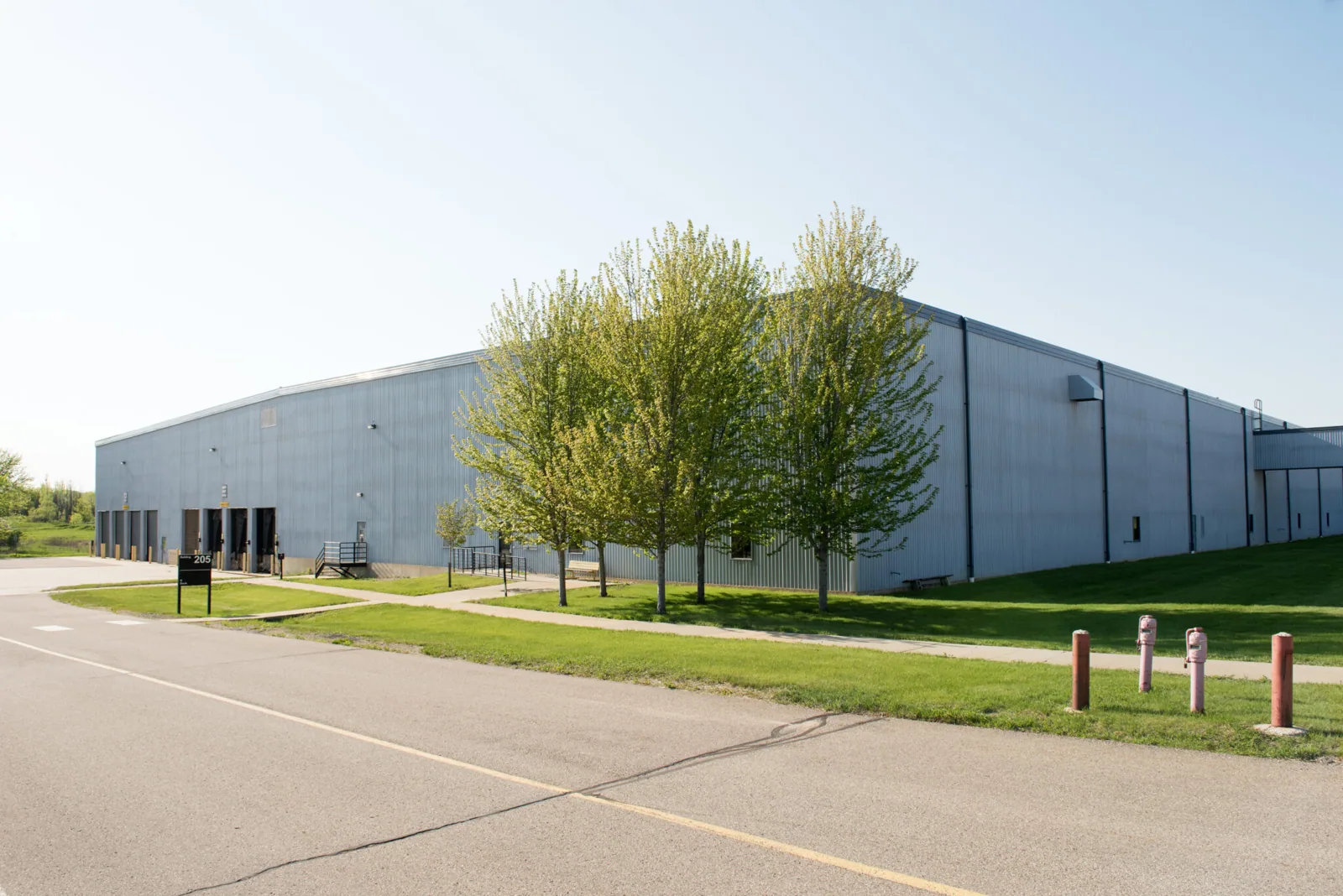

From distribution centers to clinics and schools, we roof the buildings Rochester depends on.
No. The review describes redevelopment scenarios, not the installed roof at a particular address. We identify the existing membrane, metal or other assembly during the inspection and note any detail that remains unconfirmed.
Start with the termination, counterflashing and nearby field seam, then trace drainage and inspect the interior report location. We photograph the full detail and define the repair boundary only after adjacent material is checked.
The Rochester normal is 46.3 inches of seasonal snow, with most falling from December through March. We use that city measure to plan visibility and drain checks, then base recommendations on actual roof conditions at the property.
Scope depends on access, roof assembly, measured area and whether testing is needed to separate wet insulation from a surface-level defect. We list the evidence and assumptions so the owner can see what would change the work.
Yes, if each address and roof section is confirmed in advance. We keep photographs, findings and scopes separate by property, including any access limits or operational restrictions that affect the visit.